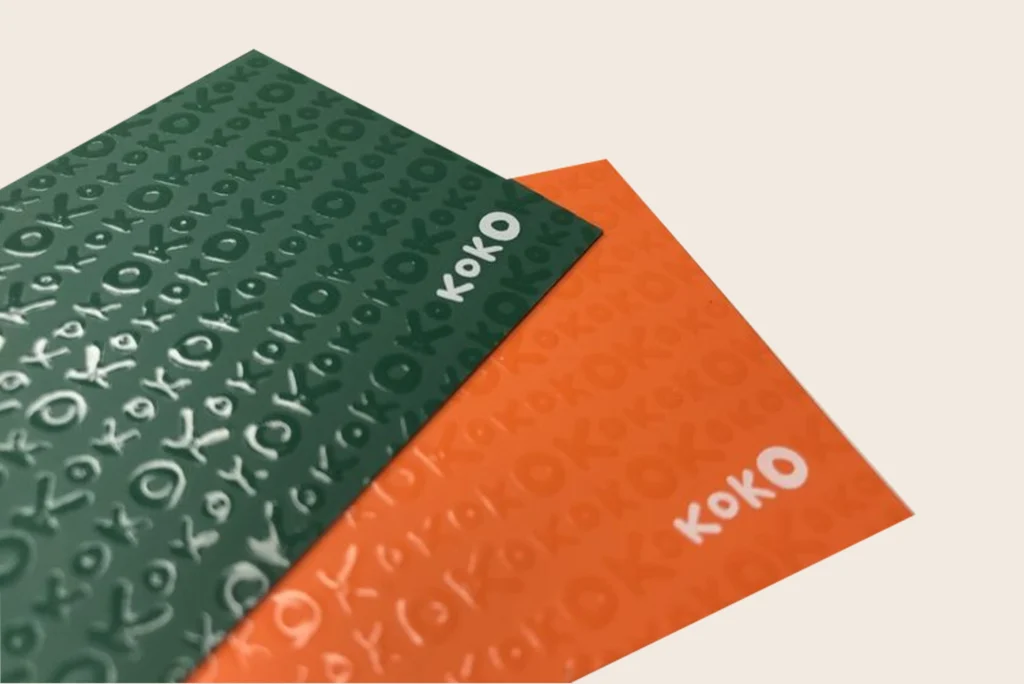
Varnish
A transparent finishing layer available in gloss, satin, or matte effects. It enhances the printed surface and adds an extra layer of visual appeal and light protection.
A shallow, six-sided coffin box for wrapped sweets and small favours, sized from its shoulder width and length and built like an ordinary carton. Orders start from 100 units.
A coffin has six straight edges. That is the most useful thing to know about this box, because nearly everything that makes a shaped box awkward comes from curves, and this shape has none.
A round or heart-shaped box needs its walls to bend, and a tapered one leaves board on the sheet around every point. A coffin outline is cut from straight lines, so each wall folds up on a score and glues at a straight corner exactly as a rectangular carton does, only with six corners instead of four. The base is flat, so the box stands anywhere. The lid is flat, so the boxes stack in a display or a delivery carton. And straight-edged outlines sit close to one another on the sheet, so the shape is not paying the board penalty that a curve or a taper carries. Different Shape Boxes sets out the general reasons for choosing a shape at all; this is the shape that carries the fewest of those penalties.
The widest span on a coffin is across the shoulders, and everything narrows from there towards the head and the foot. That span is the limit on what fits. A wrapped sweet or a favour has to lie flat within the shoulder width, and the length from head to foot then takes as many as the box should hold in a row. Draw the outline on paper, lay the items inside it with the widest across the shoulders, and read the two measurements off the page. The box is shallow by nature, so depth comes last and follows the thickest item.
The shape earns its keep when the lid comes off and the contents are seen, which makes the lid the one construction decision worth thinking about. A folding-carton build gives a lid that folds over on a crease along one long edge and tucks shut, so the box opens like the object it is drawn from and closes again without a second part. A rigid build gives a separate lid that lifts away, heavier in the hand and better where the box is a gift kept after the sweets are gone. The build follows the occasion, and it is settled at quotation.
Food-contact material suitability is confirmed for the specific material before production. Most treats in a box like this are wrapped or bagged, so the board touches packaging rather than the sweet itself; where loose confectionery goes in unwrapped, say so at quotation, because the material choice then follows the food. All Custom Packaging can help organise the available print space, but the brand or its regulatory adviser remains responsible for confirming the accuracy and completeness of the required product information.
Halloween artwork runs dark, and a solid black or deep purple across a whole carton is where the finish choice shows. A bare printed black marks at the folds, and a matt lamination over a dark solid can show scuffing of its own, so the finish is chosen against how the boxes will be handled rather than defaulted either way. Printing runs offset, digital or screen, whichever the artwork and the quantity call for. Pantone references and CMYK values can be used to manage colour consistency, subject to normal variation caused by the chosen board, ink, coating and production method. Foil, embossing and spot UV are available where the specification calls for them, and a foil name plate on the lid is the obvious use of the shape.
Orders start from 100 units. Design support is free. A digital 3D mock-up is free. There are no setup fees. Standard production takes 6 to 8 business days after approval. UK delivery is free.
A loose assortment of unwrapped sweets that needs each piece held in its own place is a cavity question, worked through at Empty Heart Shaped Candy Boxes for a shaped box and across the category for a plain one. A festive treat box with no shape in it is Festive Treat Boxes, and a favour handed to each guest at a wedding or a party is Party Favour Boxes. The whole range is under Candy Boxes.
| Box Style | All Custom Packaging |
| Dimension | All Custom Sizes & Shapes |
| Quantities | 100-unit minimum order |
| Paper Stock | Kraft, corrugated, rigid board, cardstock |
| Printing | CMYK, Pantone, digital and offset |
| Finishing | Gloss, matte, spot UV, embossing, foiling |
| Shipping | Free delivery options |
Choose from premium coating, board, printing and finishing options for your insert boxes.
A transparent finishing layer available in gloss, satin, or matte effects. It enhances the printed surface and adds an extra layer of visual appeal and light protection.
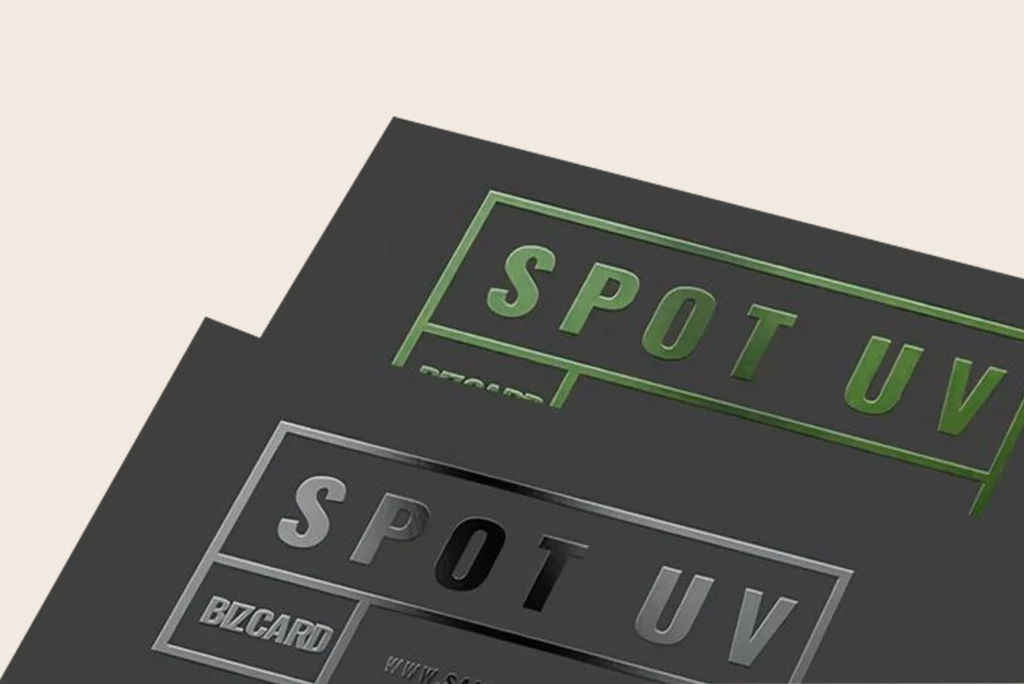
A UV-cured coating applied to specific areas of the design to create gloss or matte contrast and draw attention to important details.
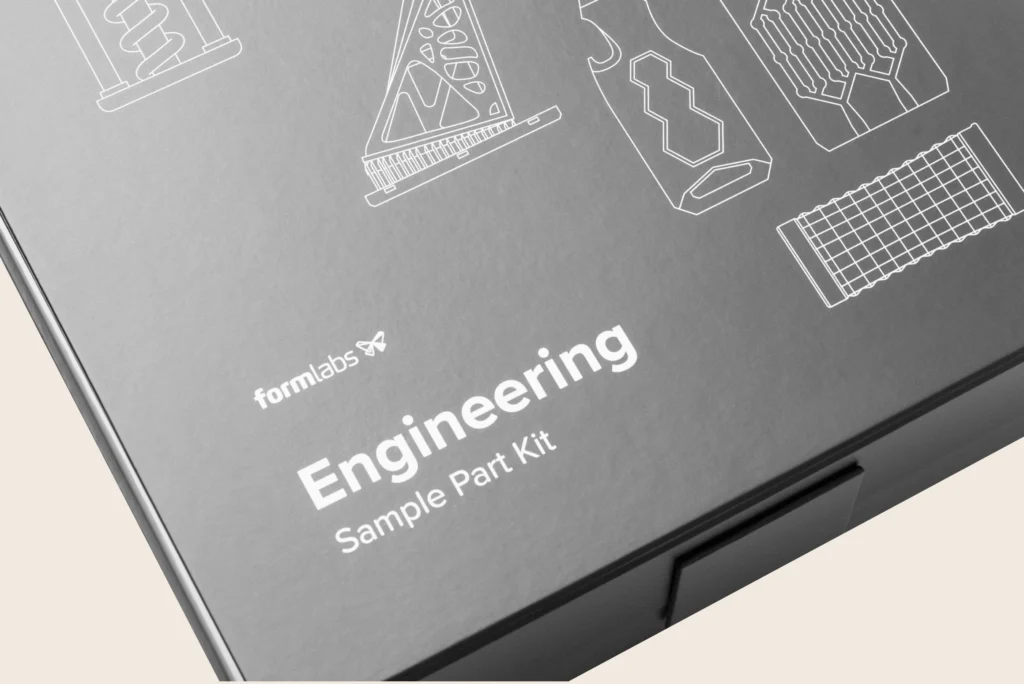
A smooth, velvety coating that creates a soft tactile feel and gives packaging a refined luxury look. It improves the unboxing experience and supports a high-end product presentation.
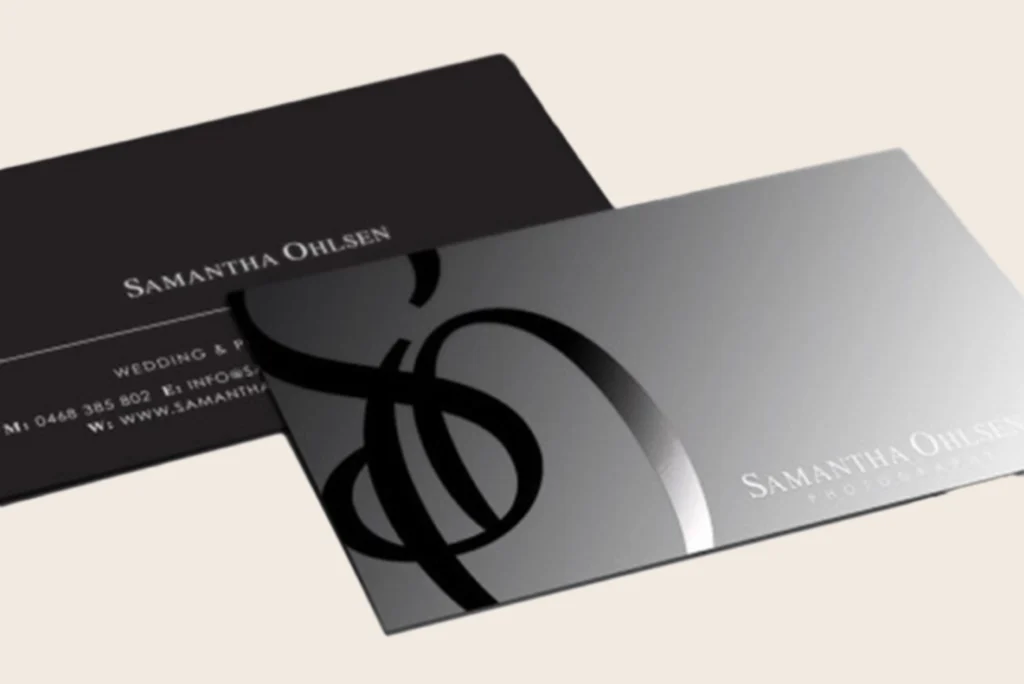
A soft, smooth lamination with a refined satin-like finish. It gives packaging a premium feel while keeping the surface elegant, subtle, and easy to handle.
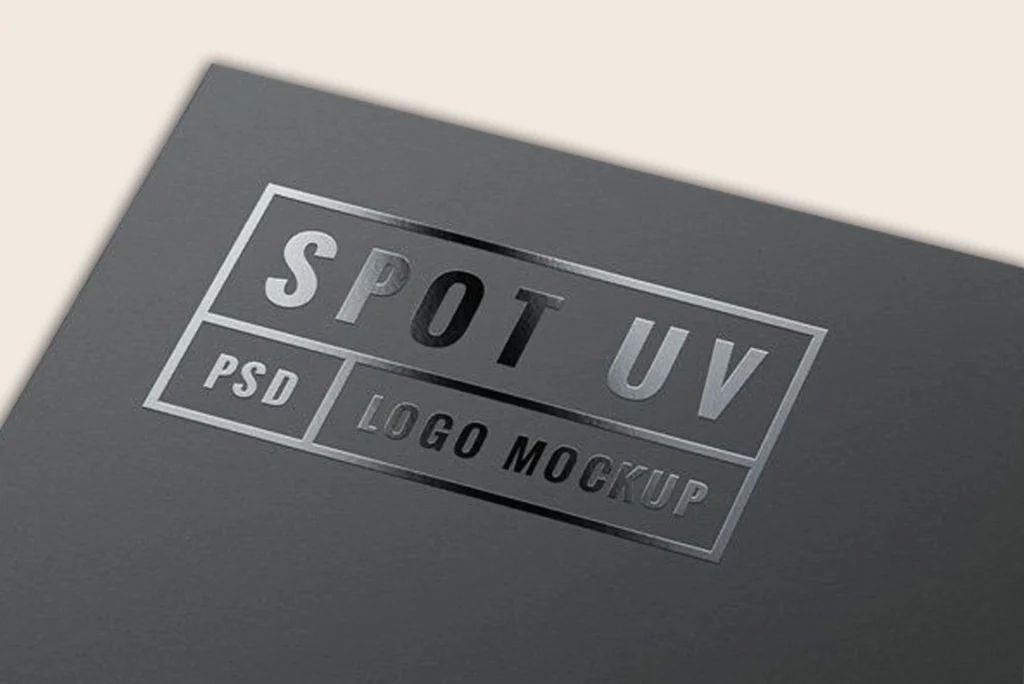
A high-gloss UV coating applied only to selected design areas to create sharp contrast, highlight logos, and add a premium visual effect without coating the whole surface.
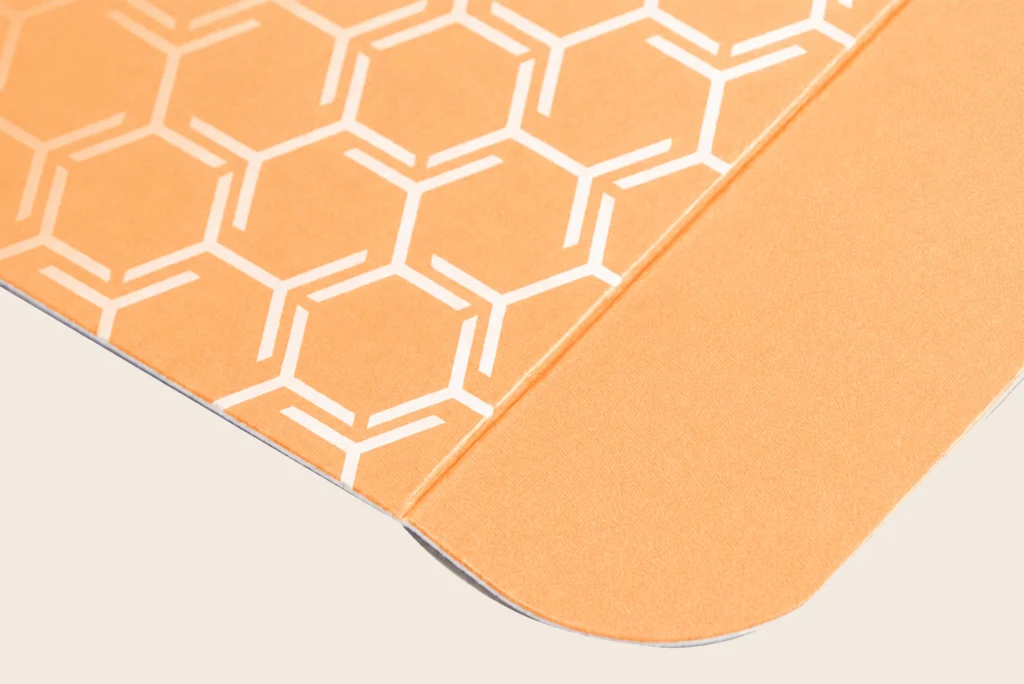
A clear, fast-drying water-based coating that adds a smooth protective layer while maintaining a clean and professional surface finish. It is a practical choice for everyday printed packaging.
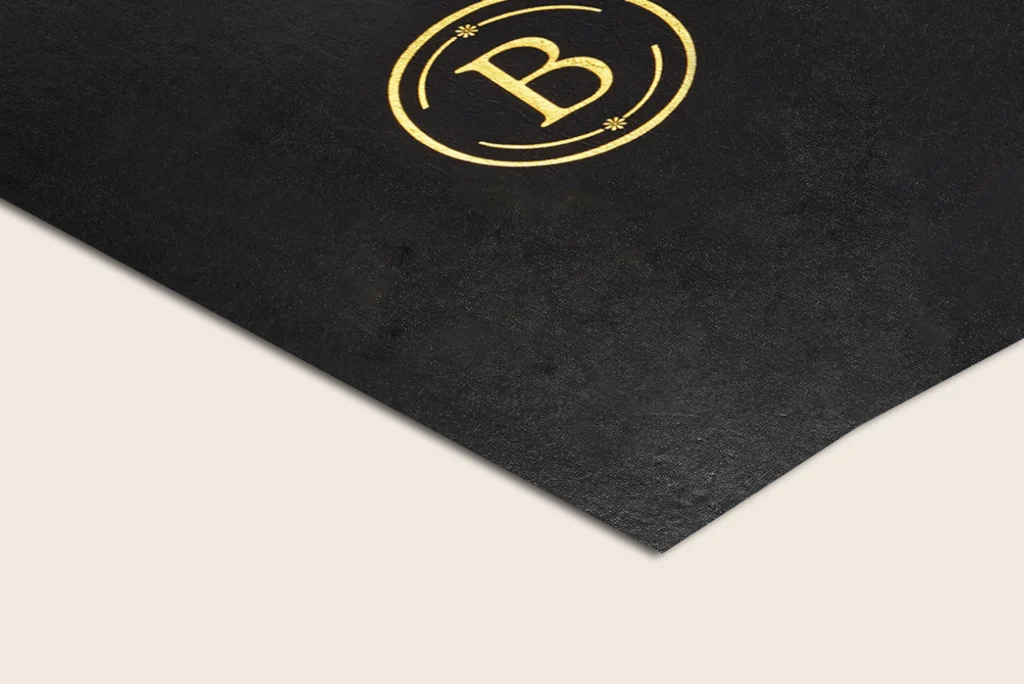
A durable protective film that helps reduce visible scratches, scuffs, fingerprints, and daily handling marks. It keeps packaging looking clean, polished, and premium for longer.
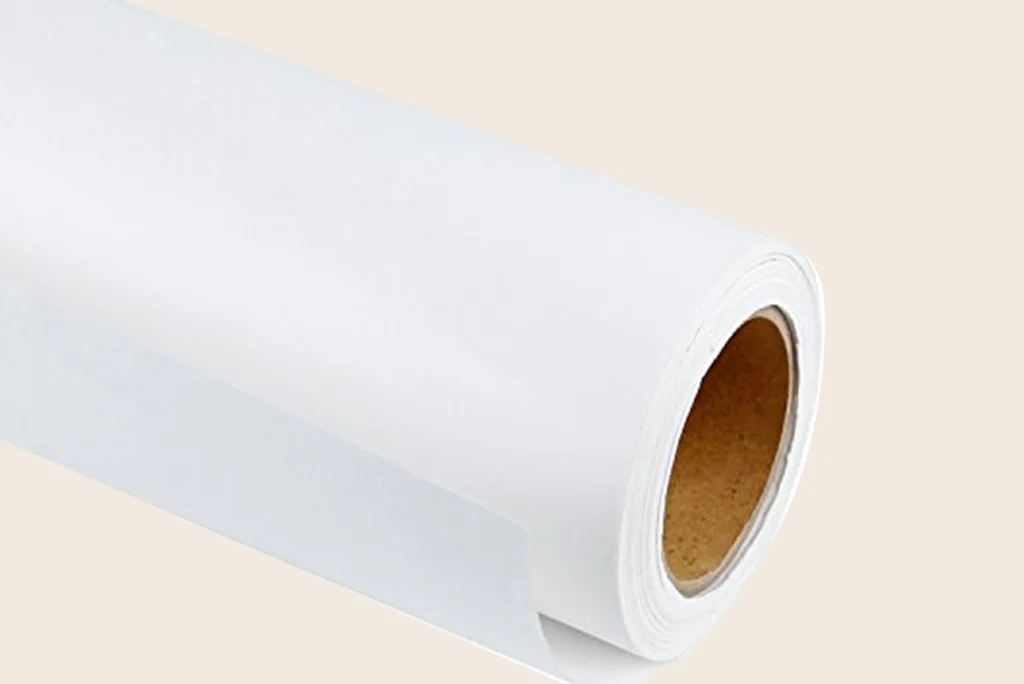
A bleached kraft paperboard made from a mix of virgin and recycled pulp, offering a clean white surface for crisp and polished packaging designs.
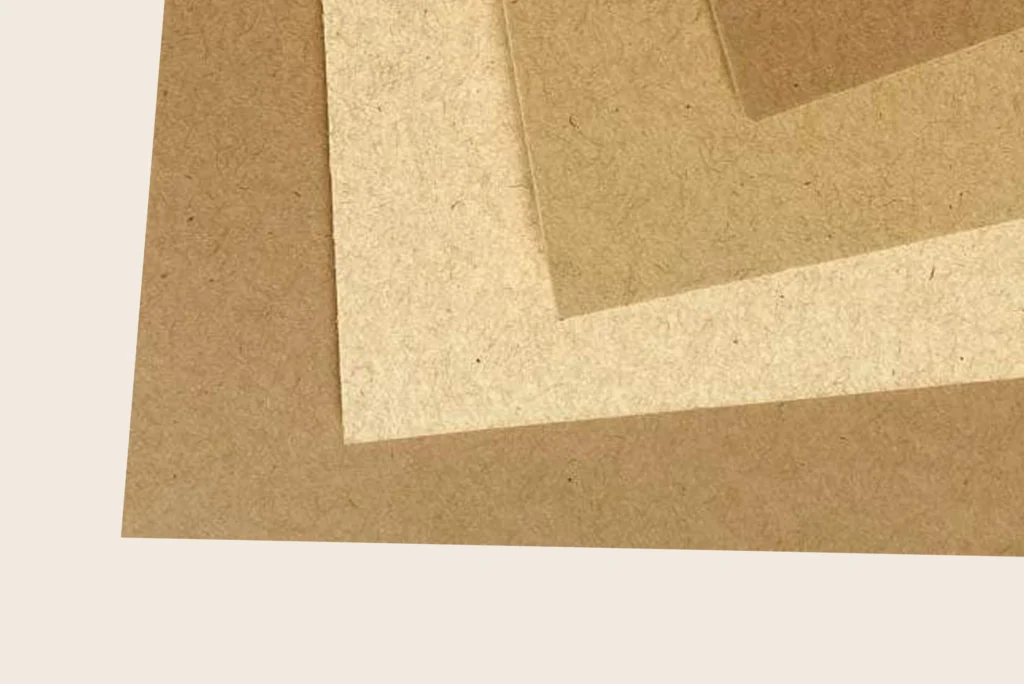
A natural kraft paperboard without coating, made from virgin and recycled pulp. It provides a raw, organic appearance with sturdy packaging strength.
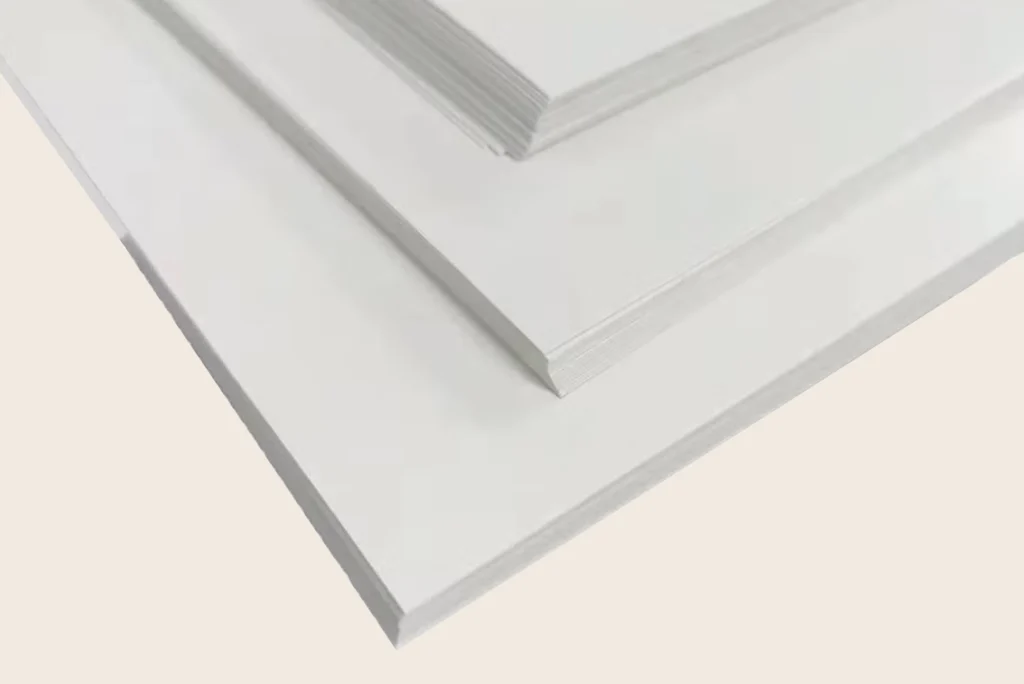
A premium bleached paperboard coated on both sides, designed for excellent print quality, die-cutting, and professional packaging results.
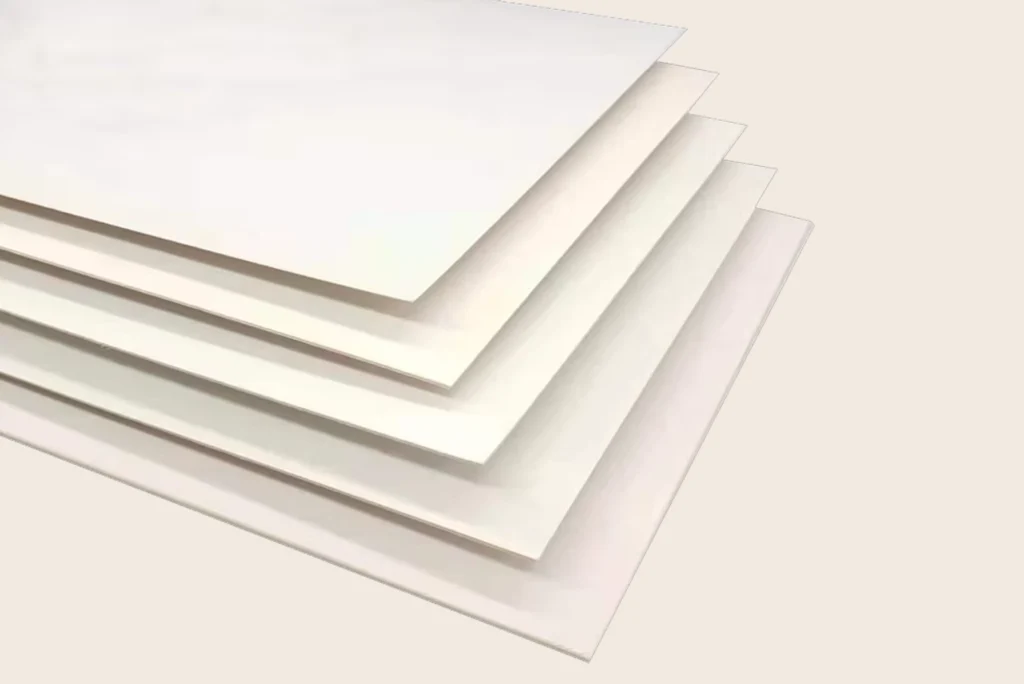
A high-quality bleached paperboard coated on one side. It provides a clean printable face with a premium packaging feel.
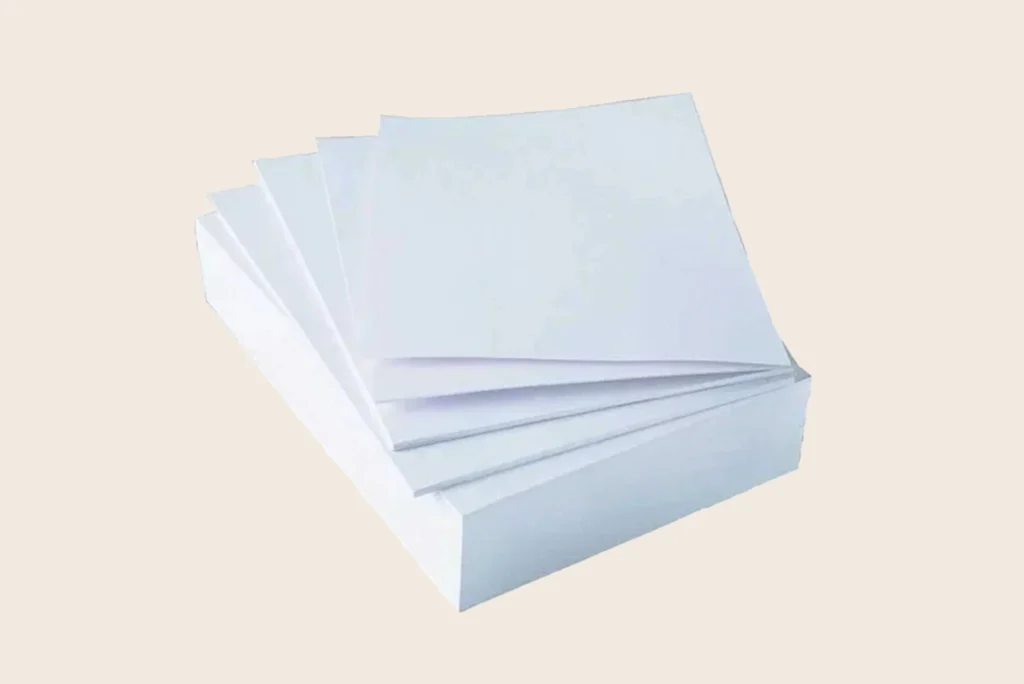
A smooth printable paper stock that supports high-resolution graphics, clean text, and rich color output for refined packaging presentation.
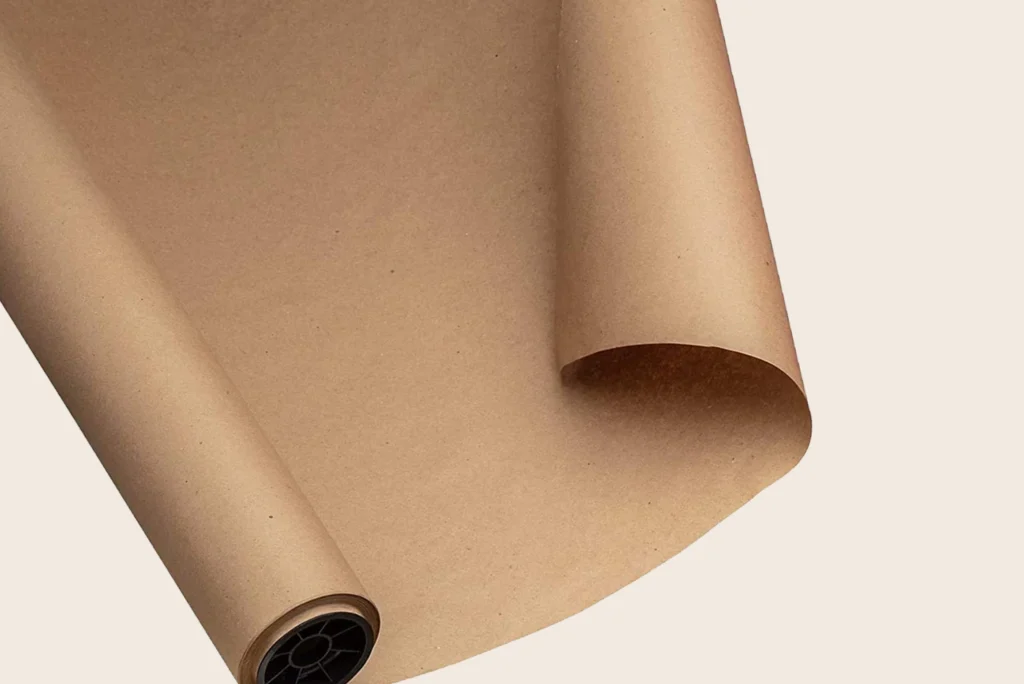
A natural kraft paperboard made from strong virgin and recycled pulp. It provides an organic, earthy look for sustainable and simple packaging.
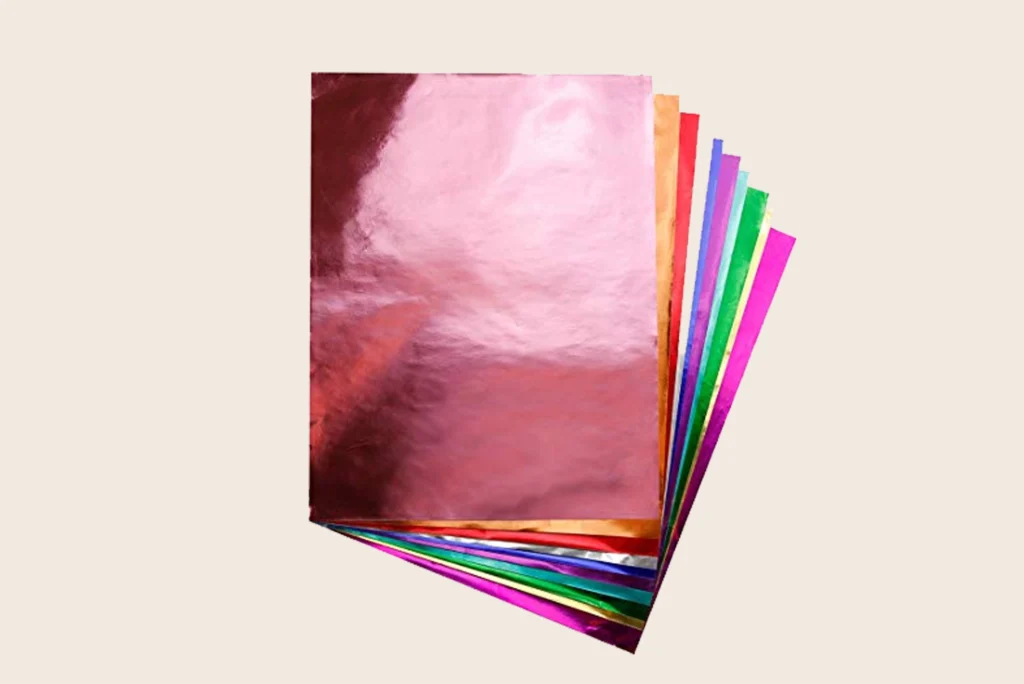
A specialty paperboard with a laminated metallic surface available in gold, silver, and other premium finishes for luxury visual impact.
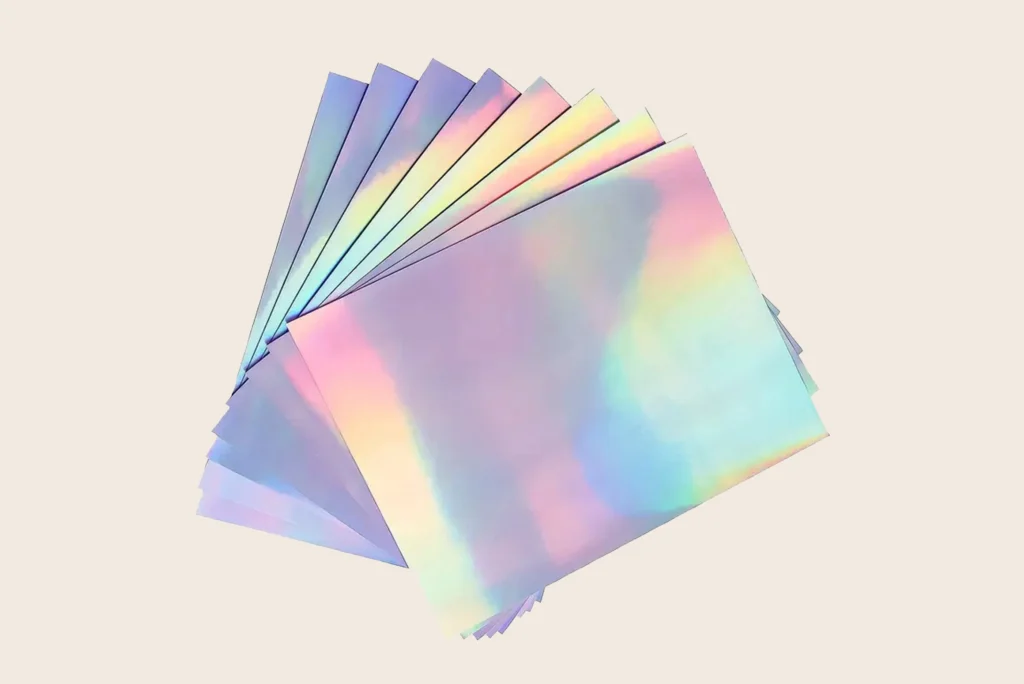
A specialty paperboard with a laminated holographic surface that creates a reflective, rainbow-like appearance for eye-catching product packaging.
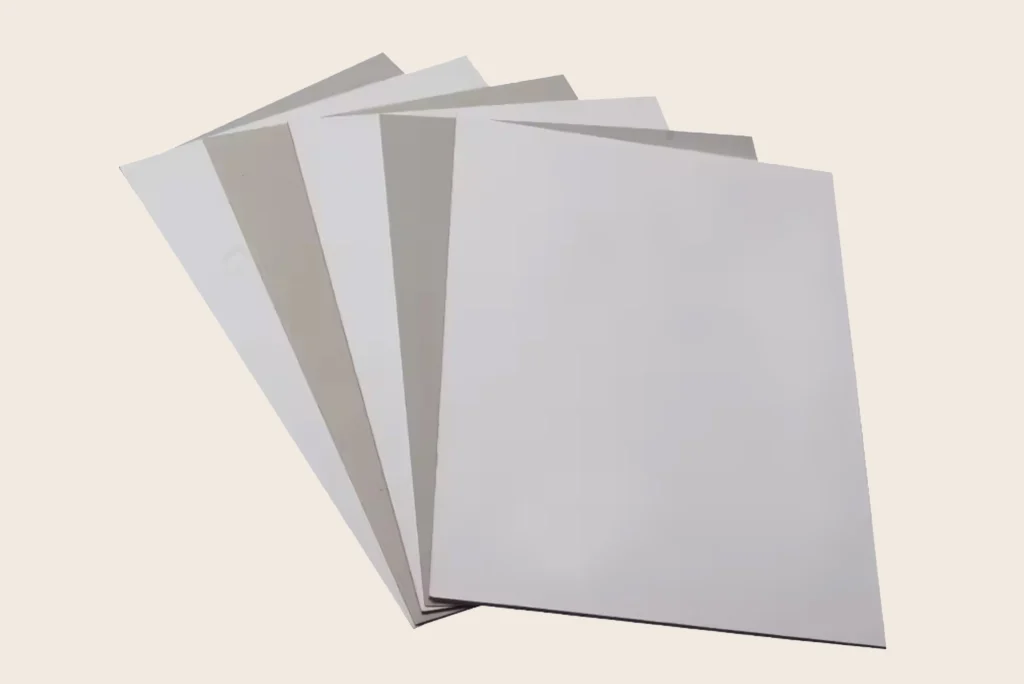
A recycled duplex paperboard with a white printable surface. It is ideal for economical packaging that still requires clean graphics and brand presentation.
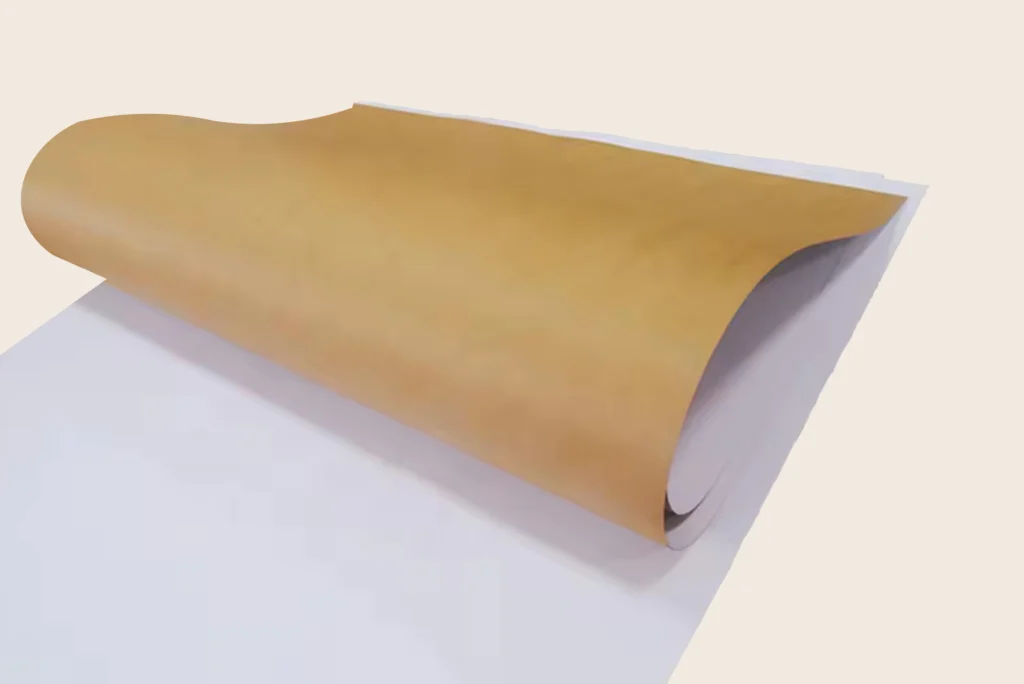
A kraft board with a smooth clay-coated white face for quality printing and a natural kraft reverse side for a strong, authentic appearance.
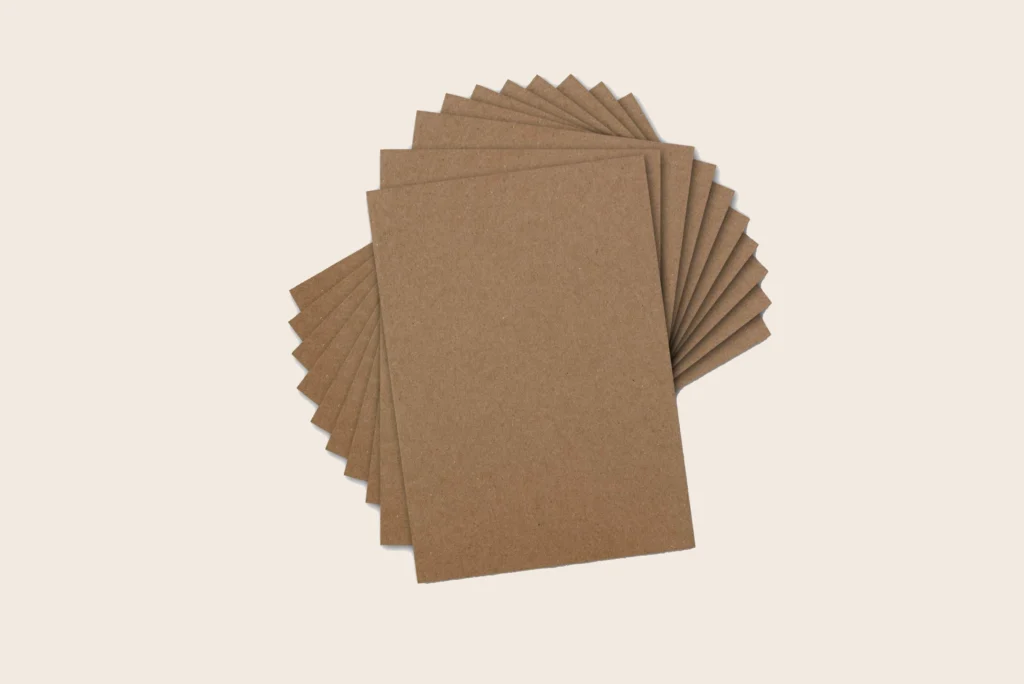
A kraft paperboard with a clay-coated printable top surface and a natural unbleached kraft back. It balances clean branding with a rustic natural look.
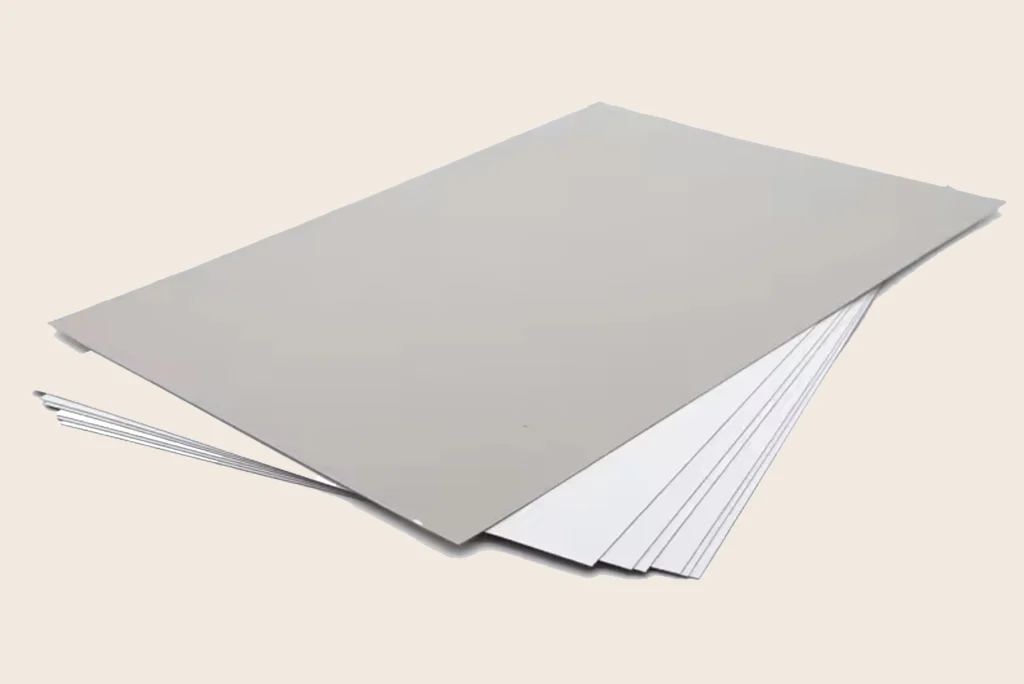
A duplex paperboard made with recycled pulp and a coated white printable surface. It delivers smooth print results for affordable carton packaging.
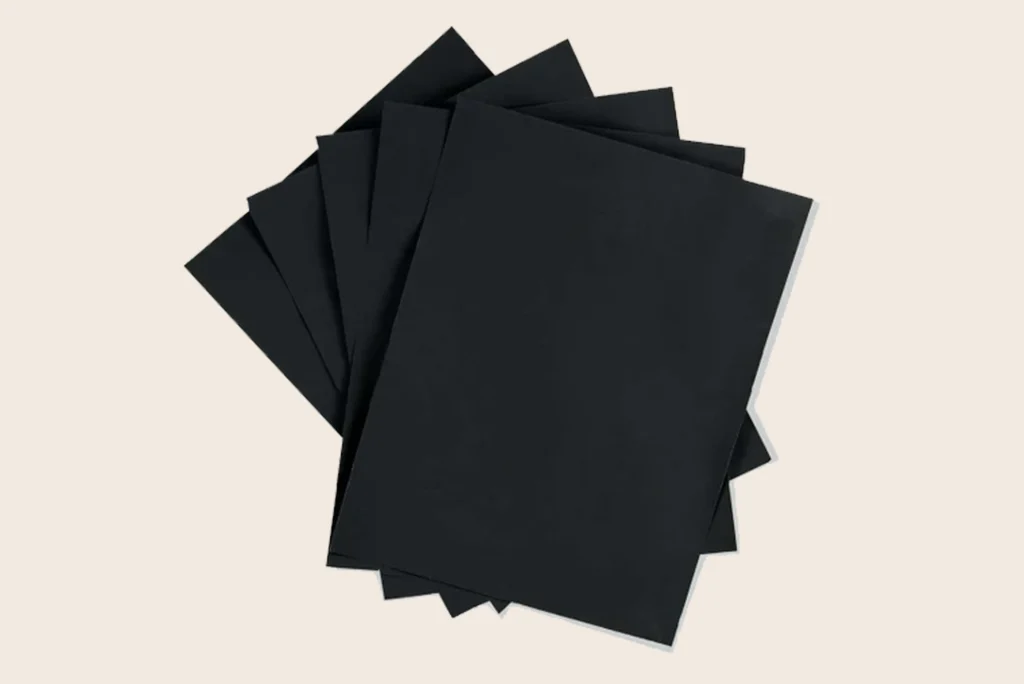
A black-dyed kraft board with a natural paper texture and excellent strength. It creates a bold, premium look for luxury and specialty packaging.
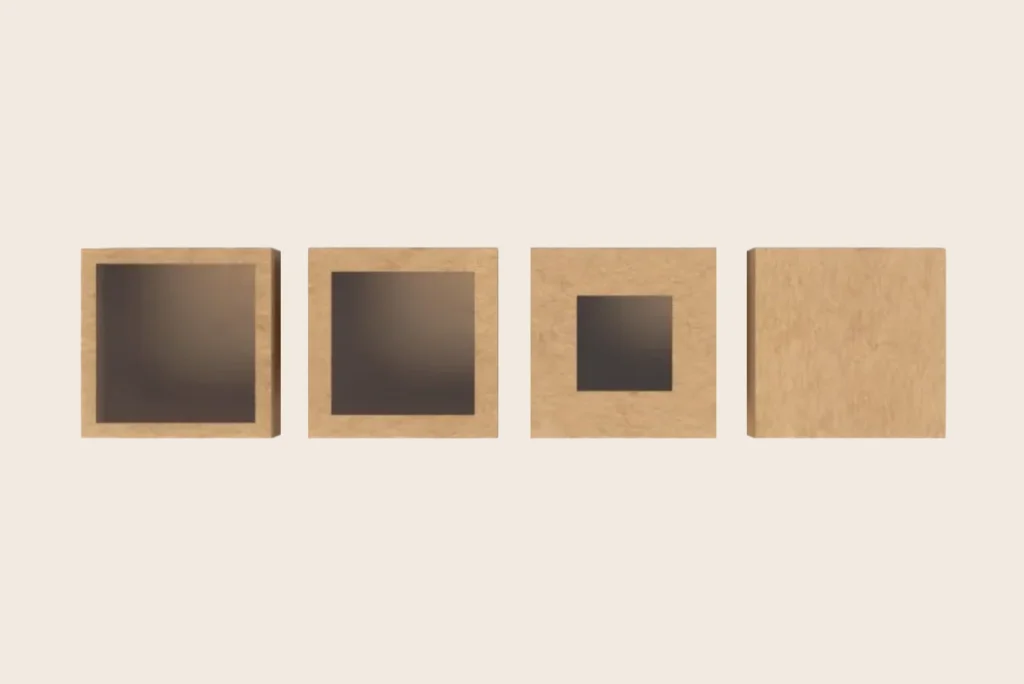
A packaging technique where a die-cut opening is covered with a transparent film, allowing the product inside to remain visible while staying protected.
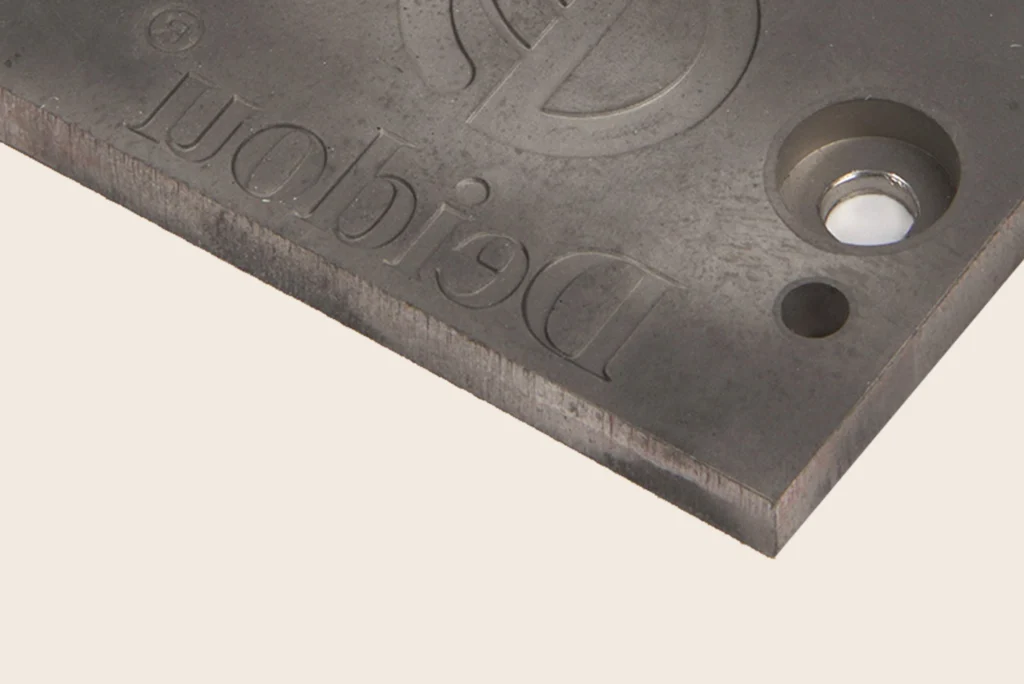
An embossing technique where the raised design is precisely aligned with printed artwork to improve detail, texture, and overall presentation.
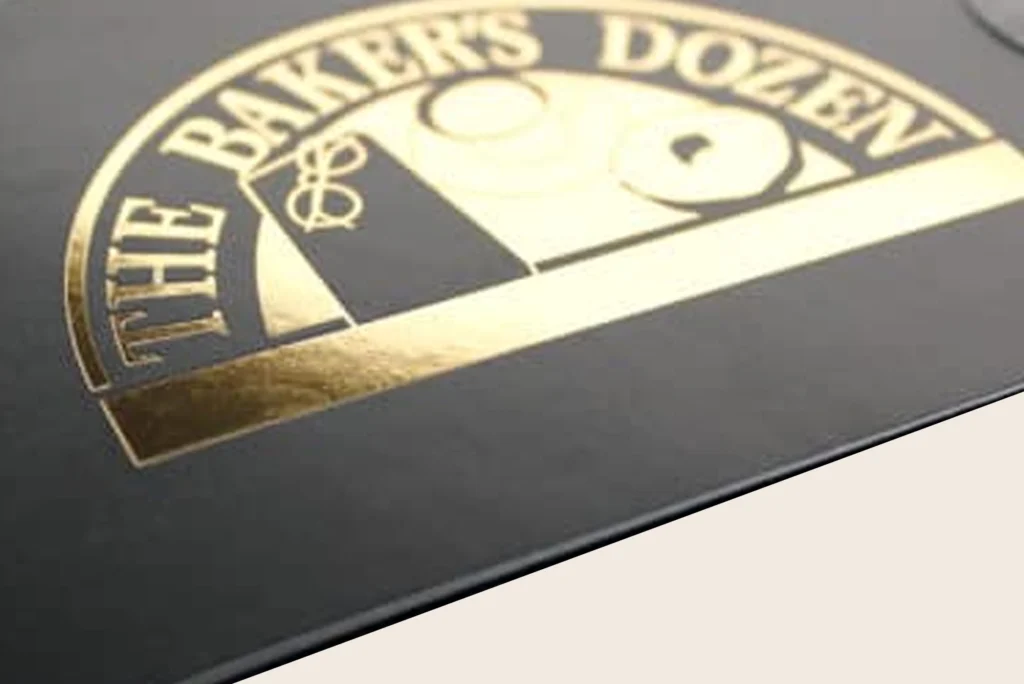
A finishing process in which heat and pressure transfer metallic foil to the surface, creating a premium, shiny, and luxurious effect.
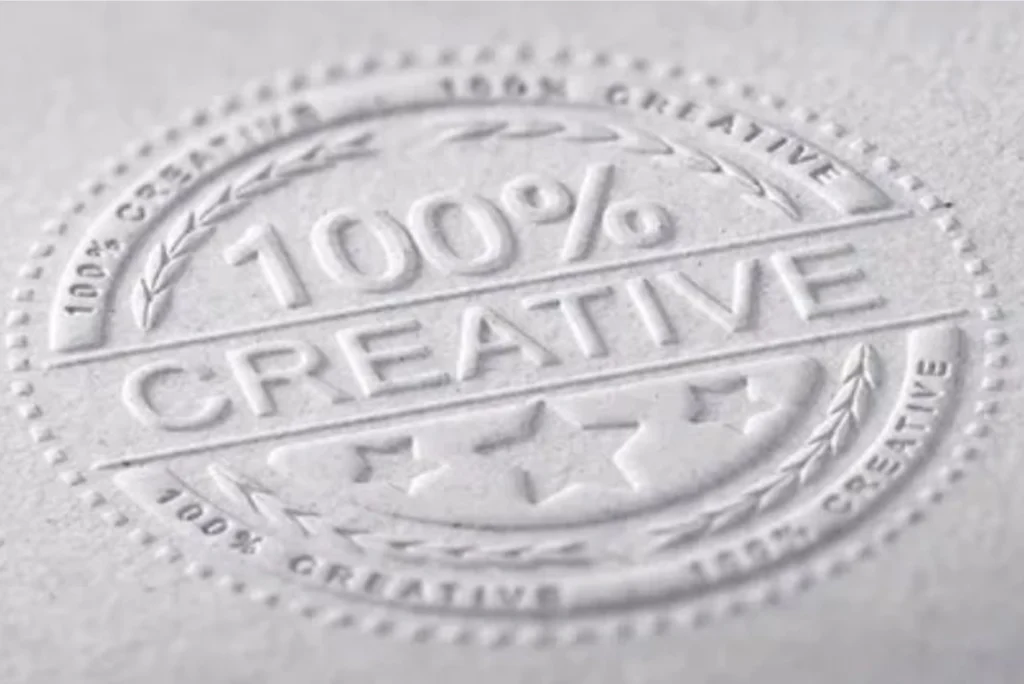
A premium finishing method that combines embossing with foil stamping to create a raised design with metallic color and strong visual impact.
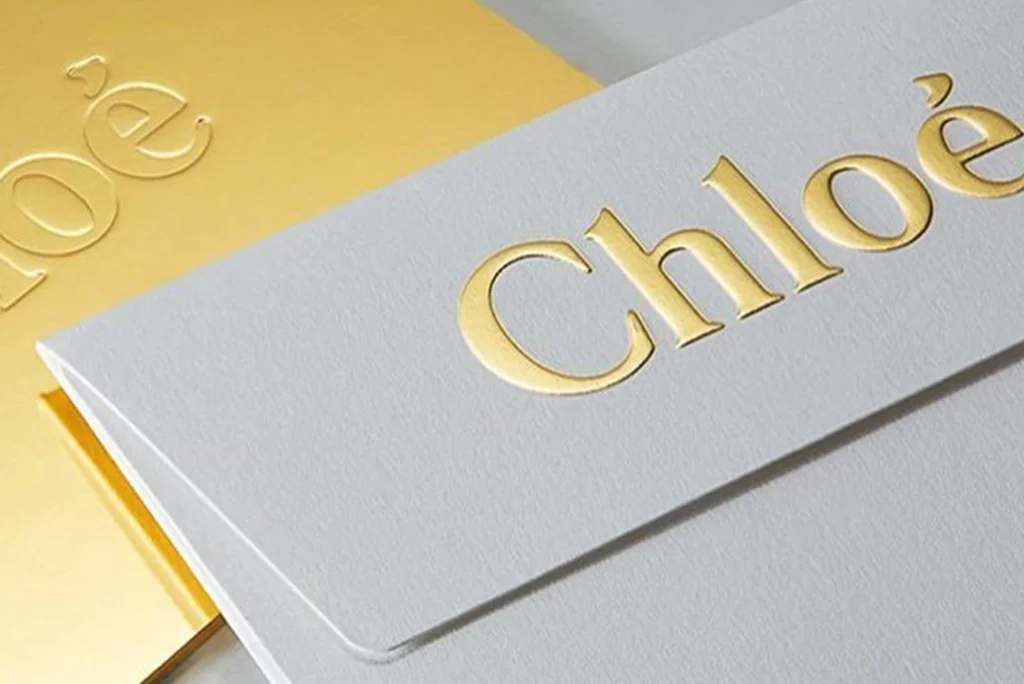
A decorative process that transfers foil onto selected areas of the surface using UV-curable adhesive, creating a bright metallic effect with sharp detail.
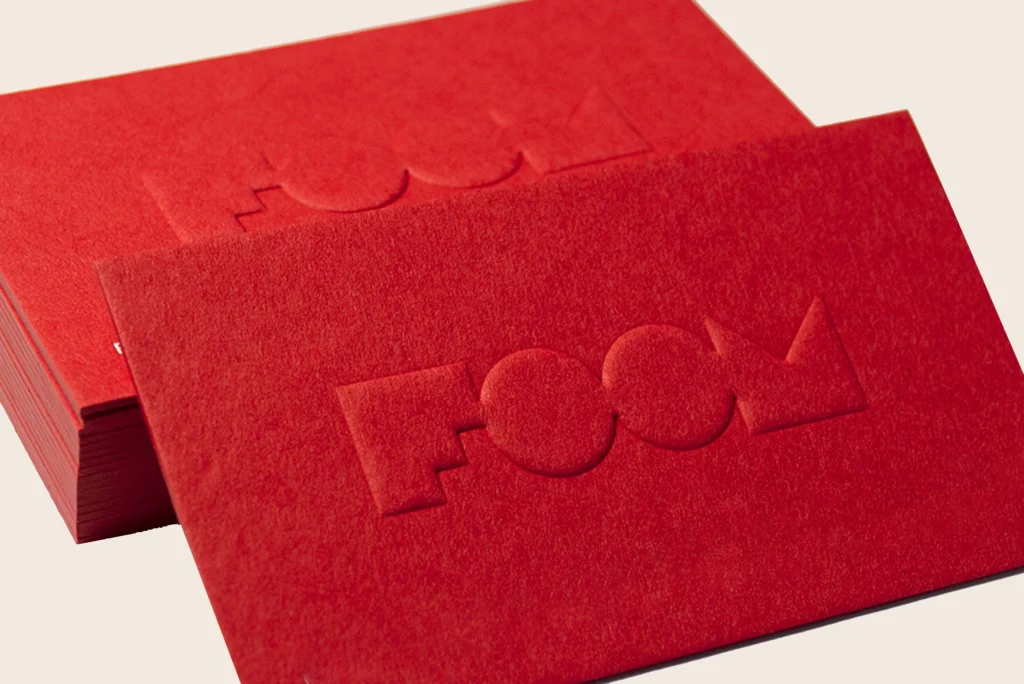
A technique that raises a design from the surface without ink or foil, giving packaging a clean, elegant, and textured appearance.
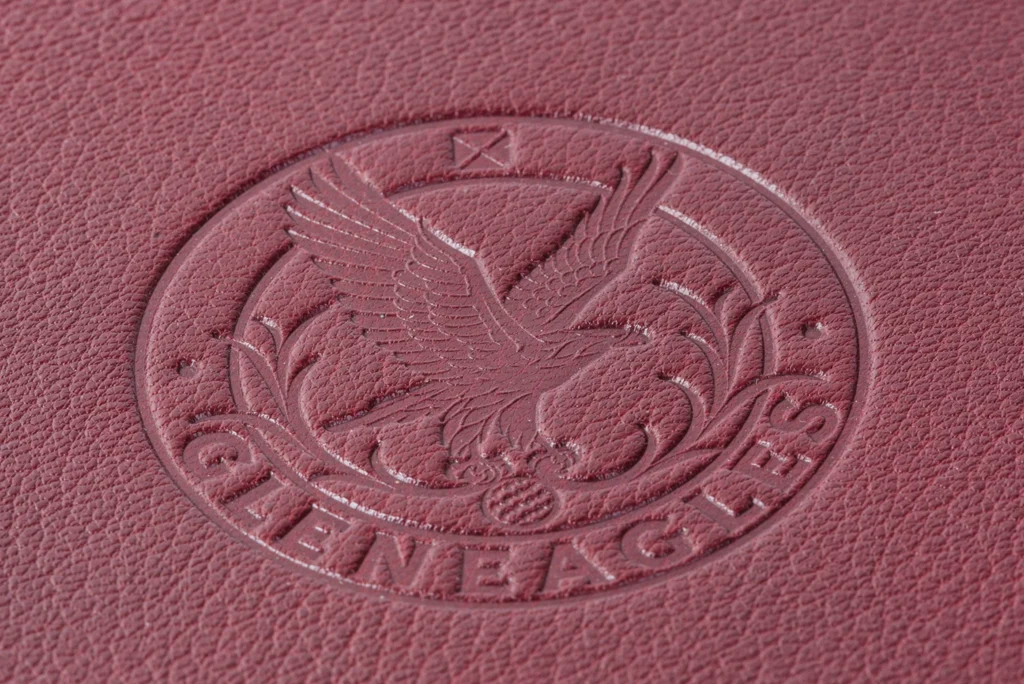
A finishing technique that presses a design into the material to create a recessed impression without using ink or foil. It adds subtle depth and a refined tactile effect.
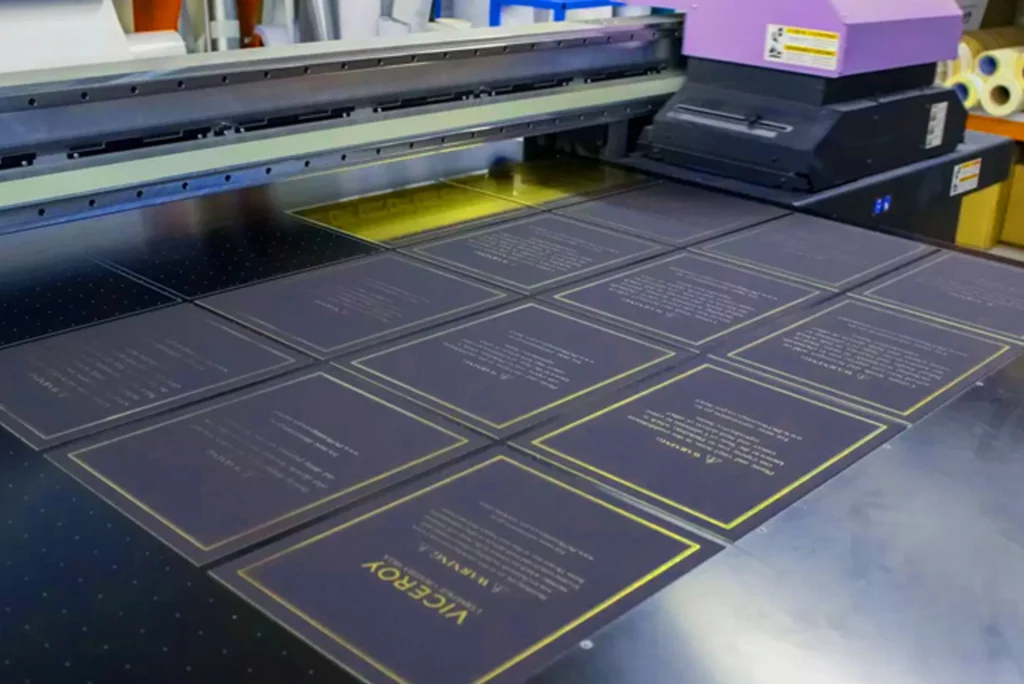
A fast-curing printing process that uses ultraviolet light to dry ink instantly, delivering sharp detail, vibrant colors, and a premium finish.
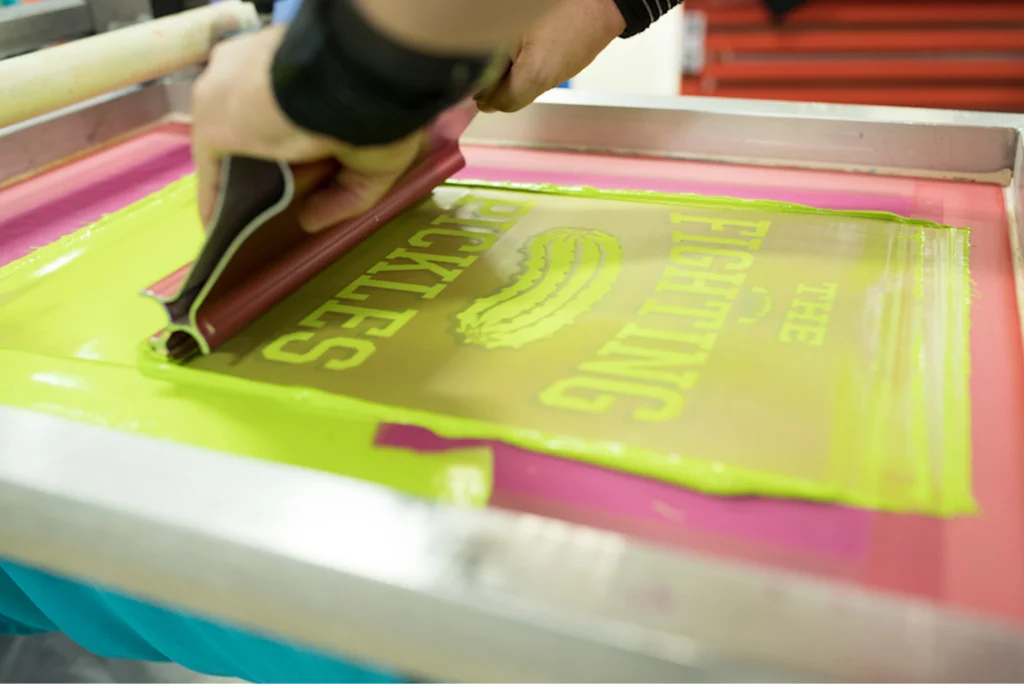
A durable printing method that uses a mesh screen and stencil to apply ink to surfaces. It is ideal for bold colors and high-impact packaging designs.
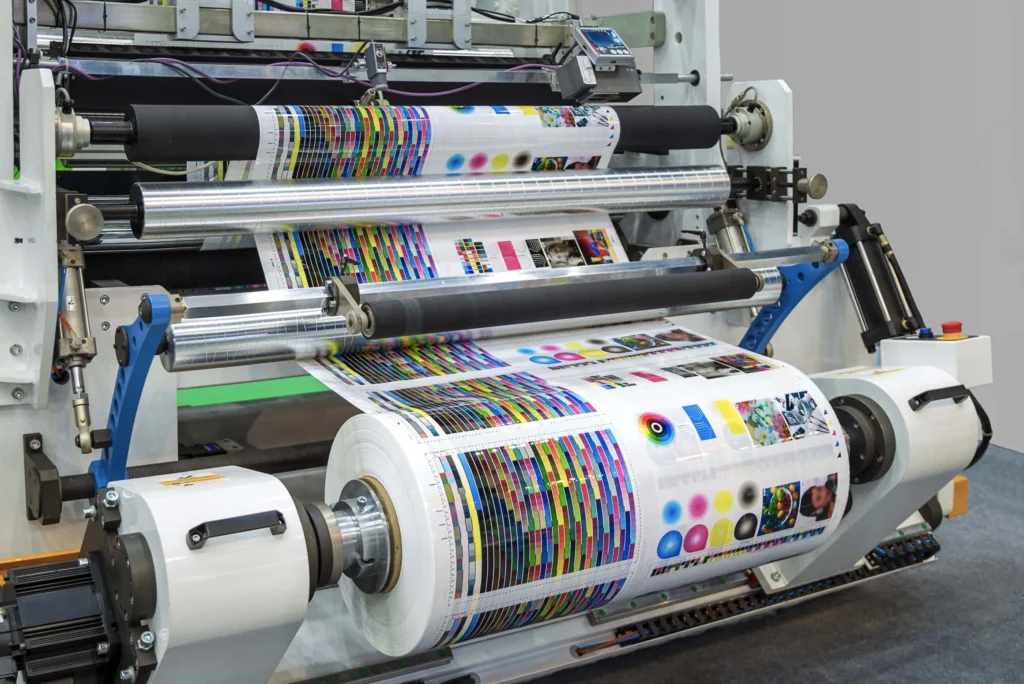
A traditional high-quality printing process that transfers designs from plates to a rubber blanket before printing, making it ideal for large-volume production.
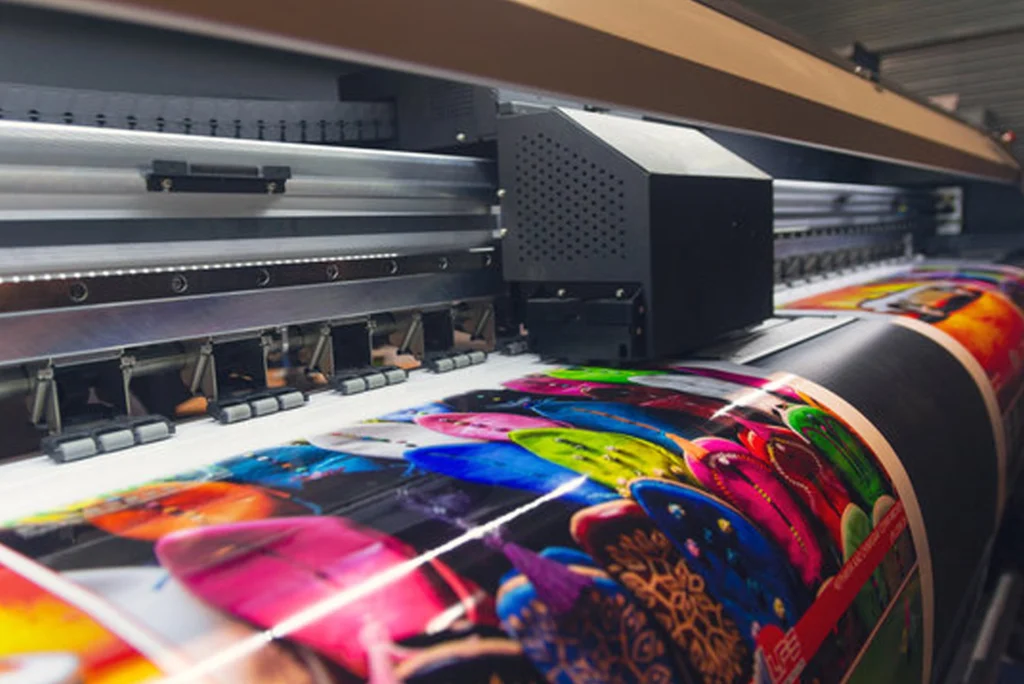
A modern printing method that does not require printing plates, making it cost-effective and efficient for short runs, sample production, and small-batch quantities.
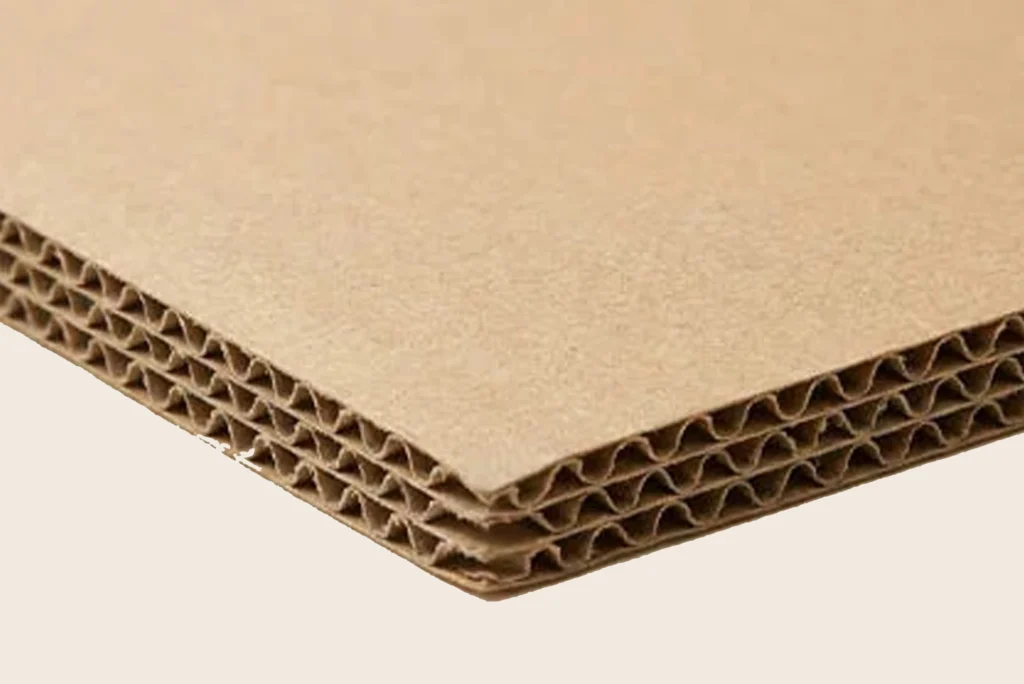
Built with three corrugated layers between four linerboard sheets, providing heavy-duty strength for large or industrial packaging needs.
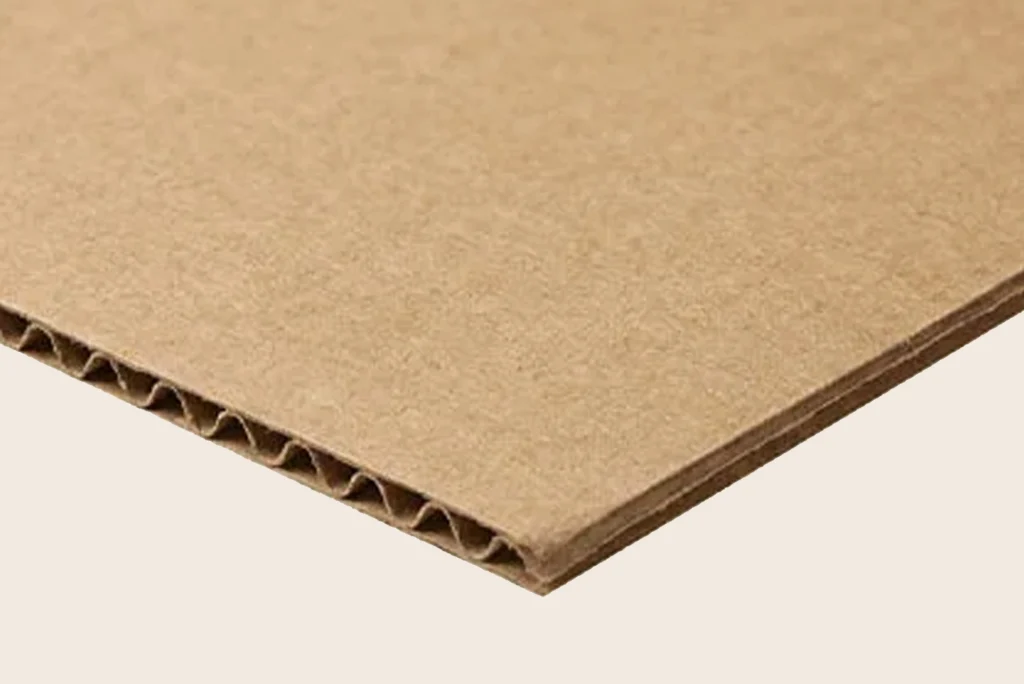
A standard corrugated structure with one fluted medium and two linerboards, providing dependable strength for everyday packaging.
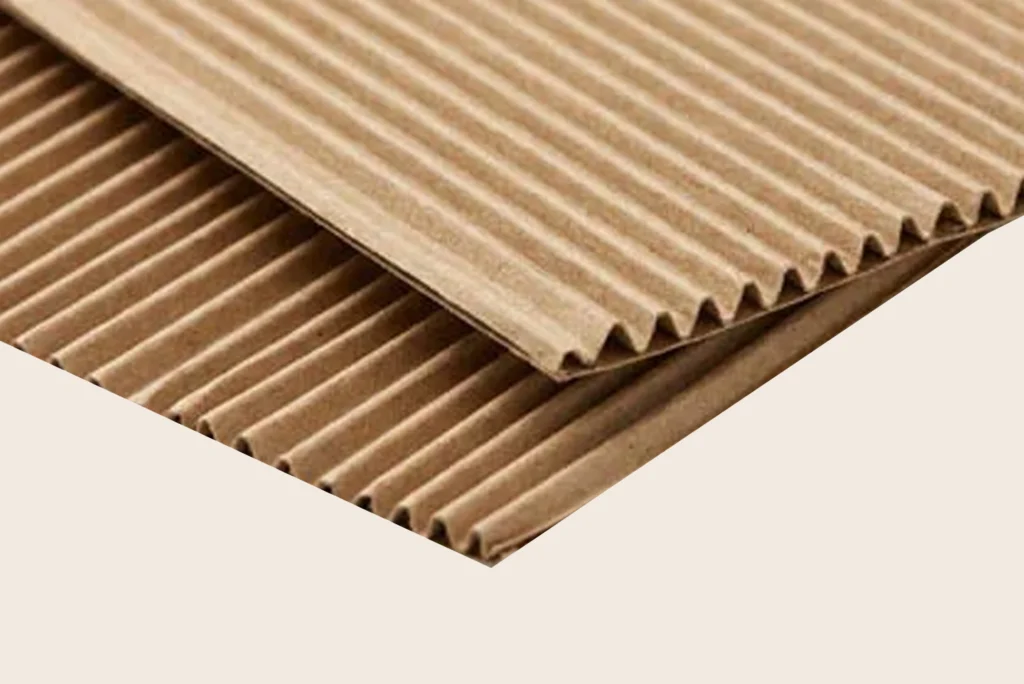
A corrugated sheet with one flute layer between two liners, offering lightweight strength for protective packaging.
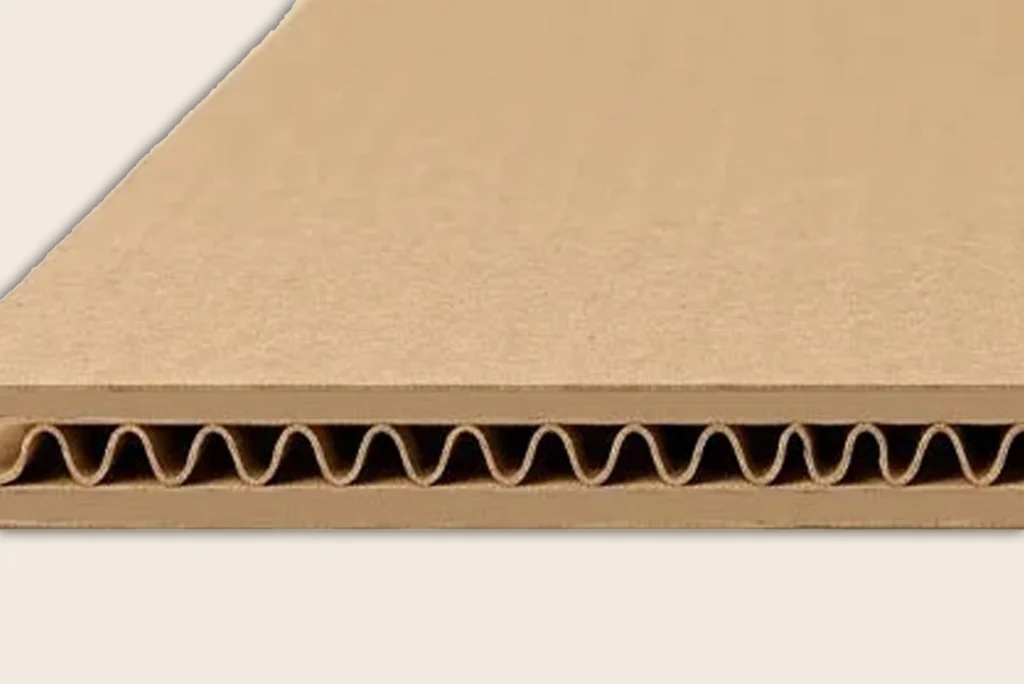
An ultra-thin flute grade designed for lightweight packaging, small retail boxes, and high-quality printed presentation.
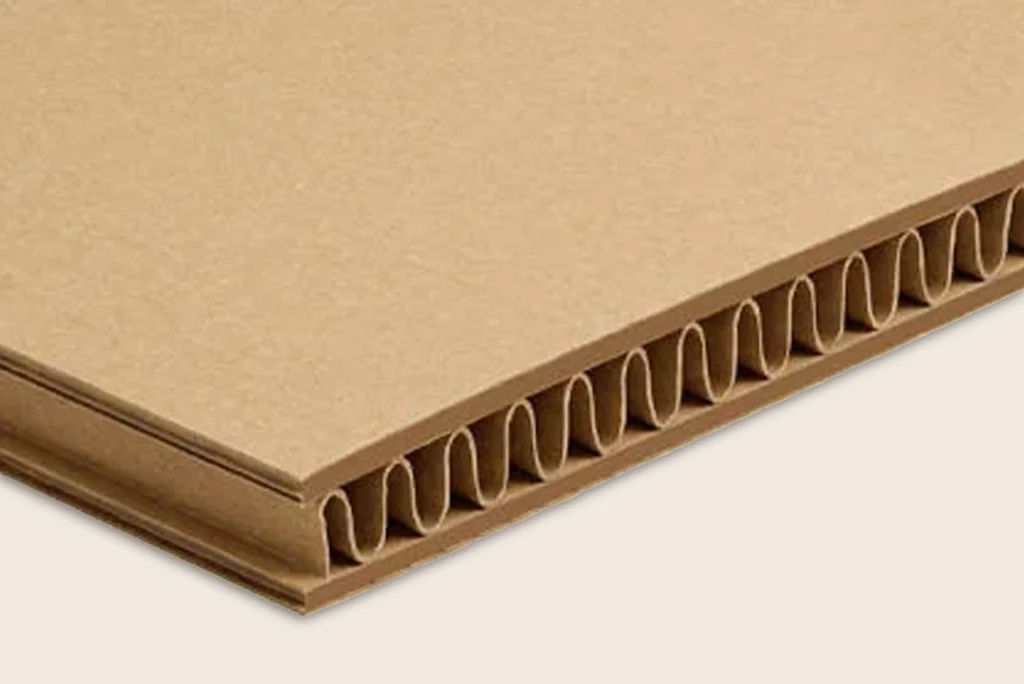
A slim flute grade with a flatter surface, ideal for detailed printing, display packaging, and premium retail boxes.
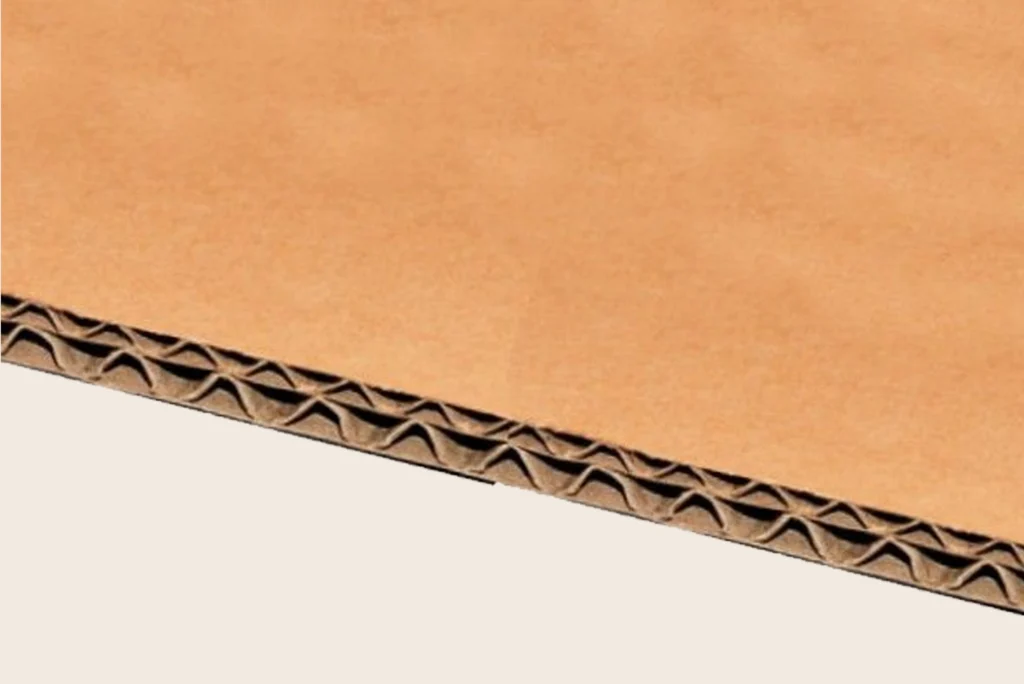
Made with two layers of corrugated medium between linerboard sheets, offering added strength and durability for heavier products.
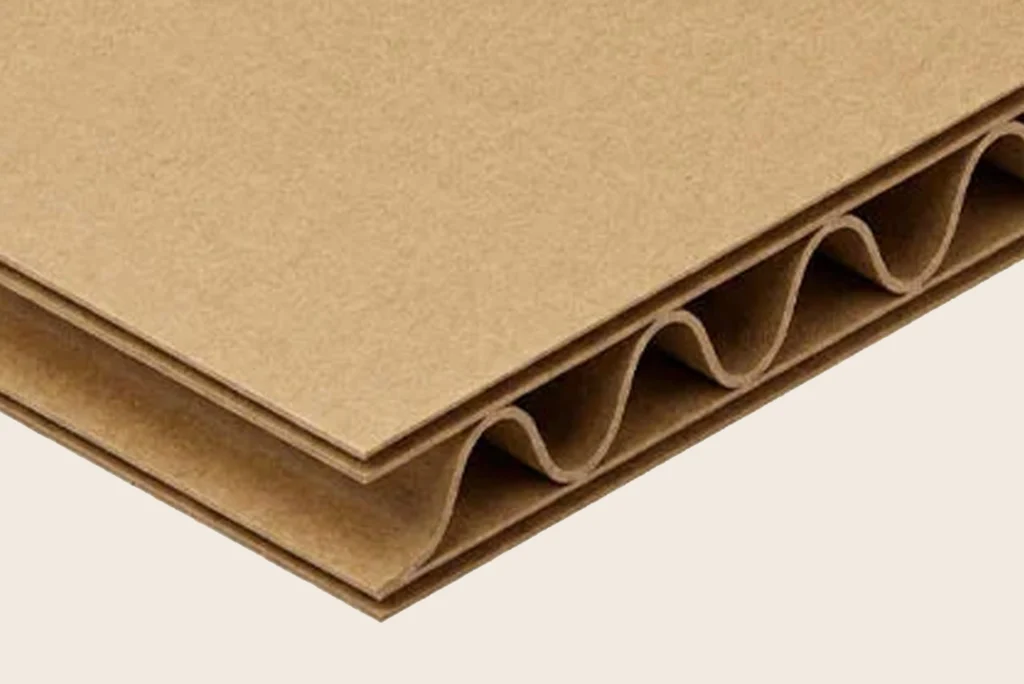
A versatile corrugated flute that offers balanced compression strength, cushioning, and printability for many packaging applications.
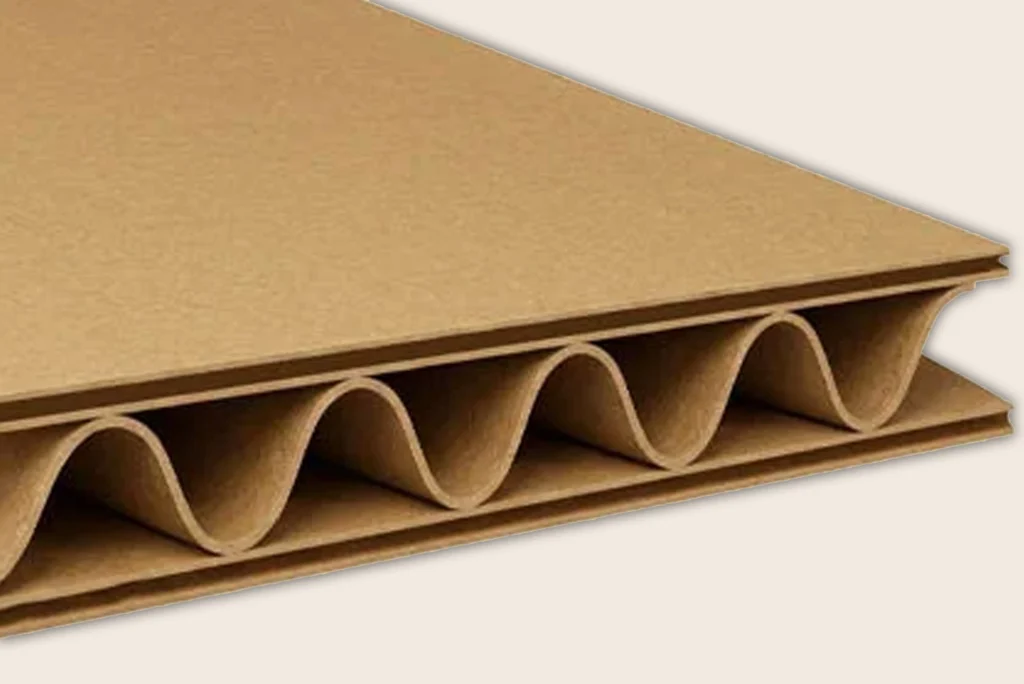
A thinner flute grade with a smooth surface, making it suitable for high-quality printing, precise die-cutting, and neat retail packaging.
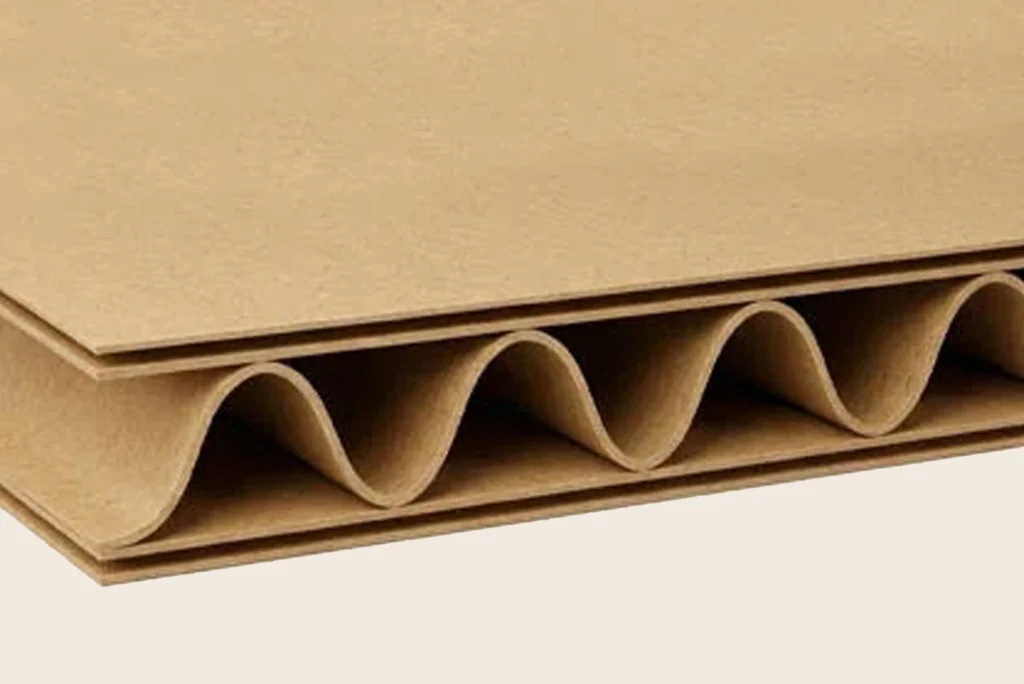
A thick corrugated flute profile that provides excellent cushioning, compression strength, and stacking support for protective packaging.
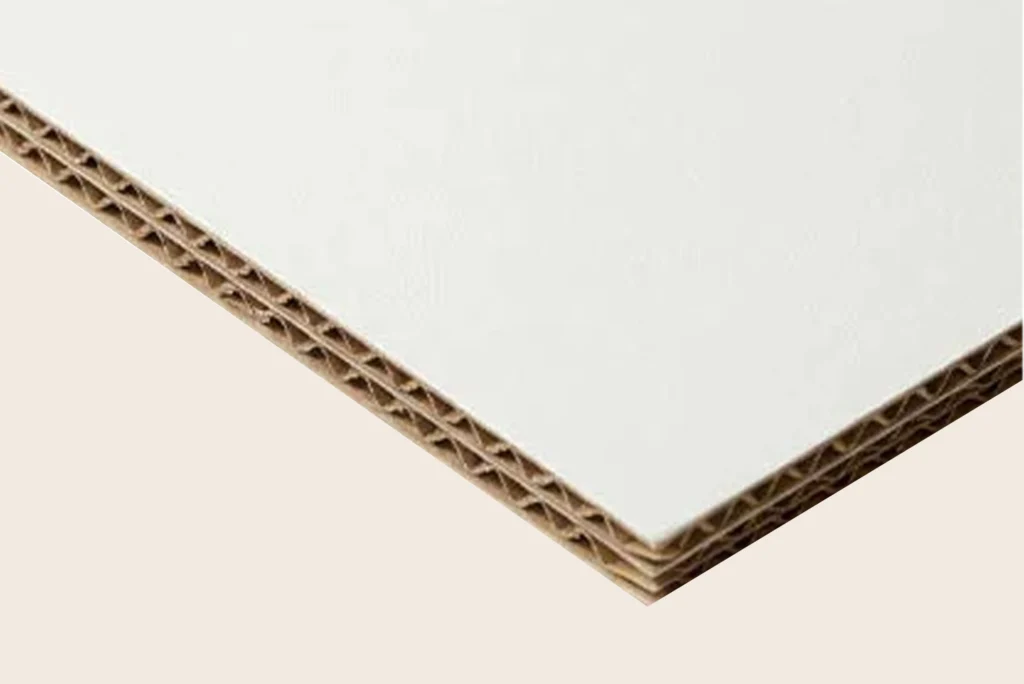
A coated linerboard with an off-white surface, suitable for high-quality printing and a refined packaging appearance.
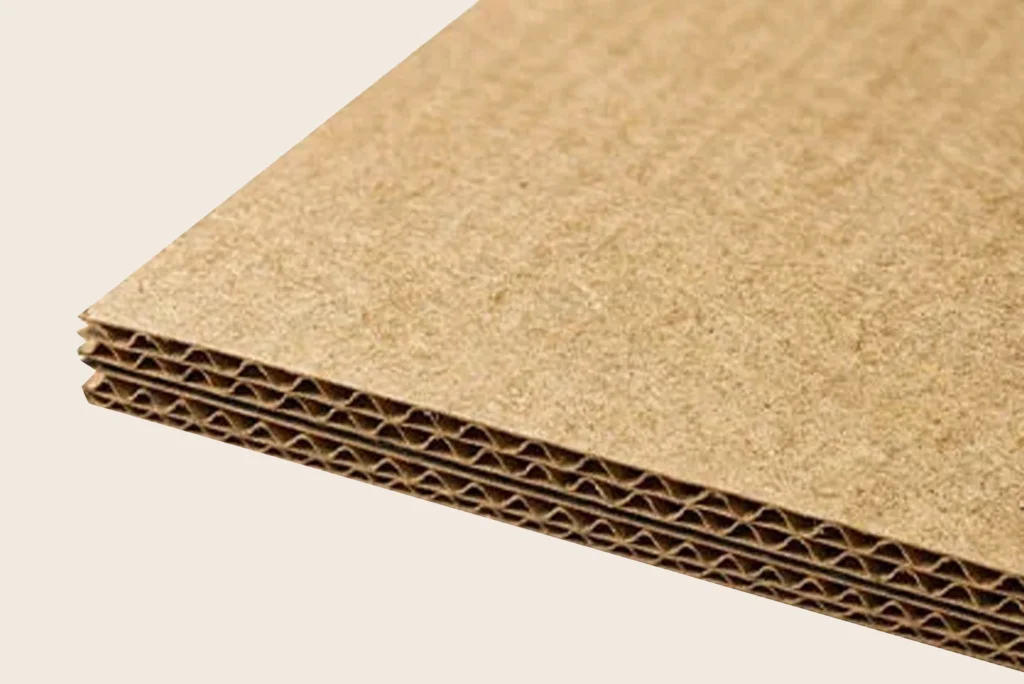
An unbleached kraft linerboard made from recycled paper pulp, offering a natural look with strong durability for eco-conscious packaging.
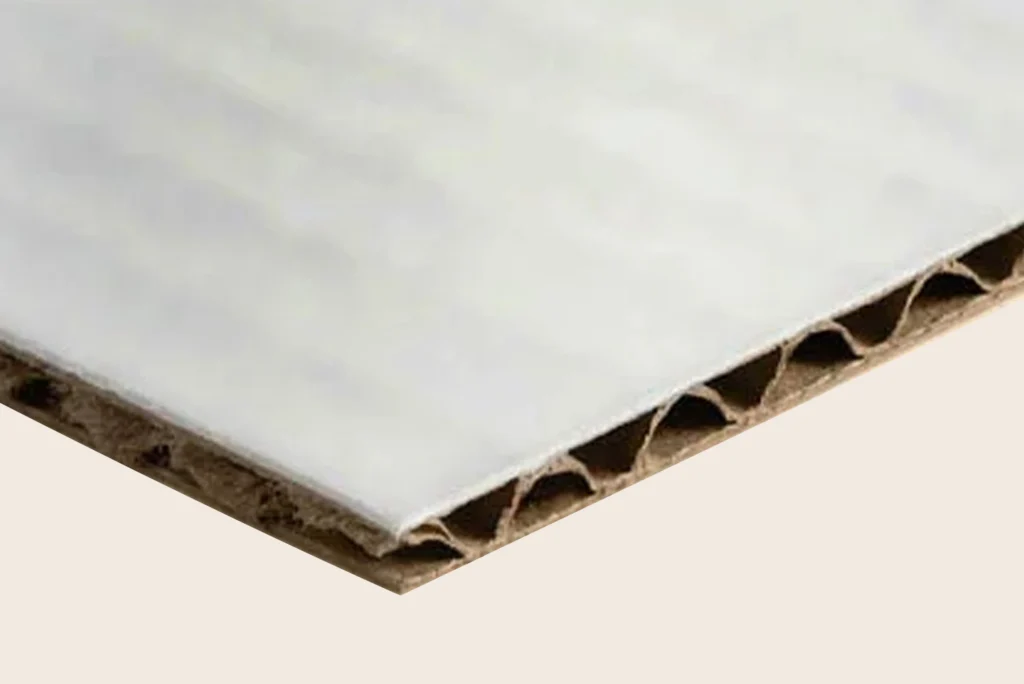
A coated semi-gloss linerboard with a smooth white surface, ideal for sharp printing, premium presentation, and retail-ready packaging.
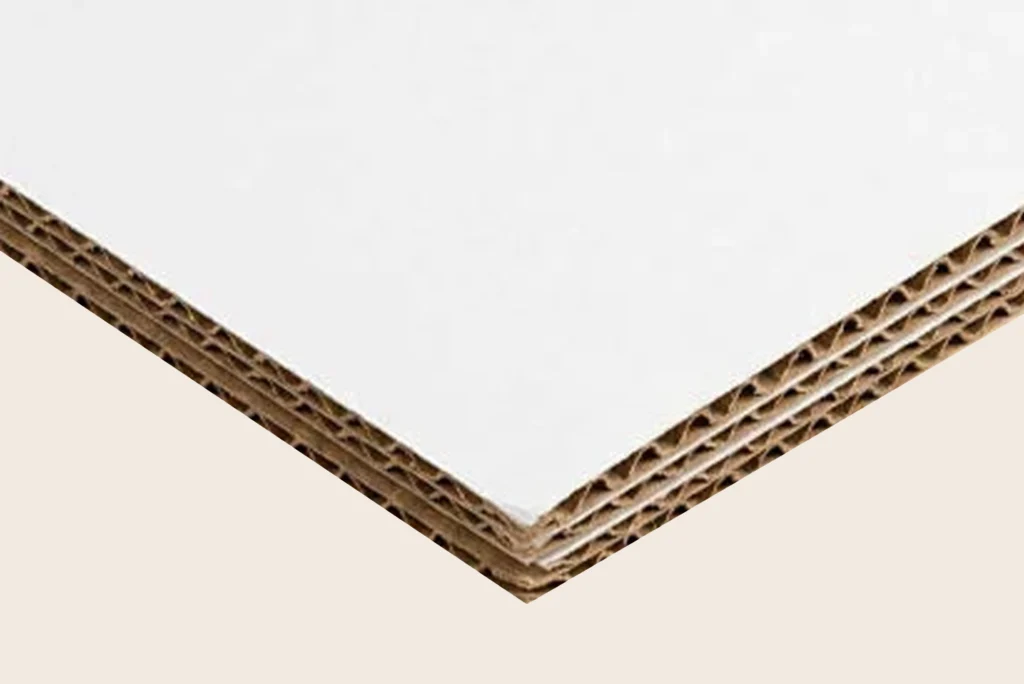
A fully bleached corrugated board with a bright white surface, designed to produce clean, vibrant, and high-quality printed packaging.
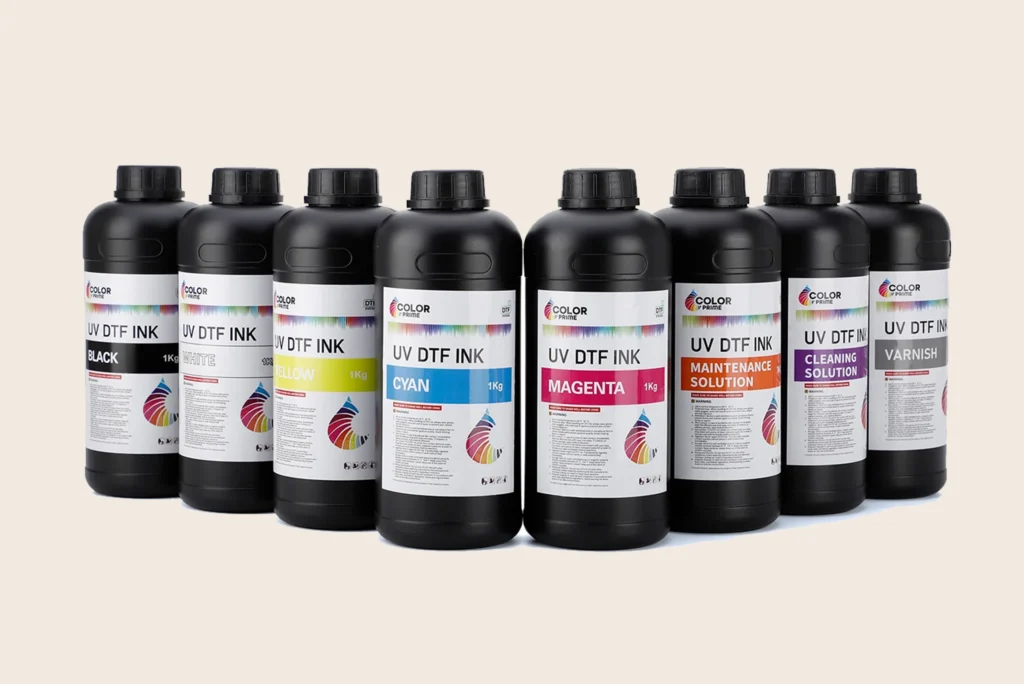
A UV-cured ink that dries instantly under ultraviolet light and creates crisp, high-quality print results on a wide range of packaging materials.
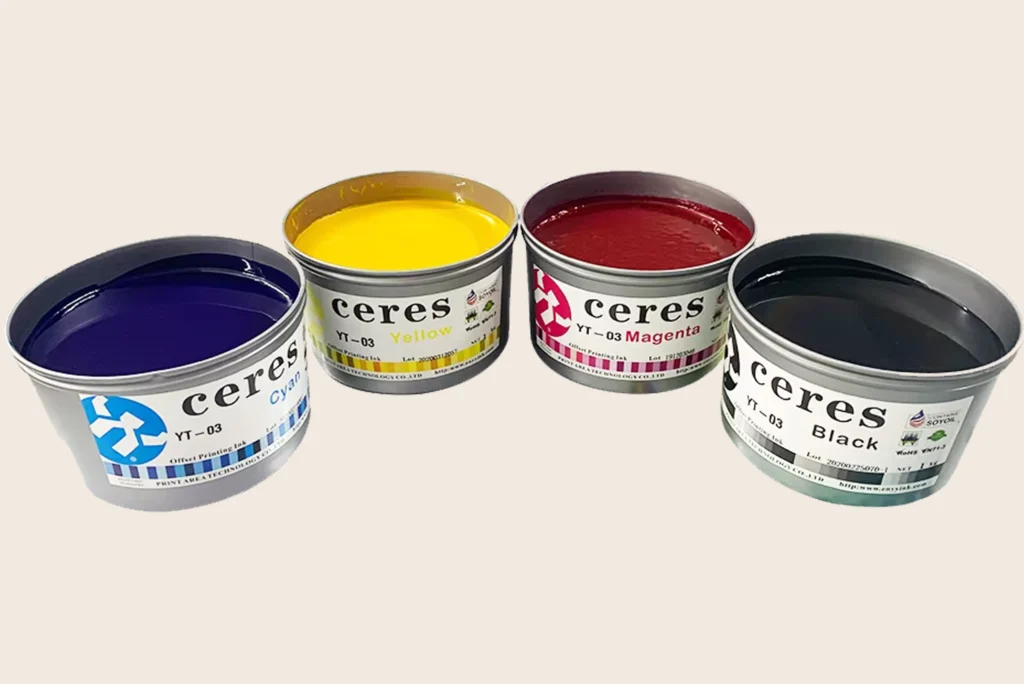
A plant-based ink made with soybean oil, offering rich color output and a more sustainable printing option for carton packaging.
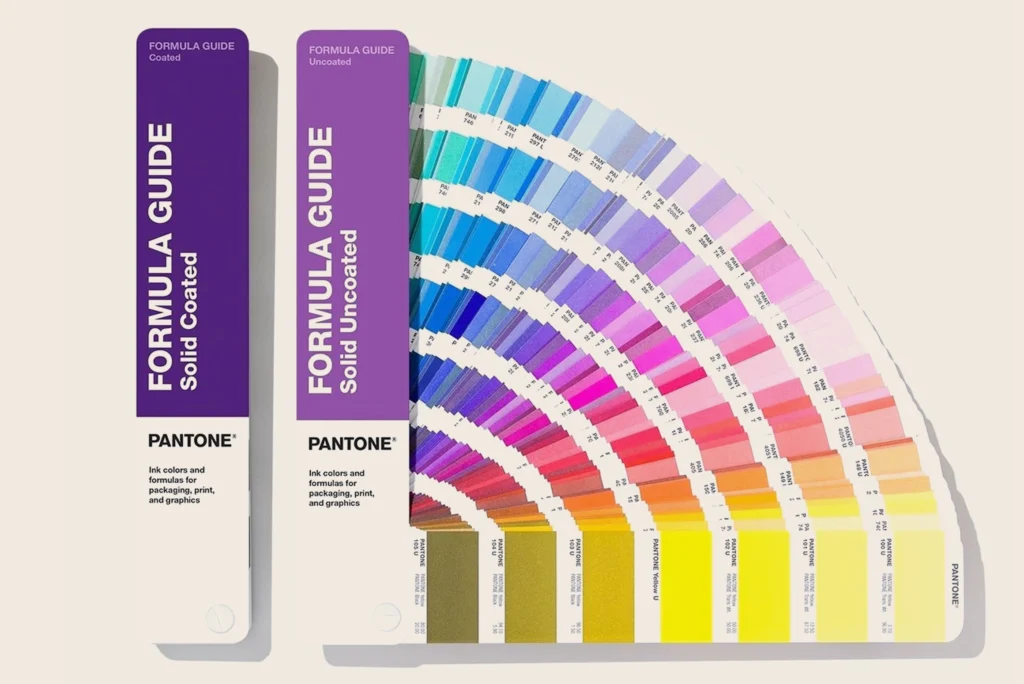
A standardized color-matching system used to achieve consistent, accurate brand colors across packaging, labels, and printed materials.
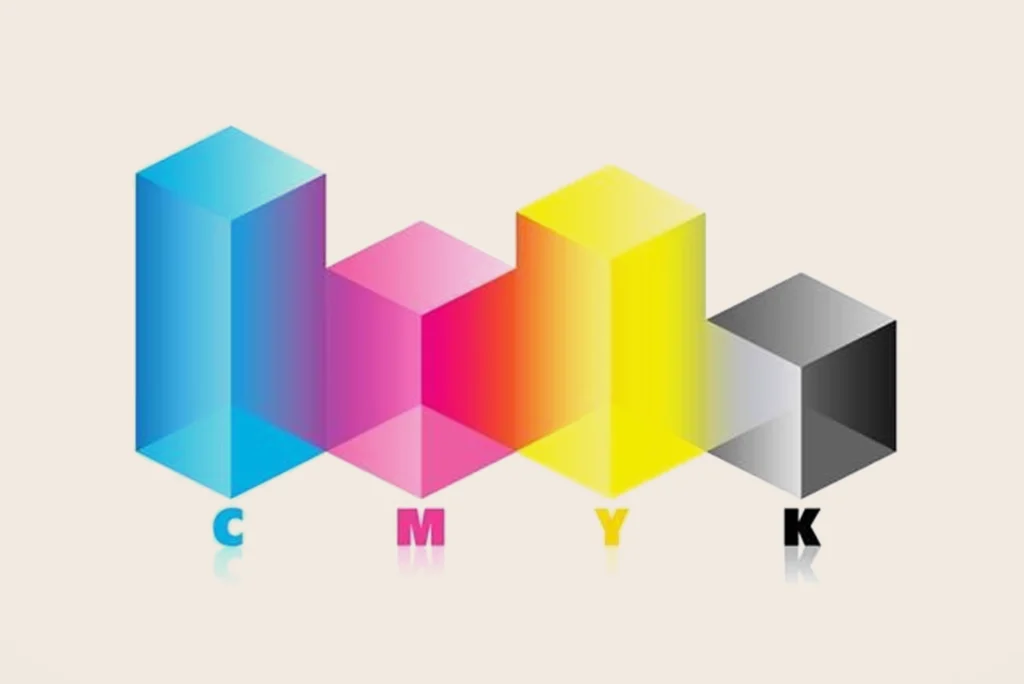
A full-color printing process using cyan, magenta, yellow, and black inks to create vibrant images, gradients, and detailed packaging artwork.
Real feedback from customers who trust us with their custom packaging.

Jonathan Jennings
ACP UK is amazing! I am so happy to have found them. I have been working with Daniel, our customer service representative, for about 6 months and he has been amazing. He gets templates/proofs to us quickly, has never missed our deadlines, and communicates in a very timely & professional manner. Great quality prints, fast turnaround time, fair pricing. I have previously worked with other print companies and have since switched all projects to ACP UK. I highly recommend them (and Daniel)!

Luca Clifton
Once again, ACP UK and Frank in particular have proved an excellent partnership for my small business, going so far as to fix a previous order error free of charge and continuing to value my business as a customer
Toogii Khurmast
Worked with Thomas from ACP UK. They are super responsive and has been very helpful with our custom packaging order. Would def continue using their services.
Natalie
Daniel has been helping me with box sizes. He has walked me through the process patiently and as also been helpful with all my questions. This is my first experience with ACP UK - so far, so good!
Nikki LaBreche
Oh my goodness, I am absolutely in love with my custom nail boxes As a small business owner, seeing my vision come to life was so exciting, and All Custom Packaging UK did an amazing job. The colors are beautiful, the quality is fantastic, and they turned out even better than I imagined.
The whole process was smooth, communication was great, and they made sure everything looked perfect. When I opened the box, I couldn’t stop smiling! These boxes make my business feel so much more professional, and I can’t wait to send out orders in them.
Thank you, All Custom Packaging UK, for helping bring a little piece of my dream to life. I will definitely be ordering again and highly recommend them to anyone looking for quality custom packaging!
Jake Marinelli
Always a great experience with ACP UK as its very high quality and quick shipping times. Mr. Frank made sure my design met my standards and Daniel did a great job with making sure all is good before shipping out the packaging.
Emily
The Mylar bags look professional and feel strong. The printing came out clear, and the resealable finish is very practical.
Sabine Kelly
Great experience and great product. Daniel communication was prompt and clear. Production was able to work with my tight timeline and I received my packaging with time to spare. The boxes themselves look excellent and are great quality. Thank you!
Mary Connolly
Professional, high quality, and best priced. I love working with ACP UK. I just love being able to trust, everything will come out right. I would leave more stars if I could.
Andrea Shuman
Frank at All Custom Packaging UK has been a joy to work with. Great communication and a wonderful result. We love our boxes and will be working with him again in the future.
Affirmation Effect
We’ve been working with this packaging company for years, and they continue to deliver every time! Our candle boxes always come out beautifully, with great quality, attention to detail, and consistency. Frank, our rep, has also been amazing, always helpful, responsive, and easy to work with. We truly appreciate the care they put into our orders and the relationship we’ve built over the years. Highly recommend!
Libby Brodeur
The sales associate I worked with was fabulous. Always quick to respond and helped me problem solve our design. The folders I ordered are lovely and exactly what I had envisioned. I would definitely recommend using All Custom Packaging UK.
sue
Thank you so much, i received my order in timely manner, and Frank was so helpful in assisting me through the process of my order. I ordered small boxes for my product. I loved the printing quality of the box, and will be ordering some more boxes again.
Michale Anderson
The food boxes are sturdy, neatly printed and easy to assemble. They have made our takeaway presentation look much more professional.
Denver
I was initially hesitant to try this packaging boxes company, but I am so glad I did. The boxes were exactly what I needed for my business, and the customization options were extensive. The team was easy to work with and made the process seamless. I will definitely be using this company again in the future.
Douglas Graves
We hired All Custom Packaging UK to design several of our product boxes & labeling and what a great decision that turned out to be not only did they provide great service they produced amazing products for our company. Great service with great people that are more than happy to help you along the way. We highly recommend using there service for all your packaging and labeling needs.
Amiya Turks
Daniel helped me with everything and worked diligently to make sure that all the small details I wanted done were perfect. I most definitely will be a shopping again.
Michael Ralston
We have ordered from ACP UK consistently for over a year for our boxes. They do great work, and Frank is always quick to respond. Great work and prices.
Akena Mitchell
I ordered soap boxes for my company, & Frank did such a great job of helping me make my vision a reality! My boxes are beautiful! They do excellent work, and it was a pleasure working with Frank! I highly recommend them, and will be back for future purchases!! Thank you!!
Jonathan Gilbey
From star to finish of my project communication was excellent. The product was shiped and arrived in a timely manner and was an excellent quality would definitely use a again
M & L Nugent
I have been working with several companies - trying to nail down a box size and type for my organic tea business. Frank was the ONLY rep in all of the companies I reached out to who was responsive, helpful, and walked me through the entire process. It was an absolute pleasure to give my small business pounds to ACP UK! I will provide another review after I receive my custom product!
Deise Santos
Thomas and Daniel have been extremely professional and have handled all my issues, with grace and patience.I recently order some bath bombs boxes and after addressing some minor issues they presented me with a beautiful product, I will be ordering future bath bombs boxes from them.
Amanda Carl
This is my first time ordering custom packaging for my small business and it has been game changing. I used to hand-make boxes for my products but creating my own design has saved me so much time. Now I am excited to explore even more custom ideas! Daniel has been super helpful in bringing my vision to life. I love showing my completed design to my customers, and it makes the experience of buying my art even better!!
Deanna Weise
We had a great experience working with All Custom Packaging UK. Frank was our main point of contact, and he was incredibly responsive throughout the entire process. He answered our questions promptly, kept us updated every step of the way, and made the experience smooth and stress-free. The communication was excellent, and we really appreciated the level of customer service. We look forward to working with All Custom Packaging UK again in the future.
Tommie O'Malley
I have worked with All Custom Packaging UK on multiple projects now and I am always so impressed by the quality and customer service. They are so responsive and have met every single deadline I have given them and even go above and beyond in keeping me updated on production. Will continue to use them for a variety of my packaging needs!
Fallon Dyle
Thomas and Frank were extremely easy to work with. They maintained communication with me throughout our project together and the end result was great quality boxes with everything we needed. Thank you for the excellent customer service and we look forward to working together again.
Joshua King
Frank and Daniel were highly communicative during the entire life cycle of my project. The packaging looks fantastic and high quality at the best price I could find!
I will definitely be using their services again!
Mikey Jesse Barrera
Frank do an amazing job, the packaging was much better than we expected, and for the price it was stellar! The best part was Frank kept up with us ensuring what stages of print we were in and also when it was shipped tracking was provided promptly!
Stephen Samuel
Recently I worked with ACP UK to obtain a large number of packages for a product that we are now selling. We got a big order and needed high quality work done in a hurry. ACP UK gave us great service. They were flexible, professional and prompt.
SANDRA SMITH
This is the first time I have used this company, Thomas assisted me with answering queries and the design of the personalised boxes I was after. Thomas was helpful and knowledgeable and very accommodating in changing design details, always responding quickly with a new version to review. Thomas is very eager to help make sure your packaging is right for you. Sometimes a little too eager chasing for decisions but at least you know someone is handling your enquiry and its not sitting on the bottom of a pile being ignored as I've had experience of elsewhere.
Product takes about 3 weeks to be delivered so can't comment on actual product as yet.
Larry Tucker
I am very happy with my game cover. The colors are bright and the images are crips and clear. The service was timely and the price was reasonable. I expect to be a repeat customer (with luck.) I would not hesitate to reccomend them. Thanks to Daniel for the quick and effective responses.
Karen Vasquez Marin
We needed a personalized box, and Frank was really helpful in making this project a reality. The boxes arrived on time, the design was exactly what we wanted, and the quality is also great. Thanks, Frank, for helping us.
Henry Evan
Absolutely love these candy boxes! They're the perfect size for small treats, and the variety of colors and designs make them perfect for any occasion. Plus, the quality is fantastic, they're sturdy and don't bend or break easily.
Dion Lassiter
These guys are awesome! Many delt with Daniel and he was beyond helpful! Would definitely refer anyone to use these guys. A1 customer service and A1 product. All Custom Packaging UK is the best.!!
Ks Rives Revivo
I have worked with Daniel on multiple projects and really love his service. They offer a fair price and really take care to get me exactly what we need while correcting anything that needs adjusting. I will continue to hire them for my future projects.
Jessica Daniel
The rigid boxes feel luxurious and very well made. They have added real value to the presentation of our products.
Phriseil Candles and Soaps
My third order!! Once again, Frank has easily helped me through the designing and purchasing process. The boxes are exactly what I envisioned. The quality of the boxes give me the comfort in knowing my candles are well protected. My company logo, design and print flows seamlessly through three different style of boxes I have gotten through All Custom Packaging UK. I receive so many complements on the boxes and how they present my products. If and when I need more boxes, I will definitely be emailing Frank.
Belinda Blanding-Ray
I’ve had nothing but great experiences with ACP UK. Frank has been very professional and always keeps me updated on my orders and responds quickly to my emails. The boxes that were designed for me were done just as requested and were of good quality. I am very pleased with both the service and the product. I look forward to continue doing business with them.
Jason S.
I was assisted by Frank. Overall I had a satisfactory experience, and in the end my boxes turned out really nice. The stock is nice, and Frank was really helpful getting them where they needed to be. The first iterations the boxes were sized wrong, but once we got it figured out and I got the art I requested some samples before moving forward. They printed off some samples, and they were great minus a slight adjustment to the perforation. They made the adjustment and got the final order out and so far I am pleased with the quality, especially for the price. The only thing that would have bumped this up to a 5 star review would have been a little bit quicker overall experience, part of which was my fault.
Anonymous
Response time can be a little slow at times, but overall the experience was very good. When they got our order wrong, they did not fuss about it and sent the correct one as requested.
Nick
That is a great company with an awesome customer service and dedicated approach to each client. The rep I deal with - Frank is very helpful and patient. With all his efforts we've got the desired result and quality!
Definitely recommended!
Vanessa F.
We've been working with Frank at ACP UK for the past few years to produce the boxes for our nonprofit card game, and we've been consistently impressed. Frank is always friendly, professional, and quick to respond, which makes the process smooth from start to finish. The quality of the boxes is great, pricing is very reasonable, and customer service has always been excellent. We continue to do business with them and highly recommend their team!
Jenifer Tracy
We received the boxes we ordered and they look GREAT! They also came ahead of schedule and I wanted to say a big thank you to Mr Frank from All Custom Packaging UK for your patience throughout the project.
Jake
ACP UK were excellent to work with! Daniel worked with me throughout the process to ensure we received the result we wanted. Communication was excellent and I cant recommend them enough.
Spin Spudnik
Working with Thomas was a great experience - he’s always able to work through any issues, concerns or questions. I appreciate working with Thomas and his approach to business, and therefore plan continue to do business with ACP UK.
Seema Iyer
I worked with Frank on an order of custom soap boxes for my company. He was extremely professional, patient and helpful during the entire process. The boxes turned out beautifully and as described. I'll definitely continue to work with ACP UK.
Max Kempski
Thomas took care of my business and was very accommodating. I ordered custom boxes and they turned out perfect. I highly recommend ACP UK to anyone as they truly care for their clients and offer the best prices.
Jack Lawlor
Great service from Frank and the team, very knowledgeable and helped me every step of the way as I’m not the most computer minded. Will definitely use again
Janice LaFontaine
Thomas has been a delight to work with from start to finish, responding to my many questions and requests. He worked well with my graphic designer to get us a gorgeous luxury packaging product for our premium fudge product. Whenever there was an issue, he was there to walk through it with us and ensure it resolved. ETAs were not consistent but when multiple parties are involved in getting the packaging to us I suppose some delays are bound to occur.
Ime Holland
This was our 1st time ordering from All Custom Packaging UK. From beginning to end, Daniel made the ordering process seamless. We received the boxes and they look great! Such a professional and well thought out addition to our giveaway. We went with glossy and we are happy we did!
MIKEY
All Custom Packaging UK is the best printer I have ever dealt with, and Daniel is fantastic too!! He is a legend; he goes above and beyond for all my customers. The quality is stunning, no matter what material we choose. Holographic is my favorite so far, allowing my designs to to blow the socks off anyone that comes into contact with it!!! Thank you!! HIGHLY RECOMMEND! I WILL REFER EVERY CUSTOMER I HAVE!!!
Nadège Richards
I finally received my order about a month and a half later. Poor communication from the company and I never received shipping confirmation or tracking info until I asked for it. This was from my first experience, however I have now ordered from them 3-4 times and it's been great since then.
Josh
Needed someone to make me some custom branded Easter egg boxes for my business so I contacted rob and found the whole process very satisfying. Received impressive design of how the boxes would look, paid my invoice, received full order within 10 days. Will definitely use again.
Natural Zen LLC
This was my first, and won’t be my last, time ordering with ACP UK for my custom packaging. I worked with Frank who walked me through every step. He ensured I understood every aspect of the process and ordering, sent multiple images for me to approve, and checked back in with me when I got them too! Not to mention, my company is all about zero waste and being green so, I had a million questions to ask about the product itself before I even attempted to design anything and he was absolutely amazing and so patient! To date, the best customer service I’ve experienced. I will definitely be ordering again!
Meghan
Wow!! All Custom Packaging UK made custom boxes with custom foam inserts, plus custom product boxes, for one of our clients. They turned out GORGEOUS!! Our client was beyond happy with the result and so were we! We’ve worked with MANY box manufacturers over the years and this was among the best in terms of the quality of the end result.
Nomeka
Daniel was fantastic to work with - quick and responsive. Our 500 boxes came 1 full week before our guaranteed delivery date, and they look fantastic. Will definitely be using again!
Kayla Aldridge
Daniel was incredible! He was always prompt to email me back, he even called me when I didn't reply. He helped me create the exact box that I was looking for and I couldn't be more happy! Thank you for all of your hard work and great communication! I will order again when I need more!
JL Aronson
I loved the options and thought the solution we came up with was brilliant. A slide box for a gift thumb drive of irregular shape. Daniel was my rep. Very helpful!
Victoria
I cannot express how caring, fast, and helpful Thomas and Daniel with ACP UK have been to me this past year. I have referred friends to them and will continue to refer all my friends to this team.
From design send, I get my items within 20 days. If I forget to respond, they're helpful in reminding me which in return helps keep my project moving forward. I appreciate their kindness even through my response delays. I could go on and on. Thank you two so much for helping my business grow!
Desiree Greene
Thomas provided us with quick responses and strong communication. All Custom Packaging UK is very thorough with multiple design confirmations before production to ensure your finished product is just how you want it to be. Lots of pictures and videos of our product were sent to us before it arrived too! All Custom Packaging UK has flexible shipping options that allowed us to receive our good-quality boxes before a deadline and made the process less stressful.
Kaity Burns
Our experience with ACP UK was overall good. They were able to work with our extremely tight timeline and were very responsive and communicative. I will say that there were some things about our final product that we were not happy with, such as creasing of the graphics and images were not full bleed on the cover of our boxes like they were supposed to be. ACP UK was not able to fix the problems on the boxes due to our tight timeline, so we ended up with a product that were were a little less than satisfied with. They offered us a discount on our next order. I think their pricing overall was fair and competitive. We may use them on project in the future again if we are able to see an image of the boxes before they go into full production like we were told that they would do last time.
Morgan Sue Robinson
Daniel was fantastic to work with from start to finish. My design was brand new, and he played a huge role in helping bring my idea to life. He was always incredibly quick to respond, proactive with problem-solving, and transparent throughout the process. He took the time to answer all of my questions, helped me navigate different options, and worked with me to find a great price without compromising quality. I truly appreciated him responsiveness and attention to detail, and I’d highly recommend working with him.
Savannah Flack
We were in a time crunch and Daniel was awesome at getting these boxes ordered, proofed, and delivered within our time crunch! The design looked great and they worked out perfectly for our needs. Would order from here again!
liz
The team at All Custom Packaging UK was very responsive. They were quick to respond to my emails and the turn around time on the boxes was fast! The first run of boxes did have colors slightly off and they fixed it on the second run.
The cost of the boxes was less than other suppliers. I will say the boxes are a bit on the flimsy side, not super sturdy but perfect for my needs. I will definitely use them again in the future.
Jasmin El Kordi
Thomas from ACP UK was able to give me a very competitive quote for boxes for our clinical skincare brand. The quality is excellent, their service was great and delivery was very timely. Thank you Ben!
The Buckin Farmacy Brianne Eas
Can’t thank Daniel with ACP UK enough for his help during the designing/ordering process of the boxes I needed for my business. They turned out amazing & have received several compliments. Such a great company to work with!
Risarano
Five star rating to All Custom Packaging UK.
Their design representative Daniel was super accommodating in ensuring that our production went smoothly and delivered on time to meet our deadline.
The quality is superb. We look forward to our next packaging project with them.
Jess
The packaging from All Custom Packaging UK is exceptional! Daniel took a proactive approach, ensuring the order was successfully executed within a tight shipping timeframe. Much to our delight, the pizza boxes were delivered ahead of the estimated delivery time. The quality of both the printing and the boxes themselves was truly impressive.
Robert Wilson
The apparel boxes are stylish, durable and perfectly sized for our clothing range. Our branding looks clean and professional.
Cory Sweitzer
wonderful service from a company that went beyond expectation to help my project get up and running smoothly. My sales rep, Daniel, and the design team at ACP UK made sure to have every detail in place and gave me a quote other companies could not touch! Lead times were accurate and updates for shipping were by far the most stellar i have yet to see. Thanks a million!
Clear answers about ordering, artwork, production, materials and delivery.
Orders start from 100 units. Standard production takes 6 to 8 business days after approval.
No. It ships flat and folds up on its scores like any carton; the only difference is that there are six corners to push out instead of four, and the lid crease runs along the long edge. Anyone who has folded a tuck-end carton can do it. On a shape you have not built before, look at the digital 3D mock-up before the run so the assembled box is seen before the flat blanks arrive.
Yes, and the shape is the same box; what changes is the print. A black-and-white or black-and-gold scheme reads as formal rather than seasonal, and a rigid build with a lift-off lid suits a favour that is meant to be kept.
An unlaminated paperboard construction may be easier to process through suitable paper-recycling streams than a heavily laminated alternative. On this box the likely additions are a matt lamination over the black and a foil name plate, each of which changes the answer. Final recyclability depends on the full material and finishing specification and the facilities available locally.