Varnish
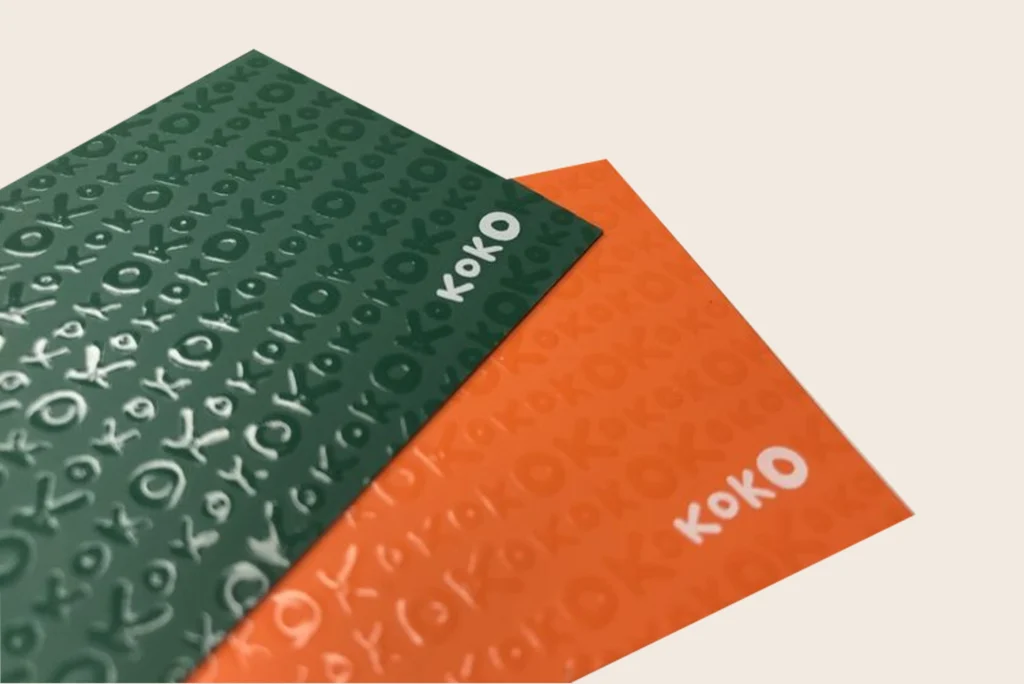
A transparent finishing layer available in gloss, satin, or matte effects. It enhances the printed surface and adds an extra layer of visual appeal and light protection.
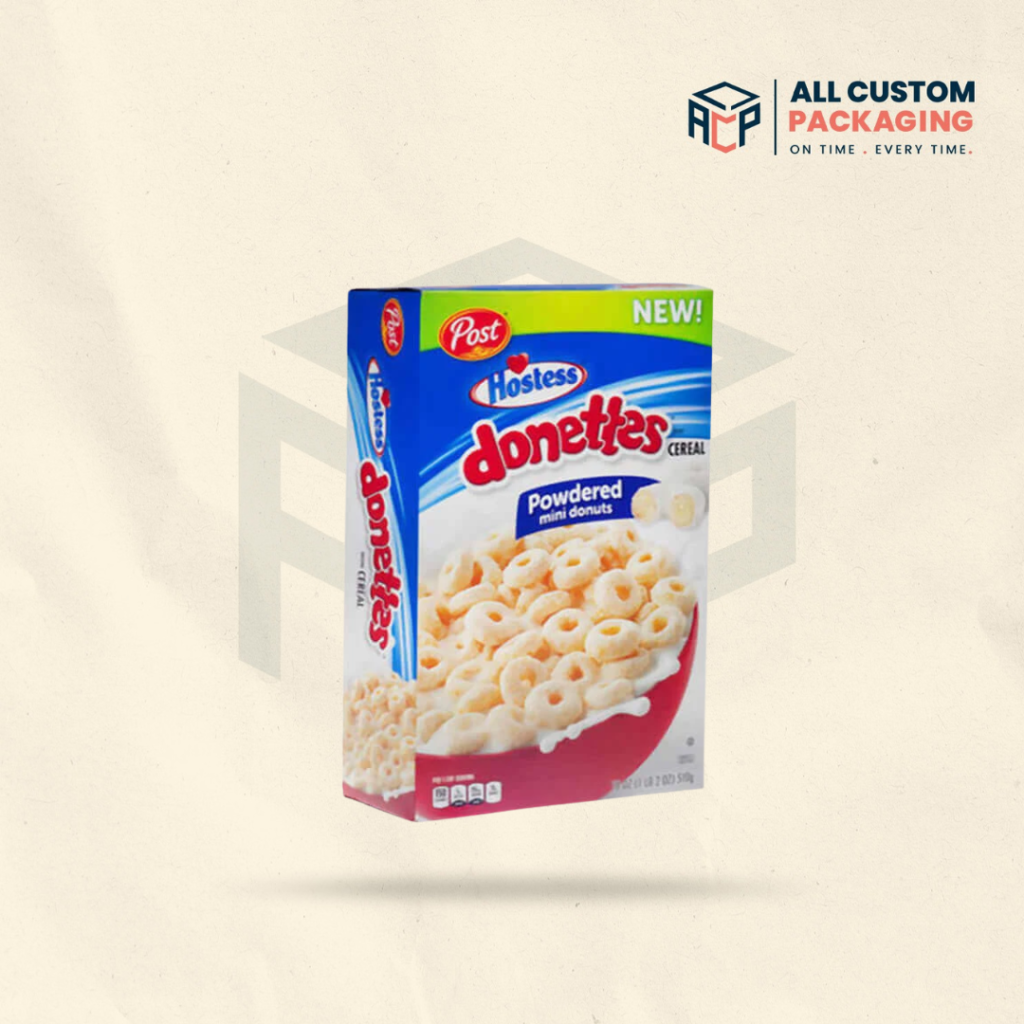
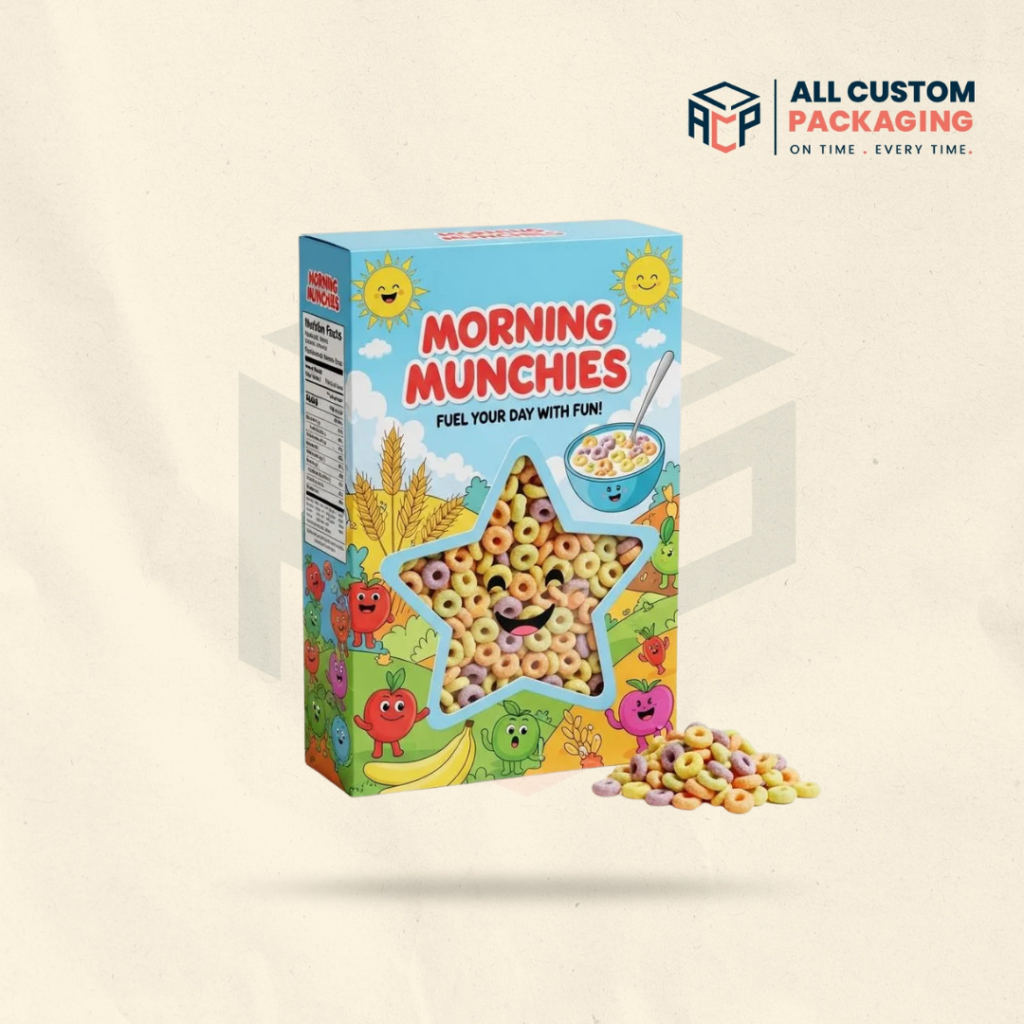
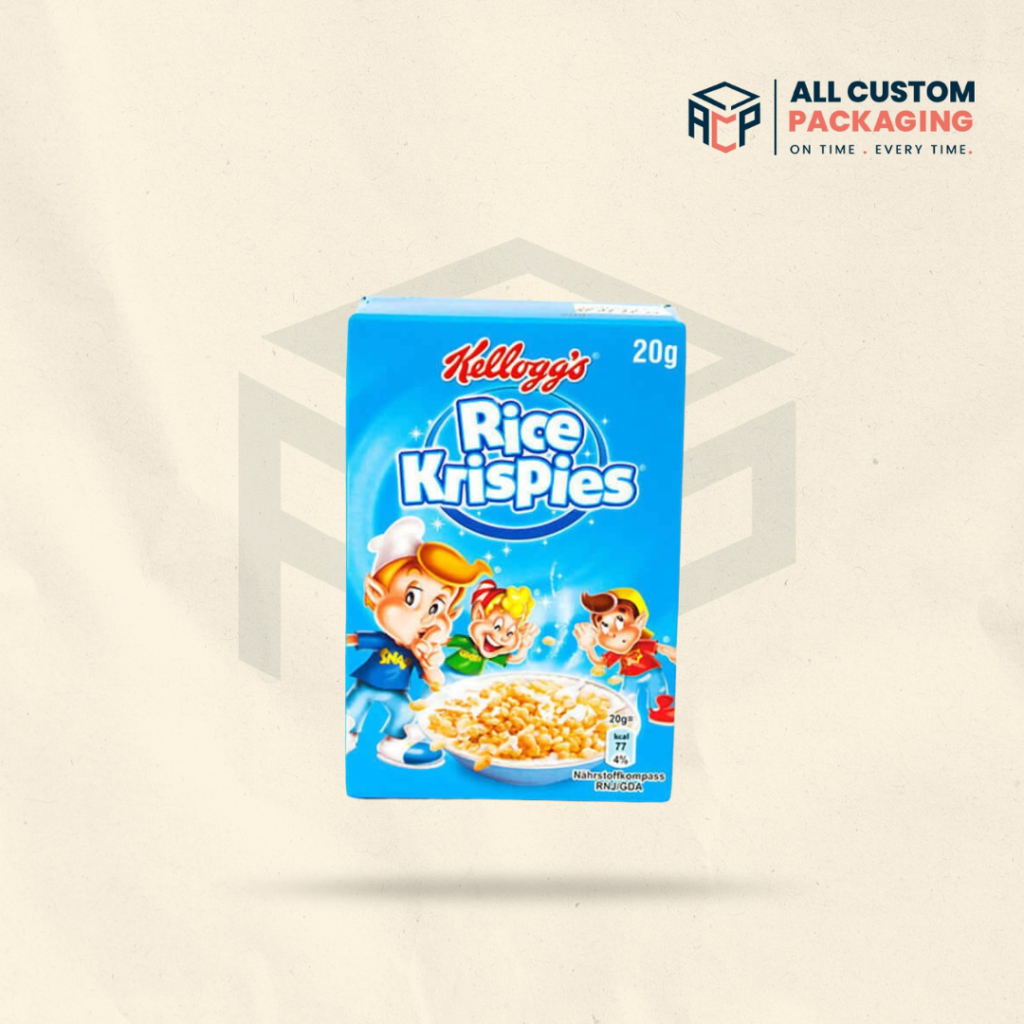
A cereal box built as a rigid, self-supporting carton rather than a flexible pack, so it stands upright on a shelf on its own with several flat panels ready for branding. Orders start from 100 units.
“Cardboard” in this product’s own name is doing real work, and it’s worth being clear about what for before comparing it against a flexible pack.
A flexible pack, a bag or pouch, only takes shape once it’s filled, and even then it creases and leans rather than standing square. A rigid cardboard carton is different: once it’s erected, it holds its own shape unsupported, standing upright on a shelf without leaning on the product next to it or a display fixture behind it. That rigidity also means every flat panel, front, back, both sides, top and base, is genuinely usable print space at the same time, rather than the single printed face a flexible pack usually offers. Where shelf presence and full branding across several visible faces actually matter, that’s the real, checkable reason a rigid construction earns its place over a cheaper flexible pack, not a vague claim about “shelf appeal” on its own.
As general industry practice, a rigid carton starts as a single flat sheet, scored along the fold lines and die-cut to the panel shape before it ever reaches you. Gluing at the manufacturing stage joins the sheet into a tube shape that folds flat for shipping and pops back into its full rigid form when it’s erected for filling. That’s what gives the finished box its own load-bearing rigidity, distinct from a bag’s construction, which has no equivalent scored-and-glued structure to hold a shape at all.
Available board options run from paperboard and kraft through to fluted corrugated and heavier rigid constructions. Which one suits a particular job is worked out from the product’s own weight and how rough its journey will be, a decision made when the order is quoted, never fixed to one ACP-wide figure. Orders start from 100 units. Design support is free. A digital 3D mock-up is free. There are no setup fees. Standard production takes 6 to 8 business days after approval. UK delivery is free. Food-contact material suitability is confirmed for the specific material before production.
Blank Cereal Boxes covers the box left unprinted, either as ready-to-go stock or built to your own size. Custom Printed Cereal Boxes covers a standard branded print job, where the finish chosen for the print’s own look also carries a barrier specification. Where the real brief is a bulk or subscription-refill format rather than shelf standing, a flexible pack costs less per unit and folds flat into less volume than an equivalent rigid carton. Cereal Milk Mylar Bags is built around exactly that trade-off. Recyclability is a related but separate question. An unlaminated paperboard construction may be easier to process through suitable paper-recycling streams than a heavily laminated alternative. Final recyclability depends on the full material and finishing specification and the facilities available locally. The wider range sits under Cereal Boxes.
| Box Style | All Custom Packaging |
| Dimension | All Custom Sizes & Shapes |
| Quantities | 100-unit minimum order |
| Paper Stock | Kraft, corrugated, rigid board, cardstock |
| Printing | CMYK, Pantone, digital and offset |
| Finishing | Gloss, matte, spot UV, embossing, foiling |
| Shipping | Free delivery options |
Choose from premium coating, board, printing and finishing options for your insert boxes.
A transparent finishing layer available in gloss, satin, or matte effects. It enhances the printed surface and adds an extra layer of visual appeal and light protection.
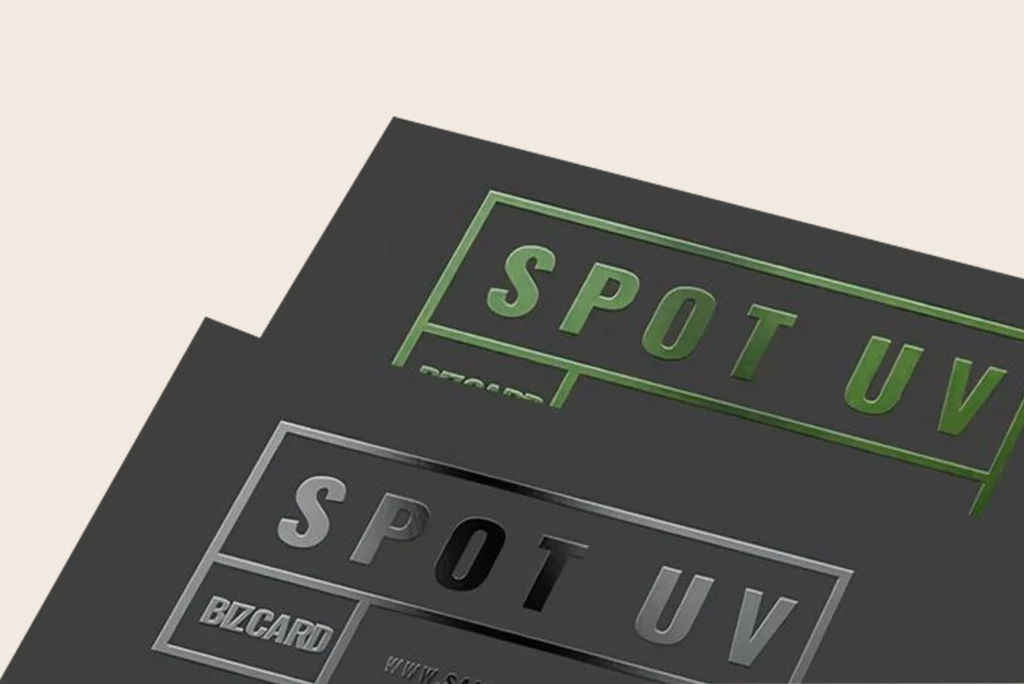
A UV-cured coating applied to specific areas of the design to create gloss or matte contrast and draw attention to important details.
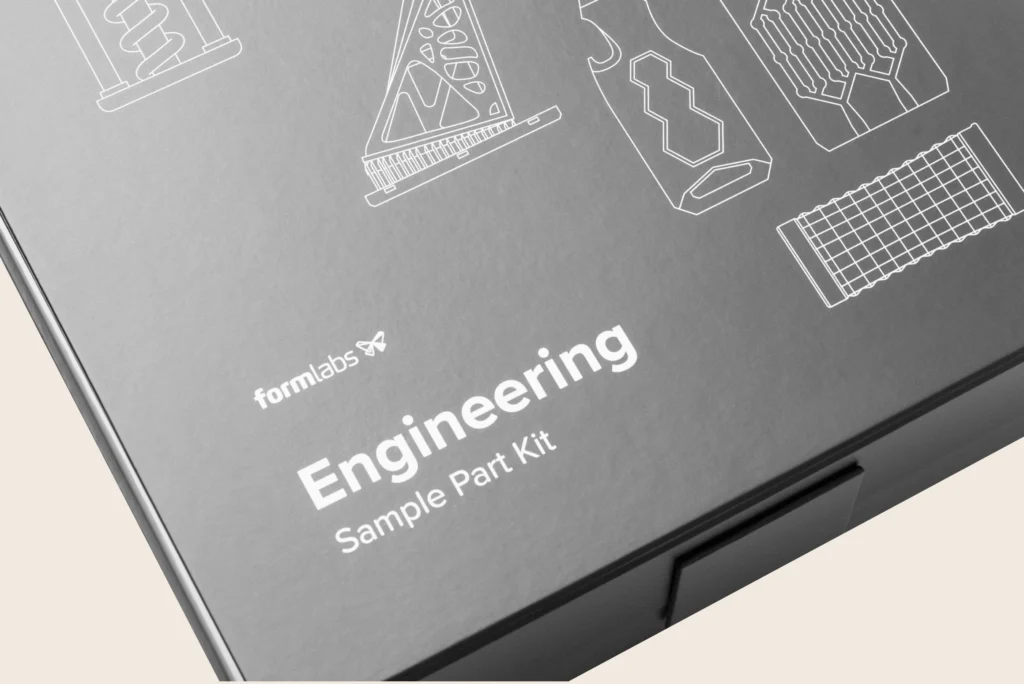
A smooth, velvety coating that creates a soft tactile feel and gives packaging a refined luxury look. It improves the unboxing experience and supports a high-end product presentation.
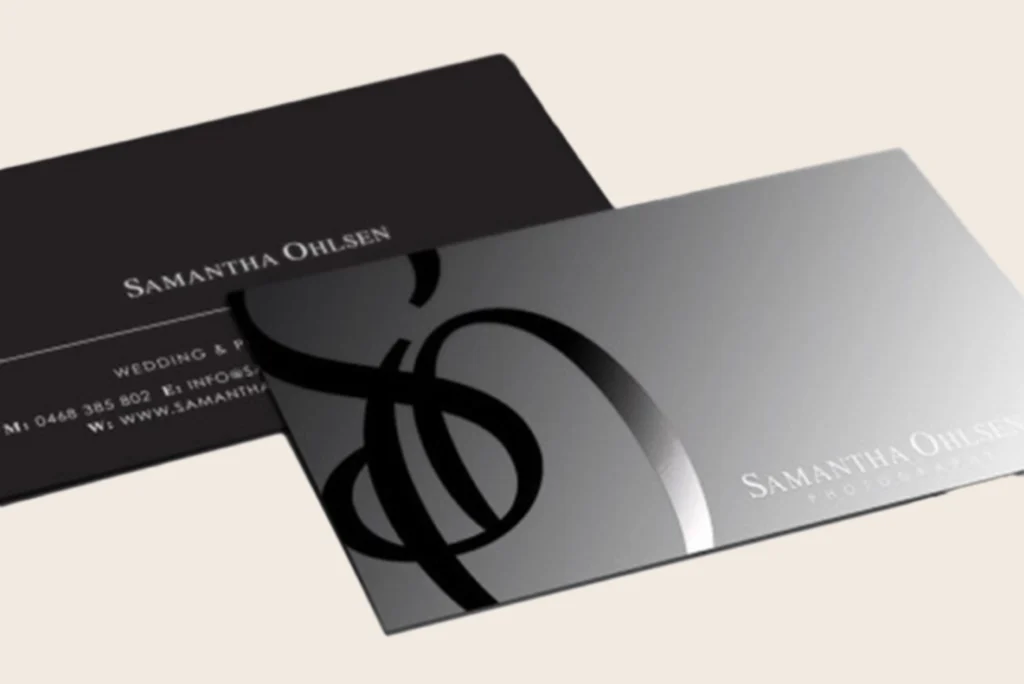
A soft, smooth lamination with a refined satin-like finish. It gives packaging a premium feel while keeping the surface elegant, subtle, and easy to handle.
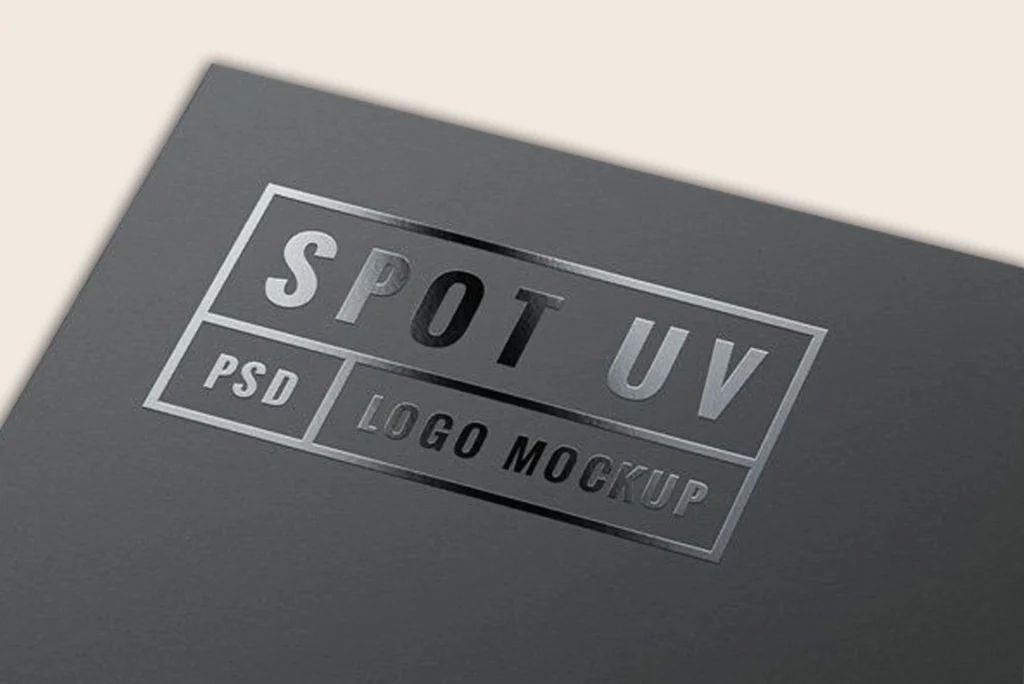
A high-gloss UV coating applied only to selected design areas to create sharp contrast, highlight logos, and add a premium visual effect without coating the whole surface.
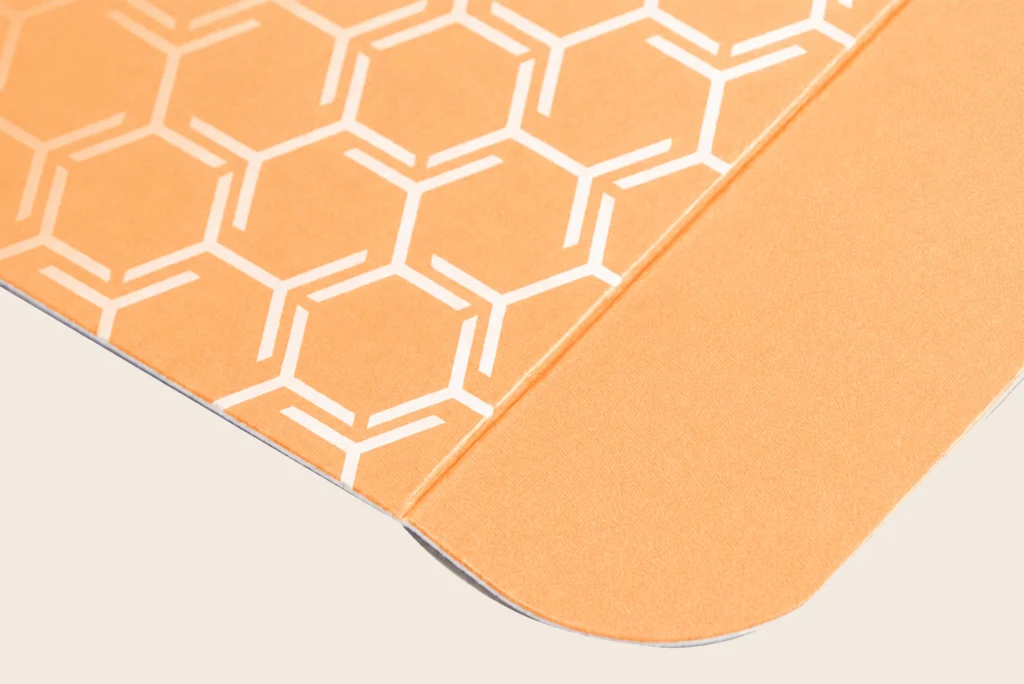
A clear, fast-drying water-based coating that adds a smooth protective layer while maintaining a clean and professional surface finish. It is a practical choice for everyday printed packaging.
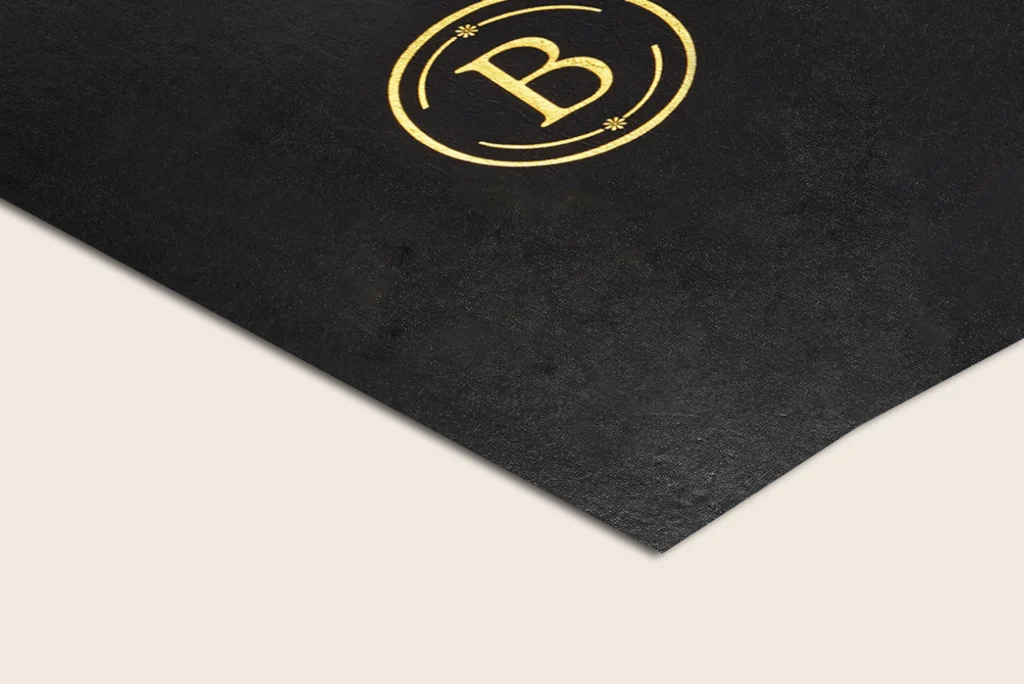
A durable protective film that helps reduce visible scratches, scuffs, fingerprints, and daily handling marks. It keeps packaging looking clean, polished, and premium for longer.
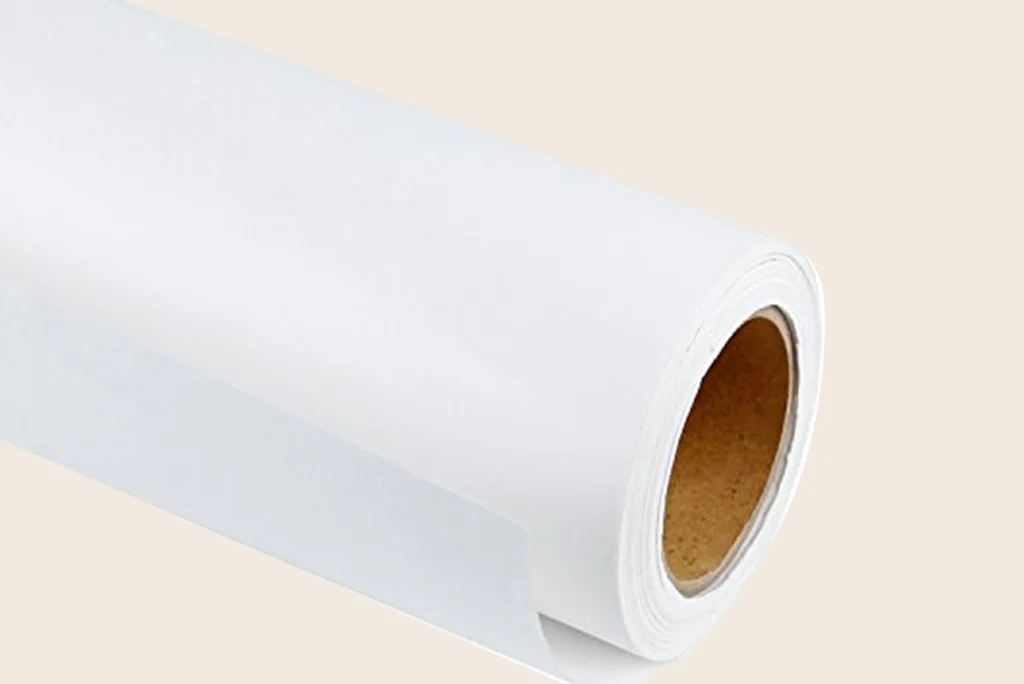
A bleached kraft paperboard made from a mix of virgin and recycled pulp, offering a clean white surface for crisp and polished packaging designs.
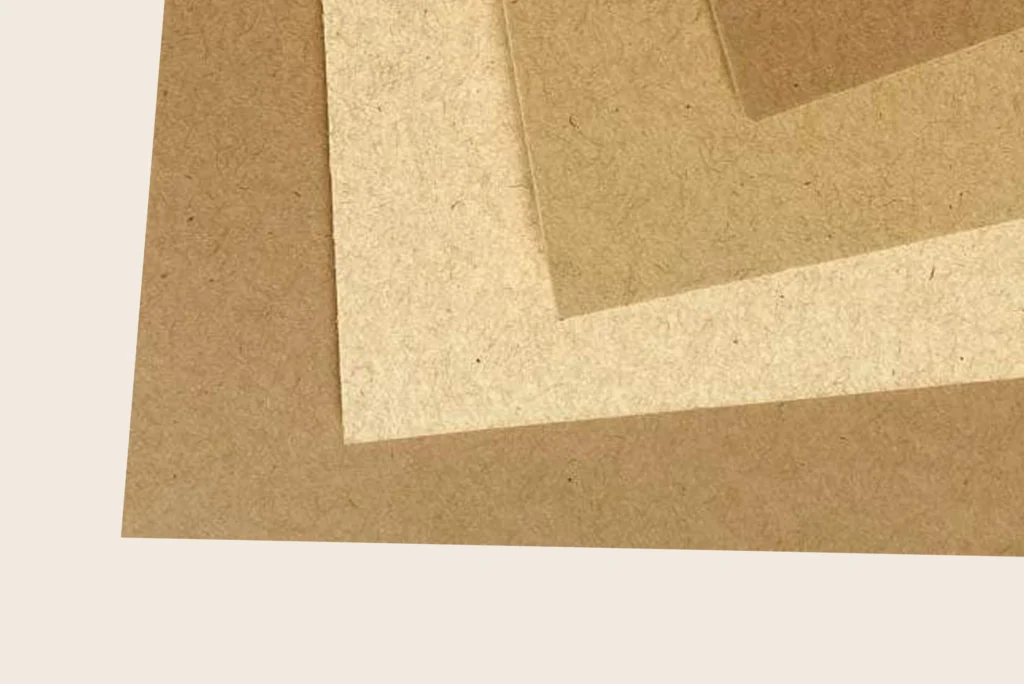
A natural kraft paperboard without coating, made from virgin and recycled pulp. It provides a raw, organic appearance with sturdy packaging strength.
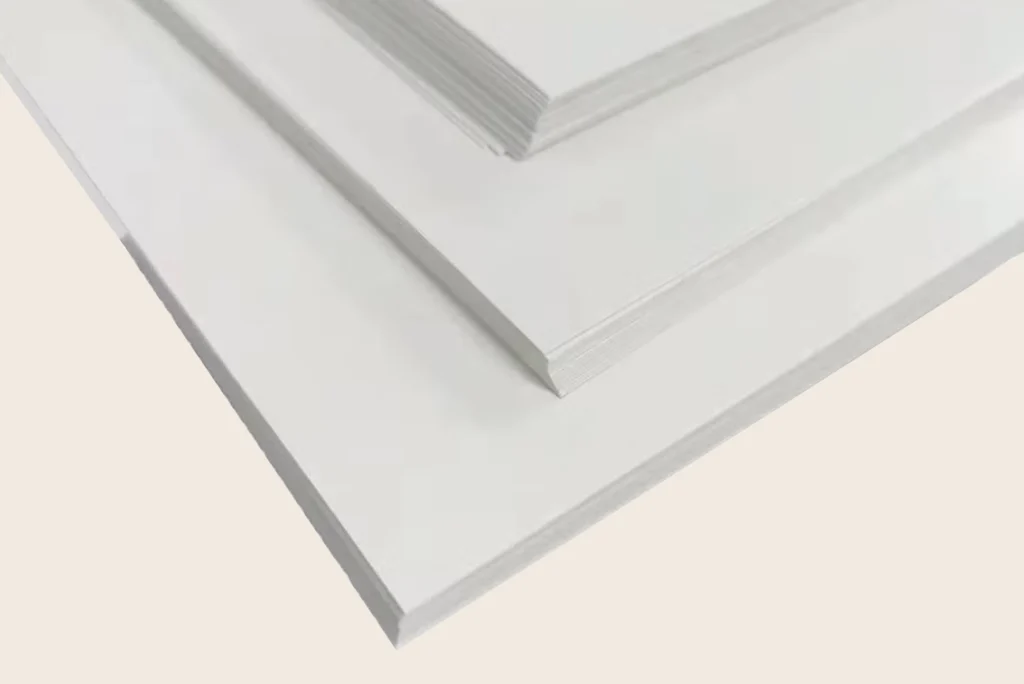
A premium bleached paperboard coated on both sides, designed for excellent print quality, die-cutting, and professional packaging results.
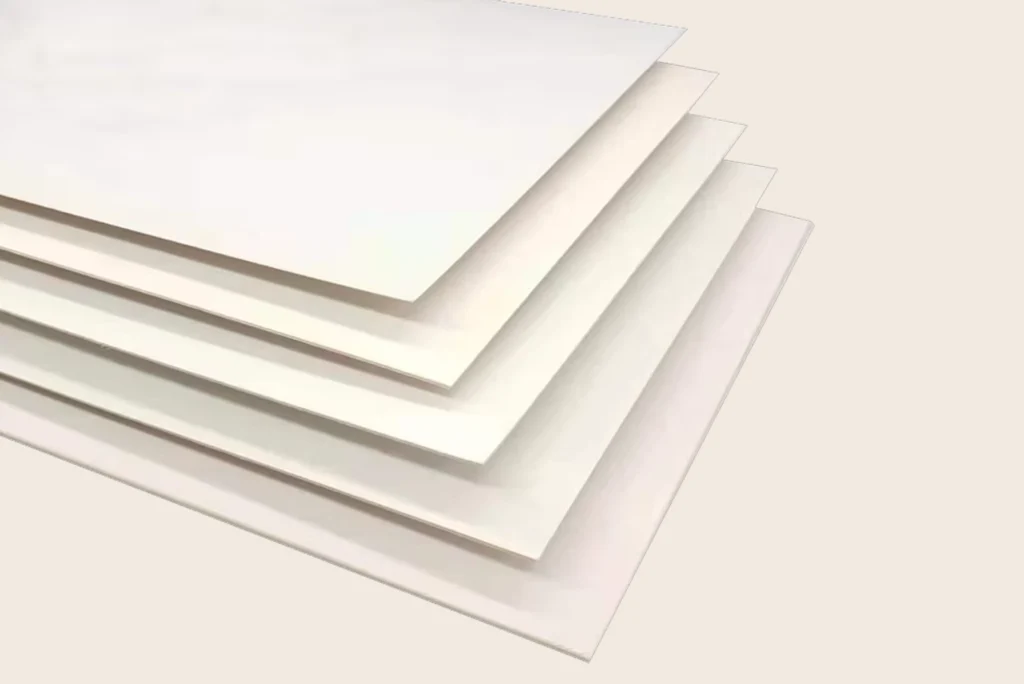
A high-quality bleached paperboard coated on one side. It provides a clean printable face with a premium packaging feel.
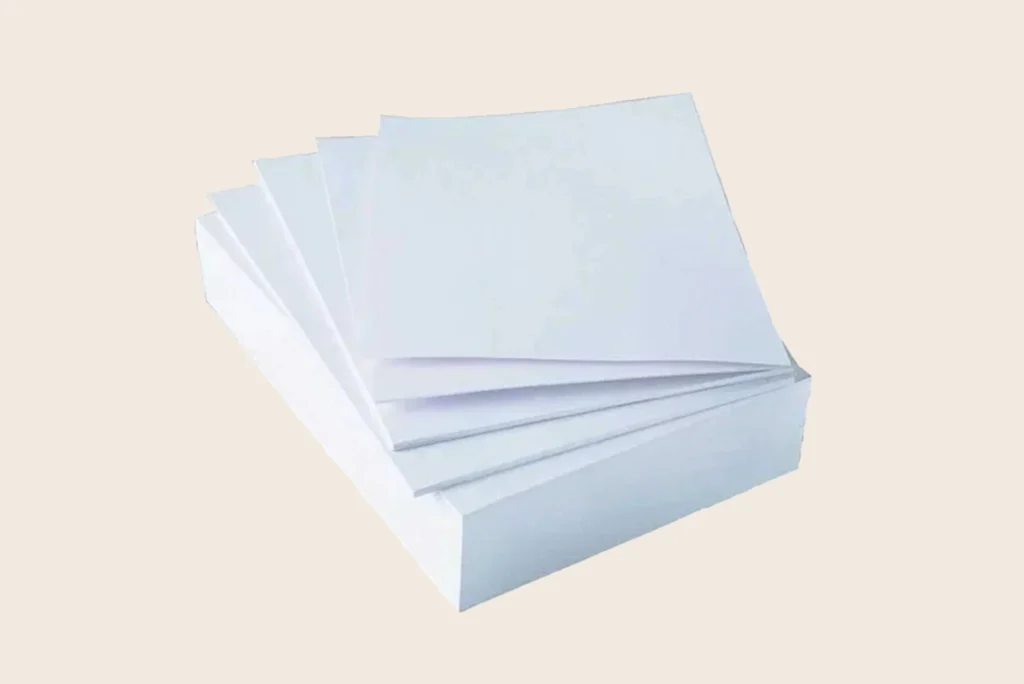
A smooth printable paper stock that supports high-resolution graphics, clean text, and rich color output for refined packaging presentation.
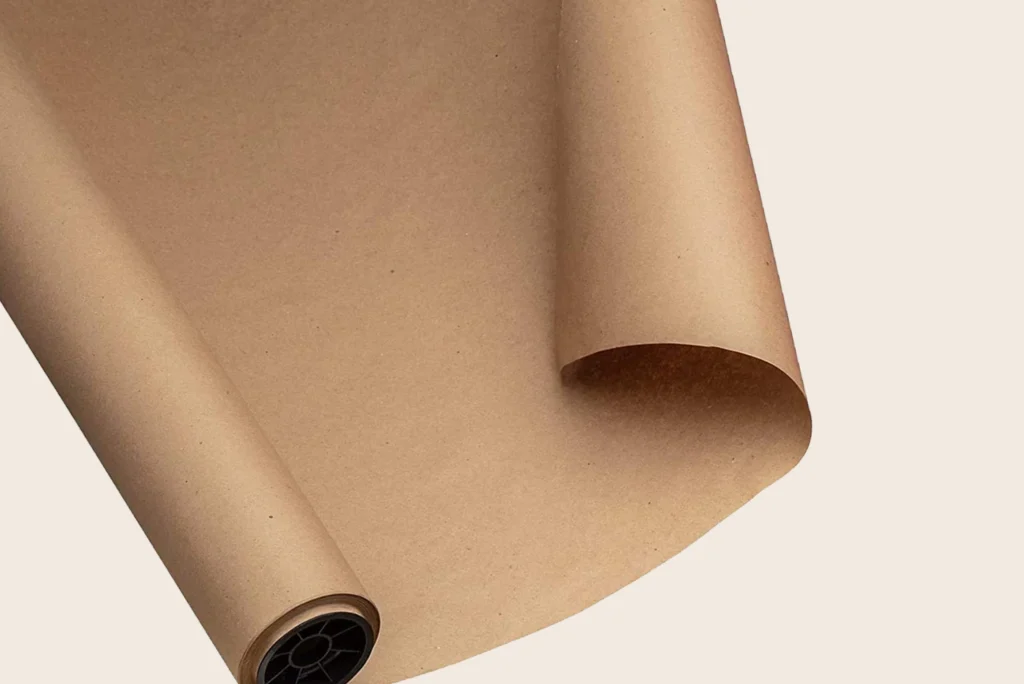
A natural kraft paperboard made from strong virgin and recycled pulp. It provides an organic, earthy look for sustainable and simple packaging.
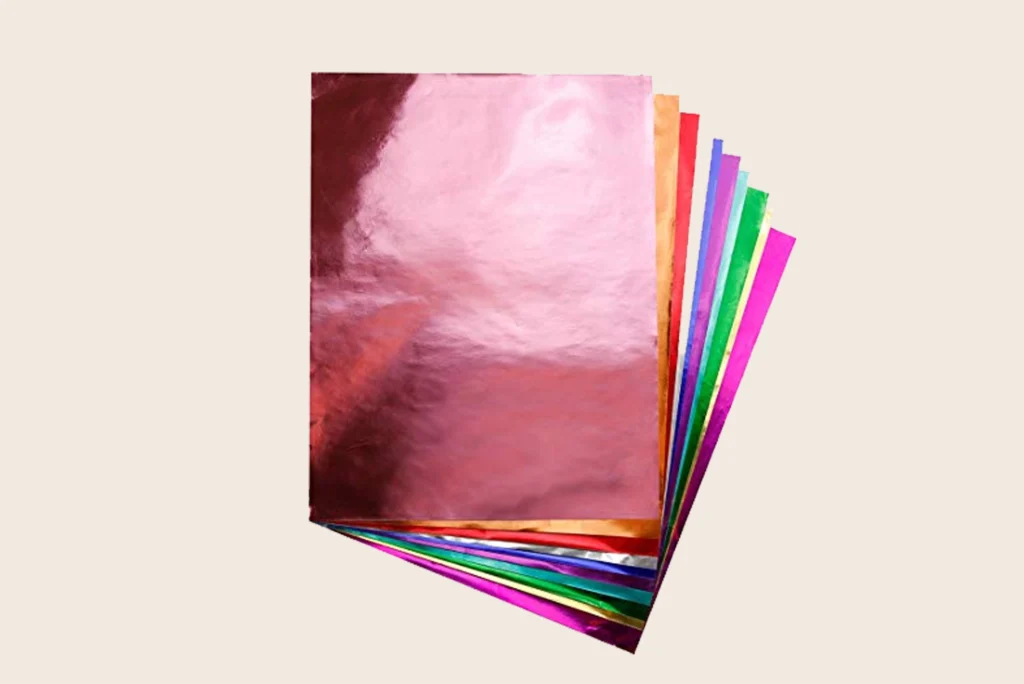
A specialty paperboard with a laminated metallic surface available in gold, silver, and other premium finishes for luxury visual impact.

A specialty paperboard with a laminated holographic surface that creates a reflective, rainbow-like appearance for eye-catching product packaging.
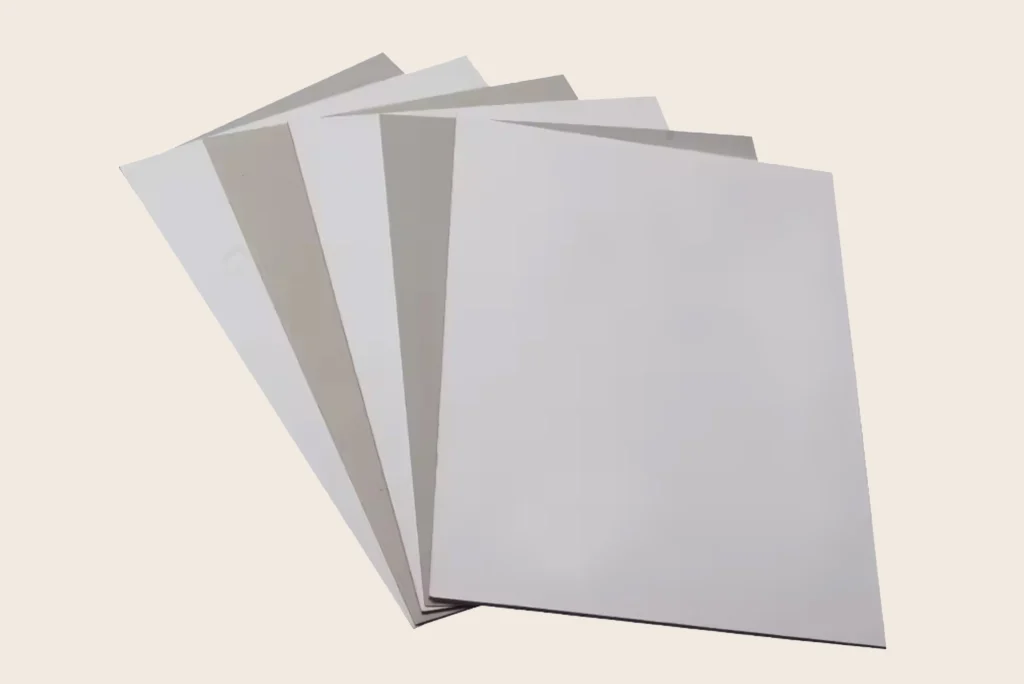
A recycled duplex paperboard with a white printable surface. It is ideal for economical packaging that still requires clean graphics and brand presentation.
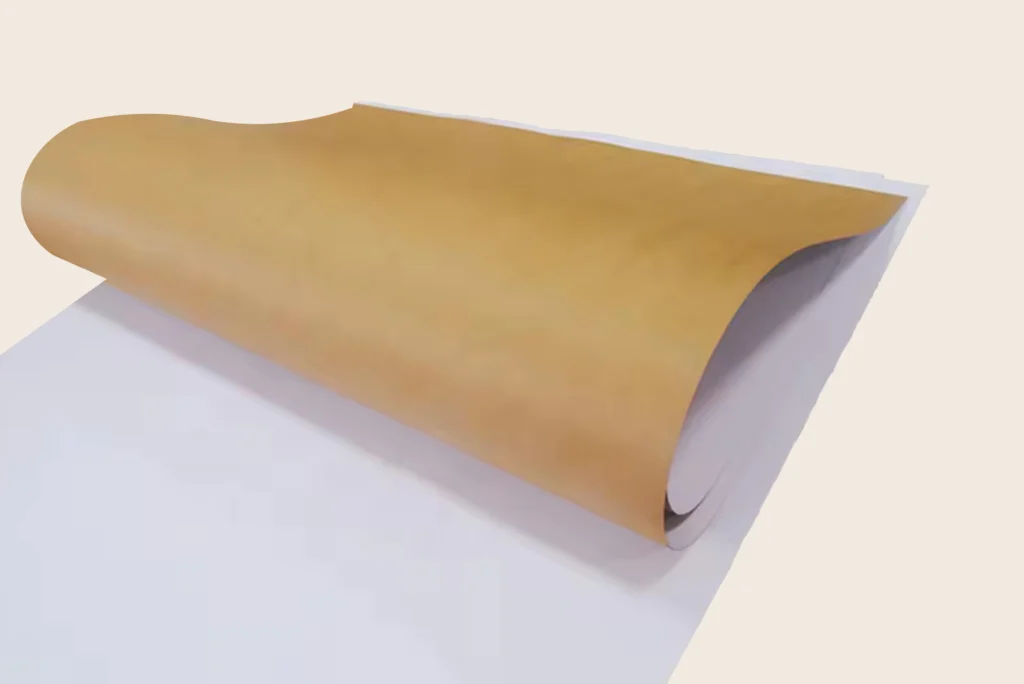
A kraft board with a smooth clay-coated white face for quality printing and a natural kraft reverse side for a strong, authentic appearance.
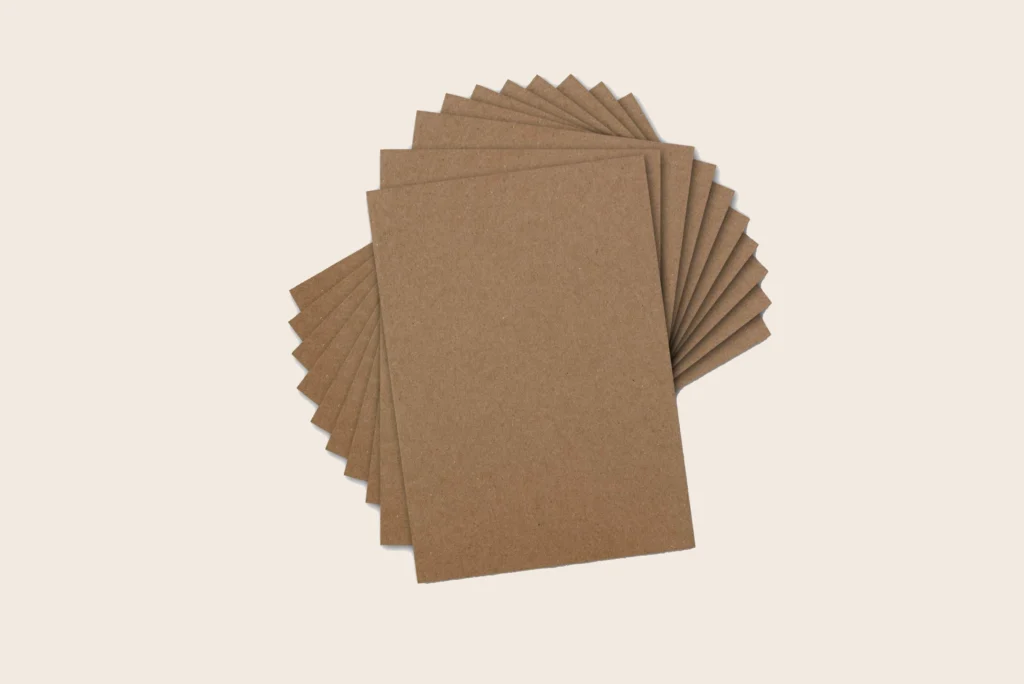
A kraft paperboard with a clay-coated printable top surface and a natural unbleached kraft back. It balances clean branding with a rustic natural look.
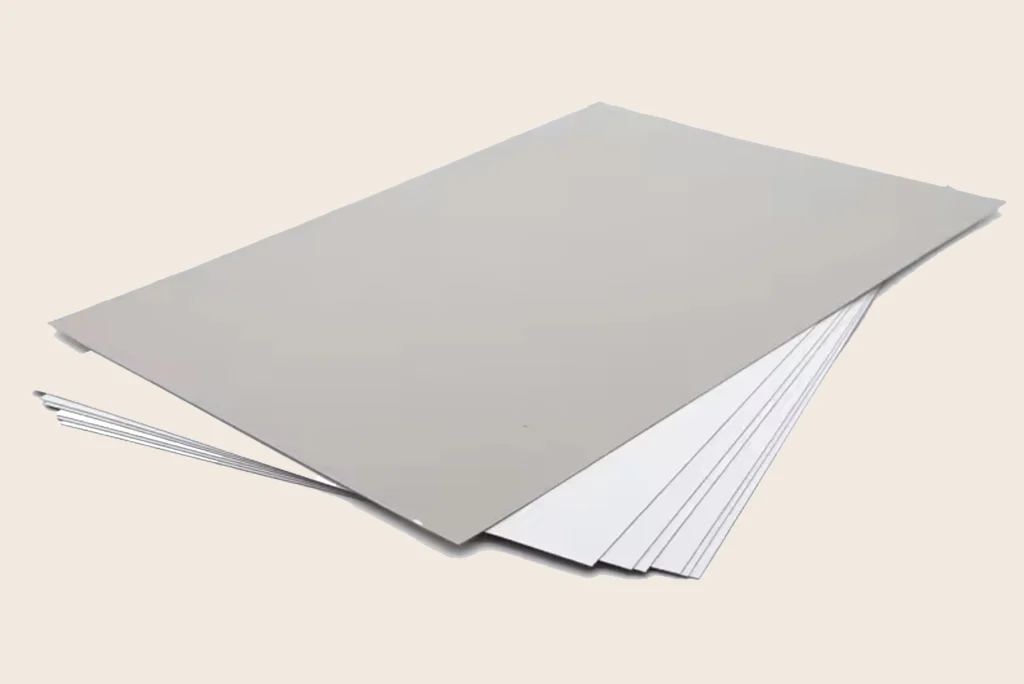
A duplex paperboard made with recycled pulp and a coated white printable surface. It delivers smooth print results for affordable carton packaging.
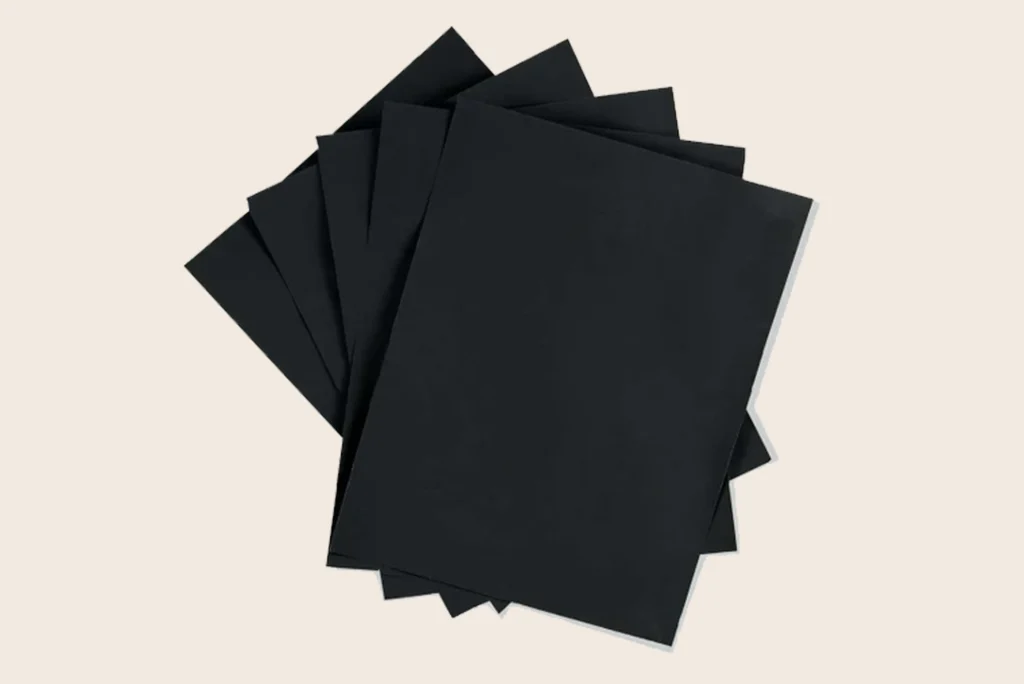
A black-dyed kraft board with a natural paper texture and excellent strength. It creates a bold, premium look for luxury and specialty packaging.
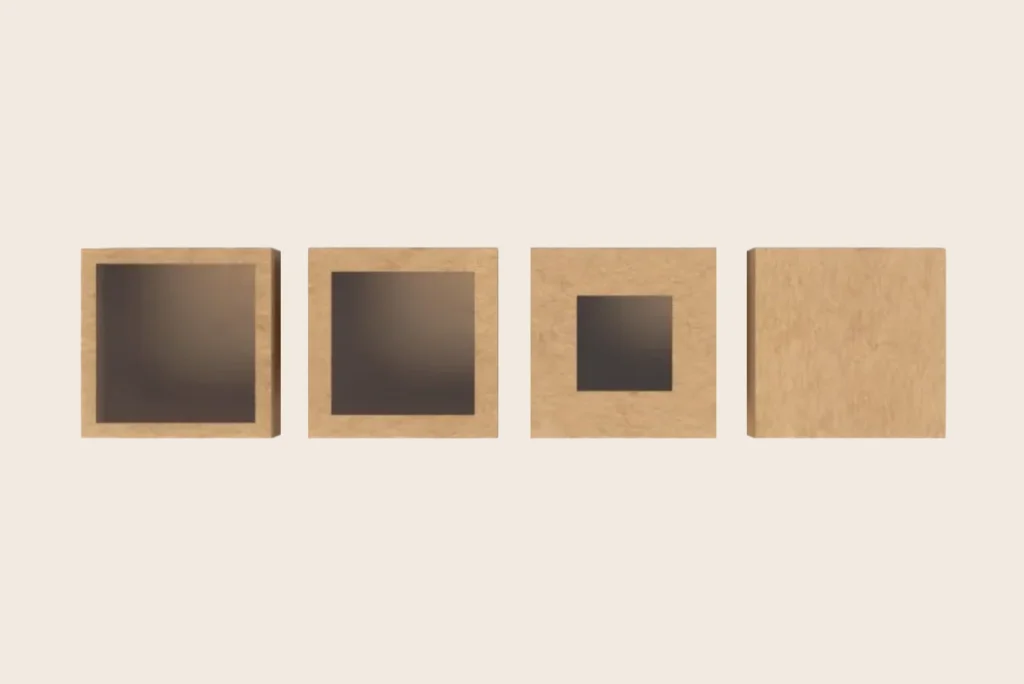
A packaging technique where a die-cut opening is covered with a transparent film, allowing the product inside to remain visible while staying protected.
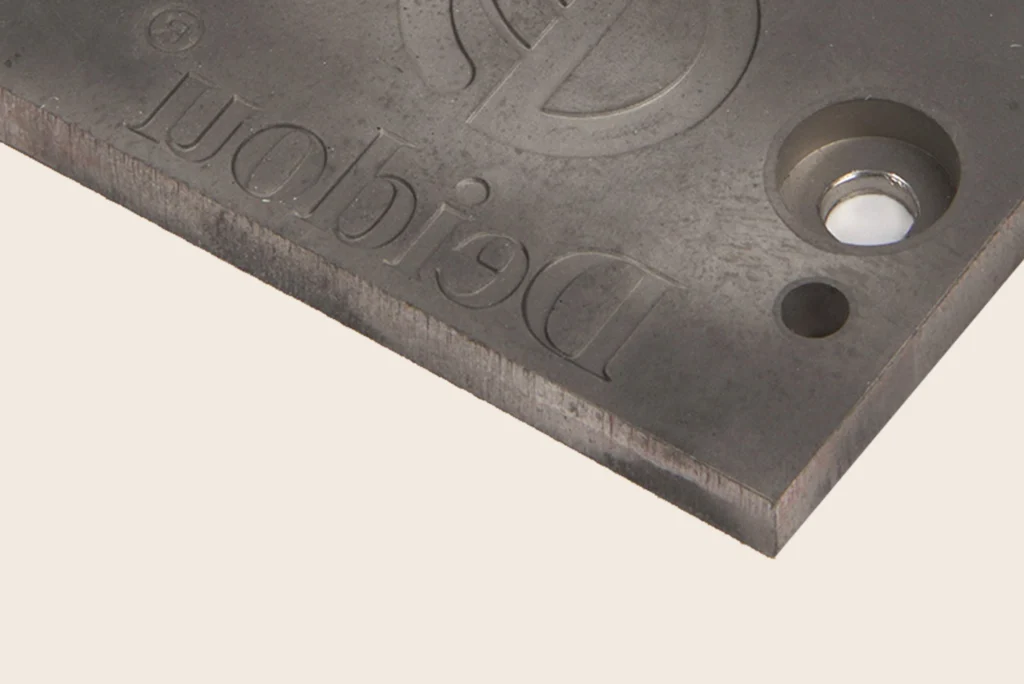
An embossing technique where the raised design is precisely aligned with printed artwork to improve detail, texture, and overall presentation.
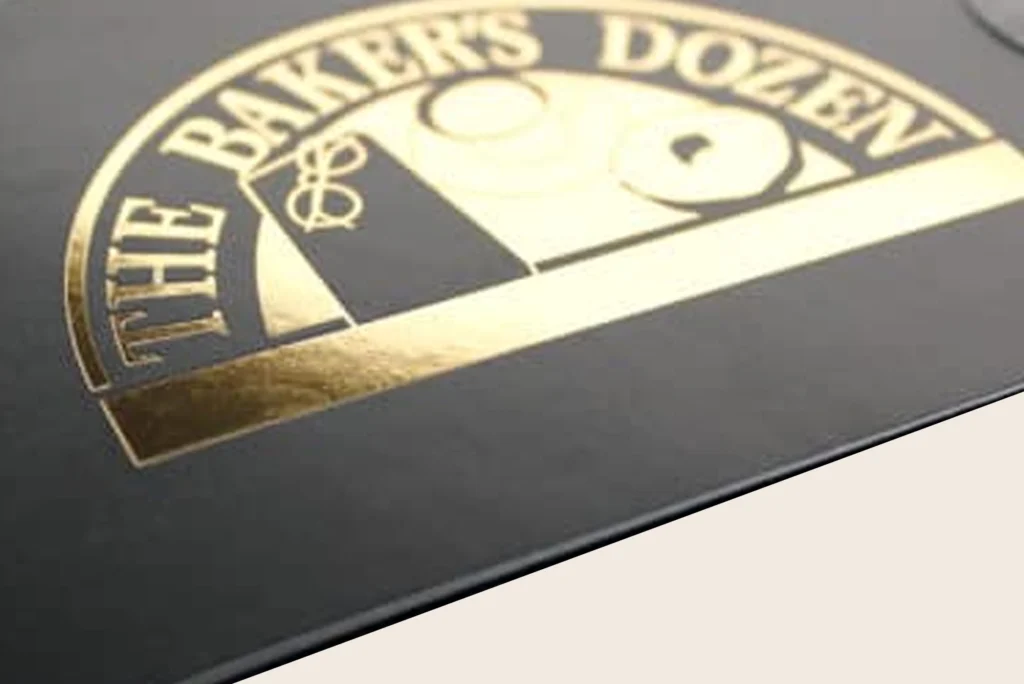
A finishing process in which heat and pressure transfer metallic foil to the surface, creating a premium, shiny, and luxurious effect.
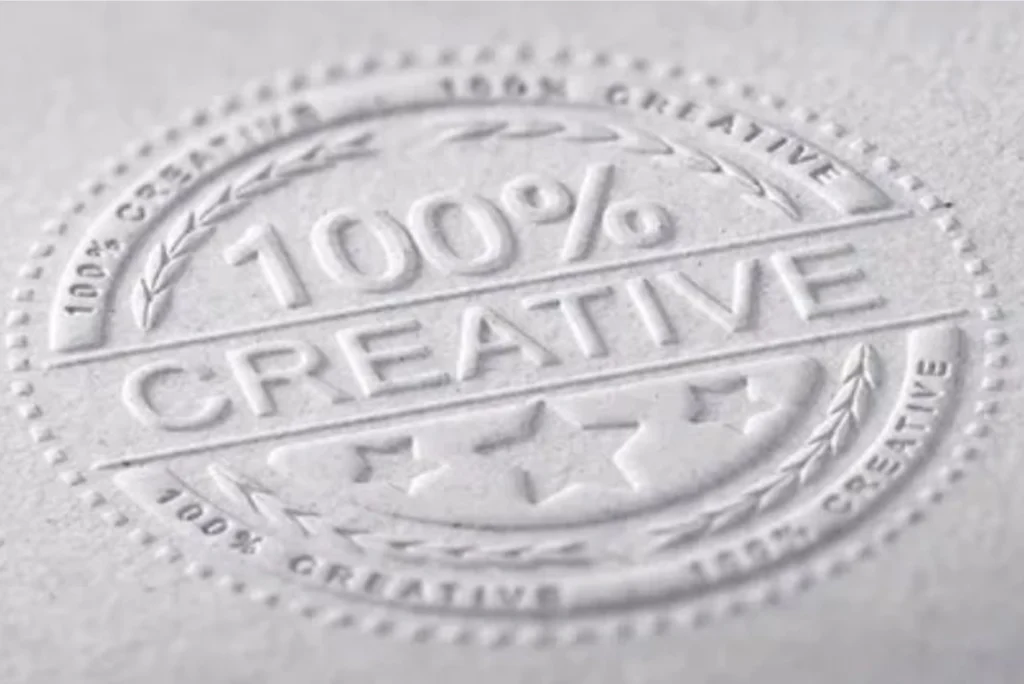
A premium finishing method that combines embossing with foil stamping to create a raised design with metallic color and strong visual impact.
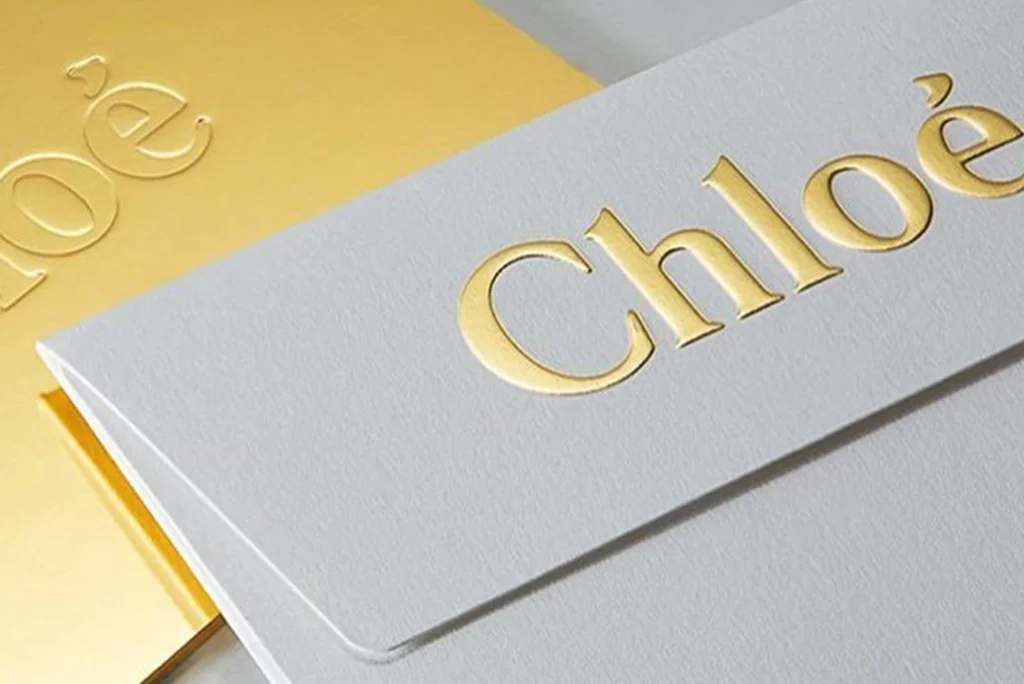
A decorative process that transfers foil onto selected areas of the surface using UV-curable adhesive, creating a bright metallic effect with sharp detail.
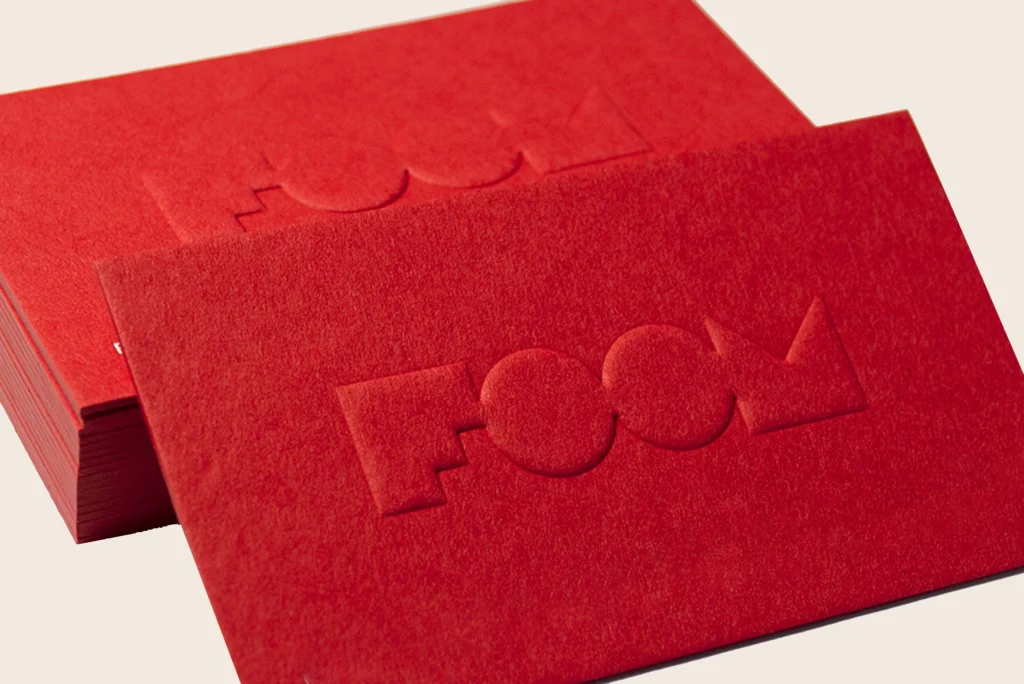
A technique that raises a design from the surface without ink or foil, giving packaging a clean, elegant, and textured appearance.
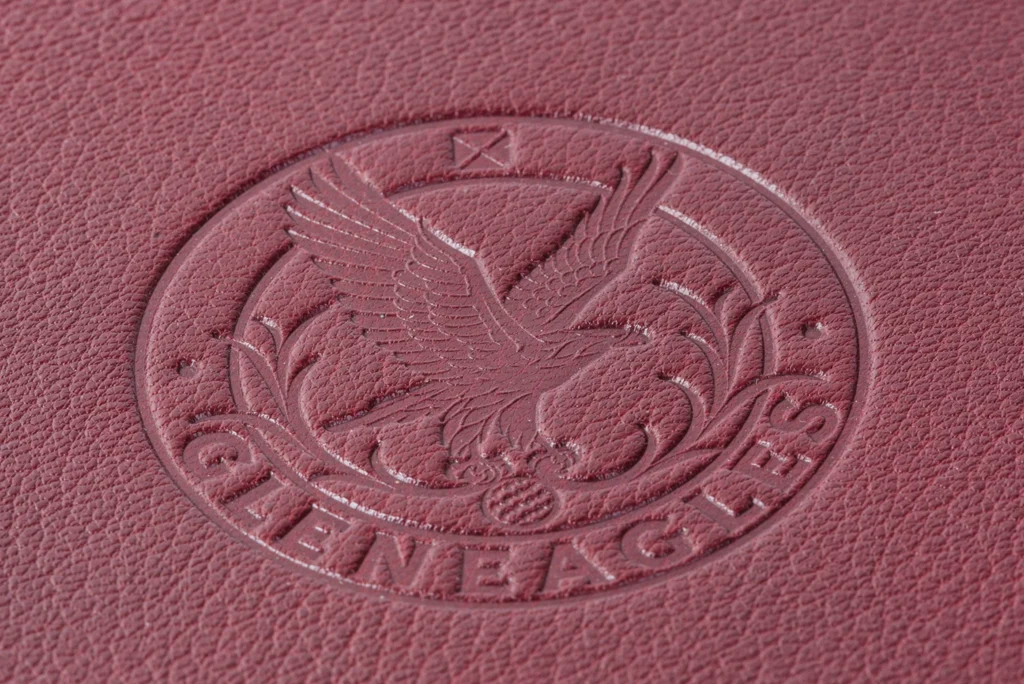
A finishing technique that presses a design into the material to create a recessed impression without using ink or foil. It adds subtle depth and a refined tactile effect.
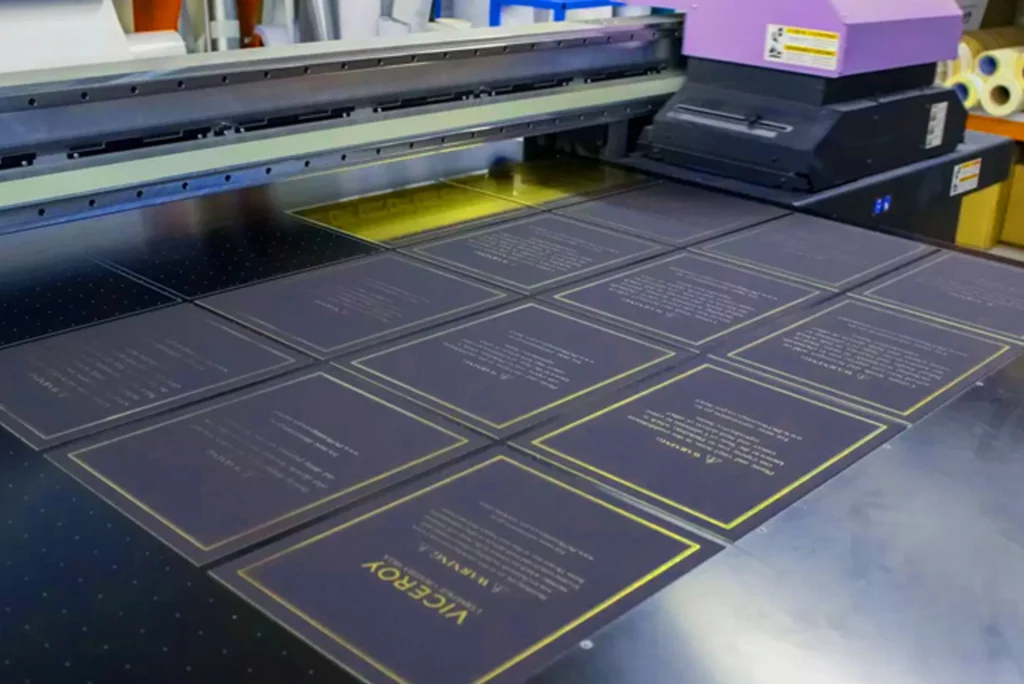
A fast-curing printing process that uses ultraviolet light to dry ink instantly, delivering sharp detail, vibrant colors, and a premium finish.
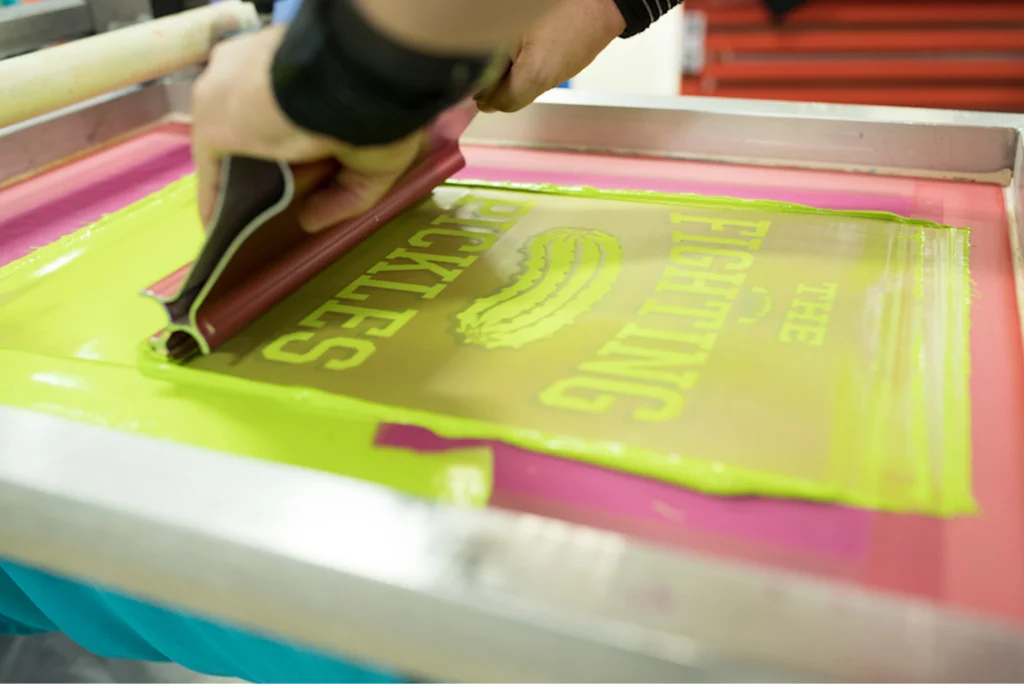
A durable printing method that uses a mesh screen and stencil to apply ink to surfaces. It is ideal for bold colors and high-impact packaging designs.
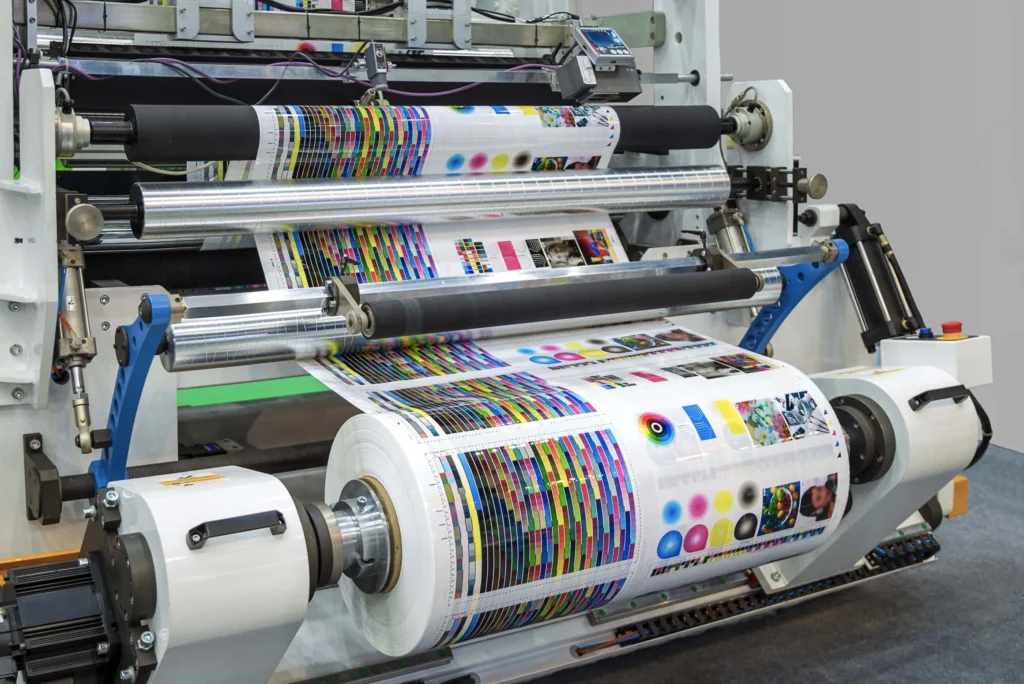
A traditional high-quality printing process that transfers designs from plates to a rubber blanket before printing, making it ideal for large-volume production.
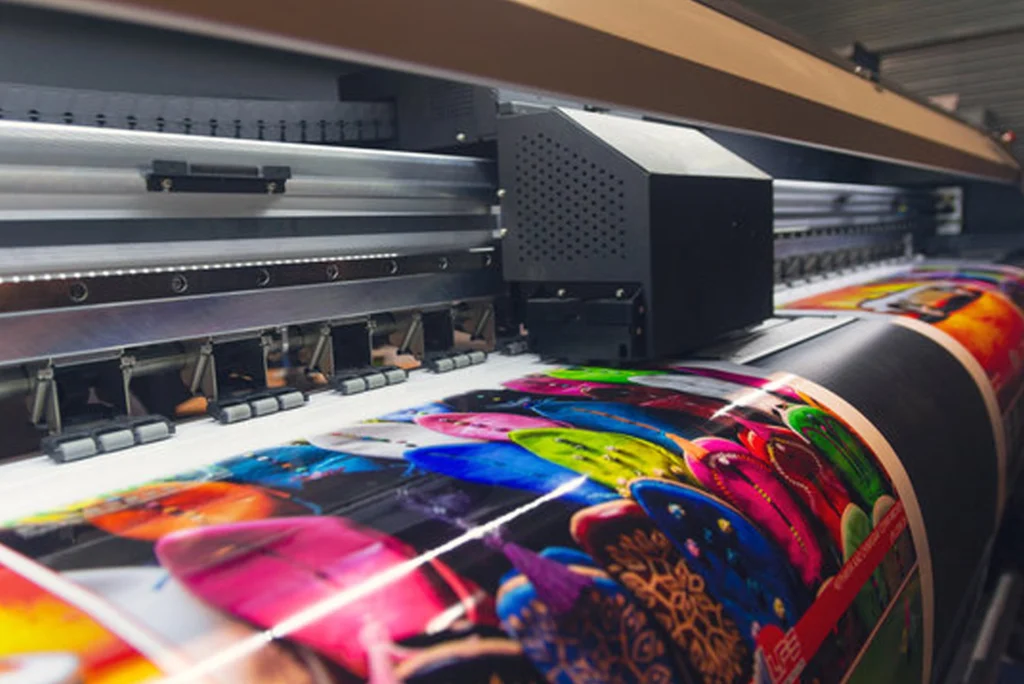
A modern printing method that does not require printing plates, making it cost-effective and efficient for short runs, sample production, and small-batch quantities.
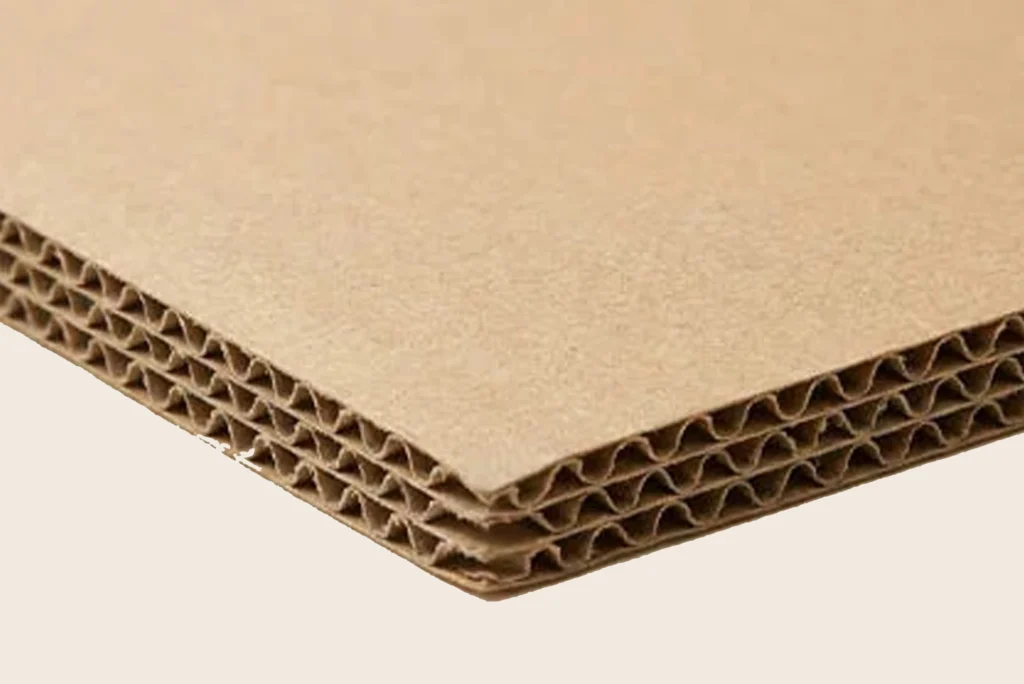
Built with three corrugated layers between four linerboard sheets, providing heavy-duty strength for large or industrial packaging needs.
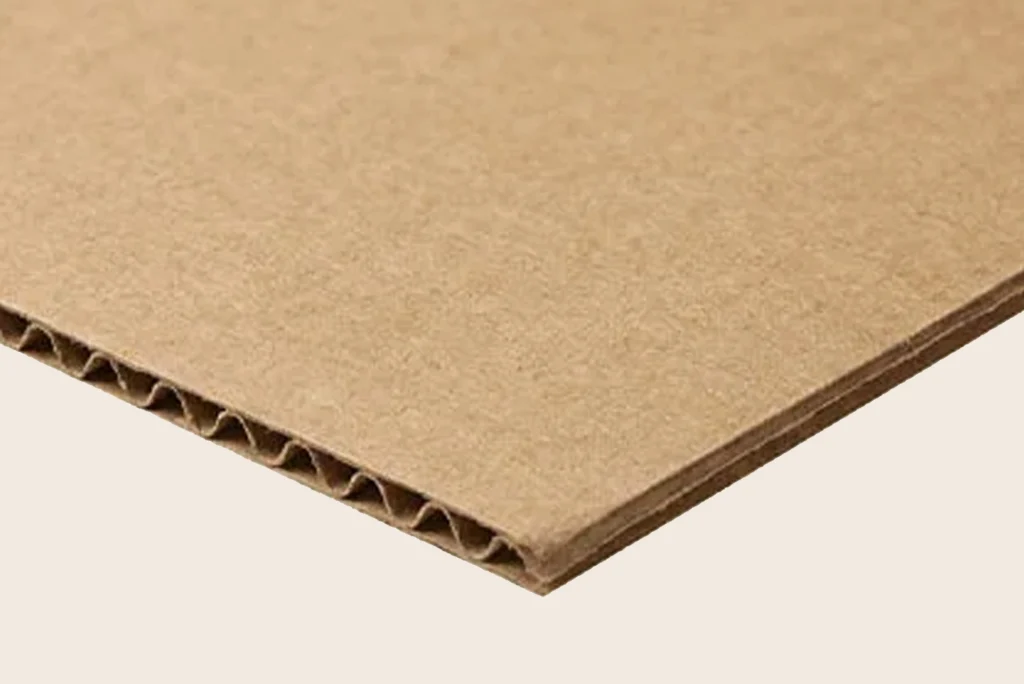
A standard corrugated structure with one fluted medium and two linerboards, providing dependable strength for everyday packaging.
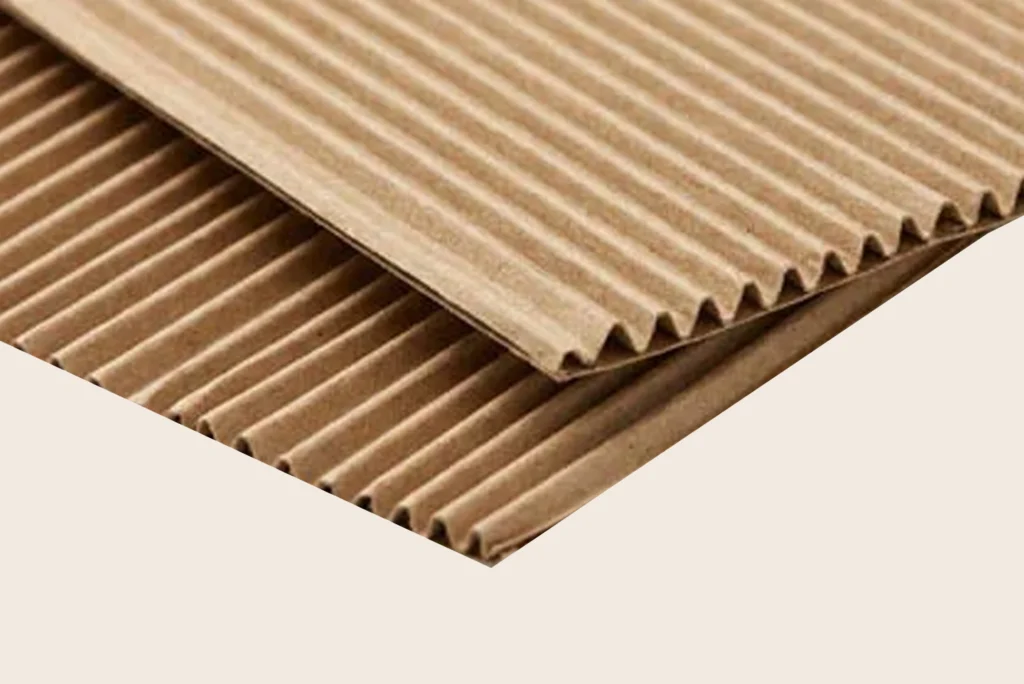
A corrugated sheet with one flute layer between two liners, offering lightweight strength for protective packaging.
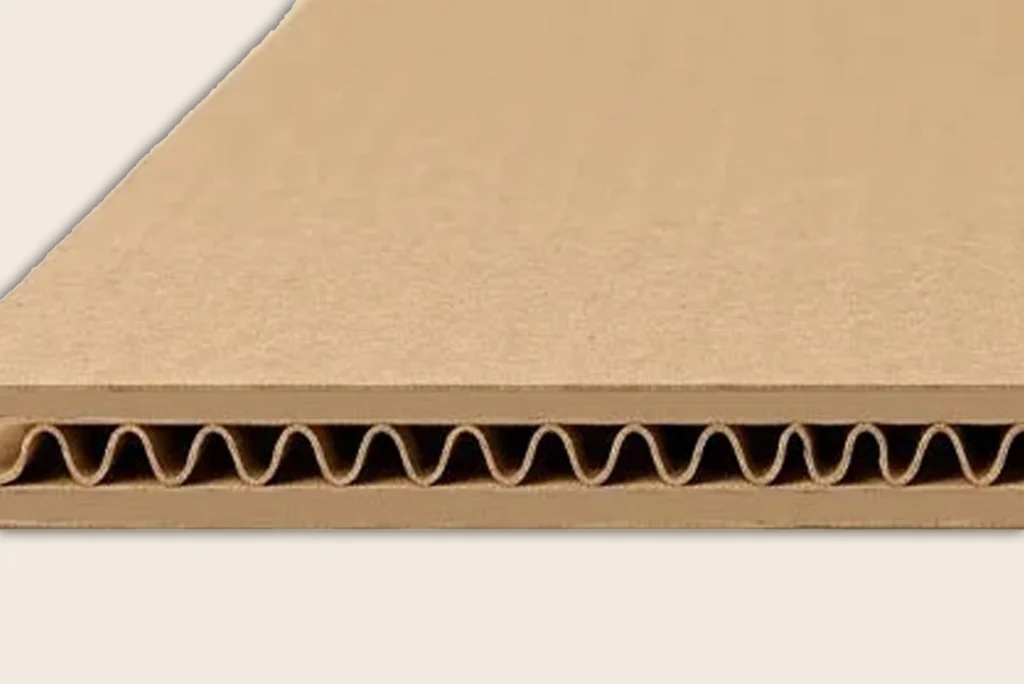
An ultra-thin flute grade designed for lightweight packaging, small retail boxes, and high-quality printed presentation.
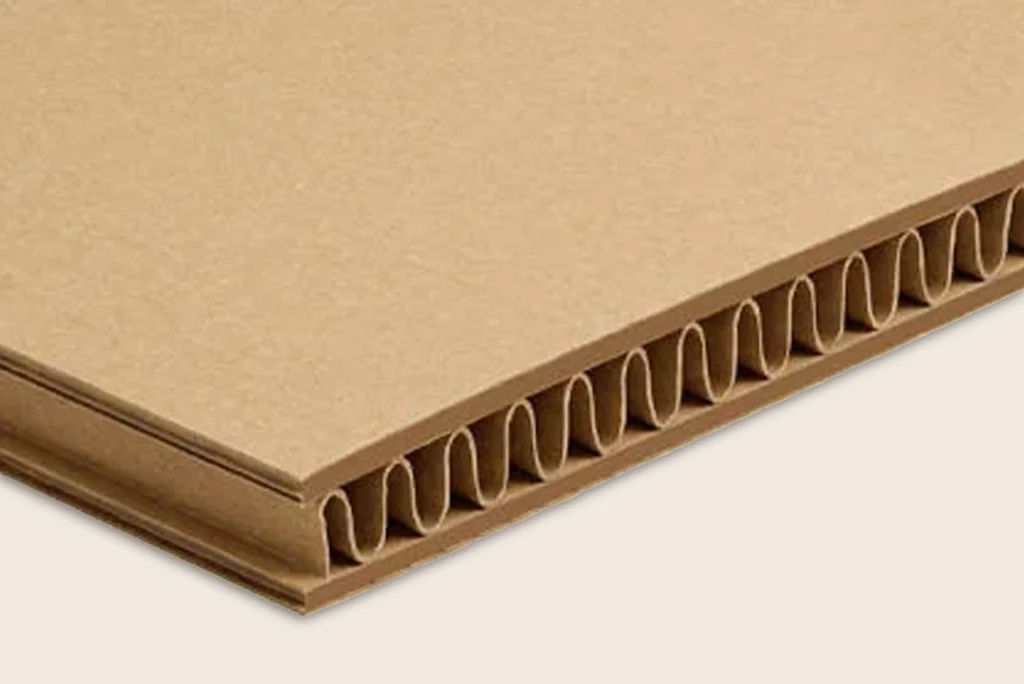
A slim flute grade with a flatter surface, ideal for detailed printing, display packaging, and premium retail boxes.
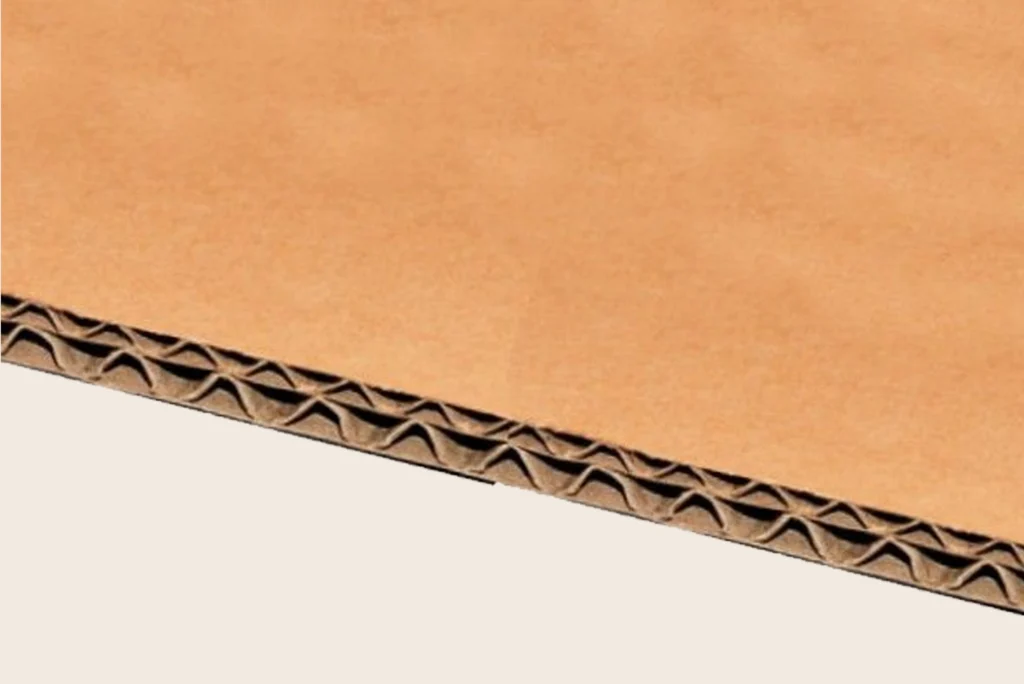
Made with two layers of corrugated medium between linerboard sheets, offering added strength and durability for heavier products.
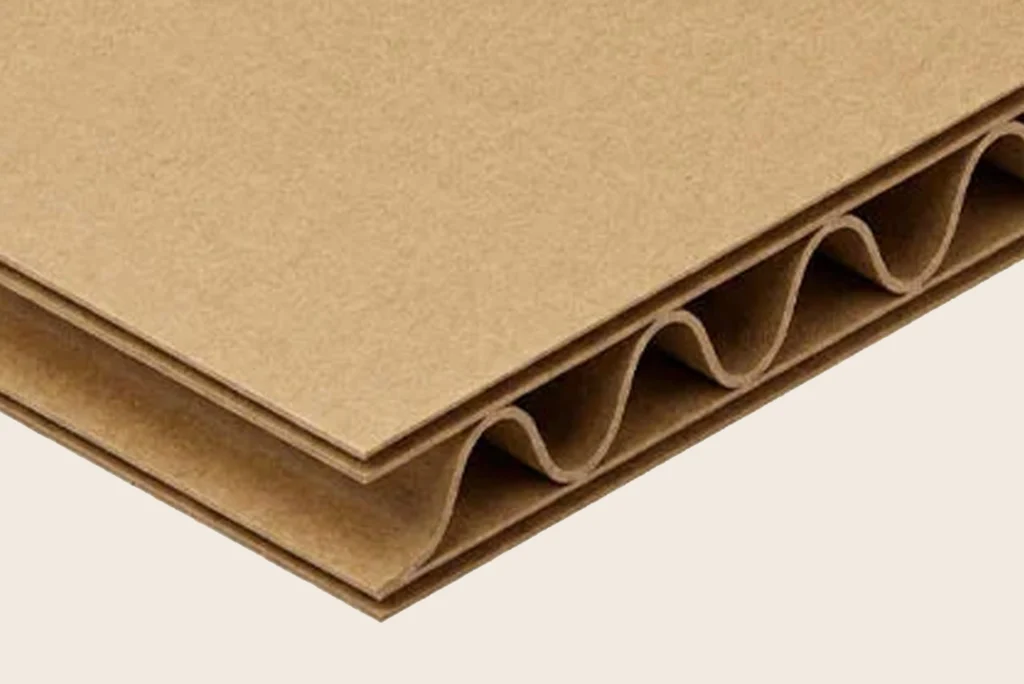
A versatile corrugated flute that offers balanced compression strength, cushioning, and printability for many packaging applications.
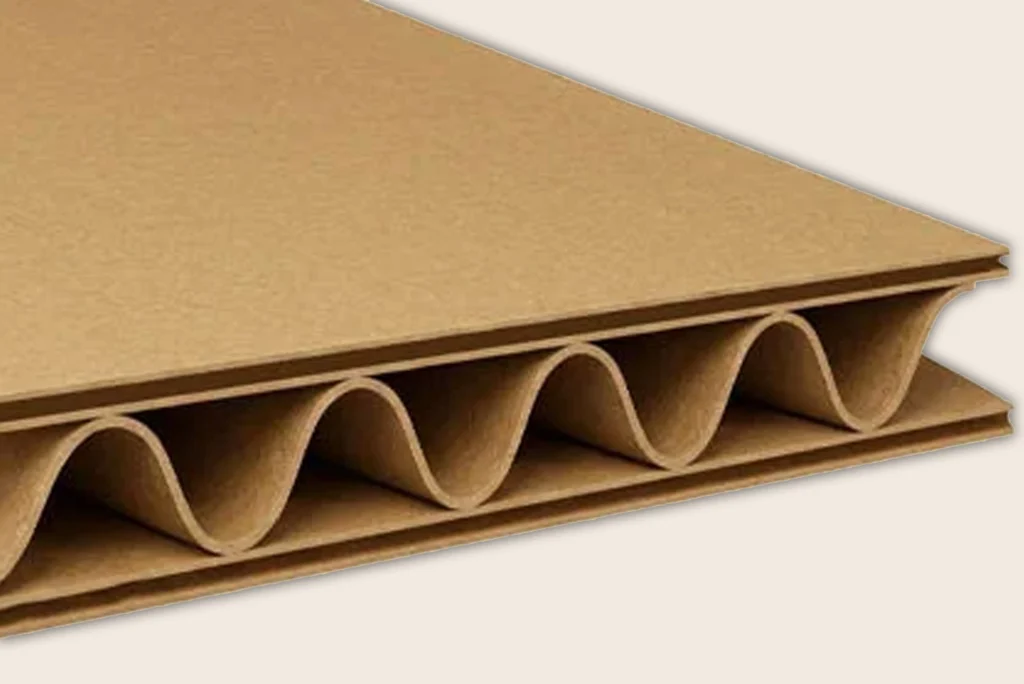
A thinner flute grade with a smooth surface, making it suitable for high-quality printing, precise die-cutting, and neat retail packaging.
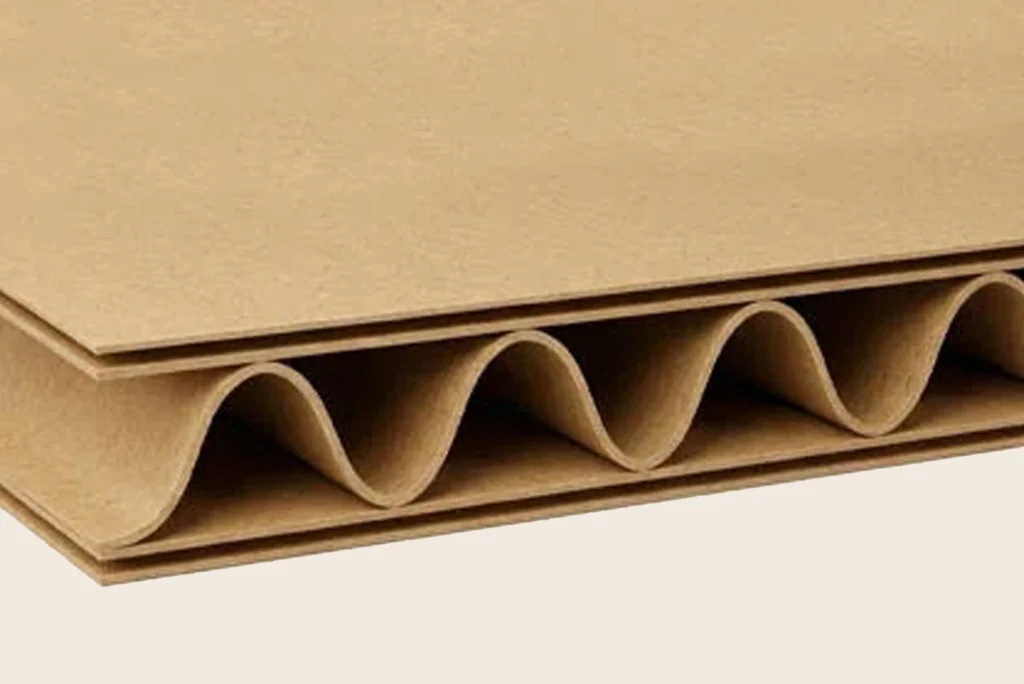
A thick corrugated flute profile that provides excellent cushioning, compression strength, and stacking support for protective packaging.
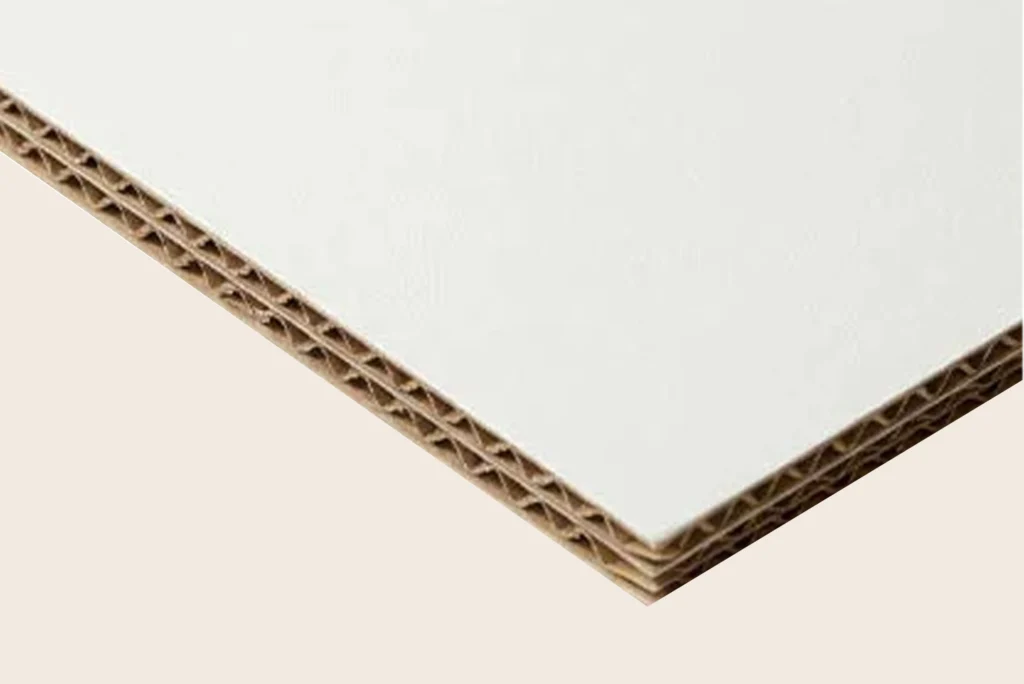
A coated linerboard with an off-white surface, suitable for high-quality printing and a refined packaging appearance.
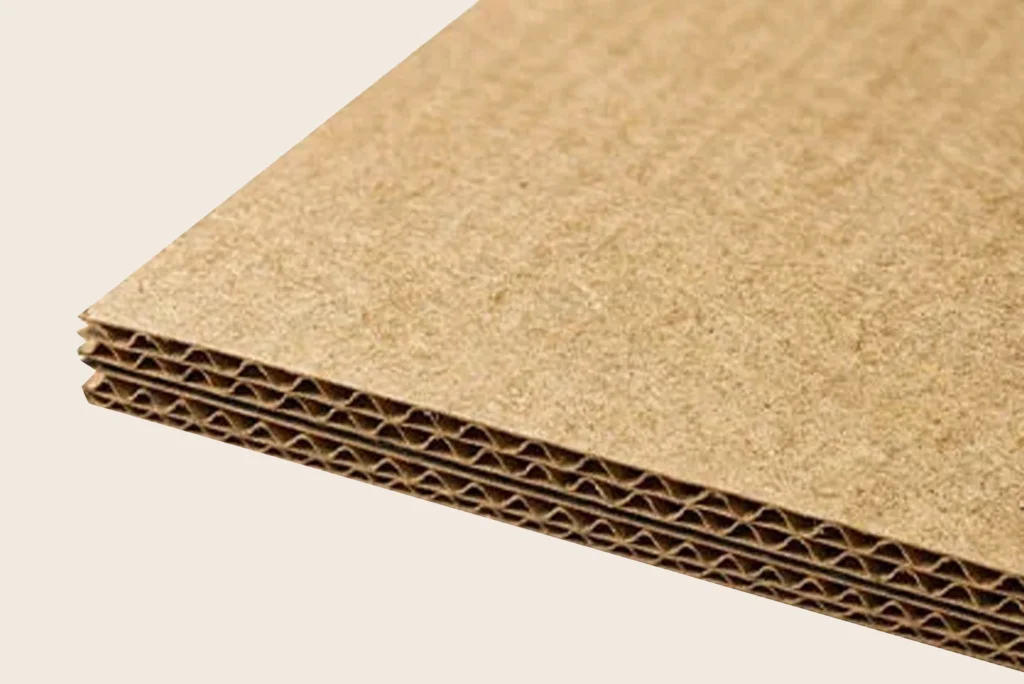
An unbleached kraft linerboard made from recycled paper pulp, offering a natural look with strong durability for eco-conscious packaging.
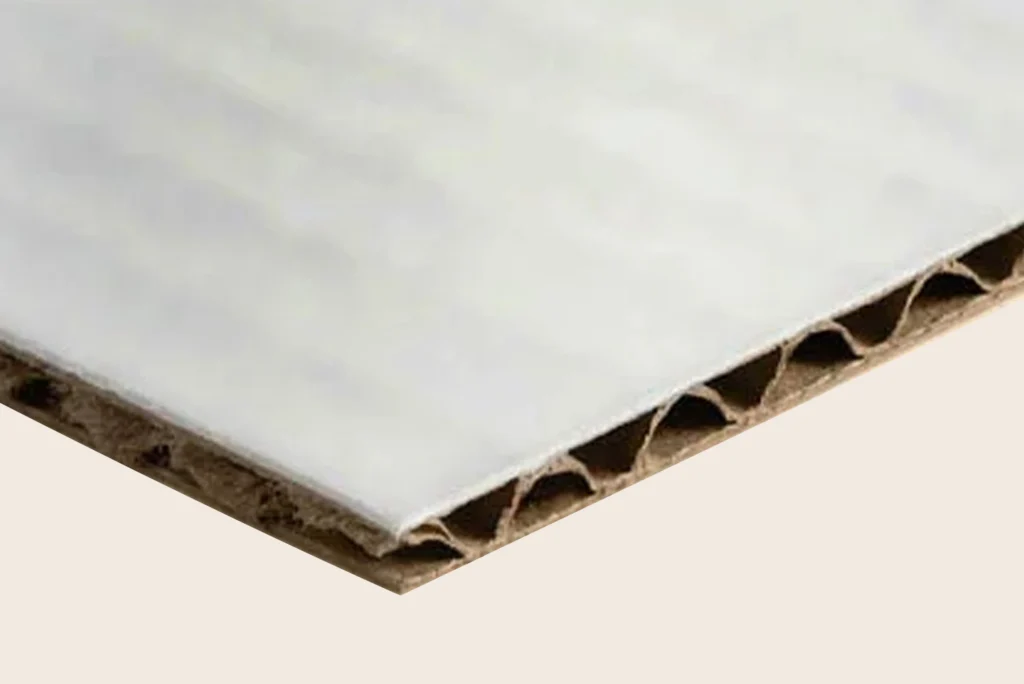
A coated semi-gloss linerboard with a smooth white surface, ideal for sharp printing, premium presentation, and retail-ready packaging.
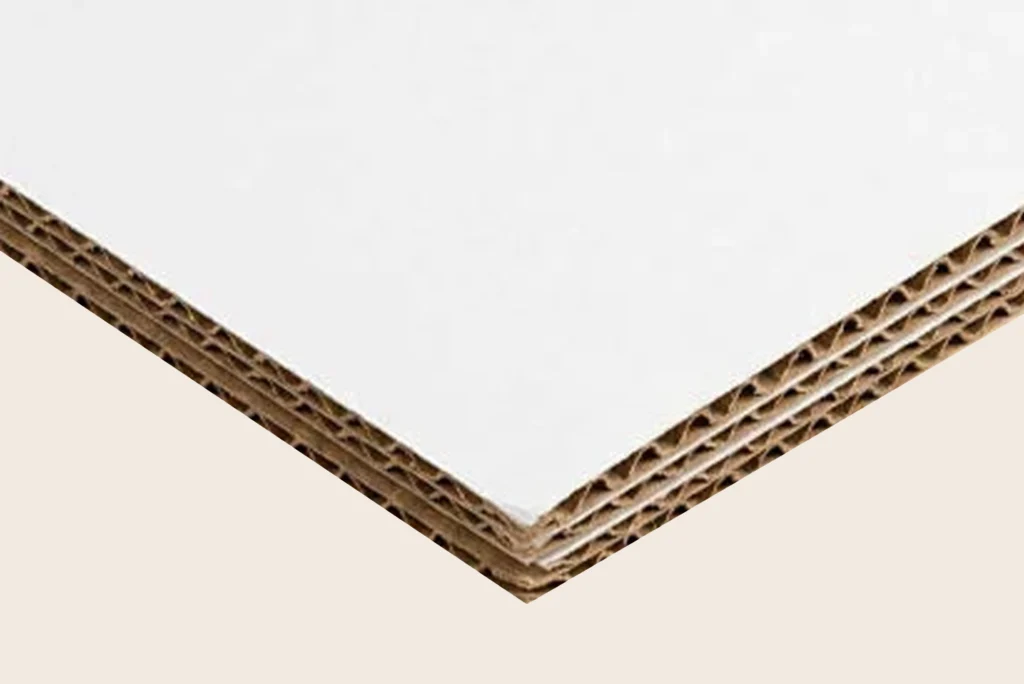
A fully bleached corrugated board with a bright white surface, designed to produce clean, vibrant, and high-quality printed packaging.
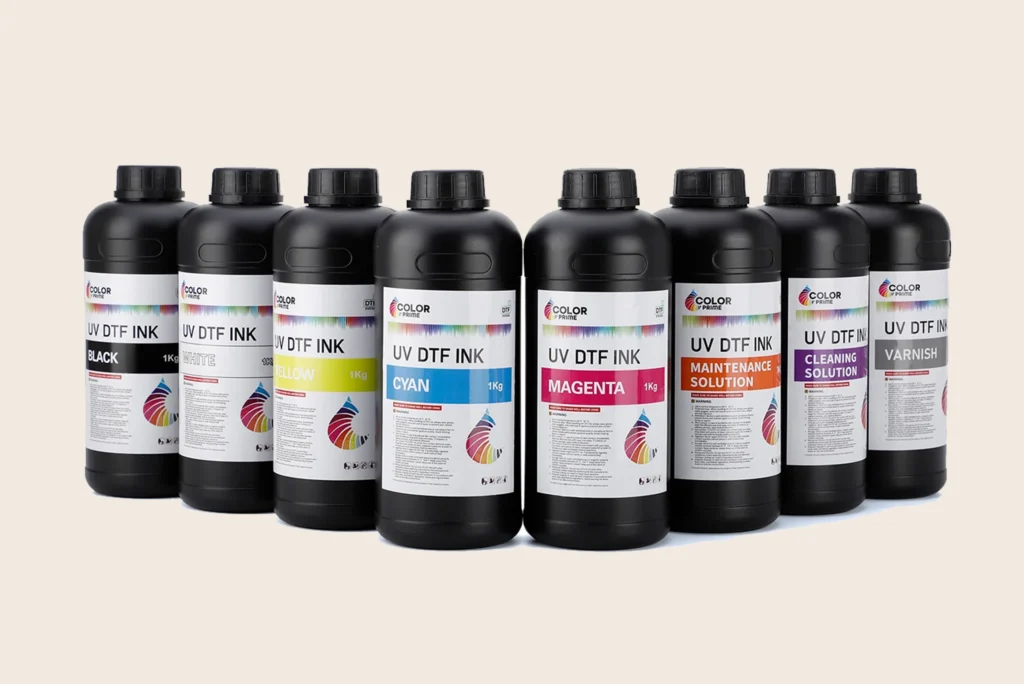
A UV-cured ink that dries instantly under ultraviolet light and creates crisp, high-quality print results on a wide range of packaging materials.
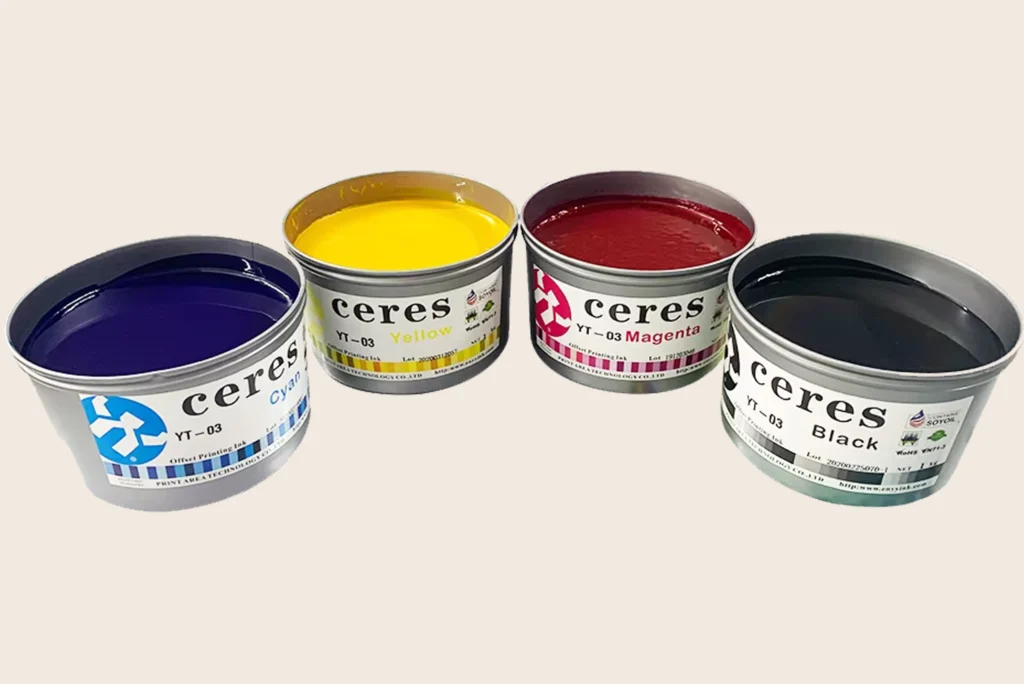
A plant-based ink made with soybean oil, offering rich color output and a more sustainable printing option for carton packaging.
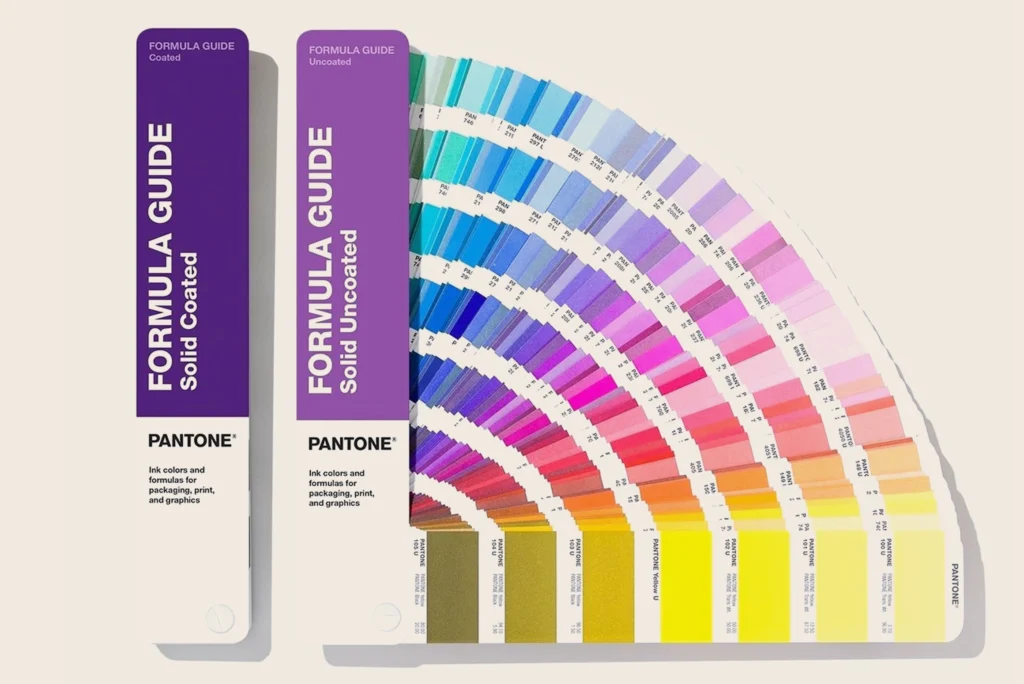
A standardized color-matching system used to achieve consistent, accurate brand colors across packaging, labels, and printed materials.

A full-color printing process using cyan, magenta, yellow, and black inks to create vibrant images, gradients, and detailed packaging artwork.
Real feedback from customers who trust us with their custom packaging.

James L.
I approached ACP UK to produce a quantity of small boxes, Thomas Couldn’t have been more helpful, it was a real pleasure to deal with him and this company. Prompt, thorough helpful replies and patient as we worked through the process. Thankyou very much! I’m very impressed with the items and I am happy to recommend them to anybody!
M & L Nugent
I have been working with several companies - trying to nail down a box size and type for my organic tea business. Frank was the ONLY rep in all of the companies I reached out to who was responsive, helpful, and walked me through the entire process. It was an absolute pleasure to give my small business pounds to ACP UK! I will provide another review after I receive my custom product!

Helen Mitsiou
Fantastic customer service from Frank. He was friendly, responsive and took the time to understand exactly what I was looking for. A pleasure to deal with, and I really appreciate all of his help. Thank you!
Derek Gill
Been working with Daniel on my boxes for our soaps and bath bombs. We just received our boxes for the soaps and the quality is five star. Daniel has been on top of his game and even caught a mistake in our spelling I highly recommend this company and will be using them For all our future orders.
Ks Rives Revivo
I have worked with Daniel on multiple projects and really love his service. They offer a fair price and really take care to get me exactly what we need while correcting anything that needs adjusting. I will continue to hire them for my future projects.
Libby Brodeur
The sales associate I worked with was fabulous. Always quick to respond and helped me problem solve our design. The folders I ordered are lovely and exactly what I had envisioned. I would definitely recommend using All Custom Packaging UK.
DMarcques Brown
Excellent service. The previous printing company was not able to meet my needs. This company did a wonderful job with my cologne boxes to help achieve the vision and design I provided. Will be back for more business.
Jen
Thomas was so helpful and responsive! We needed custom folders made and looked at various different companies, but ACP UK ended up offering the best quality and price. This was our first time ordering, but Thomas guided us through every step and even sent us videos of sample folders and mockups of our final product so we could proceed with confidence. Thank you Thomas and ACP UK, we will definitely re-order when we run out of this batch.
Michael Ralston
We have ordered from ACP UK consistently for over a year for our boxes. They do great work, and Frank is always quick to respond. Great work and prices.
Eoin B
Excellent customer service and products.
From my initial enquiry, right up to the delivered product Frank kept me up to date all along the way.
I knew I was dealing with professionals!The ordering was easy and even though it was a custom product I had a proof within days. The final product arrived right on schedule.
I will definitely be ordering again soon.
Thank you.
Natural Zen LLC
This was my first, and won’t be my last, time ordering with ACP UK for my custom packaging. I worked with Frank who walked me through every step. He ensured I understood every aspect of the process and ordering, sent multiple images for me to approve, and checked back in with me when I got them too! Not to mention, my company is all about zero waste and being green so, I had a million questions to ask about the product itself before I even attempted to design anything and he was absolutely amazing and so patient! To date, the best customer service I’ve experienced. I will definitely be ordering again!
Ren
This was the first time I had a custom box made and Daniel made it a pleasant, efficient experience. He was patient with all my demands and also had me speak directly with one of the designers to made sure everything was specific as possible for the final outcome. Additionally, there was a major delay on my end and Daniel was very patient, even though the project was one hold for a few months. The result are professional, impressive, quality boxes which displays our product perfectly. I'm eager to continue working with All Custom Packaging UK for additional projects in the future.
Ashley Andrews
Our skincare company and a sister supplement company have used ACP UK for all of our product boxes for a year now. We are thrilled with the quality of the boxes as well as the responsiveness of the sales and customer service teams. I can't recommend them enough!
Meghan
Wow!! All Custom Packaging UK made custom boxes with custom foam inserts, plus custom product boxes, for one of our clients. They turned out GORGEOUS!! Our client was beyond happy with the result and so were we! We’ve worked with MANY box manufacturers over the years and this was among the best in terms of the quality of the end result.
Miki Holt
Hugely impressed. Daniel is an outstanding customer sales representative and ACP UK is a company you can trust to get branded work done. With just weeks before a major global news moment requiring branded pet packs to a specific size and spec, ACP UK delivered on time to our delivery location!
Sylvia Nwoyeocha
as a small business owner, scouring the internet for biodegradable packaging, and was instantly being chatted with by a support person, he was patient and attentive to details, making sure he knows what i want, it was a great support experience
Sylvia.
Guest
First time working with ACP UK, but surprisingly worked out well. They handled the design and I believe I got the packages under 10 days, both times, as promised. I ordered a prototype first, asked them to make changes, and all was implemented well. I've also worked with another company in parallel, that was much slower. The price here is better as well. I don't know where the team operates from but they are doing excellent job!
SANDRA SMITH
This is the first time I have used this company, Thomas assisted me with answering queries and the design of the personalised boxes I was after. Thomas was helpful and knowledgeable and very accommodating in changing design details, always responding quickly with a new version to review. Thomas is very eager to help make sure your packaging is right for you. Sometimes a little too eager chasing for decisions but at least you know someone is handling your enquiry and its not sitting on the bottom of a pile being ignored as I've had experience of elsewhere.
Product takes about 3 weeks to be delivered so can't comment on actual product as yet.
Jonathan Jennings
ACP UK is amazing! I am so happy to have found them. I have been working with Daniel, our customer service representative, for about 6 months and he has been amazing. He gets templates/proofs to us quickly, has never missed our deadlines, and communicates in a very timely & professional manner. Great quality prints, fast turnaround time, fair pricing. I have previously worked with other print companies and have since switched all projects to ACP UK. I highly recommend them (and Daniel)!
Nomeka
Daniel was fantastic to work with - quick and responsive. Our 500 boxes came 1 full week before our guaranteed delivery date, and they look fantastic. Will definitely be using again!
Jake Marinelli
Always a great experience with ACP UK as its very high quality and quick shipping times. Mr. Frank made sure my design met my standards and Daniel did a great job with making sure all is good before shipping out the packaging.
Ashley F
Amazing quality boxes!! Service was great, always prompt replies with Thomas and a really enjoyable customer experience. Thanks also to your design team and fast delivery - it all came together as we hoped! I'll be making recommendations to friends of your services & am already planning my next order. Thank you!
Ekho Media
Quality of the product was outstanding and we loved the result! We had a small mismatch with one of the images on the boxes but Daniel was great at understanding our request and making it happen for us. Customer service was on point for him!
Daniel
ACP UK went above and beyond. Frank took such a personal and hands on approach to making sure this project came out succesfully. We had a tight turn around and with the holidays breathing down our back it was coming down to the wire. Frank pulled off a miracle and delivered above and beyond what was asked for and at an incredible rate. Will definitely be returning for any future project needs.
Douglas Graves
We hired All Custom Packaging UK to design several of our product boxes & labeling and what a great decision that turned out to be not only did they provide great service they produced amazing products for our company. Great service with great people that are more than happy to help you along the way. We highly recommend using there service for all your packaging and labeling needs.
Jenifer Tracy
We received the boxes we ordered and they look GREAT! They also came ahead of schedule and I wanted to say a big thank you to Mr Frank from All Custom Packaging UK for your patience throughout the project.
Lindsey Archer
I have been working with Frank from ACP UK for a little over a month to get the perfect box custom made for my candles. The response time has been incredibly fast through the whole process, and Frank has been so patient as I have been going back and forth with him to make sure everything is the way we want it. The box samples arrived today, and the quality is fantastic. I am so grateful for this company!
Jake
ACP UK were excellent to work with! Daniel worked with me throughout the process to ensure we received the result we wanted. Communication was excellent and I cant recommend them enough.
Larry Tucker
I am very happy with my game cover. The colors are bright and the images are crips and clear. The service was timely and the price was reasonable. I expect to be a repeat customer (with luck.) I would not hesitate to reccomend them. Thanks to Daniel for the quick and effective responses.
The Buckin Farmacy Brianne Eas
Can’t thank Daniel with ACP UK enough for his help during the designing/ordering process of the boxes I needed for my business. They turned out amazing & have received several compliments. Such a great company to work with!
Marlene Rodriguez
I was impressed by the fine craftsmanship of the cards we ordered, especially since another vendor informed us the detailed design we wanted couldn’t be done. ACP UK exceeded our expectations with the final product! They also took accountability for an error and quickly sent a corrected order before the Holidays. Communication was great throughout, and the quality of the print truly impressed my manager.
Lori Eaton
It only got better from there because Frank was super quick to respond, and he knows his stuff! I'm sure he is a valuable employee! He was a great help to me by sending images right in chat. He made me realize how wonderful ACP UK is. I am still amazed at the number of products they offer. They have everything. Plus free shipping, 24/7 online support, no die & plate charges, and free design support. OMGosh!
Binz
Cannot beat this level of customer service and dedication. My team was on a very tight deadline for the ask and our Sales Executive made it happen on time and within budget.
Emmanuel
They were super easy to work with and quick to respond, and the boxes we got were extremely high quality.
The salespeople are SUPER pushy. We get emails every other day and a few calls about placing orders. They don't understand timelines.
Susan Harrison
I needed something that was both a good shipping box and something to hold the items I sell. It’s so sleek and can fit anywhere from 1-3 of my items. I love that I don’t have to buy a bunch of different sized boxes. it’s the perfect size. It was so easy to assemble once I figured it out. Im shocked how sturdy it feels. I will be adding tape on it before I ship them just incase they unfold. I will definitely order another case of these boxes as these come out to less.
Morgan Sue Robinson
Daniel was fantastic to work with from start to finish. My design was brand new, and he played a huge role in helping bring my idea to life. He was always incredibly quick to respond, proactive with problem-solving, and transparent throughout the process. He took the time to answer all of my questions, helped me navigate different options, and worked with me to find a great price without compromising quality. I truly appreciated him responsiveness and attention to detail, and I’d highly recommend working with him.
Shanik Murthy
From the very beginning the team has been nothing but helpful and responsive when it came to my inquiries. Cant thank them enough for all the time and effort they put in to help make the process easier for me! Thank you to Thomas and Daniel specifically!
Joshua King
Frank and Daniel were highly communicative during the entire life cycle of my project. The packaging looks fantastic and high quality at the best price I could find!
I will definitely be using their services again!
Natasha
The Customer Service is excellent! The boxes and designs were excellent! We are so happy with the product and the service. Thank you Thomas and team. See you soon for our next project, we look forward to working with you again.
Anonymous
Response time can be a little slow at times, but overall the experience was very good. When they got our order wrong, they did not fuss about it and sent the correct one as requested.
Toogii Khurmast
Worked with Thomas from ACP UK. They are super responsive and has been very helpful with our custom packaging order. Would def continue using their services.
Victoria
I cannot express how caring, fast, and helpful Thomas and Daniel with ACP UK have been to me this past year. I have referred friends to them and will continue to refer all my friends to this team.
From design send, I get my items within 20 days. If I forget to respond, they're helpful in reminding me which in return helps keep my project moving forward. I appreciate their kindness even through my response delays. I could go on and on. Thank you two so much for helping my business grow!
9Point10
Great result: the boxes look really good and delivery was exceptionally fast. There was a little confusion about colors in the beginning but it all got resolved :)
Deanna Weise
We had a great experience working with All Custom Packaging UK. Frank was our main point of contact, and he was incredibly responsive throughout the entire process. He answered our questions promptly, kept us updated every step of the way, and made the experience smooth and stress-free. The communication was excellent, and we really appreciated the level of customer service. We look forward to working with All Custom Packaging UK again in the future.
Kayla Aldridge
Daniel was incredible! He was always prompt to email me back, he even called me when I didn't reply. He helped me create the exact box that I was looking for and I couldn't be more happy! Thank you for all of your hard work and great communication! I will order again when I need more!
Spin Spudnik
Working with Thomas was a great experience - he’s always able to work through any issues, concerns or questions. I appreciate working with Thomas and his approach to business, and therefore plan continue to do business with ACP UK.
Amanda Carl
This is my first time ordering custom packaging for my small business and it has been game changing. I used to hand-make boxes for my products but creating my own design has saved me so much time. Now I am excited to explore even more custom ideas! Daniel has been super helpful in bringing my vision to life. I love showing my completed design to my customers, and it makes the experience of buying my art even better!!
Matt Shortland
ACP UK was great at dealing with our enquiries the product turned out just as expected. Thank you Thomas for dealing with us and talking through it. Made it very easy for someone who has never ordered before.
D Hines
First, I'd like to say, sorry for the long delay with getting this written. My experience dealing with All Custom Packaging UK and Frank has been fantastic. He has really taken the time to work with me on my crazy request and demands. Frank has been great and I am a satisfied customer. I look forward to dealing with ACP UK and Frank in the near future! Russell Hines.
Sabine Kelly
Great experience and great product. Daniel communication was prompt and clear. Production was able to work with my tight timeline and I received my packaging with time to spare. The boxes themselves look excellent and are great quality. Thank you!
Sheri Shelton
The final product was excellent. My rep, Daniel, was relentless about staying in touch with me. He replied with all the information I asked for immediately. The design was impeccably done. And it was a difficult one on top of that. The product was delivered on time. Will order again.
Jess
The packaging from All Custom Packaging UK is exceptional! Daniel took a proactive approach, ensuring the order was successfully executed within a tight shipping timeframe. Much to our delight, the pizza boxes were delivered ahead of the estimated delivery time. The quality of both the printing and the boxes themselves was truly impressive.
Evelyn Bufton
Frank stayed in communication and followed up with detailed changes to my design needs. Final product was exactly what was agreed to and delivery was prompt. I would use them again without hesitation
Claire Bentley
We have used ACP UK a couple of times now and very happy with the service - both Daniel and Thomas have been extremely helpful and have helped to bring our ideas to life. Highly recommend and will be using them again in the future.
Robert Wilson
The apparel boxes are stylish, durable and perfectly sized for our clothing range. Our branding looks clean and professional.
Karen Vasquez Marin
We needed a personalized box, and Frank was really helpful in making this project a reality. The boxes arrived on time, the design was exactly what we wanted, and the quality is also great. Thanks, Frank, for helping us.
Stephen Samuel
Recently I worked with ACP UK to obtain a large number of packages for a product that we are now selling. We got a big order and needed high quality work done in a hurry. ACP UK gave us great service. They were flexible, professional and prompt.
Tommie O'Malley
I have worked with All Custom Packaging UK on multiple projects now and I am always so impressed by the quality and customer service. They are so responsive and have met every single deadline I have given them and even go above and beyond in keeping me updated on production. Will continue to use them for a variety of my packaging needs!
Dan
They worked with me late into Friday night to get my order out in time to get the products by a hard deadline. Very responsive and gave me great attention. They checked in too about my order arriving, and it came one day early. Very appreciative!
Courtney Brown
The boxes I ordered came out AMAZING! I can’t say enough good things about them. They were everything I wanted and more. Completely customized and perfect for the idea I had. Thomas was a terrific representative! He was helpful every step of the way, asking creative questions and answering all of mine.
Steven S
My organization has been working with Thomas for few years and we are consistently met with fantastic quality and service. Thomas is attentive to our questions, offers advice, and always finds a way to deliver an impressive product. Thomas is one of my favorite vendors to work with and I look forward to working together in the future.
Vanessa F.
We've been working with Frank at ACP UK for the past few years to produce the boxes for our nonprofit card game, and we've been consistently impressed. Frank is always friendly, professional, and quick to respond, which makes the process smooth from start to finish. The quality of the boxes is great, pricing is very reasonable, and customer service has always been excellent. We continue to do business with them and highly recommend their team!
Katie
I have really enjoyed my experience working with Thomas at All Custom Packaging UK on getting our two packaging projects done exactly to our specifications. I really appreciated his patience and quick follow-up on the many design revisions we made to get the boxes just right for our products. In the end both boxes were beautiful, sturdy and delivered to us just in time for our holiday release! Thank you so much again Thomas for making this process easy for our company! I would 100% recommend working with Thomas and All Custom Packaging for all of your packaging needs.
sue
Thank you so much, i received my order in timely manner, and Frank was so helpful in assisting me through the process of my order. I ordered small boxes for my product. I loved the printing quality of the box, and will be ordering some more boxes again.
Martina Stanton
Thomas was able to give me information immediately, which helped us move forward with packaging quickly. The product is exactly what we wanted and was shipped to us quicker than expected. Thanks!!
Michale Anderson
The food boxes are sturdy, neatly printed and easy to assemble. They have made our takeaway presentation look much more professional.
Sally
Super quick and very easy communication. They also do the design mock up as well which was very important to us. Frank was great and kept me in the loop through production and delivery. Would deff order from them again!
customer
I was very pleased with my experience and final product with ACP UK! My rep Daniel was so helpful and understanding through the entire process and my final boxes are very good quality. The design process was easy, production was fast, and my boxes arrived much quicker than I was expecting. Prices are also very reasonable, especially compared to similar companies offering similar products.
I'm very happy with them and will absolutely be ordering from ACP UK again in the future.
Jasmin El Kordi
Thomas from ACP UK was able to give me a very competitive quote for boxes for our clinical skincare brand. The quality is excellent, their service was great and delivery was very timely. Thank you Ben!
William
This company was able to fulfill my unique request with ease and for a great price! I worked directly with Daniel who was very professional and gave good customer service.
Clear answers about ordering, artwork, production, materials and delivery.
Yes. The rigid, self-supporting construction holds up at any dimension you specify, since the box is built around your own measurements rather than chosen from a stock catalogue. If a small, individual serving is actually the whole brief, it's worth weighing that against Mini Cereal Boxes or Individual Cereal Boxes first, since both are purpose-built for that scale rather than a full carton made smaller.
Yes, every flat panel is available for print. Offset, digital and screen printing are all confirmed methods. Pantone references and CMYK values can be used to manage colour consistency, subject to normal variation caused by the chosen board, ink, coating and production method.
Often, yes. A wide, unsupported panel flexes more easily than a small one, so a larger carton typically wants a sturdier board just to hold its own shape, separately from whatever's actually going inside it. Send over your dimensions and that gets settled against the real measurements instead of a guess.
Orders start from 100 units. Standard production takes 6 to 8 business days after approval.