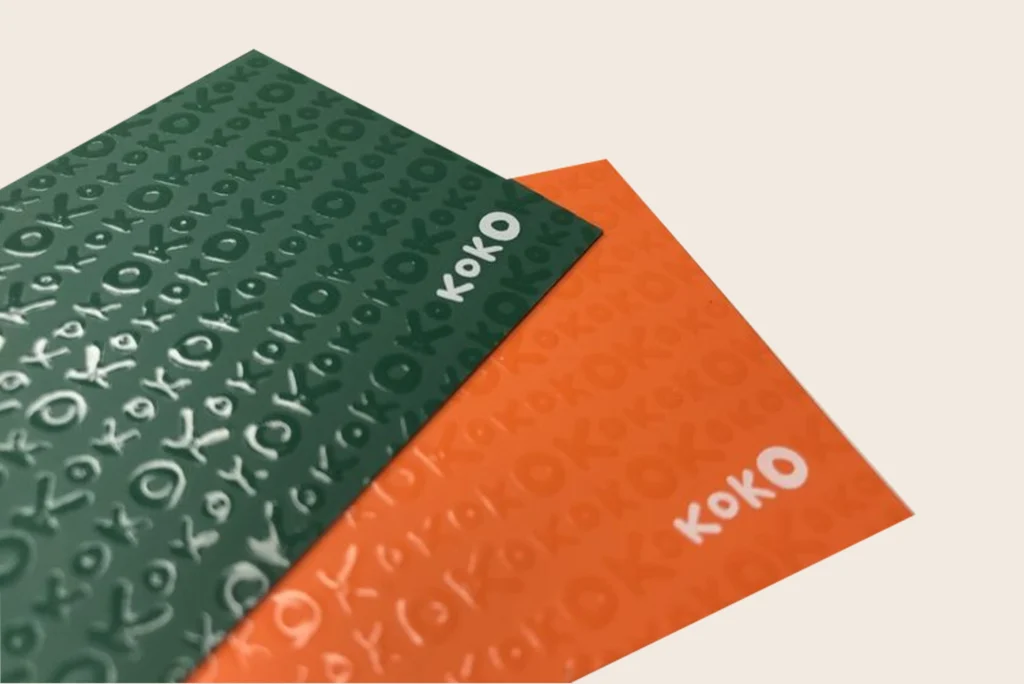
Varnish
A transparent finishing layer available in gloss, satin, or matte effects. It enhances the printed surface and adds an extra layer of visual appeal and light protection.
A cardboard egg shaped box built to actually stand up, not just look like an egg. Orders start from 100 units.
An egg has one continuous curve and no flat side, which is exactly what makes the shape recognisable and exactly what makes it awkward to package. A cube stands on its own. A round hat-box style sits flat on its base. An egg does neither unless something is built in to make it.
Three genuine ways to solve this, each a real specification choice rather than a default. A small flattened foot die-cut into the base of the shape itself, so the curve still reads as an egg from every other angle. A fitted cradle insert, matched to the exact item going inside, that holds the shape upright from within while the outer curve stays uninterrupted. Or a separate stand the box sits in, which keeps the shape completely closed and adds a display element of its own. None is automatically the right answer. What decides between them is where the box actually has to live, a shelf, a hamper, or inside a wider gift set.
A pastel or spring-toned palette is the common convention for this shape, though a full wrap in any colourway can be specified just as easily. Offset, digital and screen printing can all be used. Pantone references and CMYK values can be used to manage colour consistency, subject to normal variation caused by the chosen board, ink, coating and production method. Orders start from 100 units. Design support is free. A digital 3D mock-up is free. There are no setup fees. Standard production takes 6 to 8 business days after approval. UK delivery is free.
Choosing a non-rectangular shape in the first place, before settling on egg specifically, is a decision Different Shape Boxes works through. A round, lidded construction that opens like a hat box rather than a shape that has to stand on its own is Round Boxes. Where the box needs to fit an Easter delivery deadline as the central concern rather than the shape itself, Easter Party Food Boxes covers that.
| Box Style | All Custom Packaging |
| Dimension | All Custom Sizes & Shapes |
| Quantities | 100-unit minimum order |
| Paper Stock | Kraft, corrugated, rigid board, cardstock |
| Printing | CMYK, Pantone, digital and offset |
| Finishing | Gloss, matte, spot UV, embossing, foiling |
| Shipping | Free delivery options |
Choose from premium coating, board, printing and finishing options for your insert boxes.
A transparent finishing layer available in gloss, satin, or matte effects. It enhances the printed surface and adds an extra layer of visual appeal and light protection.
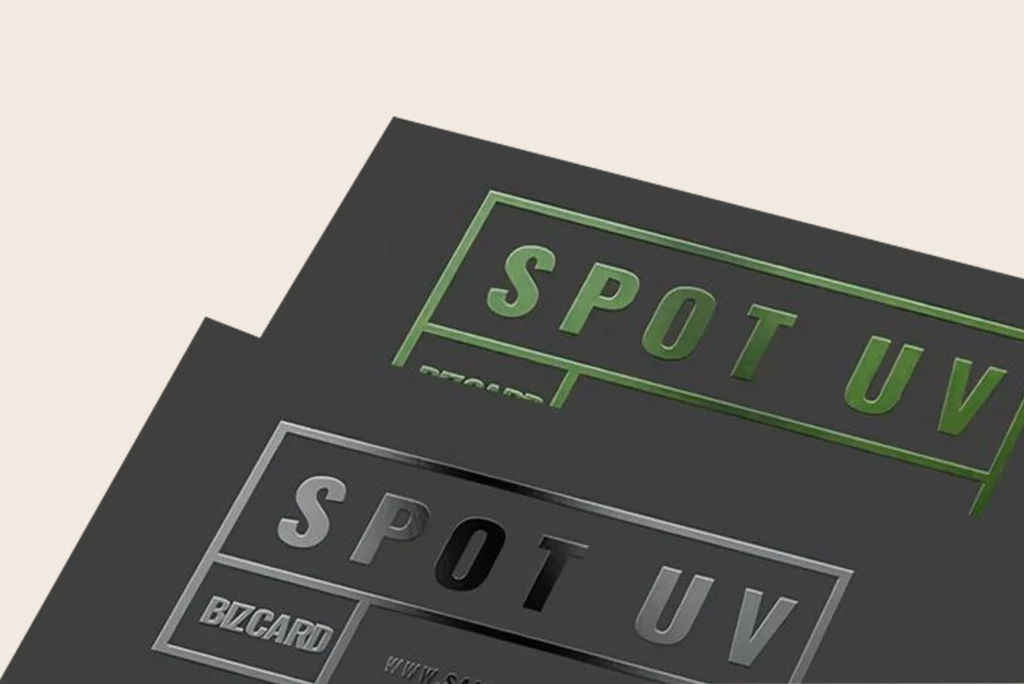
A UV-cured coating applied to specific areas of the design to create gloss or matte contrast and draw attention to important details.
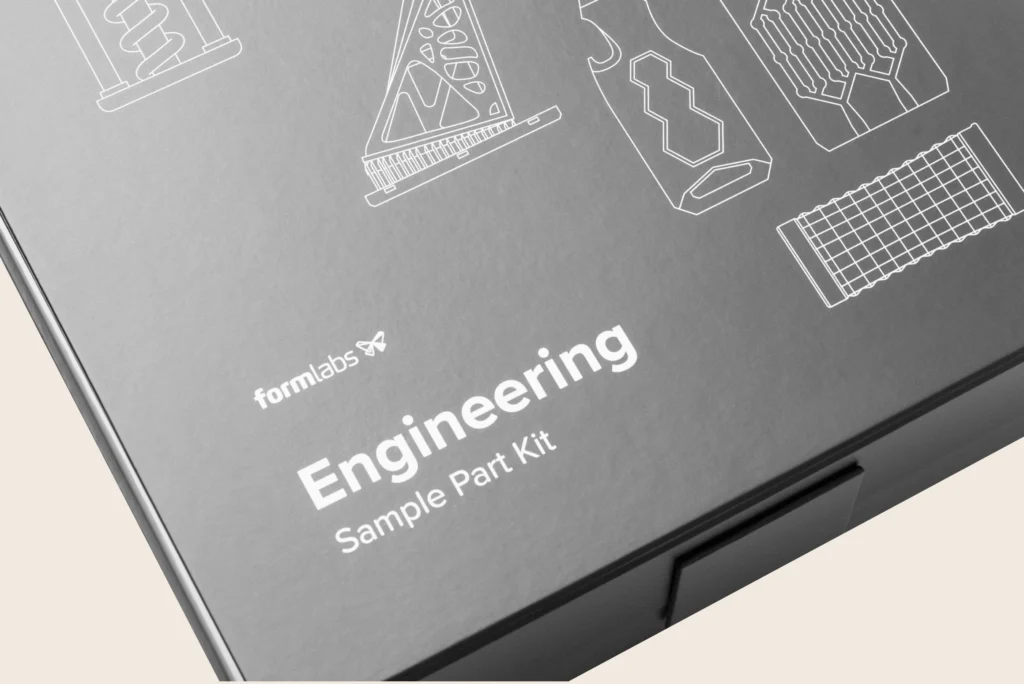
A smooth, velvety coating that creates a soft tactile feel and gives packaging a refined luxury look. It improves the unboxing experience and supports a high-end product presentation.
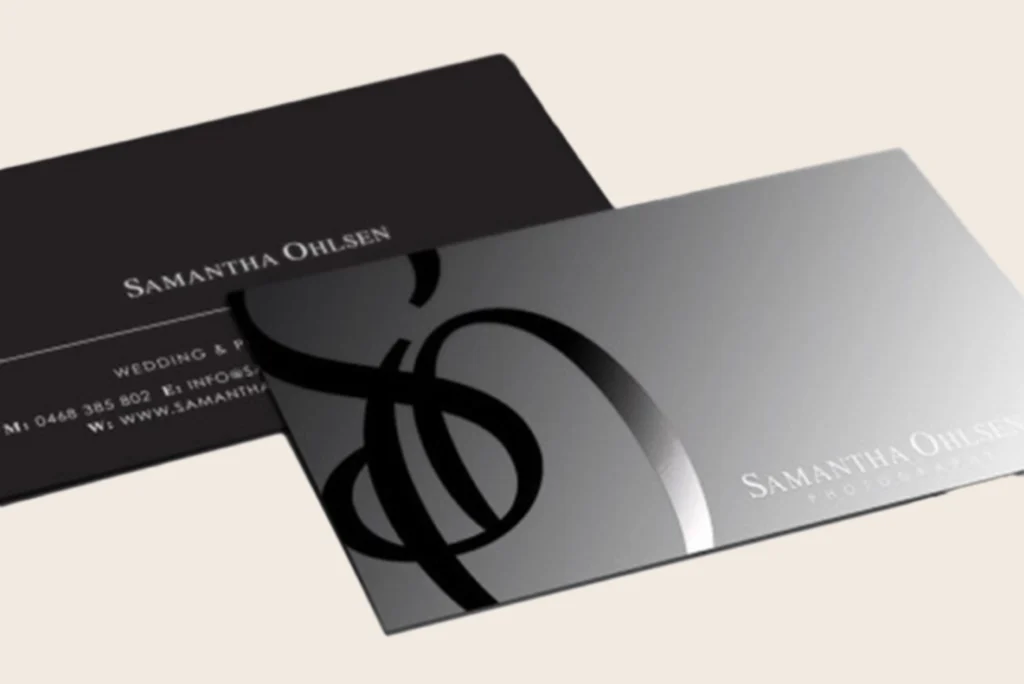
A soft, smooth lamination with a refined satin-like finish. It gives packaging a premium feel while keeping the surface elegant, subtle, and easy to handle.
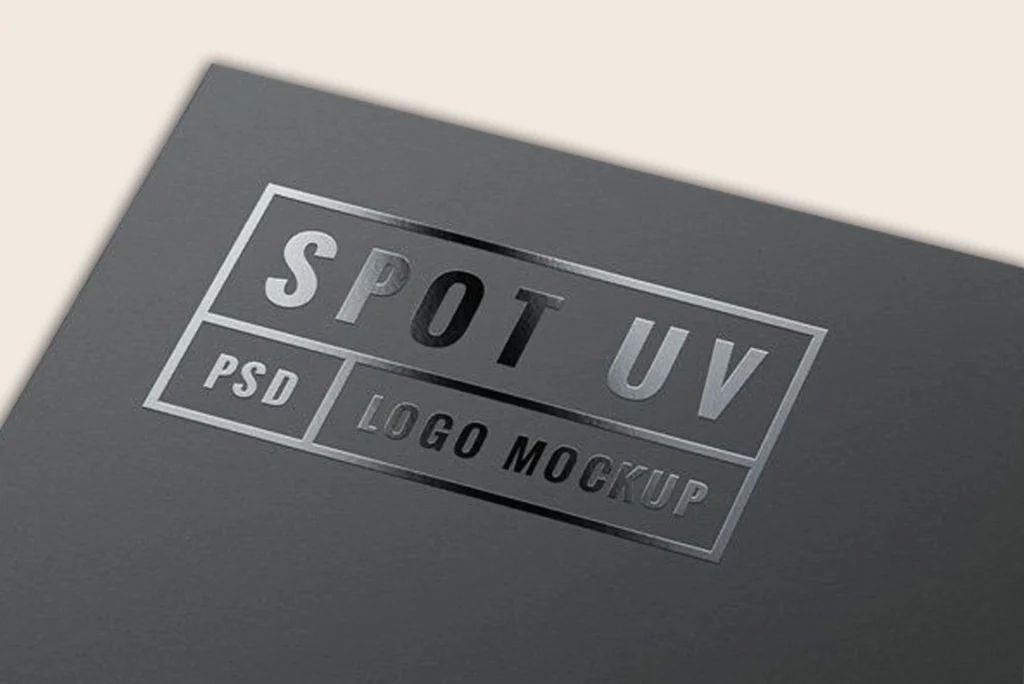
A high-gloss UV coating applied only to selected design areas to create sharp contrast, highlight logos, and add a premium visual effect without coating the whole surface.
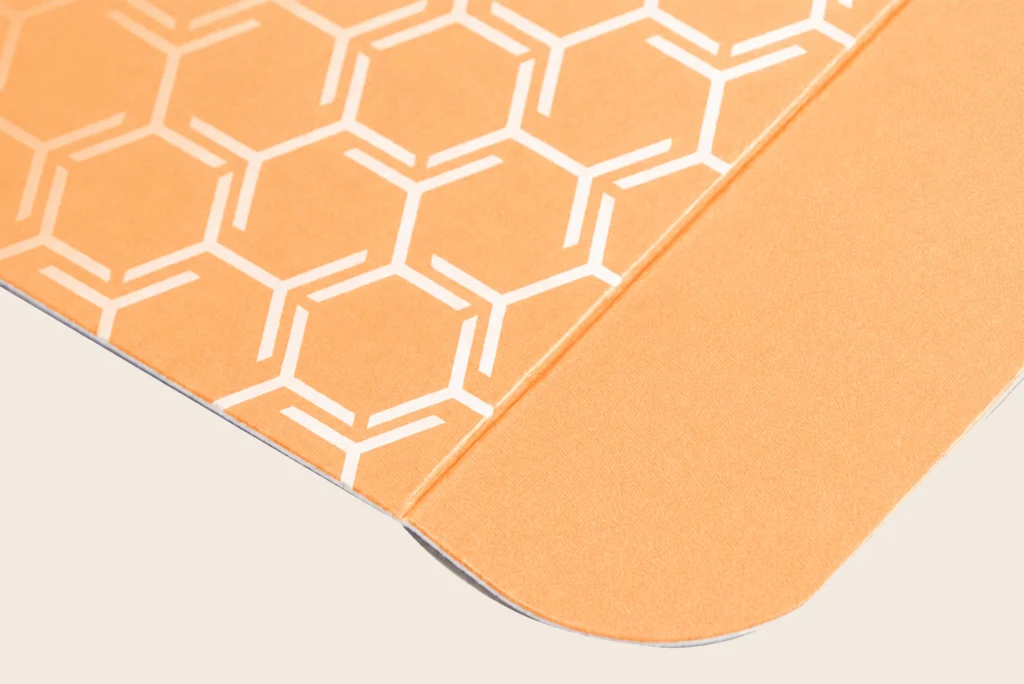
A clear, fast-drying water-based coating that adds a smooth protective layer while maintaining a clean and professional surface finish. It is a practical choice for everyday printed packaging.
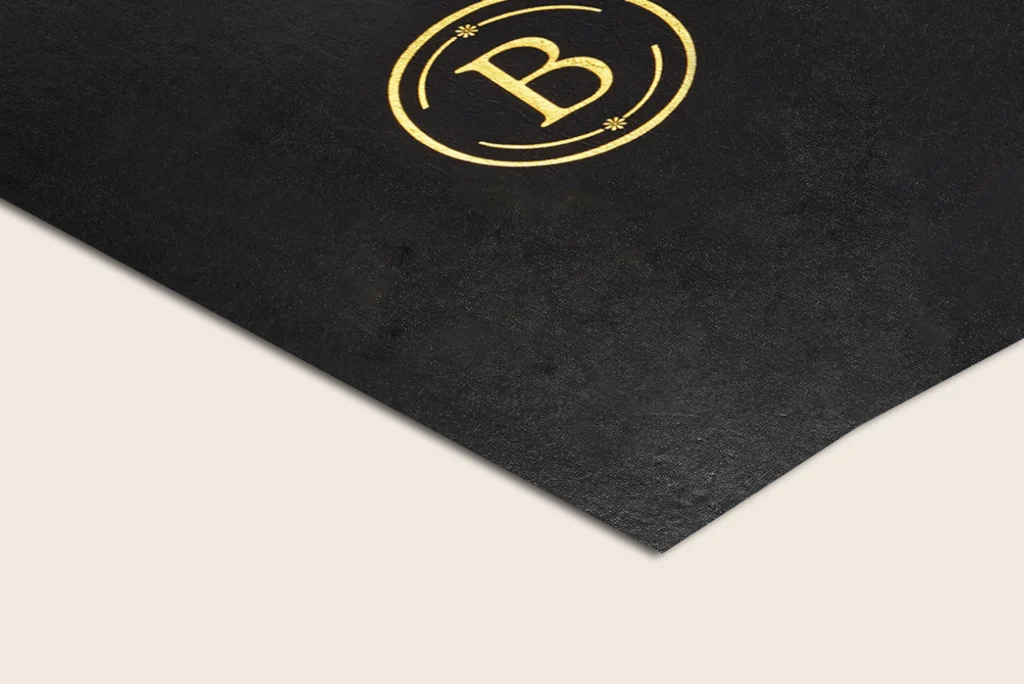
A durable protective film that helps reduce visible scratches, scuffs, fingerprints, and daily handling marks. It keeps packaging looking clean, polished, and premium for longer.
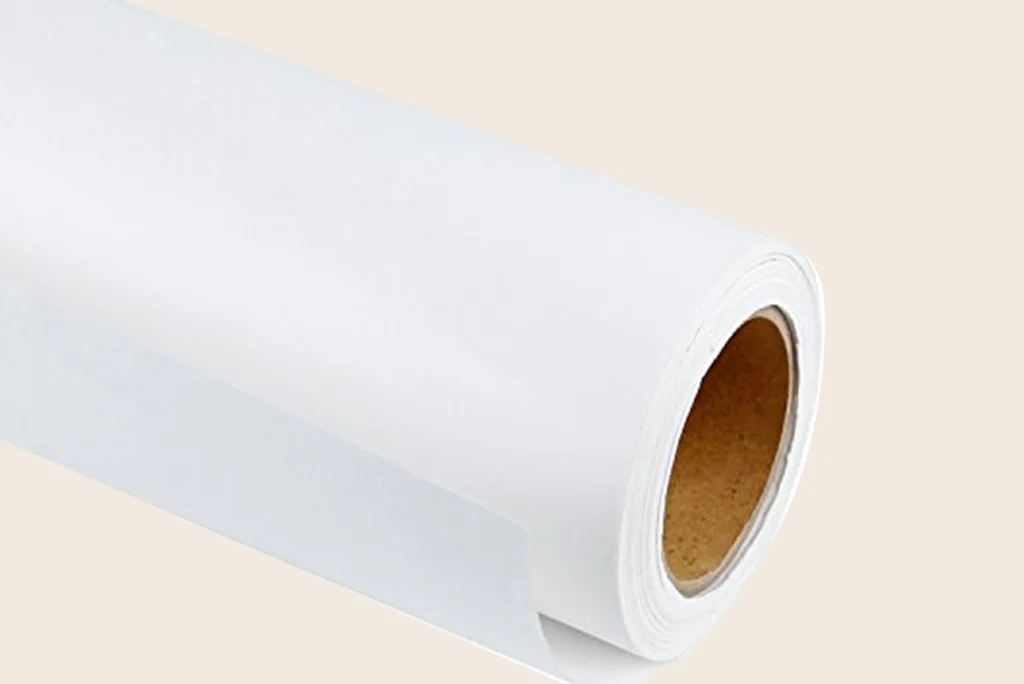
A bleached kraft paperboard made from a mix of virgin and recycled pulp, offering a clean white surface for crisp and polished packaging designs.
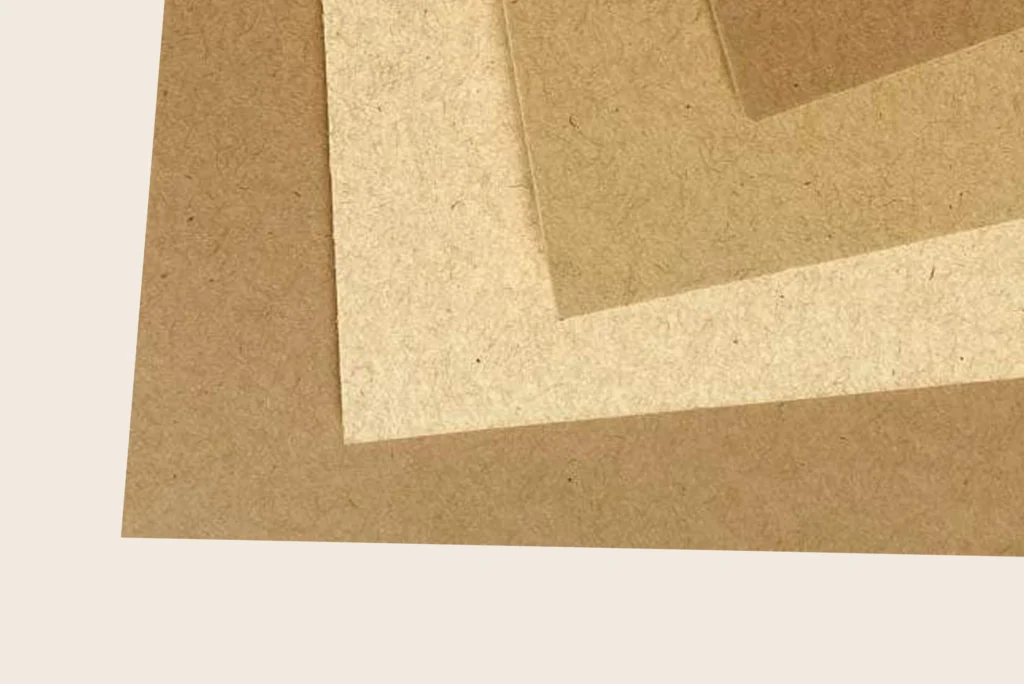
A natural kraft paperboard without coating, made from virgin and recycled pulp. It provides a raw, organic appearance with sturdy packaging strength.
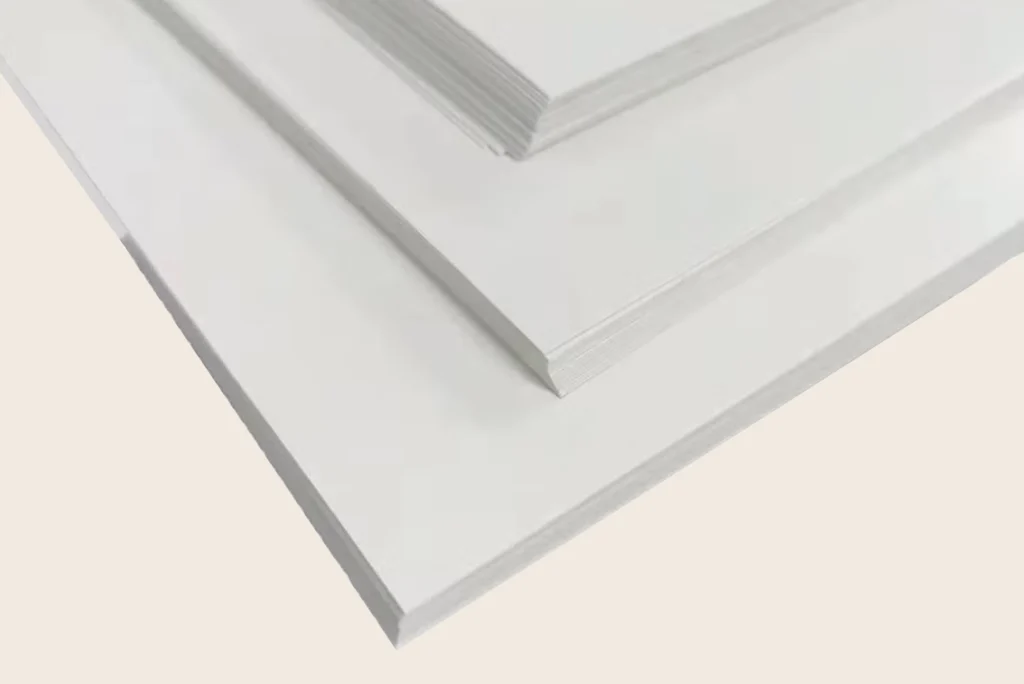
A premium bleached paperboard coated on both sides, designed for excellent print quality, die-cutting, and professional packaging results.
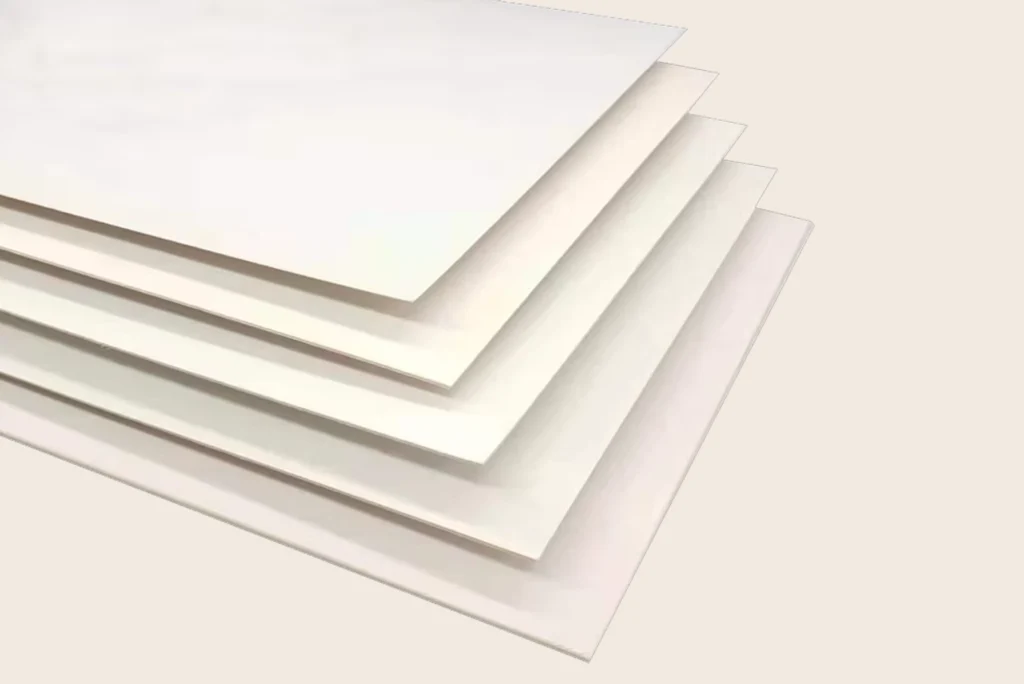
A high-quality bleached paperboard coated on one side. It provides a clean printable face with a premium packaging feel.
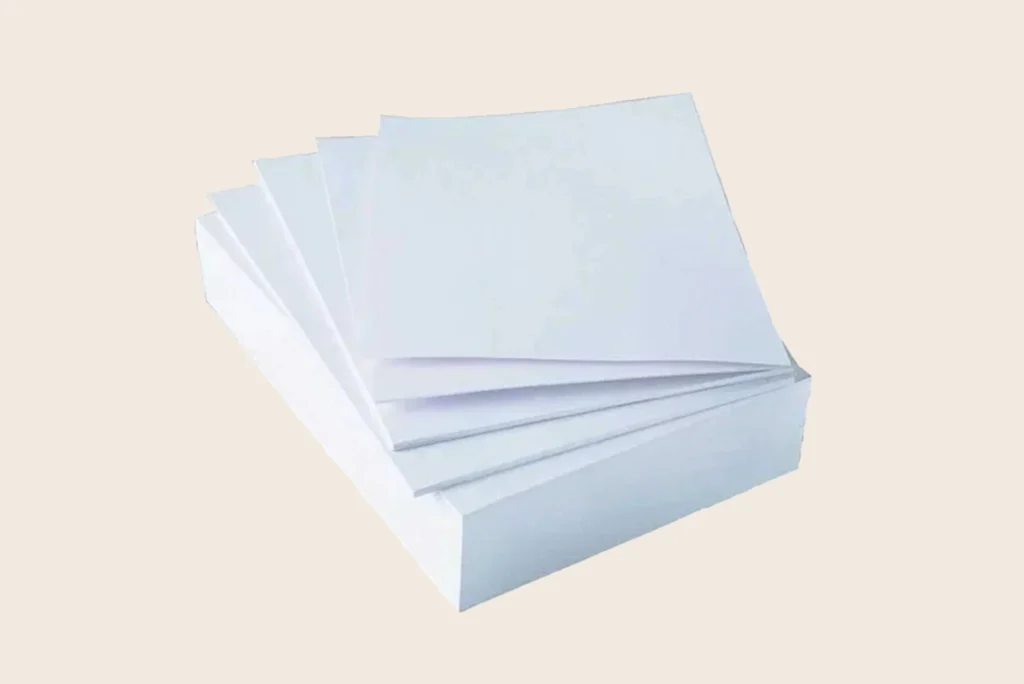
A smooth printable paper stock that supports high-resolution graphics, clean text, and rich color output for refined packaging presentation.
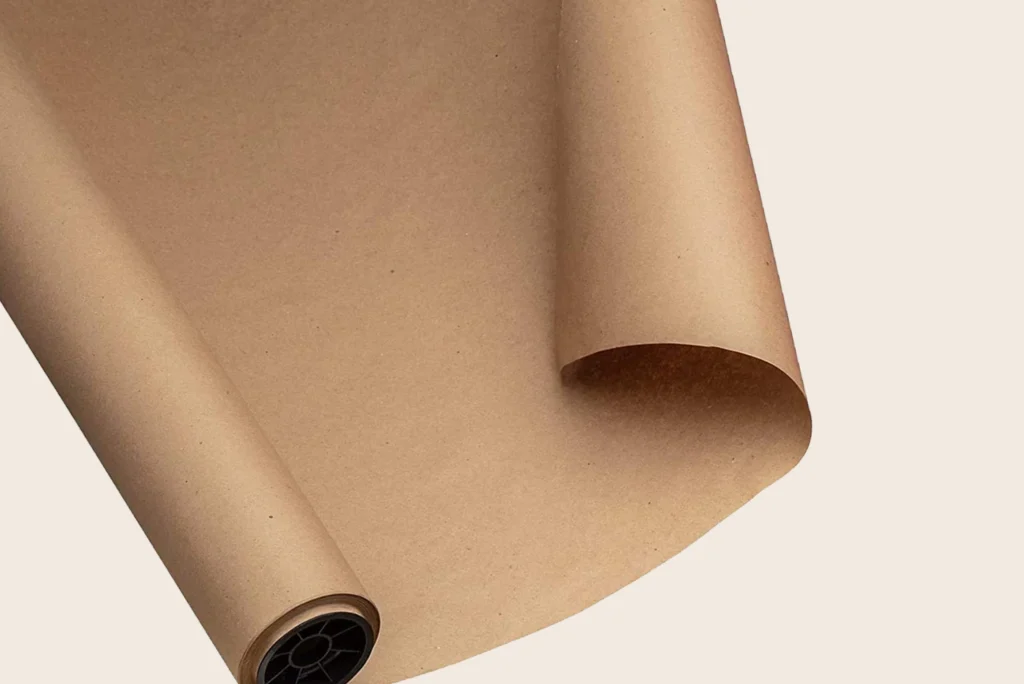
A natural kraft paperboard made from strong virgin and recycled pulp. It provides an organic, earthy look for sustainable and simple packaging.
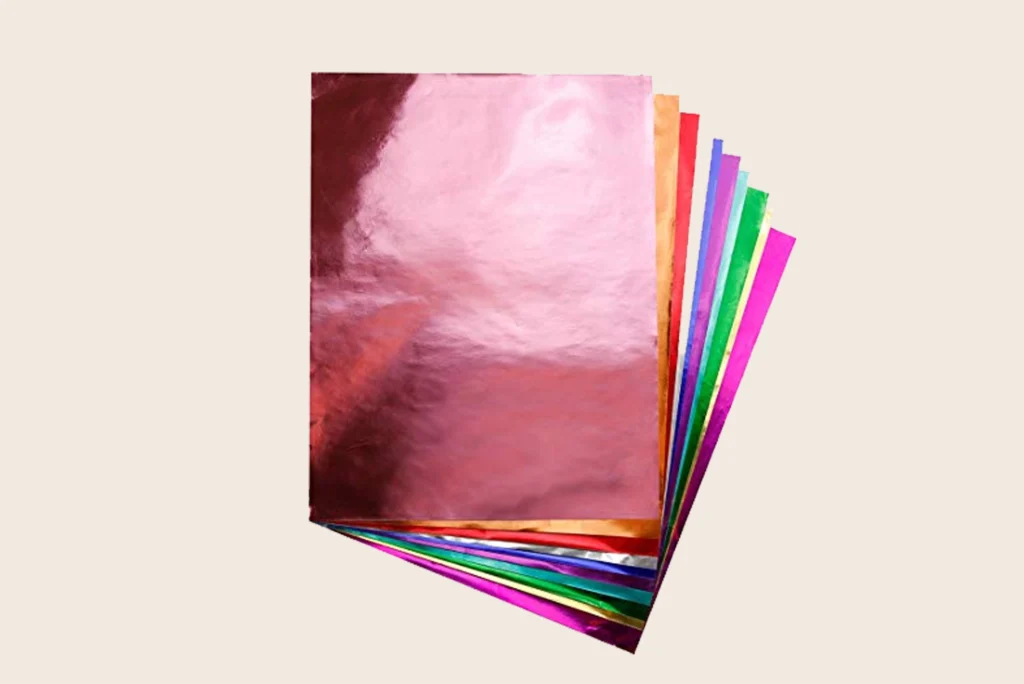
A specialty paperboard with a laminated metallic surface available in gold, silver, and other premium finishes for luxury visual impact.

A specialty paperboard with a laminated holographic surface that creates a reflective, rainbow-like appearance for eye-catching product packaging.
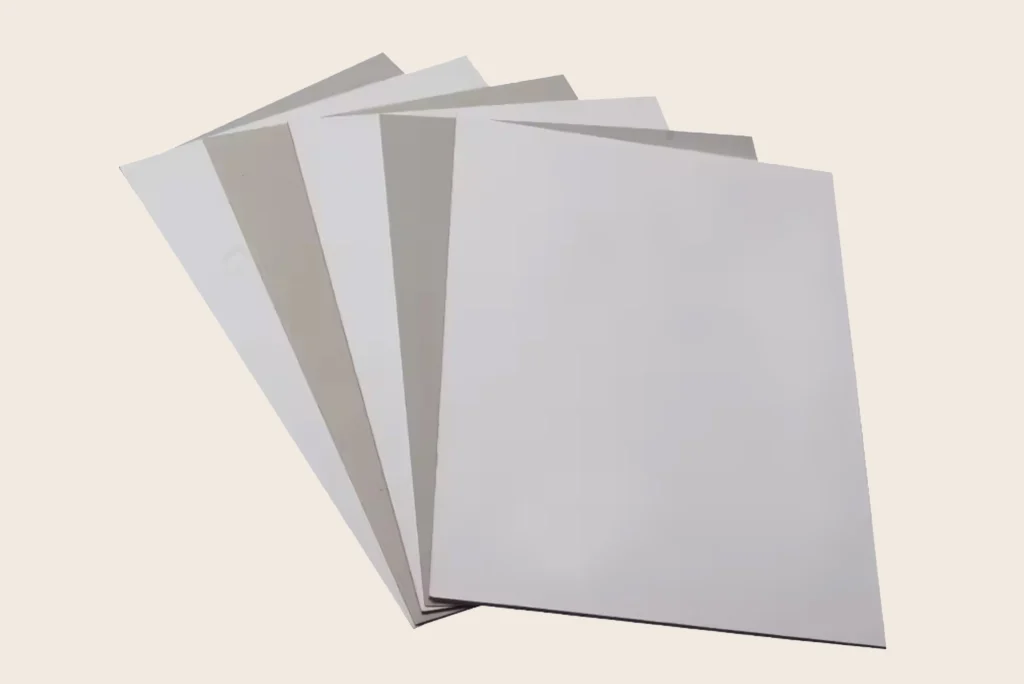
A recycled duplex paperboard with a white printable surface. It is ideal for economical packaging that still requires clean graphics and brand presentation.
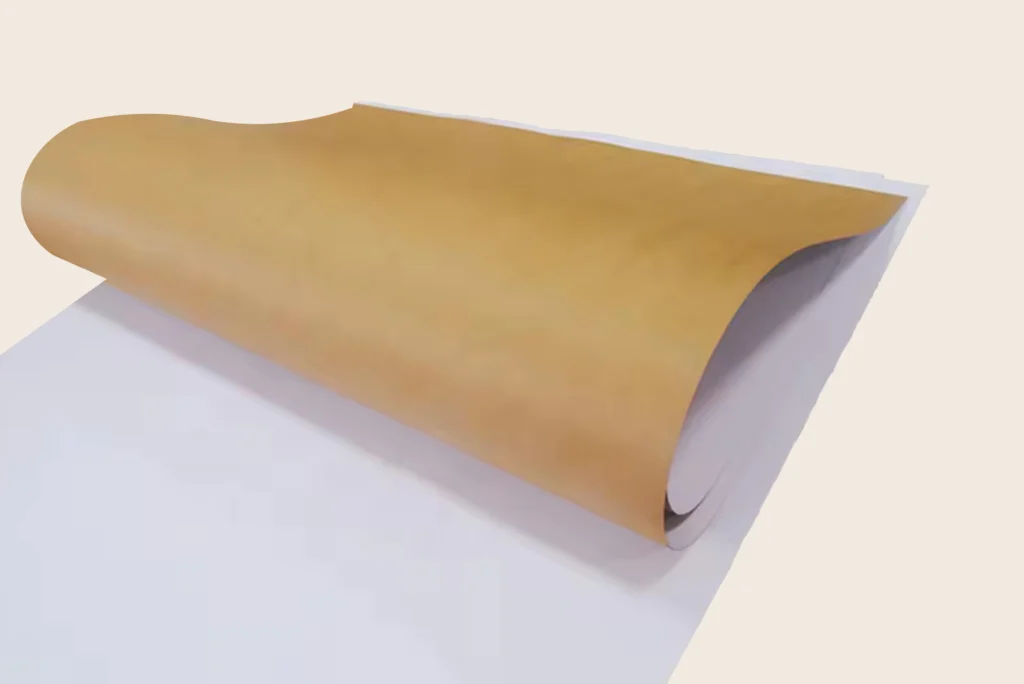
A kraft board with a smooth clay-coated white face for quality printing and a natural kraft reverse side for a strong, authentic appearance.
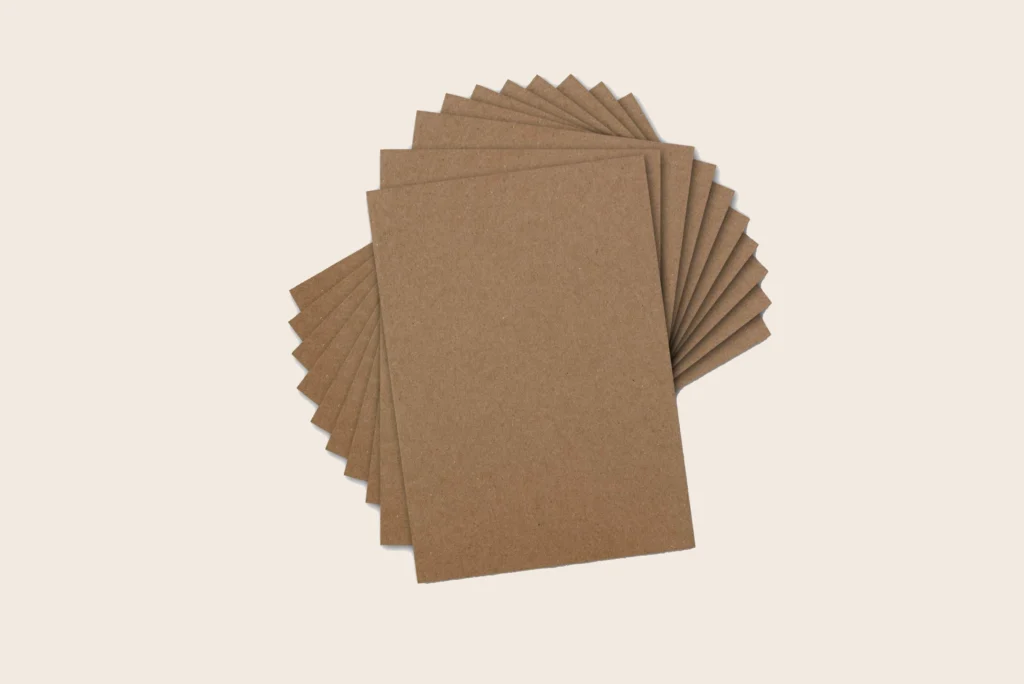
A kraft paperboard with a clay-coated printable top surface and a natural unbleached kraft back. It balances clean branding with a rustic natural look.
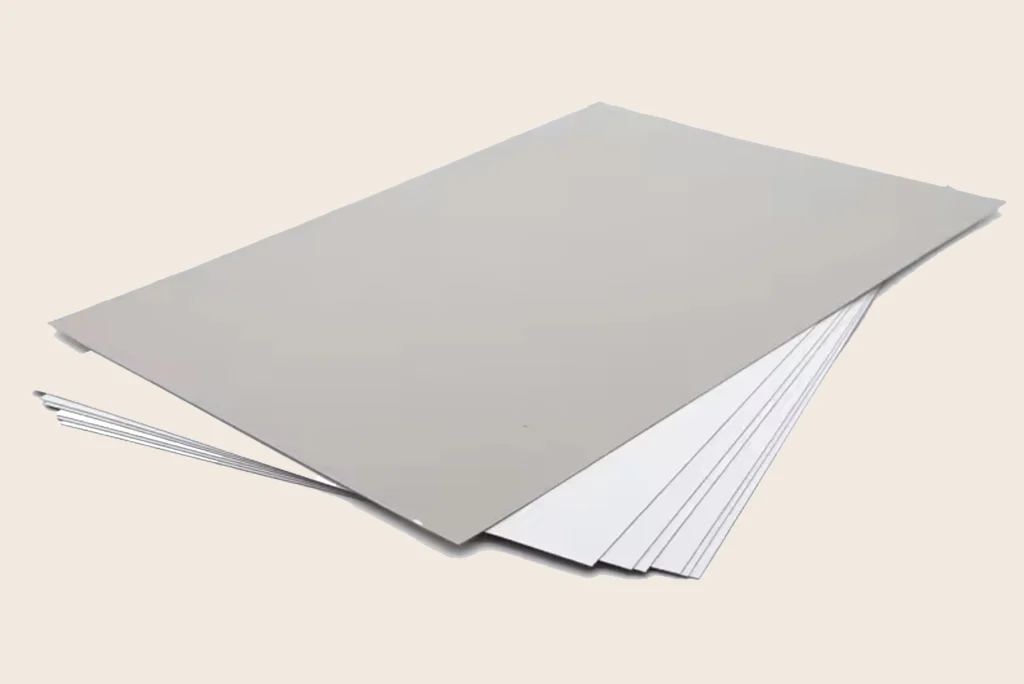
A duplex paperboard made with recycled pulp and a coated white printable surface. It delivers smooth print results for affordable carton packaging.
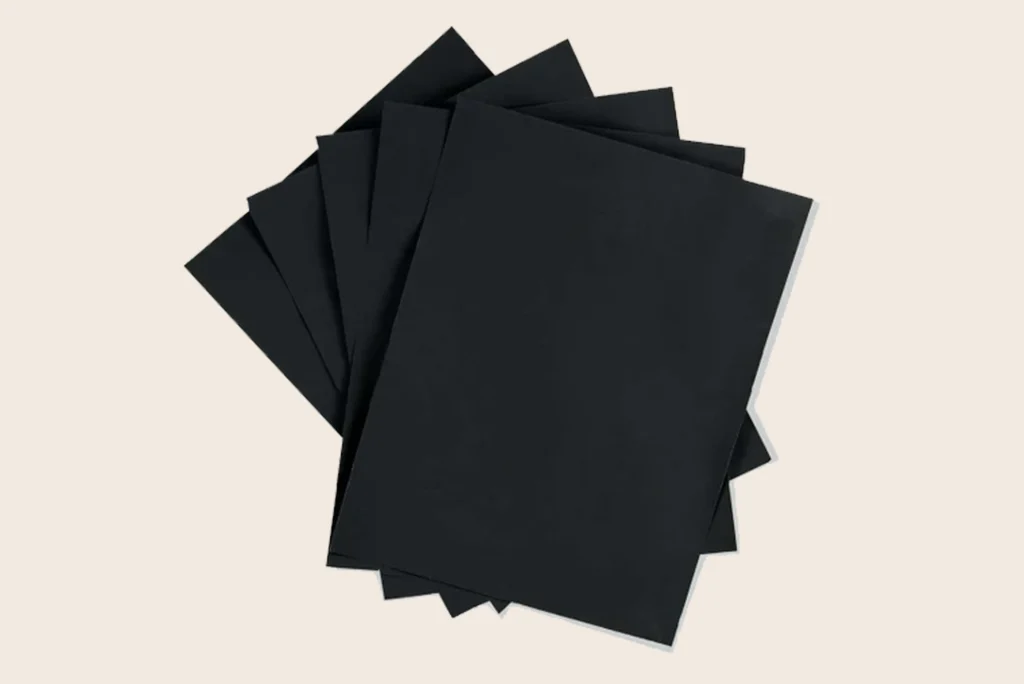
A black-dyed kraft board with a natural paper texture and excellent strength. It creates a bold, premium look for luxury and specialty packaging.
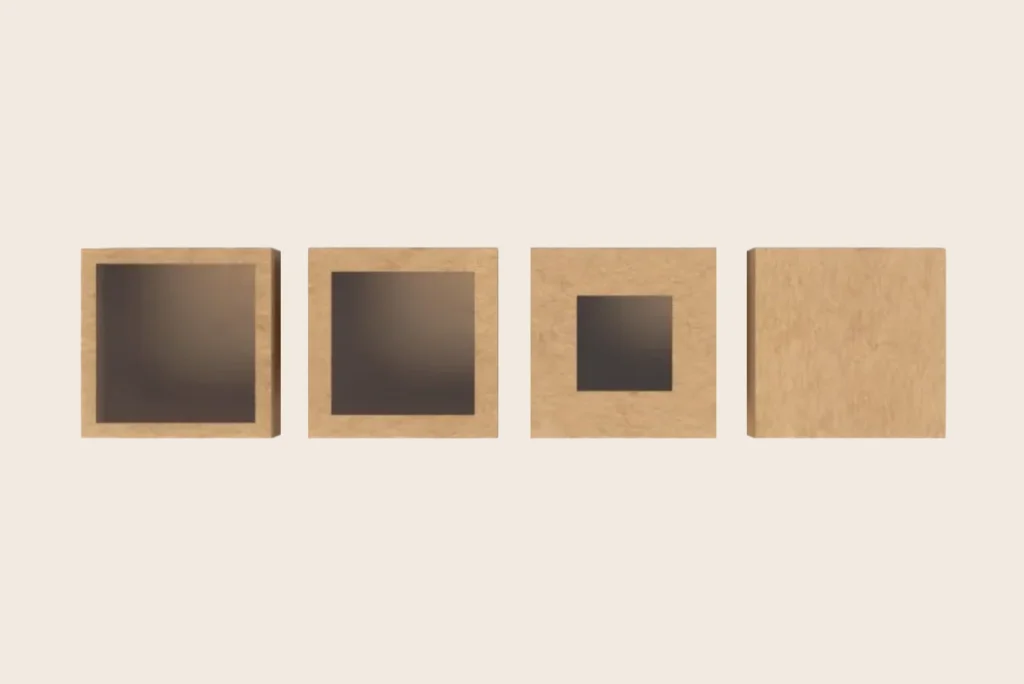
A packaging technique where a die-cut opening is covered with a transparent film, allowing the product inside to remain visible while staying protected.
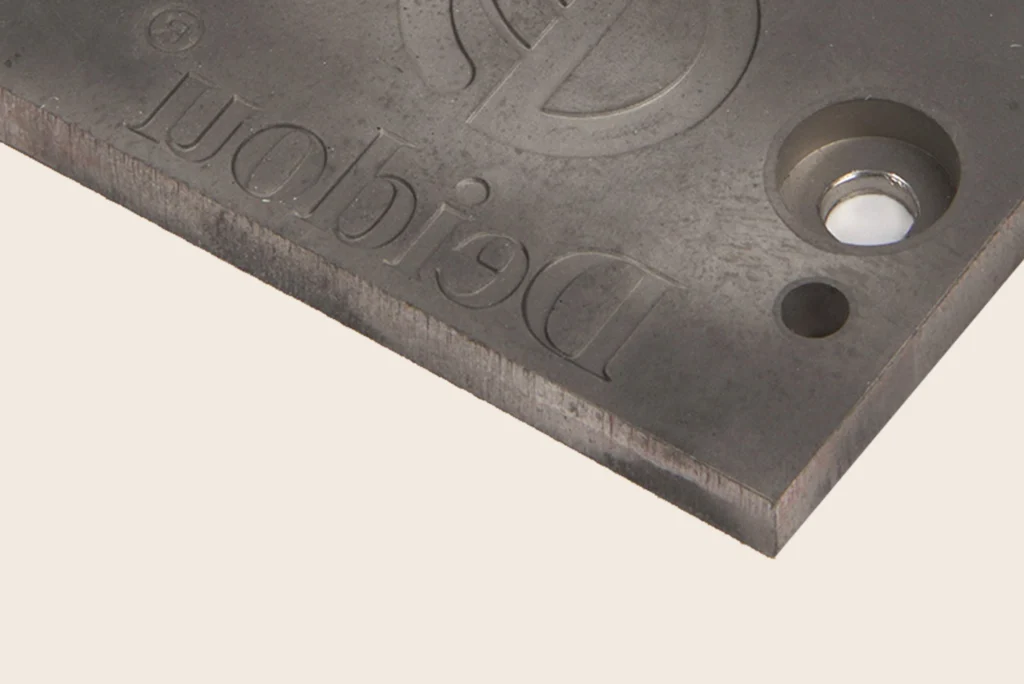
An embossing technique where the raised design is precisely aligned with printed artwork to improve detail, texture, and overall presentation.
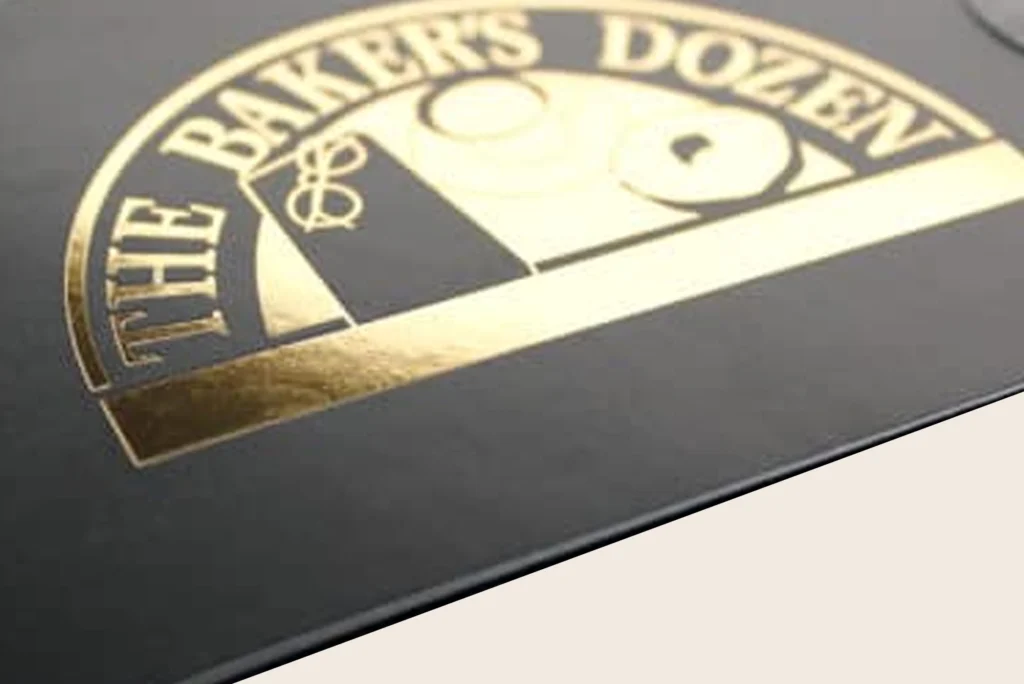
A finishing process in which heat and pressure transfer metallic foil to the surface, creating a premium, shiny, and luxurious effect.
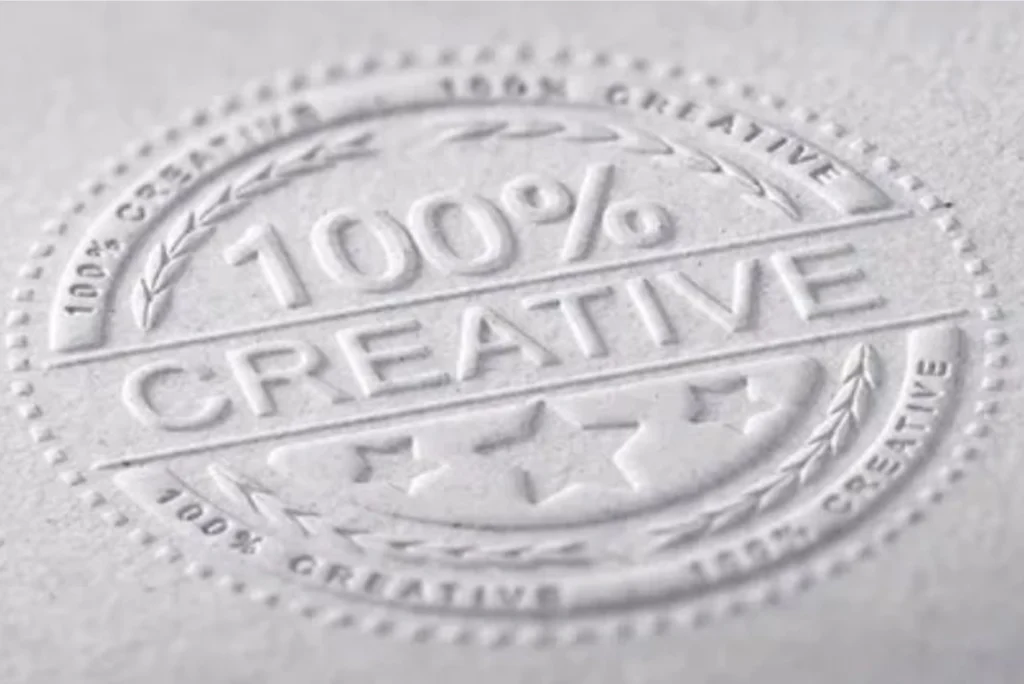
A premium finishing method that combines embossing with foil stamping to create a raised design with metallic color and strong visual impact.
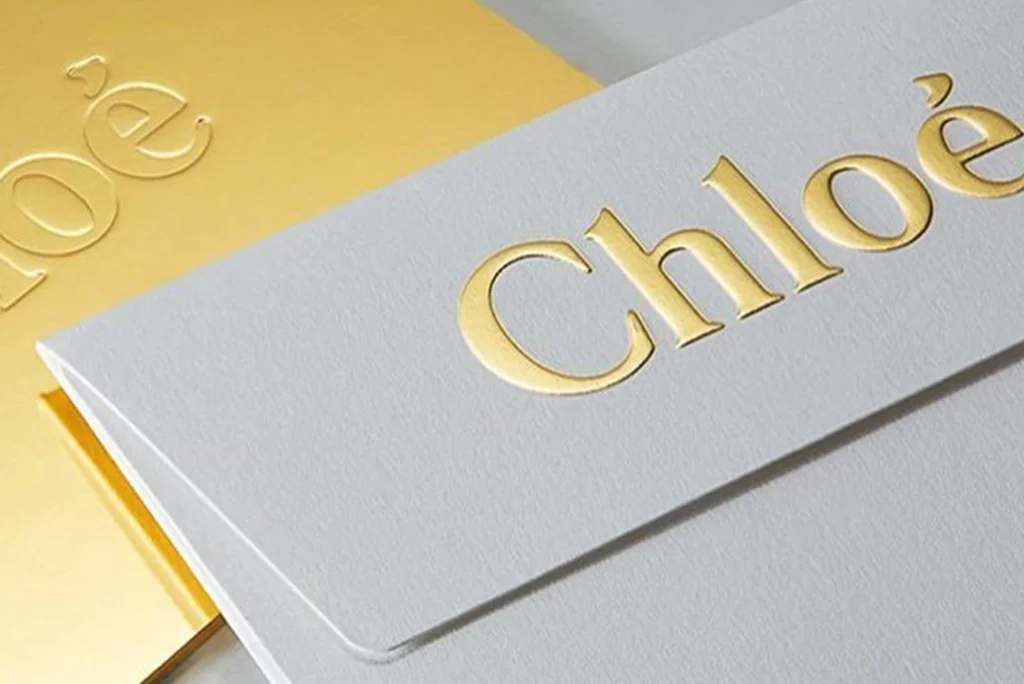
A decorative process that transfers foil onto selected areas of the surface using UV-curable adhesive, creating a bright metallic effect with sharp detail.
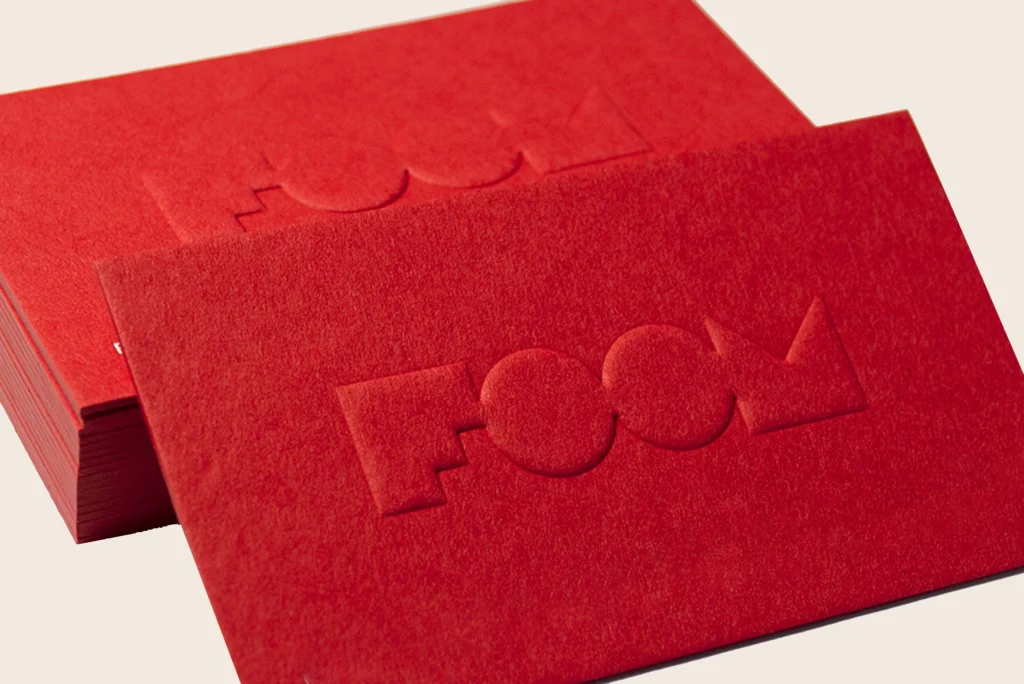
A technique that raises a design from the surface without ink or foil, giving packaging a clean, elegant, and textured appearance.
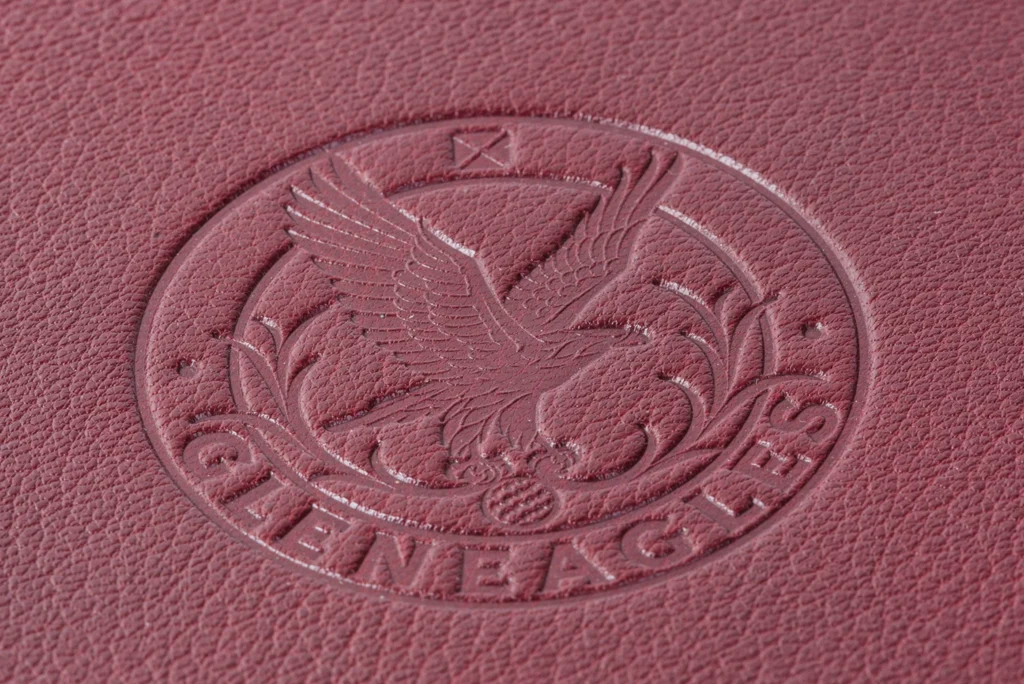
A finishing technique that presses a design into the material to create a recessed impression without using ink or foil. It adds subtle depth and a refined tactile effect.
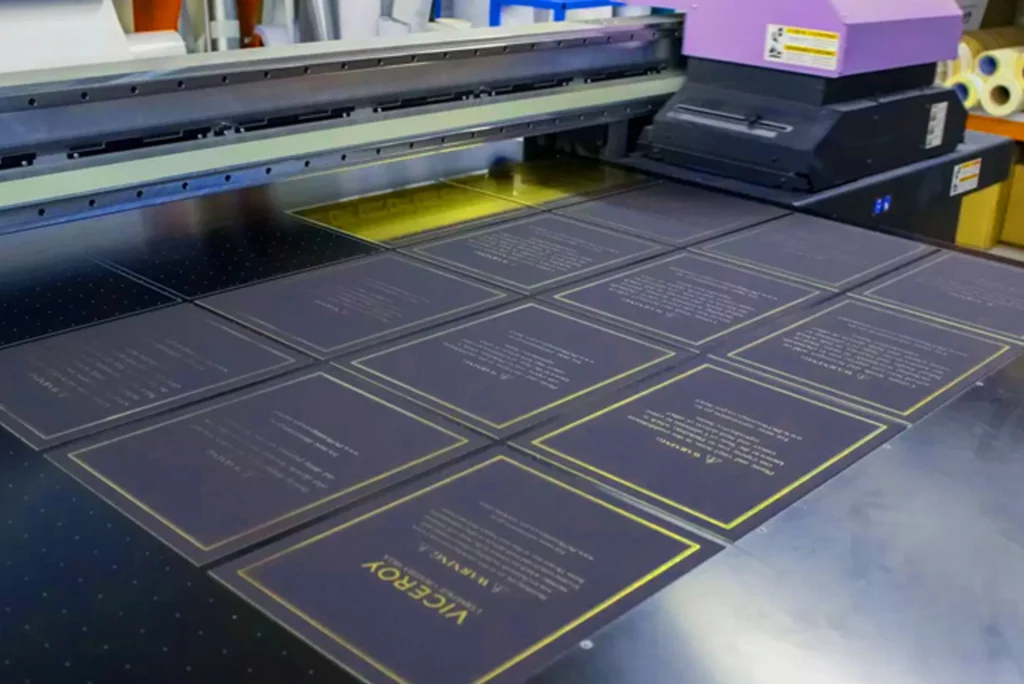
A fast-curing printing process that uses ultraviolet light to dry ink instantly, delivering sharp detail, vibrant colors, and a premium finish.
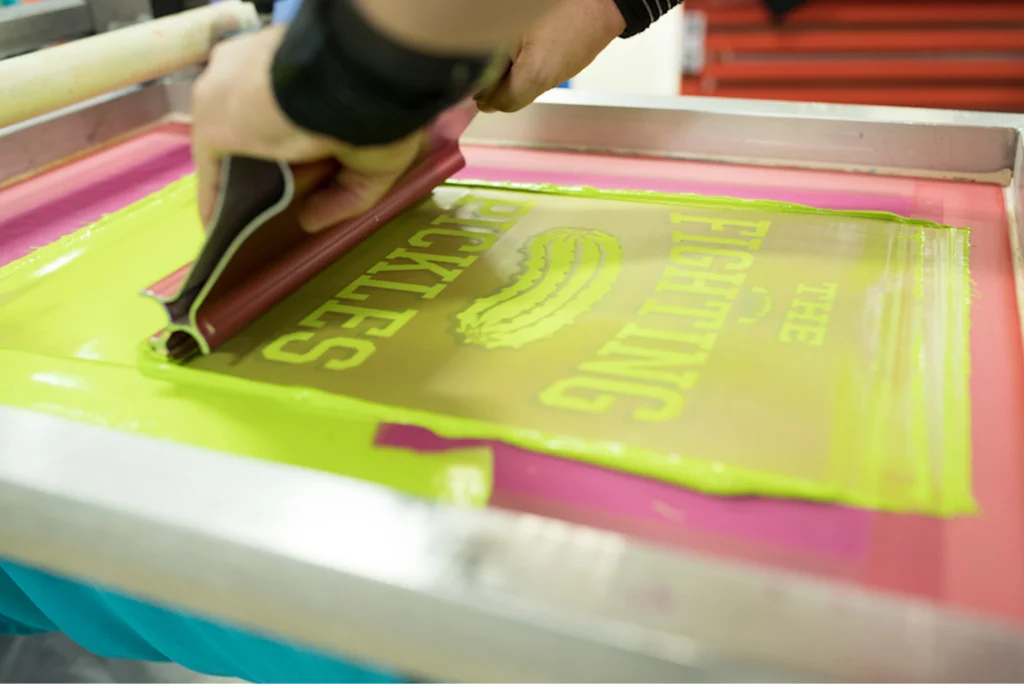
A durable printing method that uses a mesh screen and stencil to apply ink to surfaces. It is ideal for bold colors and high-impact packaging designs.
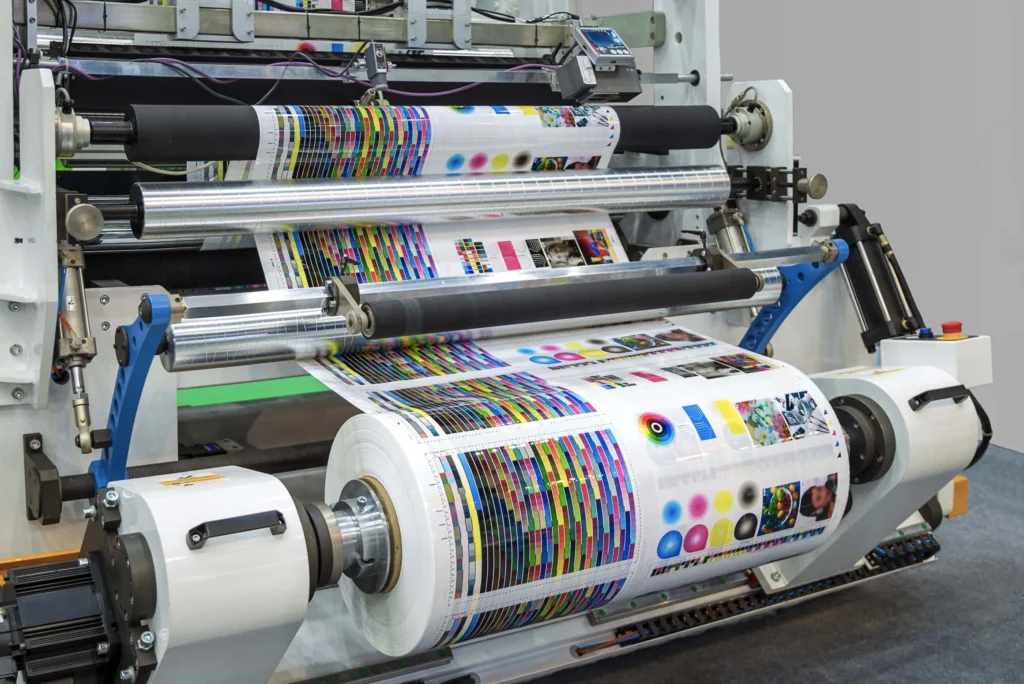
A traditional high-quality printing process that transfers designs from plates to a rubber blanket before printing, making it ideal for large-volume production.
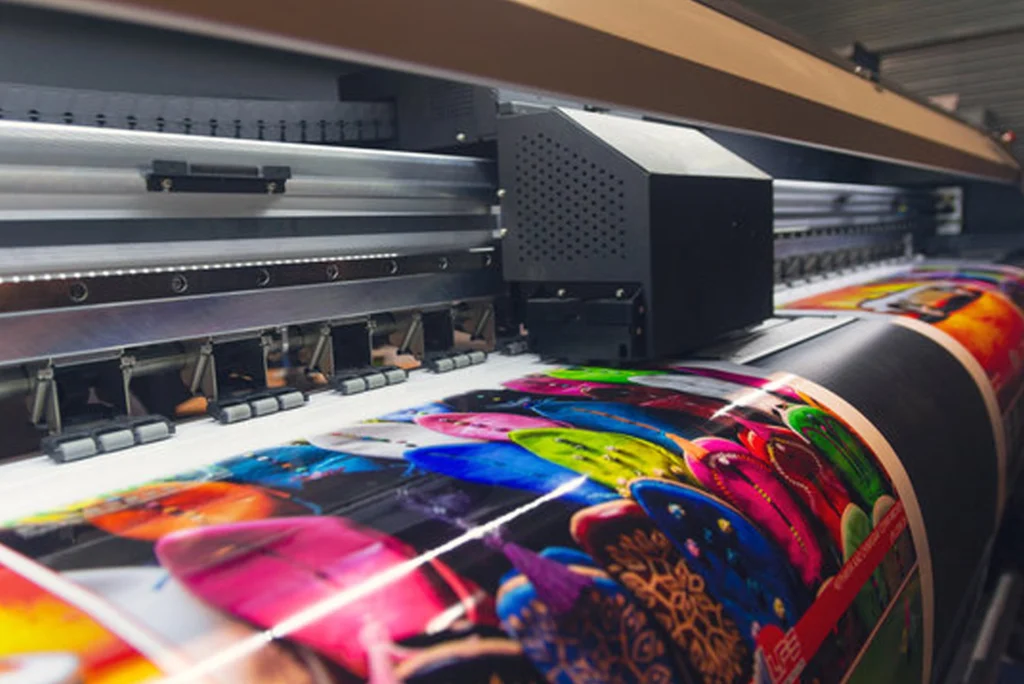
A modern printing method that does not require printing plates, making it cost-effective and efficient for short runs, sample production, and small-batch quantities.
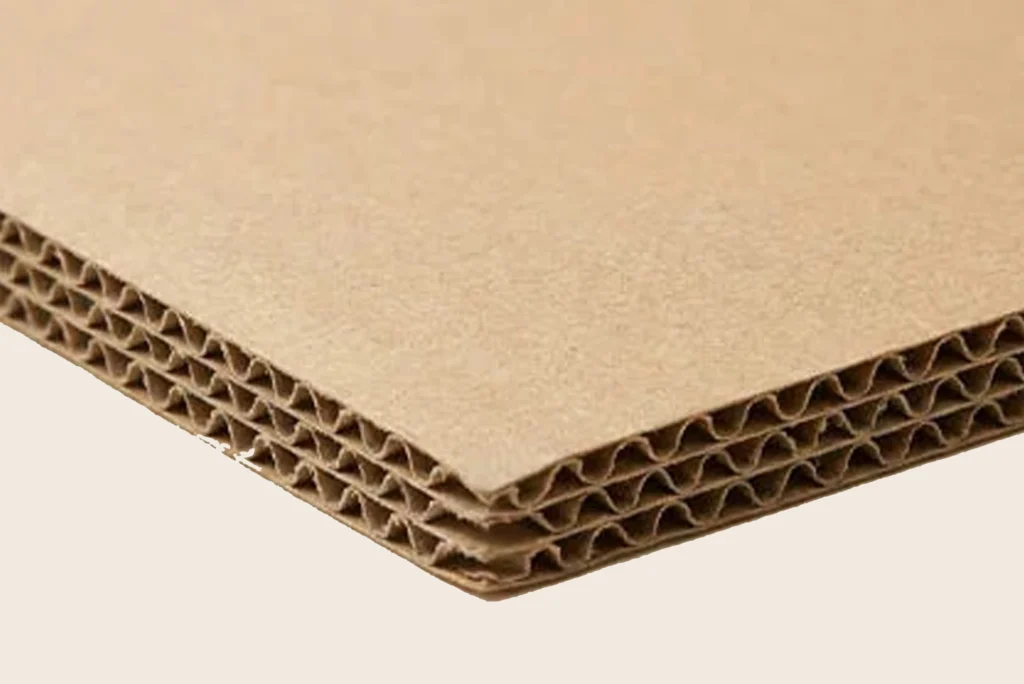
Built with three corrugated layers between four linerboard sheets, providing heavy-duty strength for large or industrial packaging needs.
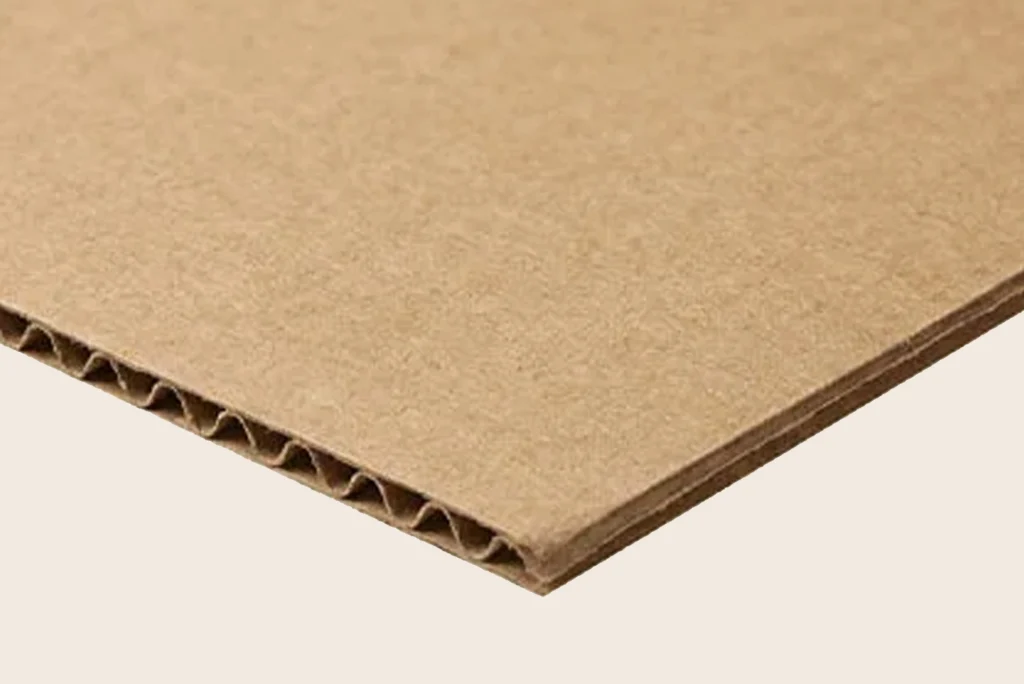
A standard corrugated structure with one fluted medium and two linerboards, providing dependable strength for everyday packaging.
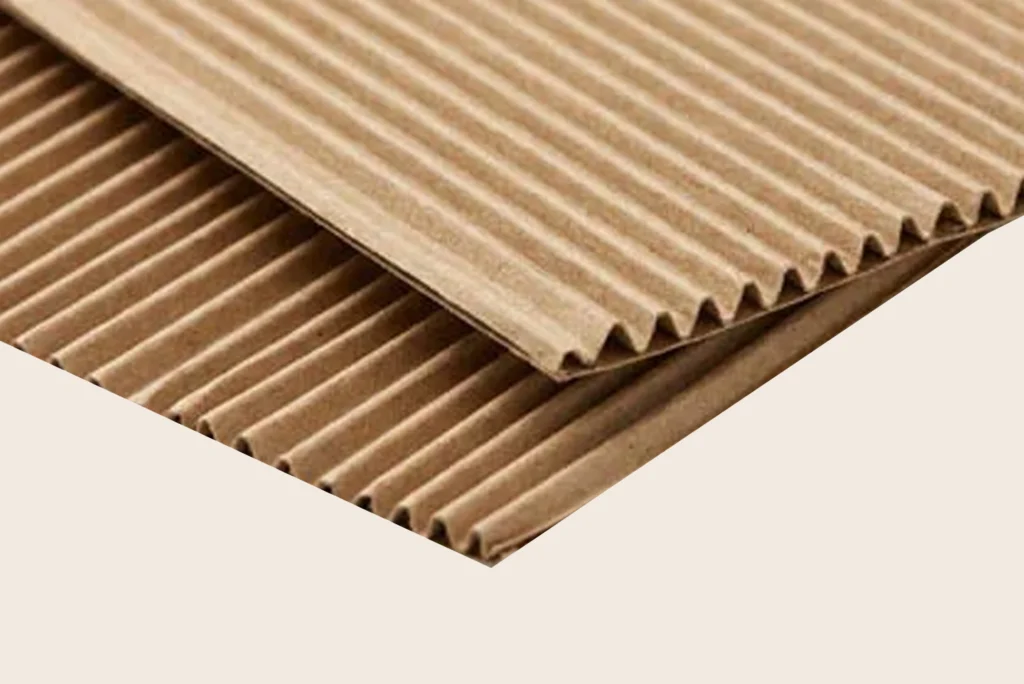
A corrugated sheet with one flute layer between two liners, offering lightweight strength for protective packaging.
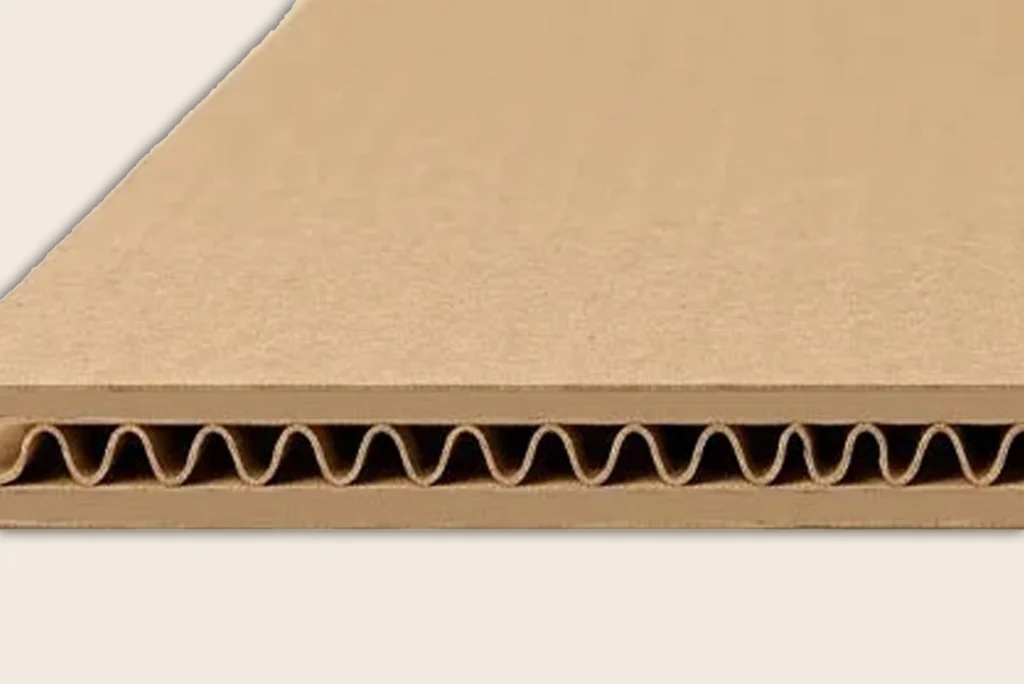
An ultra-thin flute grade designed for lightweight packaging, small retail boxes, and high-quality printed presentation.
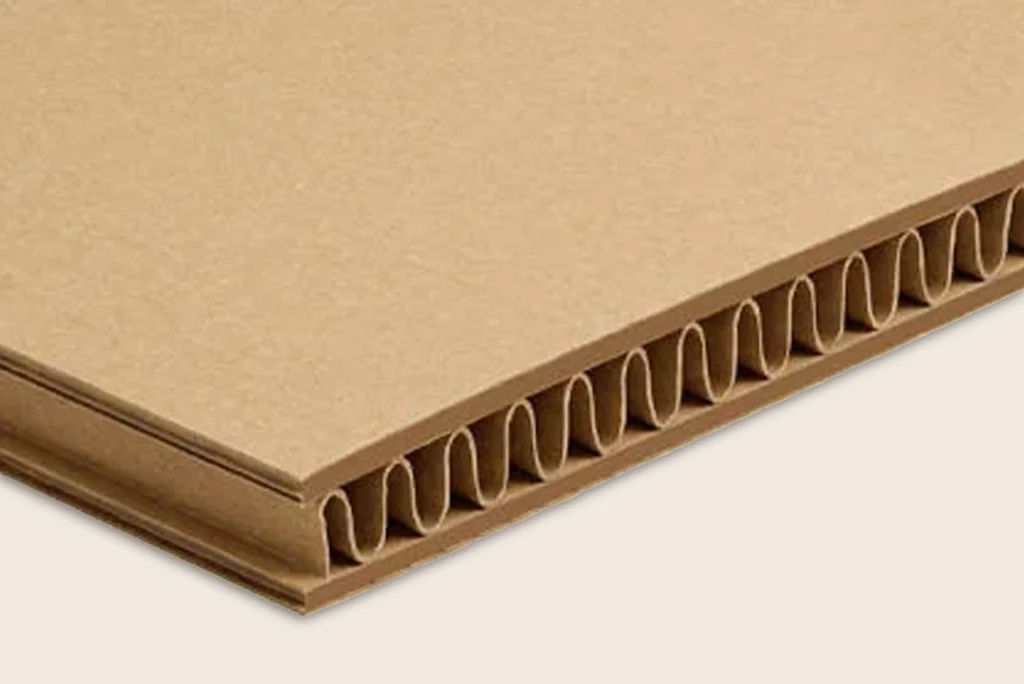
A slim flute grade with a flatter surface, ideal for detailed printing, display packaging, and premium retail boxes.
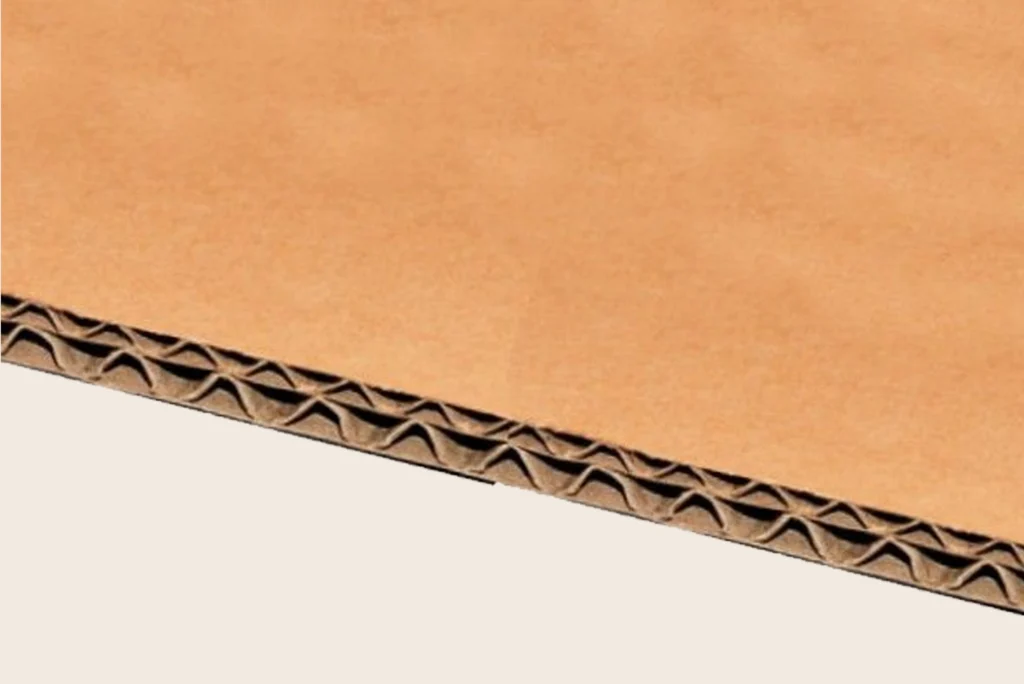
Made with two layers of corrugated medium between linerboard sheets, offering added strength and durability for heavier products.
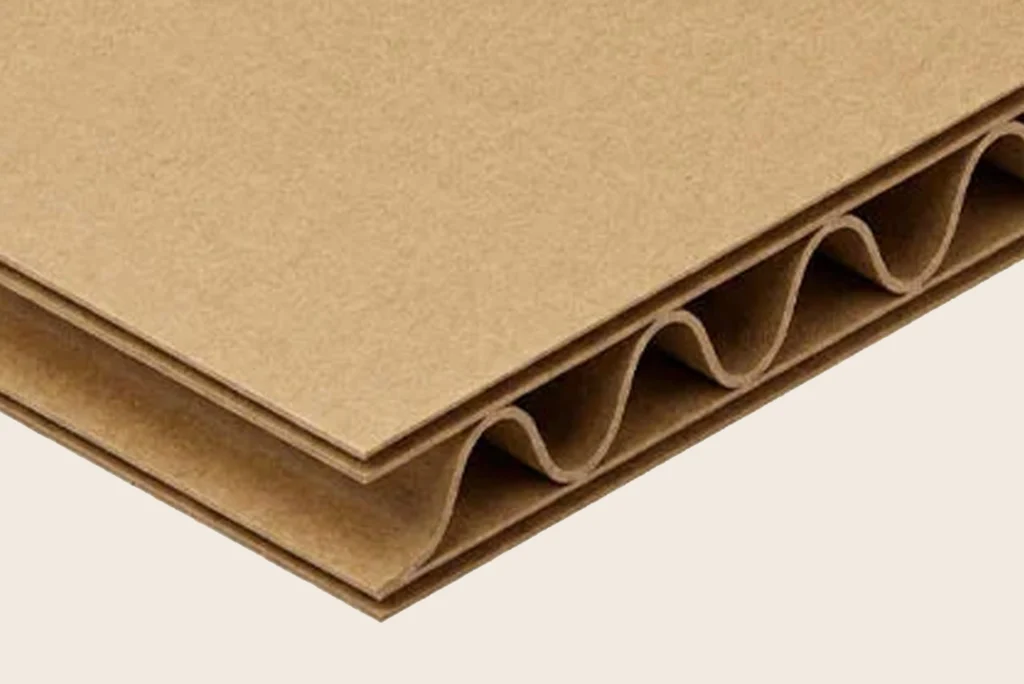
A versatile corrugated flute that offers balanced compression strength, cushioning, and printability for many packaging applications.
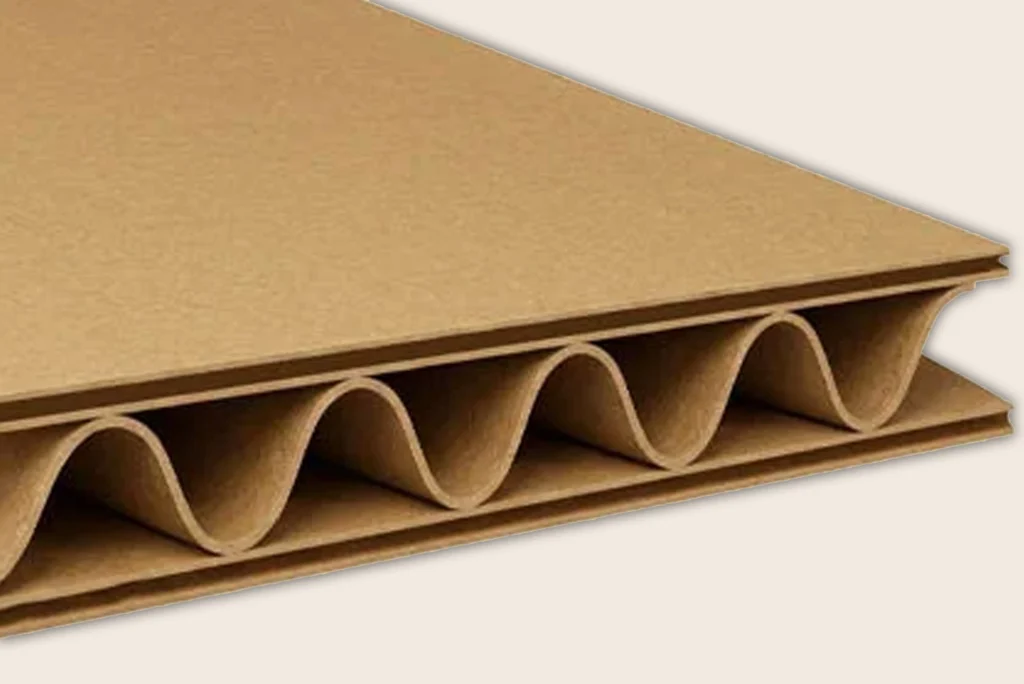
A thinner flute grade with a smooth surface, making it suitable for high-quality printing, precise die-cutting, and neat retail packaging.
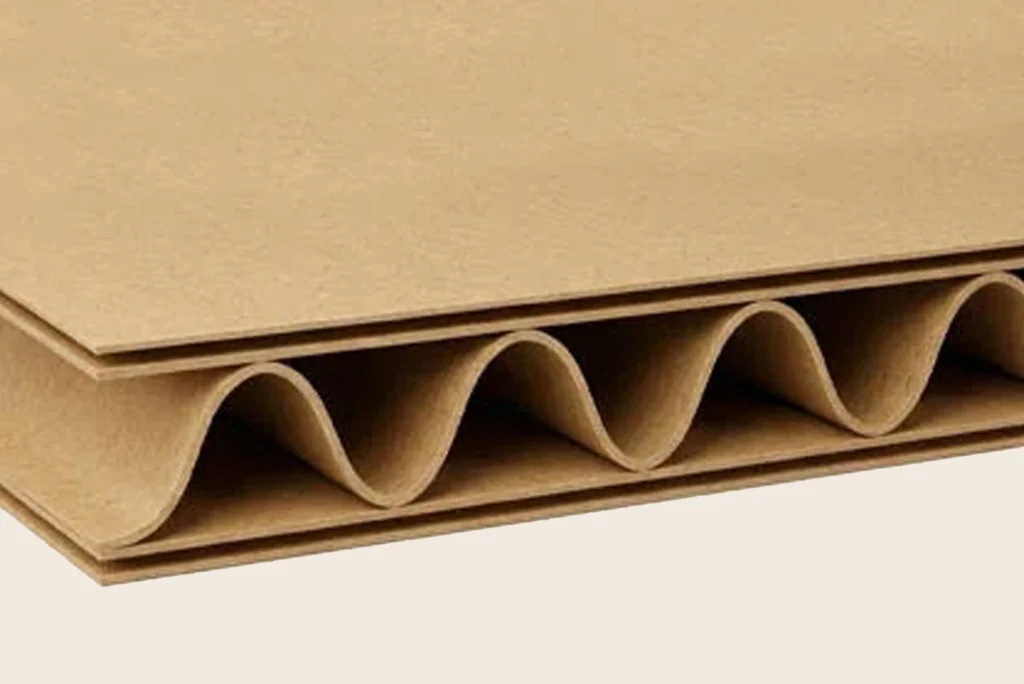
A thick corrugated flute profile that provides excellent cushioning, compression strength, and stacking support for protective packaging.
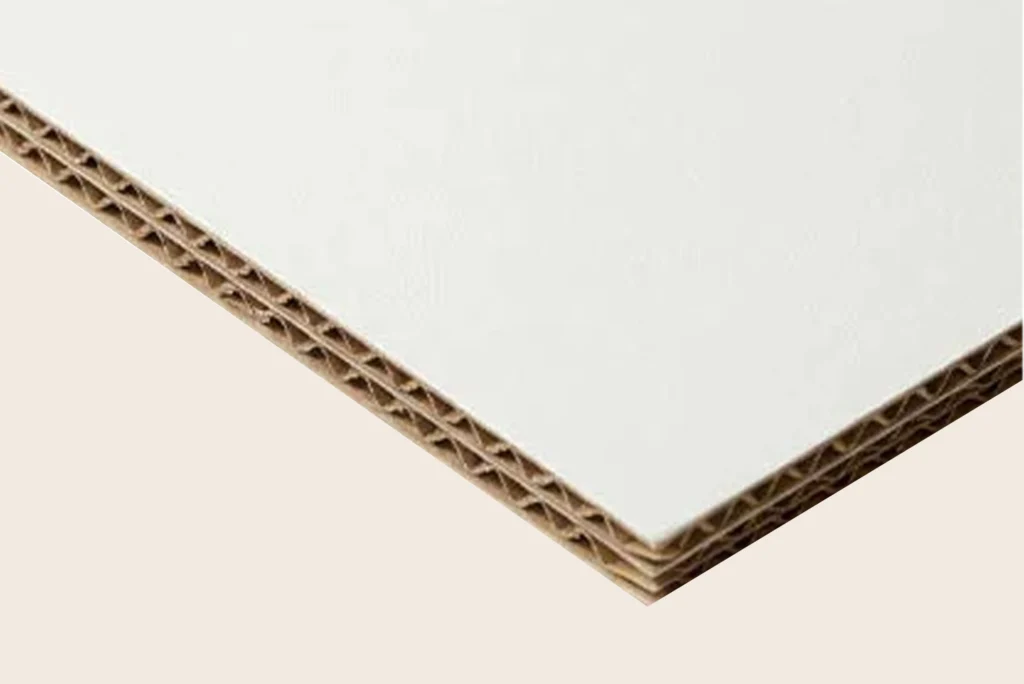
A coated linerboard with an off-white surface, suitable for high-quality printing and a refined packaging appearance.
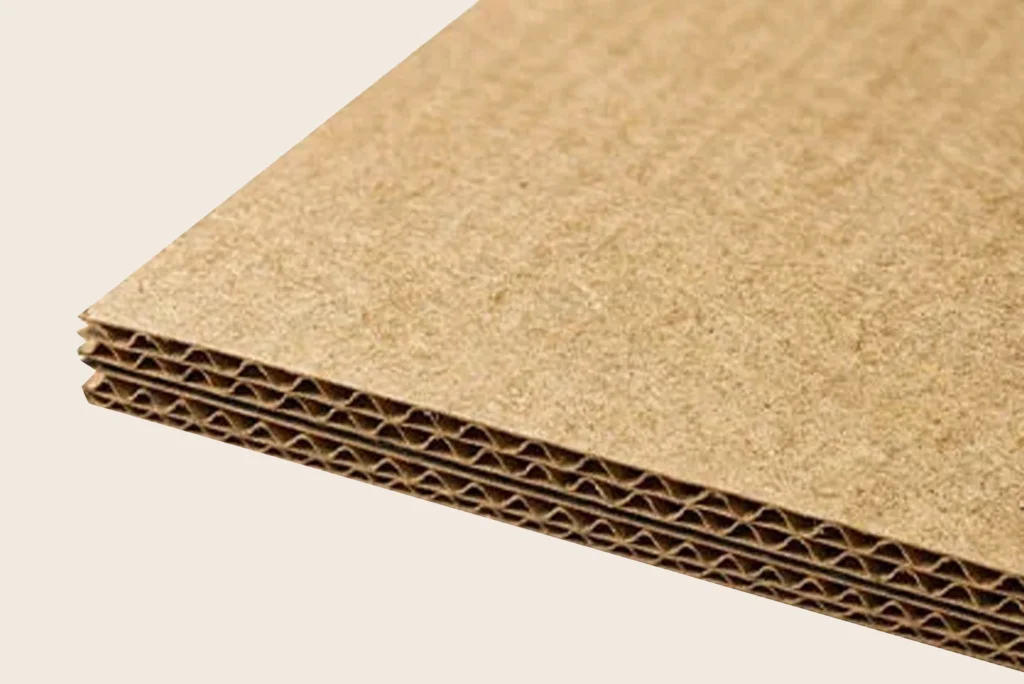
An unbleached kraft linerboard made from recycled paper pulp, offering a natural look with strong durability for eco-conscious packaging.
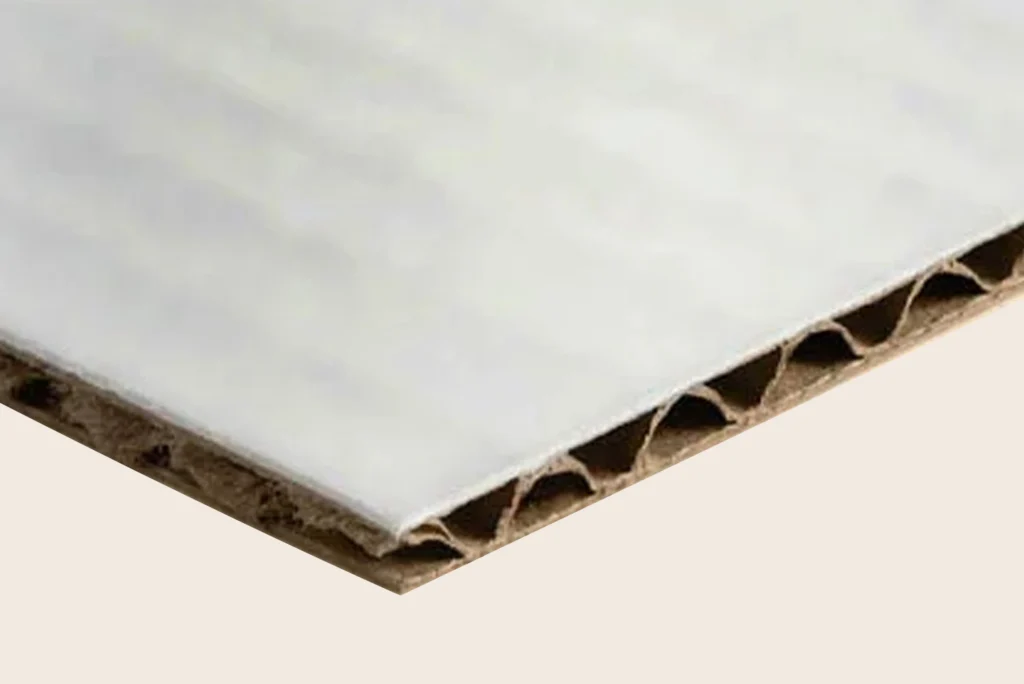
A coated semi-gloss linerboard with a smooth white surface, ideal for sharp printing, premium presentation, and retail-ready packaging.
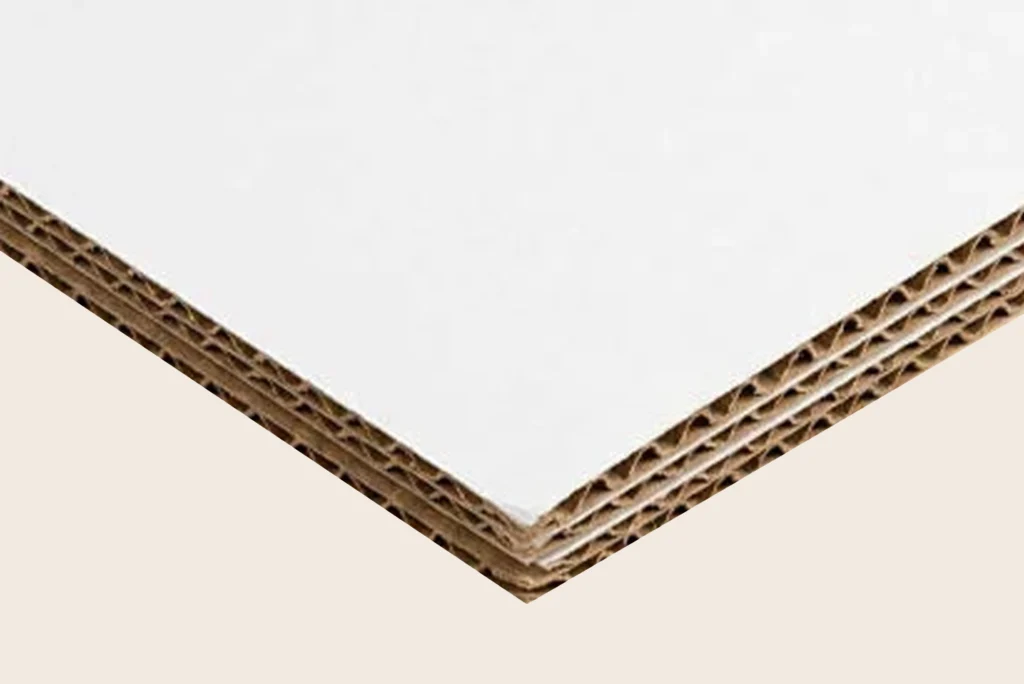
A fully bleached corrugated board with a bright white surface, designed to produce clean, vibrant, and high-quality printed packaging.
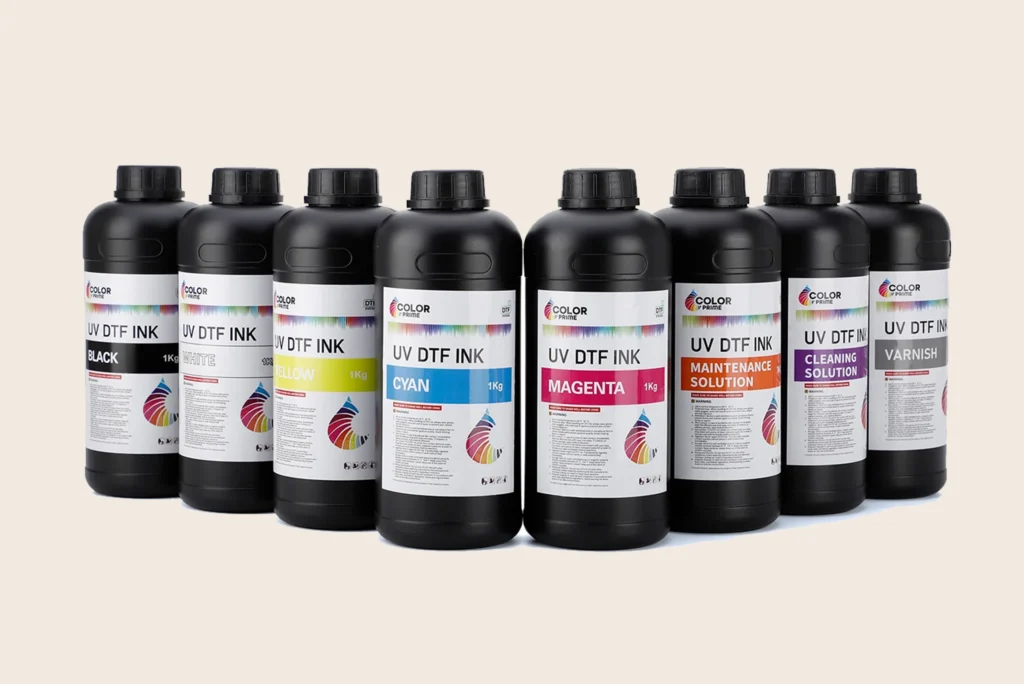
A UV-cured ink that dries instantly under ultraviolet light and creates crisp, high-quality print results on a wide range of packaging materials.
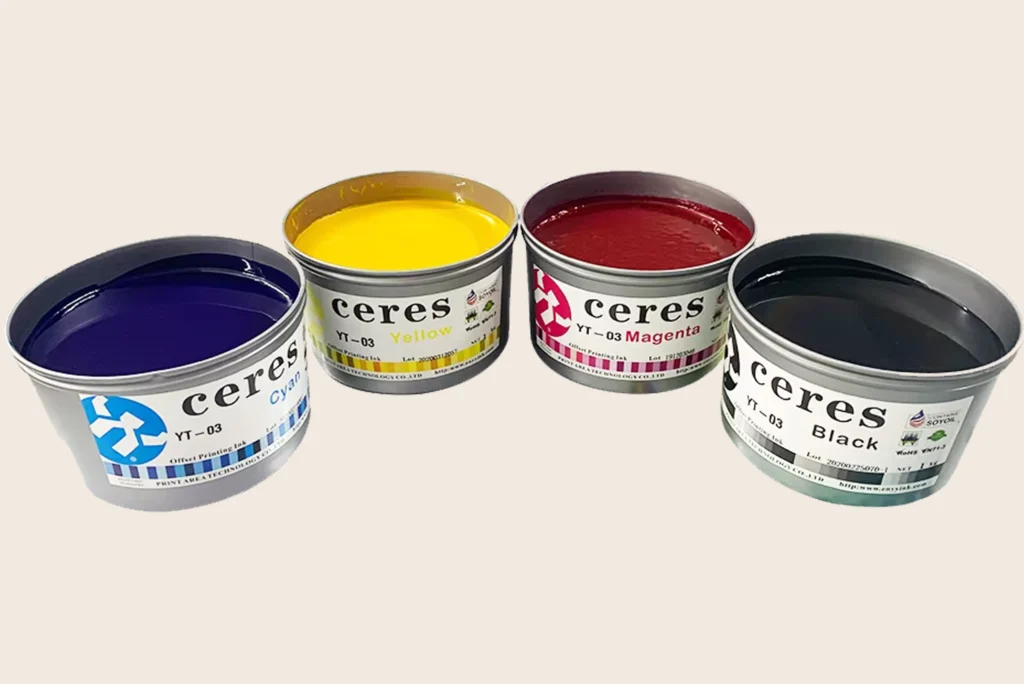
A plant-based ink made with soybean oil, offering rich color output and a more sustainable printing option for carton packaging.
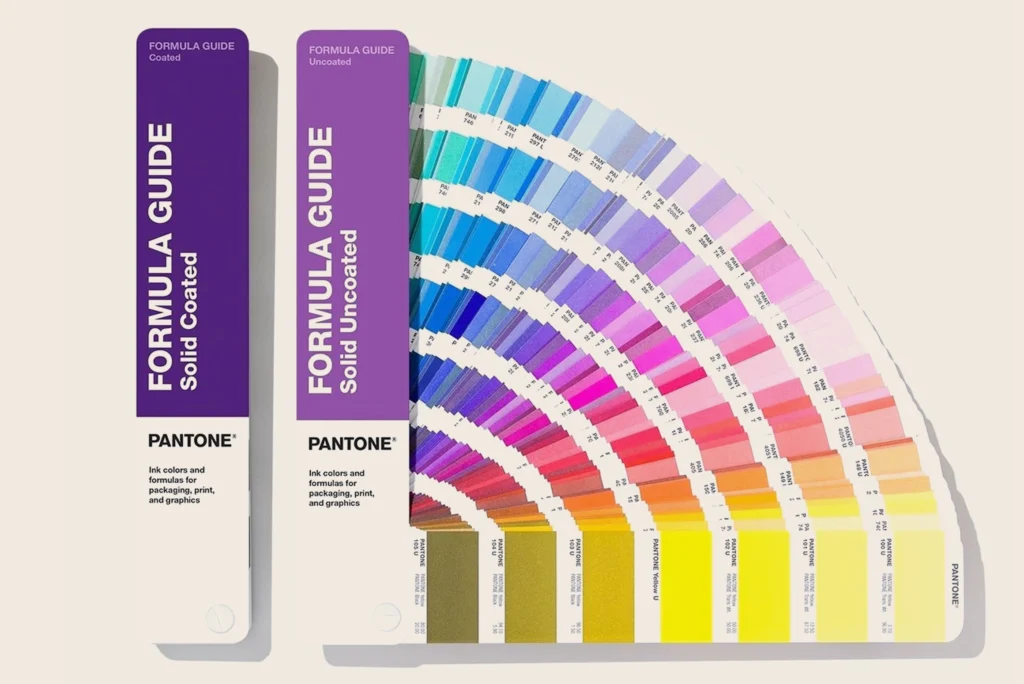
A standardized color-matching system used to achieve consistent, accurate brand colors across packaging, labels, and printed materials.

A full-color printing process using cyan, magenta, yellow, and black inks to create vibrant images, gradients, and detailed packaging artwork.
Real feedback from customers who trust us with their custom packaging.

M & L Nugent
I have been working with several companies - trying to nail down a box size and type for my organic tea business. Frank was the ONLY rep in all of the companies I reached out to who was responsive, helpful, and walked me through the entire process. It was an absolute pleasure to give my small business pounds to ACP UK! I will provide another review after I receive my custom product!

William
This company was able to fulfill my unique request with ease and for a great price! I worked directly with Daniel who was very professional and gave good customer service.
JL Aronson
I loved the options and thought the solution we came up with was brilliant. A slide box for a gift thumb drive of irregular shape. Daniel was my rep. Very helpful!
Emily
The Mylar bags look professional and feel strong. The printing came out clear, and the resealable finish is very practical.
Karen Vasquez Marin
We needed a personalized box, and Frank was really helpful in making this project a reality. The boxes arrived on time, the design was exactly what we wanted, and the quality is also great. Thanks, Frank, for helping us.
Fallon Dyle
Thomas and Frank were extremely easy to work with. They maintained communication with me throughout our project together and the end result was great quality boxes with everything we needed. Thank you for the excellent customer service and we look forward to working together again.
Kofi Onumah
Mr. Thomas, with ACP UK is the consummate professional. He pays close attention to the requests and delivers high quality. While ACP UK prices come in higher than their competitors, I'm happy knowing my product will be delivered soup-to-nuts promptly, with top notch quality and customer service.
Sylvia Sepulveda
Thomas was great to work with. Answered all of my questions and I received my customized boxes faster than expected! Thank you! I will be returning soon.
Jennifer
I received the boxes and they look great, I love them so much. Thank you for the time and dedication to my project, they are very helpful fast in solving any issues and attentive to your needs, plus they have great pricing compared to others and the material they use is 100% guarantee to make your vision come true. Will be contacting you guys in the future when I need more boxes.
DMarcques Brown
Excellent service. The previous printing company was not able to meet my needs. This company did a wonderful job with my cologne boxes to help achieve the vision and design I provided. Will be back for more business.
Derek Gill
Been working with Daniel on my boxes for our soaps and bath bombs. We just received our boxes for the soaps and the quality is five star. Daniel has been on top of his game and even caught a mistake in our spelling I highly recommend this company and will be using them For all our future orders.
Max Kempski
Thomas took care of my business and was very accommodating. I ordered custom boxes and they turned out perfect. I highly recommend ACP UK to anyone as they truly care for their clients and offer the best prices.
Ashley Andrews
We needed to order products as quickly as possible after our previous print company gave us a substandard product. We took a chance on ACP UK and we are very happy with the outcome! They were able to process our order during the holidays swiftly and accurately. Their customer service team is amazing, the product is very good quality, and they have reasonable pricing as well. We will definitely use them again!
Denver
I was initially hesitant to try this packaging boxes company, but I am so glad I did. The boxes were exactly what I needed for my business, and the customization options were extensive. The team was easy to work with and made the process seamless. I will definitely be using this company again in the future.
Natural Zen LLC
This was my first, and won’t be my last, time ordering with ACP UK for my custom packaging. I worked with Frank who walked me through every step. He ensured I understood every aspect of the process and ordering, sent multiple images for me to approve, and checked back in with me when I got them too! Not to mention, my company is all about zero waste and being green so, I had a million questions to ask about the product itself before I even attempted to design anything and he was absolutely amazing and so patient! To date, the best customer service I’ve experienced. I will definitely be ordering again!
Cory Sweitzer
wonderful service from a company that went beyond expectation to help my project get up and running smoothly. My sales rep, Daniel, and the design team at ACP UK made sure to have every detail in place and gave me a quote other companies could not touch! Lead times were accurate and updates for shipping were by far the most stellar i have yet to see. Thanks a million!
Emmanuel
They were super easy to work with and quick to respond, and the boxes we got were extremely high quality.
The salespeople are SUPER pushy. We get emails every other day and a few calls about placing orders. They don't understand timelines.
Spin Spudnik
Working with Thomas was a great experience - he’s always able to work through any issues, concerns or questions. I appreciate working with Thomas and his approach to business, and therefore plan continue to do business with ACP UK.
Remembrance Bibles
Frank and his company were fantastic throughout the process. From design to delivery, he answered our questions and eased our concerns. We will definitely be using their services again in the future. Thank you for a outstanding product.
Kayla Aldridge
Daniel was incredible! He was always prompt to email me back, he even called me when I didn't reply. He helped me create the exact box that I was looking for and I couldn't be more happy! Thank you for all of your hard work and great communication! I will order again when I need more!
Stephen Samuel
Recently I worked with ACP UK to obtain a large number of packages for a product that we are now selling. We got a big order and needed high quality work done in a hurry. ACP UK gave us great service. They were flexible, professional and prompt.
Amanda Carl
This is my first time ordering custom packaging for my small business and it has been game changing. I used to hand-make boxes for my products but creating my own design has saved me so much time. Now I am excited to explore even more custom ideas! Daniel has been super helpful in bringing my vision to life. I love showing my completed design to my customers, and it makes the experience of buying my art even better!!
Aaron A Watson
Daniel was amazing to work with! We came to him in a pinch to create custom boxes for a very large scale event in a short timeline. He was able to not only make sure our timeline worked, but also provided a product who's quality was so great that through the entire event people were talking about how chic and quality the boxes were. The speed at which we received responses to our [many] questions was remarkable. 10/10 would reccomend!
Mary Connolly
Professional, high quality, and best priced. I love working with ACP UK. I just love being able to trust, everything will come out right. I would leave more stars if I could.
Mooiz Khan
I had the pleasure of working with Daniel. Over the last 6 months Daniel and I have been working on the launch of my new product. He has treated me with the upmost respect and has been helpful in every aspect. If any of you don’t know what to do or who to ask. Go to the chat box and ask for Daniel!
Lindsey Archer
I have been working with Frank from ACP UK for a little over a month to get the perfect box custom made for my candles. The response time has been incredibly fast through the whole process, and Frank has been so patient as I have been going back and forth with him to make sure everything is the way we want it. The box samples arrived today, and the quality is fantastic. I am so grateful for this company!
Nikki LaBreche
Oh my goodness, I am absolutely in love with my custom nail boxes As a small business owner, seeing my vision come to life was so exciting, and All Custom Packaging UK did an amazing job. The colors are beautiful, the quality is fantastic, and they turned out even better than I imagined.
The whole process was smooth, communication was great, and they made sure everything looked perfect. When I opened the box, I couldn’t stop smiling! These boxes make my business feel so much more professional, and I can’t wait to send out orders in them.
Thank you, All Custom Packaging UK, for helping bring a little piece of my dream to life. I will definitely be ordering again and highly recommend them to anyone looking for quality custom packaging!
Shanik Murthy
From the very beginning the team has been nothing but helpful and responsive when it came to my inquiries. Cant thank them enough for all the time and effort they put in to help make the process easier for me! Thank you to Thomas and Daniel specifically!
Luca Stallings
We’ve ordered posters from this company multiple times. When the first shipment showed up damaged, they not only replaced every damaged poster, they made sure to update their packaging method to ensure safe delivery the second time. We’re now using them for our next project, and our rep Daniel has been incredibly helpful as usual. If you’re looking for a new print provider, please use these guys!
Anonymous
Response time can be a little slow at times, but overall the experience was very good. When they got our order wrong, they did not fuss about it and sent the correct one as requested.
DPHG LLC
Frank was responsive and helpful. ACP UK helped us meet our budget and delivered our order ahead of schedule. Very pleased with the product as well as the customer service. Will use their services again.
Binz
Cannot beat this level of customer service and dedication. My team was on a very tight deadline for the ask and our Sales Executive made it happen on time and within budget.
Akena Mitchell
I ordered soap boxes for my company, & Frank did such a great job of helping me make my vision a reality! My boxes are beautiful! They do excellent work, and it was a pleasure working with Frank! I highly recommend them, and will be back for future purchases!! Thank you!!
Edelle
I contacted ACP UK about a bespoke gift box for two of our skincare products. Frank was brilliant every step of the way. He was contactable by mobile, email and the website. He helped with every step of the process and kept me informed along the way. The turnaround from box design to delivery was very fast and we are delighted with the end result. Would highly recommend!
Luca Clifton
Once again, ACP UK and Frank in particular have proved an excellent partnership for my small business, going so far as to fix a previous order error free of charge and continuing to value my business as a customer
Tin Tin
I have used ACP UK multiple times to deliver packages from sites without their own delivery methods. Each and every time has been nothing but positive. Fast delivery, products always in good condition. Nothing but praise!
Guest
First time working with ACP UK, but surprisingly worked out well. They handled the design and I believe I got the packages under 10 days, both times, as promised. I ordered a prototype first, asked them to make changes, and all was implemented well. I've also worked with another company in parallel, that was much slower. The price here is better as well. I don't know where the team operates from but they are doing excellent job!
Sylvia Nwoyeocha
as a small business owner, scouring the internet for biodegradable packaging, and was instantly being chatted with by a support person, he was patient and attentive to details, making sure he knows what i want, it was a great support experience
Sylvia.
Michael Ralston
We have ordered from ACP UK consistently for over a year for our boxes. They do great work, and Frank is always quick to respond. Great work and prices.
Dion Lassiter
These guys are awesome! Many delt with Daniel and he was beyond helpful! Would definitely refer anyone to use these guys. A1 customer service and A1 product. All Custom Packaging UK is the best.!!
Daniel
ACP UK went above and beyond. Frank took such a personal and hands on approach to making sure this project came out succesfully. We had a tight turn around and with the holidays breathing down our back it was coming down to the wire. Frank pulled off a miracle and delivered above and beyond what was asked for and at an incredible rate. Will definitely be returning for any future project needs.
customer
Having completed a complex packaging project with Frank, I am very satisfied with their level of service. Whatever obstacles we encountered, he was able to overcome them and provide superior final designs. Daniel communicated quickly and clearly regarding our shipment and tracking and was able to deliver in time for our pending event!
Andras
Other than a few miscommunication throughout the ordering process I had a great experience with this company. They are helpful and making sure that you get what you ordered. However, most importantly the product is good quality and they made sure that it is packaged well so it doesn't get damaged during shipping. I would definitely recommend this company.
Michale Anderson
The food boxes are sturdy, neatly printed and easy to assemble. They have made our takeaway presentation look much more professional.
Deanna Weise
We had a great experience working with All Custom Packaging UK. Frank was our main point of contact, and he was incredibly responsive throughout the entire process. He answered our questions promptly, kept us updated every step of the way, and made the experience smooth and stress-free. The communication was excellent, and we really appreciated the level of customer service. We look forward to working with All Custom Packaging UK again in the future.
Ekho Media
Quality of the product was outstanding and we loved the result! We had a small mismatch with one of the images on the boxes but Daniel was great at understanding our request and making it happen for us. Customer service was on point for him!
Susan Harrison
I needed something that was both a good shipping box and something to hold the items I sell. It’s so sleek and can fit anywhere from 1-3 of my items. I love that I don’t have to buy a bunch of different sized boxes. it’s the perfect size. It was so easy to assemble once I figured it out. Im shocked how sturdy it feels. I will be adding tape on it before I ship them just incase they unfold. I will definitely order another case of these boxes as these come out to less.
Ks Rives Revivo
I have worked with Daniel on multiple projects and really love his service. They offer a fair price and really take care to get me exactly what we need while correcting anything that needs adjusting. I will continue to hire them for my future projects.
D Hines
First, I'd like to say, sorry for the long delay with getting this written. My experience dealing with All Custom Packaging UK and Frank has been fantastic. He has really taken the time to work with me on my crazy request and demands. Frank has been great and I am a satisfied customer. I look forward to dealing with ACP UK and Frank in the near future! Russell Hines.
Evelyn Bufton
Frank stayed in communication and followed up with detailed changes to my design needs. Final product was exactly what was agreed to and delivery was prompt. I would use them again without hesitation
Helen Mitsiou
Fantastic customer service from Frank. He was friendly, responsive and took the time to understand exactly what I was looking for. A pleasure to deal with, and I really appreciate all of his help. Thank you!
Fly Fish Wyoming
I had a great experience with them. No complaints at all. I had a very specific box I wanted and they worked with me to get it all set up and sent me a template for my art. I had to make one adjustment on the proof but the final product turned out great and I'm really happy with it. I worked via email with Daniel.
Lady
Daniel was so awesome and helpful! He helped me figure out what dimensions I would need and asked the perfect questions to help me obtain a quote. What a great customer service experience. I will definitely recommend and continue business with this company!
Sabine Kelly
Great experience and great product. Daniel communication was prompt and clear. Production was able to work with my tight timeline and I received my packaging with time to spare. The boxes themselves look excellent and are great quality. Thank you!
Marlene Rodriguez
I was impressed by the fine craftsmanship of the cards we ordered, especially since another vendor informed us the detailed design we wanted couldn’t be done. ACP UK exceeded our expectations with the final product! They also took accountability for an error and quickly sent a corrected order before the Holidays. Communication was great throughout, and the quality of the print truly impressed my manager.
Maggie McGuinness
I have been working with ACP UK for a few years now with my soap box and gift set packaging. They are always quick and dependable. Great quality.
Ness
Frank deserves a 5 start rating because he has been so patient, attentive and supportive from the beginning. He was very supportive through the whole process and helpful with the measurement of my product boxes. He has excellent communication, especially with the time difference. I recommend individuals starting a new company, that needs packaging done to work with individuals like Frank. I will be using ACP UK for future orders.
Kelly Szczotka
Frank and team were fantastic with my last minute custom order. We determined the products needed, sizes and quantities and within hours I had perfect proofs of three different products. The order was placed and confirmed within 24 hours of me contacting ACP UK.
The order was delivered on time for our event. The chefs at our venue using boxes for popcorn and donuts said they were top quality and very impressed. The clients were impressed with their logo displays. Thank you!!
Christine Davidson
So far a very pleasant experience. Worked with Daniel via online chat and he was very courteous and helpful. Awaiting an email with the discussed information and suspect that part of the experience will be as seemless.
Jen
Thomas was so helpful and responsive! We needed custom folders made and looked at various different companies, but ACP UK ended up offering the best quality and price. This was our first time ordering, but Thomas guided us through every step and even sent us videos of sample folders and mockups of our final product so we could proceed with confidence. Thank you Thomas and ACP UK, we will definitely re-order when we run out of this batch.
Phillip Crawford
Super happy with our product!
We ordered custom dye cut ice cream cone sleeves.Worked with "Frank" super generic and initially a little skeptical- but company is legit. I received my product on July 12th, 2026- It arrived just 2 weeks after I ordered it. On time and great! Thank you Frank and Team.
Natalie
Daniel has been helping me with box sizes. He has walked me through the process patiently and as also been helpful with all my questions. This is my first experience with ACP UK - so far, so good!
liz
The team at All Custom Packaging UK was very responsive. They were quick to respond to my emails and the turn around time on the boxes was fast! The first run of boxes did have colors slightly off and they fixed it on the second run.
The cost of the boxes was less than other suppliers. I will say the boxes are a bit on the flimsy side, not super sturdy but perfect for my needs. I will definitely use them again in the future.
Jonathan Gilbey
From star to finish of my project communication was excellent. The product was shiped and arrived in a timely manner and was an excellent quality would definitely use a again
Douglas Graves
We hired All Custom Packaging UK to design several of our product boxes & labeling and what a great decision that turned out to be not only did they provide great service they produced amazing products for our company. Great service with great people that are more than happy to help you along the way. We highly recommend using there service for all your packaging and labeling needs.
Natasha
The Customer Service is excellent! The boxes and designs were excellent! We are so happy with the product and the service. Thank you Thomas and team. See you soon for our next project, we look forward to working with you again.
Jake Marinelli
Always a great experience with ACP UK as its very high quality and quick shipping times. Mr. Frank made sure my design met my standards and Daniel did a great job with making sure all is good before shipping out the packaging.
Henry Evan
Absolutely love these candy boxes! They're the perfect size for small treats, and the variety of colors and designs make them perfect for any occasion. Plus, the quality is fantastic, they're sturdy and don't bend or break easily.
Ren
This was the first time I had a custom box made and Daniel made it a pleasant, efficient experience. He was patient with all my demands and also had me speak directly with one of the designers to made sure everything was specific as possible for the final outcome. Additionally, there was a major delay on my end and Daniel was very patient, even though the project was one hold for a few months. The result are professional, impressive, quality boxes which displays our product perfectly. I'm eager to continue working with All Custom Packaging UK for additional projects in the future.
Suni Woolstenhulme
Best customer service! Daniel was great to help me keep the process moving in order for me to meet my business deadlines. He made sure I knew exactly what the boxes would look like and samples were received promptly. I liked the quality of the boxes for the price so much that I added a bunch of labels to the order as well. It has definitely improved the look of packaging in my store.
Clear answers about ordering, artwork, production, materials and delivery.
Orders start from 100 units. Standard production takes 6 to 8 business days after approval.
Both are genuine options. A separate lid, similar to a round box, suits something that should sit undisturbed until it's lifted off. Splitting along the egg's own middle suits something opened and closed repeatedly, since the two halves stay fitted together rather than needing a lid put back in place each time.
Easter is the most common use, but nothing about the shape ties it to one occasion. A jewellery piece, a novelty gift or a small confectionery item works just as well in this construction year-round.
A window can still be specified. It just needs placing somewhere the curve stays structurally sound rather than across the tightest part of the taper, a detail worth flagging early since it isn't something the shape rules out on its own.
An unlaminated paperboard construction may be easier to process through suitable paper-recycling streams than a heavily laminated alternative. Final recyclability depends on the full material and finishing specification and the facilities available locally.