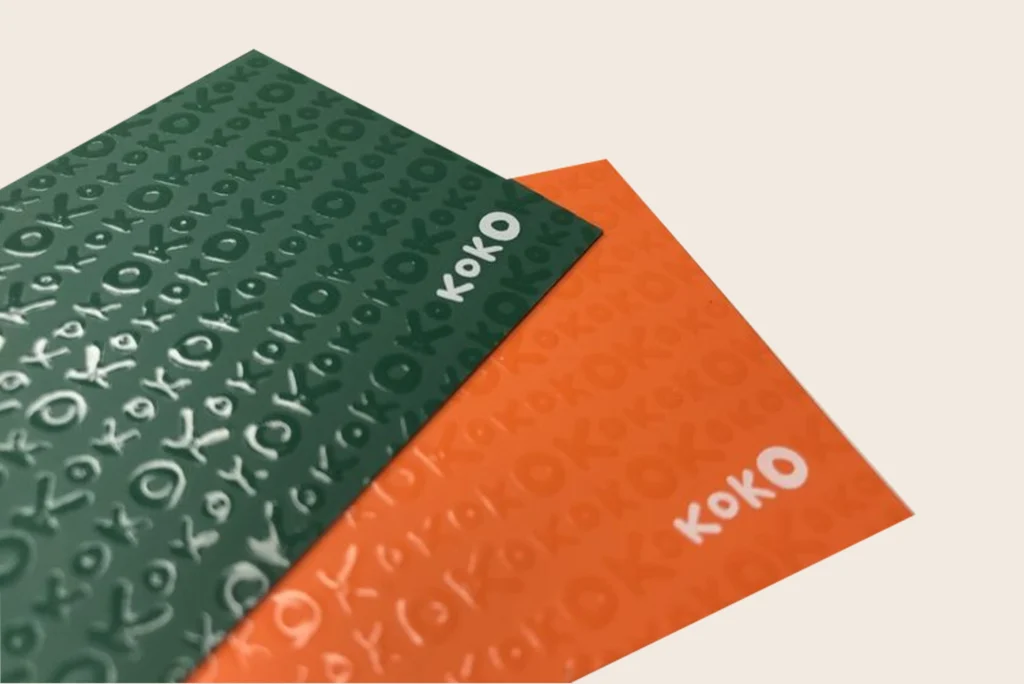
Varnish
A transparent finishing layer available in gloss, satin, or matte effects. It enhances the printed surface and adds an extra layer of visual appeal and light protection.
A printed corrugated outer built around an insulating liner and the coolant that goes in with the goods, for chilled or frozen shipping over a known journey. Orders start from 100 units.
An insulated cardboard box does not keep anything cold. It slows down how fast the cold leaves. That distinction is the whole specification, so it comes first.
Heat moves from warm to cold until the two even out. A liner inside a corrugated carton makes that movement slower, and a thicker liner makes it slower still, but it only delays it. What holds chilled goods at temperature across a journey is the coolant packed in with them, gel packs or ice or dry ice, giving up its cold to the box’s interior as the outside warmth leaks in. The liner’s job is to make that coolant last longer. A box with a good liner and no coolant is a slow box, and a box with plenty of coolant and a thin liner is a short journey.
So three questions set the specification, and the product’s size is none of them. Chilled or frozen. How many hours from packing to opening, including a night in a depot if the courier keeps it overnight. And what coolant you are packing with it. Give us those three and the liner is chosen against them. Heat-retention constructions are available depending on the application. One thing this page will never carry is a hold time, because a hold time only means something for a particular coolant, load and ambient temperature. The honest test is your own product, your own coolant and your own route, run once before the first order ships.
A liner takes up room. Measure the product, order a box to that size, and the liner fills the space the product was meant to have, with the coolant still to go in. The outer carton is sized from the inside out: the product, then the coolant around or beside it, then the liner’s thickness on every face, then the corrugated wall. The finished box is noticeably larger than the goods it carries, and that is right. Send us the product’s dimensions and the coolant you use, and the outer size is worked back from there rather than guessed from the goods.
The outer carton carries the load, takes the print and survives the courier, and leaves the insulating to the liner. Cold goods in a warm van draw moisture out of the air onto the inside of the carton. A lined or barrier board for the inner face is available where the specification supports it, and it matters most on a journey through warm weather. Single-wall or double-wall corrugated is chosen against the weight and the handling, and that decision is worked through at Corrugated Boxes, which this page leaves to it.
Food-contact material suitability is confirmed for the specific material before production. All Custom Packaging can help organise the available print space, but the brand or its regulatory adviser remains responsible for confirming the accuracy and completeness of the required product information. Handling and storage instructions printed on the outer are yours to word; the box gives them a face that is read before it is opened.
The print goes on the corrugated outer, offset, digital or screen to suit the artwork and the quantity. Pantone references and CMYK values can be used to manage colour consistency, subject to normal variation caused by the chosen board, ink, coating and production method. A courier-facing box earns its print through instructions and identity. Every finish stays available subject to the specification; a foil or a lamination is seldom worth paying for on a box that spends its life in a van.
Orders start from 100 units. Design support is free. A digital 3D mock-up is free. There are no setup fees. Standard production takes 6 to 8 business days after approval. UK delivery is free.
Goods that ship at room temperature need only the carton, and Ecommerce Mailer Boxes or Blank Cardboard Boxes cover that at a lower cost. A liner on its own, used inside cartons you already have, is a different purchase from a printed box. The rest of the range is under Cardboard Boxes.
| Box Style | All Custom Packaging |
| Dimension | All Custom Sizes & Shapes |
| Quantities | 100-unit minimum order |
| Paper Stock | Kraft, corrugated, rigid board, cardstock |
| Printing | CMYK, Pantone, digital and offset |
| Finishing | Gloss, matte, spot UV, embossing, foiling |
| Shipping | Free delivery options |
Choose from premium coating, board, printing and finishing options for your insert boxes.
A transparent finishing layer available in gloss, satin, or matte effects. It enhances the printed surface and adds an extra layer of visual appeal and light protection.
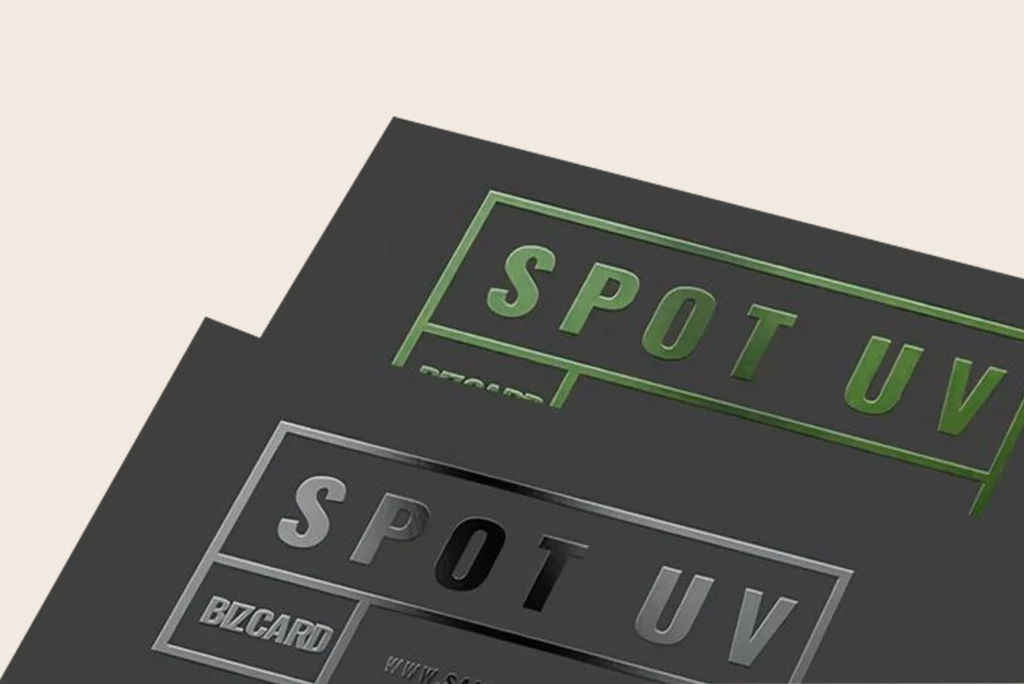
A UV-cured coating applied to specific areas of the design to create gloss or matte contrast and draw attention to important details.
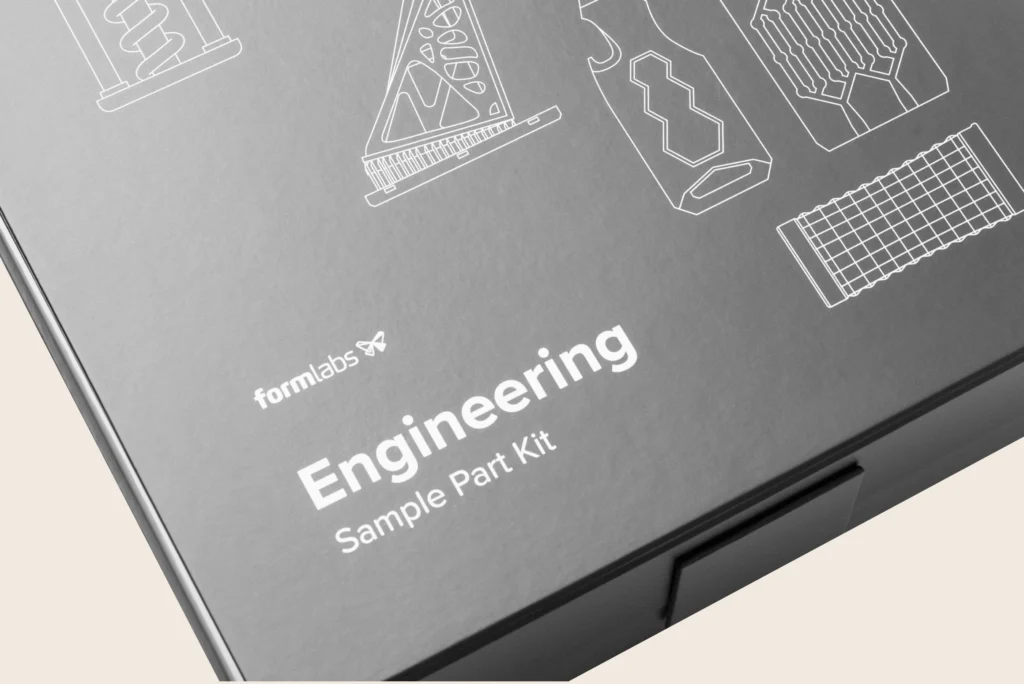
A smooth, velvety coating that creates a soft tactile feel and gives packaging a refined luxury look. It improves the unboxing experience and supports a high-end product presentation.
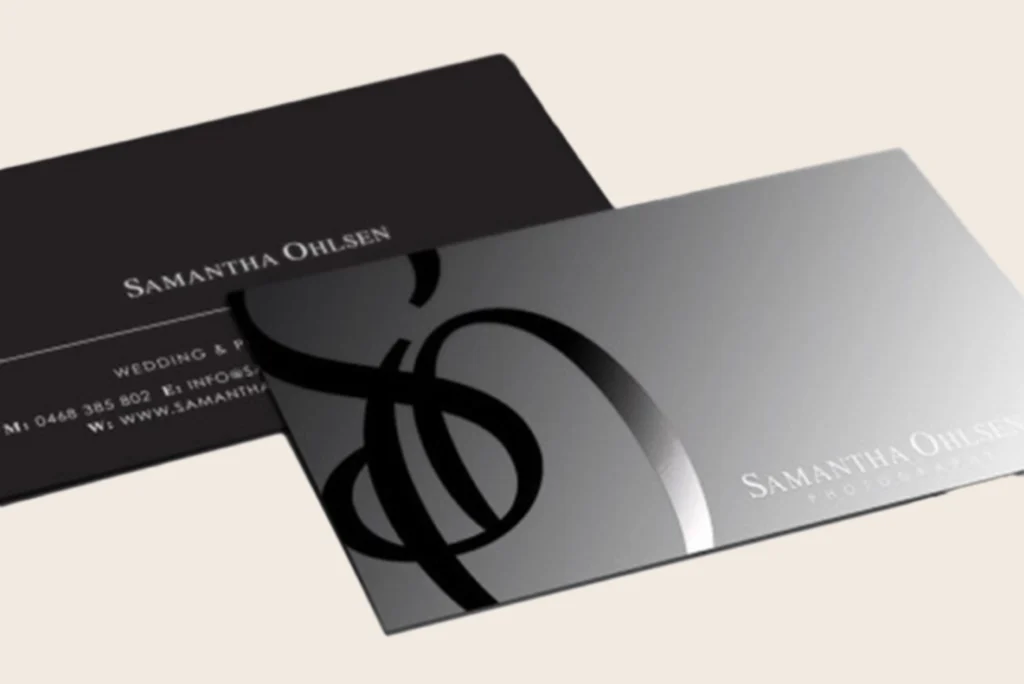
A soft, smooth lamination with a refined satin-like finish. It gives packaging a premium feel while keeping the surface elegant, subtle, and easy to handle.
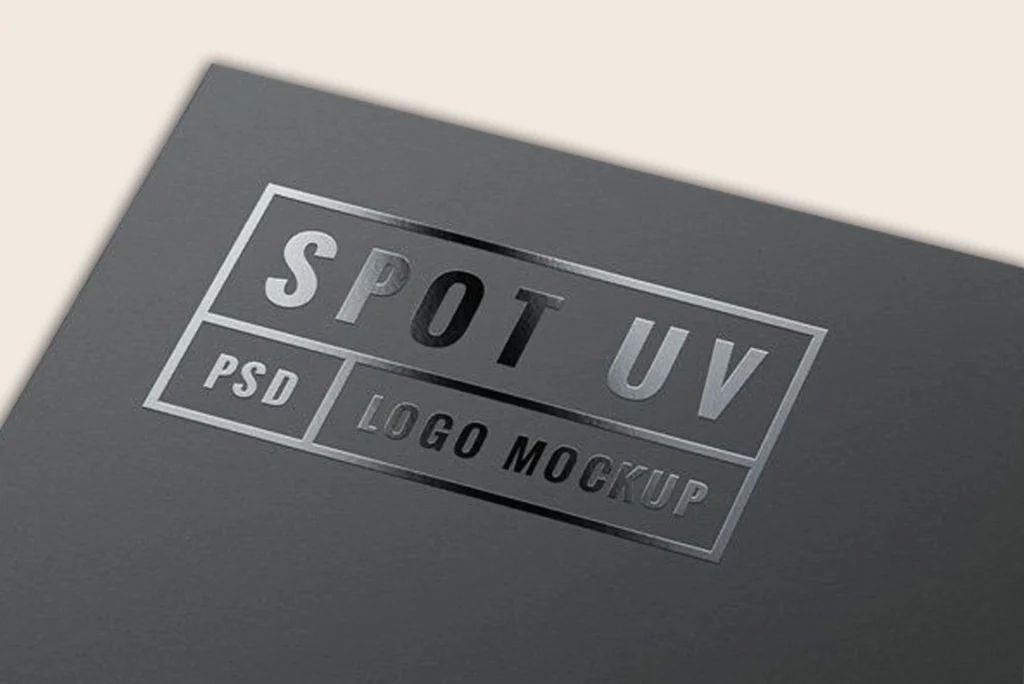
A high-gloss UV coating applied only to selected design areas to create sharp contrast, highlight logos, and add a premium visual effect without coating the whole surface.
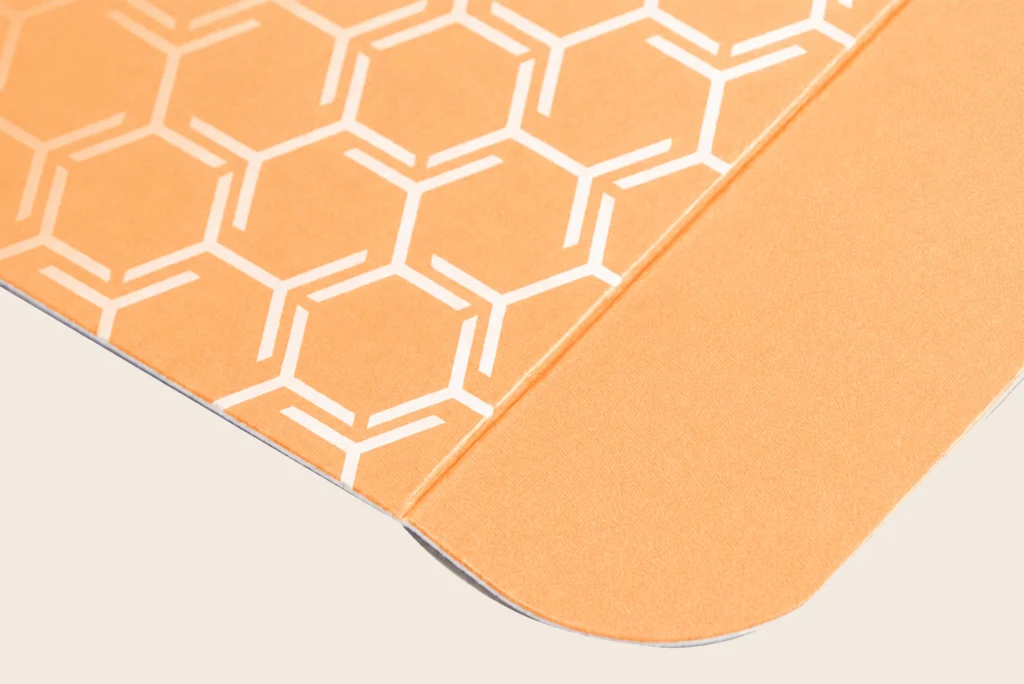
A clear, fast-drying water-based coating that adds a smooth protective layer while maintaining a clean and professional surface finish. It is a practical choice for everyday printed packaging.
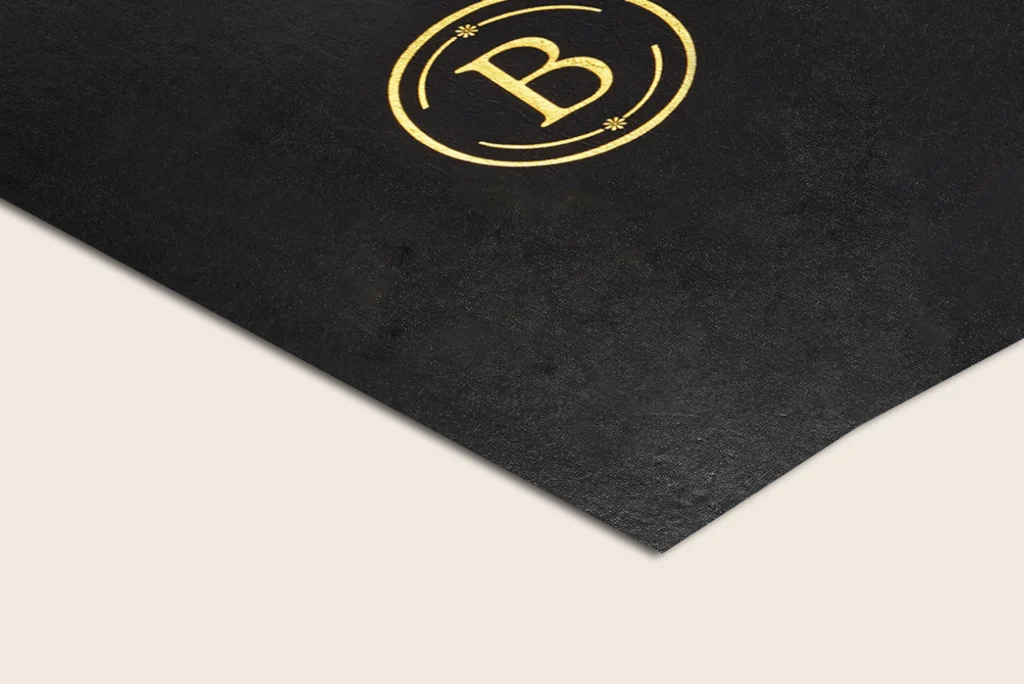
A durable protective film that helps reduce visible scratches, scuffs, fingerprints, and daily handling marks. It keeps packaging looking clean, polished, and premium for longer.
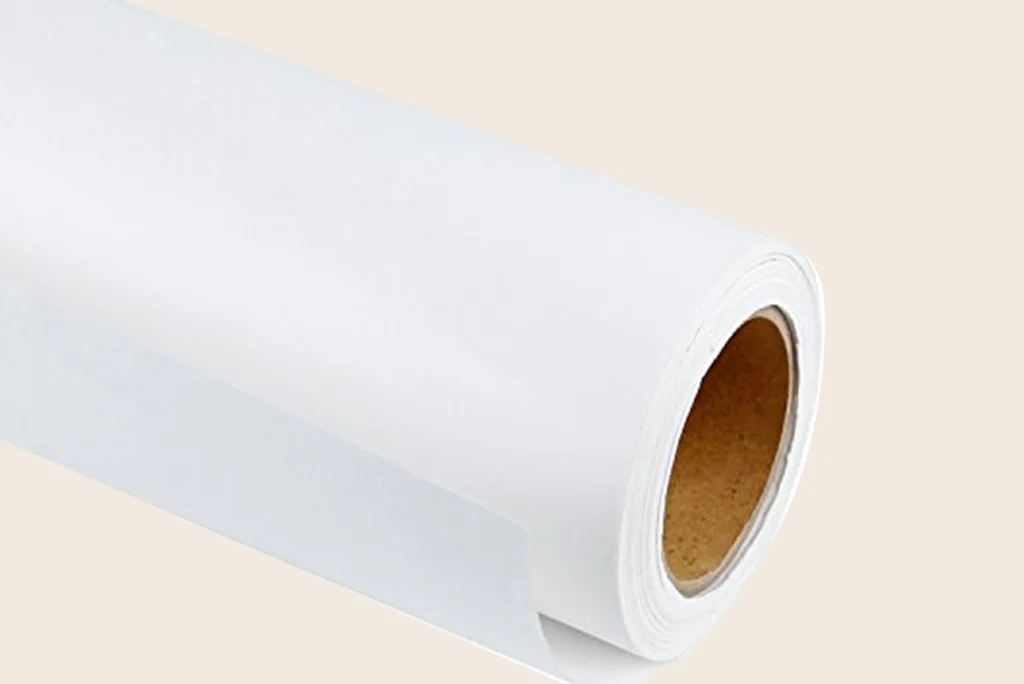
A bleached kraft paperboard made from a mix of virgin and recycled pulp, offering a clean white surface for crisp and polished packaging designs.
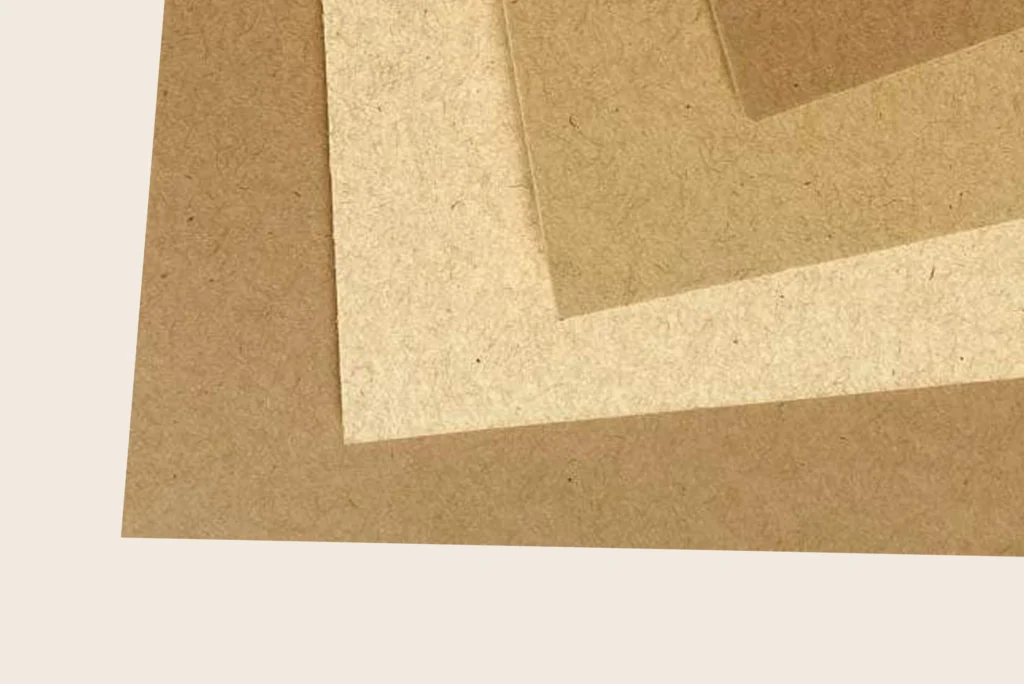
A natural kraft paperboard without coating, made from virgin and recycled pulp. It provides a raw, organic appearance with sturdy packaging strength.
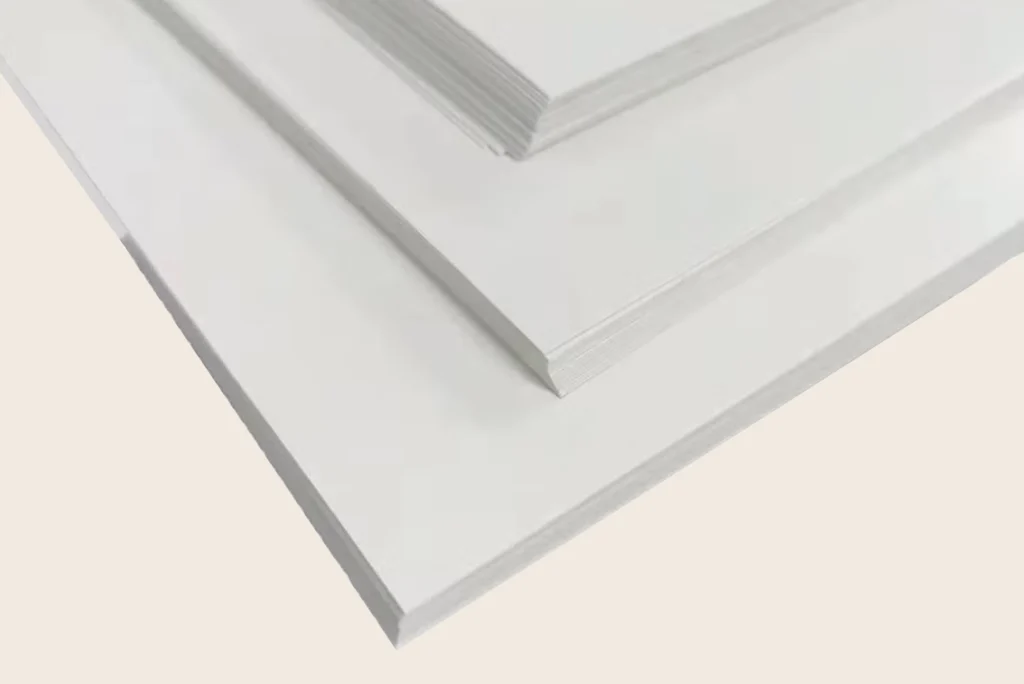
A premium bleached paperboard coated on both sides, designed for excellent print quality, die-cutting, and professional packaging results.
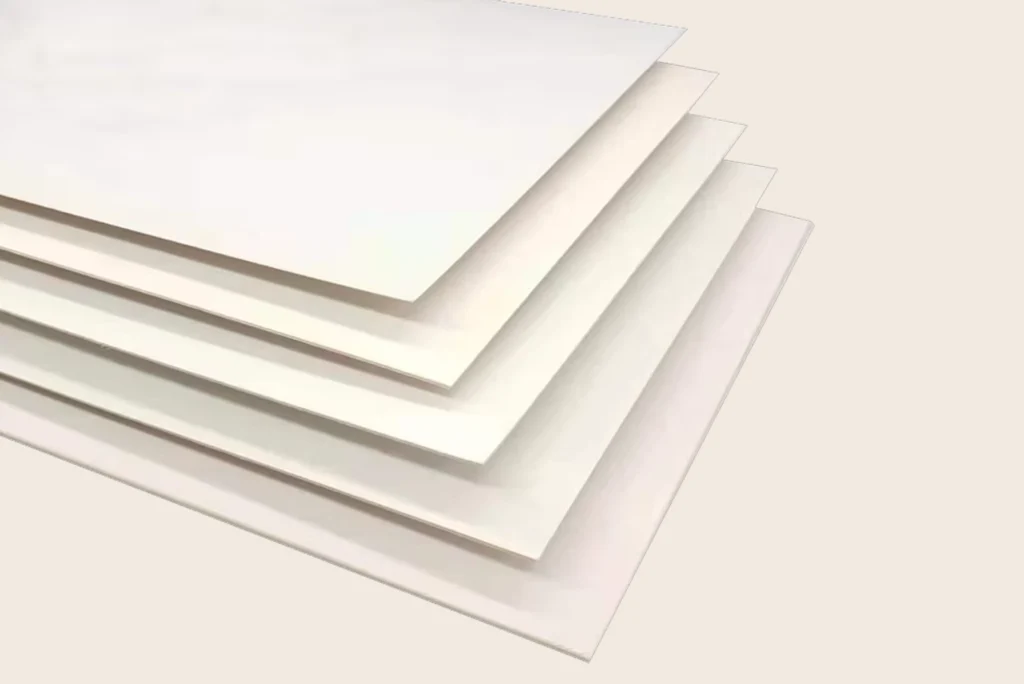
A high-quality bleached paperboard coated on one side. It provides a clean printable face with a premium packaging feel.
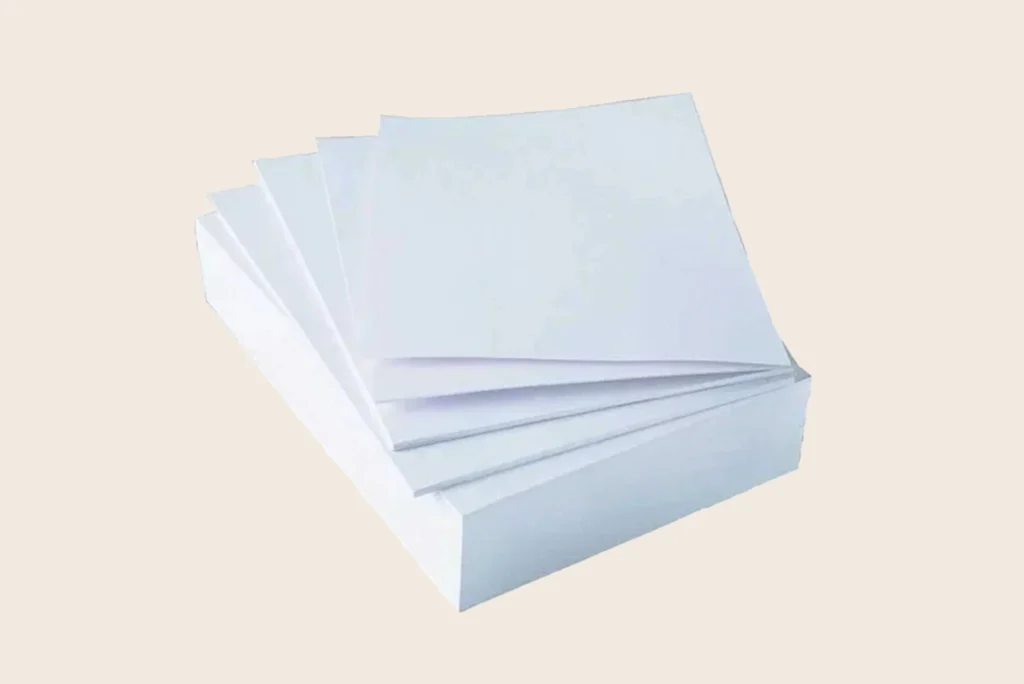
A smooth printable paper stock that supports high-resolution graphics, clean text, and rich color output for refined packaging presentation.
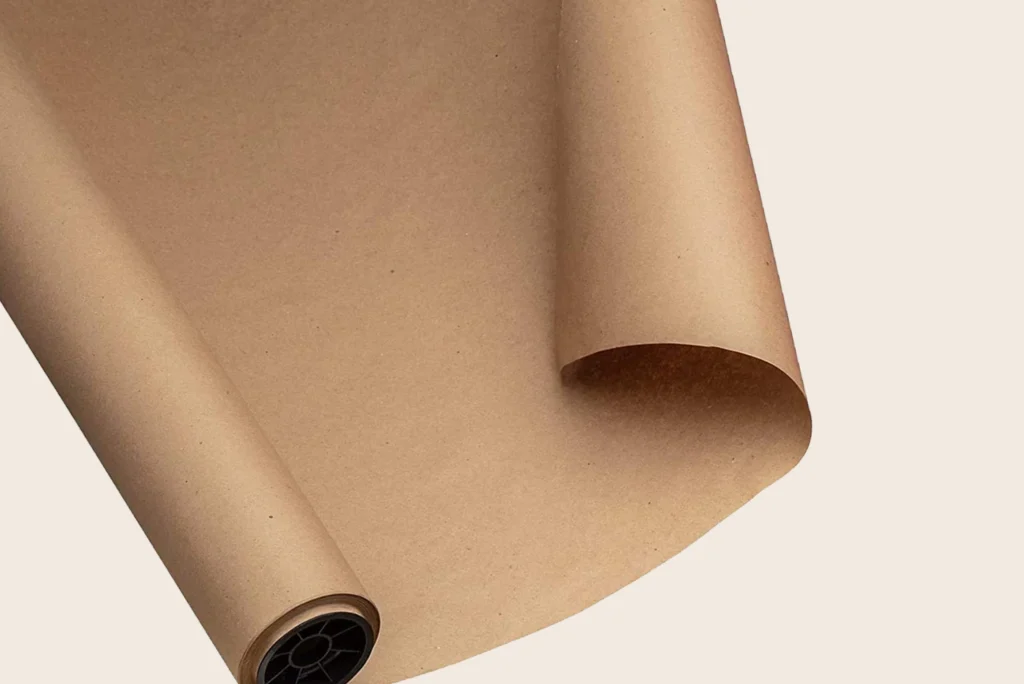
A natural kraft paperboard made from strong virgin and recycled pulp. It provides an organic, earthy look for sustainable and simple packaging.

A specialty paperboard with a laminated metallic surface available in gold, silver, and other premium finishes for luxury visual impact.

A specialty paperboard with a laminated holographic surface that creates a reflective, rainbow-like appearance for eye-catching product packaging.
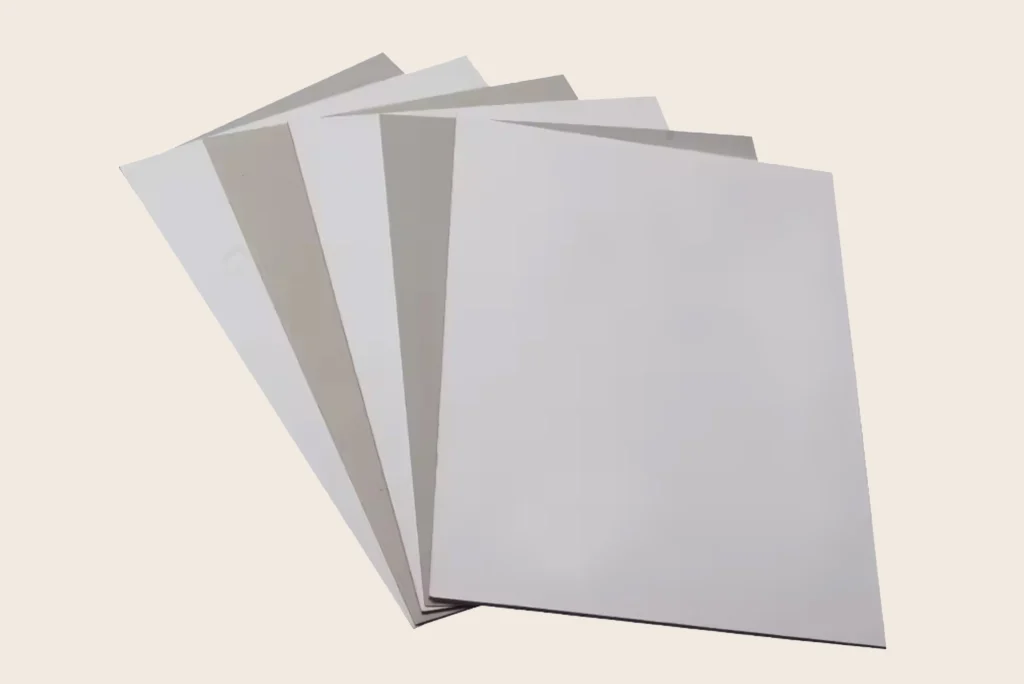
A recycled duplex paperboard with a white printable surface. It is ideal for economical packaging that still requires clean graphics and brand presentation.
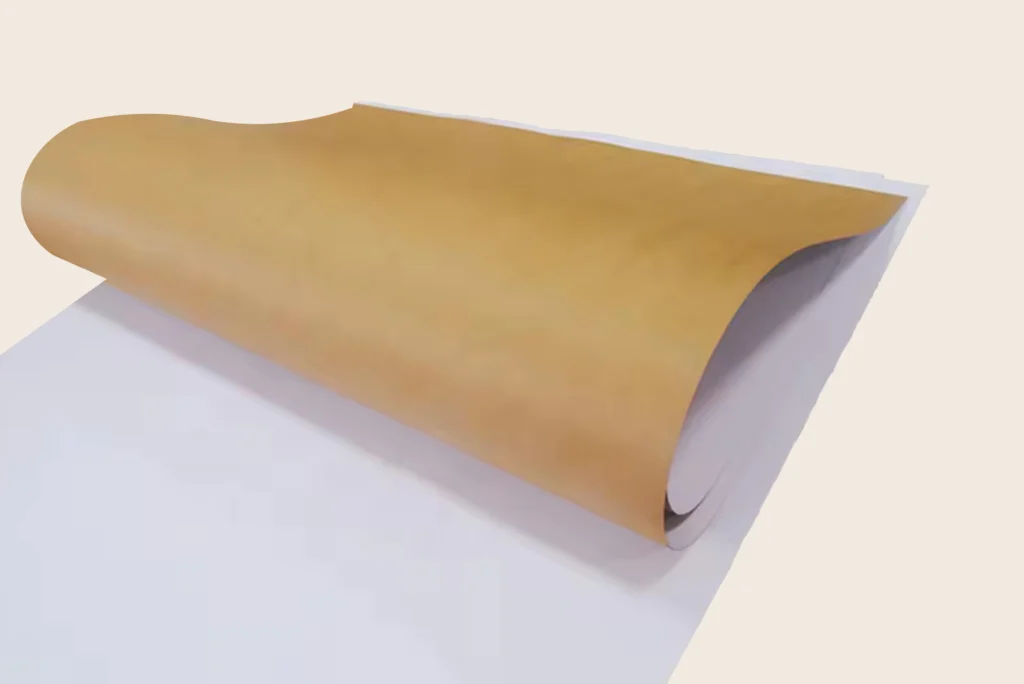
A kraft board with a smooth clay-coated white face for quality printing and a natural kraft reverse side for a strong, authentic appearance.
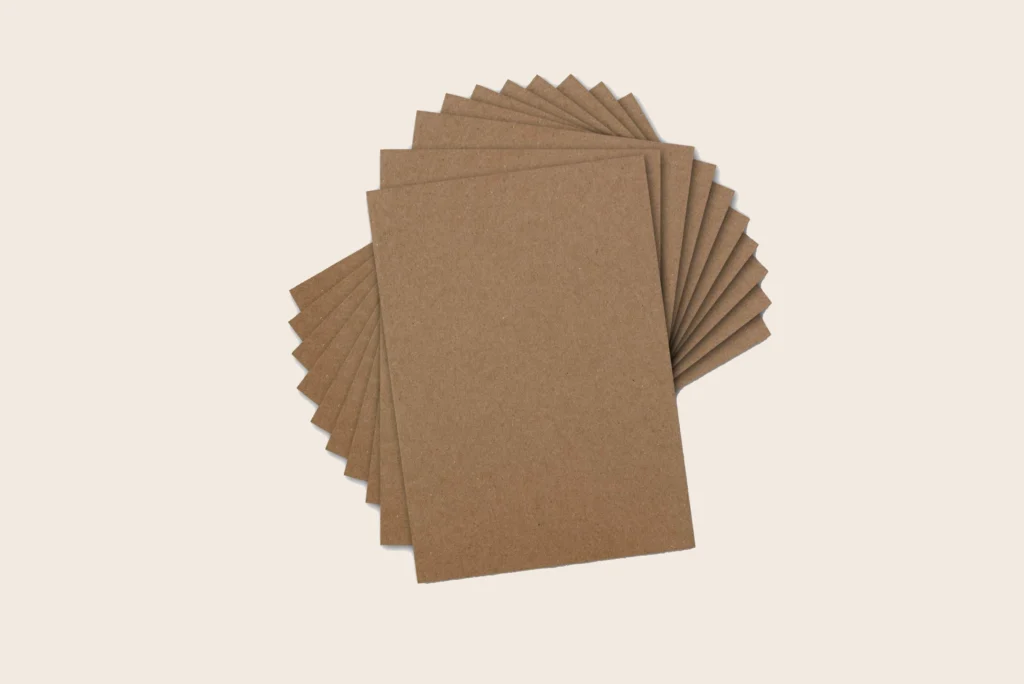
A kraft paperboard with a clay-coated printable top surface and a natural unbleached kraft back. It balances clean branding with a rustic natural look.
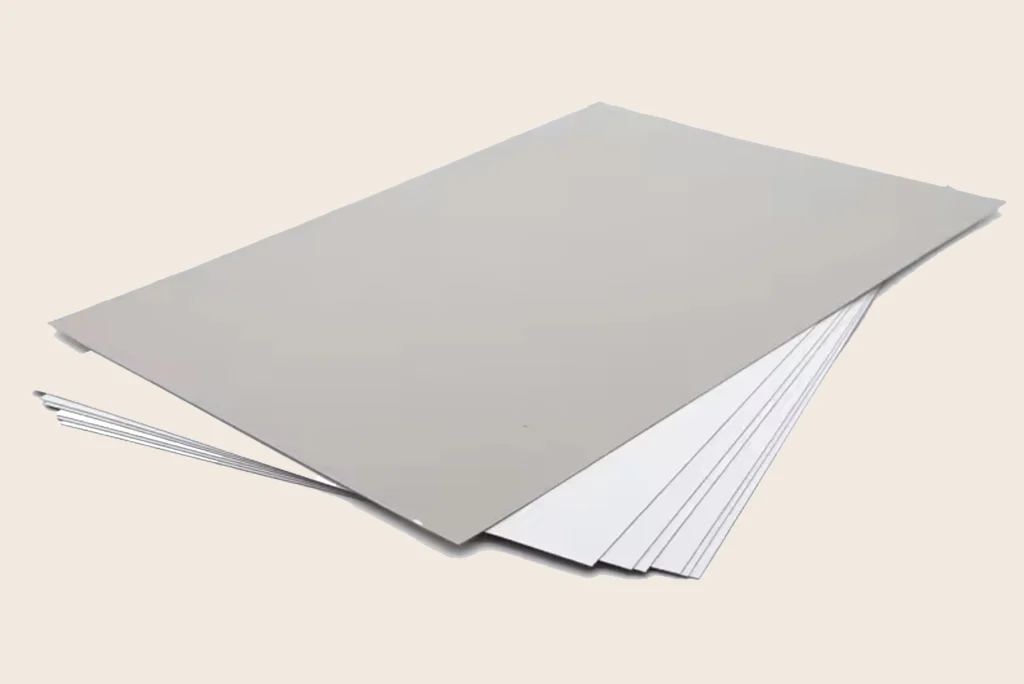
A duplex paperboard made with recycled pulp and a coated white printable surface. It delivers smooth print results for affordable carton packaging.
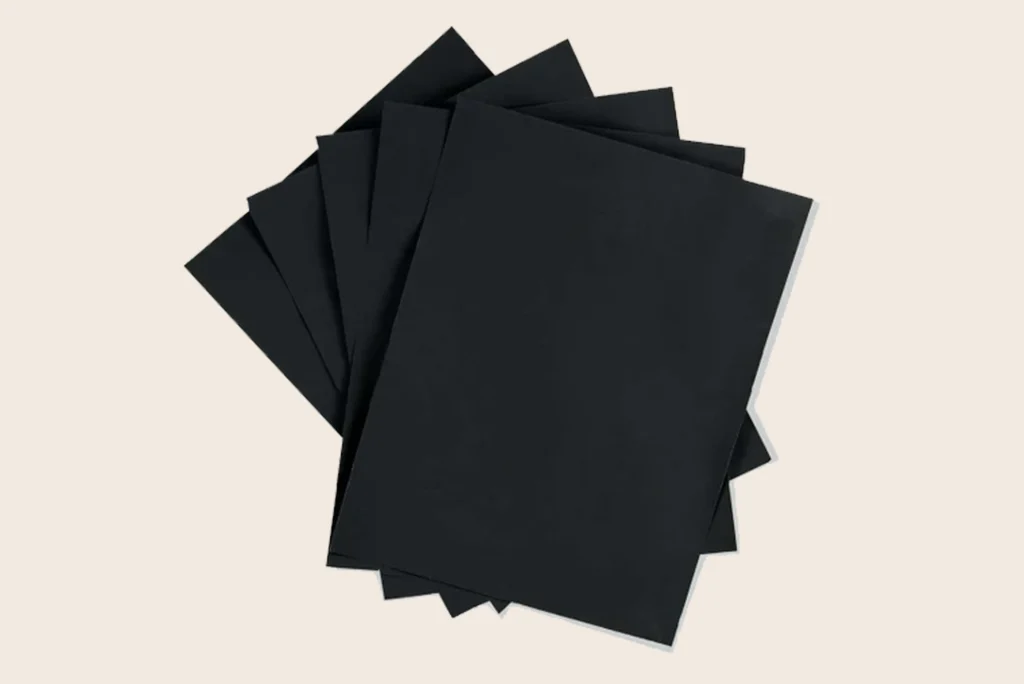
A black-dyed kraft board with a natural paper texture and excellent strength. It creates a bold, premium look for luxury and specialty packaging.
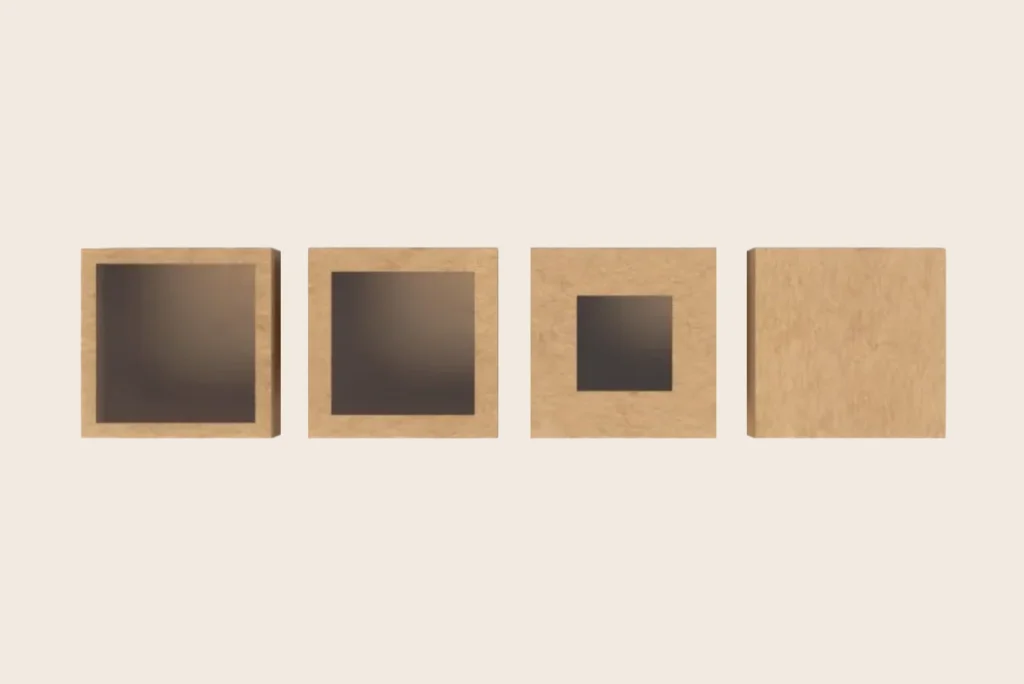
A packaging technique where a die-cut opening is covered with a transparent film, allowing the product inside to remain visible while staying protected.
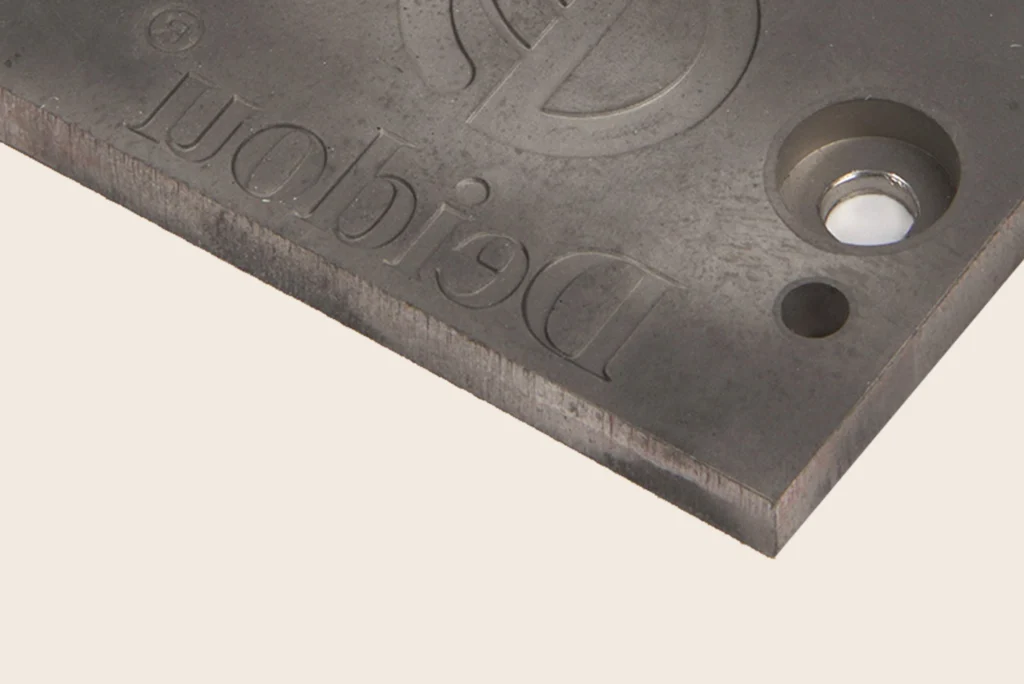
An embossing technique where the raised design is precisely aligned with printed artwork to improve detail, texture, and overall presentation.
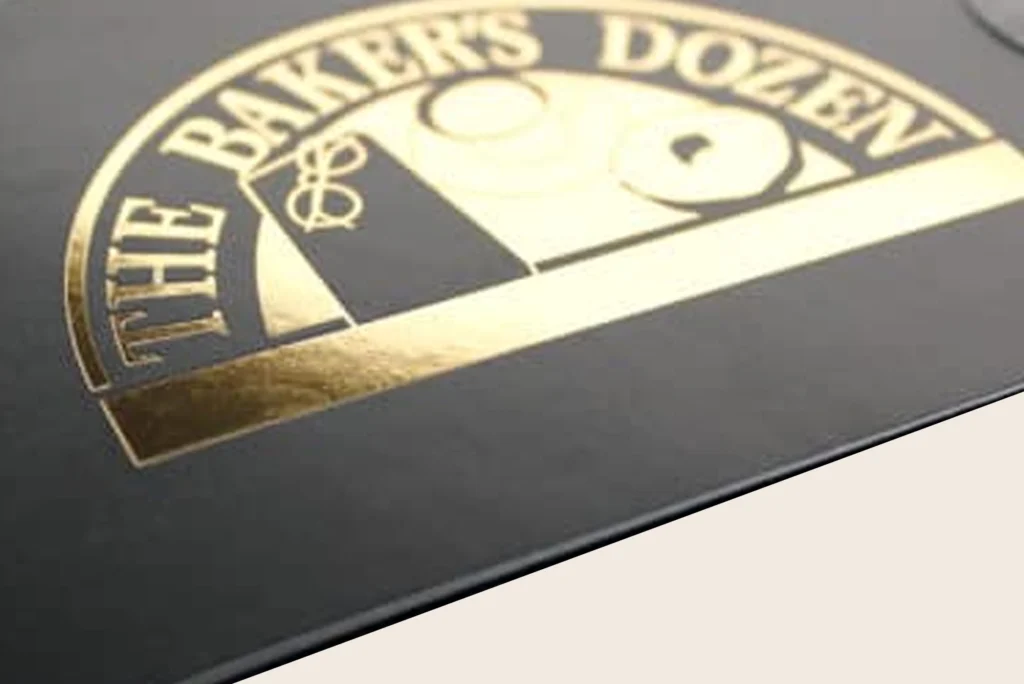
A finishing process in which heat and pressure transfer metallic foil to the surface, creating a premium, shiny, and luxurious effect.
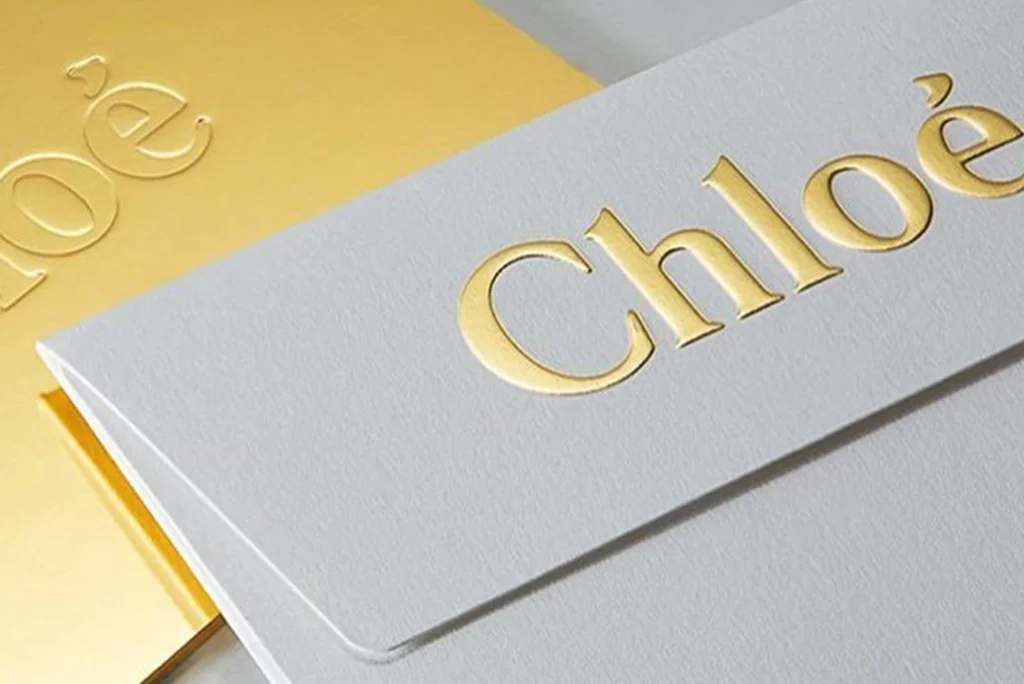
A premium finishing method that combines embossing with foil stamping to create a raised design with metallic color and strong visual impact.
A decorative process that transfers foil onto selected areas of the surface using UV-curable adhesive, creating a bright metallic effect with sharp detail.
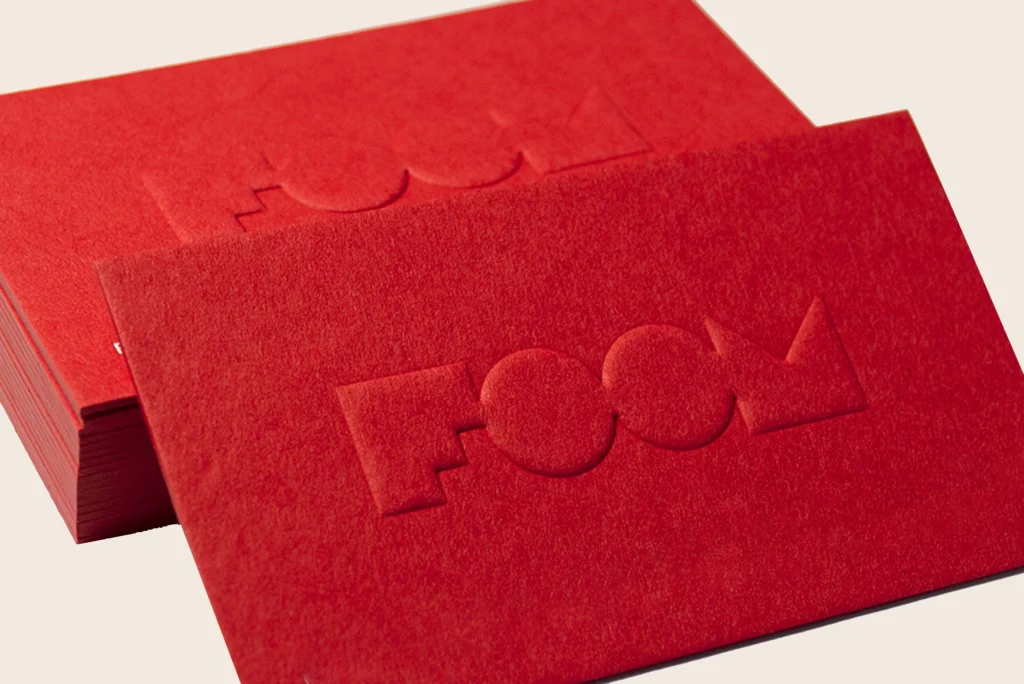
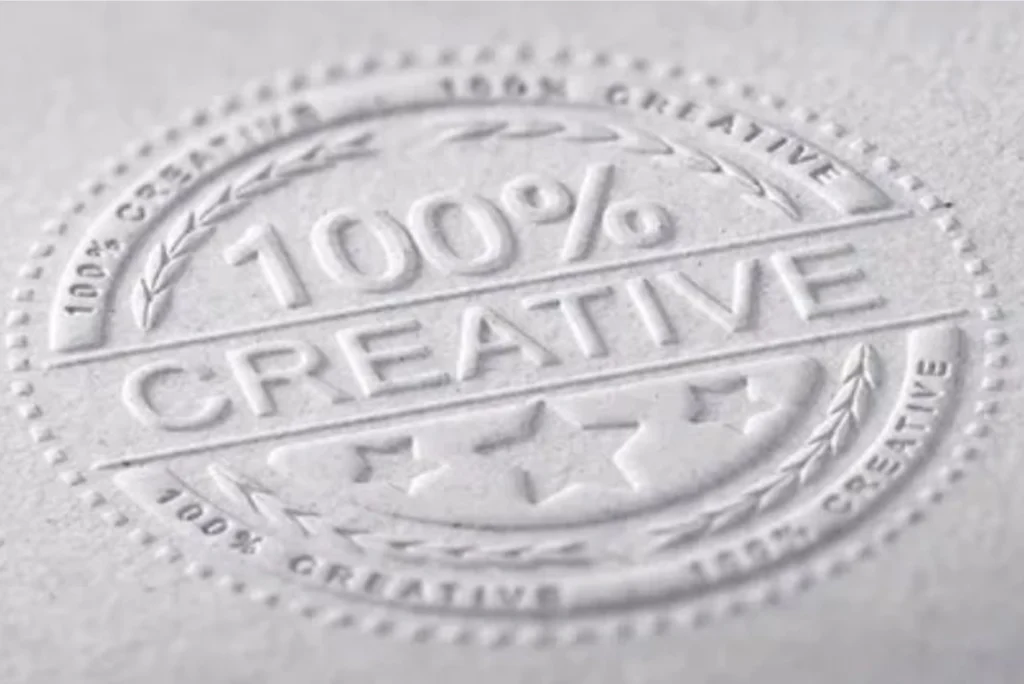
A technique that raises a design from the surface without ink or foil, giving packaging a clean, elegant, and textured appearance.
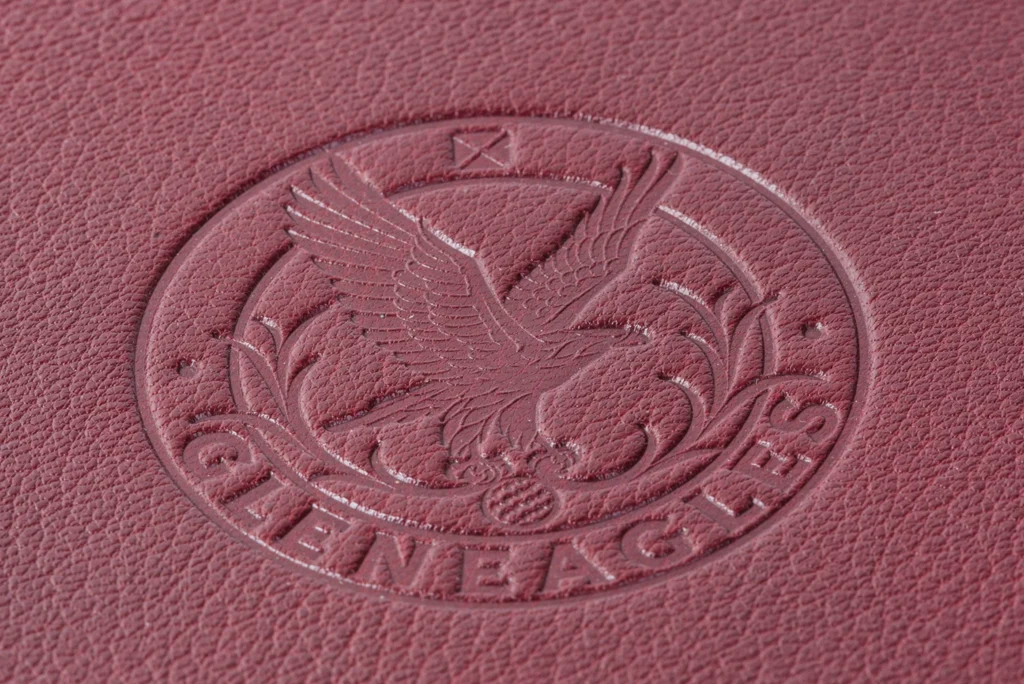
A finishing technique that presses a design into the material to create a recessed impression without using ink or foil. It adds subtle depth and a refined tactile effect.
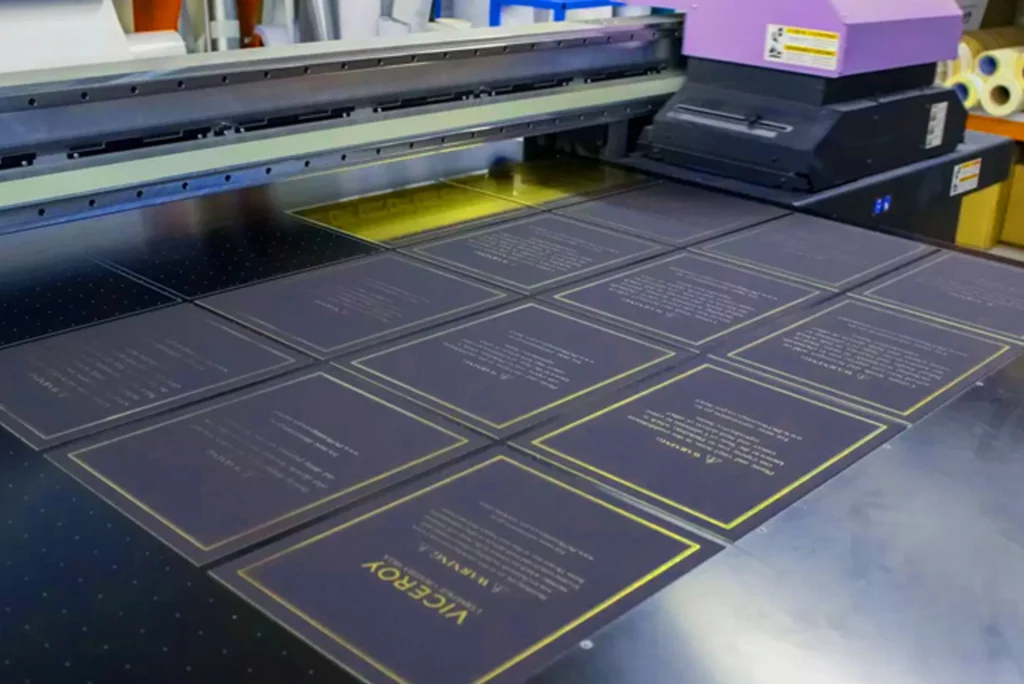
A fast-curing printing process that uses ultraviolet light to dry ink instantly, delivering sharp detail, vibrant colors, and a premium finish.
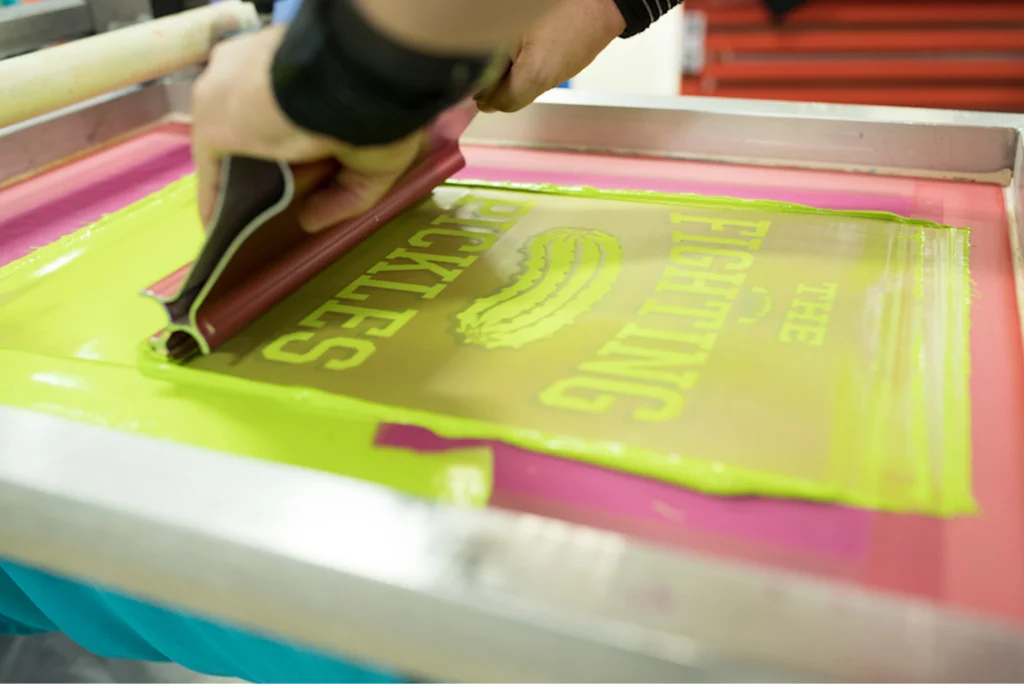
A durable printing method that uses a mesh screen and stencil to apply ink to surfaces. It is ideal for bold colors and high-impact packaging designs.
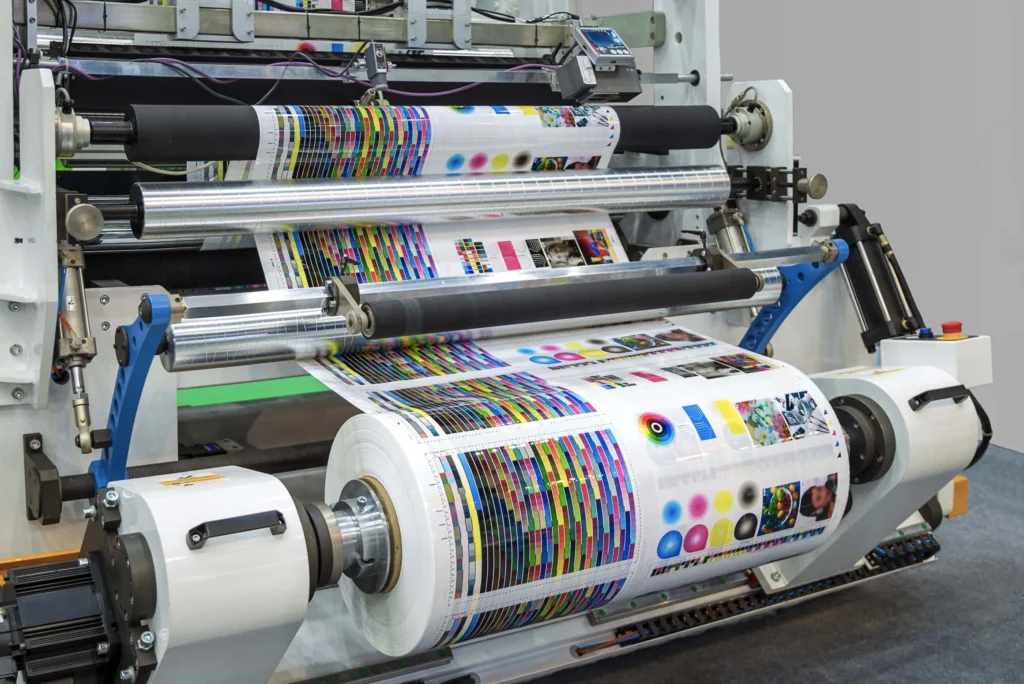
A traditional high-quality printing process that transfers designs from plates to a rubber blanket before printing, making it ideal for large-volume production.
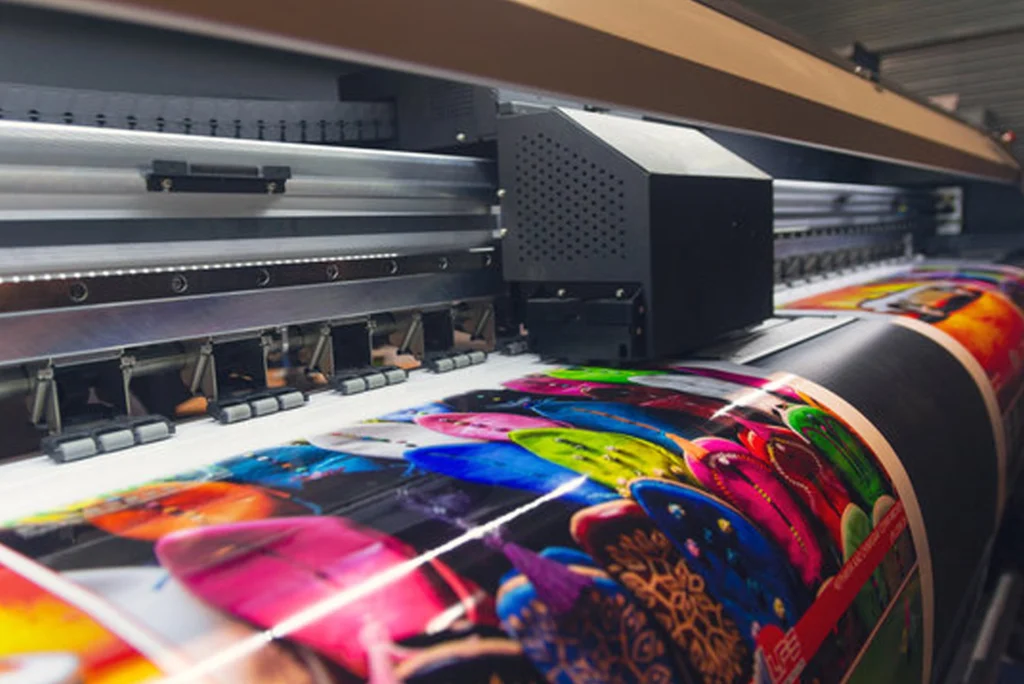
A modern printing method that does not require printing plates, making it cost-effective and efficient for short runs, sample production, and small-batch quantities.
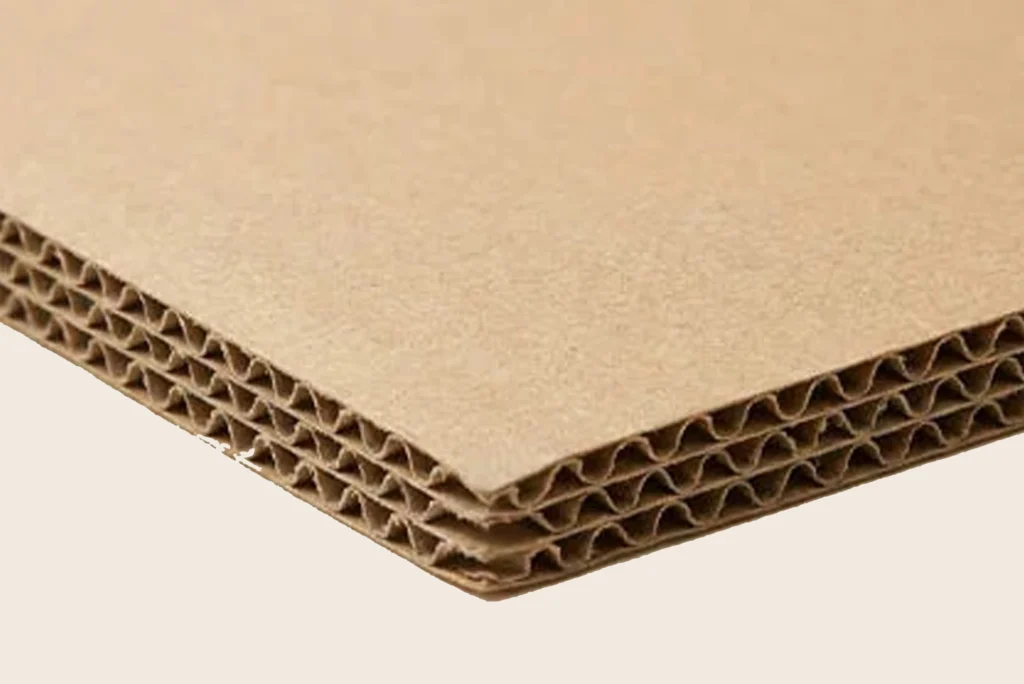
Built with three corrugated layers between four linerboard sheets, providing heavy-duty strength for large or industrial packaging needs.
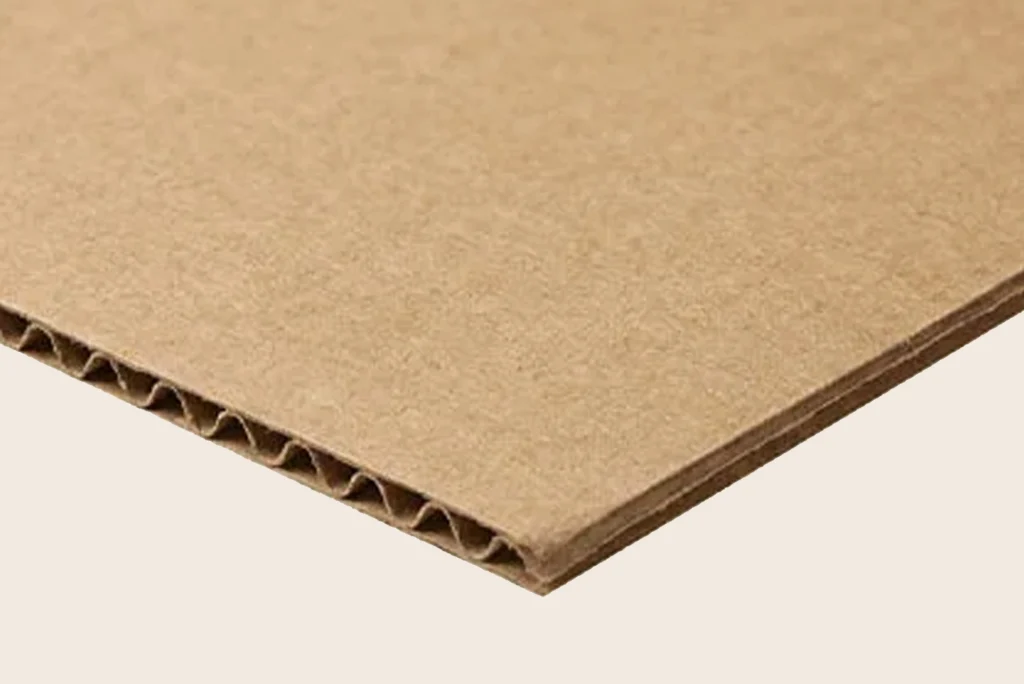
A standard corrugated structure with one fluted medium and two linerboards, providing dependable strength for everyday packaging.
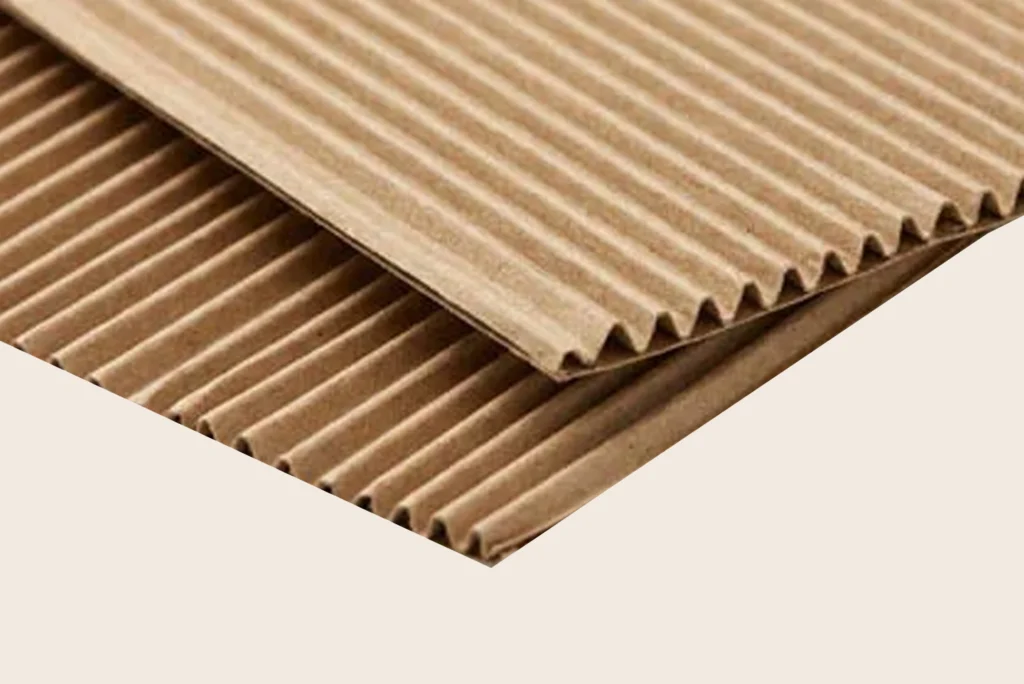
A corrugated sheet with one flute layer between two liners, offering lightweight strength for protective packaging.
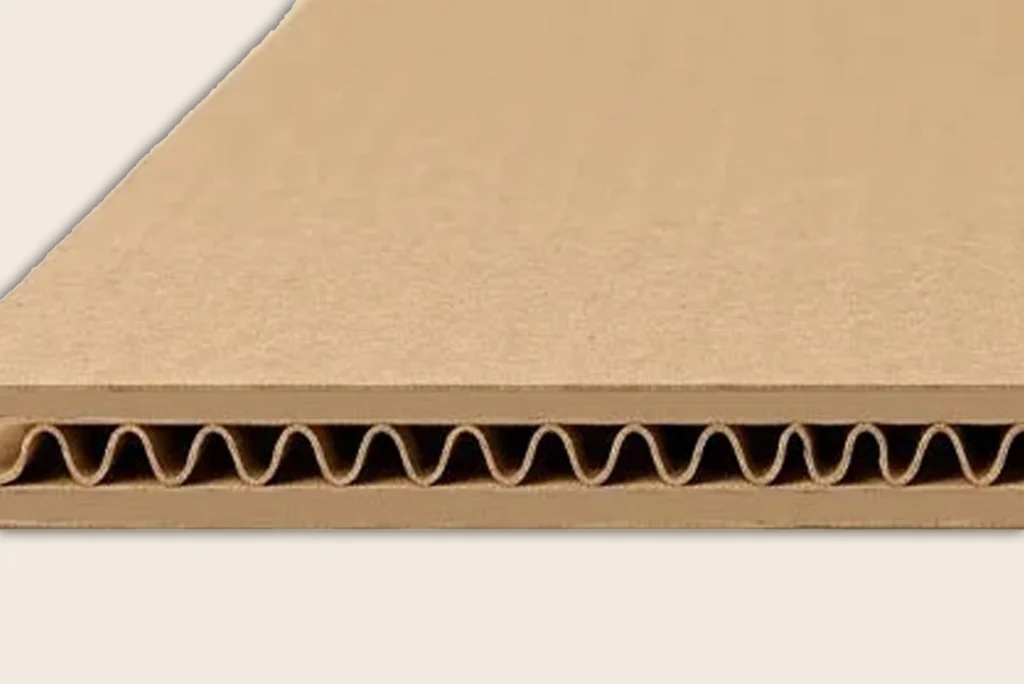
An ultra-thin flute grade designed for lightweight packaging, small retail boxes, and high-quality printed presentation.
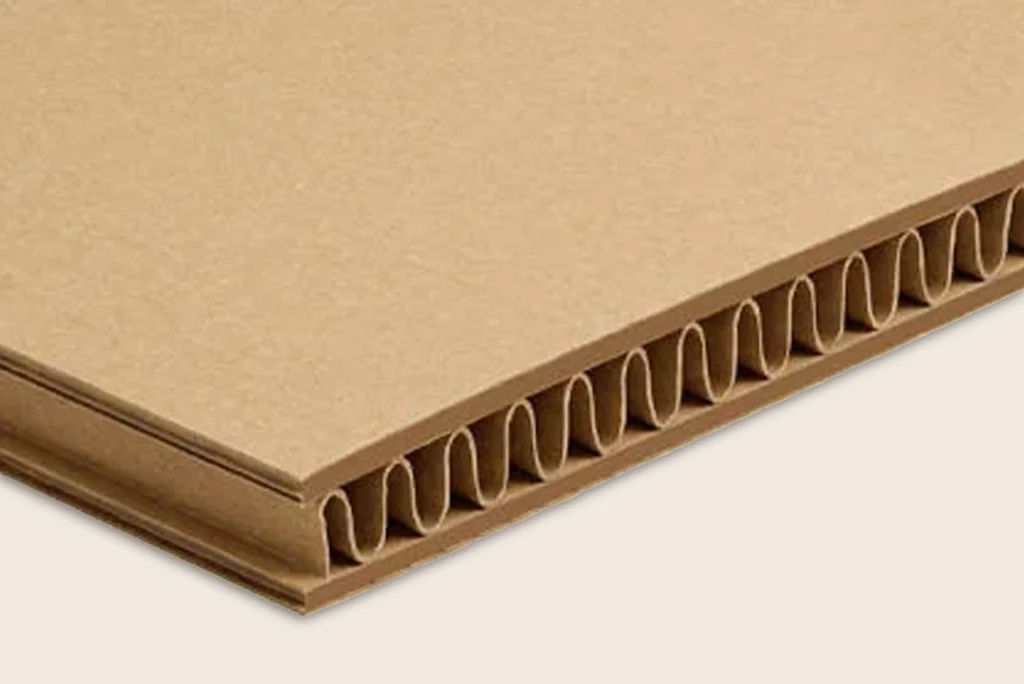
A slim flute grade with a flatter surface, ideal for detailed printing, display packaging, and premium retail boxes.
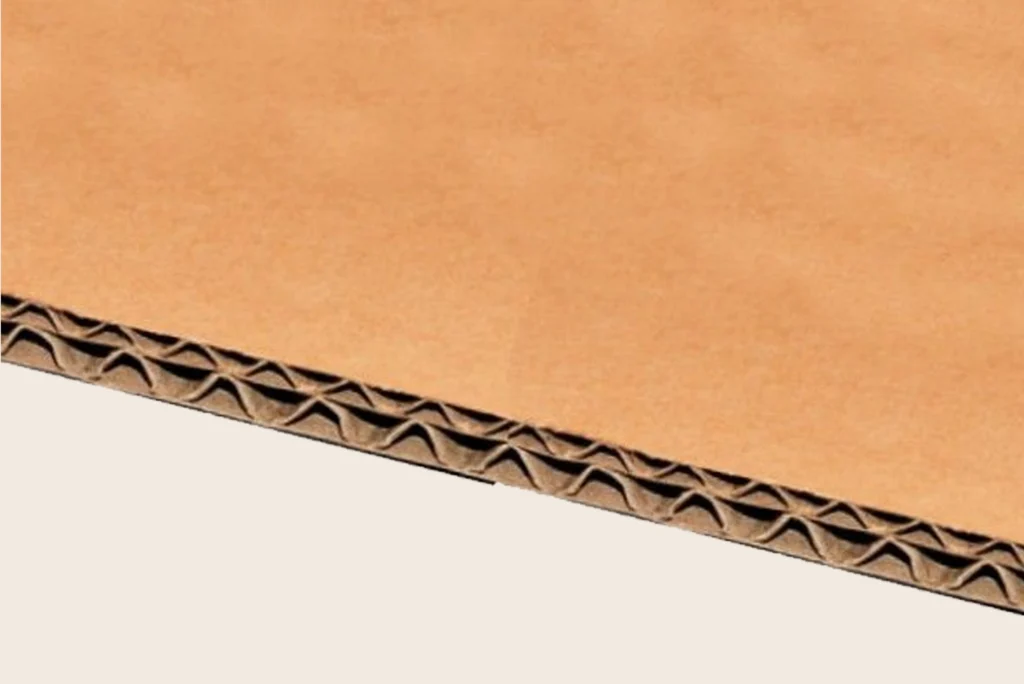
Made with two layers of corrugated medium between linerboard sheets, offering added strength and durability for heavier products.
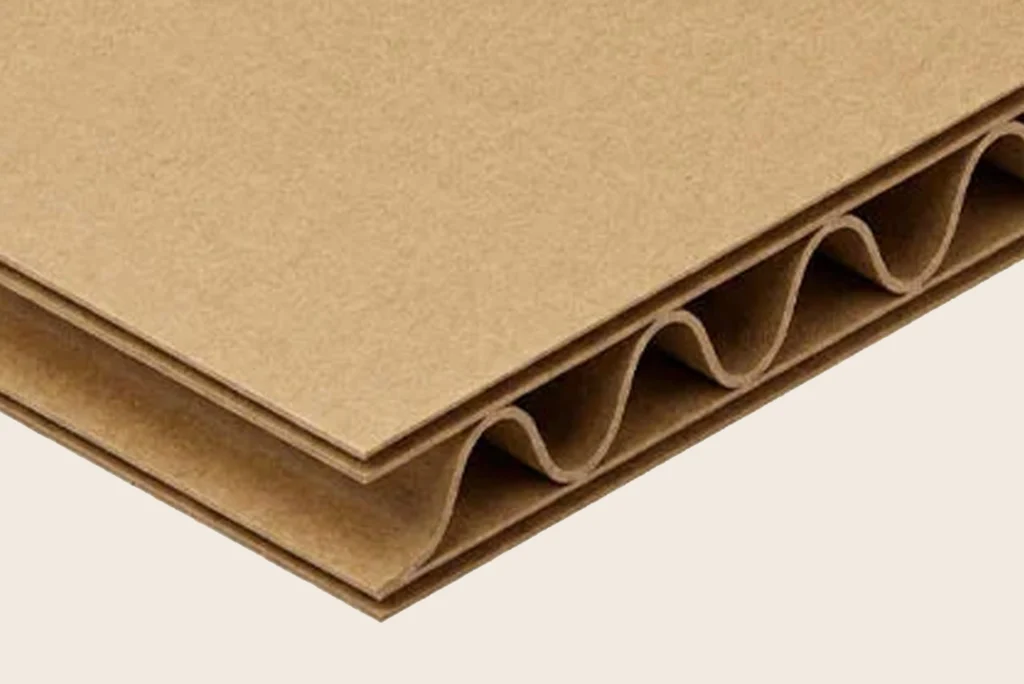
A versatile corrugated flute that offers balanced compression strength, cushioning, and printability for many packaging applications.
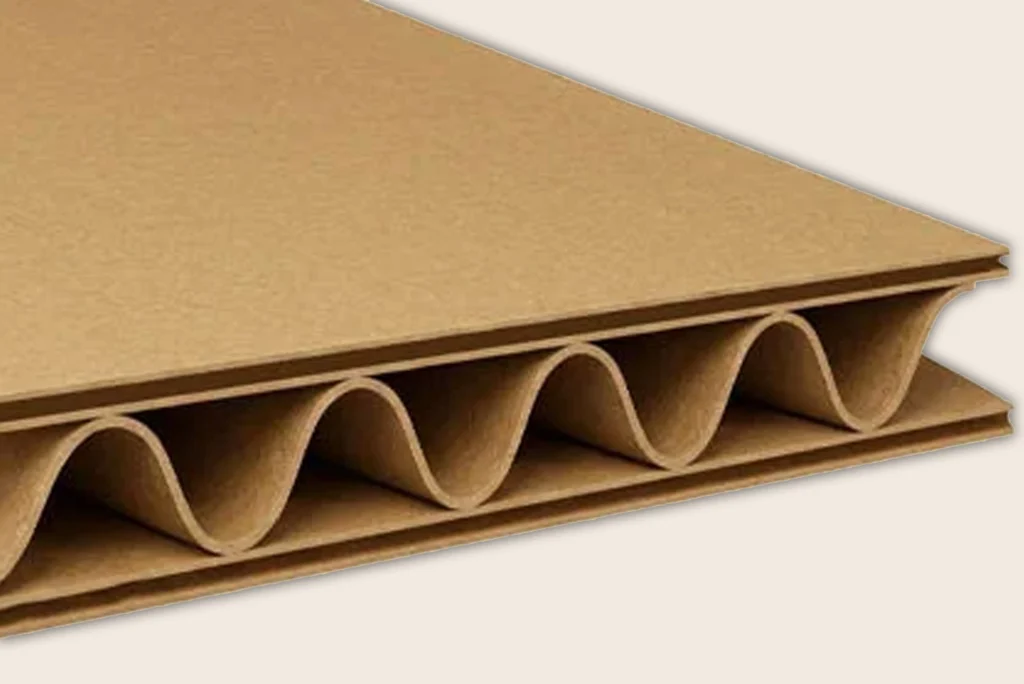
A thinner flute grade with a smooth surface, making it suitable for high-quality printing, precise die-cutting, and neat retail packaging.
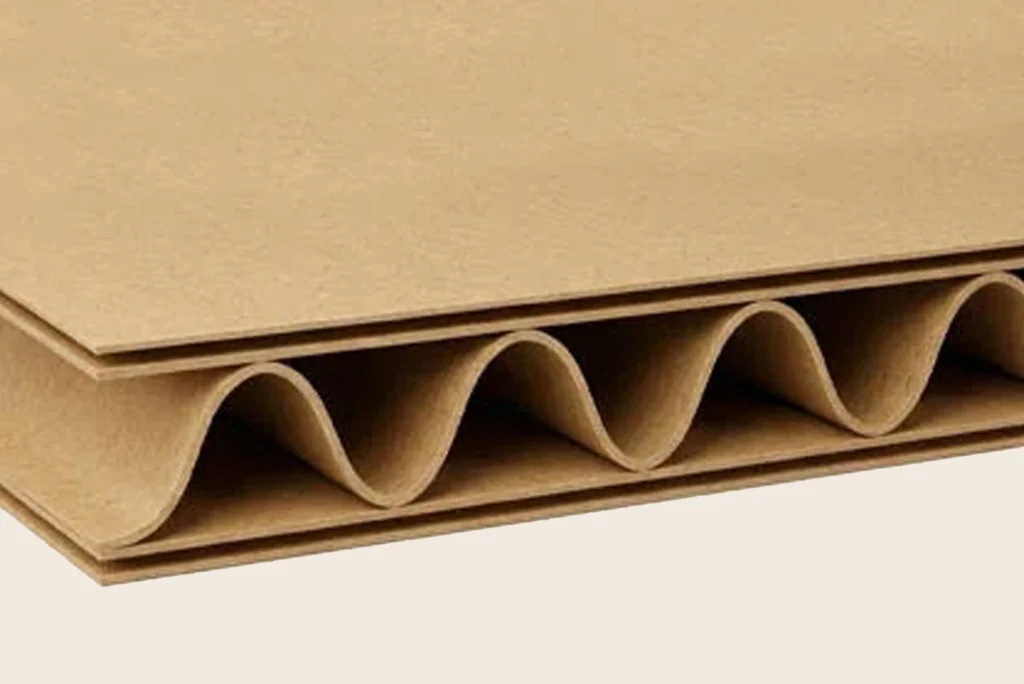
A thick corrugated flute profile that provides excellent cushioning, compression strength, and stacking support for protective packaging.
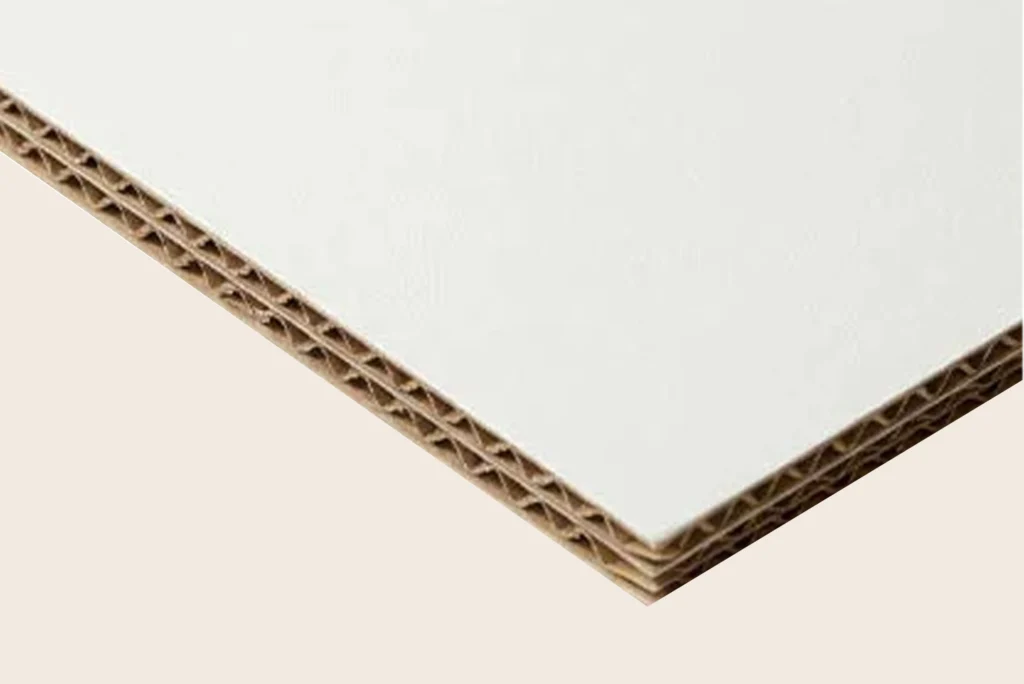
A coated linerboard with an off-white surface, suitable for high-quality printing and a refined packaging appearance.
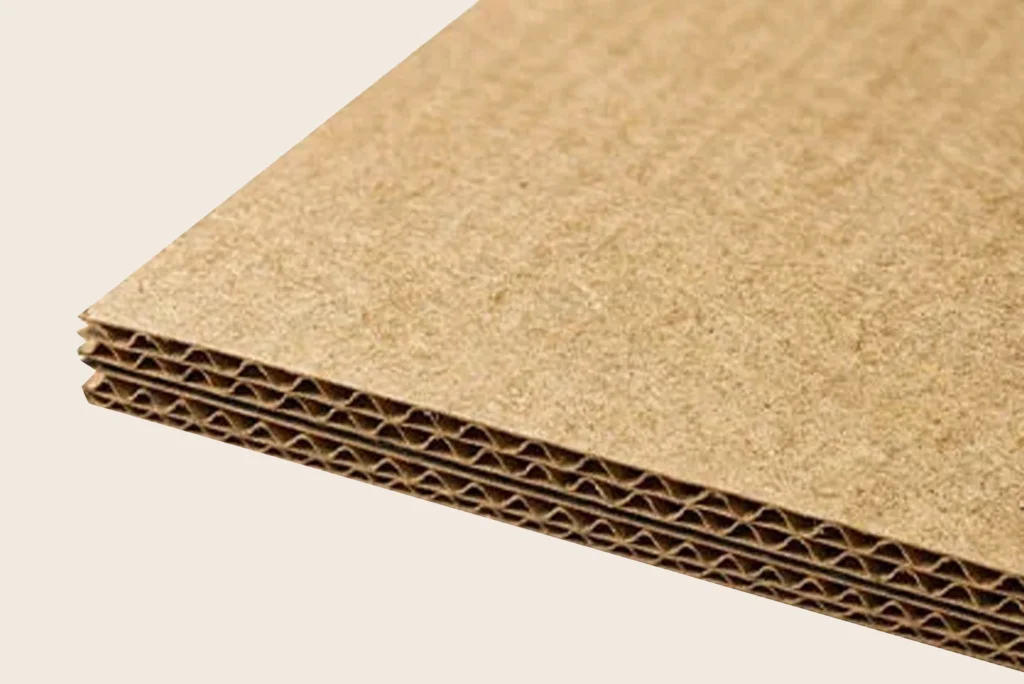
An unbleached kraft linerboard made from recycled paper pulp, offering a natural look with strong durability for eco-conscious packaging.
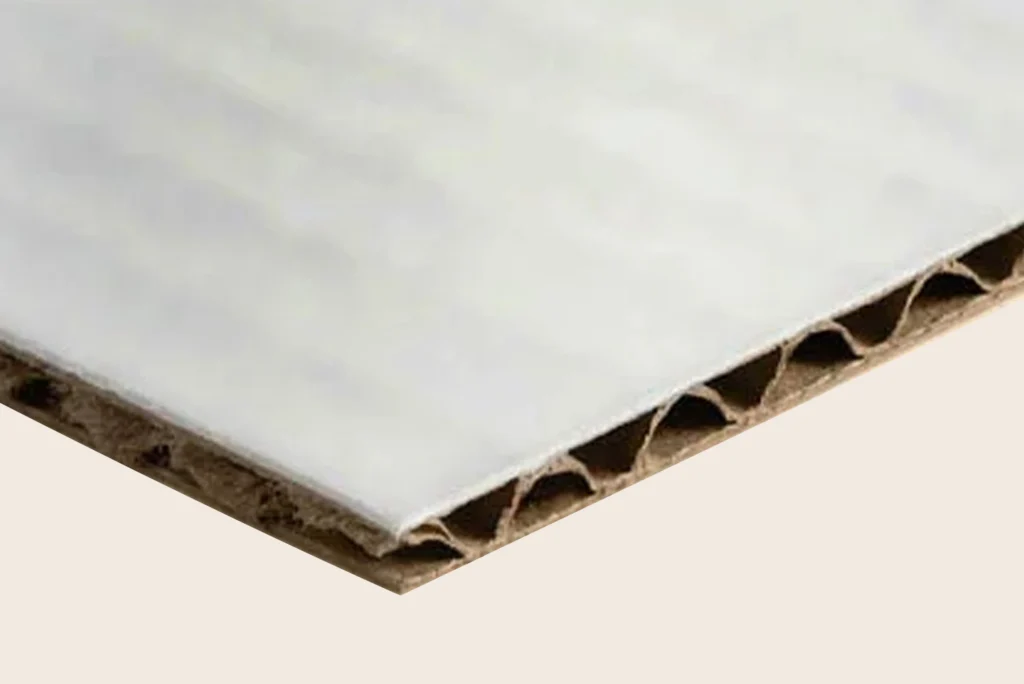
A coated semi-gloss linerboard with a smooth white surface, ideal for sharp printing, premium presentation, and retail-ready packaging.
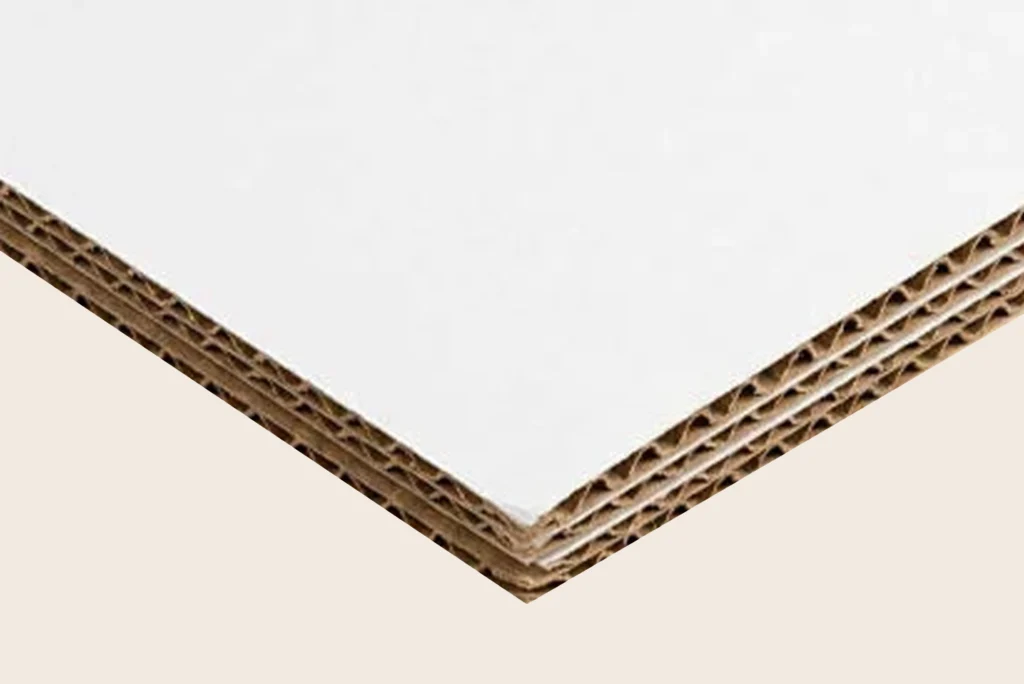
A fully bleached corrugated board with a bright white surface, designed to produce clean, vibrant, and high-quality printed packaging.
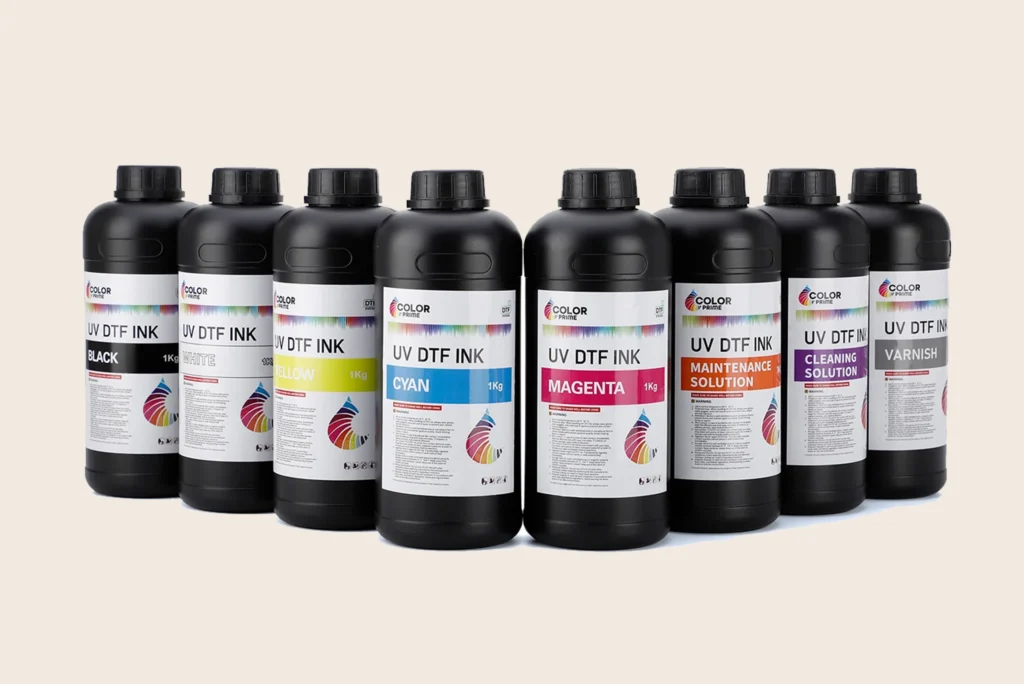
A UV-cured ink that dries instantly under ultraviolet light and creates crisp, high-quality print results on a wide range of packaging materials.
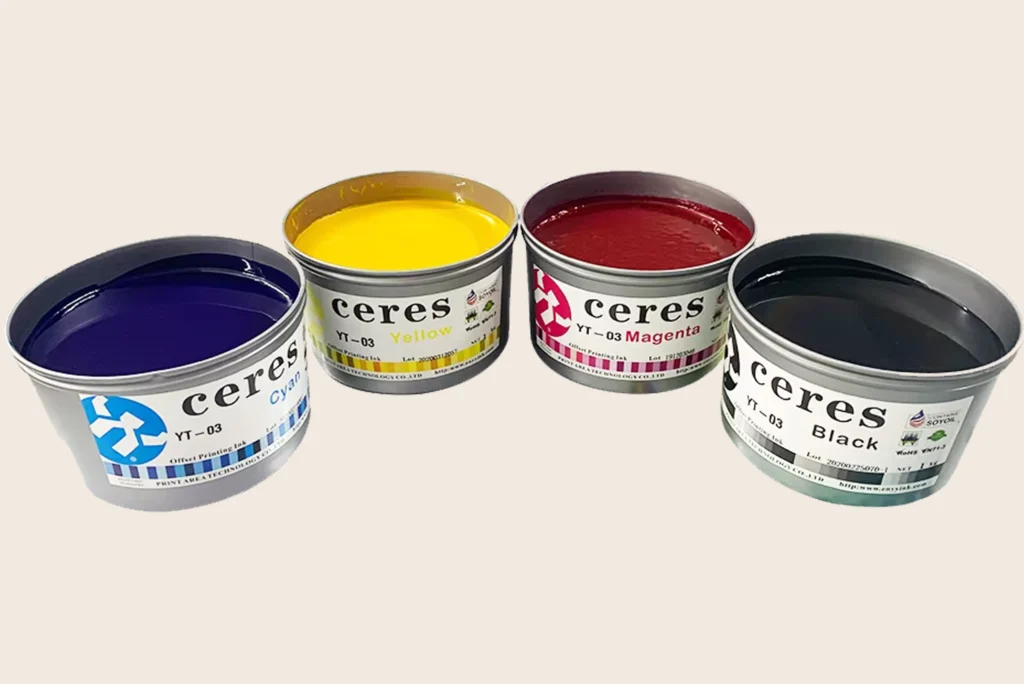
A plant-based ink made with soybean oil, offering rich color output and a more sustainable printing option for carton packaging.
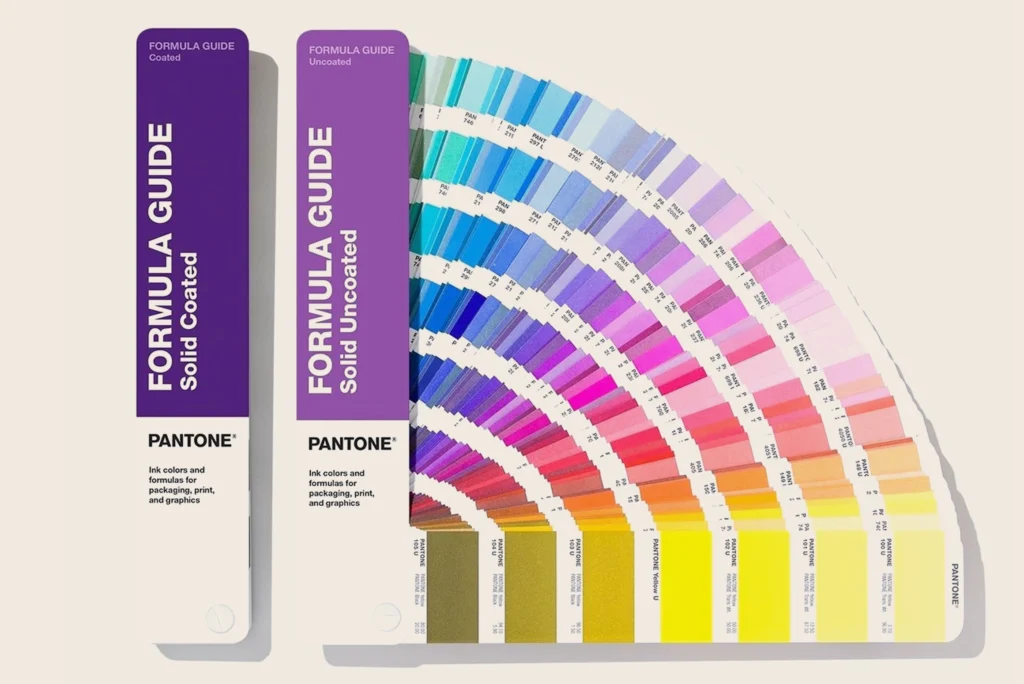
A standardized color-matching system used to achieve consistent, accurate brand colors across packaging, labels, and printed materials.

A full-color printing process using cyan, magenta, yellow, and black inks to create vibrant images, gradients, and detailed packaging artwork.
Real feedback from customers who trust us with their custom packaging.

Ness
Frank deserves a 5 start rating because he has been so patient, attentive and supportive from the beginning. He was very supportive through the whole process and helpful with the measurement of my product boxes. He has excellent communication, especially with the time difference. I recommend individuals starting a new company, that needs packaging done to work with individuals like Frank. I will be using ACP UK for future orders.
Ilana Gutierrez
Frank was my packaging specialist agent. He was extremely responsive, was always on top of my design process, and even reached out to me even before I even had the time to do so. He was patient throughout the process, as it took me a long time to get the final design ready to my liking. Even after delivery he checked on me to see if I had any feedback and to make sure I was happy with the final product.

Sally
Super quick and very easy communication. They also do the design mock up as well which was very important to us. Frank was great and kept me in the loop through production and delivery. Would deff order from them again!
Helen Mitsiou
Fantastic customer service from Frank. He was friendly, responsive and took the time to understand exactly what I was looking for. A pleasure to deal with, and I really appreciate all of his help. Thank you!
Fallon Dyle
Thomas and Frank were extremely easy to work with. They maintained communication with me throughout our project together and the end result was great quality boxes with everything we needed. Thank you for the excellent customer service and we look forward to working together again.
Sabine Kelly
Great experience and great product. Daniel communication was prompt and clear. Production was able to work with my tight timeline and I received my packaging with time to spare. The boxes themselves look excellent and are great quality. Thank you!
Dion Lassiter
These guys are awesome! Many delt with Daniel and he was beyond helpful! Would definitely refer anyone to use these guys. A1 customer service and A1 product. All Custom Packaging UK is the best.!!
Emily
The Mylar bags look professional and feel strong. The printing came out clear, and the resealable finish is very practical.
Jasmin El Kordi
Daniel has been taking care of our skincare brand's product boxes, as well as our mailer boxes. He is wonderful to work with - always provides fast turn around on quotes, ensures our designs are correct, and provides us updates. His products are excellent quality and very fairly priced. Highly recommend him!!
Tin Tin
I have used ACP UK multiple times to deliver packages from sites without their own delivery methods. Each and every time has been nothing but positive. Fast delivery, products always in good condition. Nothing but praise!
D Hines
First, I'd like to say, sorry for the long delay with getting this written. My experience dealing with All Custom Packaging UK and Frank has been fantastic. He has really taken the time to work with me on my crazy request and demands. Frank has been great and I am a satisfied customer. I look forward to dealing with ACP UK and Frank in the near future! Russell Hines.
Steve
All Custom Packaging UK has been an amazing company to work with! I reached out to ACP UK a couple of years ago to get some boxes made for our product and they turned out great. We have been coming to ACP UK for all of our box needs since. Maryann has also been a pleasure to work with. The shipping is also incredibly fast. We typically have any order after proof approval within 10 business days or less.
Akena Mitchell
I ordered soap boxes for my company, & Frank did such a great job of helping me make my vision a reality! My boxes are beautiful! They do excellent work, and it was a pleasure working with Frank! I highly recommend them, and will be back for future purchases!! Thank you!!
DMarcques Brown
Excellent service. The previous printing company was not able to meet my needs. This company did a wonderful job with my cologne boxes to help achieve the vision and design I provided. Will be back for more business.
Nick
That is a great company with an awesome customer service and dedicated approach to each client. The rep I deal with - Frank is very helpful and patient. With all his efforts we've got the desired result and quality!
Definitely recommended!
Ren
This was the first time I had a custom box made and Daniel made it a pleasant, efficient experience. He was patient with all my demands and also had me speak directly with one of the designers to made sure everything was specific as possible for the final outcome. Additionally, there was a major delay on my end and Daniel was very patient, even though the project was one hold for a few months. The result are professional, impressive, quality boxes which displays our product perfectly. I'm eager to continue working with All Custom Packaging UK for additional projects in the future.
Belinda Blanding-Ray
I’ve had nothing but great experiences with ACP UK. Frank has been very professional and always keeps me updated on my orders and responds quickly to my emails. The boxes that were designed for me were done just as requested and were of good quality. I am very pleased with both the service and the product. I look forward to continue doing business with them.
Katie
I have really enjoyed my experience working with Thomas at All Custom Packaging UK on getting our two packaging projects done exactly to our specifications. I really appreciated his patience and quick follow-up on the many design revisions we made to get the boxes just right for our products. In the end both boxes were beautiful, sturdy and delivered to us just in time for our holiday release! Thank you so much again Thomas for making this process easy for our company! I would 100% recommend working with Thomas and All Custom Packaging for all of your packaging needs.
Deise Santos
Thomas and Daniel have been extremely professional and have handled all my issues, with grace and patience.I recently order some bath bombs boxes and after addressing some minor issues they presented me with a beautiful product, I will be ordering future bath bombs boxes from them.
Quanda Bee
Excellent Customer Service. Daniel is Awesome for help me custom my product. He is hand on with providing everything I needed to make sure I get the best experience in creating my product. Thanks Daniel you ROCK!!!!
Mikey Jesse Barrera
Frank do an amazing job, the packaging was much better than we expected, and for the price it was stellar! The best part was Frank kept up with us ensuring what stages of print we were in and also when it was shipped tracking was provided promptly!
Binz
Cannot beat this level of customer service and dedication. My team was on a very tight deadline for the ask and our Sales Executive made it happen on time and within budget.
Courtney Brown
The boxes I ordered came out AMAZING! I can’t say enough good things about them. They were everything I wanted and more. Completely customized and perfect for the idea I had. Thomas was a terrific representative! He was helpful every step of the way, asking creative questions and answering all of mine.
Nomeka
Daniel was fantastic to work with - quick and responsive. Our 500 boxes came 1 full week before our guaranteed delivery date, and they look fantastic. Will definitely be using again!
Robert Wilson
The apparel boxes are stylish, durable and perfectly sized for our clothing range. Our branding looks clean and professional.
Noel Gaskin
My sales associate did all the heavy lifting. Daniel patiently walked me through the process and remained responsive to the end. The result and finished product were labels and external packaging that our customers love.
Jess
The packaging from All Custom Packaging UK is exceptional! Daniel took a proactive approach, ensuring the order was successfully executed within a tight shipping timeframe. Much to our delight, the pizza boxes were delivered ahead of the estimated delivery time. The quality of both the printing and the boxes themselves was truly impressive.
Eoin B
Excellent customer service and products.
From my initial enquiry, right up to the delivered product Frank kept me up to date all along the way.
I knew I was dealing with professionals!The ordering was easy and even though it was a custom product I had a proof within days. The final product arrived right on schedule.
I will definitely be ordering again soon.
Thank you.
Sylvia Sepulveda
Thomas was great to work with. Answered all of my questions and I received my customized boxes faster than expected! Thank you! I will be returning soon.
Lori Eaton
It only got better from there because Frank was super quick to respond, and he knows his stuff! I'm sure he is a valuable employee! He was a great help to me by sending images right in chat. He made me realize how wonderful ACP UK is. I am still amazed at the number of products they offer. They have everything. Plus free shipping, 24/7 online support, no die & plate charges, and free design support. OMGosh!
Mooiz Khan
I had the pleasure of working with Daniel. Over the last 6 months Daniel and I have been working on the launch of my new product. He has treated me with the upmost respect and has been helpful in every aspect. If any of you don’t know what to do or who to ask. Go to the chat box and ask for Daniel!
Max Kempski
Thomas took care of my business and was very accommodating. I ordered custom boxes and they turned out perfect. I highly recommend ACP UK to anyone as they truly care for their clients and offer the best prices.
Doris
Daniel made the process seamless. He was responsive to my emails and calls, ensuring timely communication. I ordered perfume boxes, and after providing the bottle and top measurements, he promptly sent me a template for my artwork. The box fits my bottle perfectly, and the final product looks high-end, elegant, and beautifully crafted.
Cory Sweitzer
wonderful service from a company that went beyond expectation to help my project get up and running smoothly. My sales rep, Daniel, and the design team at ACP UK made sure to have every detail in place and gave me a quote other companies could not touch! Lead times were accurate and updates for shipping were by far the most stellar i have yet to see. Thanks a million!
MIKEY
All Custom Packaging UK is the best printer I have ever dealt with, and Daniel is fantastic too!! He is a legend; he goes above and beyond for all my customers. The quality is stunning, no matter what material we choose. Holographic is my favorite so far, allowing my designs to to blow the socks off anyone that comes into contact with it!!! Thank you!! HIGHLY RECOMMEND! I WILL REFER EVERY CUSTOMER I HAVE!!!
Ashley F
Amazing quality boxes!! Service was great, always prompt replies with Thomas and a really enjoyable customer experience. Thanks also to your design team and fast delivery - it all came together as we hoped! I'll be making recommendations to friends of your services & am already planning my next order. Thank you!
Amiya Turks
Daniel helped me with everything and worked diligently to make sure that all the small details I wanted done were perfect. I most definitely will be a shopping again.
Toogii Khurmast
Worked with Thomas from ACP UK. They are super responsive and has been very helpful with our custom packaging order. Would def continue using their services.
Kim Houston-Harris
i have been in business for 5 years and always thought it would be to expensive to have small batch boxes made. Surprise Surprise, a member from my soap facebook group recommended All Custom Packaging UK with a positive review so I gave them a try and a star was born. I felt heard and taken care of along the whole process. I needed my boxes for Mothers Day orders and they made it happen. I'm happy and impressed by the quality.
Vanessa F.
We've been working with Frank at ACP UK for the past few years to produce the boxes for our nonprofit card game, and we've been consistently impressed. Frank is always friendly, professional, and quick to respond, which makes the process smooth from start to finish. The quality of the boxes is great, pricing is very reasonable, and customer service has always been excellent. We continue to do business with them and highly recommend their team!
Desiree Greene
Thomas provided us with quick responses and strong communication. All Custom Packaging UK is very thorough with multiple design confirmations before production to ensure your finished product is just how you want it to be. Lots of pictures and videos of our product were sent to us before it arrived too! All Custom Packaging UK has flexible shipping options that allowed us to receive our good-quality boxes before a deadline and made the process less stressful.
9Point10
Great result: the boxes look really good and delivery was exceptionally fast. There was a little confusion about colors in the beginning but it all got resolved :)
Jake
ACP UK were excellent to work with! Daniel worked with me throughout the process to ensure we received the result we wanted. Communication was excellent and I cant recommend them enough.
Seema Iyer
I worked with Frank on an order of custom soap boxes for my company. He was extremely professional, patient and helpful during the entire process. The boxes turned out beautifully and as described. I'll definitely continue to work with ACP UK.
Susan Harrison
I needed something that was both a good shipping box and something to hold the items I sell. It’s so sleek and can fit anywhere from 1-3 of my items. I love that I don’t have to buy a bunch of different sized boxes. it’s the perfect size. It was so easy to assemble once I figured it out. Im shocked how sturdy it feels. I will be adding tape on it before I ship them just incase they unfold. I will definitely order another case of these boxes as these come out to less.
Mary Connolly
Professional, high quality, and best priced. I love working with ACP UK. I just love being able to trust, everything will come out right. I would leave more stars if I could.
JL Aronson
I loved the options and thought the solution we came up with was brilliant. A slide box for a gift thumb drive of irregular shape. Daniel was my rep. Very helpful!
Shanik Murthy
From the very beginning the team has been nothing but helpful and responsive when it came to my inquiries. Cant thank them enough for all the time and effort they put in to help make the process easier for me! Thank you to Thomas and Daniel specifically!
Kayla Aldridge
Daniel was incredible! He was always prompt to email me back, he even called me when I didn't reply. He helped me create the exact box that I was looking for and I couldn't be more happy! Thank you for all of your hard work and great communication! I will order again when I need more!
Ashley Andrews
Our skincare company and a sister supplement company have used ACP UK for all of our product boxes for a year now. We are thrilled with the quality of the boxes as well as the responsiveness of the sales and customer service teams. I can't recommend them enough!
Jonathan Gilbey
From star to finish of my project communication was excellent. The product was shiped and arrived in a timely manner and was an excellent quality would definitely use a again
Guest
First time working with ACP UK, but surprisingly worked out well. They handled the design and I believe I got the packages under 10 days, both times, as promised. I ordered a prototype first, asked them to make changes, and all was implemented well. I've also worked with another company in parallel, that was much slower. The price here is better as well. I don't know where the team operates from but they are doing excellent job!
Derek Gill
Been working with Daniel on my boxes for our soaps and bath bombs. We just received our boxes for the soaps and the quality is five star. Daniel has been on top of his game and even caught a mistake in our spelling I highly recommend this company and will be using them For all our future orders.
Luca Stallings
We’ve ordered posters from this company multiple times. When the first shipment showed up damaged, they not only replaced every damaged poster, they made sure to update their packaging method to ensure safe delivery the second time. We’re now using them for our next project, and our rep Daniel has been incredibly helpful as usual. If you’re looking for a new print provider, please use these guys!
Josh
Needed someone to make me some custom branded Easter egg boxes for my business so I contacted rob and found the whole process very satisfying. Received impressive design of how the boxes would look, paid my invoice, received full order within 10 days. Will definitely use again.
Steven S
My organization has been working with Thomas for few years and we are consistently met with fantastic quality and service. Thomas is attentive to our questions, offers advice, and always finds a way to deliver an impressive product. Thomas is one of my favorite vendors to work with and I look forward to working together in the future.
Ron Livny
I found All Custom Packaging UK by accident, without any prior recommendation, and I was surprised by the experience. They have been very responsive, fast, and professional throughout the process. I would gladly recommend them.
Andras
Other than a few miscommunication throughout the ordering process I had a great experience with this company. They are helpful and making sure that you get what you ordered. However, most importantly the product is good quality and they made sure that it is packaged well so it doesn't get damaged during shipping. I would definitely recommend this company.
Jenifer Tracy
We received the boxes we ordered and they look GREAT! They also came ahead of schedule and I wanted to say a big thank you to Mr Frank from All Custom Packaging UK for your patience throughout the project.
Libby Brodeur
The sales associate I worked with was fabulous. Always quick to respond and helped me problem solve our design. The folders I ordered are lovely and exactly what I had envisioned. I would definitely recommend using All Custom Packaging UK.
SANDRA SMITH
This is the first time I have used this company, Thomas assisted me with answering queries and the design of the personalised boxes I was after. Thomas was helpful and knowledgeable and very accommodating in changing design details, always responding quickly with a new version to review. Thomas is very eager to help make sure your packaging is right for you. Sometimes a little too eager chasing for decisions but at least you know someone is handling your enquiry and its not sitting on the bottom of a pile being ignored as I've had experience of elsewhere.
Product takes about 3 weeks to be delivered so can't comment on actual product as yet.
Faith Guanga
We are very pleased with our packaging design! It was great working with Daniel, I almost didn't work with ACP UK because of their pricing but Daniel went out of his way to try and negotiate prices with the sales department to fit our budget and offered us more budget-friendly packaging options as alternatives. Very responsive to my emails and made sure that our designs were how we wanted them! I look forward to working with them again soon!
DPHG LLC
Frank was responsive and helpful. ACP UK helped us meet our budget and delivered our order ahead of schedule. Very pleased with the product as well as the customer service. Will use their services again.
Suni Woolstenhulme
Best customer service! Daniel was great to help me keep the process moving in order for me to meet my business deadlines. He made sure I knew exactly what the boxes would look like and samples were received promptly. I liked the quality of the boxes for the price so much that I added a bunch of labels to the order as well. It has definitely improved the look of packaging in my store.
Michale Anderson
The food boxes are sturdy, neatly printed and easy to assemble. They have made our takeaway presentation look much more professional.
Douglas Graves
We hired All Custom Packaging UK to design several of our product boxes & labeling and what a great decision that turned out to be not only did they provide great service they produced amazing products for our company. Great service with great people that are more than happy to help you along the way. We highly recommend using there service for all your packaging and labeling needs.
sue
Thank you so much, i received my order in timely manner, and Frank was so helpful in assisting me through the process of my order. I ordered small boxes for my product. I loved the printing quality of the box, and will be ordering some more boxes again.
Jessica Daniel
The rigid boxes feel luxurious and very well made. They have added real value to the presentation of our products.
Karen Vasquez Marin
We needed a personalized box, and Frank was really helpful in making this project a reality. The boxes arrived on time, the design was exactly what we wanted, and the quality is also great. Thanks, Frank, for helping us.
Ben Simmons
All Custom Packaging UK, especially Thomas was an excellent decision. I went from not knowing what I wanted to go with to understanding all of my options and placing an order very quickly. The product arrived quickly and was exactly what I was looking for. Cannot recommend All Custom Packaging enough.
Clear answers about ordering, artwork, production, materials and delivery.
Orders start from 100 units. Standard production takes 6 to 8 business days after approval.
Count it in. A next-day service that misses the last van adds twelve hours or more in a depot, and the box does not know the difference. Specify against the longest journey a parcel on your route is likely to take, and pack the coolant for that, so the ordinary delivery arrives with margin to spare.
The printed outer is the same carton either way. What changes is the construction inside it and the coolant. Frozen goods usually travel with dry ice or a deep-frozen pack, chilled goods with gel packs, and a construction for frozen use is confirmed for that use before it is specified. Tell us which you ship, or that you ship both, and the specification follows.
An unlaminated paperboard construction may be easier to process through suitable paper-recycling streams than a heavily laminated alternative. A paper-fibre liner recycles with the board; a foil or foam liner is a different material and goes its own way. Final recyclability depends on the full material and finishing specification and the facilities available locally.