Varnish
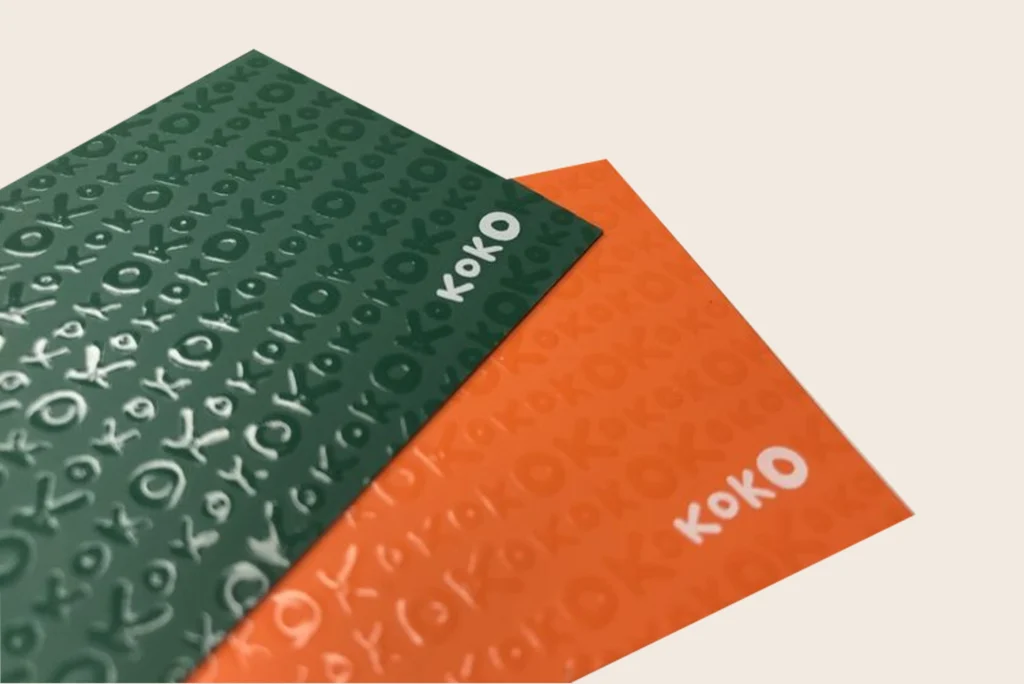
A transparent finishing layer available in gloss, satin, or matte effects. It enhances the printed surface and adds an extra layer of visual appeal and light protection.
White Product Boxes give a clean, neutral board base for full-colour print or a minimalist design, without kraft's natural tint to work around. Orders start from 100 units.
White board reads as clean and neutral. That neutrality carries a real risk most colour choices don’t. It’s also what genuinely blank, unprinted packaging looks like.
A kraft box left mostly undesigned still reads as a packaging choice, since the natural tan tone does something visually even with minimal print on it. A white box left the same way can read as anonymous stock rather than a considered brand decision, because plain white is also the default appearance of genuinely unprinted packaging. The point isn’t to avoid white. It’s to put something deliberate on it: a logo placed with intent, a colour block, a pattern, even a restrained one, so the box reads as designed rather than simply left blank. A buyer actually after unprinted stock, ready to go as-is, is better served by Blank Product Boxes than by ordering white and leaving it plain by default.
Choosing white board is a colour specification. Choosing a heavier, rigid construction is a structural one, and the two get conflated by a buyer searching for “white boxes” who is really after the weight and feel of a premium unboxing rather than the colour itself. A folding carton in white board is genuinely lighter and more economical than a rigid equivalent, and it prints just as cleanly. Where the heft in the hand matters as much as the colour, Rigid Boxes is the honest place to specify that separately, rather than assuming a white folding carton delivers the same feel.
Pantone references and CMYK values can be used to manage colour consistency, subject to normal variation caused by the chosen board, ink, coating and production method. Matt and gloss lamination, foil stamping, embossing, debossing and spot UV are all available, subject to specification. Design support is free. A digital 3D mock-up is free. Orders start from 100 units. Standard production takes 6 to 8 business days after approval. UK delivery is free. There are no setup fees.
Where the open question is the shape itself rather than the board colour, Different Shape Boxes works through that decision instead.
| Box Style | All Custom Packaging |
| Dimension | All Custom Sizes & Shapes |
| Quantities | 100-unit minimum order |
| Paper Stock | Kraft, corrugated, rigid board, cardstock |
| Printing | CMYK, Pantone, digital and offset |
| Finishing | Gloss, matte, spot UV, embossing, foiling |
| Shipping | Free delivery options |
Choose from premium coating, board, printing and finishing options for your insert boxes.
A transparent finishing layer available in gloss, satin, or matte effects. It enhances the printed surface and adds an extra layer of visual appeal and light protection.
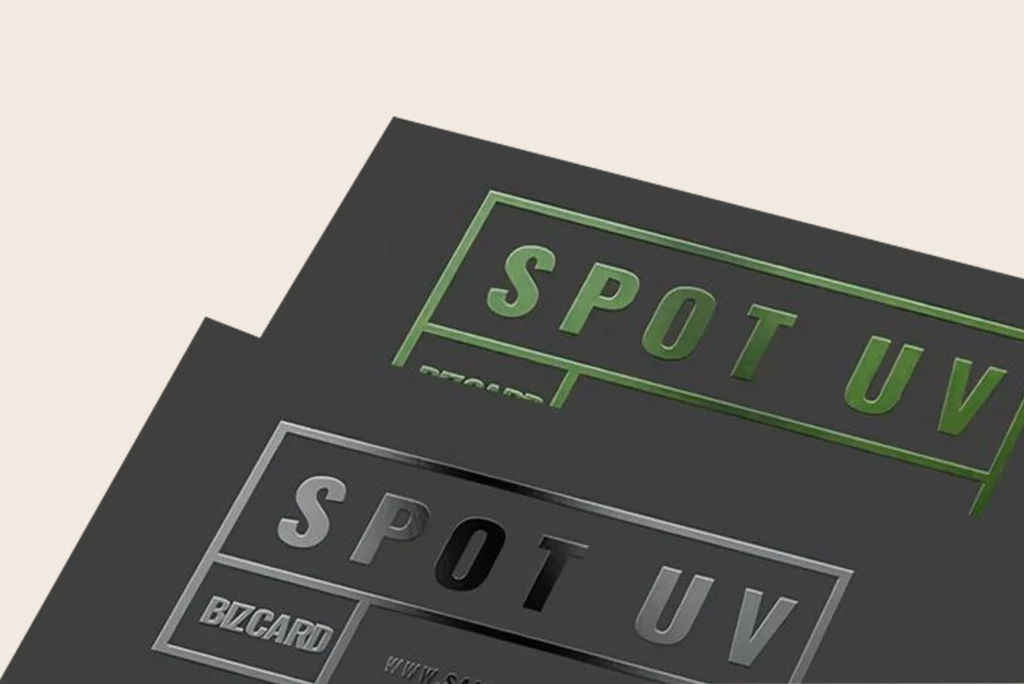
A UV-cured coating applied to specific areas of the design to create gloss or matte contrast and draw attention to important details.
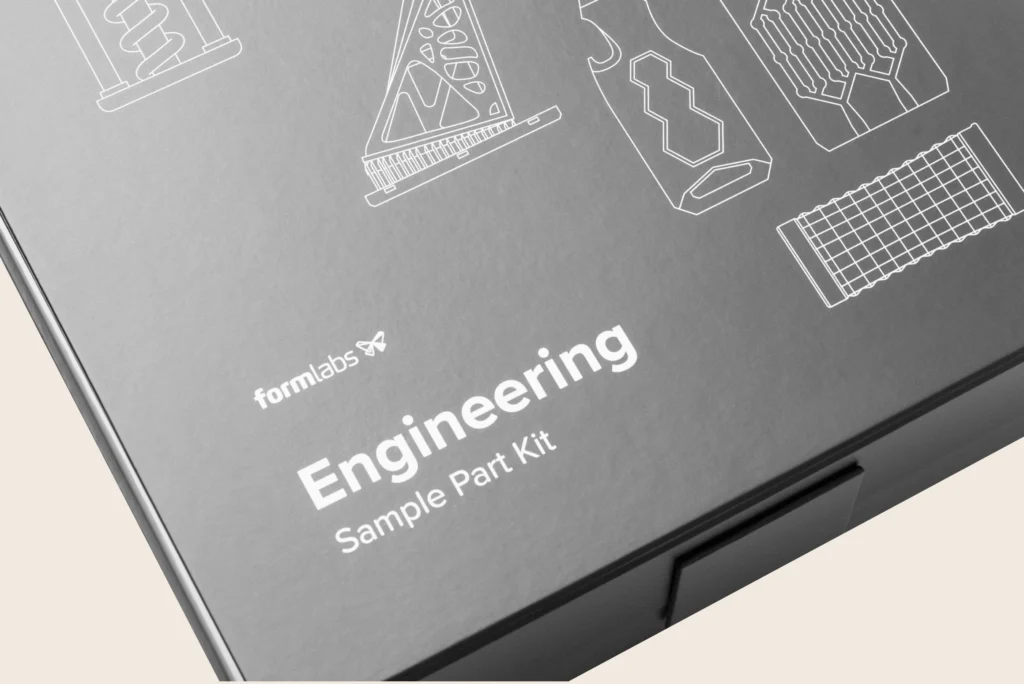
A smooth, velvety coating that creates a soft tactile feel and gives packaging a refined luxury look. It improves the unboxing experience and supports a high-end product presentation.
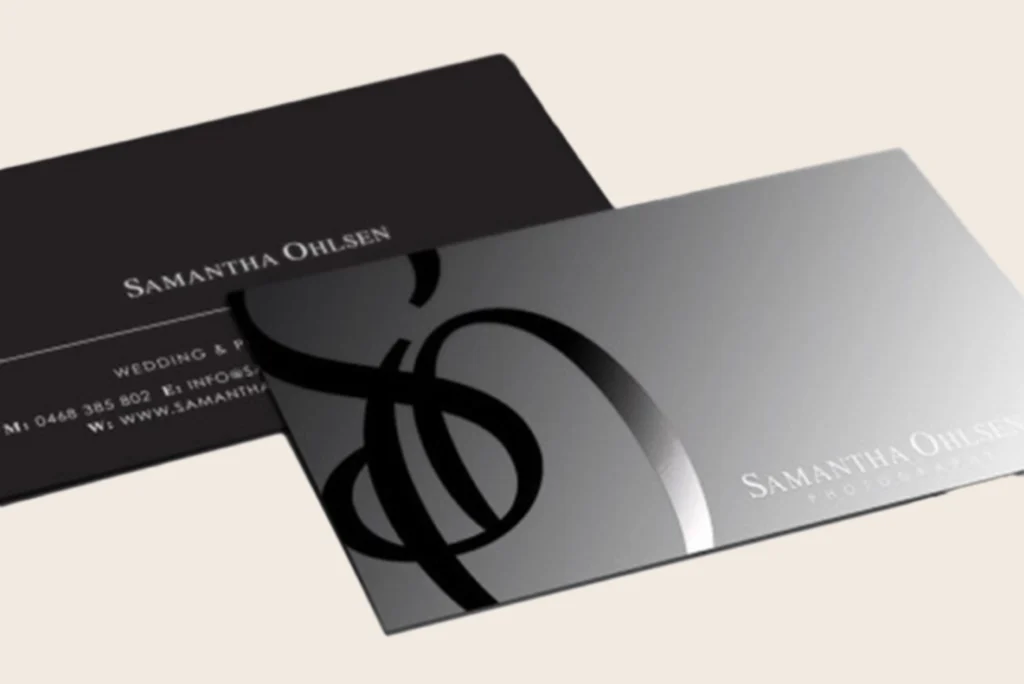
A soft, smooth lamination with a refined satin-like finish. It gives packaging a premium feel while keeping the surface elegant, subtle, and easy to handle.
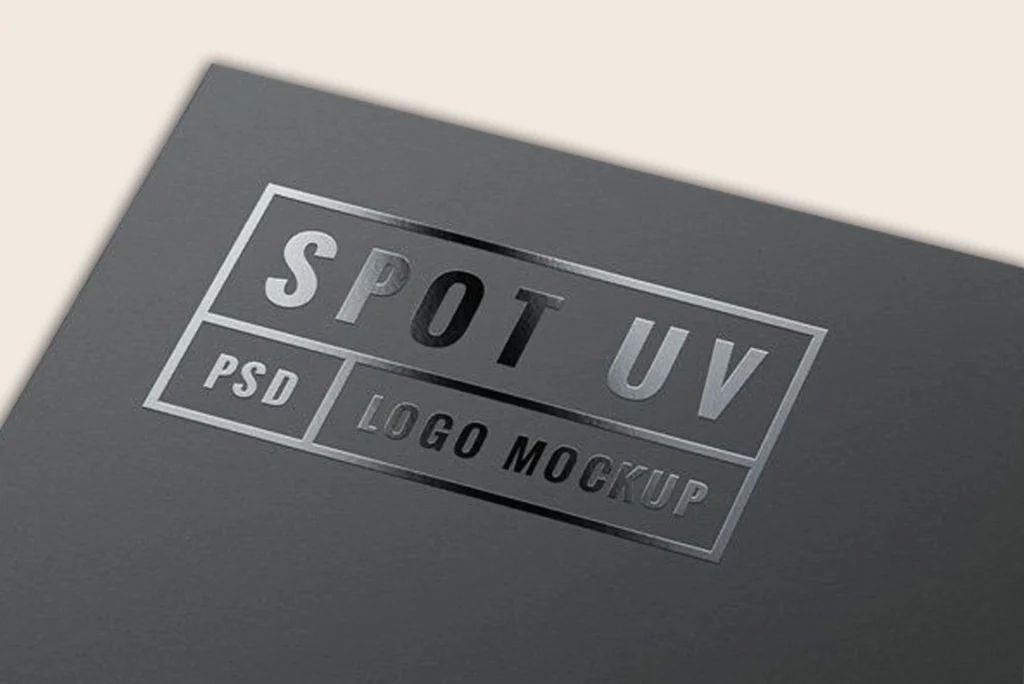
A high-gloss UV coating applied only to selected design areas to create sharp contrast, highlight logos, and add a premium visual effect without coating the whole surface.
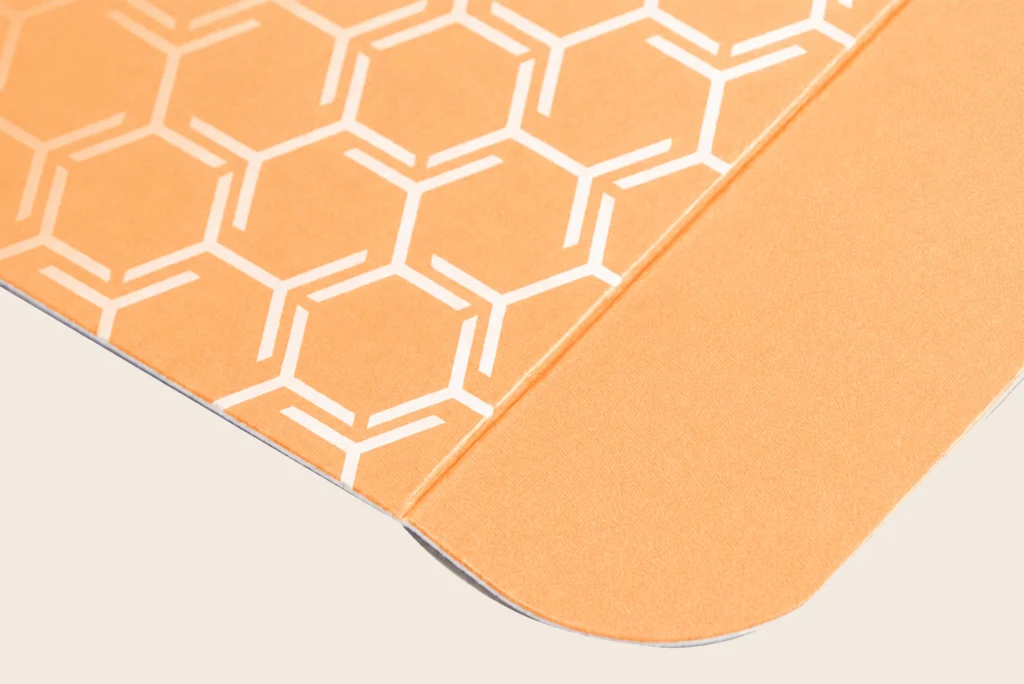
A clear, fast-drying water-based coating that adds a smooth protective layer while maintaining a clean and professional surface finish. It is a practical choice for everyday printed packaging.
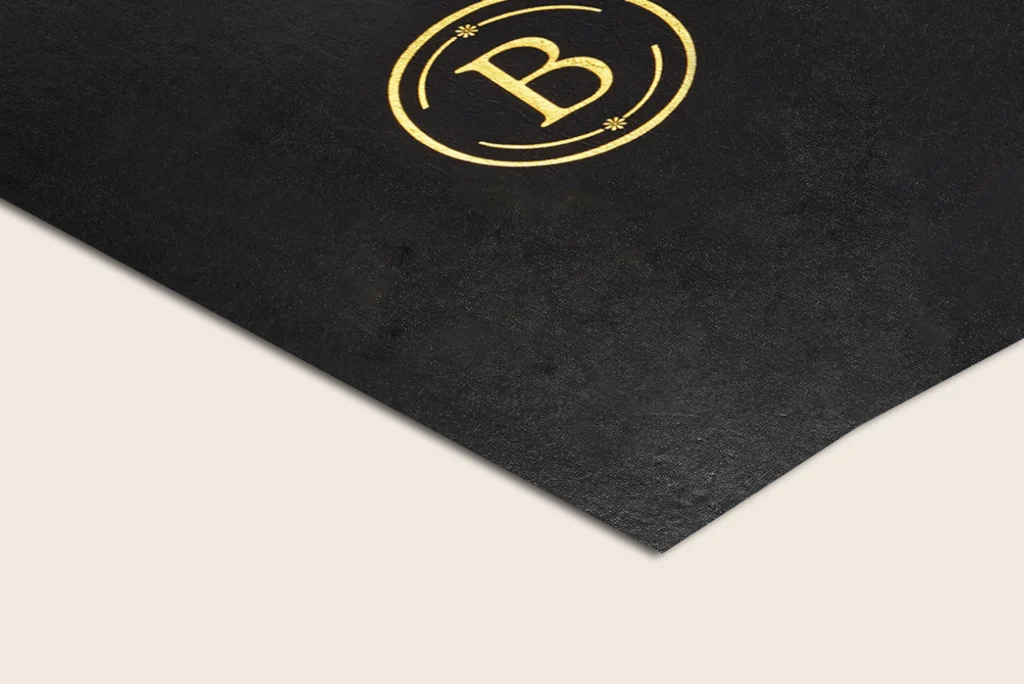
A durable protective film that helps reduce visible scratches, scuffs, fingerprints, and daily handling marks. It keeps packaging looking clean, polished, and premium for longer.
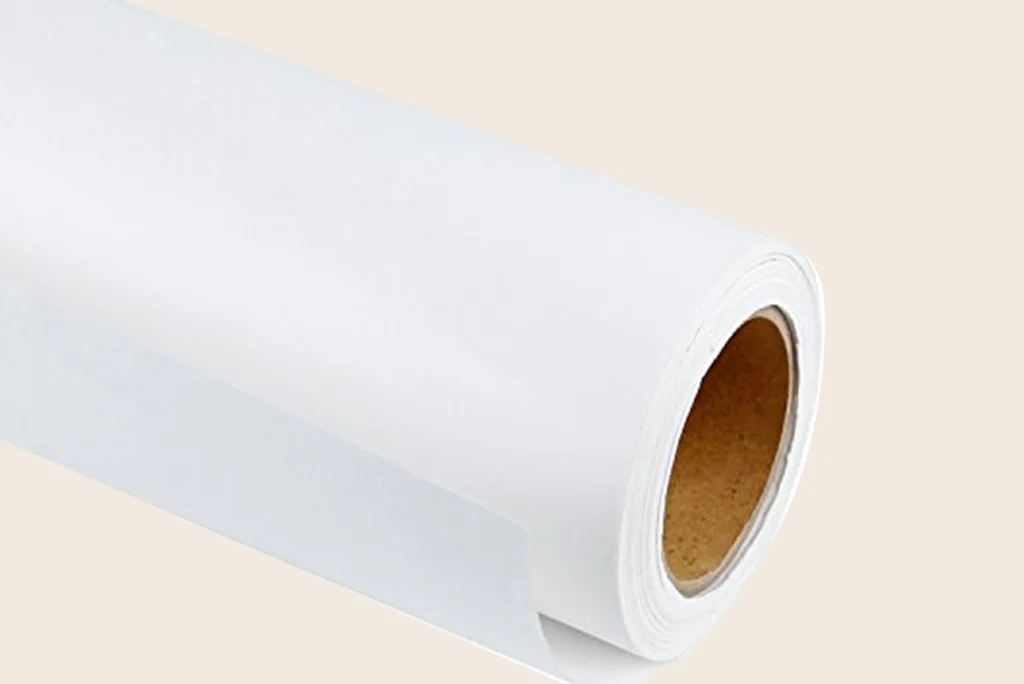
A bleached kraft paperboard made from a mix of virgin and recycled pulp, offering a clean white surface for crisp and polished packaging designs.
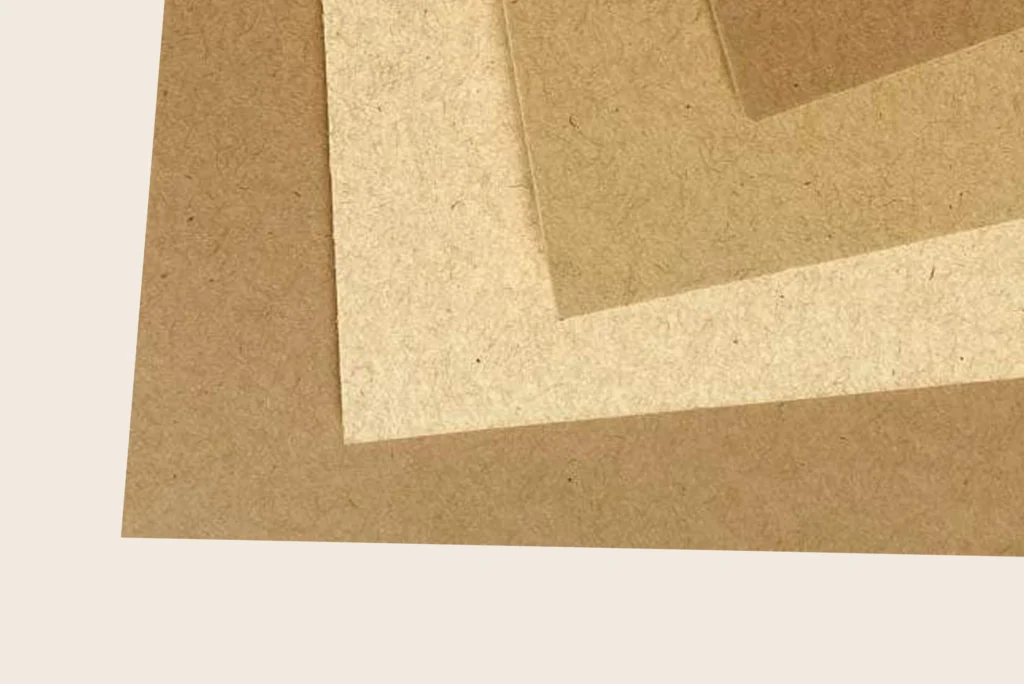
A natural kraft paperboard without coating, made from virgin and recycled pulp. It provides a raw, organic appearance with sturdy packaging strength.
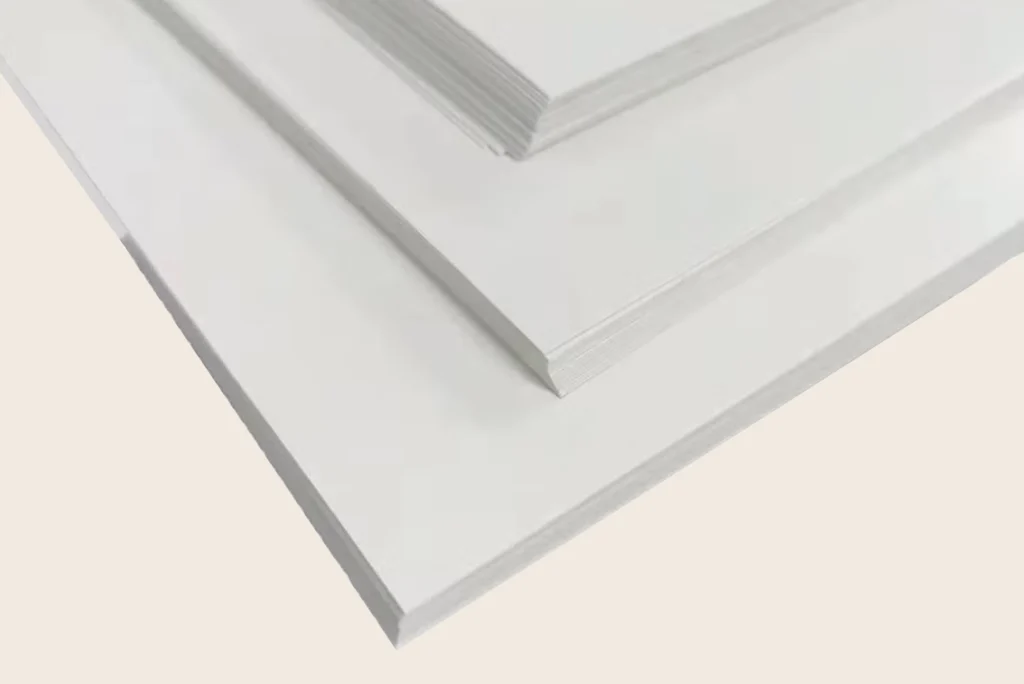
A premium bleached paperboard coated on both sides, designed for excellent print quality, die-cutting, and professional packaging results.
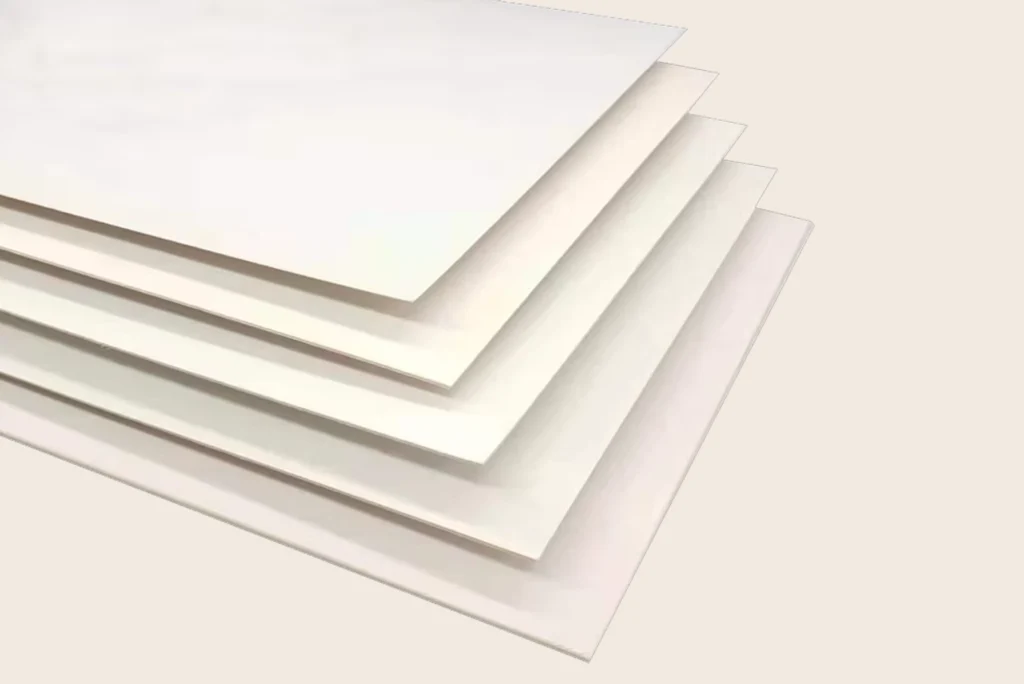
A high-quality bleached paperboard coated on one side. It provides a clean printable face with a premium packaging feel.
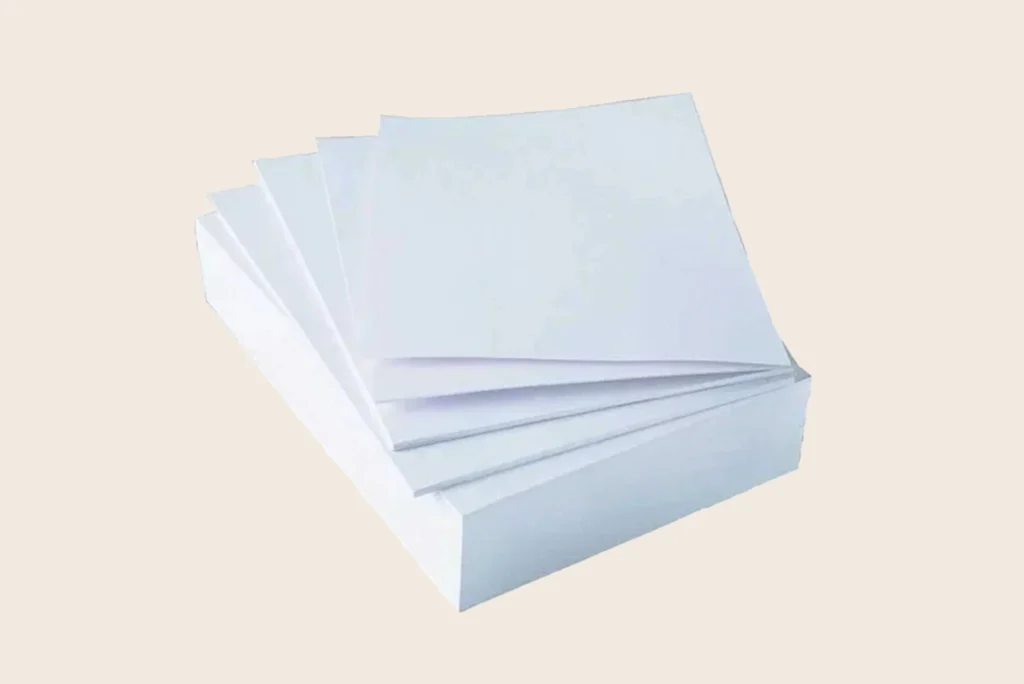
A smooth printable paper stock that supports high-resolution graphics, clean text, and rich color output for refined packaging presentation.
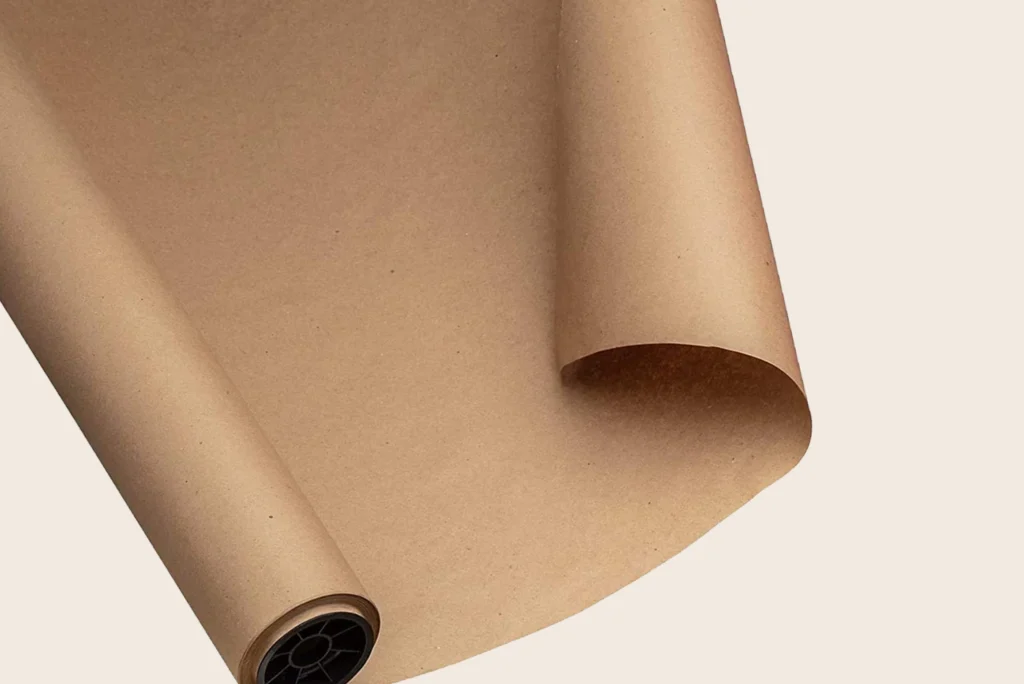
A natural kraft paperboard made from strong virgin and recycled pulp. It provides an organic, earthy look for sustainable and simple packaging.

A specialty paperboard with a laminated metallic surface available in gold, silver, and other premium finishes for luxury visual impact.

A specialty paperboard with a laminated holographic surface that creates a reflective, rainbow-like appearance for eye-catching product packaging.
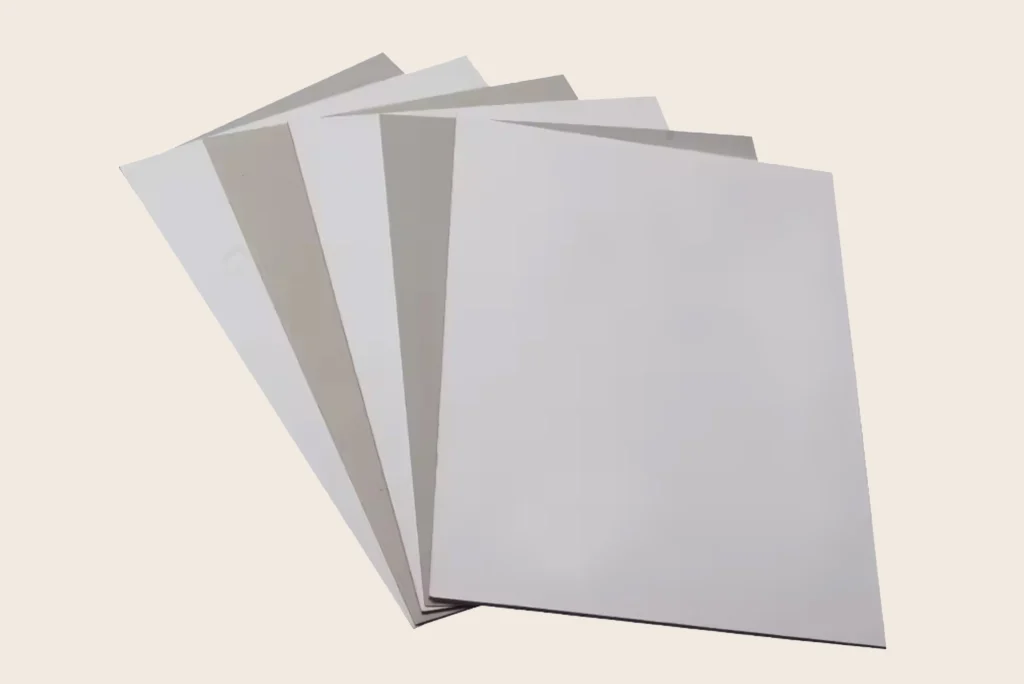
A recycled duplex paperboard with a white printable surface. It is ideal for economical packaging that still requires clean graphics and brand presentation.
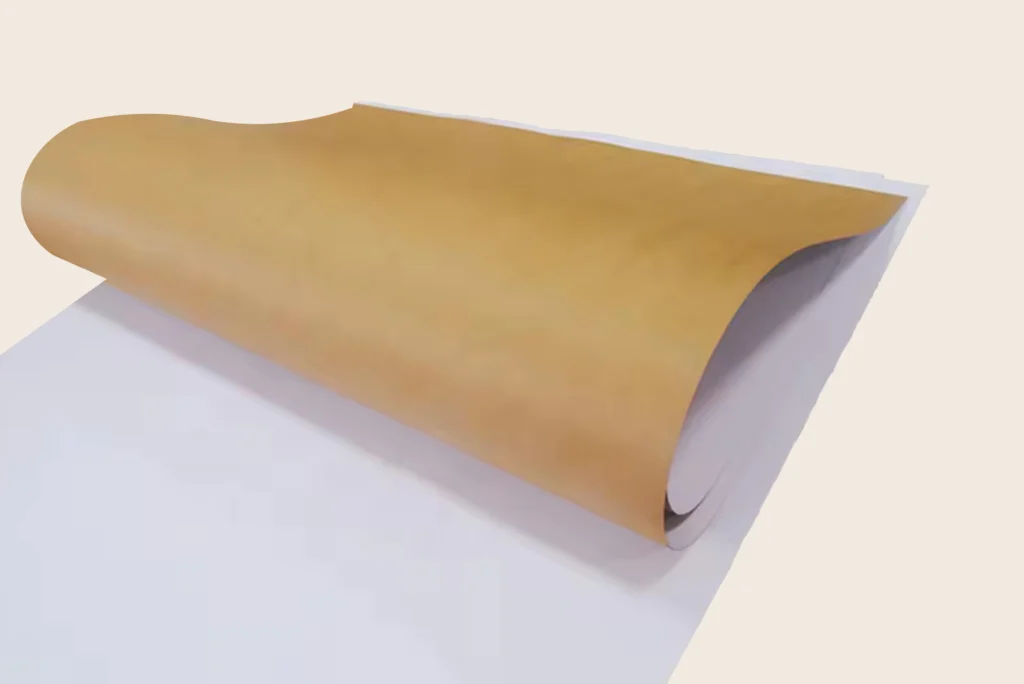
A kraft board with a smooth clay-coated white face for quality printing and a natural kraft reverse side for a strong, authentic appearance.
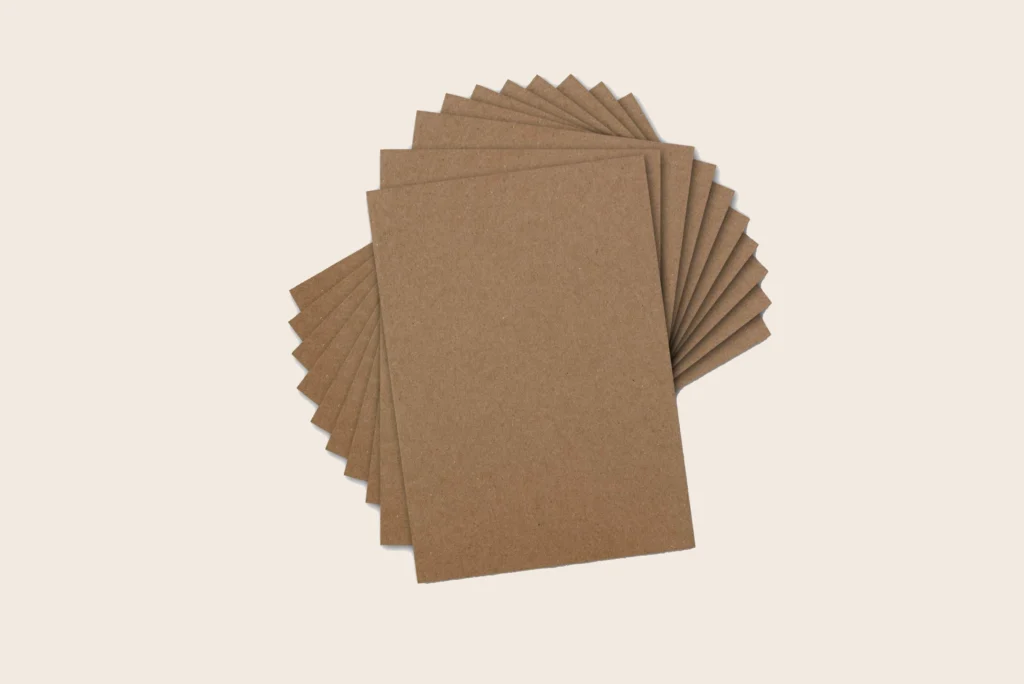
A kraft paperboard with a clay-coated printable top surface and a natural unbleached kraft back. It balances clean branding with a rustic natural look.
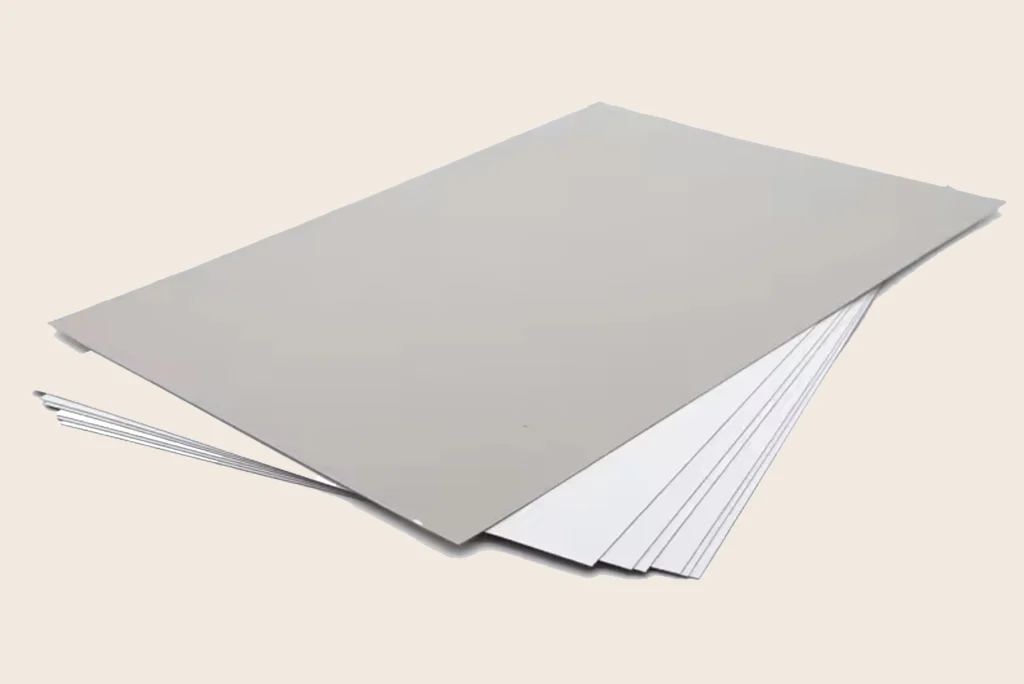
A duplex paperboard made with recycled pulp and a coated white printable surface. It delivers smooth print results for affordable carton packaging.
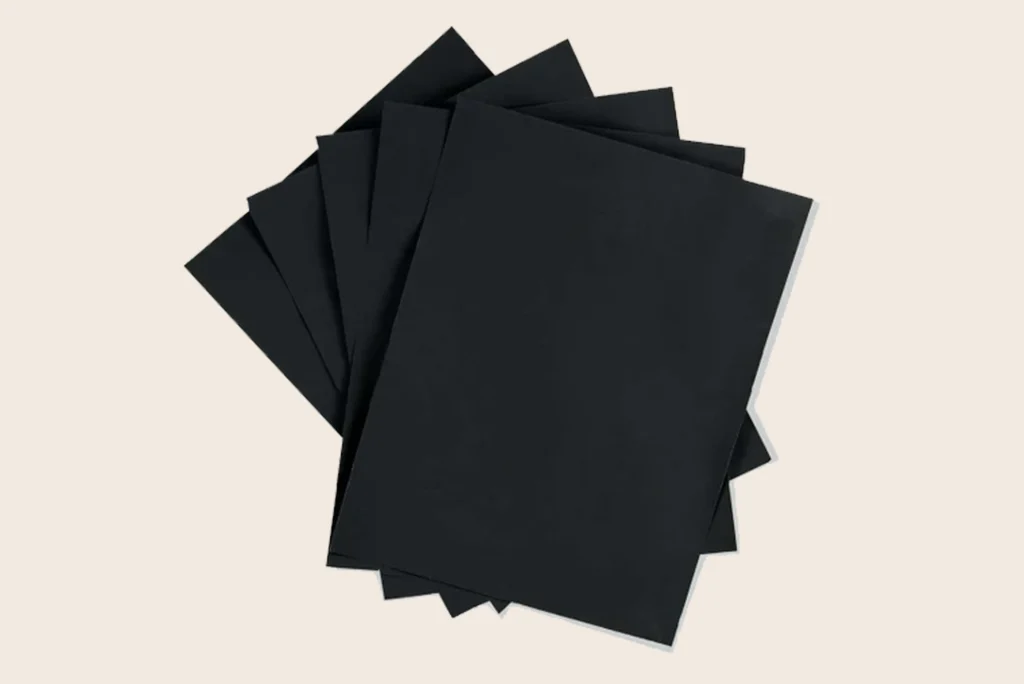
A black-dyed kraft board with a natural paper texture and excellent strength. It creates a bold, premium look for luxury and specialty packaging.
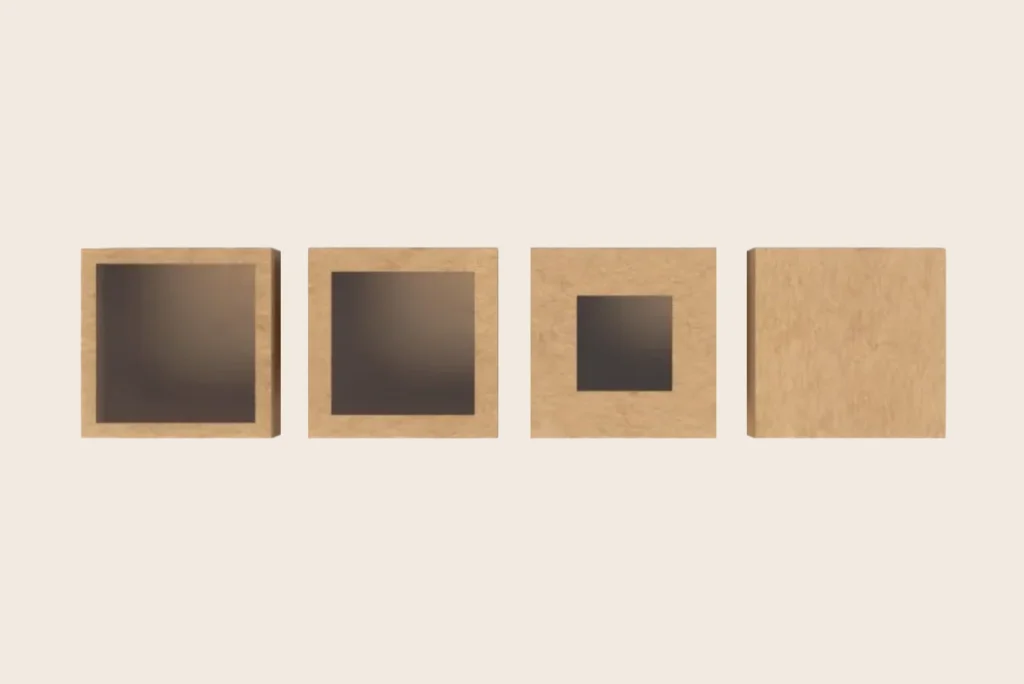
A packaging technique where a die-cut opening is covered with a transparent film, allowing the product inside to remain visible while staying protected.
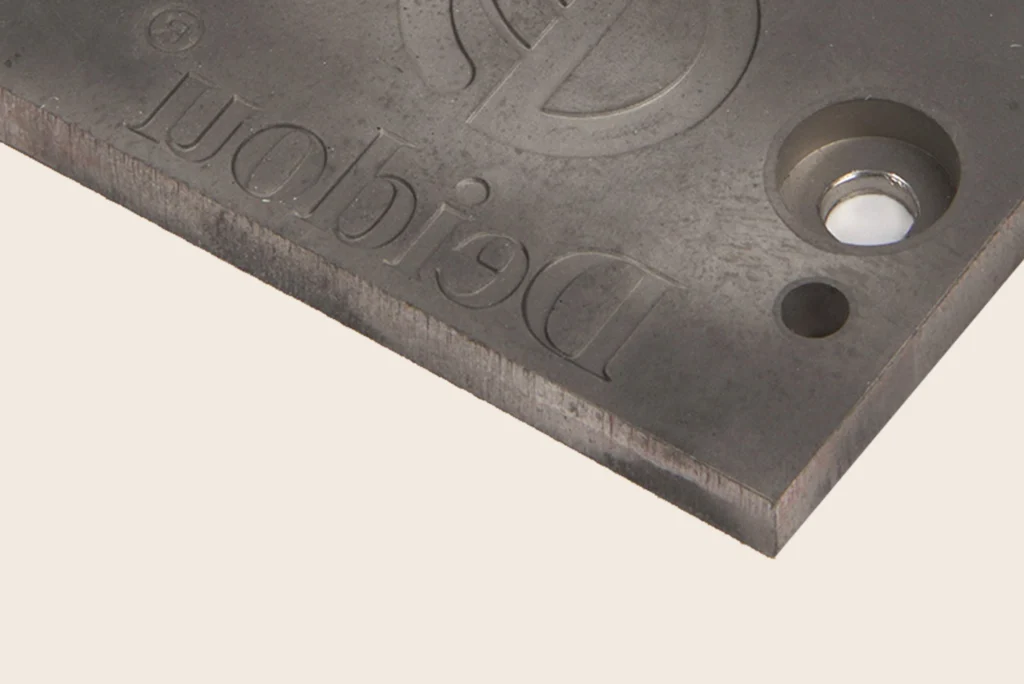
An embossing technique where the raised design is precisely aligned with printed artwork to improve detail, texture, and overall presentation.
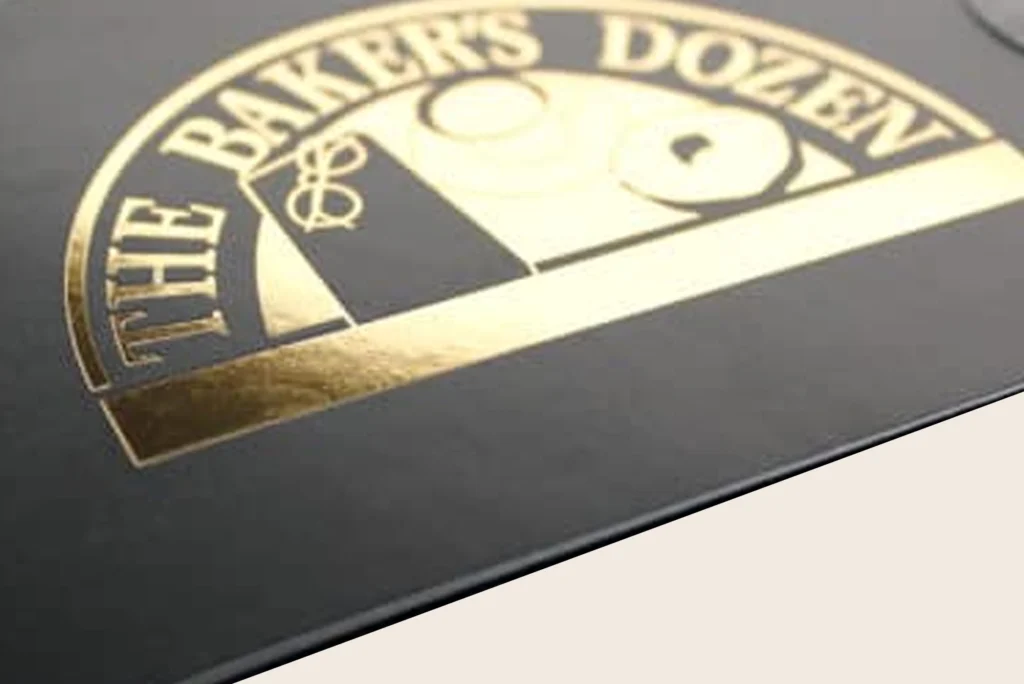
A finishing process in which heat and pressure transfer metallic foil to the surface, creating a premium, shiny, and luxurious effect.
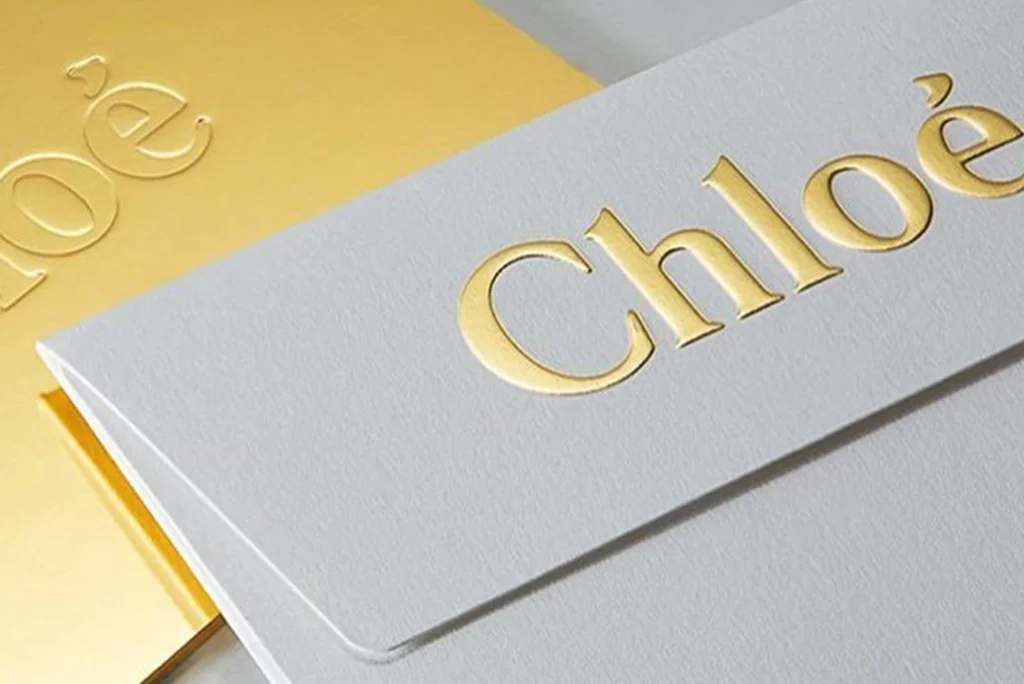
A premium finishing method that combines embossing with foil stamping to create a raised design with metallic color and strong visual impact.
A decorative process that transfers foil onto selected areas of the surface using UV-curable adhesive, creating a bright metallic effect with sharp detail.
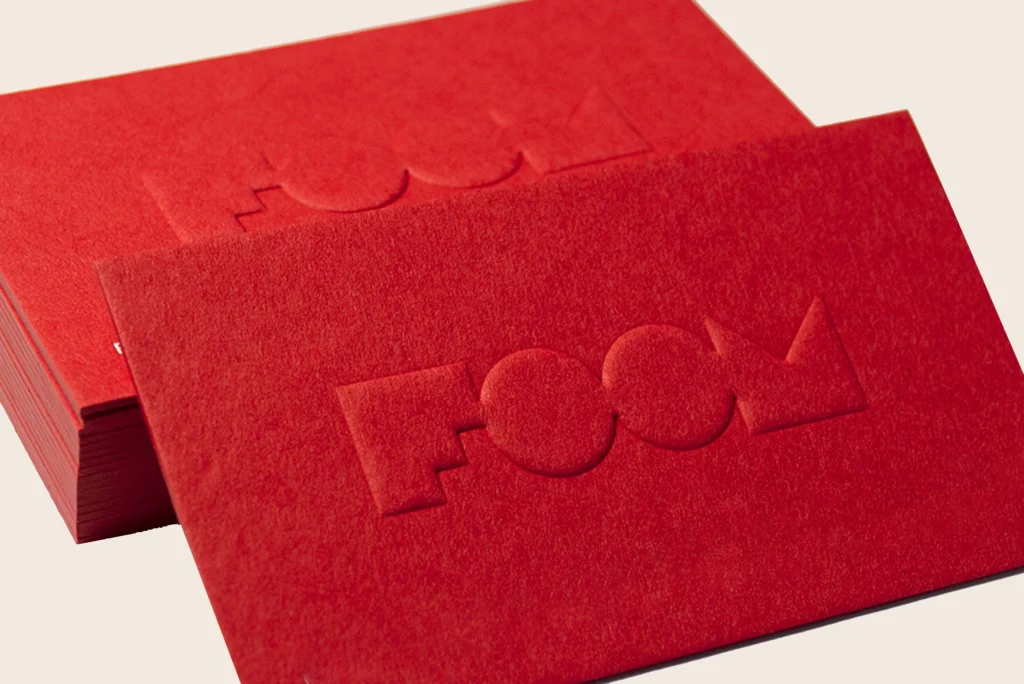
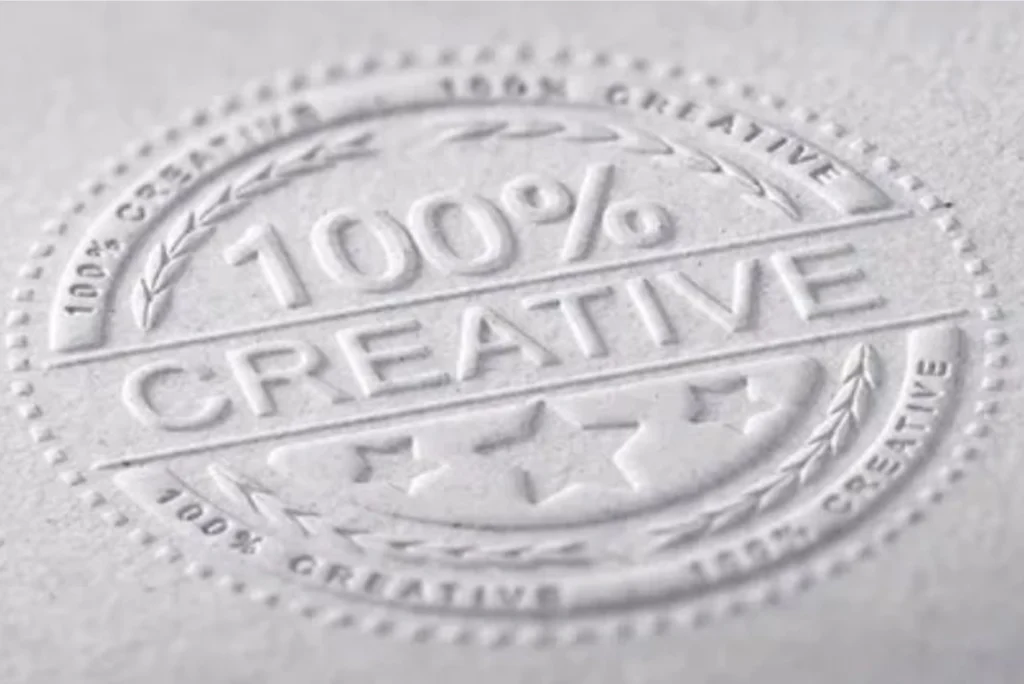
A technique that raises a design from the surface without ink or foil, giving packaging a clean, elegant, and textured appearance.
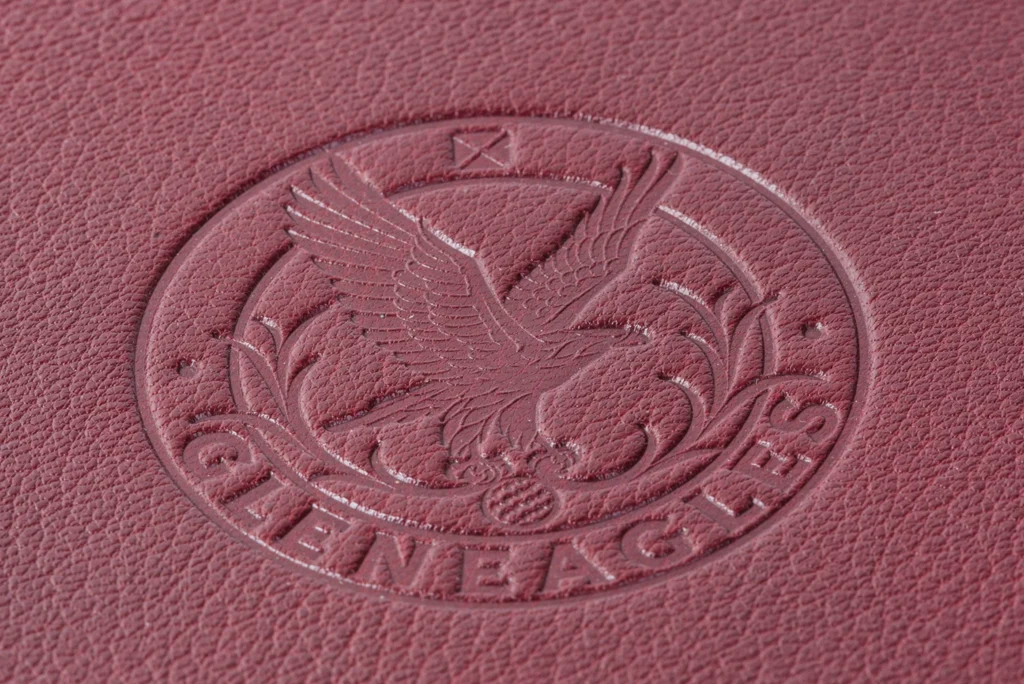
A finishing technique that presses a design into the material to create a recessed impression without using ink or foil. It adds subtle depth and a refined tactile effect.
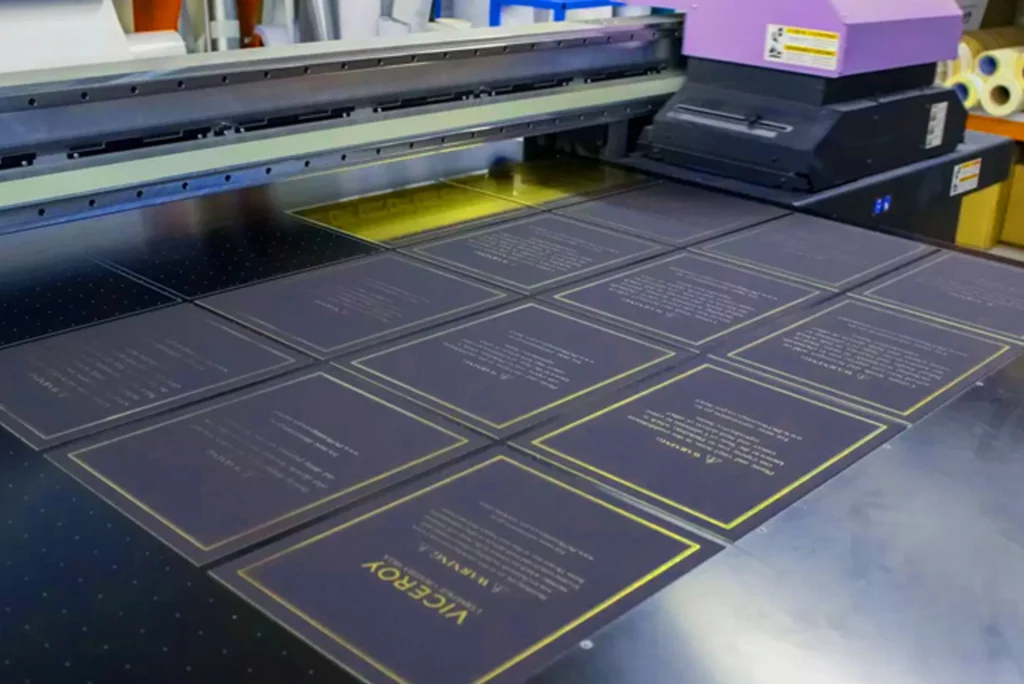
A fast-curing printing process that uses ultraviolet light to dry ink instantly, delivering sharp detail, vibrant colors, and a premium finish.
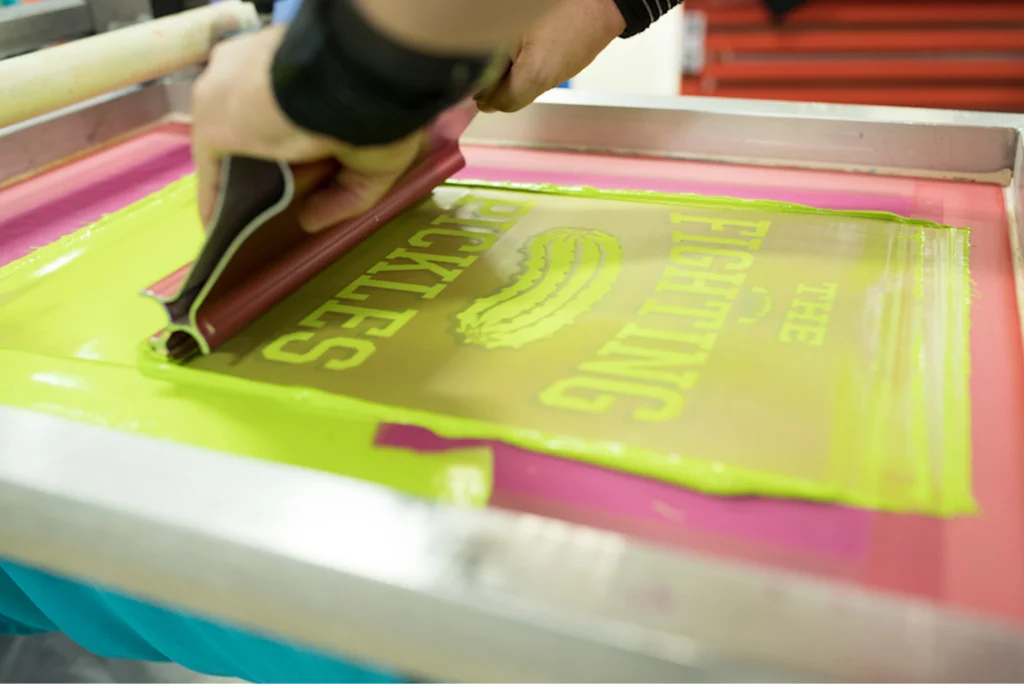
A durable printing method that uses a mesh screen and stencil to apply ink to surfaces. It is ideal for bold colors and high-impact packaging designs.
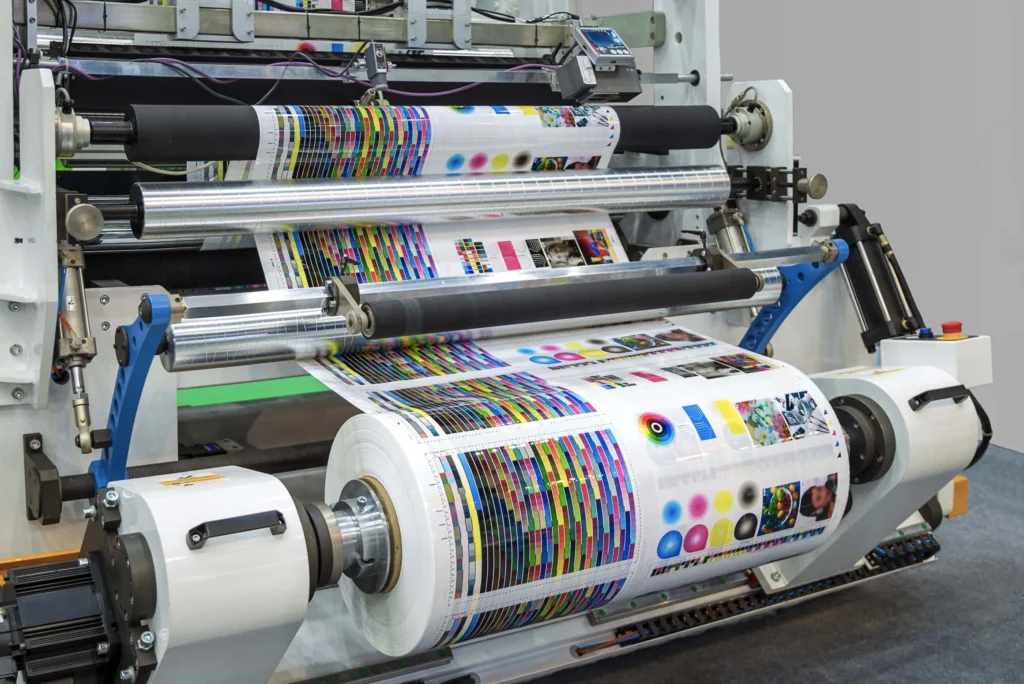
A traditional high-quality printing process that transfers designs from plates to a rubber blanket before printing, making it ideal for large-volume production.
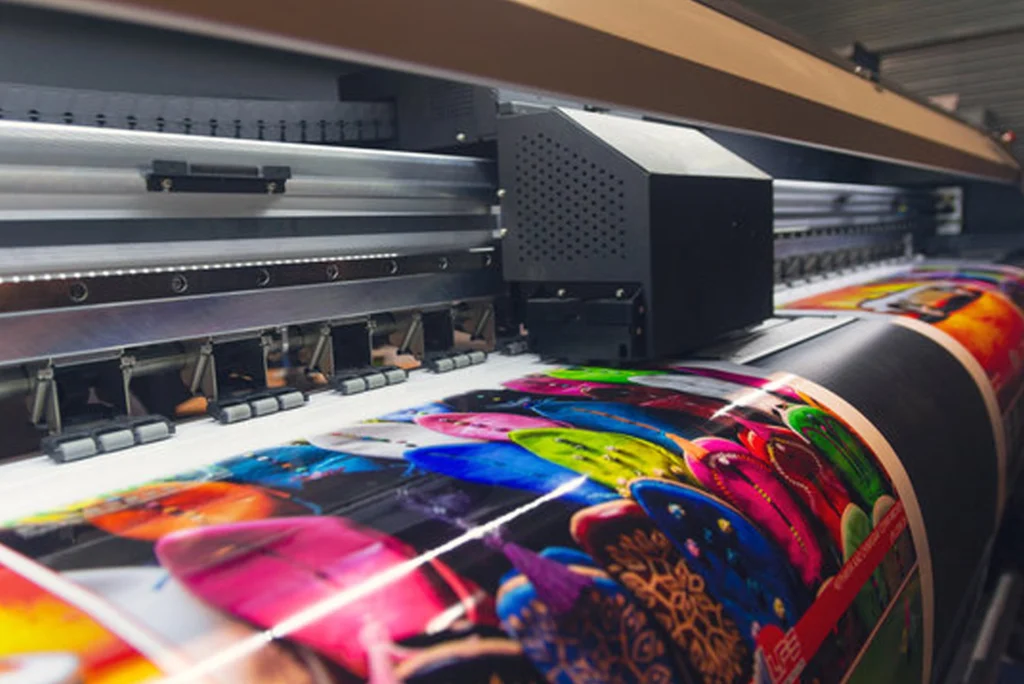
A modern printing method that does not require printing plates, making it cost-effective and efficient for short runs, sample production, and small-batch quantities.
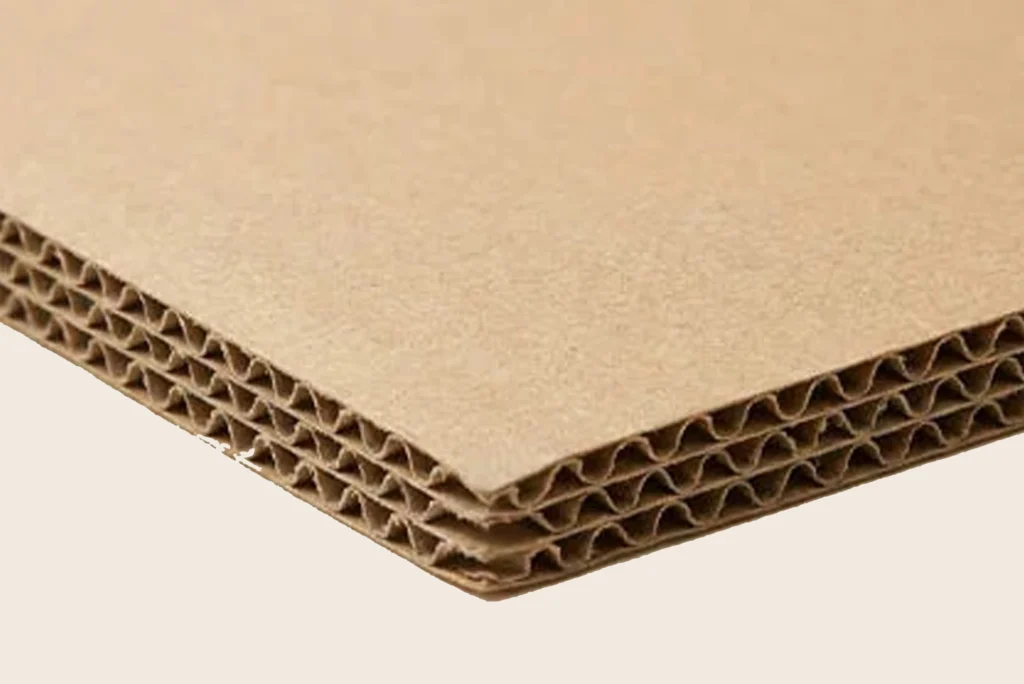
Built with three corrugated layers between four linerboard sheets, providing heavy-duty strength for large or industrial packaging needs.
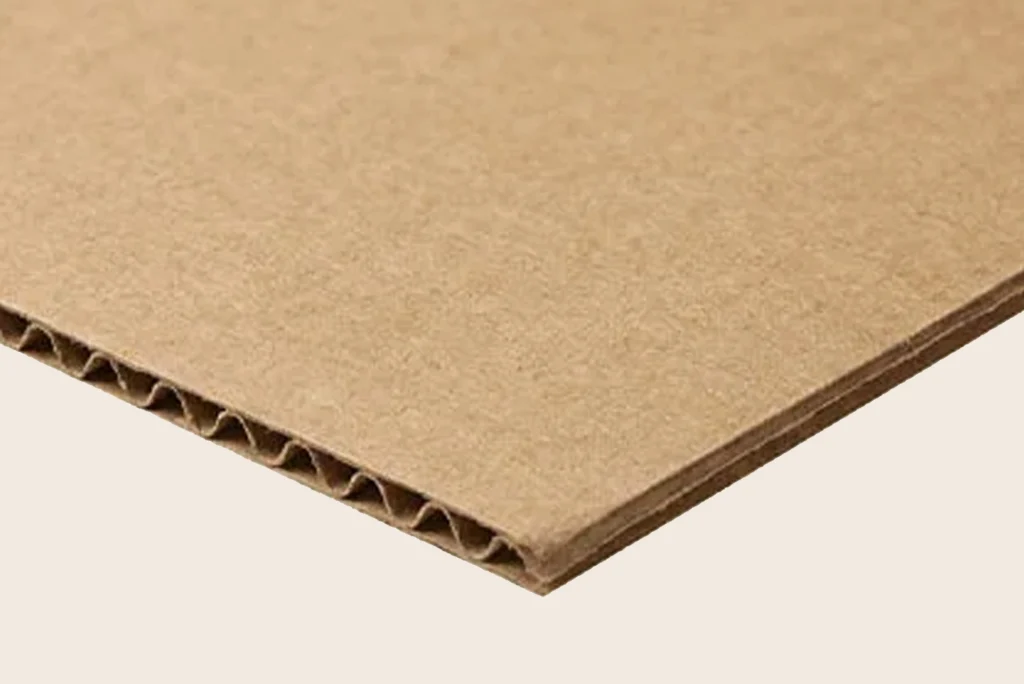
A standard corrugated structure with one fluted medium and two linerboards, providing dependable strength for everyday packaging.
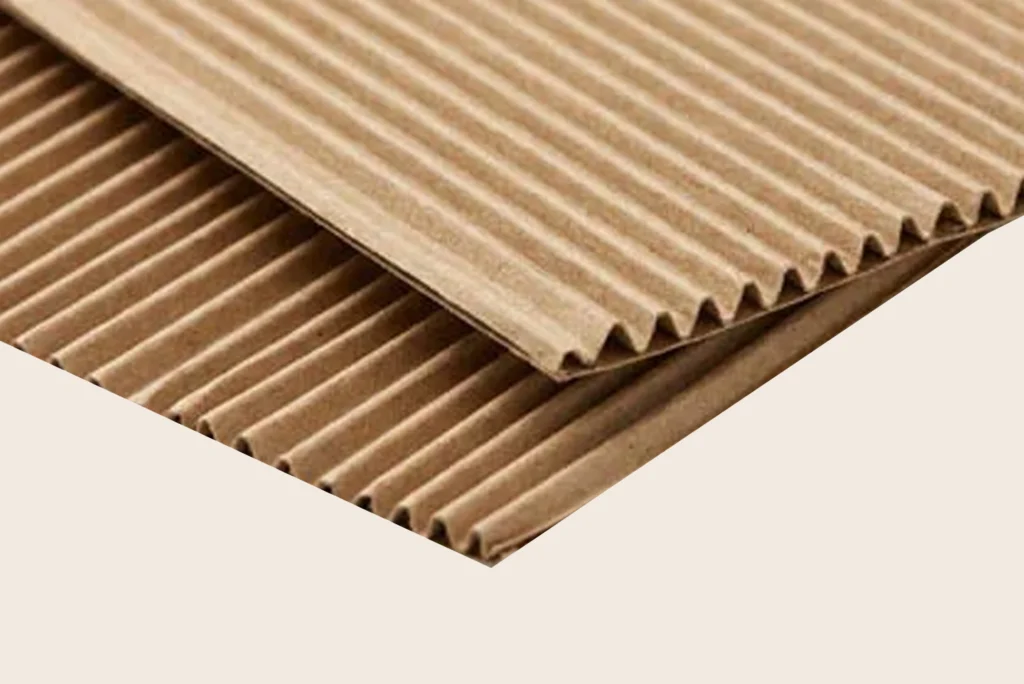
A corrugated sheet with one flute layer between two liners, offering lightweight strength for protective packaging.
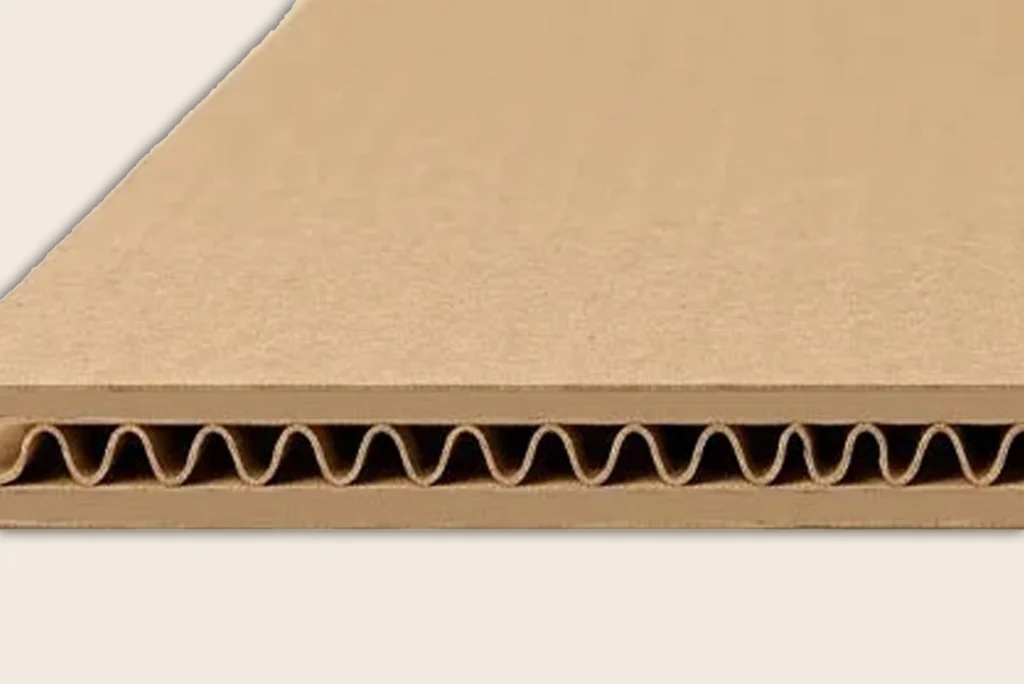
An ultra-thin flute grade designed for lightweight packaging, small retail boxes, and high-quality printed presentation.
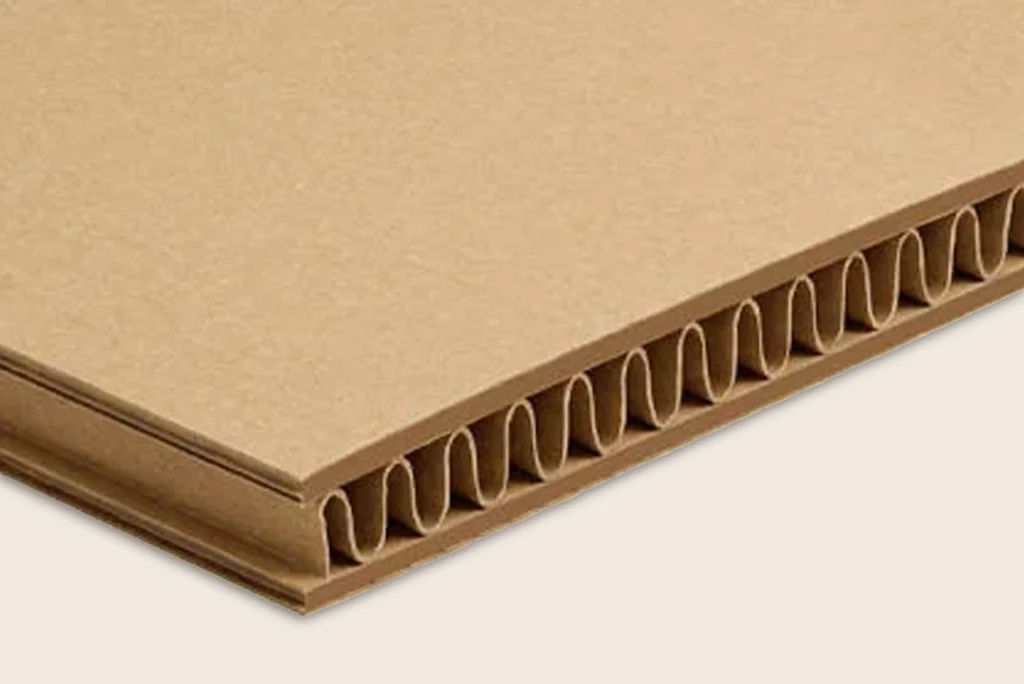
A slim flute grade with a flatter surface, ideal for detailed printing, display packaging, and premium retail boxes.
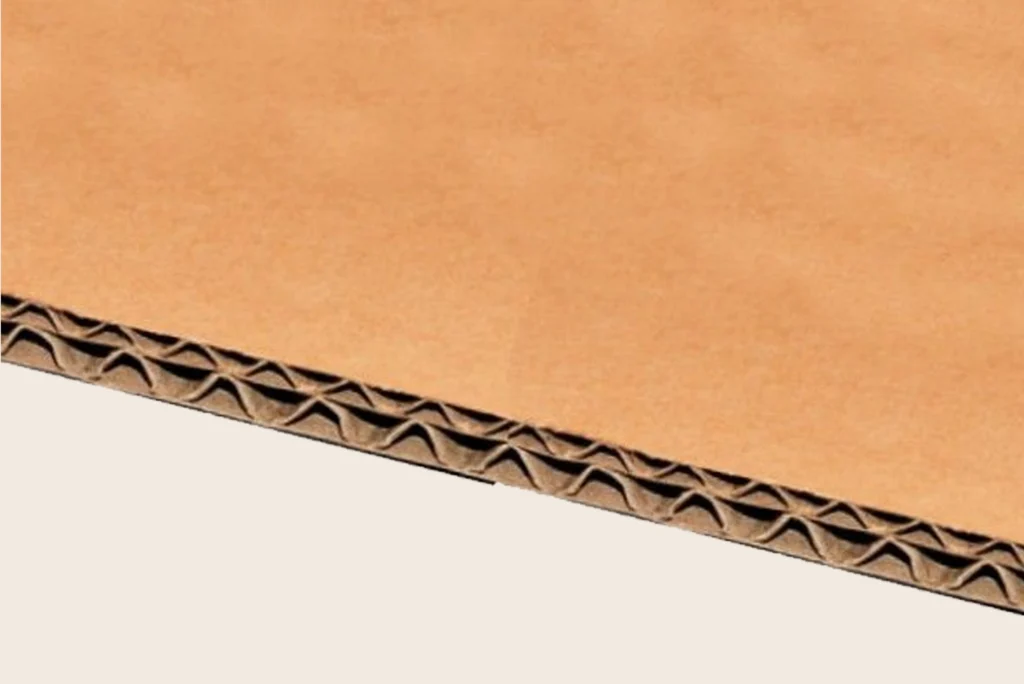
Made with two layers of corrugated medium between linerboard sheets, offering added strength and durability for heavier products.
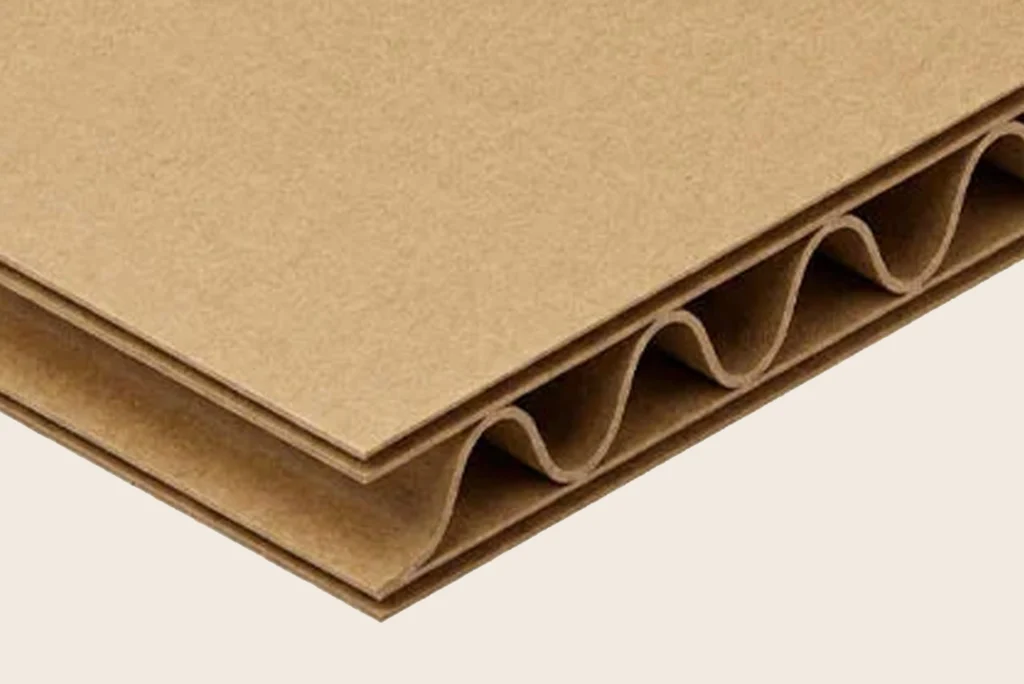
A versatile corrugated flute that offers balanced compression strength, cushioning, and printability for many packaging applications.
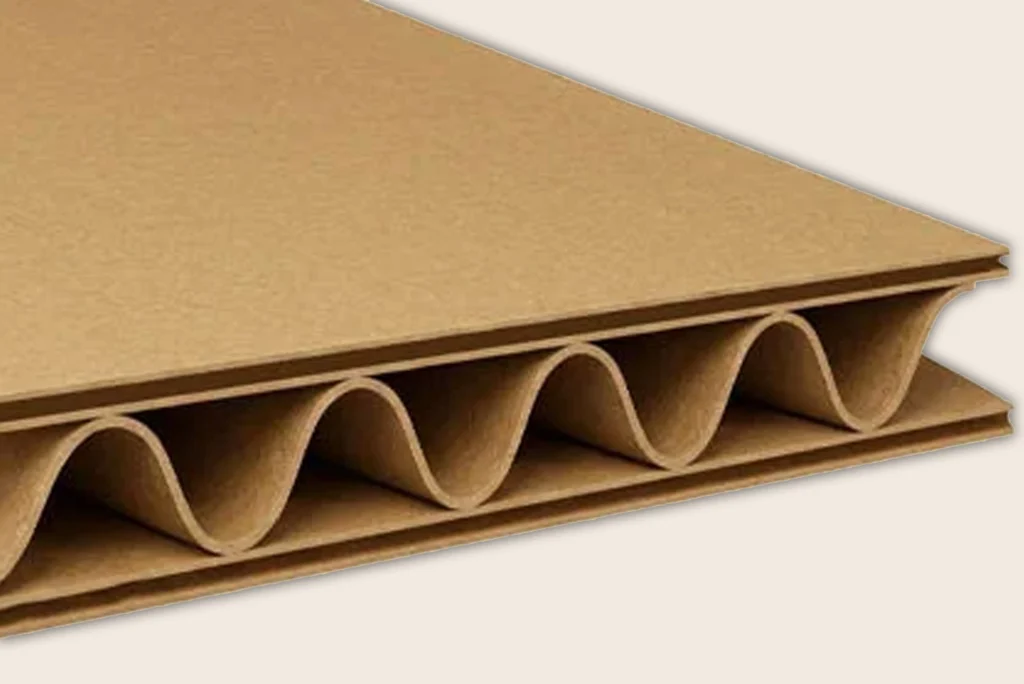
A thinner flute grade with a smooth surface, making it suitable for high-quality printing, precise die-cutting, and neat retail packaging.
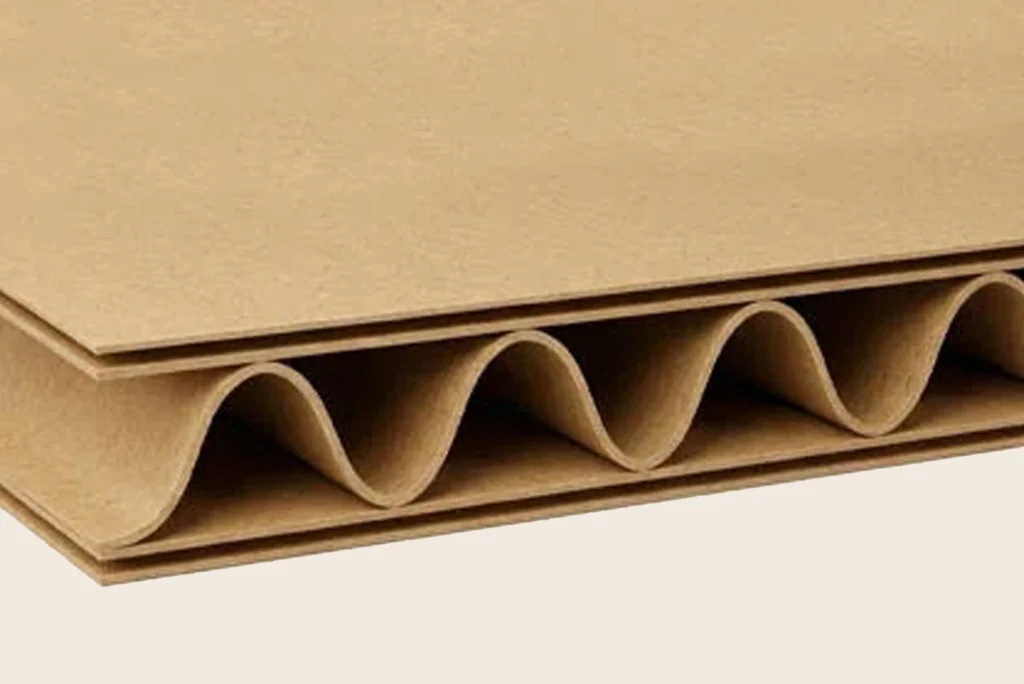
A thick corrugated flute profile that provides excellent cushioning, compression strength, and stacking support for protective packaging.
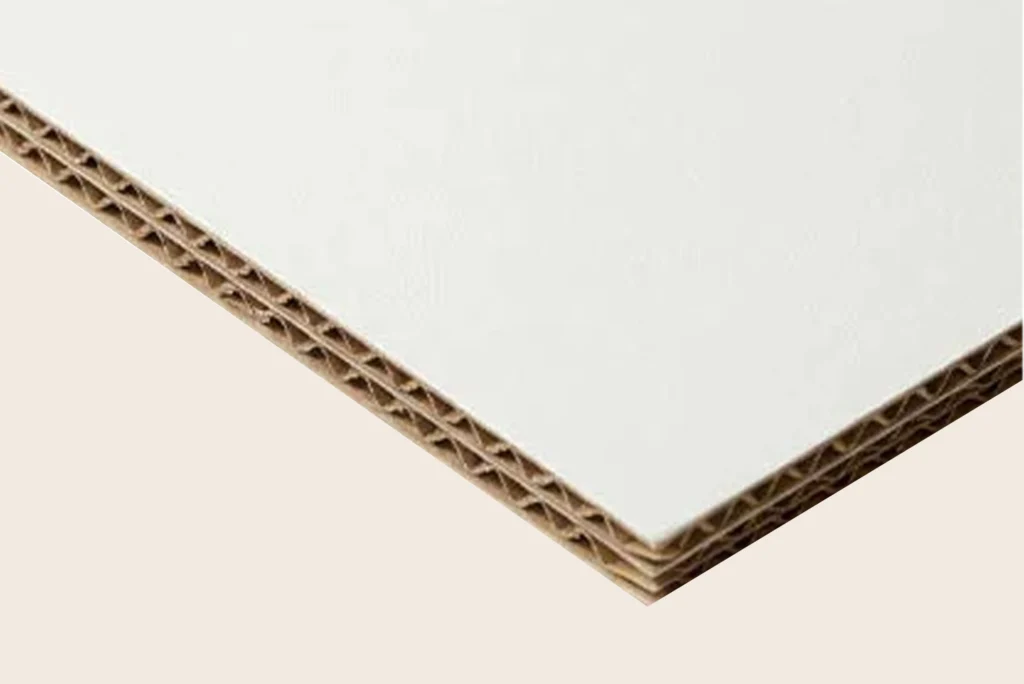
A coated linerboard with an off-white surface, suitable for high-quality printing and a refined packaging appearance.
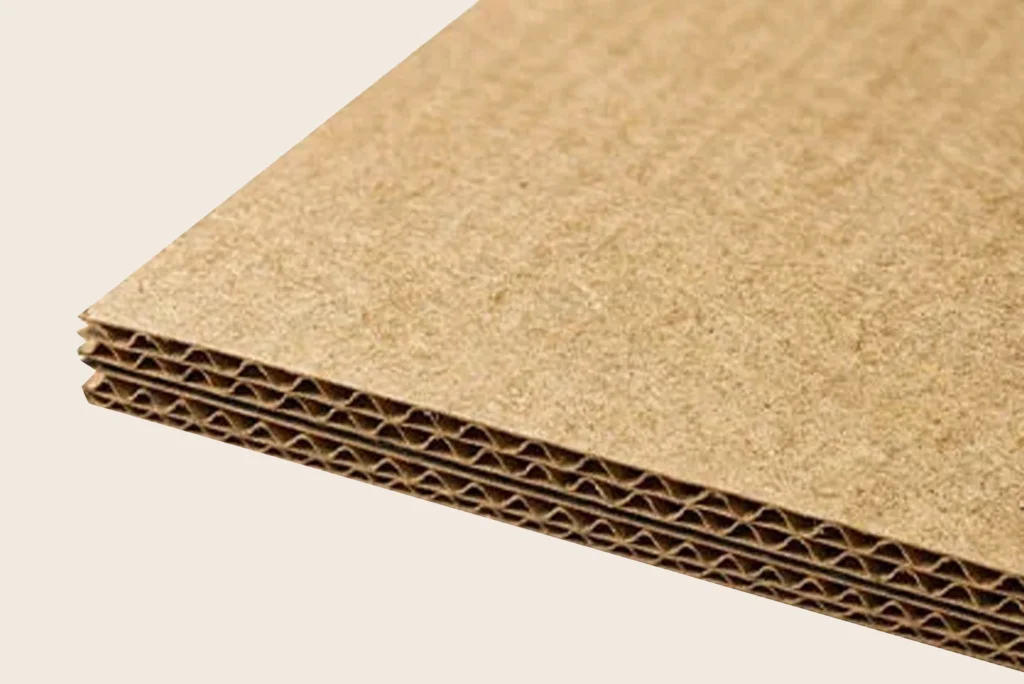
An unbleached kraft linerboard made from recycled paper pulp, offering a natural look with strong durability for eco-conscious packaging.
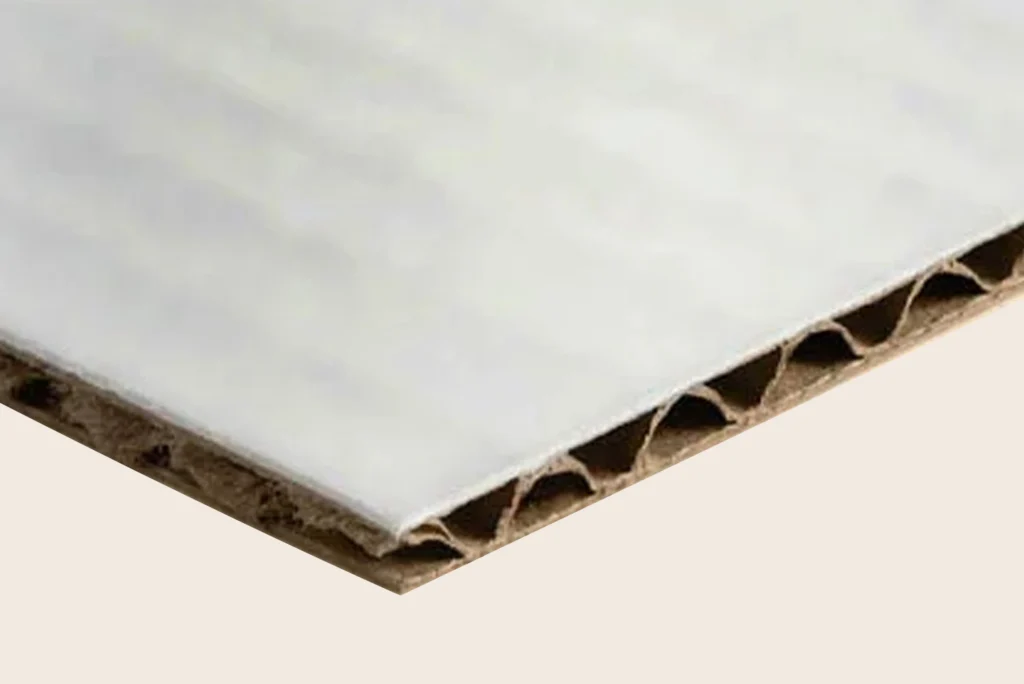
A coated semi-gloss linerboard with a smooth white surface, ideal for sharp printing, premium presentation, and retail-ready packaging.
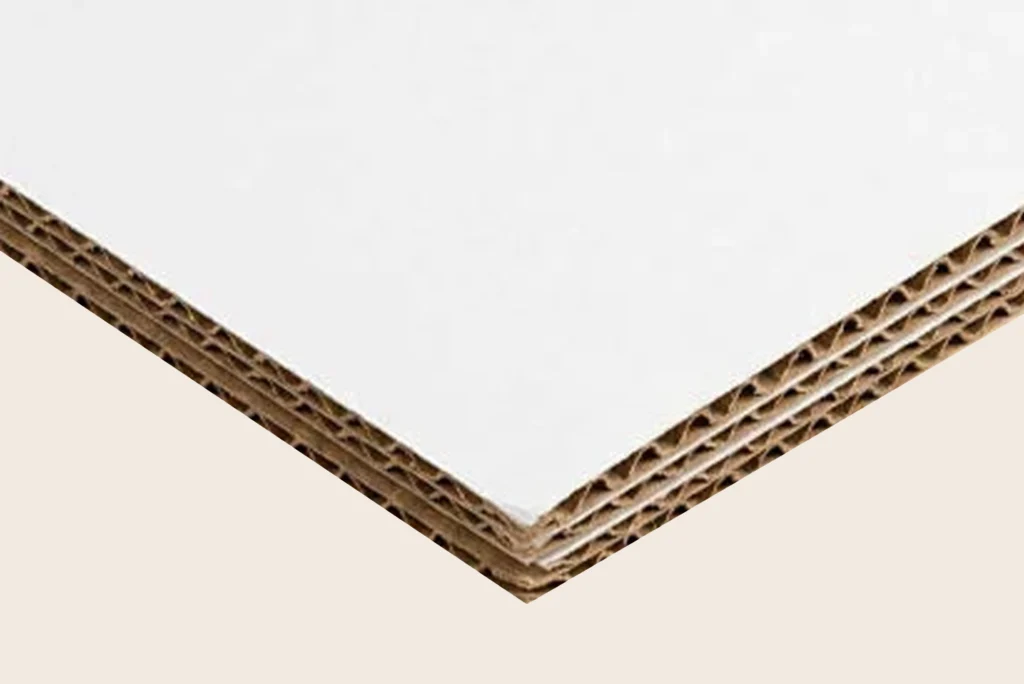
A fully bleached corrugated board with a bright white surface, designed to produce clean, vibrant, and high-quality printed packaging.
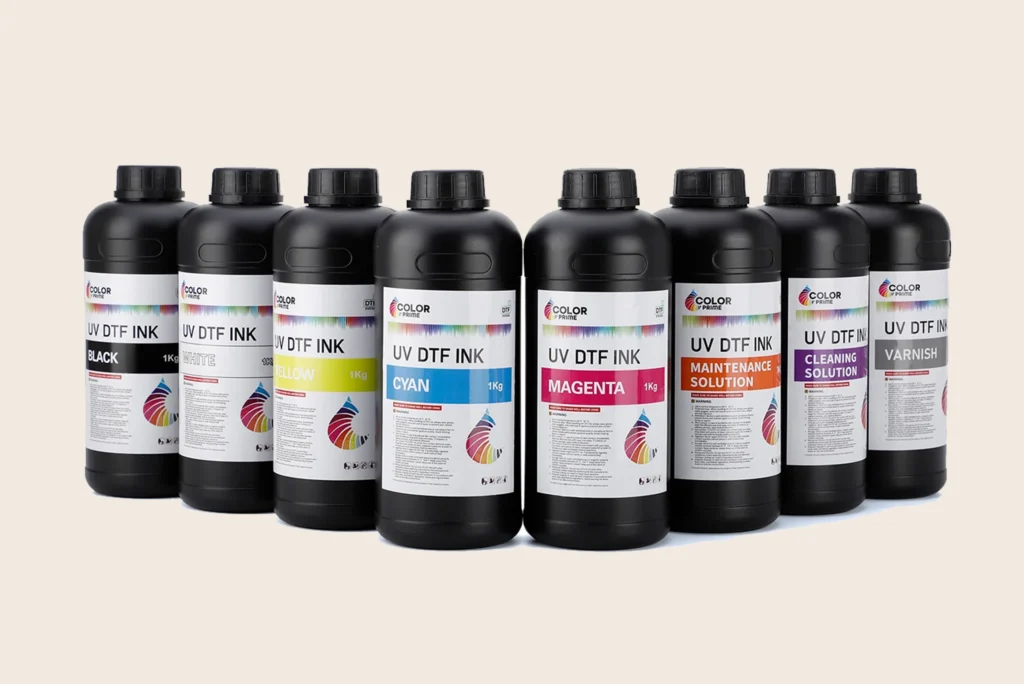
A UV-cured ink that dries instantly under ultraviolet light and creates crisp, high-quality print results on a wide range of packaging materials.
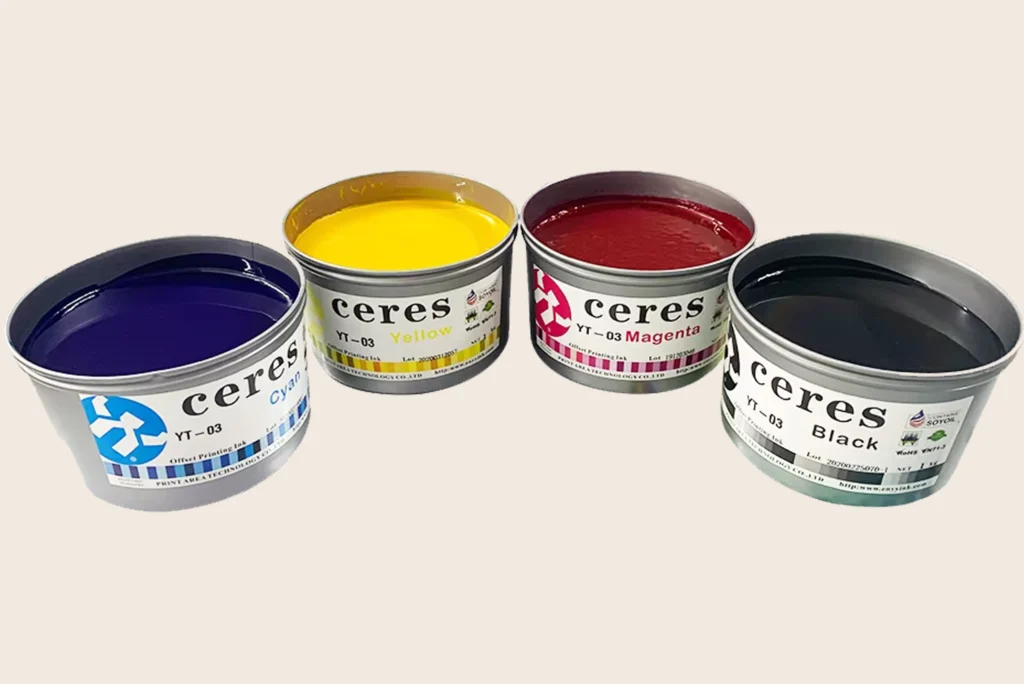
A plant-based ink made with soybean oil, offering rich color output and a more sustainable printing option for carton packaging.
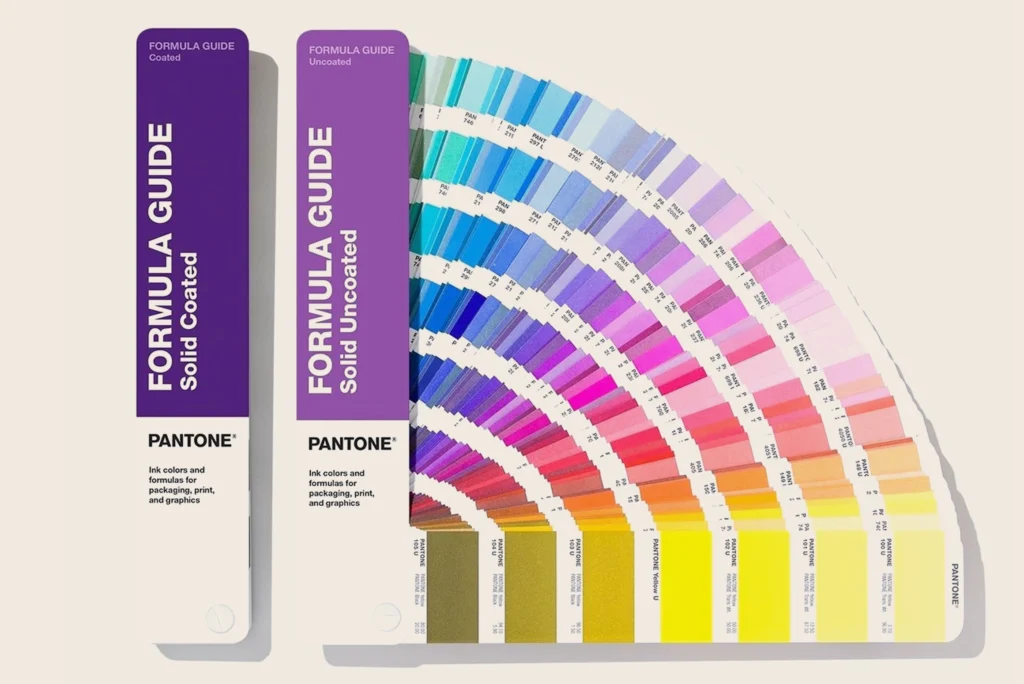
A standardized color-matching system used to achieve consistent, accurate brand colors across packaging, labels, and printed materials.

A full-color printing process using cyan, magenta, yellow, and black inks to create vibrant images, gradients, and detailed packaging artwork.
Real feedback from customers who trust us with their custom packaging.

Phillip Crawford
Super happy with our product!
We ordered custom dye cut ice cream cone sleeves.Worked with "Frank" super generic and initially a little skeptical- but company is legit. I received my product on July 12th, 2026- It arrived just 2 weeks after I ordered it. On time and great! Thank you Frank and Team.

The Buckin Farmacy Brianne Eas
Can’t thank Daniel with ACP UK enough for his help during the designing/ordering process of the boxes I needed for my business. They turned out amazing & have received several compliments. Such a great company to work with!
Natural Zen LLC
This was my first, and won’t be my last, time ordering with ACP UK for my custom packaging. I worked with Frank who walked me through every step. He ensured I understood every aspect of the process and ordering, sent multiple images for me to approve, and checked back in with me when I got them too! Not to mention, my company is all about zero waste and being green so, I had a million questions to ask about the product itself before I even attempted to design anything and he was absolutely amazing and so patient! To date, the best customer service I’ve experienced. I will definitely be ordering again!
Phriseil Candles and Soaps
My third order!! Once again, Frank has easily helped me through the designing and purchasing process. The boxes are exactly what I envisioned. The quality of the boxes give me the comfort in knowing my candles are well protected. My company logo, design and print flows seamlessly through three different style of boxes I have gotten through All Custom Packaging UK. I receive so many complements on the boxes and how they present my products. If and when I need more boxes, I will definitely be emailing Frank.
customer
Having completed a complex packaging project with Frank, I am very satisfied with their level of service. Whatever obstacles we encountered, he was able to overcome them and provide superior final designs. Daniel communicated quickly and clearly regarding our shipment and tracking and was able to deliver in time for our pending event!
Noel Gaskin
My sales associate did all the heavy lifting. Daniel patiently walked me through the process and remained responsive to the end. The result and finished product were labels and external packaging that our customers love.
Binz
Cannot beat this level of customer service and dedication. My team was on a very tight deadline for the ask and our Sales Executive made it happen on time and within budget.
Douglas Graves
We hired All Custom Packaging UK to design several of our product boxes & labeling and what a great decision that turned out to be not only did they provide great service they produced amazing products for our company. Great service with great people that are more than happy to help you along the way. We highly recommend using there service for all your packaging and labeling needs.
Lindsey Archer
I have been working with Frank from ACP UK for a little over a month to get the perfect box custom made for my candles. The response time has been incredibly fast through the whole process, and Frank has been so patient as I have been going back and forth with him to make sure everything is the way we want it. The box samples arrived today, and the quality is fantastic. I am so grateful for this company!
Nomeka
Daniel was fantastic to work with - quick and responsive. Our 500 boxes came 1 full week before our guaranteed delivery date, and they look fantastic. Will definitely be using again!
Joshua King
Frank and Daniel were highly communicative during the entire life cycle of my project. The packaging looks fantastic and high quality at the best price I could find!
I will definitely be using their services again!
Jasmin El Kordi
Daniel has been taking care of our skincare brand's product boxes, as well as our mailer boxes. He is wonderful to work with - always provides fast turn around on quotes, ensures our designs are correct, and provides us updates. His products are excellent quality and very fairly priced. Highly recommend him!!
Dion Lassiter
These guys are awesome! Many delt with Daniel and he was beyond helpful! Would definitely refer anyone to use these guys. A1 customer service and A1 product. All Custom Packaging UK is the best.!!
Ekho Media
Quality of the product was outstanding and we loved the result! We had a small mismatch with one of the images on the boxes but Daniel was great at understanding our request and making it happen for us. Customer service was on point for him!
Jamie At AQUA GLOW
Our contact person Thomas is super responsive, gets things done and is nice to deal with. The overall speed of delivery and quality of the work is good too.
Sylvia Nwoyeocha
as a small business owner, scouring the internet for biodegradable packaging, and was instantly being chatted with by a support person, he was patient and attentive to details, making sure he knows what i want, it was a great support experience
Sylvia.
Ron Livny
I found All Custom Packaging UK by accident, without any prior recommendation, and I was surprised by the experience. They have been very responsive, fast, and professional throughout the process. I would gladly recommend them.
liz
The team at All Custom Packaging UK was very responsive. They were quick to respond to my emails and the turn around time on the boxes was fast! The first run of boxes did have colors slightly off and they fixed it on the second run.
The cost of the boxes was less than other suppliers. I will say the boxes are a bit on the flimsy side, not super sturdy but perfect for my needs. I will definitely use them again in the future.
Faith Guanga
We are very pleased with our packaging design! It was great working with Daniel, I almost didn't work with ACP UK because of their pricing but Daniel went out of his way to try and negotiate prices with the sales department to fit our budget and offered us more budget-friendly packaging options as alternatives. Very responsive to my emails and made sure that our designs were how we wanted them! I look forward to working with them again soon!
9Point10
Great result: the boxes look really good and delivery was exceptionally fast. There was a little confusion about colors in the beginning but it all got resolved :)
Kofi Onumah
Mr. Thomas, with ACP UK is the consummate professional. He pays close attention to the requests and delivers high quality. While ACP UK prices come in higher than their competitors, I'm happy knowing my product will be delivered soup-to-nuts promptly, with top notch quality and customer service.
Dan
They worked with me late into Friday night to get my order out in time to get the products by a hard deadline. Very responsive and gave me great attention. They checked in too about my order arriving, and it came one day early. Very appreciative!
Tommie O'Malley
I have worked with All Custom Packaging UK on multiple projects now and I am always so impressed by the quality and customer service. They are so responsive and have met every single deadline I have given them and even go above and beyond in keeping me updated on production. Will continue to use them for a variety of my packaging needs!
Michael Ralston
We have ordered from ACP UK consistently for over a year for our boxes. They do great work, and Frank is always quick to respond. Great work and prices.
Ben Simmons
All Custom Packaging UK, especially Thomas was an excellent decision. I went from not knowing what I wanted to go with to understanding all of my options and placing an order very quickly. The product arrived quickly and was exactly what I was looking for. Cannot recommend All Custom Packaging enough.
Luca Clifton
Once again, ACP UK and Frank in particular have proved an excellent partnership for my small business, going so far as to fix a previous order error free of charge and continuing to value my business as a customer
Helen Mitsiou
Fantastic customer service from Frank. He was friendly, responsive and took the time to understand exactly what I was looking for. A pleasure to deal with, and I really appreciate all of his help. Thank you!
Remembrance Bibles
Frank and his company were fantastic throughout the process. From design to delivery, he answered our questions and eased our concerns. We will definitely be using their services again in the future. Thank you for a outstanding product.
Jack Lawlor
Great service from Frank and the team, very knowledgeable and helped me every step of the way as I’m not the most computer minded. Will definitely use again
Desiree Greene
Thomas provided us with quick responses and strong communication. All Custom Packaging UK is very thorough with multiple design confirmations before production to ensure your finished product is just how you want it to be. Lots of pictures and videos of our product were sent to us before it arrived too! All Custom Packaging UK has flexible shipping options that allowed us to receive our good-quality boxes before a deadline and made the process less stressful.
Kayla Aldridge
Daniel was incredible! He was always prompt to email me back, he even called me when I didn't reply. He helped me create the exact box that I was looking for and I couldn't be more happy! Thank you for all of your hard work and great communication! I will order again when I need more!
Sally
Super quick and very easy communication. They also do the design mock up as well which was very important to us. Frank was great and kept me in the loop through production and delivery. Would deff order from them again!
Mooiz Khan
I had the pleasure of working with Daniel. Over the last 6 months Daniel and I have been working on the launch of my new product. He has treated me with the upmost respect and has been helpful in every aspect. If any of you don’t know what to do or who to ask. Go to the chat box and ask for Daniel!
Jenifer Tracy
We received the boxes we ordered and they look GREAT! They also came ahead of schedule and I wanted to say a big thank you to Mr Frank from All Custom Packaging UK for your patience throughout the project.
Natasha
The Customer Service is excellent! The boxes and designs were excellent! We are so happy with the product and the service. Thank you Thomas and team. See you soon for our next project, we look forward to working with you again.
Anna
We purchased product boxes from ACP UK. Their prices are low compared to many other custom box companies. The boxes are very high quality, and the colors are perfect. We ran into some problems with shipping, but Thomas was excellent at helping us resolve it and get our package!
Jeff Seyglinski
Thomas was a joy to work with. He exceed out expectations. He beat all deadlines by a long shot! We explained what we were looking for and we got exactly that! Highly recommended!
Susan Harrison
I needed something that was both a good shipping box and something to hold the items I sell. It’s so sleek and can fit anywhere from 1-3 of my items. I love that I don’t have to buy a bunch of different sized boxes. it’s the perfect size. It was so easy to assemble once I figured it out. Im shocked how sturdy it feels. I will be adding tape on it before I ship them just incase they unfold. I will definitely order another case of these boxes as these come out to less.
Anonymous
Response time can be a little slow at times, but overall the experience was very good. When they got our order wrong, they did not fuss about it and sent the correct one as requested.
Fallon Dyle
Thomas and Frank were extremely easy to work with. They maintained communication with me throughout our project together and the end result was great quality boxes with everything we needed. Thank you for the excellent customer service and we look forward to working together again.
Nick
That is a great company with an awesome customer service and dedicated approach to each client. The rep I deal with - Frank is very helpful and patient. With all his efforts we've got the desired result and quality!
Definitely recommended!
Max Kempski
Thomas took care of my business and was very accommodating. I ordered custom boxes and they turned out perfect. I highly recommend ACP UK to anyone as they truly care for their clients and offer the best prices.
Risarano
Five star rating to All Custom Packaging UK.
Their design representative Daniel was super accommodating in ensuring that our production went smoothly and delivered on time to meet our deadline.
The quality is superb. We look forward to our next packaging project with them.
Sabine Kelly
Great experience and great product. Daniel communication was prompt and clear. Production was able to work with my tight timeline and I received my packaging with time to spare. The boxes themselves look excellent and are great quality. Thank you!
Guest
First time working with ACP UK, but surprisingly worked out well. They handled the design and I believe I got the packages under 10 days, both times, as promised. I ordered a prototype first, asked them to make changes, and all was implemented well. I've also worked with another company in parallel, that was much slower. The price here is better as well. I don't know where the team operates from but they are doing excellent job!
Jen
Thomas was so helpful and responsive! We needed custom folders made and looked at various different companies, but ACP UK ended up offering the best quality and price. This was our first time ordering, but Thomas guided us through every step and even sent us videos of sample folders and mockups of our final product so we could proceed with confidence. Thank you Thomas and ACP UK, we will definitely re-order when we run out of this batch.
James L.
I approached ACP UK to produce a quantity of small boxes, Thomas Couldn’t have been more helpful, it was a real pleasure to deal with him and this company. Prompt, thorough helpful replies and patient as we worked through the process. Thankyou very much! I’m very impressed with the items and I am happy to recommend them to anybody!
Janice LaFontaine
Thomas has been a delight to work with from start to finish, responding to my many questions and requests. He worked well with my graphic designer to get us a gorgeous luxury packaging product for our premium fudge product. Whenever there was an issue, he was there to walk through it with us and ensure it resolved. ETAs were not consistent but when multiple parties are involved in getting the packaging to us I suppose some delays are bound to occur.
Miki Holt
Hugely impressed. Daniel is an outstanding customer sales representative and ACP UK is a company you can trust to get branded work done. With just weeks before a major global news moment requiring branded pet packs to a specific size and spec, ACP UK delivered on time to our delivery location!
Lori Eaton
It only got better from there because Frank was super quick to respond, and he knows his stuff! I'm sure he is a valuable employee! He was a great help to me by sending images right in chat. He made me realize how wonderful ACP UK is. I am still amazed at the number of products they offer. They have everything. Plus free shipping, 24/7 online support, no die & plate charges, and free design support. OMGosh!
Stephen Samuel
Recently I worked with ACP UK to obtain a large number of packages for a product that we are now selling. We got a big order and needed high quality work done in a hurry. ACP UK gave us great service. They were flexible, professional and prompt.
Toogii Khurmast
Worked with Thomas from ACP UK. They are super responsive and has been very helpful with our custom packaging order. Would def continue using their services.
Cory Sweitzer
wonderful service from a company that went beyond expectation to help my project get up and running smoothly. My sales rep, Daniel, and the design team at ACP UK made sure to have every detail in place and gave me a quote other companies could not touch! Lead times were accurate and updates for shipping were by far the most stellar i have yet to see. Thanks a million!
Evelyn Bufton
Thomas stayed in communication and followed up with detailed changes to my design needs. Final product was exactly what was agreed to and delivery was prompt. I would use them again without hesitation
Botanybabe Calendula Lip Balms
Thanks to Daniel and the ACP UK team! I’m THRILLED! My custom lip balm boxes came faster than expected, and look exactly as I envisioned. Affordable too. They arrived ahead of schedule despite all the tariff hullaballoo. I started getting them into stores the same day I received them.
Courtney Brown
The boxes I ordered came out AMAZING! I can’t say enough good things about them. They were everything I wanted and more. Completely customized and perfect for the idea I had. Thomas was a terrific representative! He was helpful every step of the way, asking creative questions and answering all of mine.
Ks Rives Revivo
I have worked with Daniel on multiple projects and really love his service. They offer a fair price and really take care to get me exactly what we need while correcting anything that needs adjusting. I will continue to hire them for my future projects.
Ness
Frank deserves a 5 start rating because he has been so patient, attentive and supportive from the beginning. He was very supportive through the whole process and helpful with the measurement of my product boxes. He has excellent communication, especially with the time difference. I recommend individuals starting a new company, that needs packaging done to work with individuals like Frank. I will be using ACP UK for future orders.
Jake
ACP UK were excellent to work with! Daniel worked with me throughout the process to ensure we received the result we wanted. Communication was excellent and I cant recommend them enough.
MICHELLE
Our company has now ordered twice from All Custom Packaging for our packaging needs. We must say the customer service and quality of their products exceeded our expectations. Pricing is competitive, product is as expected and communication is excellent. Will do business with them again.
Affirmation Effect
We’ve been working with this packaging company for years, and they continue to deliver every time! Our candle boxes always come out beautifully, with great quality, attention to detail, and consistency. Frank, our rep, has also been amazing, always helpful, responsive, and easy to work with. We truly appreciate the care they put into our orders and the relationship we’ve built over the years. Highly recommend!
Eoin B
Excellent customer service and products.
From my initial enquiry, right up to the delivered product Frank kept me up to date all along the way.
I knew I was dealing with professionals!The ordering was easy and even though it was a custom product I had a proof within days. The final product arrived right on schedule.
I will definitely be ordering again soon.
Thank you.
DMarcques Brown
Excellent service. The previous printing company was not able to meet my needs. This company did a wonderful job with my cologne boxes to help achieve the vision and design I provided. Will be back for more business.
Mikey Jesse Barrera
Frank do an amazing job, the packaging was much better than we expected, and for the price it was stellar! The best part was Frank kept up with us ensuring what stages of print we were in and also when it was shipped tracking was provided promptly!
Libby Brodeur
The sales associate I worked with was fabulous. Always quick to respond and helped me problem solve our design. The folders I ordered are lovely and exactly what I had envisioned. I would definitely recommend using All Custom Packaging UK.
Henry Evan
Absolutely love these candy boxes! They're the perfect size for small treats, and the variety of colors and designs make them perfect for any occasion. Plus, the quality is fantastic, they're sturdy and don't bend or break easily.
Maggie McGuinness
I have been working with ACP UK for a few years now with my soap box and gift set packaging. They are always quick and dependable. Great quality.
Kelly Szczotka
Frank and team were fantastic with my last minute custom order. We determined the products needed, sizes and quantities and within hours I had perfect proofs of three different products. The order was placed and confirmed within 24 hours of me contacting ACP UK.
The order was delivered on time for our event. The chefs at our venue using boxes for popcorn and donuts said they were top quality and very impressed. The clients were impressed with their logo displays. Thank you!!
Jennifer
I received the boxes and they look great, I love them so much. Thank you for the time and dedication to my project, they are very helpful fast in solving any issues and attentive to your needs, plus they have great pricing compared to others and the material they use is 100% guarantee to make your vision come true. Will be contacting you guys in the future when I need more boxes.
Katie
I have really enjoyed my experience working with Thomas at All Custom Packaging UK on getting our two packaging projects done exactly to our specifications. I really appreciated his patience and quick follow-up on the many design revisions we made to get the boxes just right for our products. In the end both boxes were beautiful, sturdy and delivered to us just in time for our holiday release! Thank you so much again Thomas for making this process easy for our company! I would 100% recommend working with Thomas and All Custom Packaging for all of your packaging needs.
Clear answers about ordering, artwork, production, materials and delivery.
Orders start from 100 units. Standard production takes 6 to 8 business days after approval.
There's no fixed rule, but something sized to be the first thing seen when the box is picked up, a name, a logo or a colour block, usually does it. A small mark tucked in one corner can still read as an afterthought rather than a decision.
Not directly. A rigid box uses a different structure and dieline from a folding carton, so it's a separate specification rather than an upgrade path. Worth deciding before the first order goes in rather than partway through a range.
It can. There's less colour to camouflage a scuff or a fingerprint than on a darker or textured board, so handling marks show up more readily. A matt or soft-touch lamination helps if that's a concern.
An unlaminated paperboard construction may be easier to process through suitable paper-recycling streams than a heavily laminated alternative. Final recyclability depends on the full material and finishing specification and the facilities available locally.