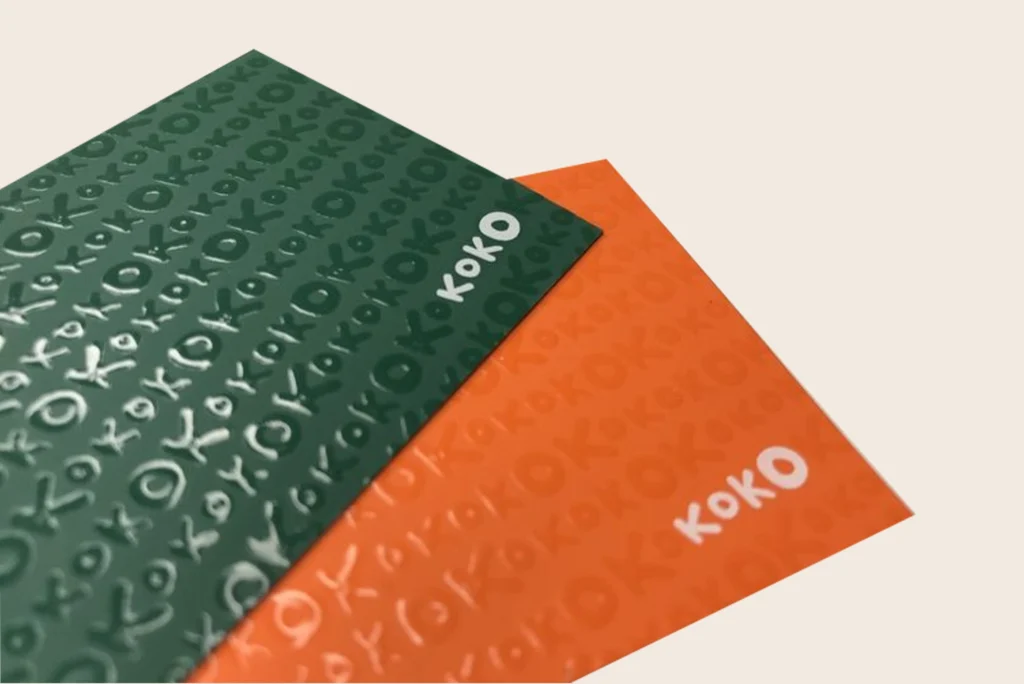
Varnish
A transparent finishing layer available in gloss, satin, or matte effects. It enhances the printed surface and adds an extra layer of visual appeal and light protection.
A formed plastic blister fixed to a printed card, built for peg-hook or shelf display of a small retail item. Orders start from 100 units.
A blister card is two separate parts working together, not one moulded object. A formed plastic dome is shaped around the product, then fixed to a printed paperboard card. That card carries the branding and, where the item hangs on a hook, the die-cut hole for it. Joining those two materials permanently also carries a real cost worth knowing before ordering: the finished piece doesn’t recycle in one simple step the way a single-material carton does. What that means in practice is covered in the FAQs below.
A deeper mould and a stronger bond to the card become necessary as an item gets heavier or more awkward in shape, so it can’t work loose in transit or sitting on a shelf. Whether it needs to stay visible from more than one side is part of the same decision. Acrylic, PVC and polypropylene are all available for the blister, each matched to that weight and shape when the order is specified, not fixed to one material as standard.
The printed card takes standard finishing work: a foiled logo, a raised or recessed detail, and a soft-touch or gloss coating. None of that reaches the blister itself, since a formed plastic dome takes a different surface treatment to printed board, so branding is worth planning around the card specifically. Pantone references and CMYK values can be used to manage colour consistency, subject to normal variation caused by the chosen board, ink, coating and production method.
Orders start from 100 units. Design support is free. A digital 3D mock-up is free. There are no setup fees. Standard production takes 6 to 8 business days after approval. UK delivery is free.
A display holding a whole range of stock, instead of one item on a hook, calls for a different product. Custom Product Display Boxes and Retail Display Boxes are both built around that larger, shelf-level presentation.
| Box Style | All Custom Packaging |
| Dimension | All Custom Sizes & Shapes |
| Quantities | 100-unit minimum order |
| Paper Stock | Kraft, corrugated, rigid board, cardstock |
| Printing | CMYK, Pantone, digital and offset |
| Finishing | Gloss, matte, spot UV, embossing, foiling |
| Shipping | Free delivery options |
Choose from premium coating, board, printing and finishing options for your insert boxes.
A transparent finishing layer available in gloss, satin, or matte effects. It enhances the printed surface and adds an extra layer of visual appeal and light protection.
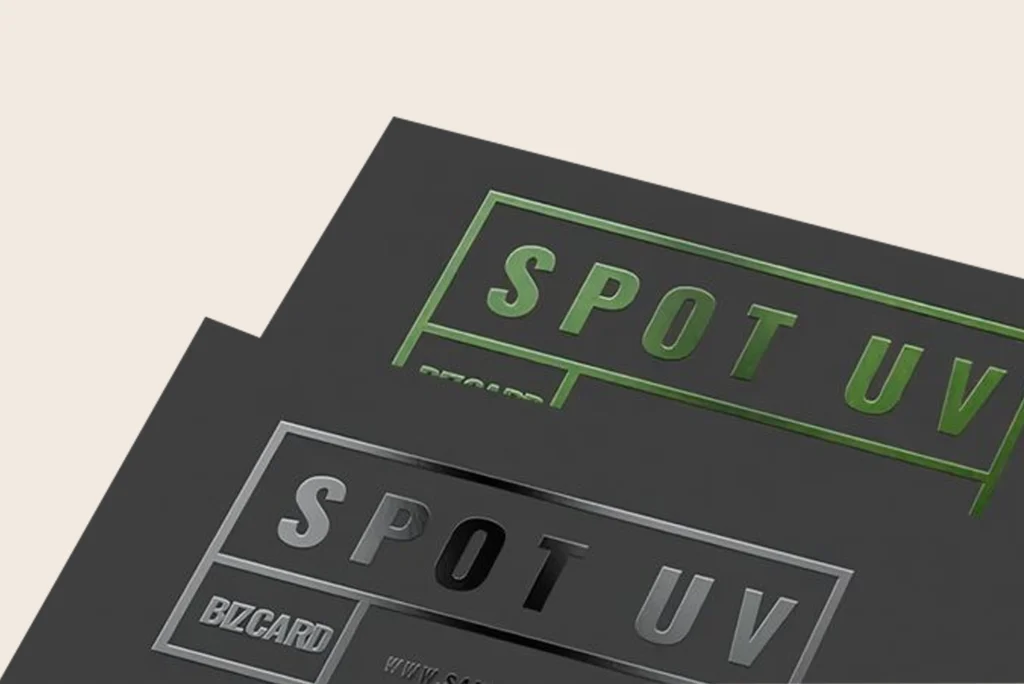
A UV-cured coating applied to specific areas of the design to create gloss or matte contrast and draw attention to important details.
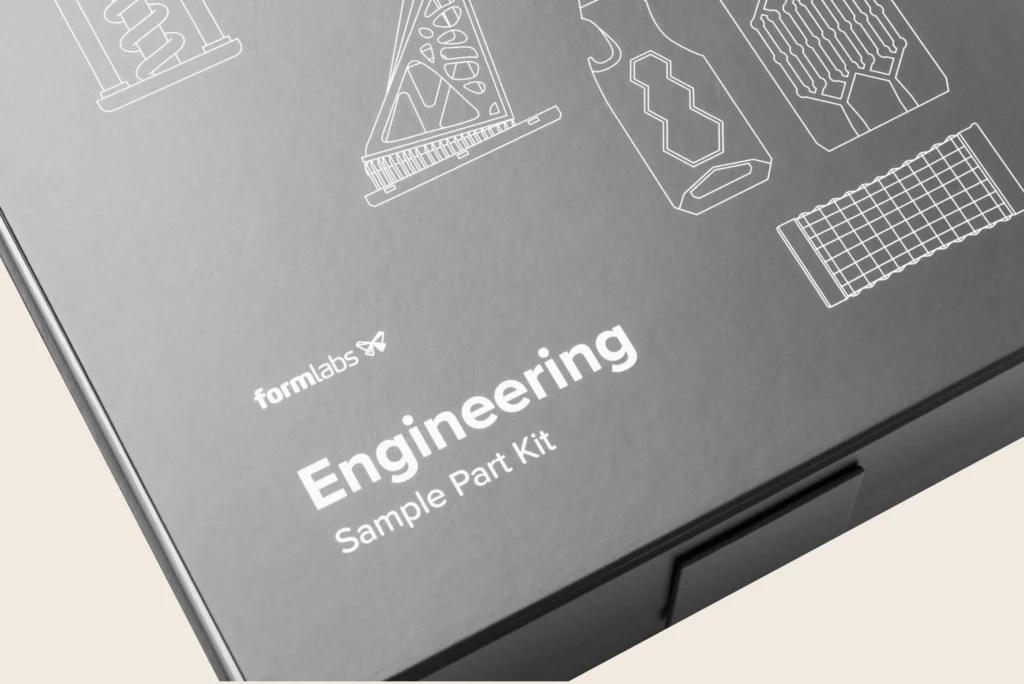
A smooth, velvety coating that creates a soft tactile feel and gives packaging a refined luxury look. It improves the unboxing experience and supports a high-end product presentation.
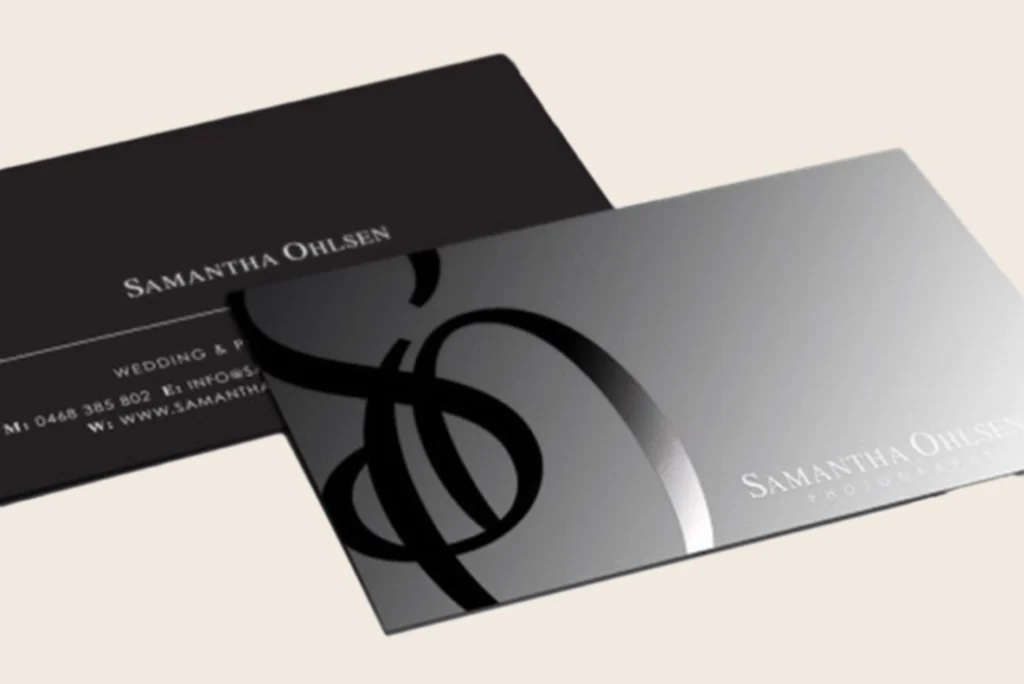
A soft, smooth lamination with a refined satin-like finish. It gives packaging a premium feel while keeping the surface elegant, subtle, and easy to handle.
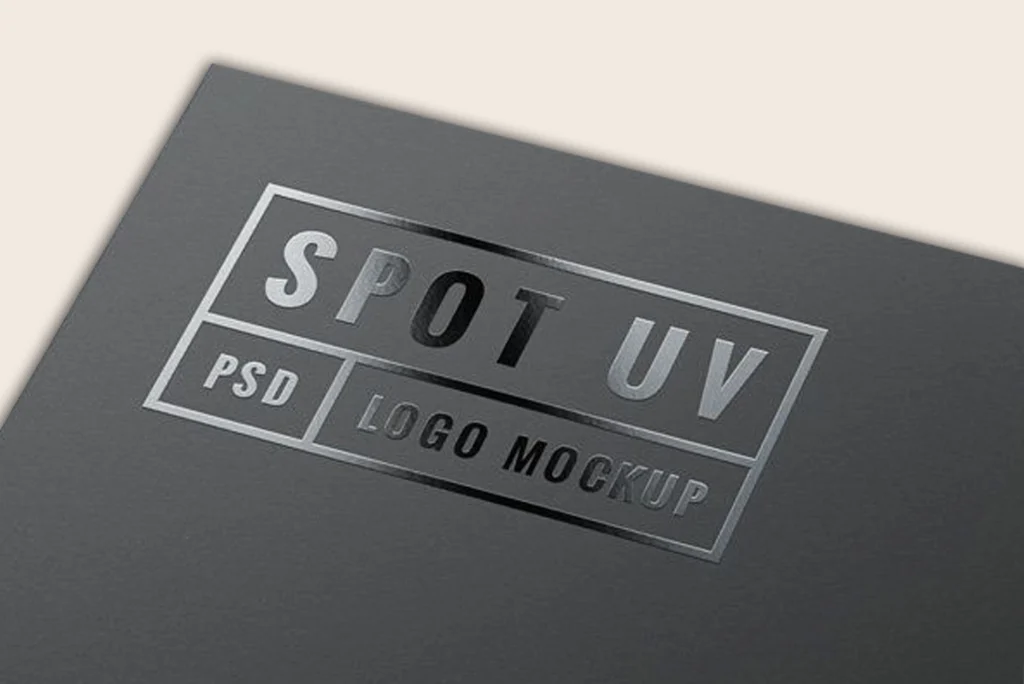
A high-gloss UV coating applied only to selected design areas to create sharp contrast, highlight logos, and add a premium visual effect without coating the whole surface.
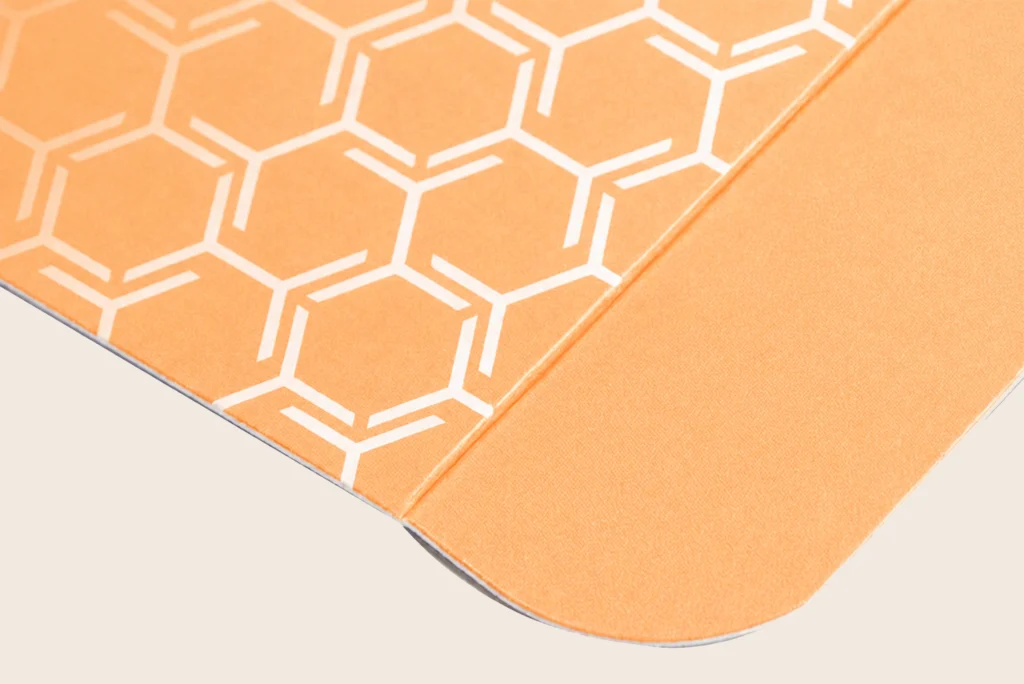
A clear, fast-drying water-based coating that adds a smooth protective layer while maintaining a clean and professional surface finish. It is a practical choice for everyday printed packaging.
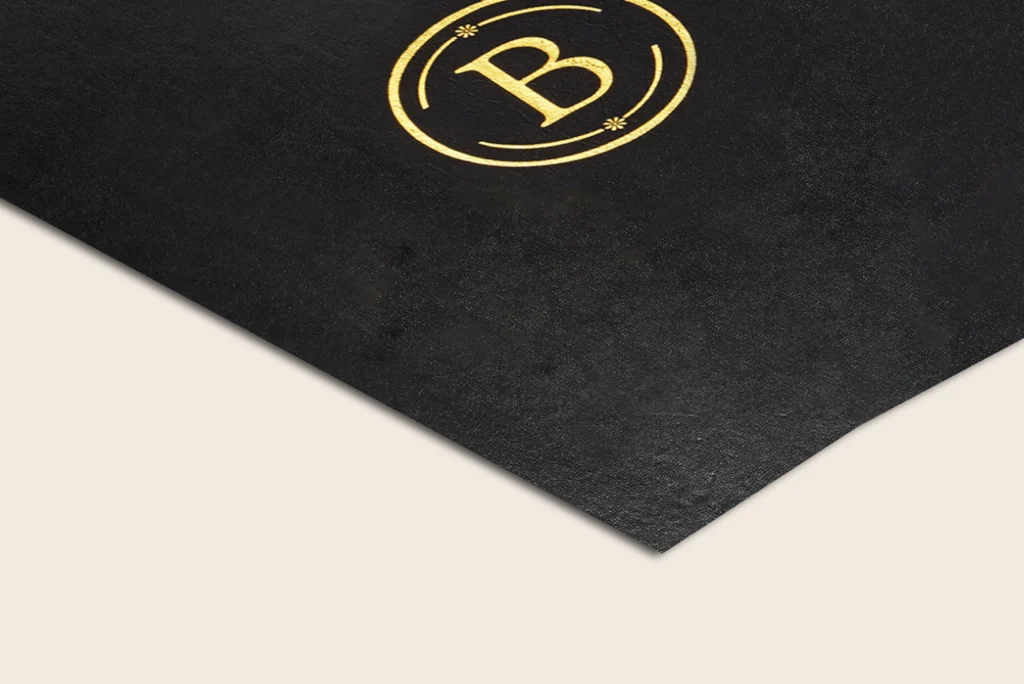
A durable protective film that helps reduce visible scratches, scuffs, fingerprints, and daily handling marks. It keeps packaging looking clean, polished, and premium for longer.
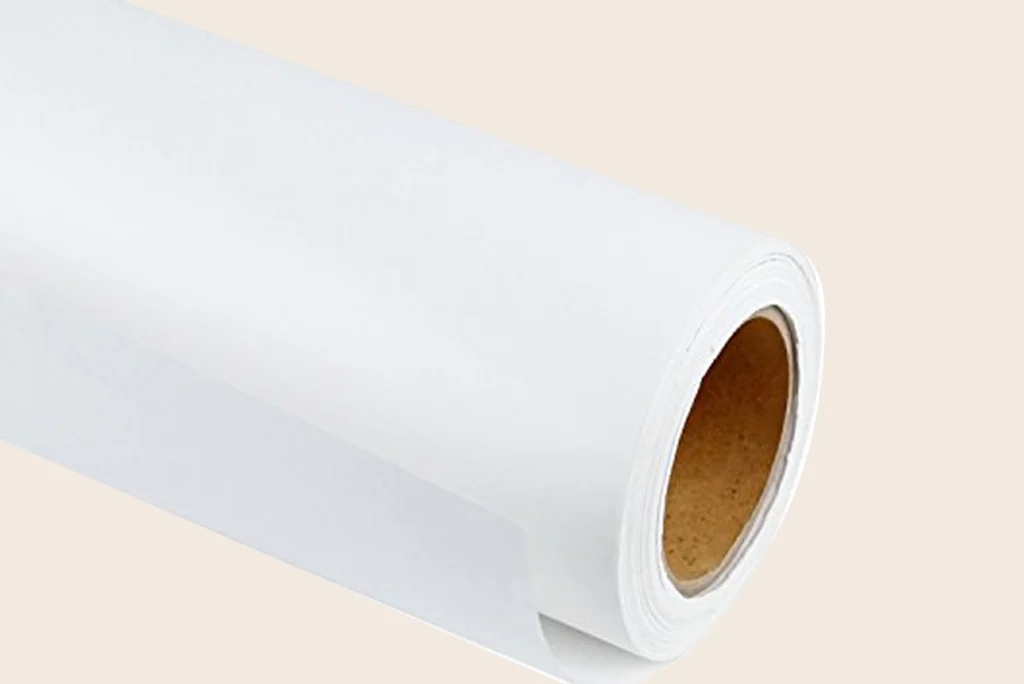
A bleached kraft paperboard made from a mix of virgin and recycled pulp, offering a clean white surface for crisp and polished packaging designs.
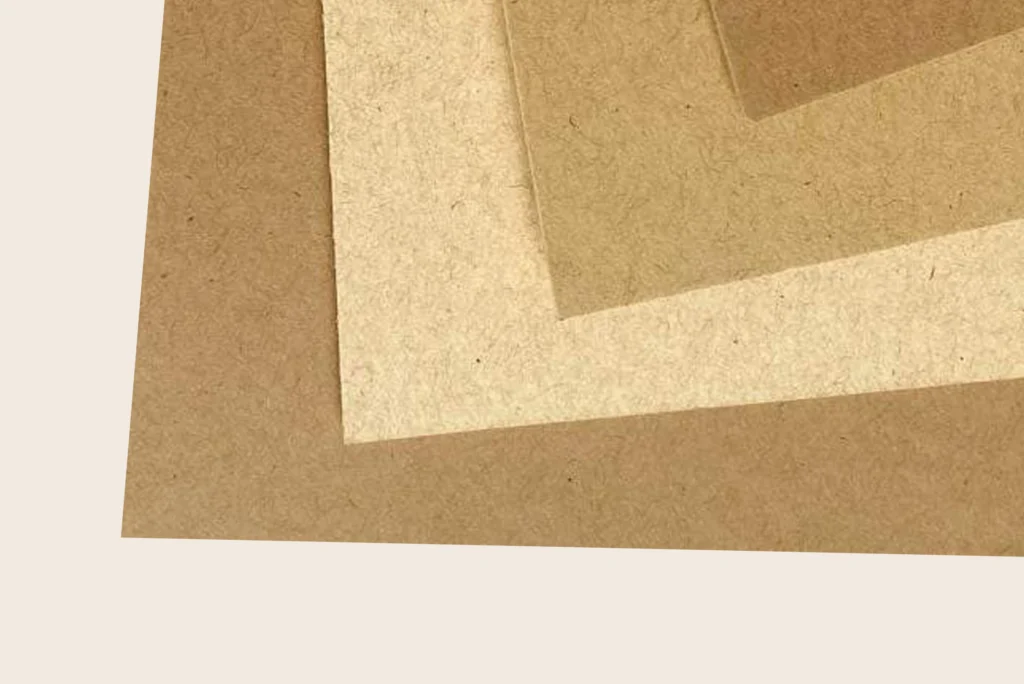
A natural kraft paperboard without coating, made from virgin and recycled pulp. It provides a raw, organic appearance with sturdy packaging strength.
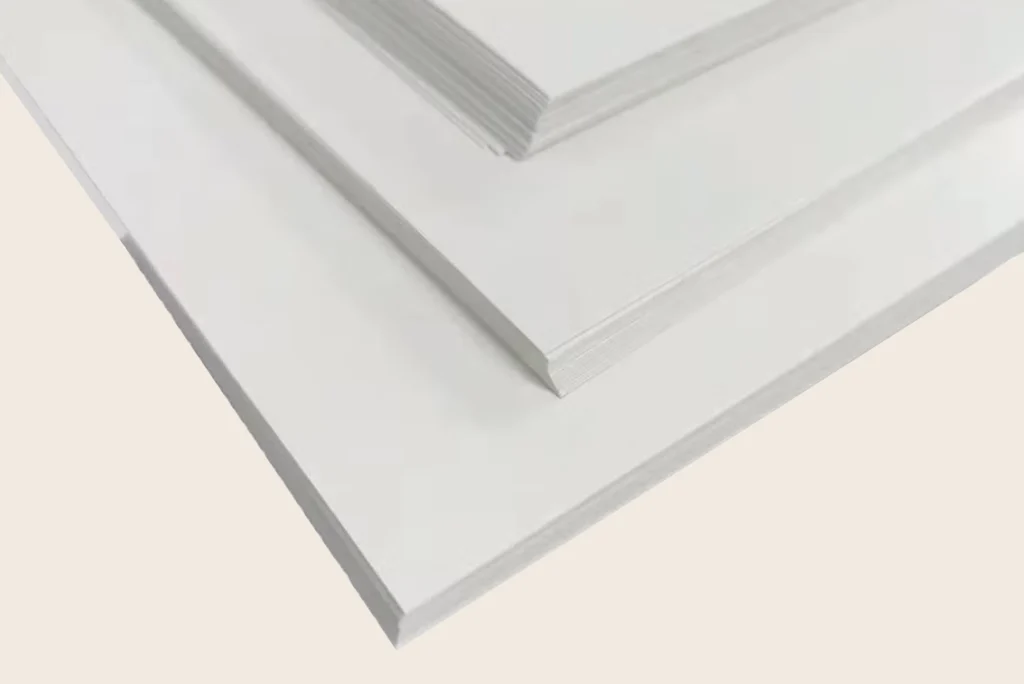
A premium bleached paperboard coated on both sides, designed for excellent print quality, die-cutting, and professional packaging results.
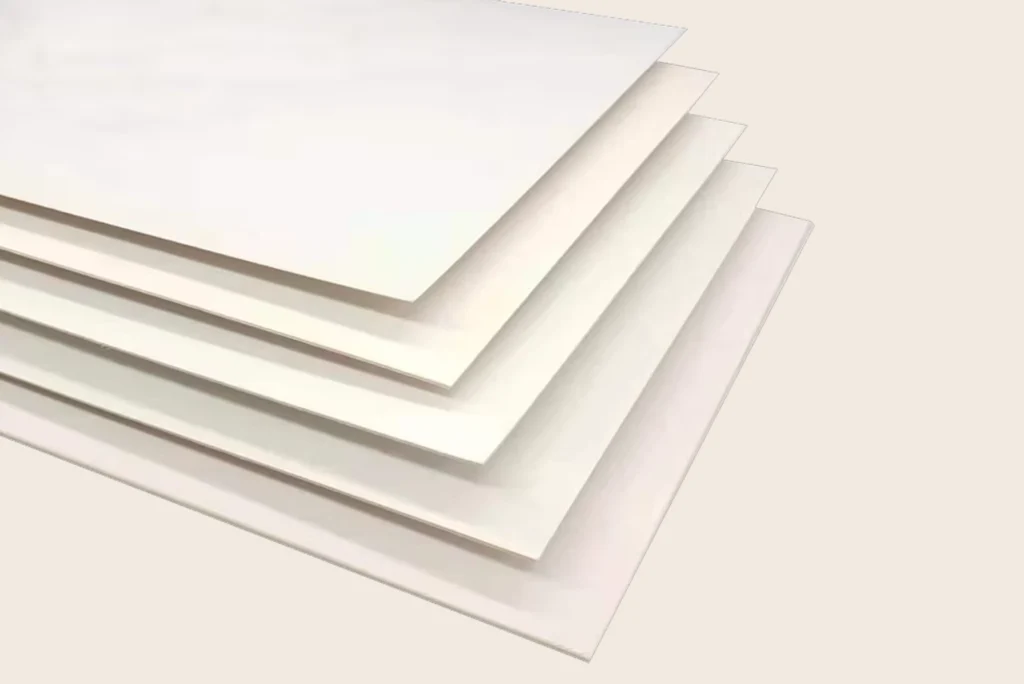
A high-quality bleached paperboard coated on one side. It provides a clean printable face with a premium packaging feel.
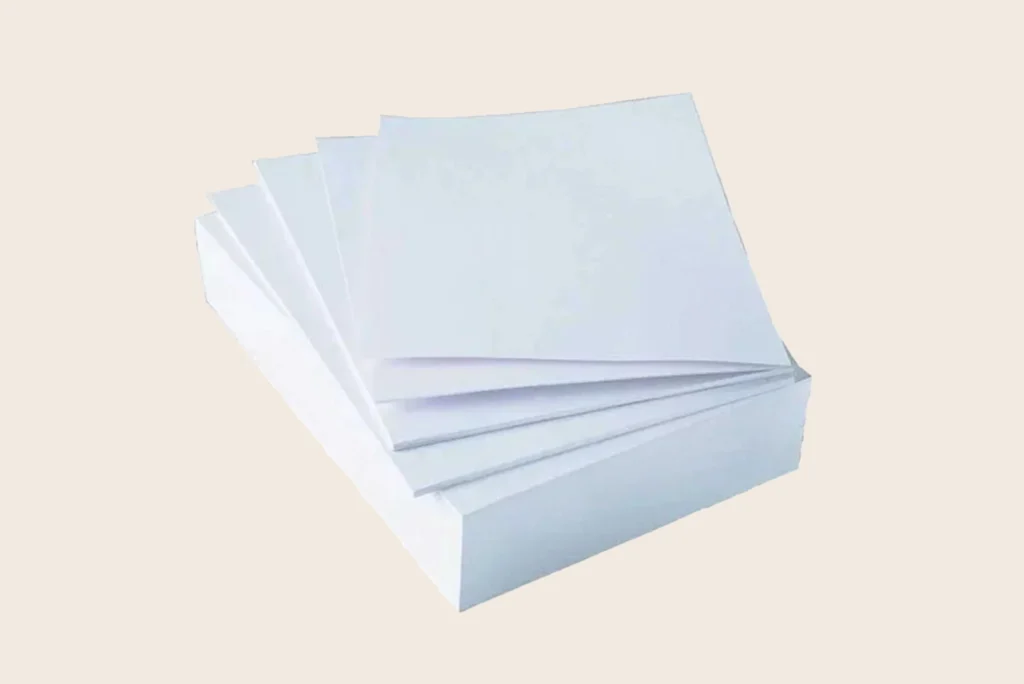
A smooth printable paper stock that supports high-resolution graphics, clean text, and rich color output for refined packaging presentation.
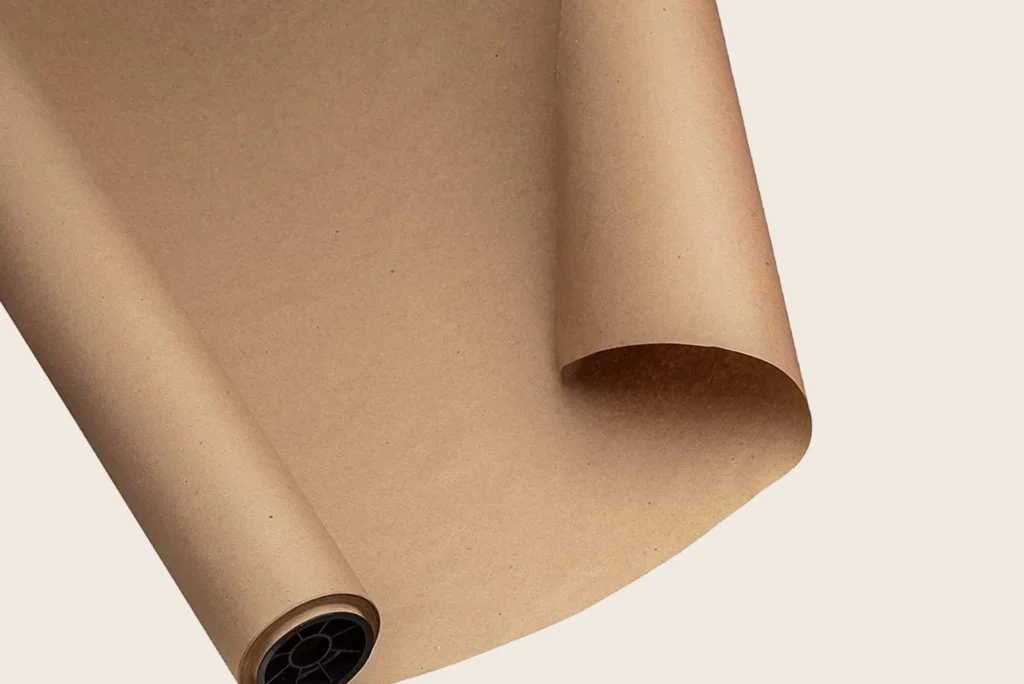
A natural kraft paperboard made from strong virgin and recycled pulp. It provides an organic, earthy look for sustainable and simple packaging.

A specialty paperboard with a laminated metallic surface available in gold, silver, and other premium finishes for luxury visual impact.

A specialty paperboard with a laminated holographic surface that creates a reflective, rainbow-like appearance for eye-catching product packaging.
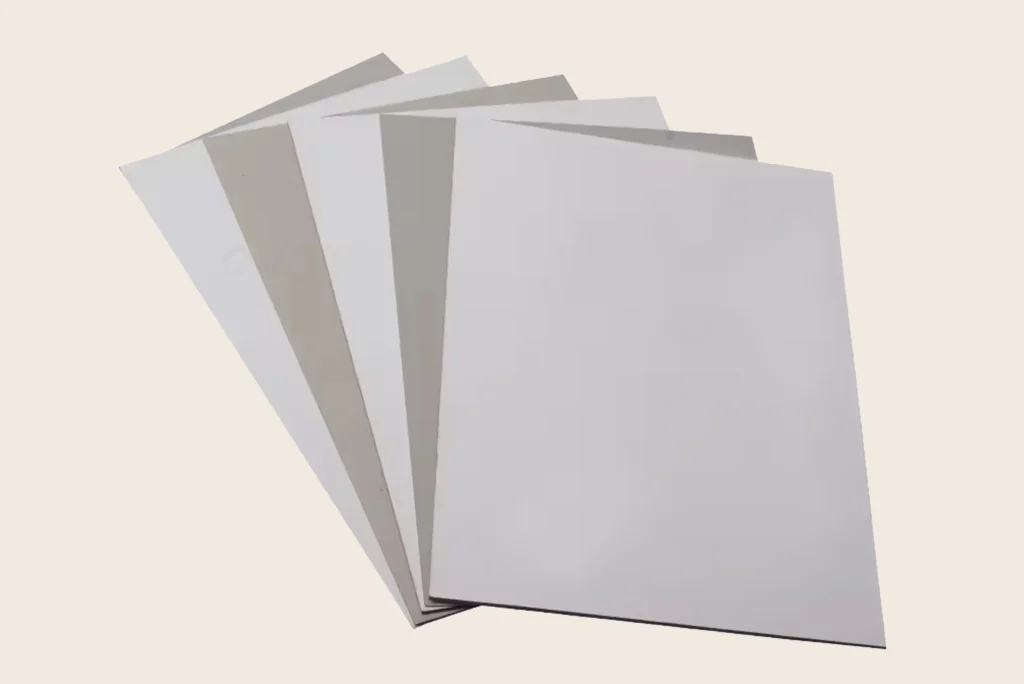
A recycled duplex paperboard with a white printable surface. It is ideal for economical packaging that still requires clean graphics and brand presentation.
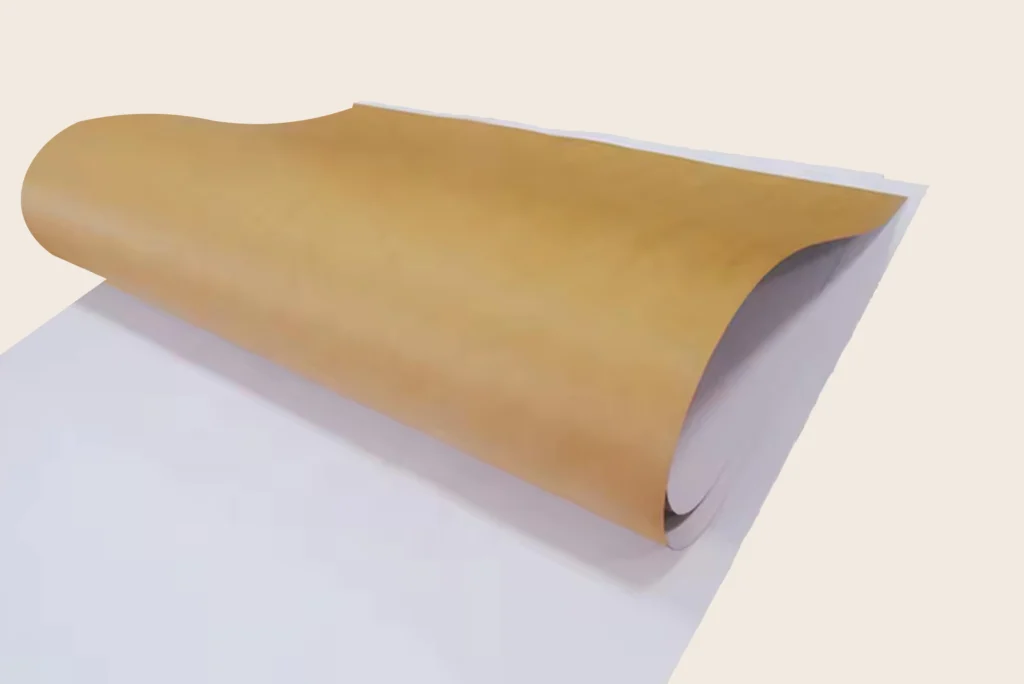
A kraft board with a smooth clay-coated white face for quality printing and a natural kraft reverse side for a strong, authentic appearance.
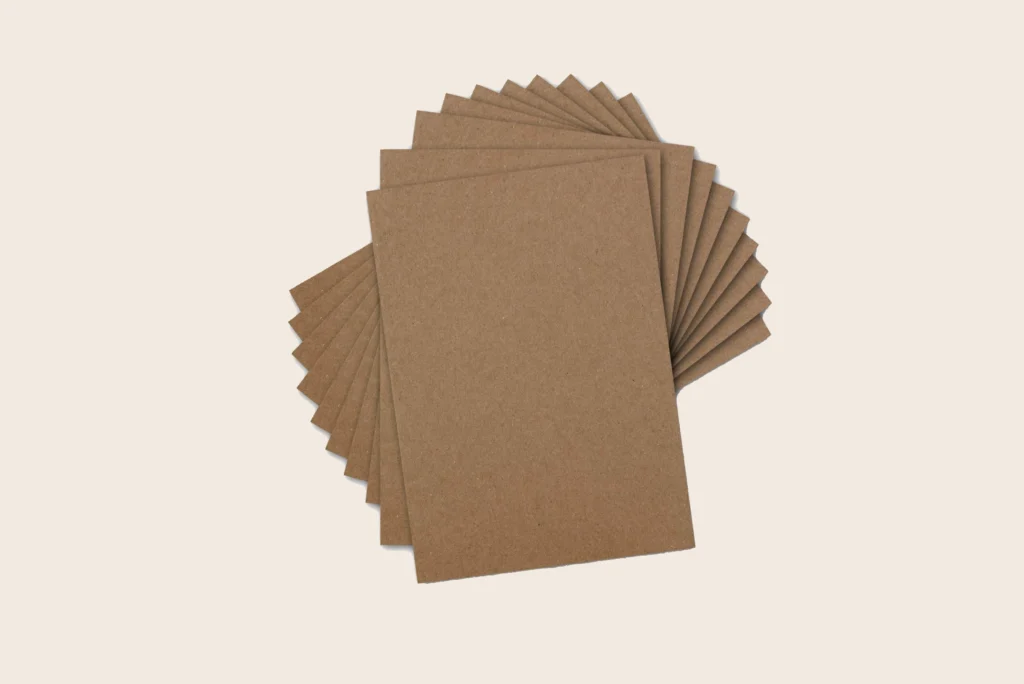
A kraft paperboard with a clay-coated printable top surface and a natural unbleached kraft back. It balances clean branding with a rustic natural look.
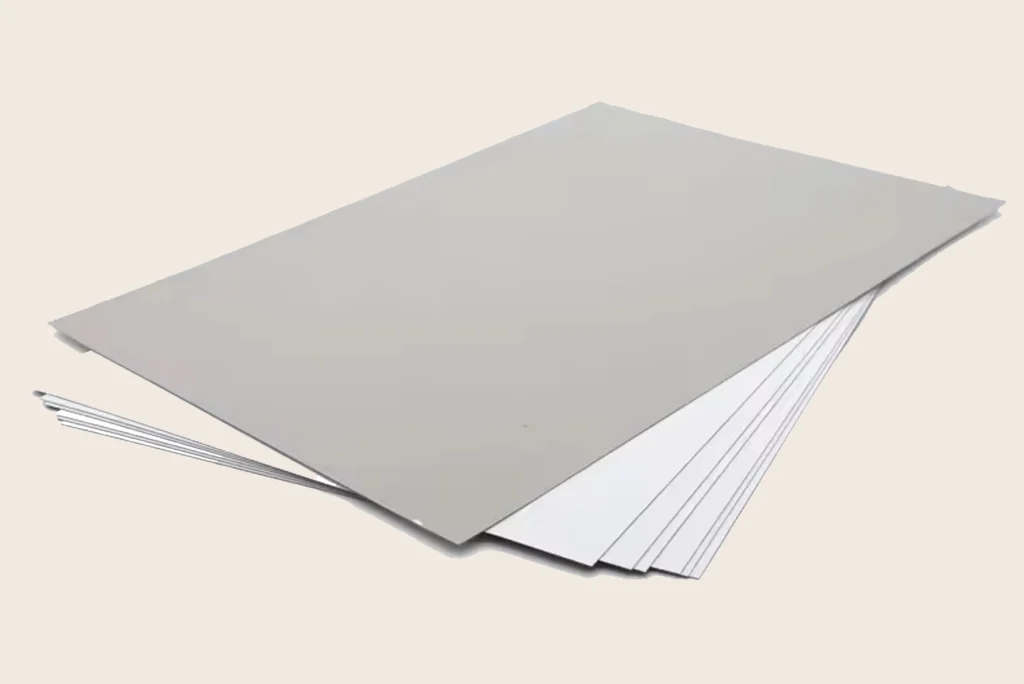
A duplex paperboard made with recycled pulp and a coated white printable surface. It delivers smooth print results for affordable carton packaging.
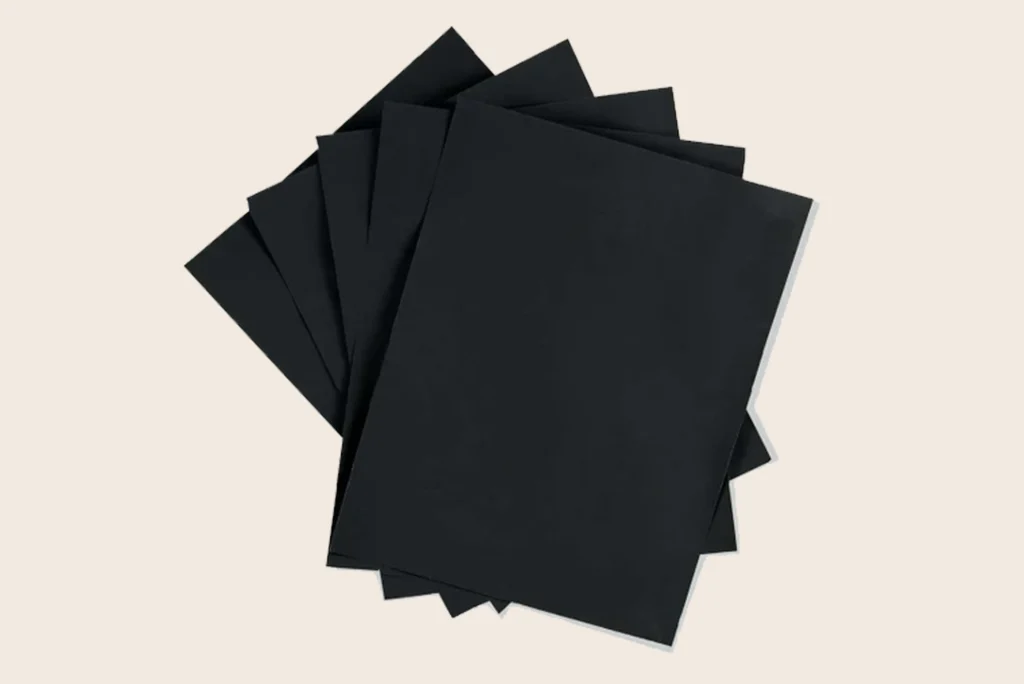
A black-dyed kraft board with a natural paper texture and excellent strength. It creates a bold, premium look for luxury and specialty packaging.
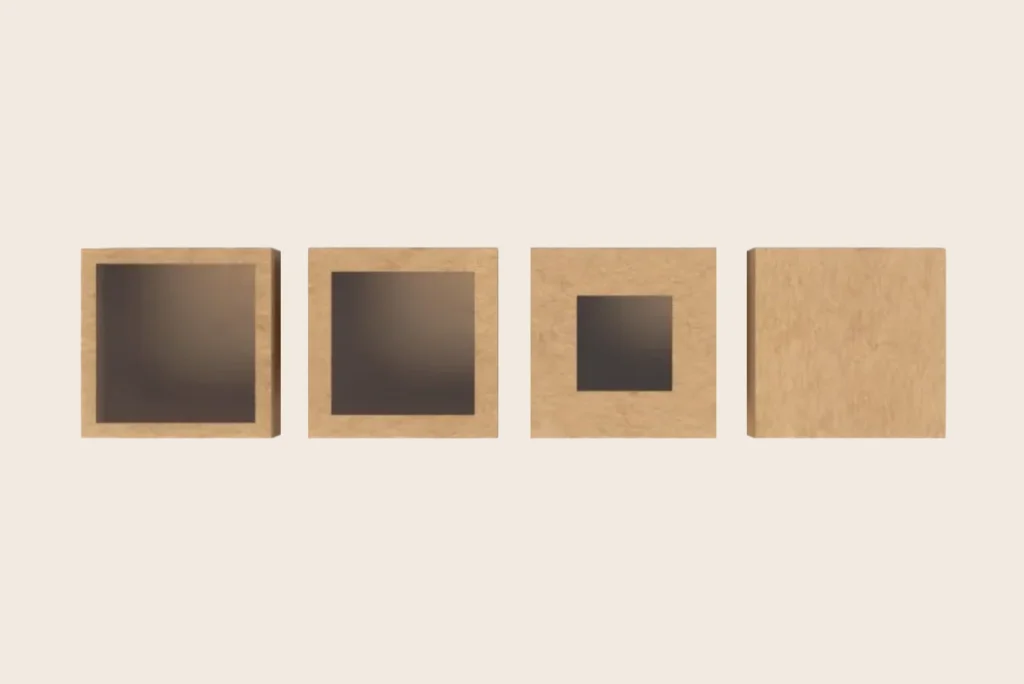
A packaging technique where a die-cut opening is covered with a transparent film, allowing the product inside to remain visible while staying protected.
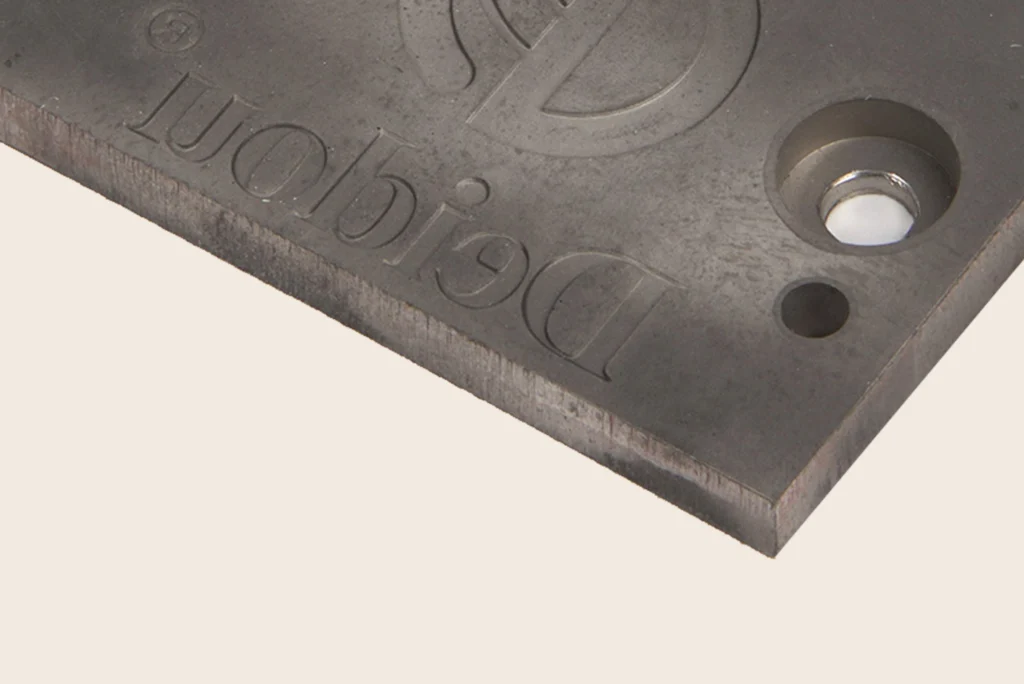
An embossing technique where the raised design is precisely aligned with printed artwork to improve detail, texture, and overall presentation.
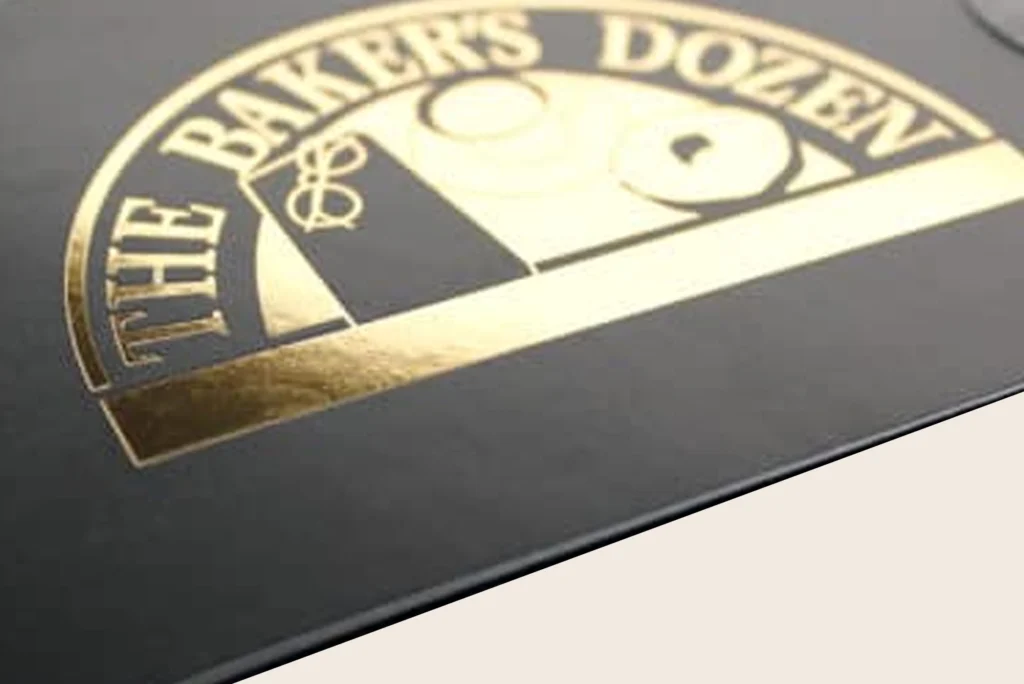
A finishing process in which heat and pressure transfer metallic foil to the surface, creating a premium, shiny, and luxurious effect.
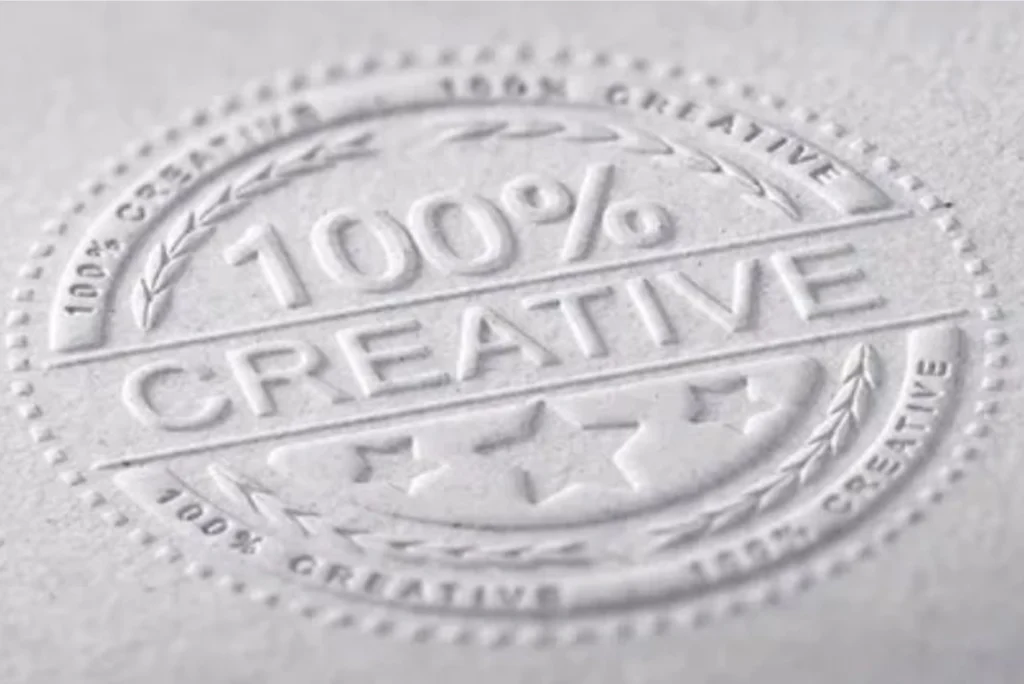
A premium finishing method that combines embossing with foil stamping to create a raised design with metallic color and strong visual impact.
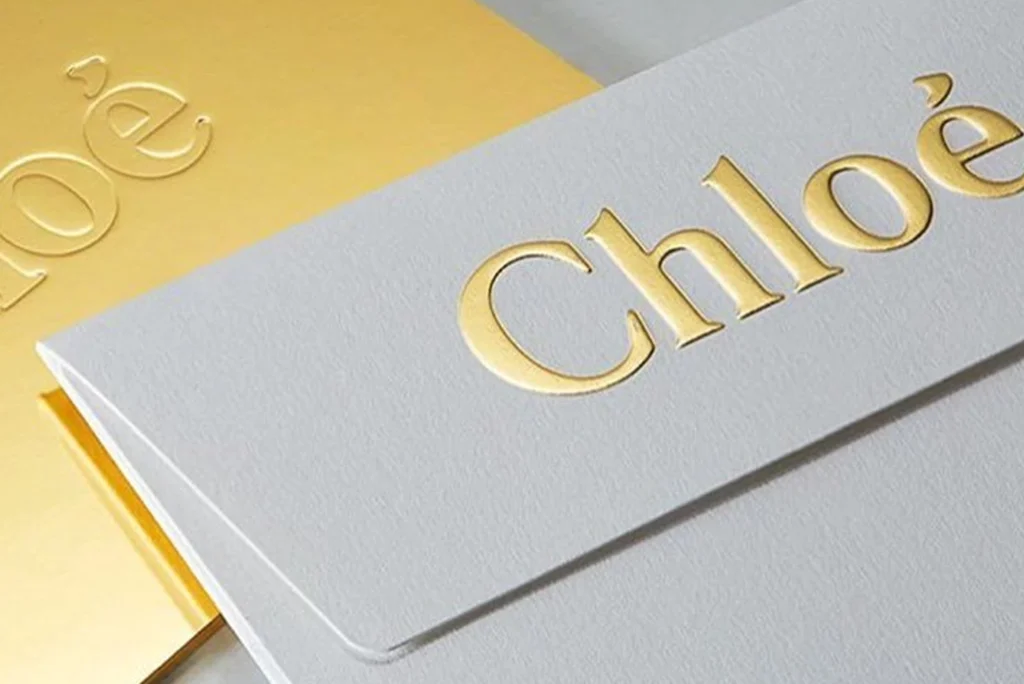
A decorative process that transfers foil onto selected areas of the surface using UV-curable adhesive, creating a bright metallic effect with sharp detail.
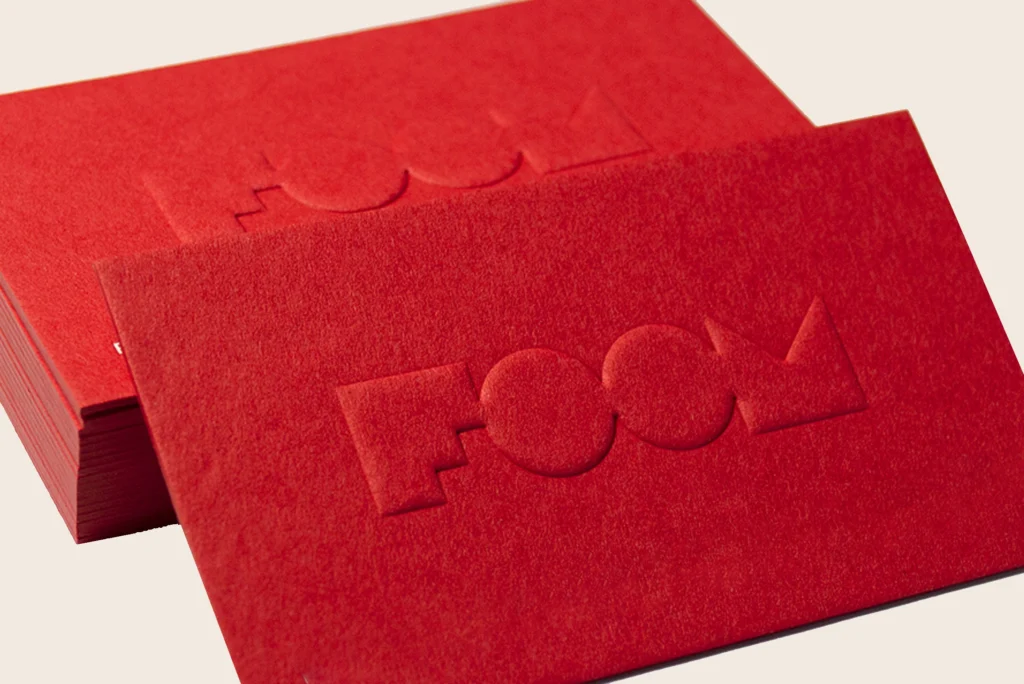
A technique that raises a design from the surface without ink or foil, giving packaging a clean, elegant, and textured appearance.
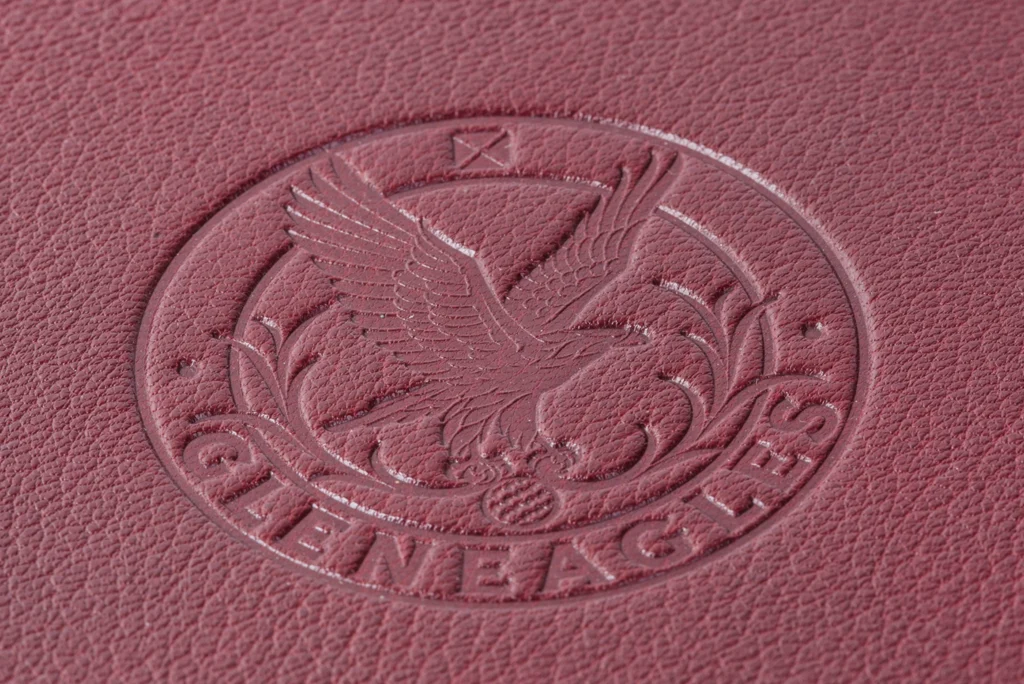
A finishing technique that presses a design into the material to create a recessed impression without using ink or foil. It adds subtle depth and a refined tactile effect.
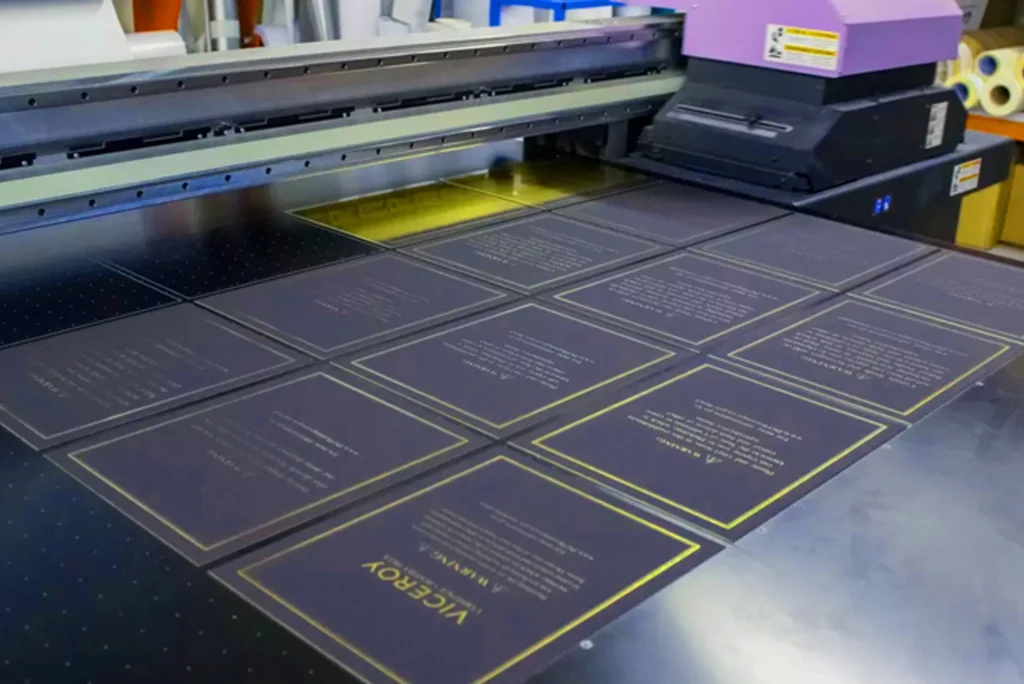
A fast-curing printing process that uses ultraviolet light to dry ink instantly, delivering sharp detail, vibrant colors, and a premium finish.
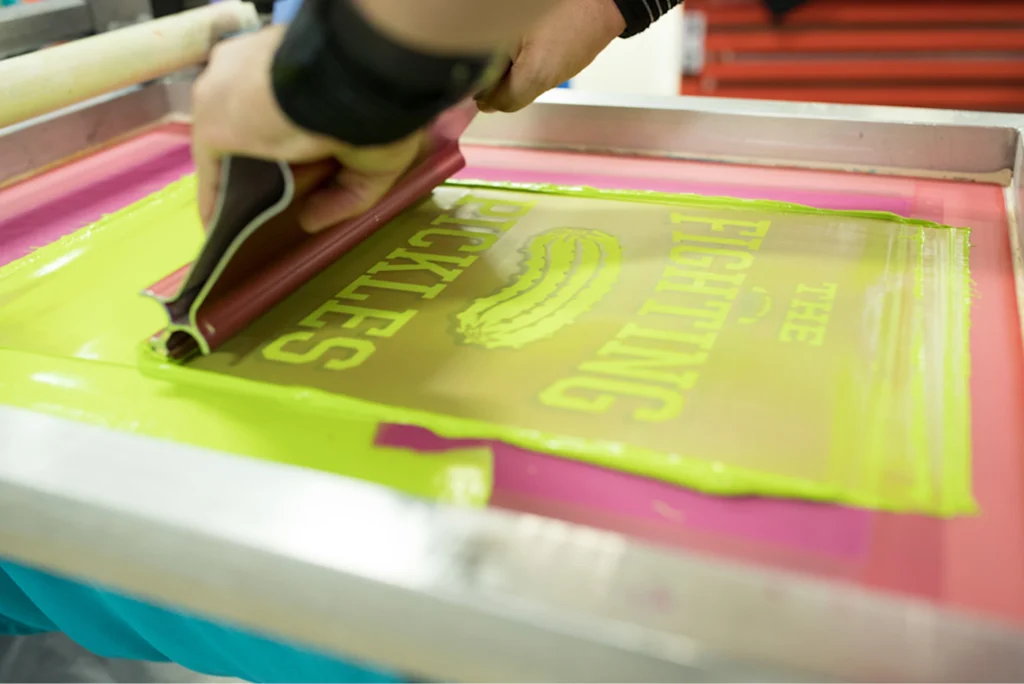
A durable printing method that uses a mesh screen and stencil to apply ink to surfaces. It is ideal for bold colors and high-impact packaging designs.
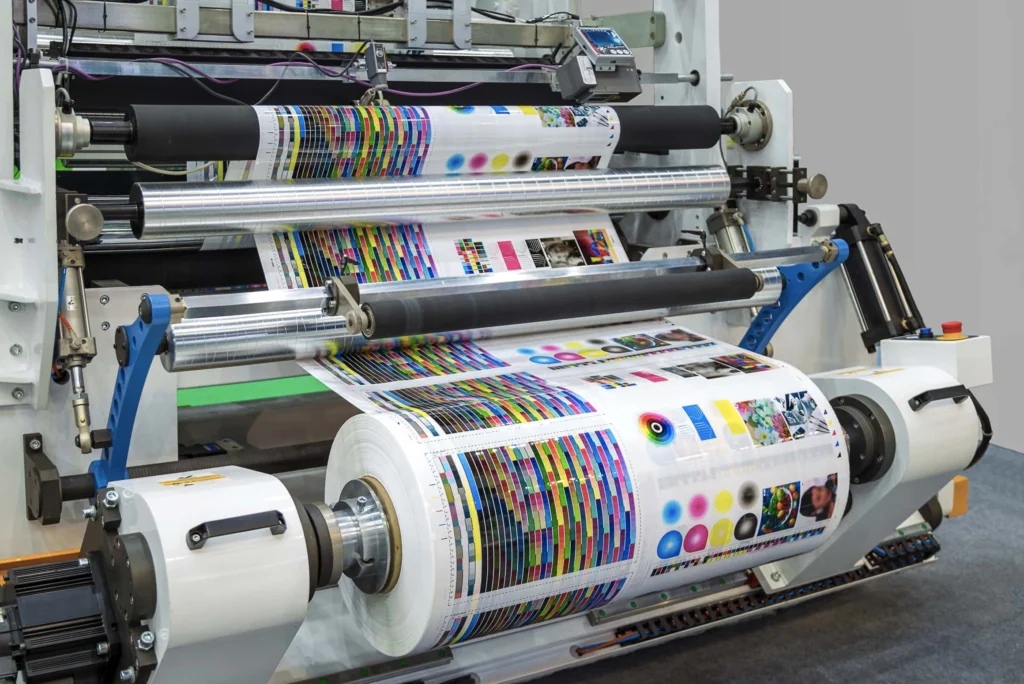
A traditional high-quality printing process that transfers designs from plates to a rubber blanket before printing, making it ideal for large-volume production.
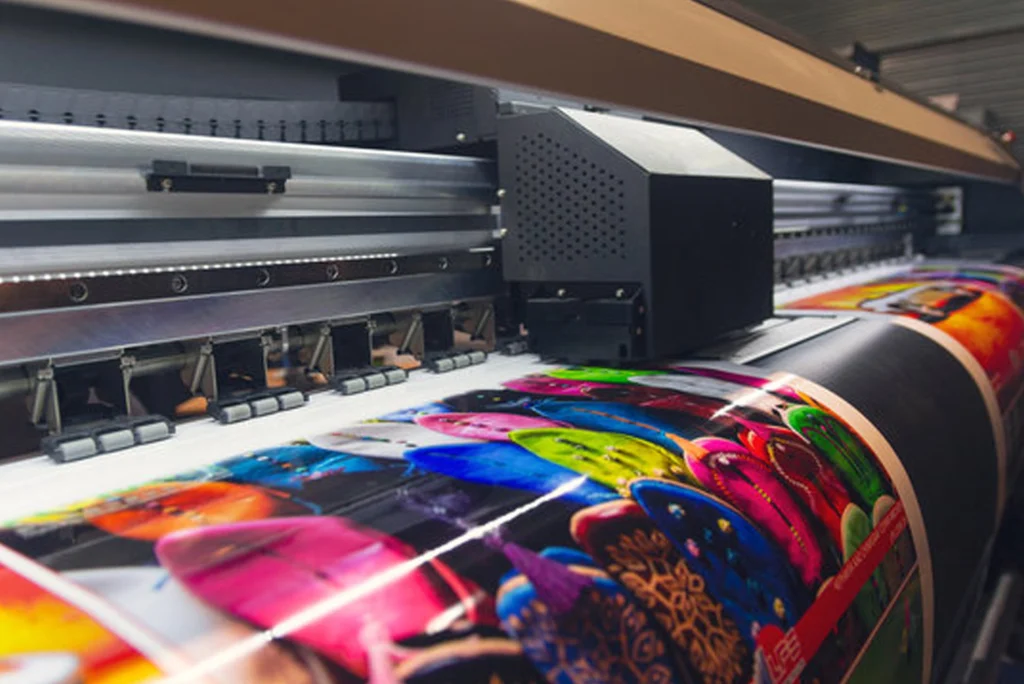
A modern printing method that does not require printing plates, making it cost-effective and efficient for short runs, sample production, and small-batch quantities.
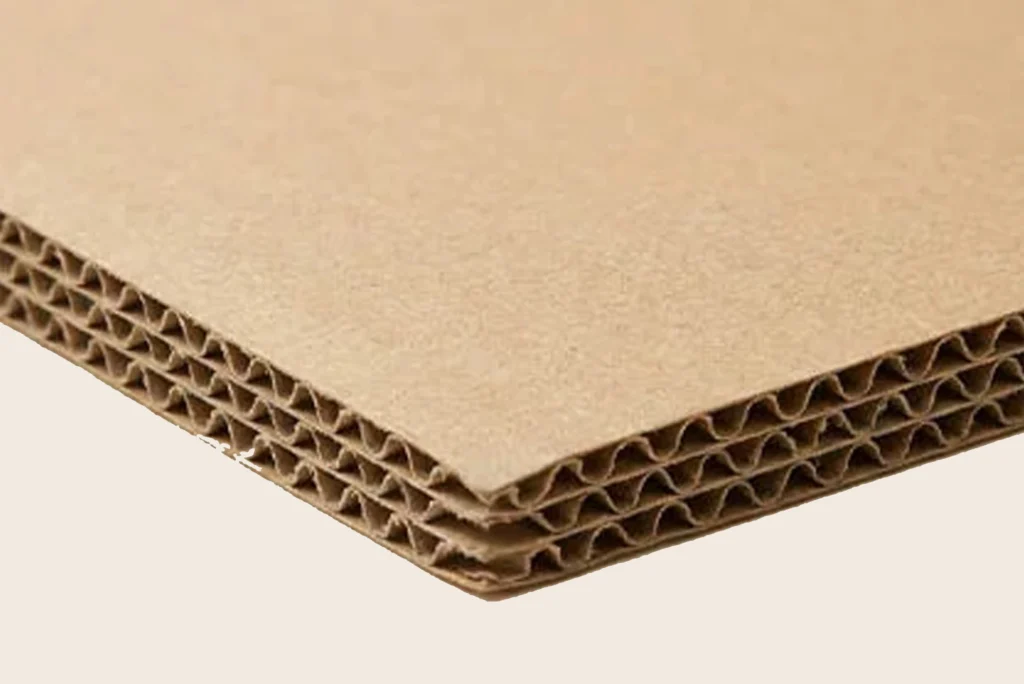
Built with three corrugated layers between four linerboard sheets, providing heavy-duty strength for large or industrial packaging needs.
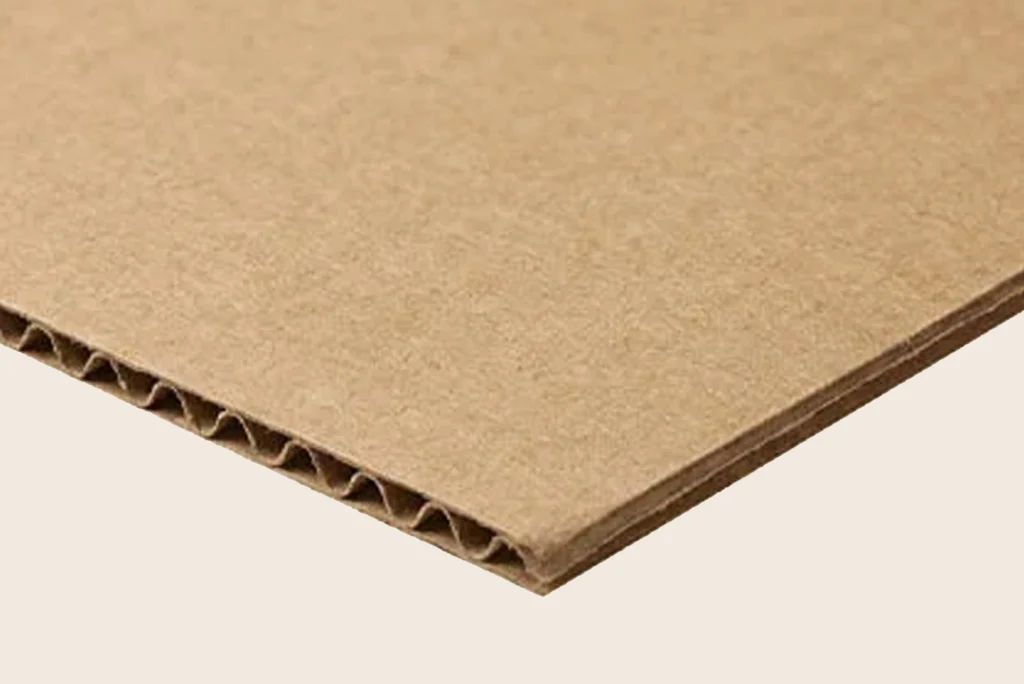
A standard corrugated structure with one fluted medium and two linerboards, providing dependable strength for everyday packaging.
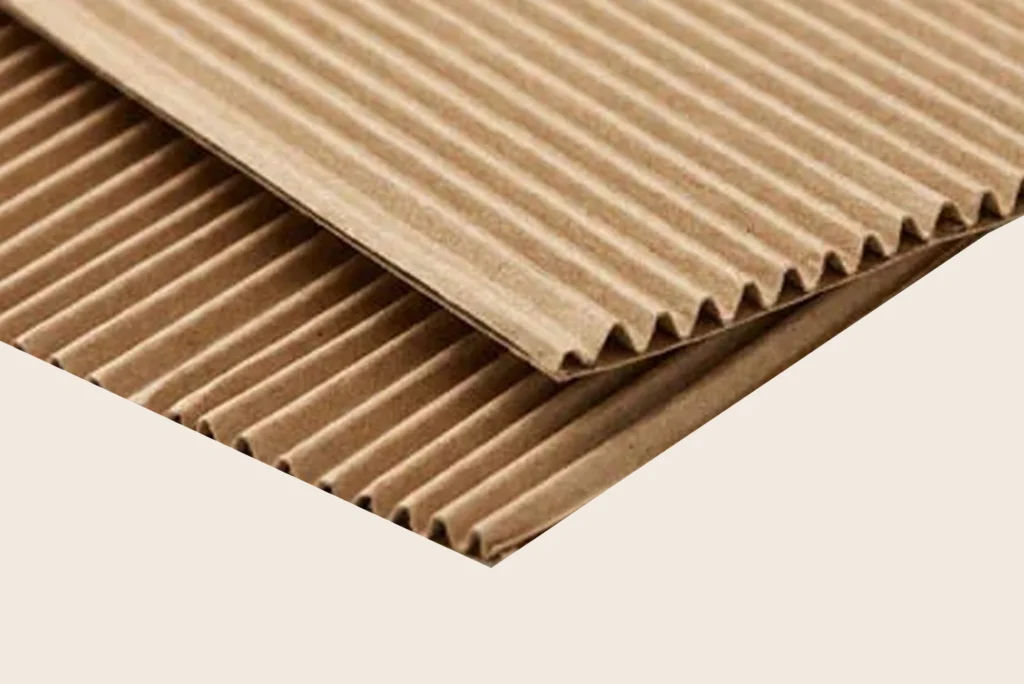
A corrugated sheet with one flute layer between two liners, offering lightweight strength for protective packaging.
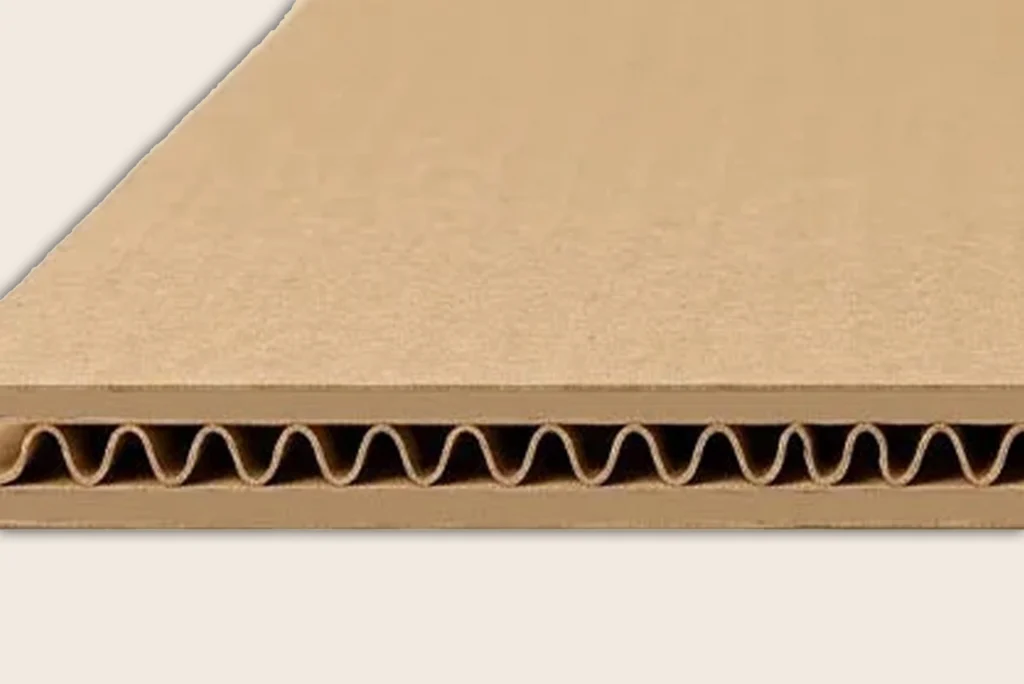
An ultra-thin flute grade designed for lightweight packaging, small retail boxes, and high-quality printed presentation.
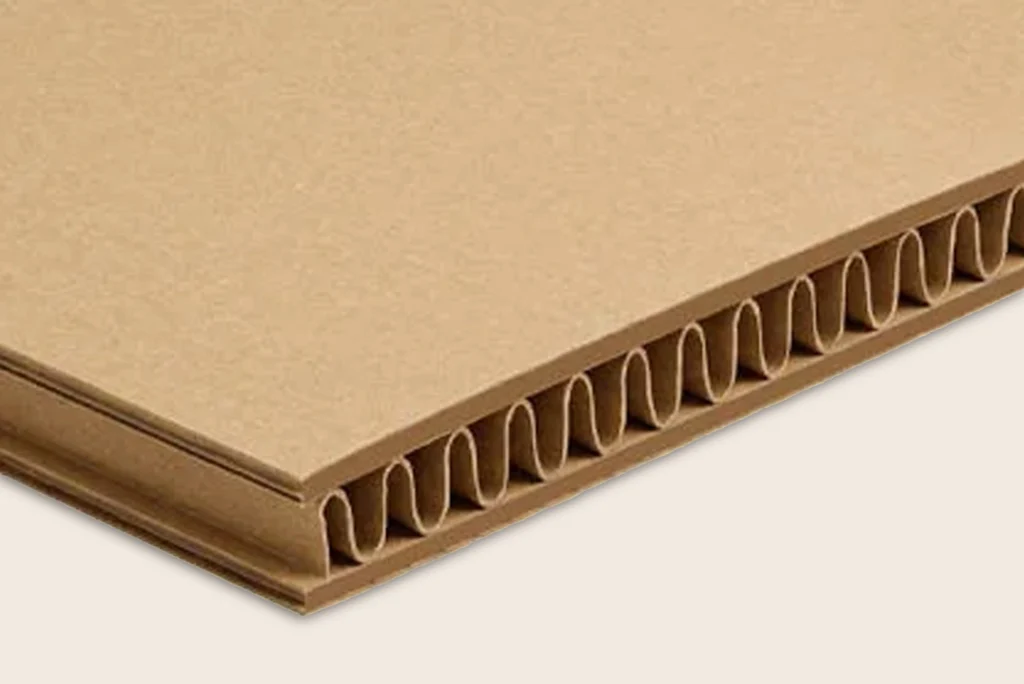
A slim flute grade with a flatter surface, ideal for detailed printing, display packaging, and premium retail boxes.
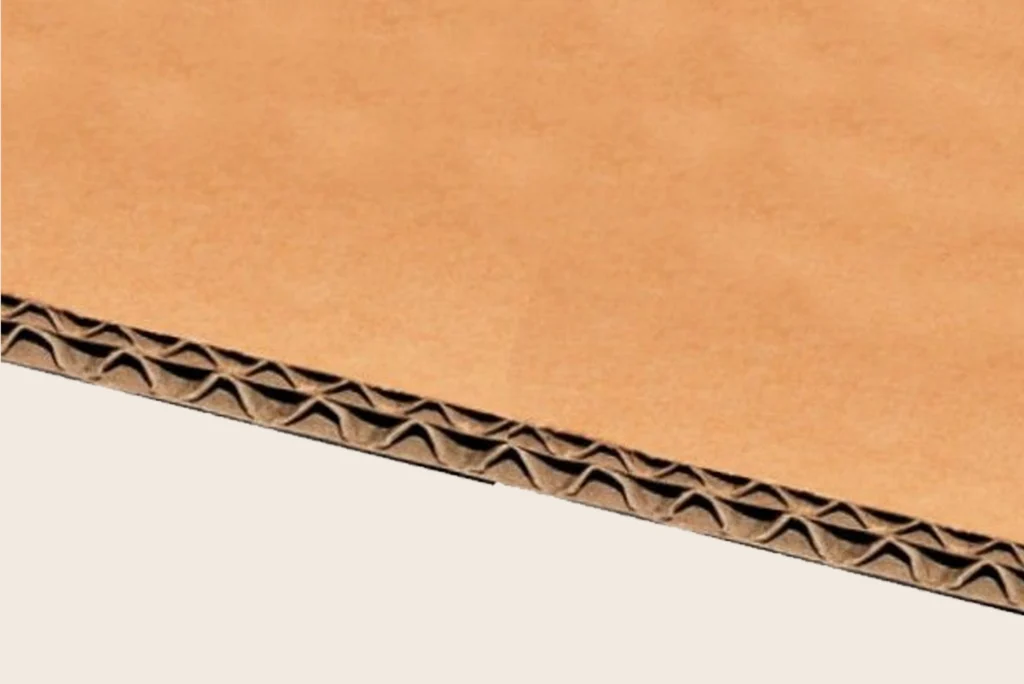
Made with two layers of corrugated medium between linerboard sheets, offering added strength and durability for heavier products.
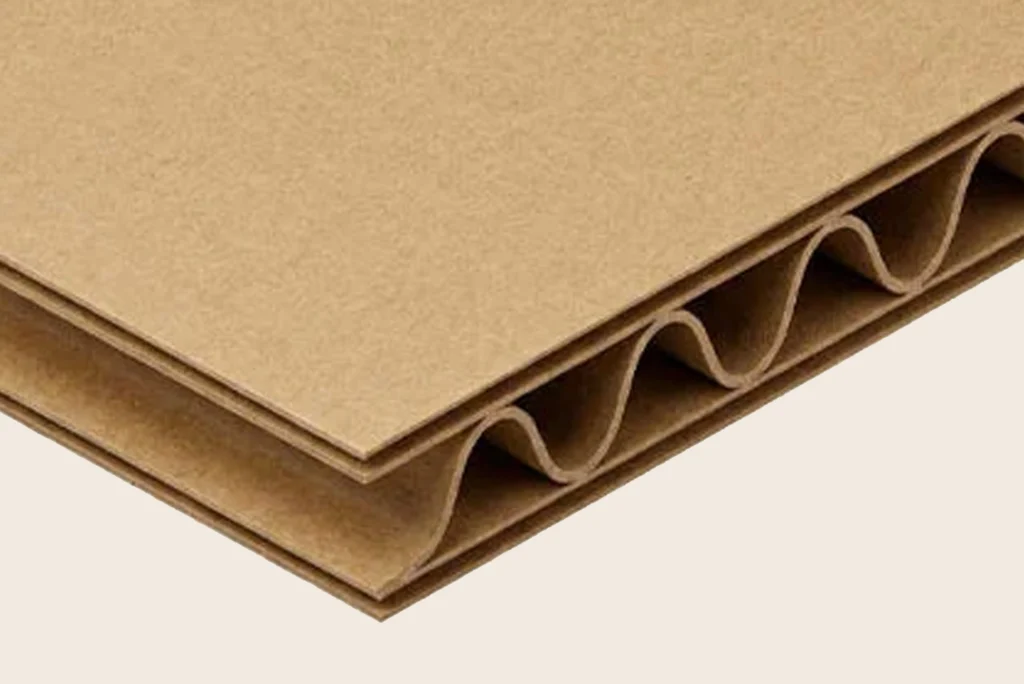
A versatile corrugated flute that offers balanced compression strength, cushioning, and printability for many packaging applications.
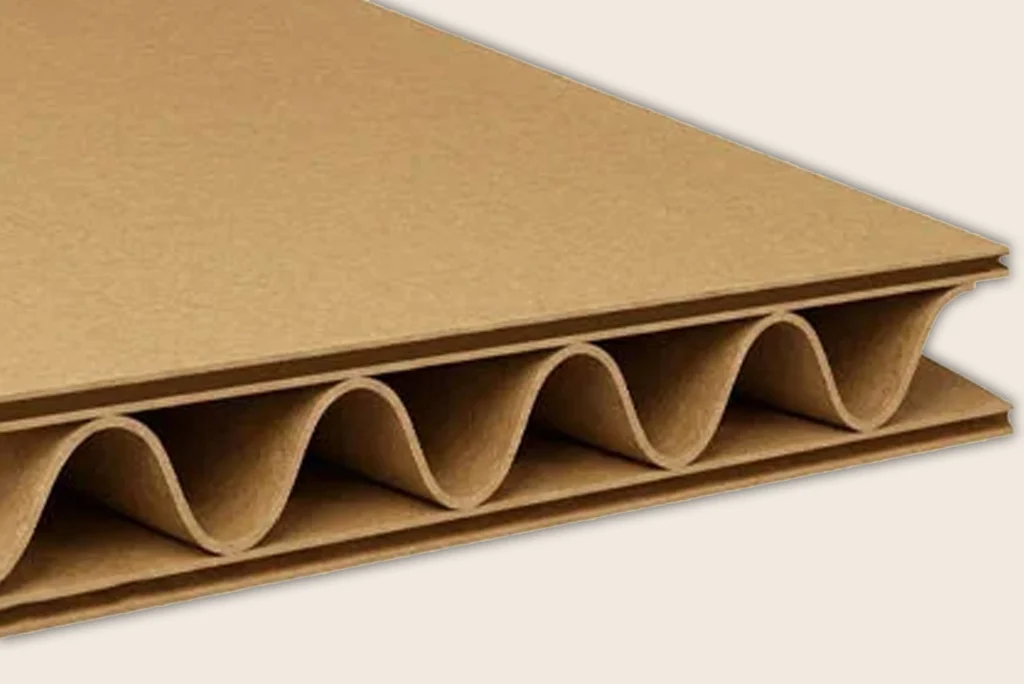
A thinner flute grade with a smooth surface, making it suitable for high-quality printing, precise die-cutting, and neat retail packaging.
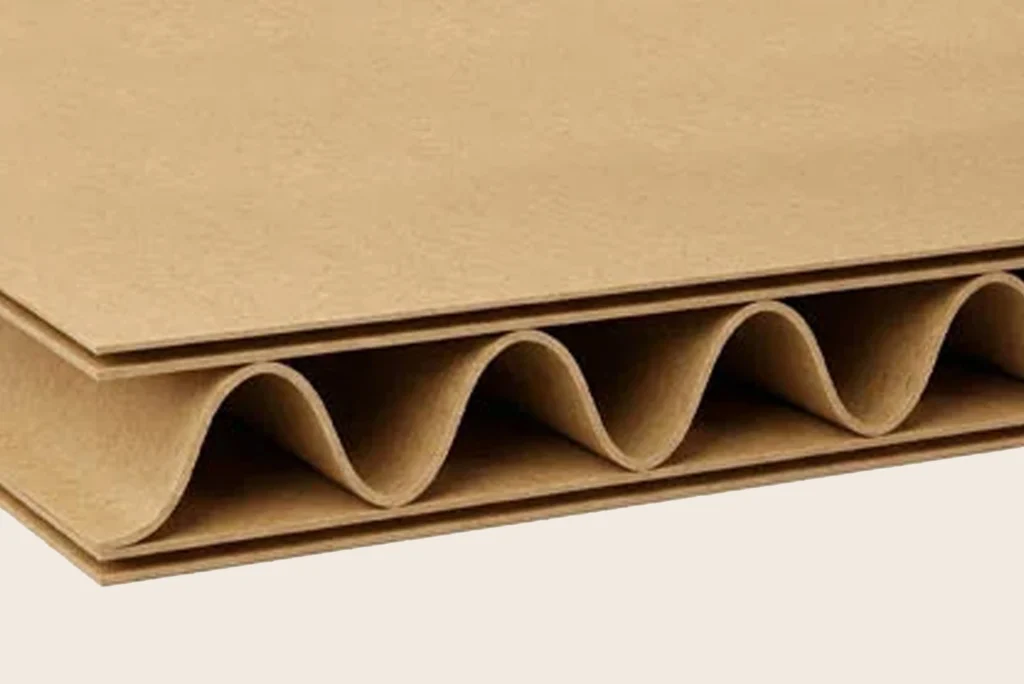
A thick corrugated flute profile that provides excellent cushioning, compression strength, and stacking support for protective packaging.
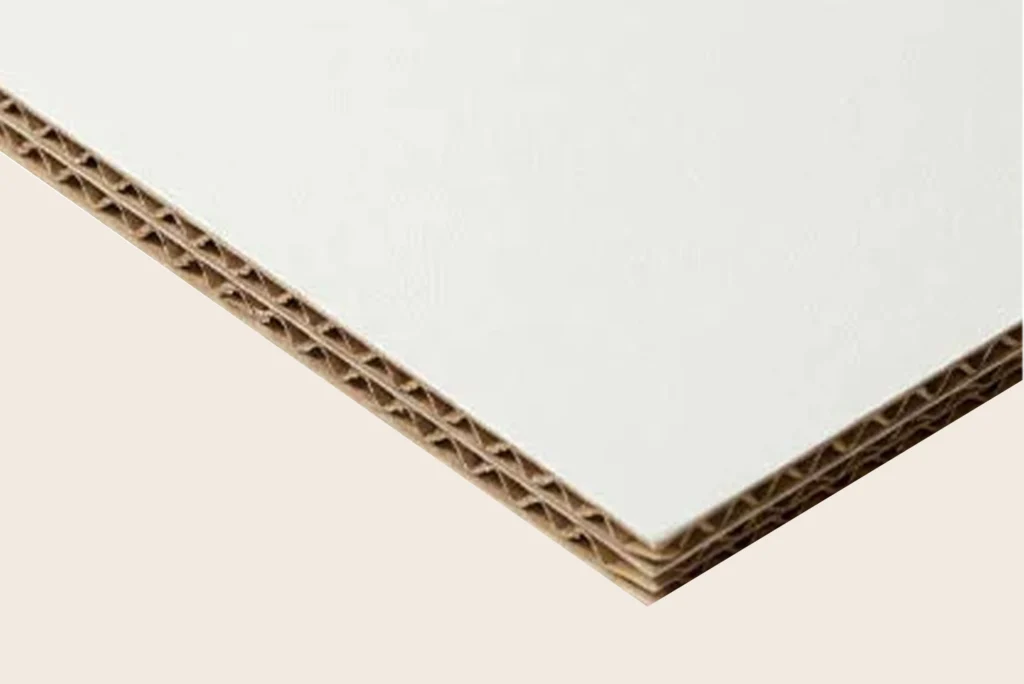
A coated linerboard with an off-white surface, suitable for high-quality printing and a refined packaging appearance.
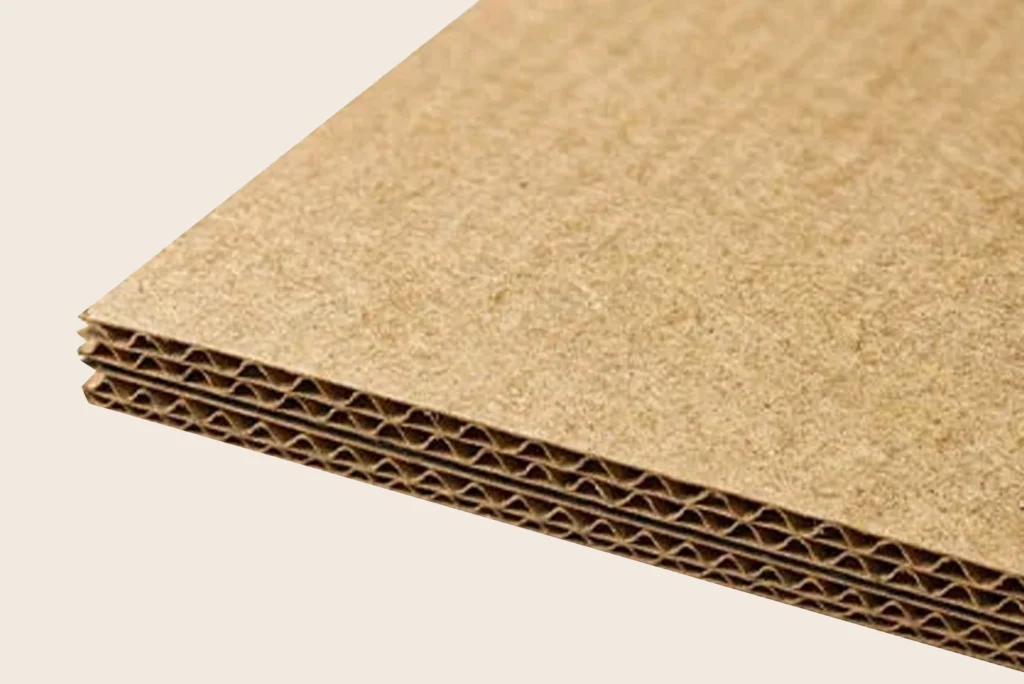
An unbleached kraft linerboard made from recycled paper pulp, offering a natural look with strong durability for eco-conscious packaging.
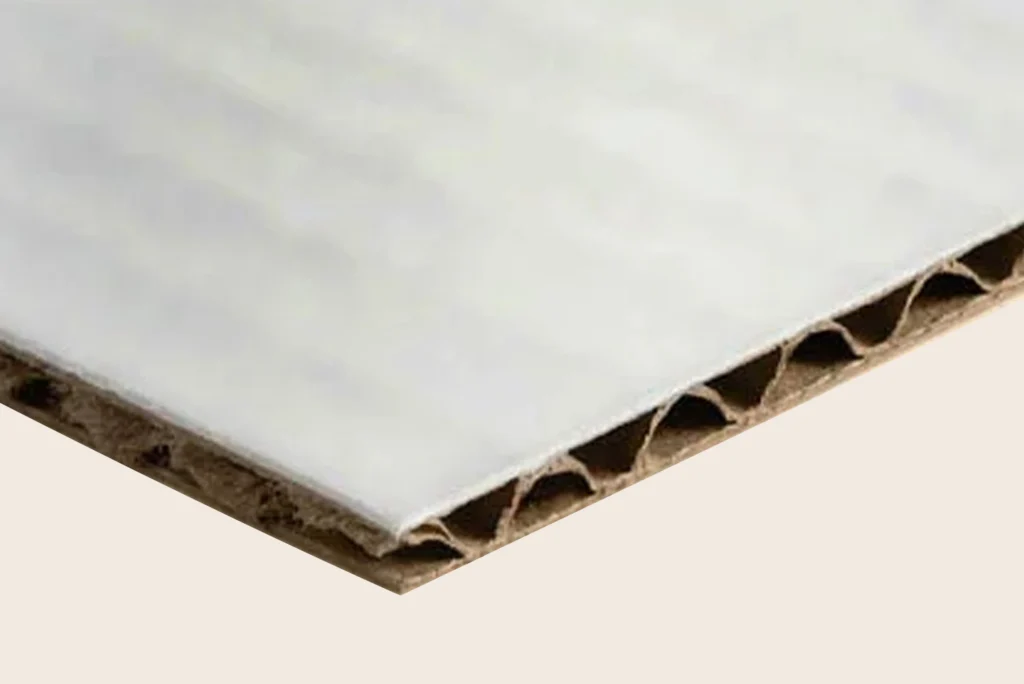
A coated semi-gloss linerboard with a smooth white surface, ideal for sharp printing, premium presentation, and retail-ready packaging.
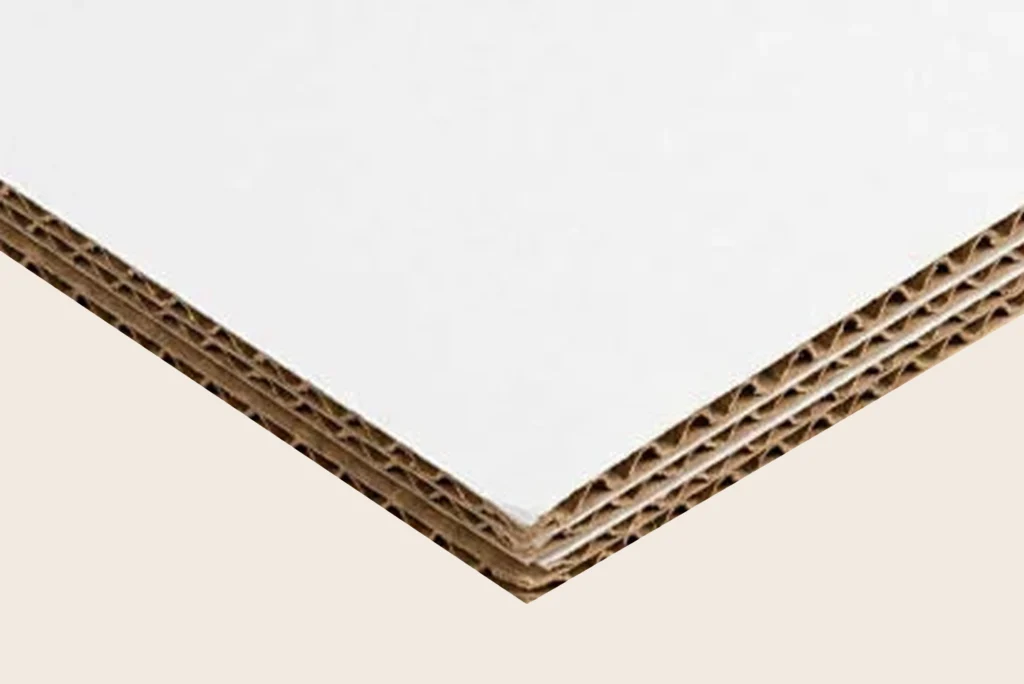
A fully bleached corrugated board with a bright white surface, designed to produce clean, vibrant, and high-quality printed packaging.
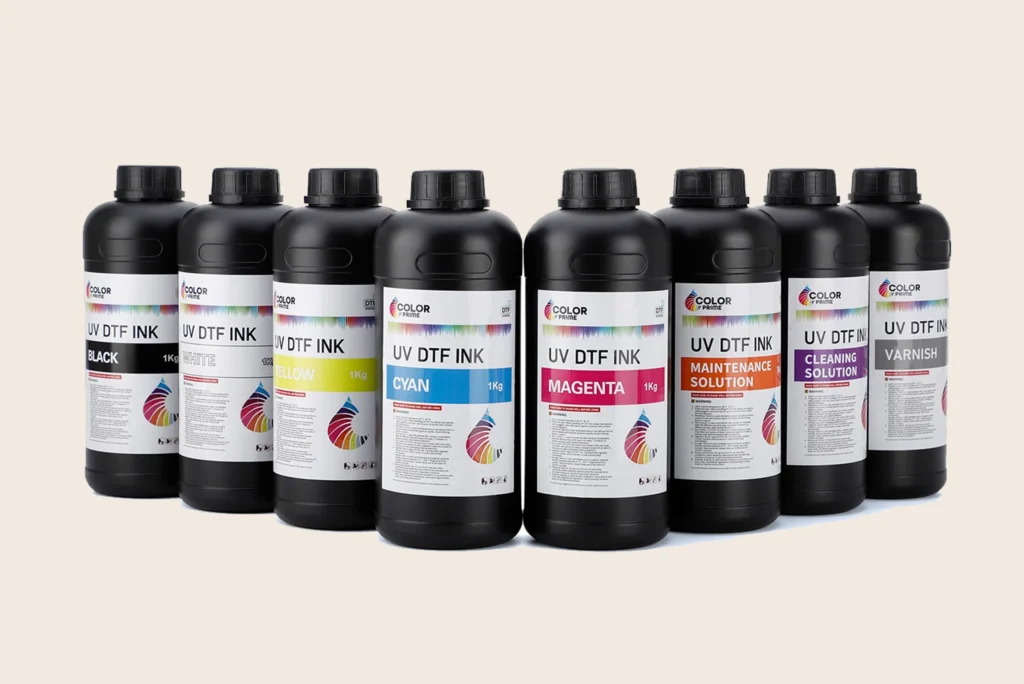
A UV-cured ink that dries instantly under ultraviolet light and creates crisp, high-quality print results on a wide range of packaging materials.
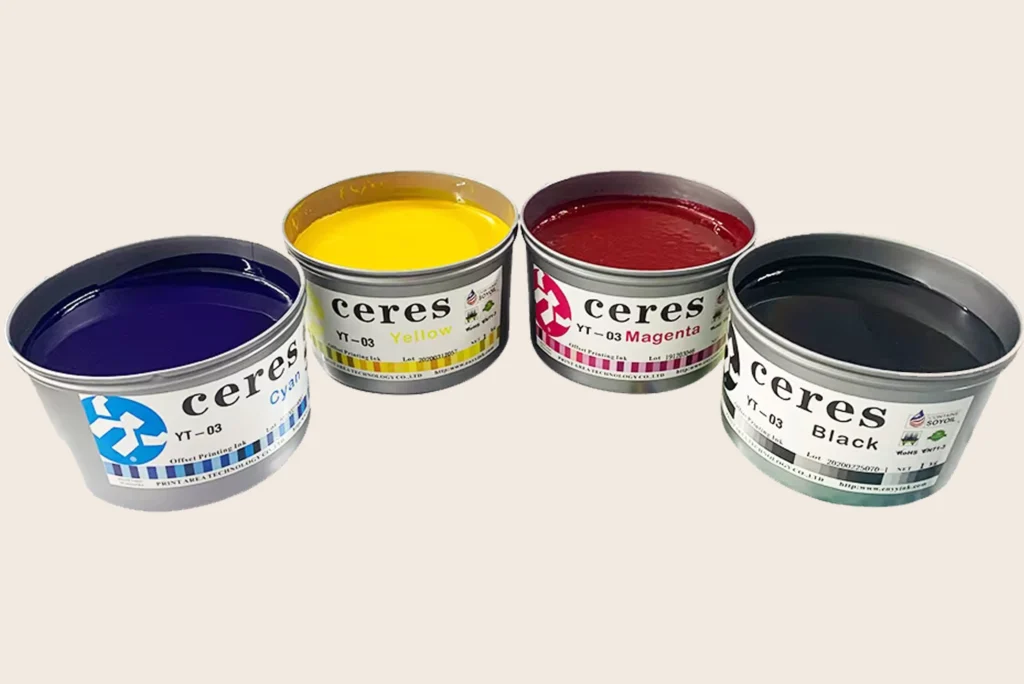
A plant-based ink made with soybean oil, offering rich color output and a more sustainable printing option for carton packaging.
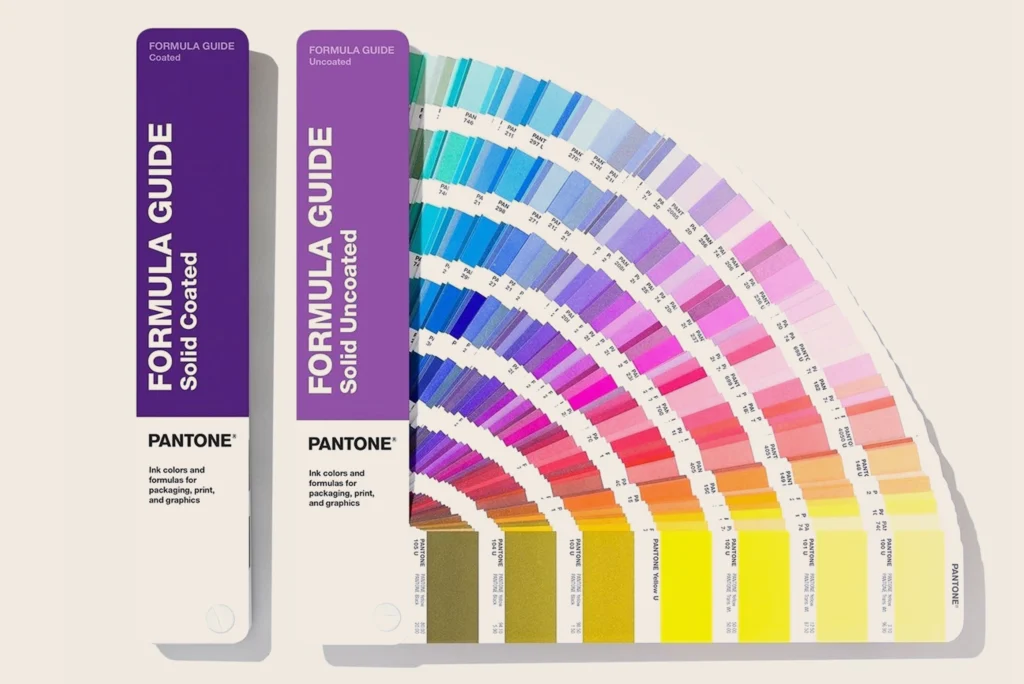
A standardized color-matching system used to achieve consistent, accurate brand colors across packaging, labels, and printed materials.

A full-color printing process using cyan, magenta, yellow, and black inks to create vibrant images, gradients, and detailed packaging artwork.
Real feedback from customers who trust us with their custom packaging.

Jenifer Tracy
We received the boxes we ordered and they look GREAT! They also came ahead of schedule and I wanted to say a big thank you to Mr Frank from All Custom Packaging UK for your patience throughout the project.
Phriseil Candles and Soaps
My third order!! Once again, Frank has easily helped me through the designing and purchasing process. The boxes are exactly what I envisioned. The quality of the boxes give me the comfort in knowing my candles are well protected. My company logo, design and print flows seamlessly through three different style of boxes I have gotten through All Custom Packaging UK. I receive so many complements on the boxes and how they present my products. If and when I need more boxes, I will definitely be emailing Frank.
Quanda Bee
Excellent Customer Service. Daniel is Awesome for help me custom my product. He is hand on with providing everything I needed to make sure I get the best experience in creating my product. Thanks Daniel you ROCK!!!!
Anonymous
Response time can be a little slow at times, but overall the experience was very good. When they got our order wrong, they did not fuss about it and sent the correct one as requested.
Meghan
Wow!! All Custom Packaging UK made custom boxes with custom foam inserts, plus custom product boxes, for one of our clients. They turned out GORGEOUS!! Our client was beyond happy with the result and so were we! We’ve worked with MANY box manufacturers over the years and this was among the best in terms of the quality of the end result.

Caren Henderson Freeman
Fast response to my emails/orders, production time is quick and I love that the shipping is included already in the cost. Not a 4 star only because of some minor production issues with dust, glue, and hanging chads. Customer service is on top of it with fast response and satisfied outcome.
M & L Nugent
I have been working with several companies - trying to nail down a box size and type for my organic tea business. Frank was the ONLY rep in all of the companies I reached out to who was responsive, helpful, and walked me through the entire process. It was an absolute pleasure to give my small business pounds to ACP UK! I will provide another review after I receive my custom product!
Karen Vasquez Marin
We needed a personalized box, and Frank was really helpful in making this project a reality. The boxes arrived on time, the design was exactly what we wanted, and the quality is also great. Thanks, Frank, for helping us.
Nadège Richards
I finally received my order about a month and a half later. Poor communication from the company and I never received shipping confirmation or tracking info until I asked for it. This was from my first experience, however I have now ordered from them 3-4 times and it's been great since then.
Evelyn Bufton
Thomas stayed in communication and followed up with detailed changes to my design needs. Final product was exactly what was agreed to and delivery was prompt. I would use them again without hesitation
Guest
First time working with ACP UK, but surprisingly worked out well. They handled the design and I believe I got the packages under 10 days, both times, as promised. I ordered a prototype first, asked them to make changes, and all was implemented well. I've also worked with another company in parallel, that was much slower. The price here is better as well. I don't know where the team operates from but they are doing excellent job!
Luca Stallings
We’ve ordered posters from this company multiple times. When the first shipment showed up damaged, they not only replaced every damaged poster, they made sure to update their packaging method to ensure safe delivery the second time. We’re now using them for our next project, and our rep Daniel has been incredibly helpful as usual. If you’re looking for a new print provider, please use these guys!
Mikey Jesse Barrera
Frank do an amazing job, the packaging was much better than we expected, and for the price it was stellar! The best part was Frank kept up with us ensuring what stages of print we were in and also when it was shipped tracking was provided promptly!
Tommie O'Malley
I have worked with All Custom Packaging UK on multiple projects now and I am always so impressed by the quality and customer service. They are so responsive and have met every single deadline I have given them and even go above and beyond in keeping me updated on production. Will continue to use them for a variety of my packaging needs!
Emmanuel
They were super easy to work with and quick to respond, and the boxes we got were extremely high quality.
The salespeople are SUPER pushy. We get emails every other day and a few calls about placing orders. They don't understand timelines.
Kayla Aldridge
Daniel was incredible! He was always prompt to email me back, he even called me when I didn't reply. He helped me create the exact box that I was looking for and I couldn't be more happy! Thank you for all of your hard work and great communication! I will order again when I need more!
Nomeka
Daniel was fantastic to work with - quick and responsive. Our 500 boxes came 1 full week before our guaranteed delivery date, and they look fantastic. Will definitely be using again!
Ben Simmons
All Custom Packaging UK, especially Thomas was an excellent decision. I went from not knowing what I wanted to go with to understanding all of my options and placing an order very quickly. The product arrived quickly and was exactly what I was looking for. Cannot recommend All Custom Packaging enough.
Jamie At AQUA GLOW
Our contact person Thomas is super responsive, gets things done and is nice to deal with. The overall speed of delivery and quality of the work is good too.
Binz
Cannot beat this level of customer service and dedication. My team was on a very tight deadline for the ask and our Sales Executive made it happen on time and within budget.
Natalie
Daniel has been helping me with box sizes. He has walked me through the process patiently and as also been helpful with all my questions. This is my first experience with ACP UK - so far, so good!
Matt Shortland
ACP UK was great at dealing with our enquiries the product turned out just as expected. Thank you Thomas for dealing with us and talking through it. Made it very easy for someone who has never ordered before.
Jake
ACP UK were excellent to work with! Daniel worked with me throughout the process to ensure we received the result we wanted. Communication was excellent and I cant recommend them enough.
Belinda Blanding-Ray
I’ve had nothing but great experiences with ACP UK. Frank has been very professional and always keeps me updated on my orders and responds quickly to my emails. The boxes that were designed for me were done just as requested and were of good quality. I am very pleased with both the service and the product. I look forward to continue doing business with them.
Miki Holt
Hugely impressed. Daniel is an outstanding customer sales representative and ACP UK is a company you can trust to get branded work done. With just weeks before a major global news moment requiring branded pet packs to a specific size and spec, ACP UK delivered on time to our delivery location!
James L.
I approached ACP UK to produce a quantity of small boxes, Thomas Couldn’t have been more helpful, it was a real pleasure to deal with him and this company. Prompt, thorough helpful replies and patient as we worked through the process. Thankyou very much! I’m very impressed with the items and I am happy to recommend them to anybody!
Deanna Weise
We had a great experience working with All Custom Packaging UK. Frank was our main point of contact, and he was incredibly responsive throughout the entire process. He answered our questions promptly, kept us updated every step of the way, and made the experience smooth and stress-free. The communication was excellent, and we really appreciated the level of customer service. We look forward to working with All Custom Packaging UK again in the future.
Suni Woolstenhulme
Best customer service! Daniel was great to help me keep the process moving in order for me to meet my business deadlines. He made sure I knew exactly what the boxes would look like and samples were received promptly. I liked the quality of the boxes for the price so much that I added a bunch of labels to the order as well. It has definitely improved the look of packaging in my store.
Ron Livny
I found All Custom Packaging UK by accident, without any prior recommendation, and I was surprised by the experience. They have been very responsive, fast, and professional throughout the process. I would gladly recommend them.
Doreen's Jamaican Homemade Rum
Great service!
I had a bit of a wobble start, then the sales Executive
Frank, quickly corrected the issue, he was very understanding, and extremely helpful. The finished result was amazing, and I received my order within the time frame, which was lovely.
Im definitely re-ordering with ACP UK again.
Natasha
The Customer Service is excellent! The boxes and designs were excellent! We are so happy with the product and the service. Thank you Thomas and team. See you soon for our next project, we look forward to working with you again.
Alan Thorpe
Excellent service from the Sales Executive Chris. Quick responses to emails and very clear guidance on design of boxes. Speedy delivery (1 week) and the boxes are very good quality with clear bespoke printing. Will definitely use again.
MIKEY
All Custom Packaging UK is the best printer I have ever dealt with, and Daniel is fantastic too!! He is a legend; he goes above and beyond for all my customers. The quality is stunning, no matter what material we choose. Holographic is my favorite so far, allowing my designs to to blow the socks off anyone that comes into contact with it!!! Thank you!! HIGHLY RECOMMEND! I WILL REFER EVERY CUSTOMER I HAVE!!!
Mooiz Khan
I had the pleasure of working with Daniel. Over the last 6 months Daniel and I have been working on the launch of my new product. He has treated me with the upmost respect and has been helpful in every aspect. If any of you don’t know what to do or who to ask. Go to the chat box and ask for Daniel!
Derek Gill
Been working with Daniel on my boxes for our soaps and bath bombs. We just received our boxes for the soaps and the quality is five star. Daniel has been on top of his game and even caught a mistake in our spelling I highly recommend this company and will be using them For all our future orders.
Emily
The Mylar bags look professional and feel strong. The printing came out clear, and the resealable finish is very practical.
Andrea Shuman
Frank at All Custom Packaging UK has been a joy to work with. Great communication and a wonderful result. We love our boxes and will be working with him again in the future.
Martina Stanton
Thomas was able to give me information immediately, which helped us move forward with packaging quickly. The product is exactly what we wanted and was shipped to us quicker than expected. Thanks!!
Sheri Shelton
The final product was excellent. My rep, Daniel, was relentless about staying in touch with me. He replied with all the information I asked for immediately. The design was impeccably done. And it was a difficult one on top of that. The product was delivered on time. Will order again.
Helen Mitsiou
Fantastic customer service from Frank. He was friendly, responsive and took the time to understand exactly what I was looking for. A pleasure to deal with, and I really appreciate all of his help. Thank you!
customer
I was very pleased with my experience and final product with ACP UK! My rep Daniel was so helpful and understanding through the entire process and my final boxes are very good quality. The design process was easy, production was fast, and my boxes arrived much quicker than I was expecting. Prices are also very reasonable, especially compared to similar companies offering similar products.
I'm very happy with them and will absolutely be ordering from ACP UK again in the future.
Henry Evan
Absolutely love these candy boxes! They're the perfect size for small treats, and the variety of colors and designs make them perfect for any occasion. Plus, the quality is fantastic, they're sturdy and don't bend or break easily.
Shanik Murthy
From the very beginning the team has been nothing but helpful and responsive when it came to my inquiries. Cant thank them enough for all the time and effort they put in to help make the process easier for me! Thank you to Thomas and Daniel specifically!
Kaity Burns
Our experience with ACP UK was overall good. They were able to work with our extremely tight timeline and were very responsive and communicative. I will say that there were some things about our final product that we were not happy with, such as creasing of the graphics and images were not full bleed on the cover of our boxes like they were supposed to be. ACP UK was not able to fix the problems on the boxes due to our tight timeline, so we ended up with a product that were were a little less than satisfied with. They offered us a discount on our next order. I think their pricing overall was fair and competitive. We may use them on project in the future again if we are able to see an image of the boxes before they go into full production like we were told that they would do last time.
Ekho Media
Quality of the product was outstanding and we loved the result! We had a small mismatch with one of the images on the boxes but Daniel was great at understanding our request and making it happen for us. Customer service was on point for him!
Toogii Khurmast
Worked with Thomas from ACP UK. They are super responsive and has been very helpful with our custom packaging order. Would def continue using their services.
Larry Tucker
I am very happy with my game cover. The colors are bright and the images are crips and clear. The service was timely and the price was reasonable. I expect to be a repeat customer (with luck.) I would not hesitate to reccomend them. Thanks to Daniel for the quick and effective responses.
Nikki LaBreche
Oh my goodness, I am absolutely in love with my custom nail boxes As a small business owner, seeing my vision come to life was so exciting, and All Custom Packaging UK did an amazing job. The colors are beautiful, the quality is fantastic, and they turned out even better than I imagined.
The whole process was smooth, communication was great, and they made sure everything looked perfect. When I opened the box, I couldn’t stop smiling! These boxes make my business feel so much more professional, and I can’t wait to send out orders in them.
Thank you, All Custom Packaging UK, for helping bring a little piece of my dream to life. I will definitely be ordering again and highly recommend them to anyone looking for quality custom packaging!
Michael Ralston
We have ordered from ACP UK consistently for over a year for our boxes. They do great work, and Frank is always quick to respond. Great work and prices.
Kofi Onumah
Mr. Thomas, with ACP UK is the consummate professional. He pays close attention to the requests and delivers high quality. While ACP UK prices come in higher than their competitors, I'm happy knowing my product will be delivered soup-to-nuts promptly, with top notch quality and customer service.
Amiya Turks
Daniel helped me with everything and worked diligently to make sure that all the small details I wanted done were perfect. I most definitely will be a shopping again.
Ashley Andrews
We needed to order products as quickly as possible after our previous print company gave us a substandard product. We took a chance on ACP UK and we are very happy with the outcome! They were able to process our order during the holidays swiftly and accurately. Their customer service team is amazing, the product is very good quality, and they have reasonable pricing as well. We will definitely use them again!
Stephen Samuel
Recently I worked with ACP UK to obtain a large number of packages for a product that we are now selling. We got a big order and needed high quality work done in a hurry. ACP UK gave us great service. They were flexible, professional and prompt.
DMarcques Brown
Excellent service. The previous printing company was not able to meet my needs. This company did a wonderful job with my cologne boxes to help achieve the vision and design I provided. Will be back for more business.
Leslie Eichelberger
Working with ACP UK has been nothing short of fantastic! The process was easy, the boxes were priced best out of three different companies that I researched and working with Frank and Daniel was excellent. They paid attention to so much detail, down to making sure my fonts were the right shade.
I could not have asked for a better experience! I will definitely be working with them long term!
Dion Lassiter
These guys are awesome! Many delt with Daniel and he was beyond helpful! Would definitely refer anyone to use these guys. A1 customer service and A1 product. All Custom Packaging UK is the best.!!
Rebecca Upton
Frank was very helpful from beginning to end. Adapting the order size to our small charity and remaking the boxes when the delivery company lost them. We are very happy with the outcome, the boxes will really help our products standout when on display.
9Point10
Great result: the boxes look really good and delivery was exceptionally fast. There was a little confusion about colors in the beginning but it all got resolved :)
Sabine Kelly
Great experience and great product. Daniel communication was prompt and clear. Production was able to work with my tight timeline and I received my packaging with time to spare. The boxes themselves look excellent and are great quality. Thank you!
Ashley Andrews
Our skincare company and a sister supplement company have used ACP UK for all of our product boxes for a year now. We are thrilled with the quality of the boxes as well as the responsiveness of the sales and customer service teams. I can't recommend them enough!
Christine Davidson
So far a very pleasant experience. Worked with Daniel via online chat and he was very courteous and helpful. Awaiting an email with the discussed information and suspect that part of the experience will be as seemless.
liz
The team at All Custom Packaging UK was very responsive. They were quick to respond to my emails and the turn around time on the boxes was fast! The first run of boxes did have colors slightly off and they fixed it on the second run.
The cost of the boxes was less than other suppliers. I will say the boxes are a bit on the flimsy side, not super sturdy but perfect for my needs. I will definitely use them again in the future.
Max Kempski
Thomas took care of my business and was very accommodating. I ordered custom boxes and they turned out perfect. I highly recommend ACP UK to anyone as they truly care for their clients and offer the best prices.
Edelle
I contacted ACP UK about a bespoke gift box for two of our skincare products. Frank was brilliant every step of the way. He was contactable by mobile, email and the website. He helped with every step of the process and kept me informed along the way. The turnaround from box design to delivery was very fast and we are delighted with the end result. Would highly recommend!
Jasmin El Kordi
Daniel has been taking care of our skincare brand's product boxes, as well as our mailer boxes. He is wonderful to work with - always provides fast turn around on quotes, ensures our designs are correct, and provides us updates. His products are excellent quality and very fairly priced. Highly recommend him!!
Remembrance Bibles
Frank and his company were fantastic throughout the process. From design to delivery, he answered our questions and eased our concerns. We will definitely be using their services again in the future. Thank you for a outstanding product.
Denver
I was initially hesitant to try this packaging boxes company, but I am so glad I did. The boxes were exactly what I needed for my business, and the customization options were extensive. The team was easy to work with and made the process seamless. I will definitely be using this company again in the future.
sue
Thank you so much, i received my order in timely manner, and Frank was so helpful in assisting me through the process of my order. I ordered small boxes for my product. I loved the printing quality of the box, and will be ordering some more boxes again.
Ren
This was the first time I had a custom box made and Daniel made it a pleasant, efficient experience. He was patient with all my demands and also had me speak directly with one of the designers to made sure everything was specific as possible for the final outcome. Additionally, there was a major delay on my end and Daniel was very patient, even though the project was one hold for a few months. The result are professional, impressive, quality boxes which displays our product perfectly. I'm eager to continue working with All Custom Packaging UK for additional projects in the future.
Claire Bentley
We have used ACP UK a couple of times now and very happy with the service - both Daniel and Thomas have been extremely helpful and have helped to bring our ideas to life. Highly recommend and will be using them again in the future.
Clear answers about ordering, artwork, production, materials and delivery.
That depends on the seal method specified. Some builds seal fully around the product to keep it firmly in place through transit and display; others leave the card side accessible so the item can be removed and the card reused or recycled separately. Worth confirming at the quote stage against how the product will actually be sold and returned.
Not usually as a single tool, since the die line for the card and the mould for the blister are sized to each other. A range of related products at different depths is normally treated as a small family of specifications sharing the same branding, instead of one card fitting every depth.
Board on its own may be easier to process through suitable paper-recycling streams than a heavily laminated alternative, but a blister card fixes a plastic dome to that board permanently. Whether your local facilities can separate the two before recycling either one is a question of what's available nearby and which specification was chosen.
Orders start from 100 units. Standard production takes 6 to 8 business days after approval.