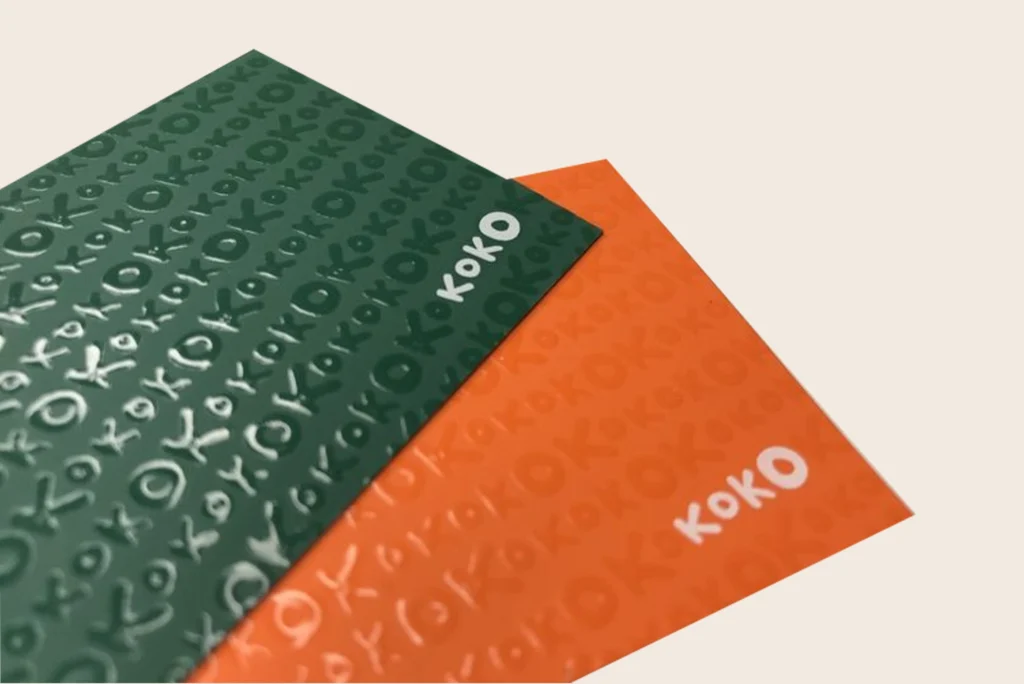
Varnish
A transparent finishing layer available in gloss, satin, or matte effects. It enhances the printed surface and adds an extra layer of visual appeal and light protection.
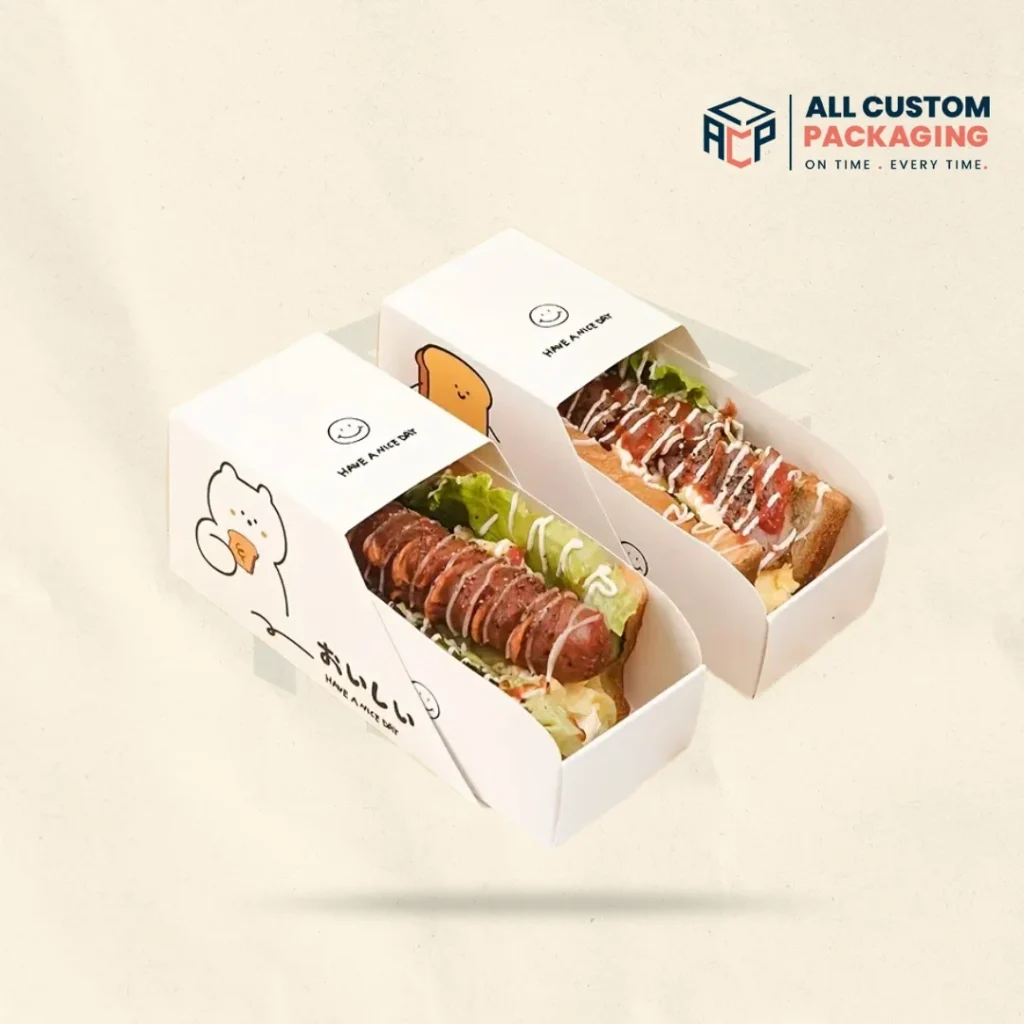
Food platter boxes with a window built for shared, visible presentation: an open tray for a spread that stays out, or a closed lid for a platter that travels sealed. Orders start from 100 units.
Picture two very different platters. One sits on a buffet table all afternoon, lifted from and refilled as guests help themselves. The other is handed over sealed at a delivery doorstep, opened once by the person who ordered it. Both need a window. Neither needs the same box around it.
An open tray, often with a slide-out base, suits the first case: food staying in one place and being served from repeatedly, a grazing table, a buffet, a shared spread nobody’s expected to seal back up. A closed box with a window lid suits the second: food travelling or handed over once, delivered catering, a bakery counter order, anything that needs to stay intact and closed until the recipient opens it. Both are real, confirmed structures. Which one you need depends on the platter’s job: staying put, or moving.
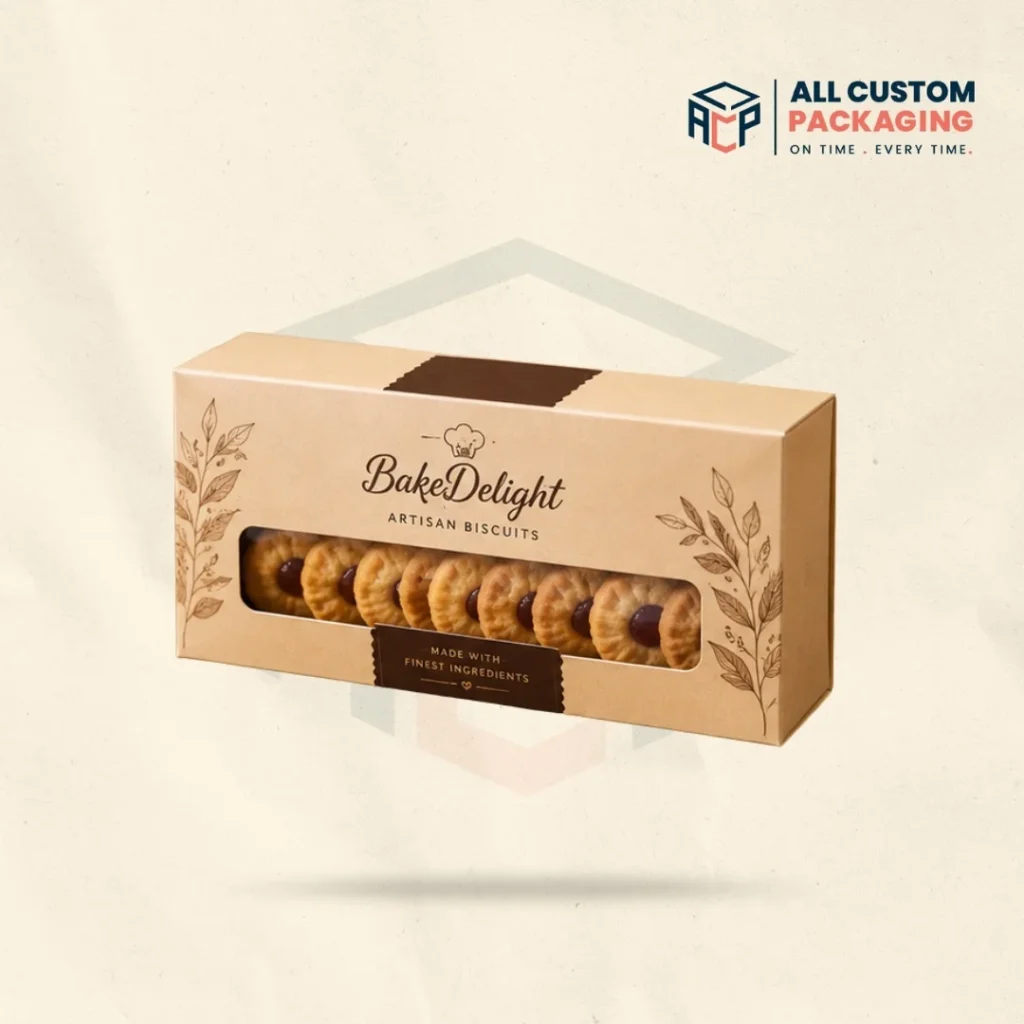
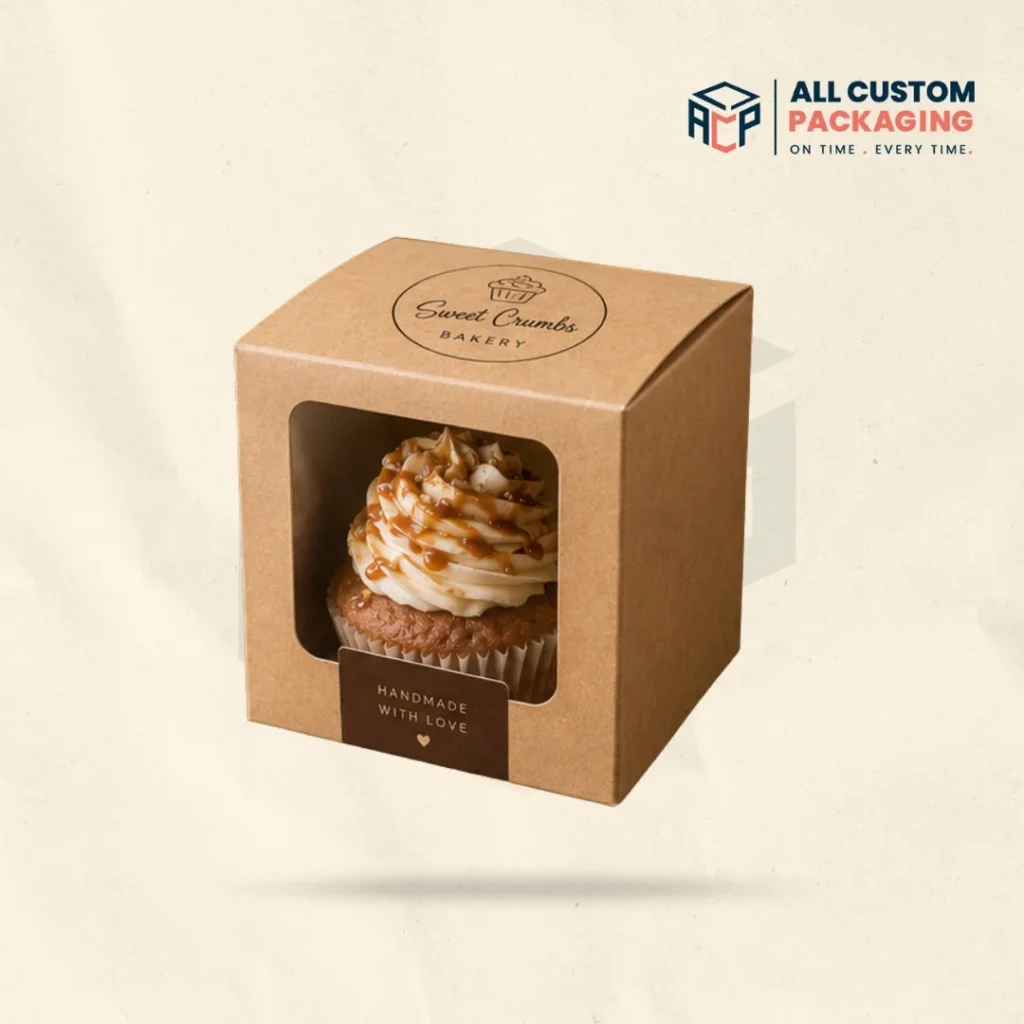
A window is a confirmed standard ACP capability either way, built as a film patch over a die-cut opening or as a die-cut aperture with no film at all. Sizing the window to the platter, not just the box, is what keeps it doing its job: too small and it doesn’t show enough, too large and it stops protecting what’s inside. One thing a platter box does not confirm on its own: some formats on the market are sold as safe to reheat, microwave or freeze, and that is not a standard ACP specification. If the platter needs to go from fridge or freezer into an oven or microwave before serving, say so directly at quote stage.
Design support is free. A digital 3D mock-up is free. Checking the window’s size and placement against the actual platter, before committing to a run, is exactly what it’s for. Orders start from 100 units. Standard production takes 6 to 8 business days after approval. UK delivery is free. There are no setup fees.
Recycling depends on how the window was made, not just what it’s made of. A film patch, glued over a die-cut opening, usually has to be peeled or cut away before the board qualifies for standard paper recycling streams. Skip the film entirely with a die-cut aperture and there’s nothing extra to remove. Cost and speed usually favour the film patch; a simpler recycling path favours the aperture, and that trade-off is worth deciding deliberately.
Paper Charcuterie Boxes covers the closed or vented takeaway case. Kids Party Food Boxes covers one sealed portion per person. Custom Food Boxes lists the full range for comparison.
| Box Style | All Custom Packaging |
| Dimension | All Custom Sizes & Shapes |
| Quantities | 100-unit minimum order |
| Paper Stock | Kraft, corrugated, rigid board, cardstock |
| Printing | CMYK, Pantone, digital and offset |
| Finishing | Gloss, matte, spot UV, embossing, foiling |
| Shipping | Free delivery options |
Choose from premium coating, board, printing and finishing options for your insert boxes.
A transparent finishing layer available in gloss, satin, or matte effects. It enhances the printed surface and adds an extra layer of visual appeal and light protection.
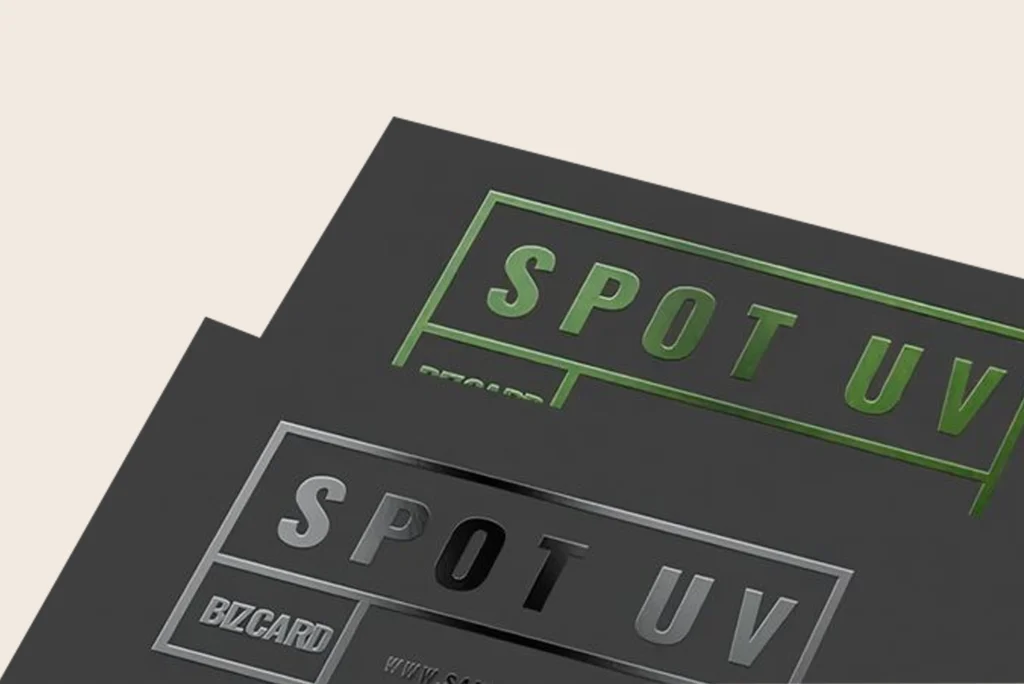
A UV-cured coating applied to specific areas of the design to create gloss or matte contrast and draw attention to important details.
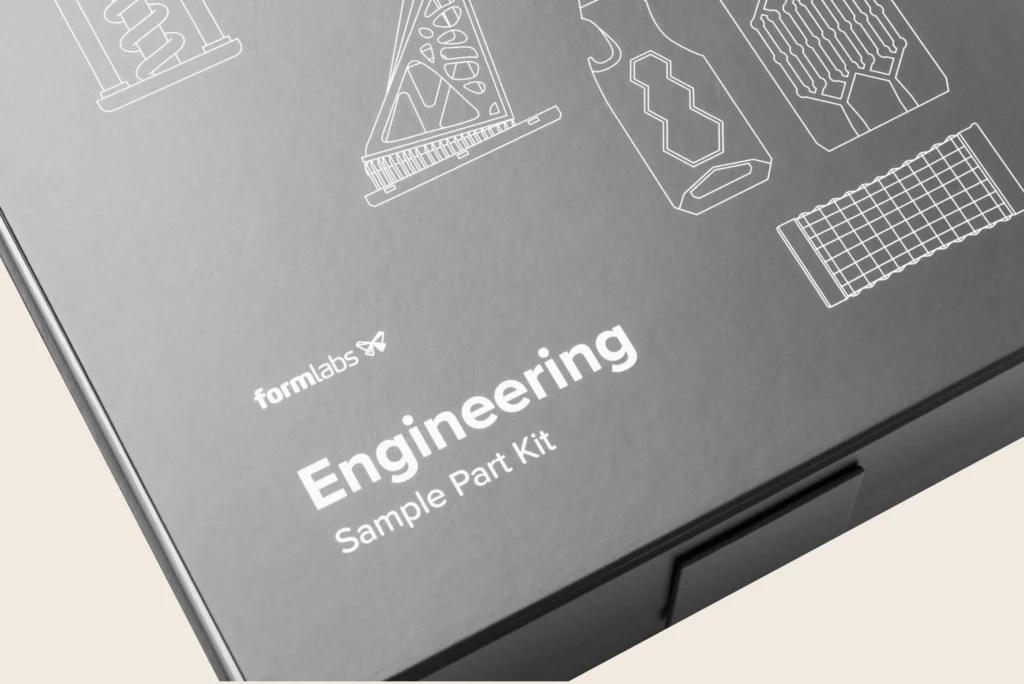
A smooth, velvety coating that creates a soft tactile feel and gives packaging a refined luxury look. It improves the unboxing experience and supports a high-end product presentation.
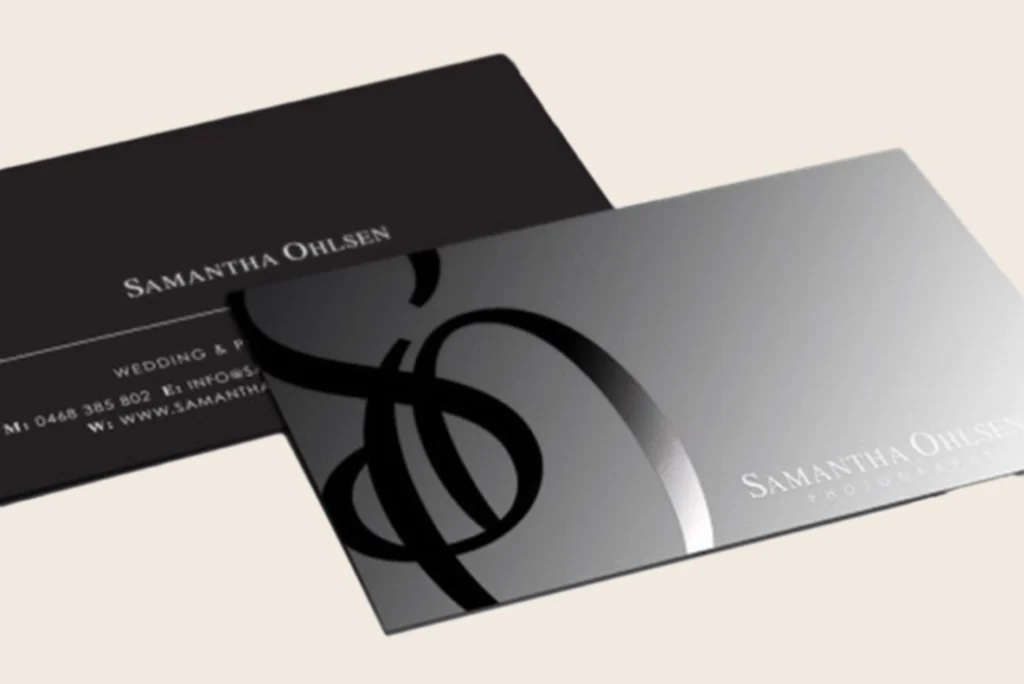
A soft, smooth lamination with a refined satin-like finish. It gives packaging a premium feel while keeping the surface elegant, subtle, and easy to handle.
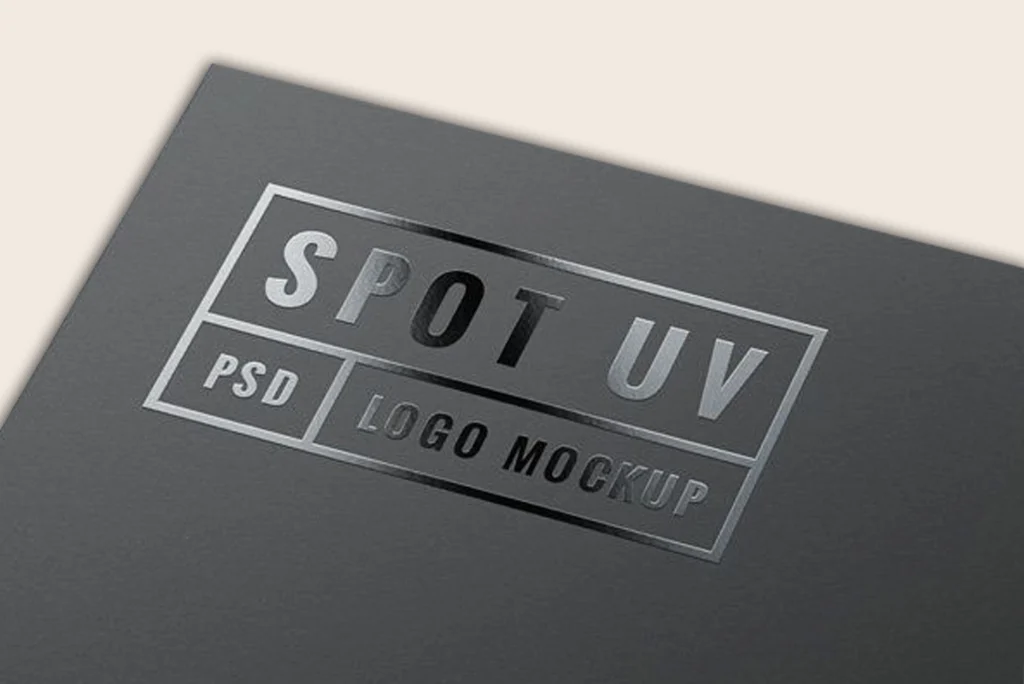
A high-gloss UV coating applied only to selected design areas to create sharp contrast, highlight logos, and add a premium visual effect without coating the whole surface.
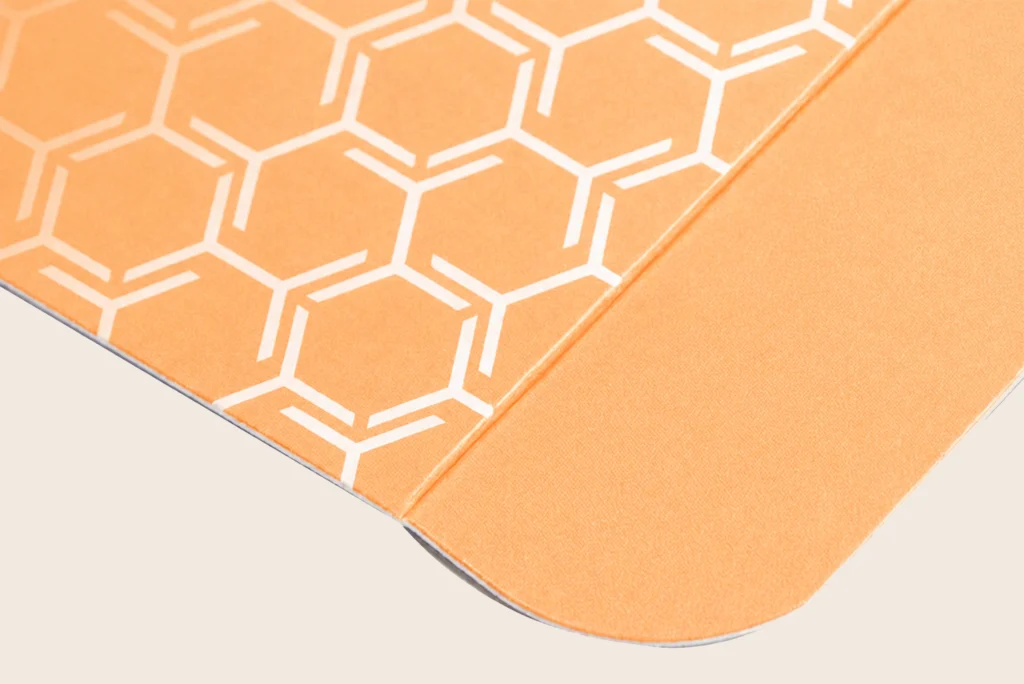
A clear, fast-drying water-based coating that adds a smooth protective layer while maintaining a clean and professional surface finish. It is a practical choice for everyday printed packaging.
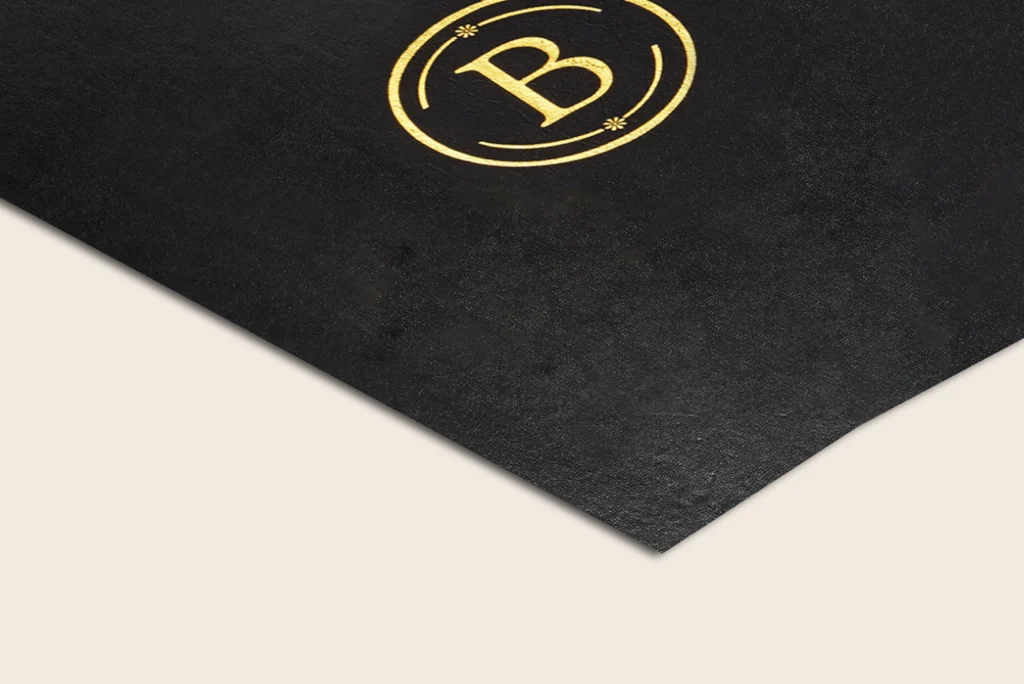
A durable protective film that helps reduce visible scratches, scuffs, fingerprints, and daily handling marks. It keeps packaging looking clean, polished, and premium for longer.
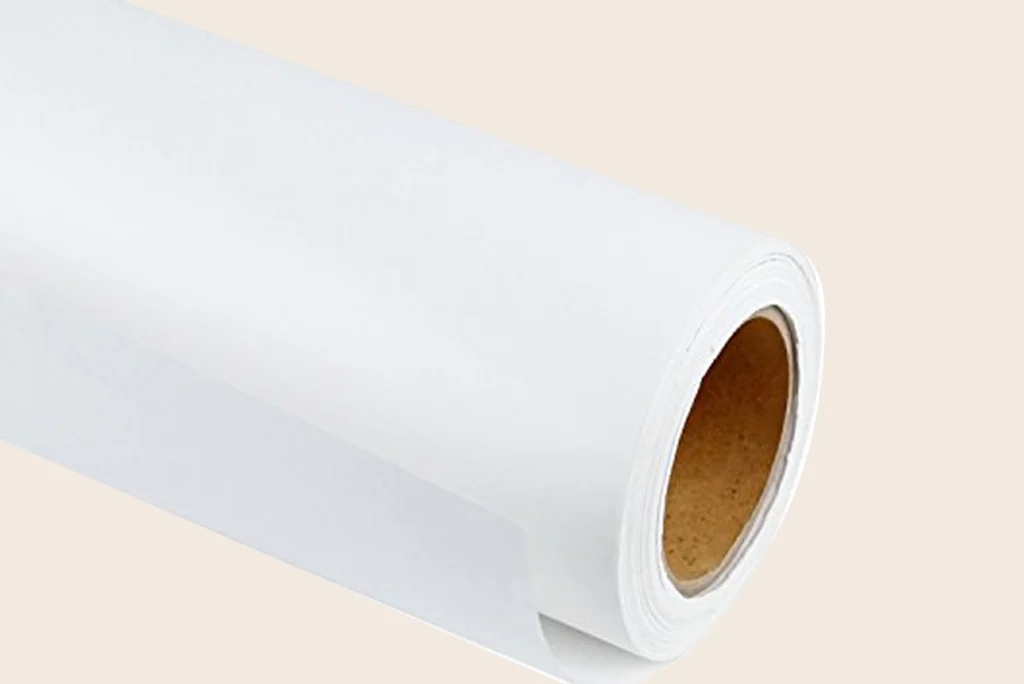
A bleached kraft paperboard made from a mix of virgin and recycled pulp, offering a clean white surface for crisp and polished packaging designs.
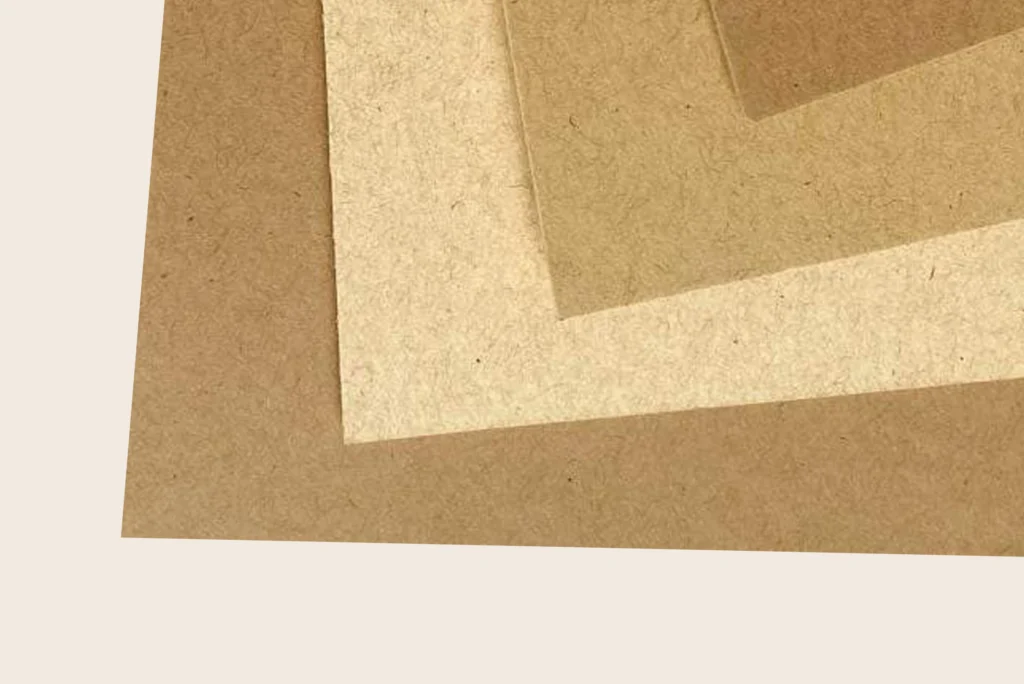
A natural kraft paperboard without coating, made from virgin and recycled pulp. It provides a raw, organic appearance with sturdy packaging strength.
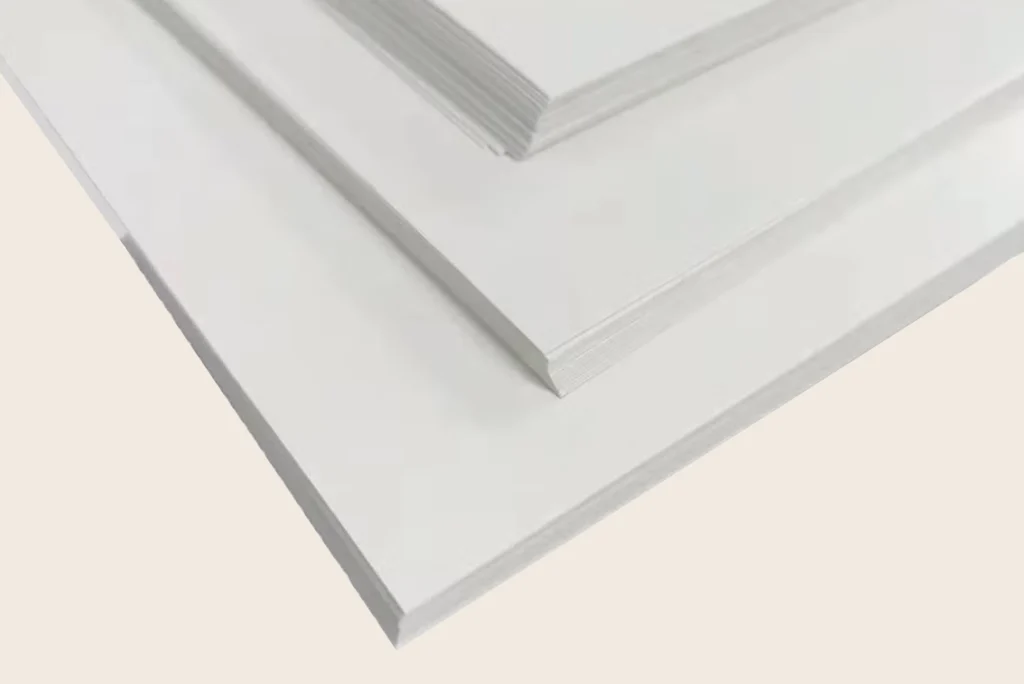
A premium bleached paperboard coated on both sides, designed for excellent print quality, die-cutting, and professional packaging results.
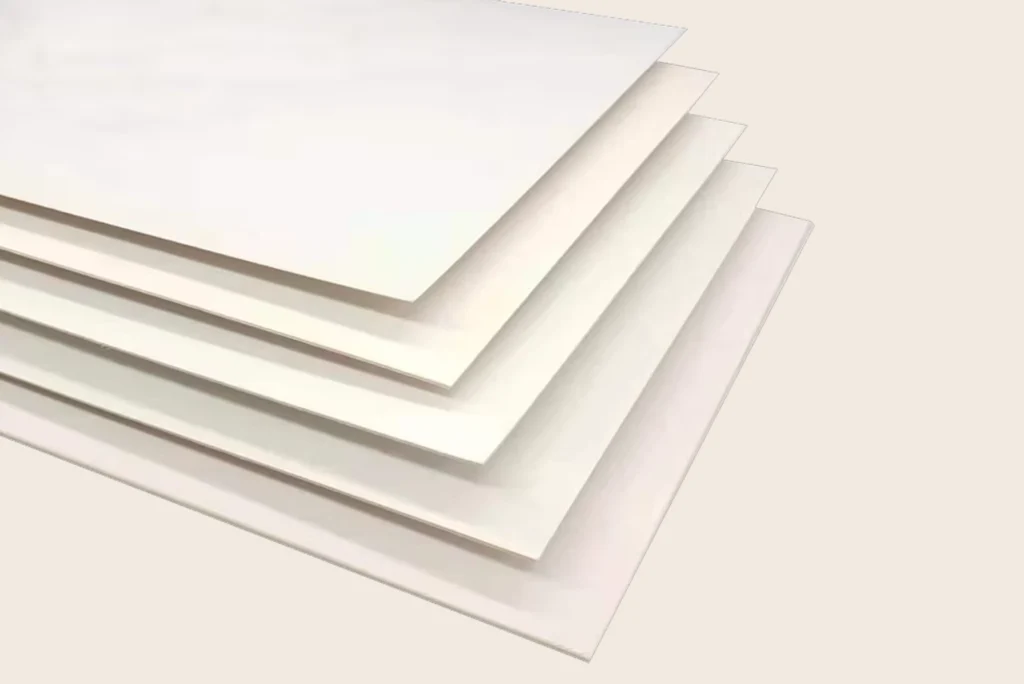
A high-quality bleached paperboard coated on one side. It provides a clean printable face with a premium packaging feel.
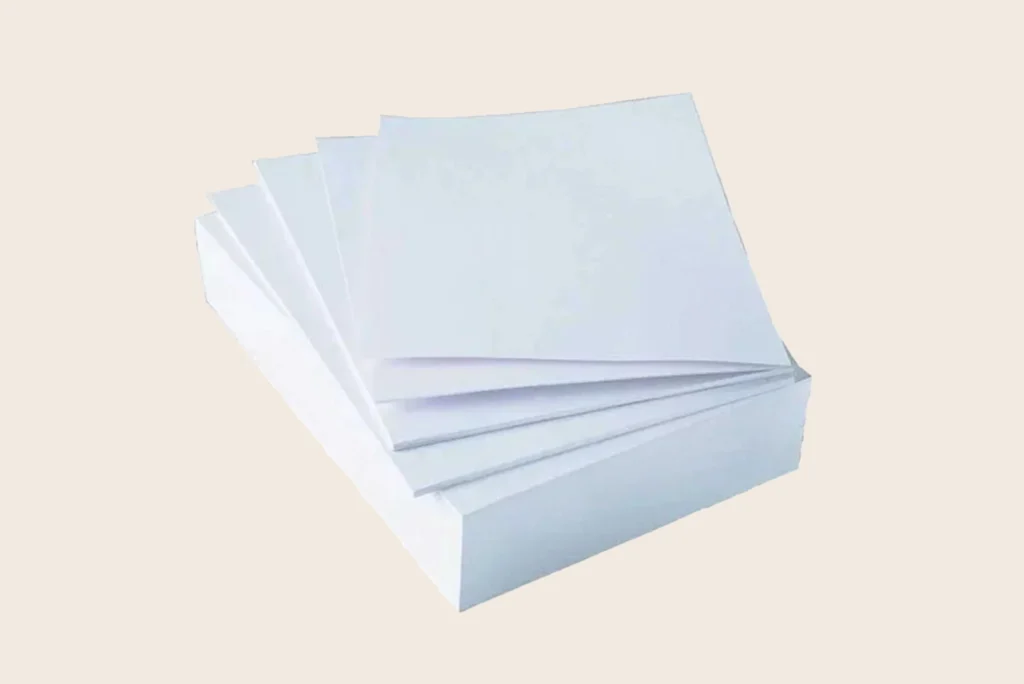
A smooth printable paper stock that supports high-resolution graphics, clean text, and rich color output for refined packaging presentation.
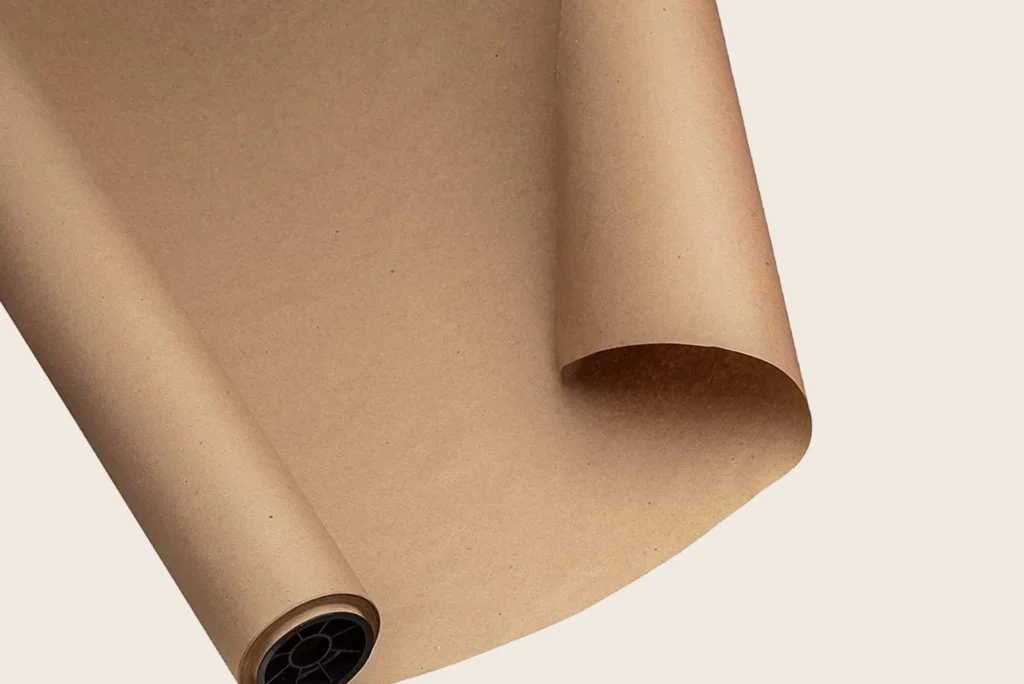
A natural kraft paperboard made from strong virgin and recycled pulp. It provides an organic, earthy look for sustainable and simple packaging.

A specialty paperboard with a laminated metallic surface available in gold, silver, and other premium finishes for luxury visual impact.

A specialty paperboard with a laminated holographic surface that creates a reflective, rainbow-like appearance for eye-catching product packaging.
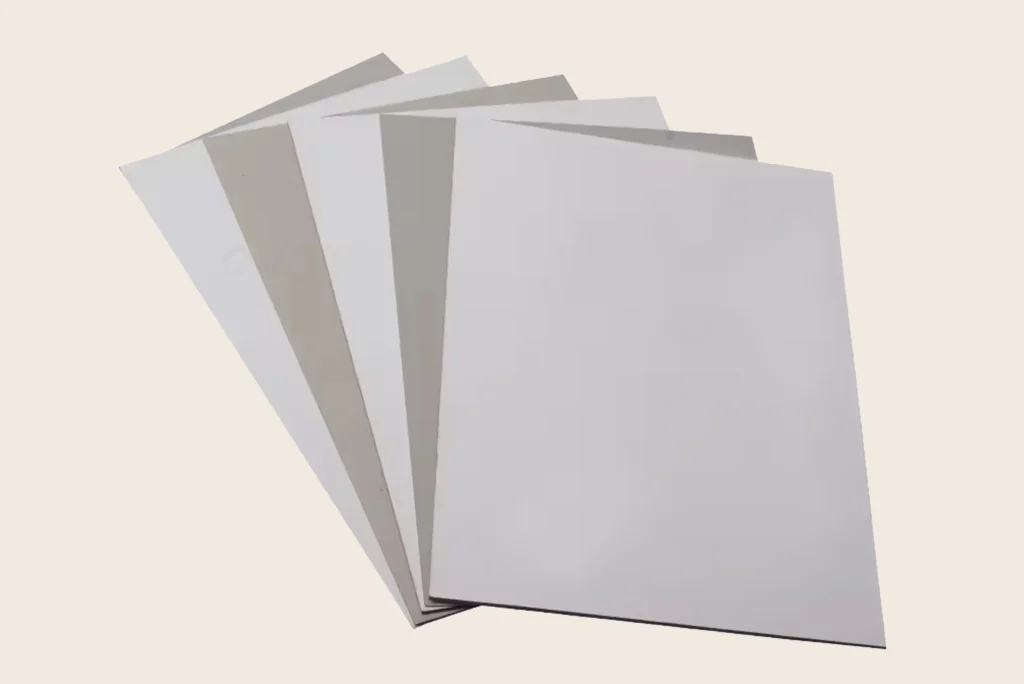
A recycled duplex paperboard with a white printable surface. It is ideal for economical packaging that still requires clean graphics and brand presentation.
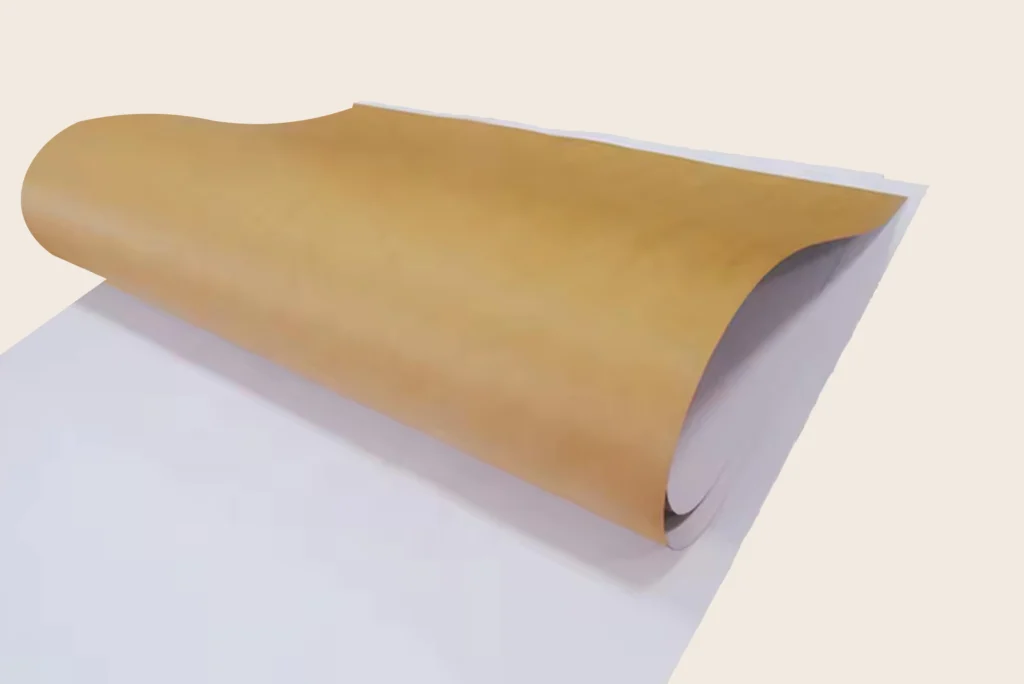
A kraft board with a smooth clay-coated white face for quality printing and a natural kraft reverse side for a strong, authentic appearance.
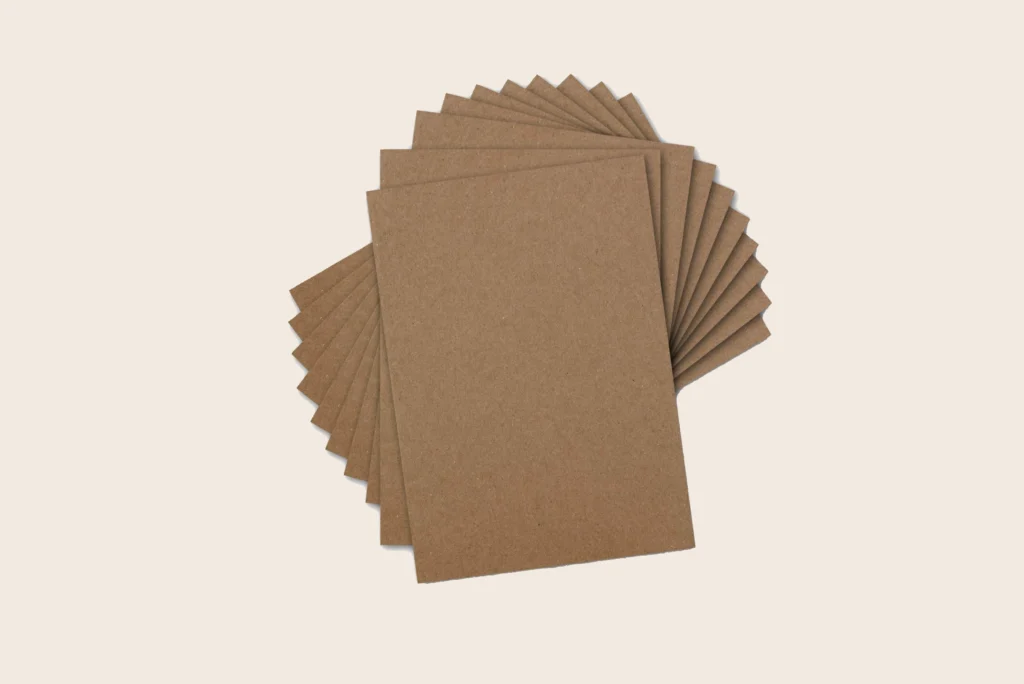
A kraft paperboard with a clay-coated printable top surface and a natural unbleached kraft back. It balances clean branding with a rustic natural look.
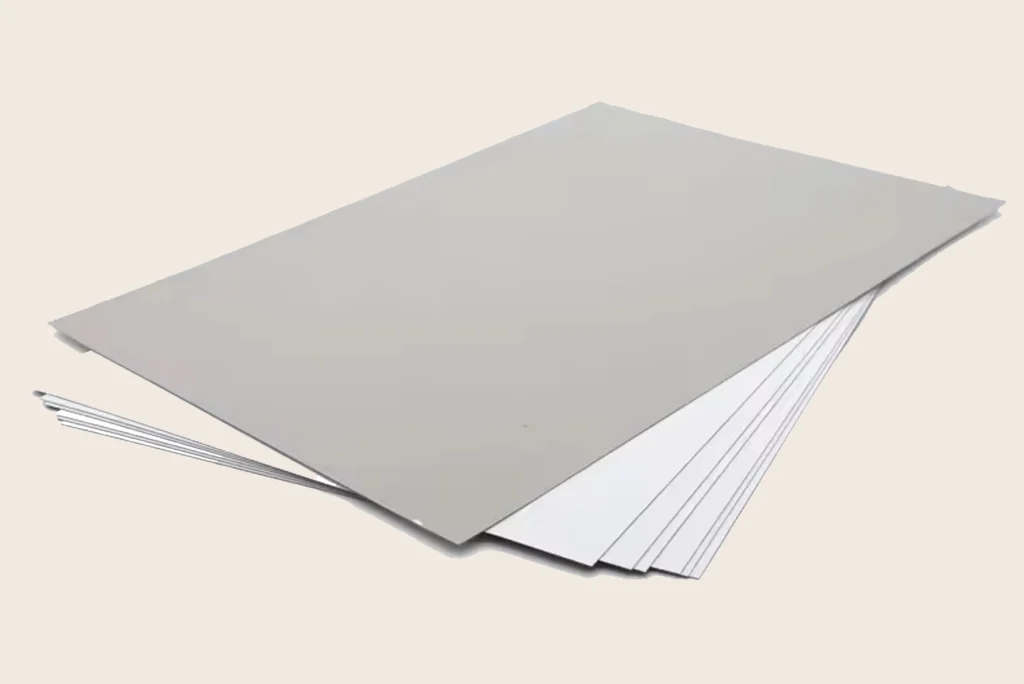
A duplex paperboard made with recycled pulp and a coated white printable surface. It delivers smooth print results for affordable carton packaging.
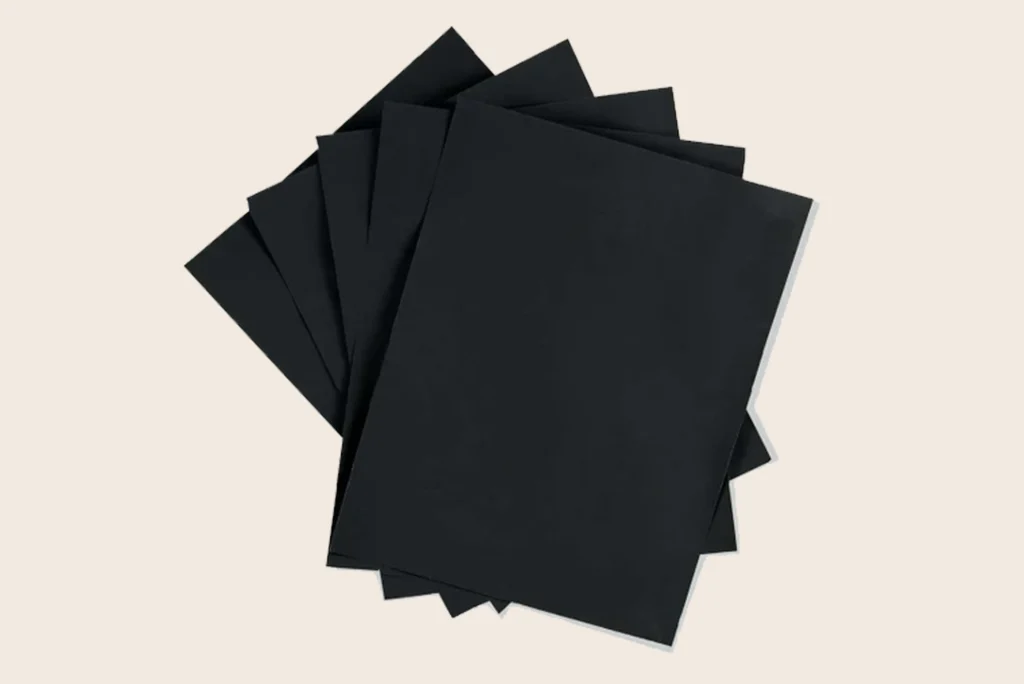
A black-dyed kraft board with a natural paper texture and excellent strength. It creates a bold, premium look for luxury and specialty packaging.
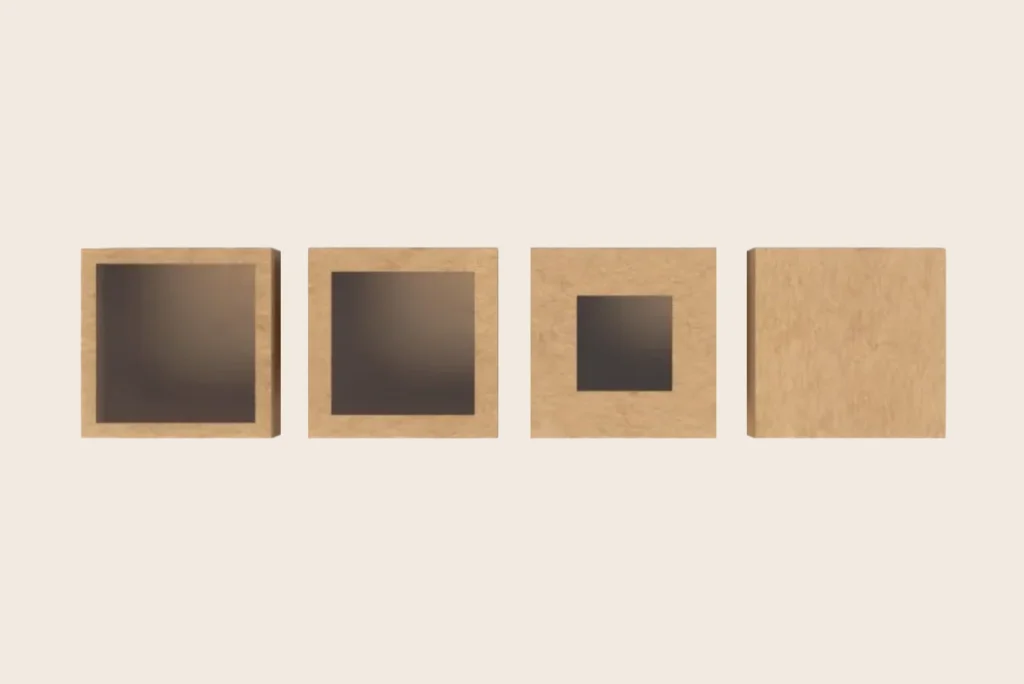
A packaging technique where a die-cut opening is covered with a transparent film, allowing the product inside to remain visible while staying protected.
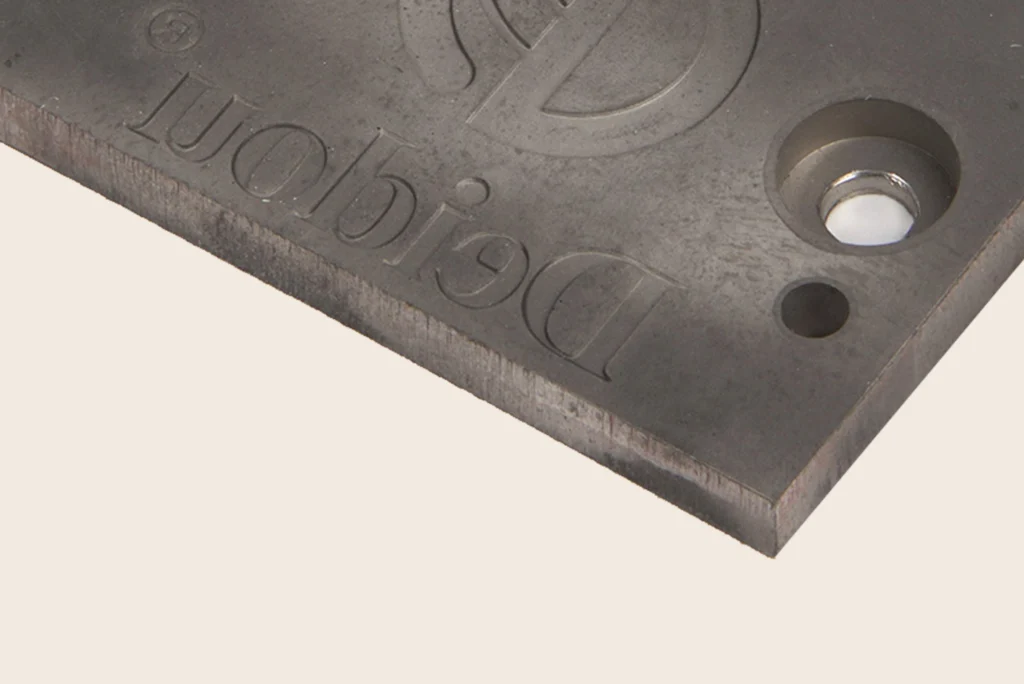
An embossing technique where the raised design is precisely aligned with printed artwork to improve detail, texture, and overall presentation.
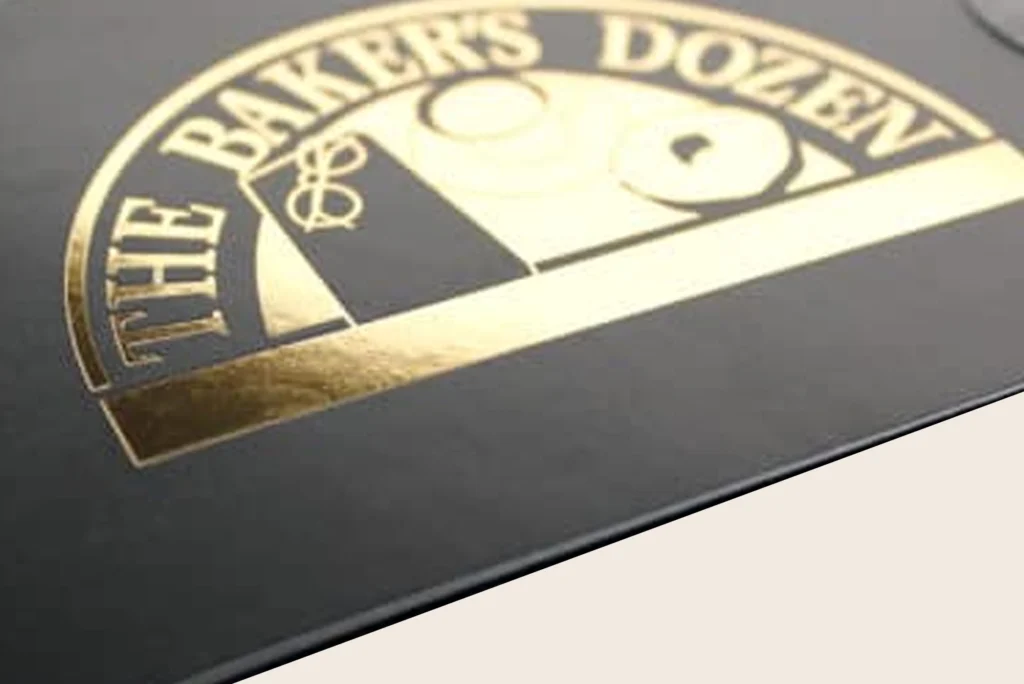
A finishing process in which heat and pressure transfer metallic foil to the surface, creating a premium, shiny, and luxurious effect.
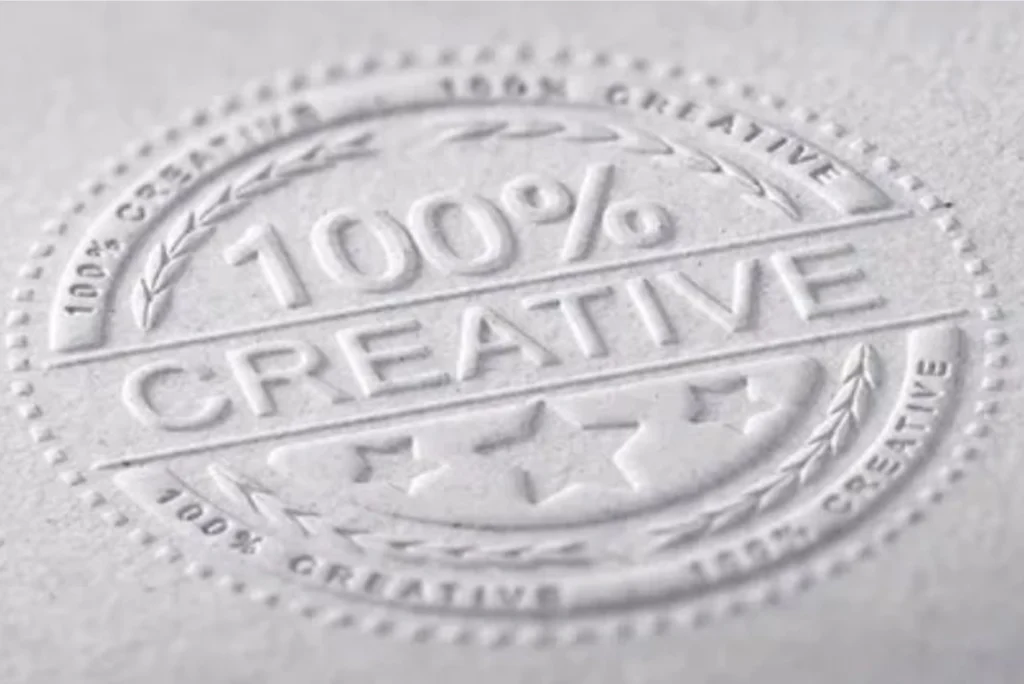
A premium finishing method that combines embossing with foil stamping to create a raised design with metallic color and strong visual impact.
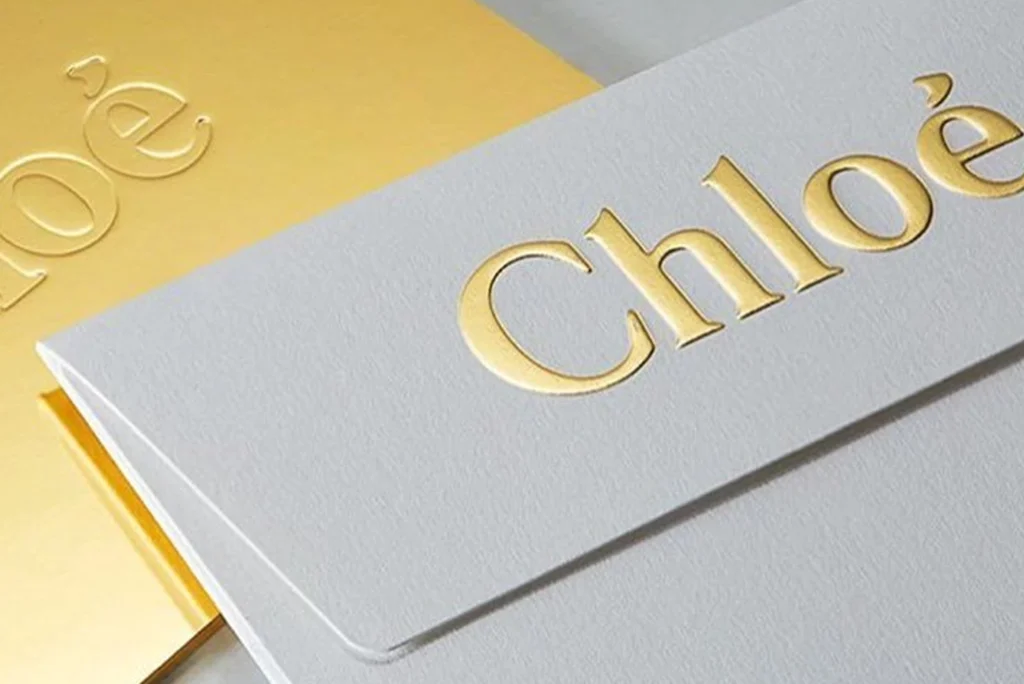
A decorative process that transfers foil onto selected areas of the surface using UV-curable adhesive, creating a bright metallic effect with sharp detail.
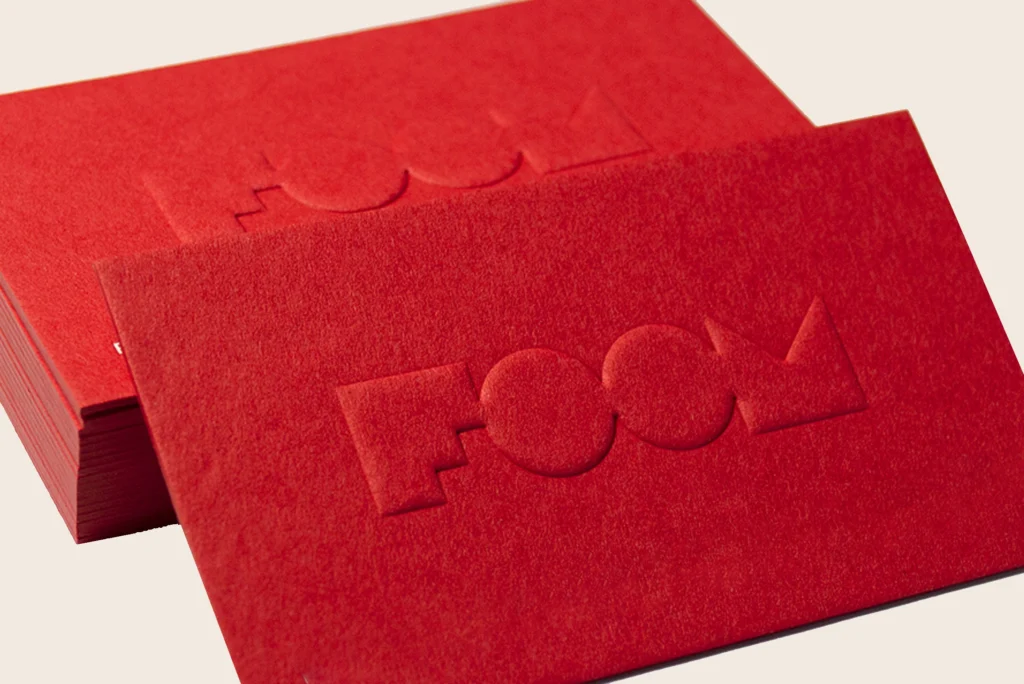
A technique that raises a design from the surface without ink or foil, giving packaging a clean, elegant, and textured appearance.
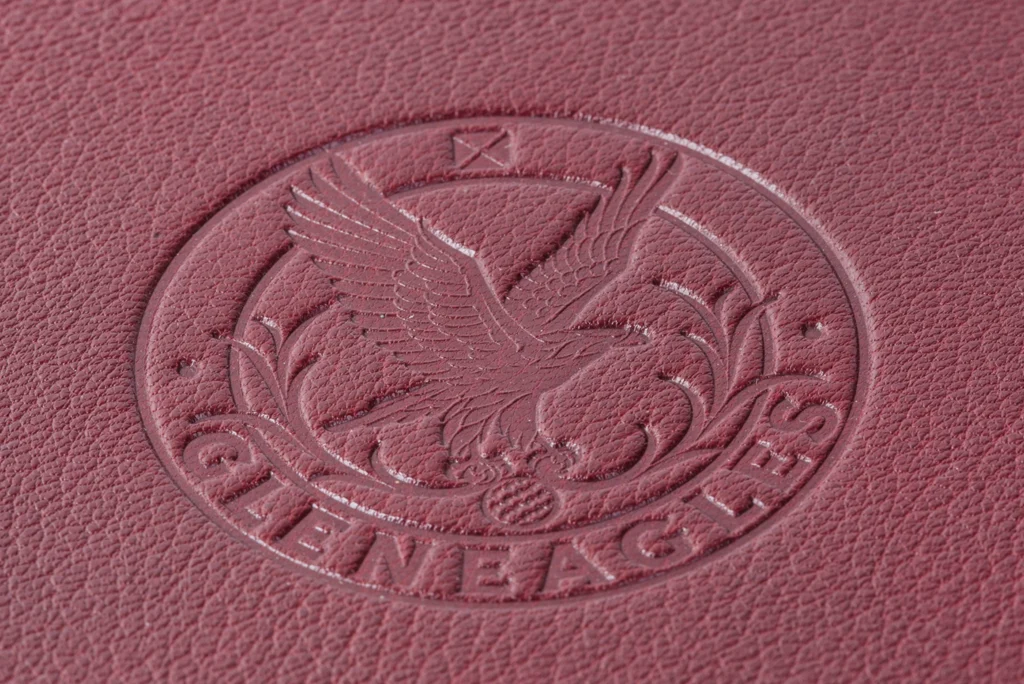
A finishing technique that presses a design into the material to create a recessed impression without using ink or foil. It adds subtle depth and a refined tactile effect.
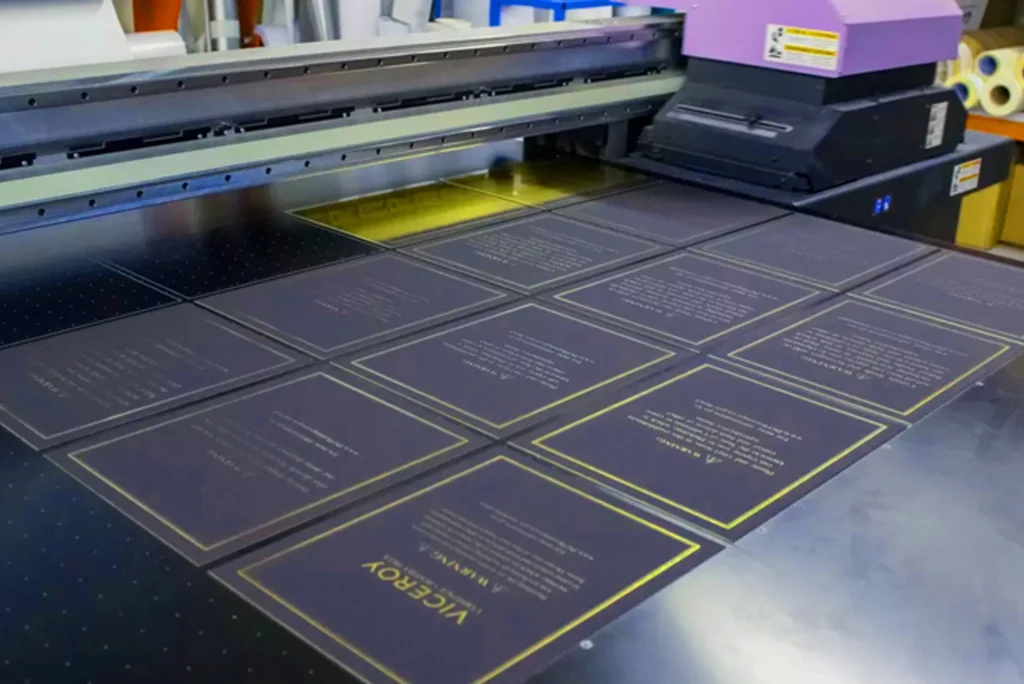
A fast-curing printing process that uses ultraviolet light to dry ink instantly, delivering sharp detail, vibrant colors, and a premium finish.
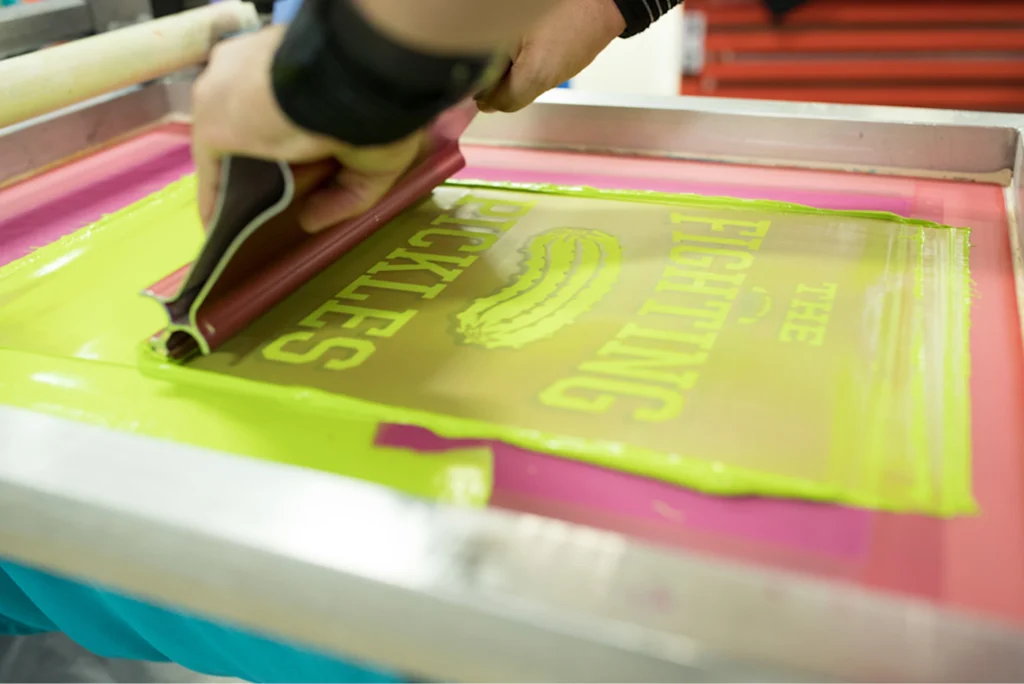
A durable printing method that uses a mesh screen and stencil to apply ink to surfaces. It is ideal for bold colors and high-impact packaging designs.
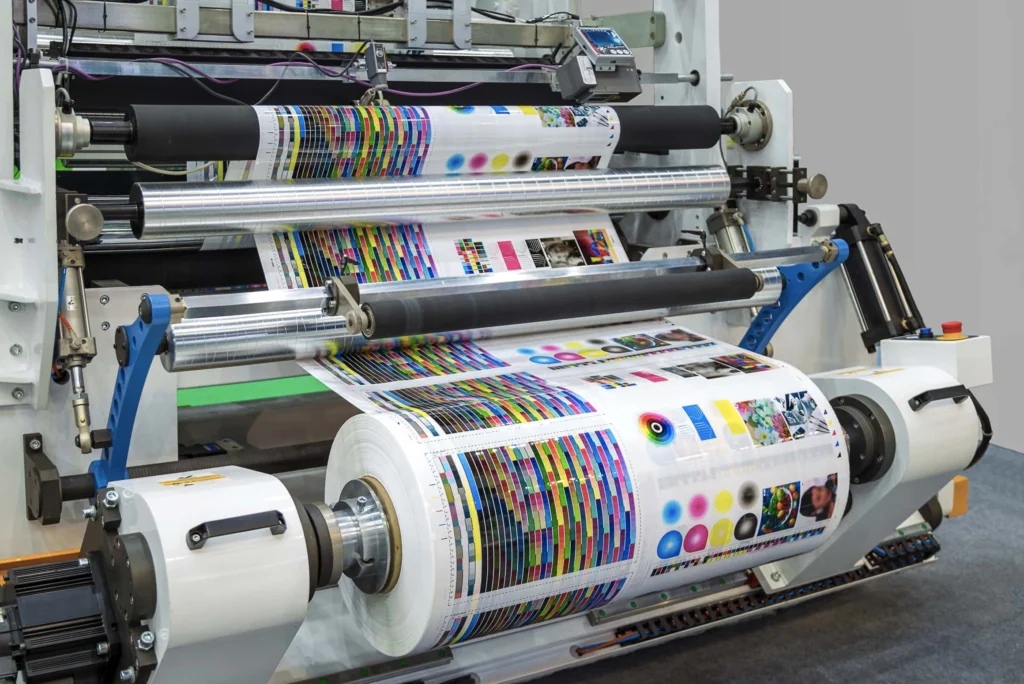
A traditional high-quality printing process that transfers designs from plates to a rubber blanket before printing, making it ideal for large-volume production.
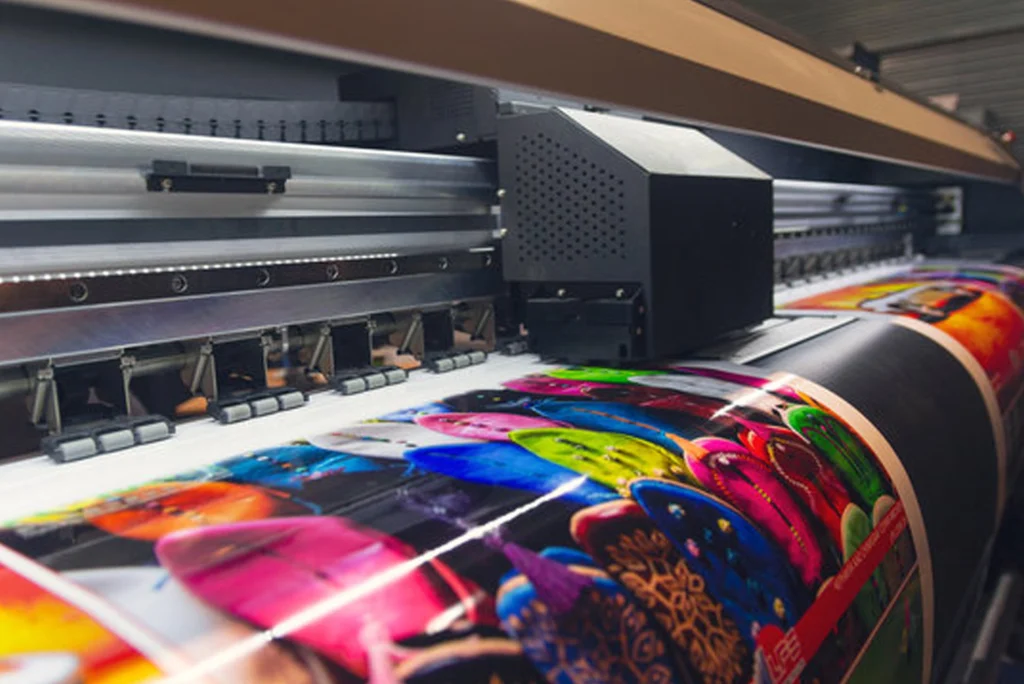
A modern printing method that does not require printing plates, making it cost-effective and efficient for short runs, sample production, and small-batch quantities.
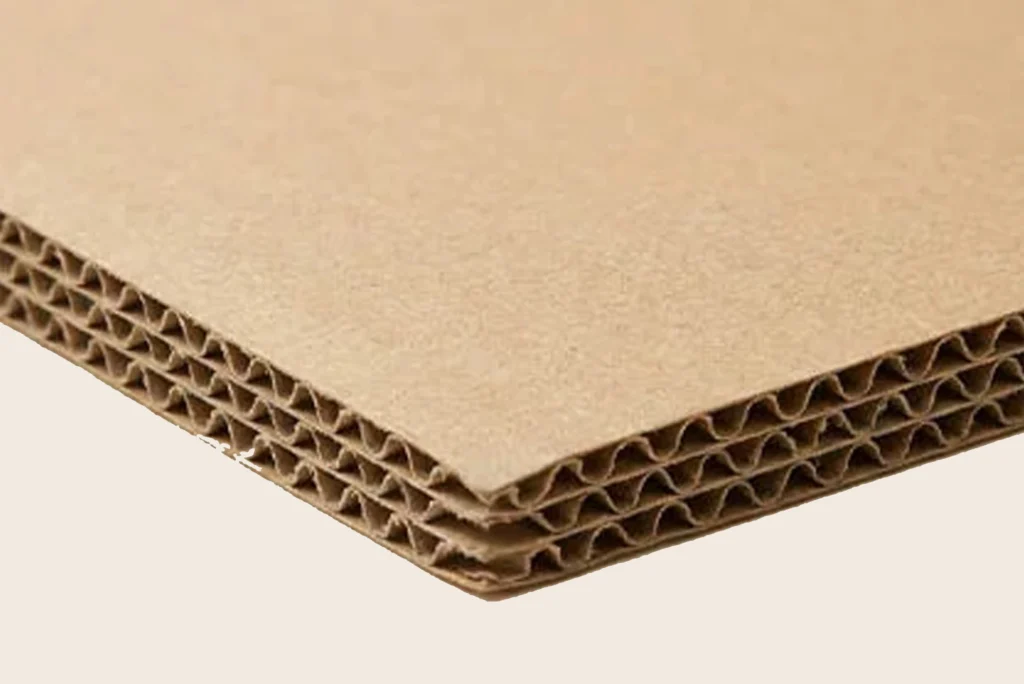
Built with three corrugated layers between four linerboard sheets, providing heavy-duty strength for large or industrial packaging needs.
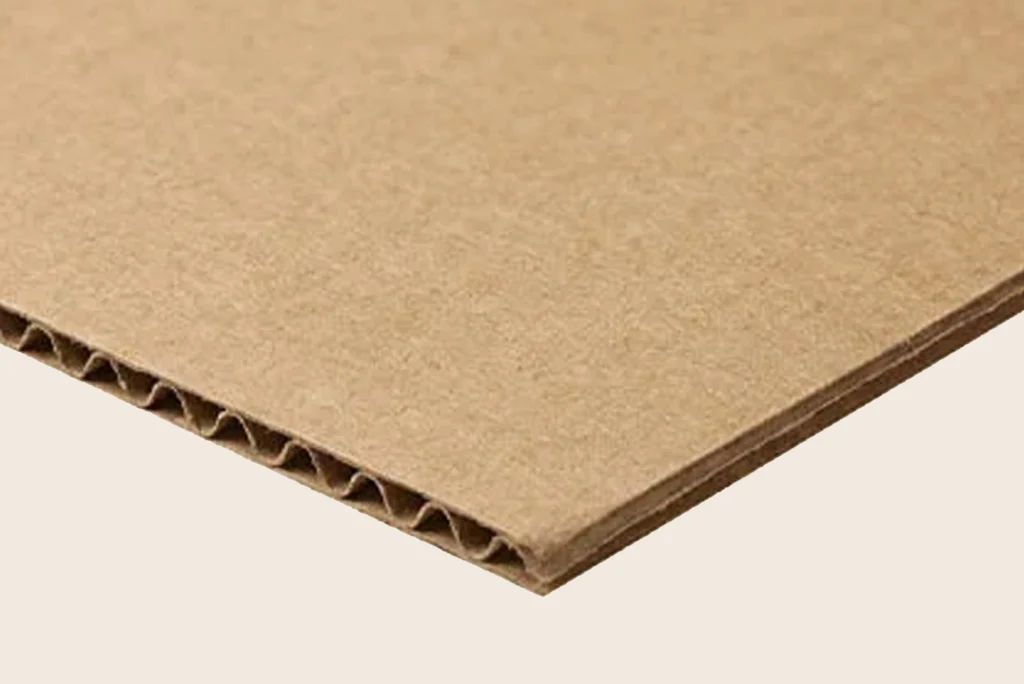
A standard corrugated structure with one fluted medium and two linerboards, providing dependable strength for everyday packaging.
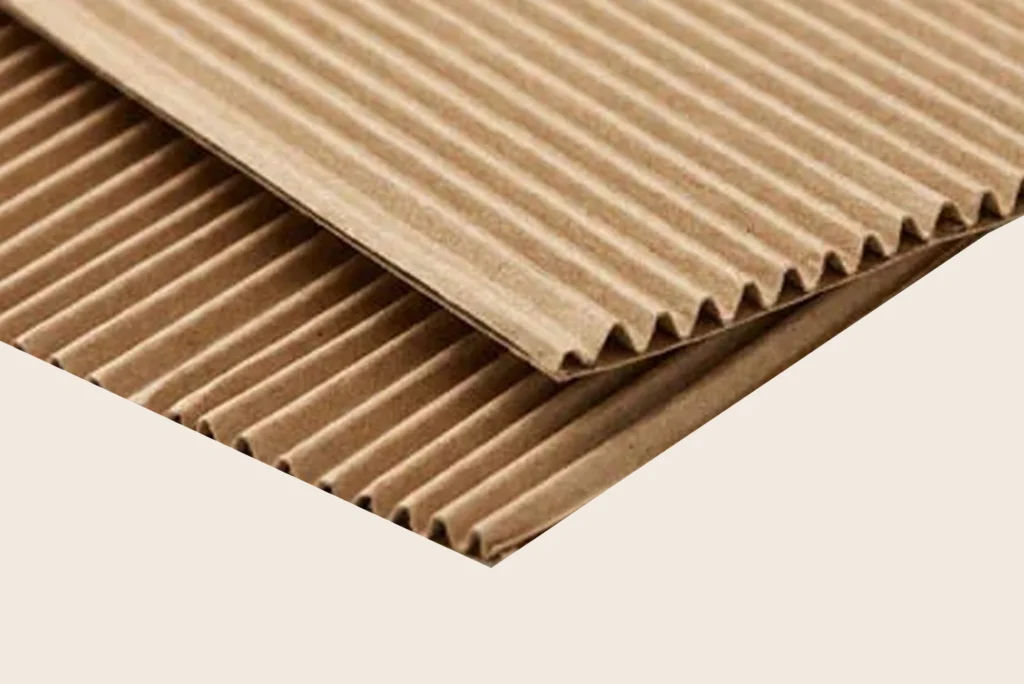
A corrugated sheet with one flute layer between two liners, offering lightweight strength for protective packaging.
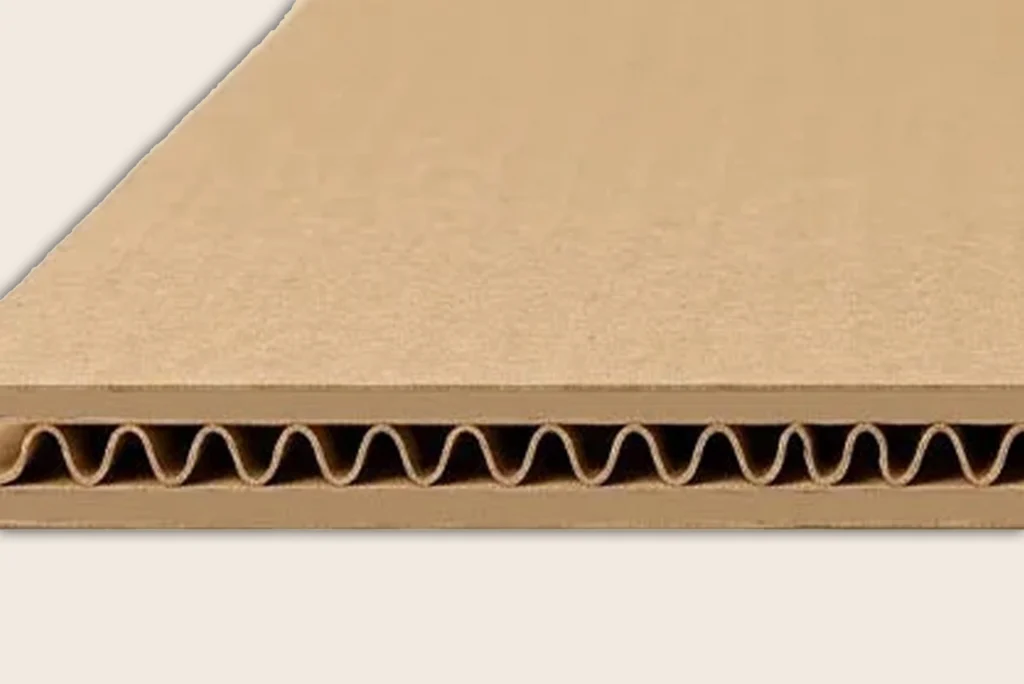
An ultra-thin flute grade designed for lightweight packaging, small retail boxes, and high-quality printed presentation.
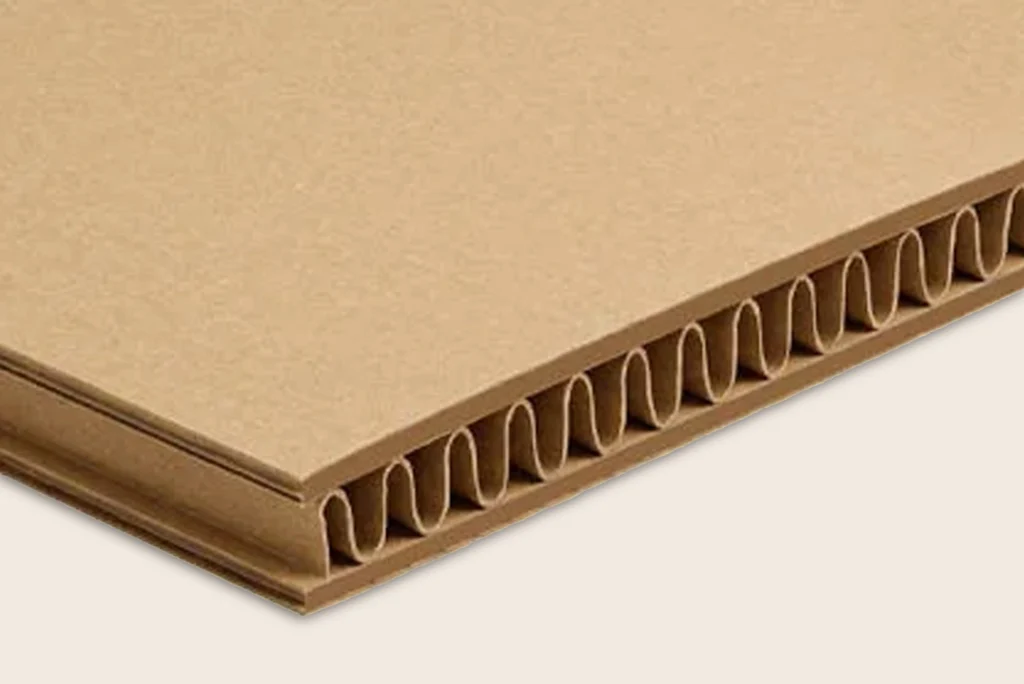
A slim flute grade with a flatter surface, ideal for detailed printing, display packaging, and premium retail boxes.
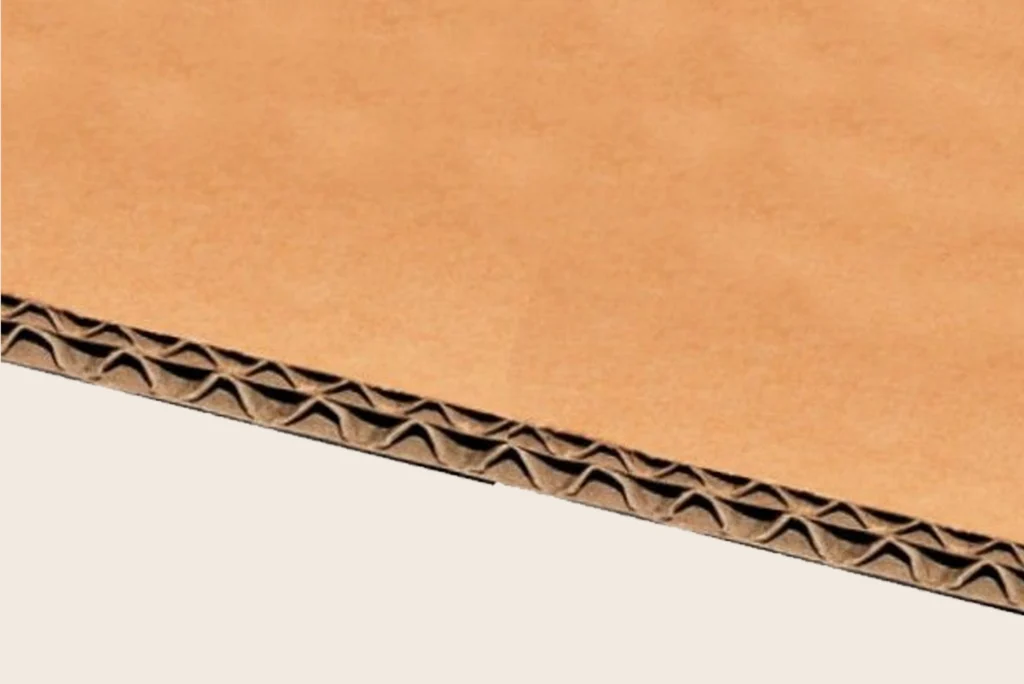
Made with two layers of corrugated medium between linerboard sheets, offering added strength and durability for heavier products.
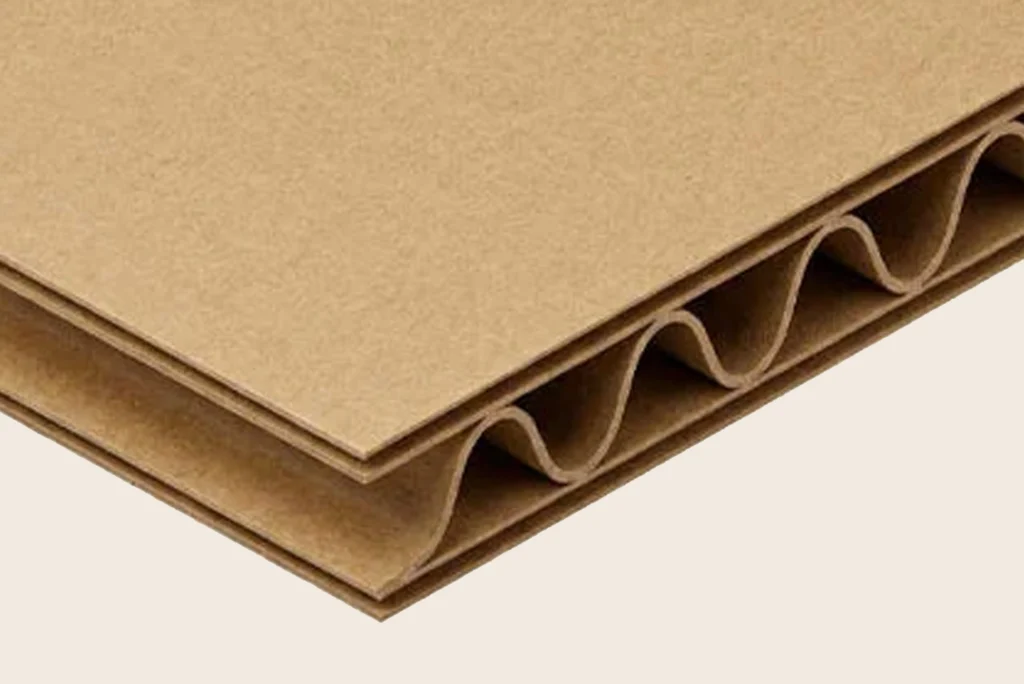
A versatile corrugated flute that offers balanced compression strength, cushioning, and printability for many packaging applications.
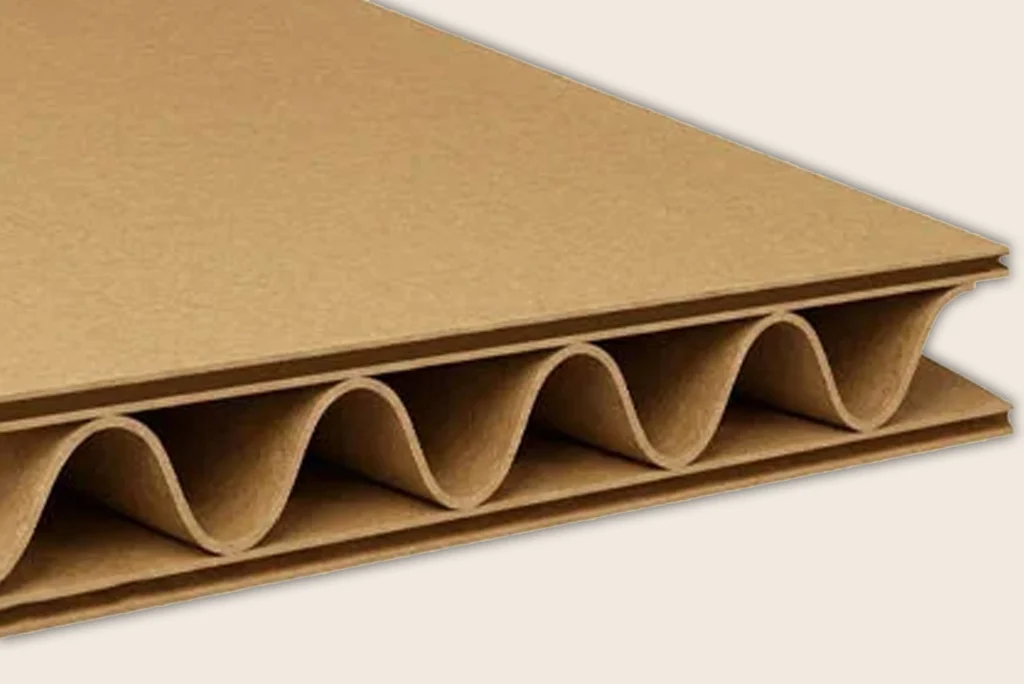
A thinner flute grade with a smooth surface, making it suitable for high-quality printing, precise die-cutting, and neat retail packaging.
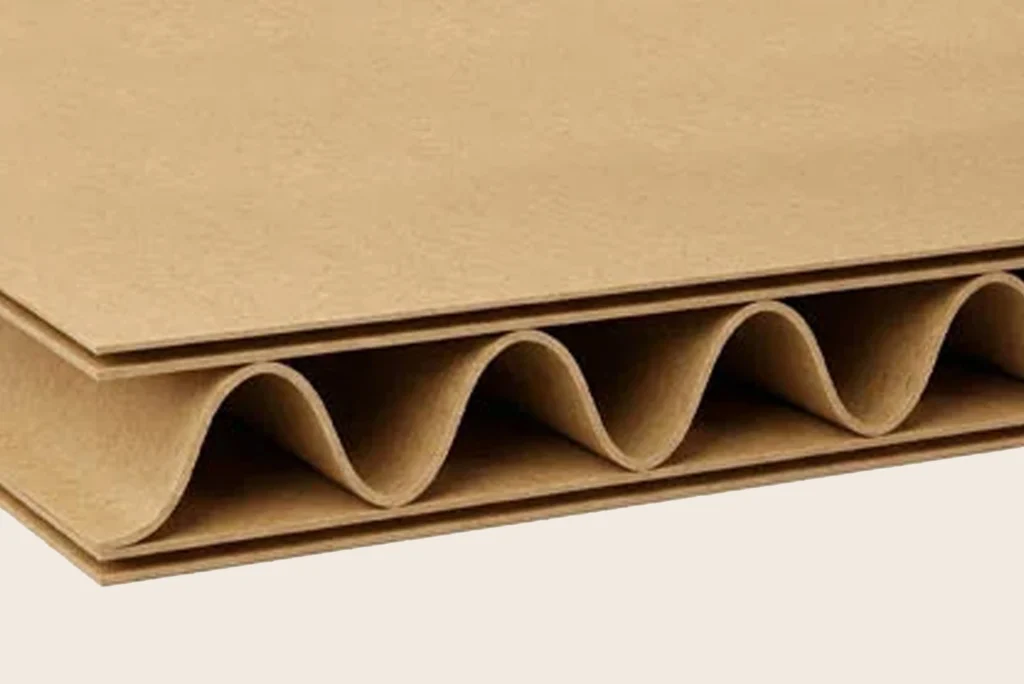
A thick corrugated flute profile that provides excellent cushioning, compression strength, and stacking support for protective packaging.
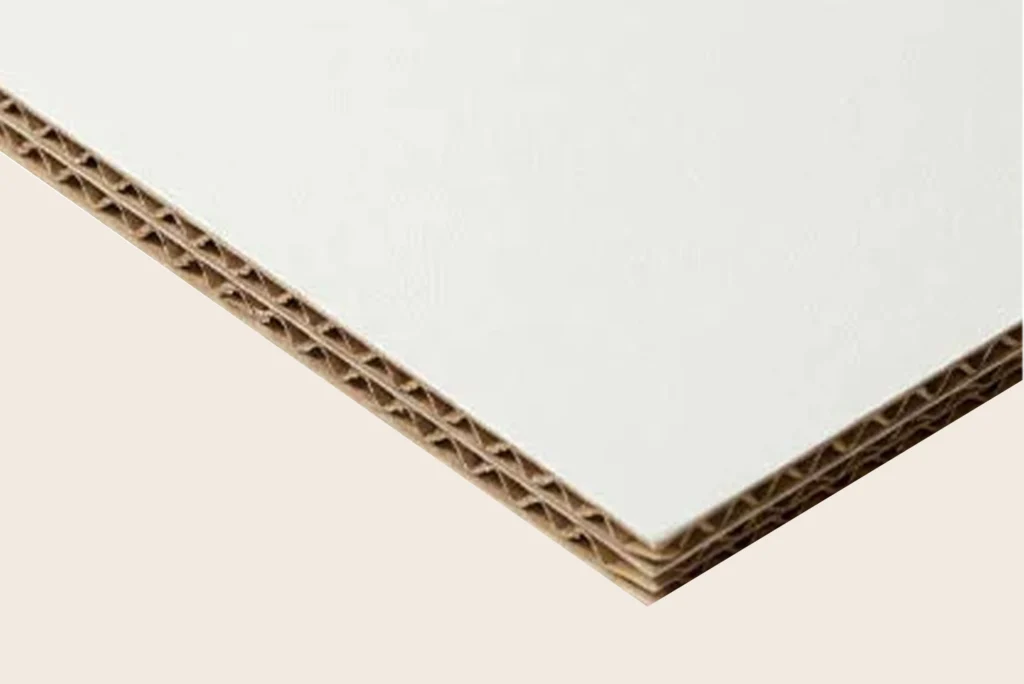
A coated linerboard with an off-white surface, suitable for high-quality printing and a refined packaging appearance.
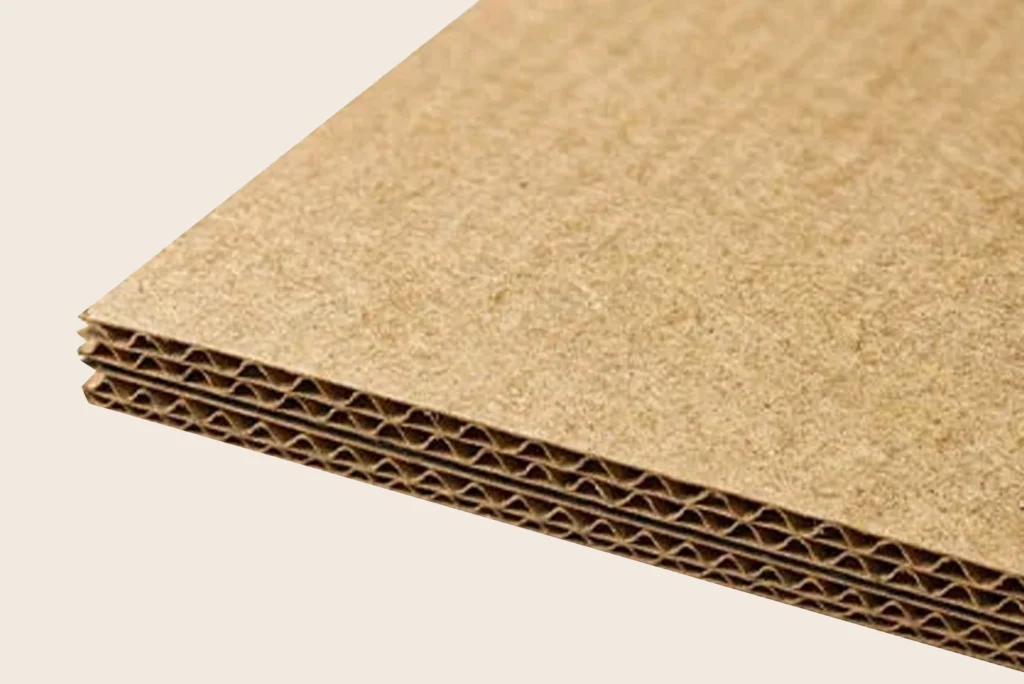
An unbleached kraft linerboard made from recycled paper pulp, offering a natural look with strong durability for eco-conscious packaging.
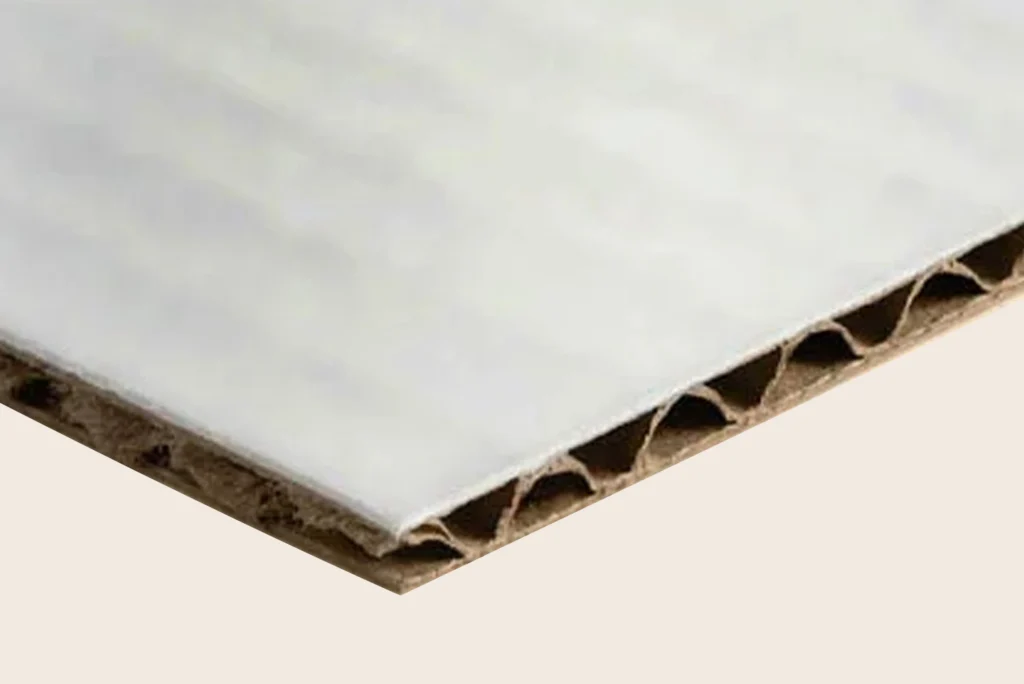
A coated semi-gloss linerboard with a smooth white surface, ideal for sharp printing, premium presentation, and retail-ready packaging.
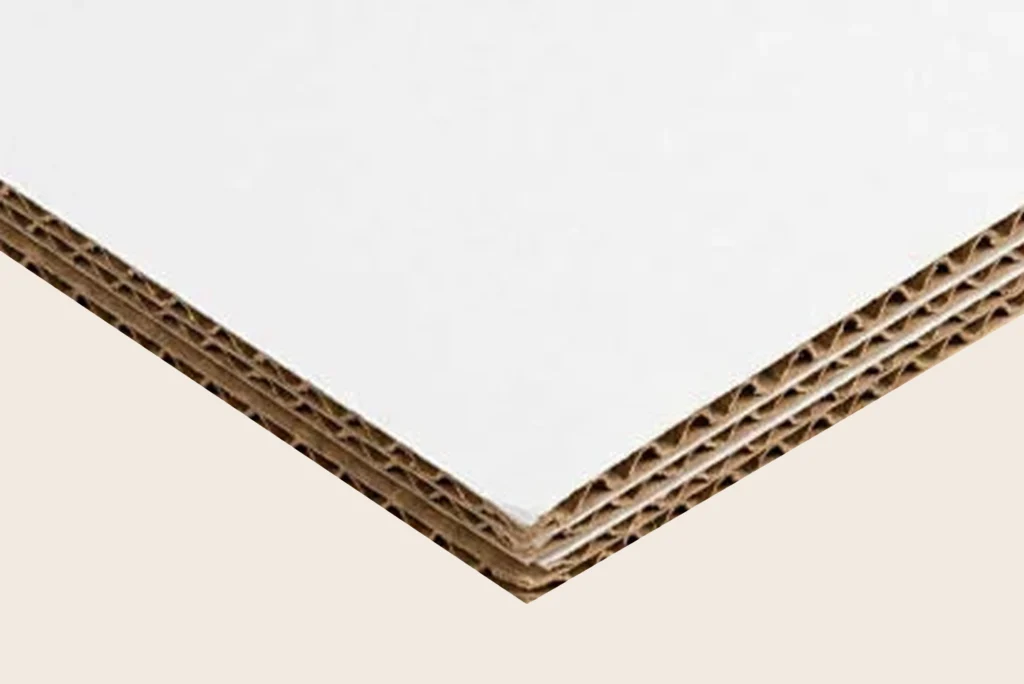
A fully bleached corrugated board with a bright white surface, designed to produce clean, vibrant, and high-quality printed packaging.
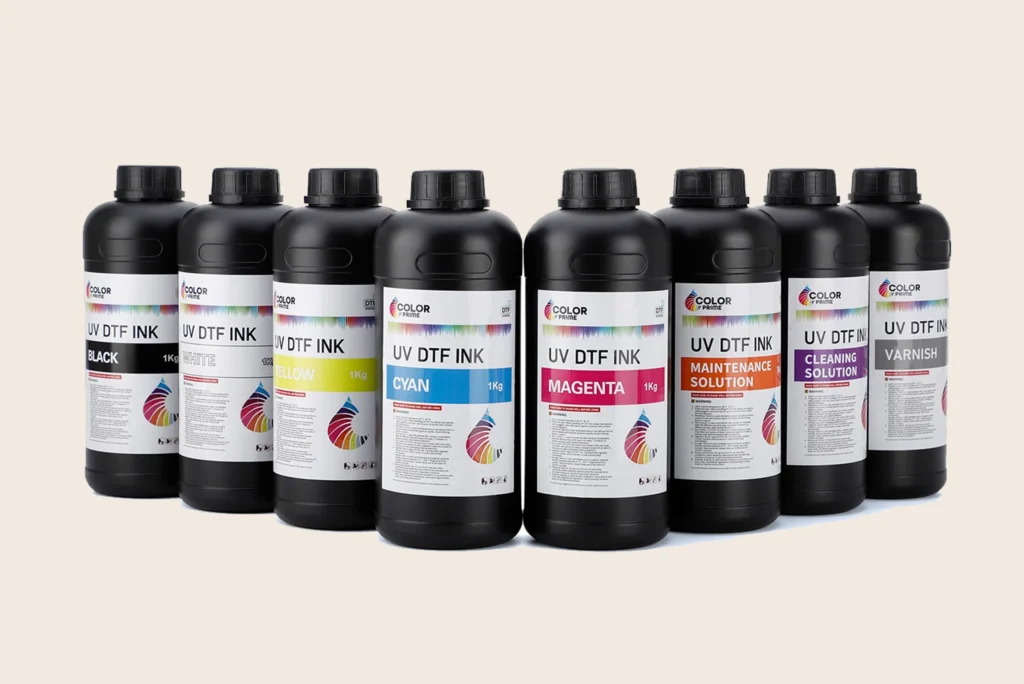
A UV-cured ink that dries instantly under ultraviolet light and creates crisp, high-quality print results on a wide range of packaging materials.
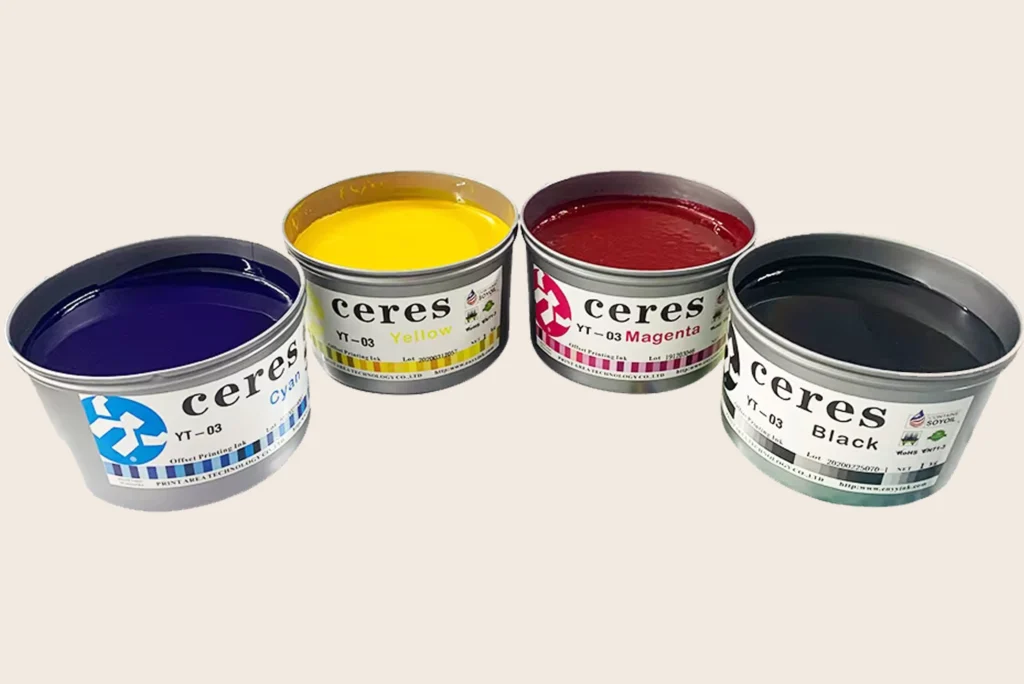
A plant-based ink made with soybean oil, offering rich color output and a more sustainable printing option for carton packaging.
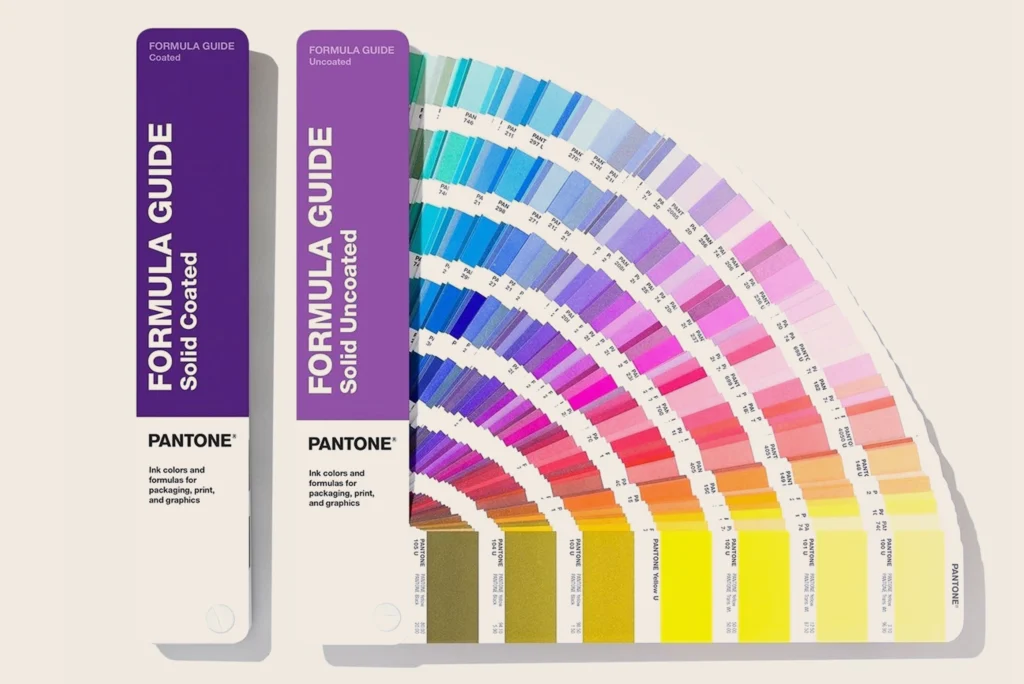
A standardized color-matching system used to achieve consistent, accurate brand colors across packaging, labels, and printed materials.

A full-color printing process using cyan, magenta, yellow, and black inks to create vibrant images, gradients, and detailed packaging artwork.
Real feedback from customers who trust us with their custom packaging.

Amanda Carl
This is my first time ordering custom packaging for my small business and it has been game changing. I used to hand-make boxes for my products but creating my own design has saved me so much time. Now I am excited to explore even more custom ideas! Daniel has been super helpful in bringing my vision to life. I love showing my completed design to my customers, and it makes the experience of buying my art even better!!

Steve
All Custom Packaging UK has been an amazing company to work with! I reached out to ACP UK a couple of years ago to get some boxes made for our product and they turned out great. We have been coming to ACP UK for all of our box needs since. Maryann has also been a pleasure to work with. The shipping is also incredibly fast. We typically have any order after proof approval within 10 business days or less.
Sylvia Nwoyeocha
as a small business owner, scouring the internet for biodegradable packaging, and was instantly being chatted with by a support person, he was patient and attentive to details, making sure he knows what i want, it was a great support experience
Sylvia.
Ron Livny
I found All Custom Packaging UK by accident, without any prior recommendation, and I was surprised by the experience. They have been very responsive, fast, and professional throughout the process. I would gladly recommend them.
Meghan
Wow!! All Custom Packaging UK made custom boxes with custom foam inserts, plus custom product boxes, for one of our clients. They turned out GORGEOUS!! Our client was beyond happy with the result and so were we! We’ve worked with MANY box manufacturers over the years and this was among the best in terms of the quality of the end result.
Claire Bentley
We have used ACP UK a couple of times now and very happy with the service - both Daniel and Thomas have been extremely helpful and have helped to bring our ideas to life. Highly recommend and will be using them again in the future.
James L.
I approached ACP UK to produce a quantity of small boxes, Thomas Couldn’t have been more helpful, it was a real pleasure to deal with him and this company. Prompt, thorough helpful replies and patient as we worked through the process. Thankyou very much! I’m very impressed with the items and I am happy to recommend them to anybody!
MICHELLE
Our company has now ordered twice from All Custom Packaging for our packaging needs. We must say the customer service and quality of their products exceeded our expectations. Pricing is competitive, product is as expected and communication is excellent. Will do business with them again.
Jamie At AQUA GLOW
Our contact person Thomas is super responsive, gets things done and is nice to deal with. The overall speed of delivery and quality of the work is good too.
Deise Santos
Thomas and Daniel have been extremely professional and have handled all my issues, with grace and patience.I recently order some bath bombs boxes and after addressing some minor issues they presented me with a beautiful product, I will be ordering future bath bombs boxes from them.
Libby Brodeur
The sales associate I worked with was fabulous. Always quick to respond and helped me problem solve our design. The folders I ordered are lovely and exactly what I had envisioned. I would definitely recommend using All Custom Packaging UK.
Rebecca Upton
Frank was very helpful from beginning to end. Adapting the order size to our small charity and remaking the boxes when the delivery company lost them. We are very happy with the outcome, the boxes will really help our products standout when on display.
Akena Mitchell
I ordered soap boxes for my company, & Frank did such a great job of helping me make my vision a reality! My boxes are beautiful! They do excellent work, and it was a pleasure working with Frank! I highly recommend them, and will be back for future purchases!! Thank you!!
Ilana Gutierrez
Frank was my packaging specialist agent. He was extremely responsive, was always on top of my design process, and even reached out to me even before I even had the time to do so. He was patient throughout the process, as it took me a long time to get the final design ready to my liking. Even after delivery he checked on me to see if I had any feedback and to make sure I was happy with the final product.
Nadège Richards
I finally received my order about a month and a half later. Poor communication from the company and I never received shipping confirmation or tracking info until I asked for it. This was from my first experience, however I have now ordered from them 3-4 times and it's been great since then.
Guest
First time working with ACP UK, but surprisingly worked out well. They handled the design and I believe I got the packages under 10 days, both times, as promised. I ordered a prototype first, asked them to make changes, and all was implemented well. I've also worked with another company in parallel, that was much slower. The price here is better as well. I don't know where the team operates from but they are doing excellent job!
Jasmin El Kordi
Daniel has been taking care of our skincare brand's product boxes, as well as our mailer boxes. He is wonderful to work with - always provides fast turn around on quotes, ensures our designs are correct, and provides us updates. His products are excellent quality and very fairly priced. Highly recommend him!!
Ben Simmons
All Custom Packaging UK, especially Thomas was an excellent decision. I went from not knowing what I wanted to go with to understanding all of my options and placing an order very quickly. The product arrived quickly and was exactly what I was looking for. Cannot recommend All Custom Packaging enough.
Aaron A Watson
Daniel was amazing to work with! We came to him in a pinch to create custom boxes for a very large scale event in a short timeline. He was able to not only make sure our timeline worked, but also provided a product who's quality was so great that through the entire event people were talking about how chic and quality the boxes were. The speed at which we received responses to our [many] questions was remarkable. 10/10 would reccomend!
Suni Woolstenhulme
Best customer service! Daniel was great to help me keep the process moving in order for me to meet my business deadlines. He made sure I knew exactly what the boxes would look like and samples were received promptly. I liked the quality of the boxes for the price so much that I added a bunch of labels to the order as well. It has definitely improved the look of packaging in my store.
Emily
The Mylar bags look professional and feel strong. The printing came out clear, and the resealable finish is very practical.
Nick
That is a great company with an awesome customer service and dedicated approach to each client. The rep I deal with - Frank is very helpful and patient. With all his efforts we've got the desired result and quality!
Definitely recommended!
Jake Marinelli
Always a great experience with ACP UK as its very high quality and quick shipping times. Mr. Frank made sure my design met my standards and Daniel did a great job with making sure all is good before shipping out the packaging.
Martina Stanton
Thomas was able to give me information immediately, which helped us move forward with packaging quickly. The product is exactly what we wanted and was shipped to us quicker than expected. Thanks!!
Quanda Bee
Excellent Customer Service. Daniel is Awesome for help me custom my product. He is hand on with providing everything I needed to make sure I get the best experience in creating my product. Thanks Daniel you ROCK!!!!
liz
The team at All Custom Packaging UK was very responsive. They were quick to respond to my emails and the turn around time on the boxes was fast! The first run of boxes did have colors slightly off and they fixed it on the second run.
The cost of the boxes was less than other suppliers. I will say the boxes are a bit on the flimsy side, not super sturdy but perfect for my needs. I will definitely use them again in the future.
Sabine Kelly
Great experience and great product. Daniel communication was prompt and clear. Production was able to work with my tight timeline and I received my packaging with time to spare. The boxes themselves look excellent and are great quality. Thank you!
Doris
Daniel made the process seamless. He was responsive to my emails and calls, ensuring timely communication. I ordered perfume boxes, and after providing the bottle and top measurements, he promptly sent me a template for my artwork. The box fits my bottle perfectly, and the final product looks high-end, elegant, and beautifully crafted.
Amiya Turks
Daniel helped me with everything and worked diligently to make sure that all the small details I wanted done were perfect. I most definitely will be a shopping again.
Kelly Szczotka
Frank and team were fantastic with my last minute custom order. We determined the products needed, sizes and quantities and within hours I had perfect proofs of three different products. The order was placed and confirmed within 24 hours of me contacting ACP UK.
The order was delivered on time for our event. The chefs at our venue using boxes for popcorn and donuts said they were top quality and very impressed. The clients were impressed with their logo displays. Thank you!!
Eoin B
Excellent customer service and products.
From my initial enquiry, right up to the delivered product Frank kept me up to date all along the way.
I knew I was dealing with professionals!The ordering was easy and even though it was a custom product I had a proof within days. The final product arrived right on schedule.
I will definitely be ordering again soon.
Thank you.
Risarano
Five star rating to All Custom Packaging UK.
Their design representative Daniel was super accommodating in ensuring that our production went smoothly and delivered on time to meet our deadline.
The quality is superb. We look forward to our next packaging project with them.
Alan Thorpe
Excellent service from the Sales Executive Chris. Quick responses to emails and very clear guidance on design of boxes. Speedy delivery (1 week) and the boxes are very good quality with clear bespoke printing. Will definitely use again.
Maggie McGuinness
I have been working with ACP UK for a few years now with my soap box and gift set packaging. They are always quick and dependable. Great quality.
Denver
I was initially hesitant to try this packaging boxes company, but I am so glad I did. The boxes were exactly what I needed for my business, and the customization options were extensive. The team was easy to work with and made the process seamless. I will definitely be using this company again in the future.
Tommie O'Malley
I have worked with All Custom Packaging UK on multiple projects now and I am always so impressed by the quality and customer service. They are so responsive and have met every single deadline I have given them and even go above and beyond in keeping me updated on production. Will continue to use them for a variety of my packaging needs!
Deanna Weise
We had a great experience working with All Custom Packaging UK. Frank was our main point of contact, and he was incredibly responsive throughout the entire process. He answered our questions promptly, kept us updated every step of the way, and made the experience smooth and stress-free. The communication was excellent, and we really appreciated the level of customer service. We look forward to working with All Custom Packaging UK again in the future.
Jeff Seyglinski
Thomas was a joy to work with. He exceed out expectations. He beat all deadlines by a long shot! We explained what we were looking for and we got exactly that! Highly recommended!
Matt Shortland
ACP UK was great at dealing with our enquiries the product turned out just as expected. Thank you Thomas for dealing with us and talking through it. Made it very easy for someone who has never ordered before.
Nomeka
Daniel was fantastic to work with - quick and responsive. Our 500 boxes came 1 full week before our guaranteed delivery date, and they look fantastic. Will definitely be using again!
Dion Lassiter
These guys are awesome! Many delt with Daniel and he was beyond helpful! Would definitely refer anyone to use these guys. A1 customer service and A1 product. All Custom Packaging UK is the best.!!
Ks Rives Revivo
I have worked with Daniel on multiple projects and really love his service. They offer a fair price and really take care to get me exactly what we need while correcting anything that needs adjusting. I will continue to hire them for my future projects.
Binz
Cannot beat this level of customer service and dedication. My team was on a very tight deadline for the ask and our Sales Executive made it happen on time and within budget.
Remembrance Bibles
Frank and his company were fantastic throughout the process. From design to delivery, he answered our questions and eased our concerns. We will definitely be using their services again in the future. Thank you for a outstanding product.
DPHG LLC
Frank was responsive and helpful. ACP UK helped us meet our budget and delivered our order ahead of schedule. Very pleased with the product as well as the customer service. Will use their services again.
Janice LaFontaine
Thomas has been a delight to work with from start to finish, responding to my many questions and requests. He worked well with my graphic designer to get us a gorgeous luxury packaging product for our premium fudge product. Whenever there was an issue, he was there to walk through it with us and ensure it resolved. ETAs were not consistent but when multiple parties are involved in getting the packaging to us I suppose some delays are bound to occur.
Nikki LaBreche
Oh my goodness, I am absolutely in love with my custom nail boxes As a small business owner, seeing my vision come to life was so exciting, and All Custom Packaging UK did an amazing job. The colors are beautiful, the quality is fantastic, and they turned out even better than I imagined.
The whole process was smooth, communication was great, and they made sure everything looked perfect. When I opened the box, I couldn’t stop smiling! These boxes make my business feel so much more professional, and I can’t wait to send out orders in them.
Thank you, All Custom Packaging UK, for helping bring a little piece of my dream to life. I will definitely be ordering again and highly recommend them to anyone looking for quality custom packaging!
Viviana Monarrez
This was my first time working with All Custom Packaging UK and I could honestly say they went above and beyond. Thomas guided and helped me through the whole process. My cosmetic boxes came out amazing and I couldn’t be more happy with the final outcome.
Josh
Needed someone to make me some custom branded Easter egg boxes for my business so I contacted rob and found the whole process very satisfying. Received impressive design of how the boxes would look, paid my invoice, received full order within 10 days. Will definitely use again.
Victoria
I cannot express how caring, fast, and helpful Thomas and Daniel with ACP UK have been to me this past year. I have referred friends to them and will continue to refer all my friends to this team.
From design send, I get my items within 20 days. If I forget to respond, they're helpful in reminding me which in return helps keep my project moving forward. I appreciate their kindness even through my response delays. I could go on and on. Thank you two so much for helping my business grow!
D Hines
First, I'd like to say, sorry for the long delay with getting this written. My experience dealing with All Custom Packaging UK and Frank has been fantastic. He has really taken the time to work with me on my crazy request and demands. Frank has been great and I am a satisfied customer. I look forward to dealing with ACP UK and Frank in the near future! Russell Hines.
Kayla Aldridge
Daniel was incredible! He was always prompt to email me back, he even called me when I didn't reply. He helped me create the exact box that I was looking for and I couldn't be more happy! Thank you for all of your hard work and great communication! I will order again when I need more!
Andras
Other than a few miscommunication throughout the ordering process I had a great experience with this company. They are helpful and making sure that you get what you ordered. However, most importantly the product is good quality and they made sure that it is packaged well so it doesn't get damaged during shipping. I would definitely recommend this company.
The Buckin Farmacy Brianne Eas
Can’t thank Daniel with ACP UK enough for his help during the designing/ordering process of the boxes I needed for my business. They turned out amazing & have received several compliments. Such a great company to work with!
Stephen Samuel
Recently I worked with ACP UK to obtain a large number of packages for a product that we are now selling. We got a big order and needed high quality work done in a hurry. ACP UK gave us great service. They were flexible, professional and prompt.
Leslie Eichelberger
Working with ACP UK has been nothing short of fantastic! The process was easy, the boxes were priced best out of three different companies that I researched and working with Frank and Daniel was excellent. They paid attention to so much detail, down to making sure my fonts were the right shade.
I could not have asked for a better experience! I will definitely be working with them long term!
Fly Fish Wyoming
I had a great experience with them. No complaints at all. I had a very specific box I wanted and they worked with me to get it all set up and sent me a template for my art. I had to make one adjustment on the proof but the final product turned out great and I'm really happy with it. I worked via email with Daniel.
Christine Davidson
So far a very pleasant experience. Worked with Daniel via online chat and he was very courteous and helpful. Awaiting an email with the discussed information and suspect that part of the experience will be as seemless.
Jonathan Gilbey
From star to finish of my project communication was excellent. The product was shiped and arrived in a timely manner and was an excellent quality would definitely use a again
Caren Henderson Freeman
Fast response to my emails/orders, production time is quick and I love that the shipping is included already in the cost. Not a 4 star only because of some minor production issues with dust, glue, and hanging chads. Customer service is on top of it with fast response and satisfied outcome.
Natasha
The Customer Service is excellent! The boxes and designs were excellent! We are so happy with the product and the service. Thank you Thomas and team. See you soon for our next project, we look forward to working with you again.
Derek Gill
Been working with Daniel on my boxes for our soaps and bath bombs. We just received our boxes for the soaps and the quality is five star. Daniel has been on top of his game and even caught a mistake in our spelling I highly recommend this company and will be using them For all our future orders.
Larry Tucker
I am very happy with my game cover. The colors are bright and the images are crips and clear. The service was timely and the price was reasonable. I expect to be a repeat customer (with luck.) I would not hesitate to reccomend them. Thanks to Daniel for the quick and effective responses.
Morgan Sue Robinson
Daniel was fantastic to work with from start to finish. My design was brand new, and he played a huge role in helping bring my idea to life. He was always incredibly quick to respond, proactive with problem-solving, and transparent throughout the process. He took the time to answer all of my questions, helped me navigate different options, and worked with me to find a great price without compromising quality. I truly appreciated him responsiveness and attention to detail, and I’d highly recommend working with him.
JL Aronson
I loved the options and thought the solution we came up with was brilliant. A slide box for a gift thumb drive of irregular shape. Daniel was my rep. Very helpful!
DMarcques Brown
Excellent service. The previous printing company was not able to meet my needs. This company did a wonderful job with my cologne boxes to help achieve the vision and design I provided. Will be back for more business.
Steven S
My organization has been working with Thomas for few years and we are consistently met with fantastic quality and service. Thomas is attentive to our questions, offers advice, and always finds a way to deliver an impressive product. Thomas is one of my favorite vendors to work with and I look forward to working together in the future.
Lori Eaton
It only got better from there because Frank was super quick to respond, and he knows his stuff! I'm sure he is a valuable employee! He was a great help to me by sending images right in chat. He made me realize how wonderful ACP UK is. I am still amazed at the number of products they offer. They have everything. Plus free shipping, 24/7 online support, no die & plate charges, and free design support. OMGosh!
Susan Harrison
I needed something that was both a good shipping box and something to hold the items I sell. It’s so sleek and can fit anywhere from 1-3 of my items. I love that I don’t have to buy a bunch of different sized boxes. it’s the perfect size. It was so easy to assemble once I figured it out. Im shocked how sturdy it feels. I will be adding tape on it before I ship them just incase they unfold. I will definitely order another case of these boxes as these come out to less.
Luca Stallings
We’ve ordered posters from this company multiple times. When the first shipment showed up damaged, they not only replaced every damaged poster, they made sure to update their packaging method to ensure safe delivery the second time. We’re now using them for our next project, and our rep Daniel has been incredibly helpful as usual. If you’re looking for a new print provider, please use these guys!
Clear answers about ordering, artwork, production, materials and delivery.
Both are real options, and which one suits you depends on the platter's job. An open tray, often with a slide-out base, suits food staying in place and being served from repeatedly. A closed box with a window lid suits food that's travelling or being handed over once, sealed until it's opened. Tell us which at quote stage.
Not as a standard specification, no. Flag it at quote stage if reheating or freezing is part of how the platter gets used.
Yes. Send us the platter's actual dimensions and the window gets sized around it, not the other way round.
It comes down to what matters more to you: cost and speed, or a simpler recycling path. The film patch usually wins on the first, the plain die-cut aperture on the second.
This isn't the right page then. Kids Party Food Boxes is built around one sealed box per person instead.
Orders start from 100 units. Standard production takes 6 to 8 business days after approval. UK delivery is free.