Varnish
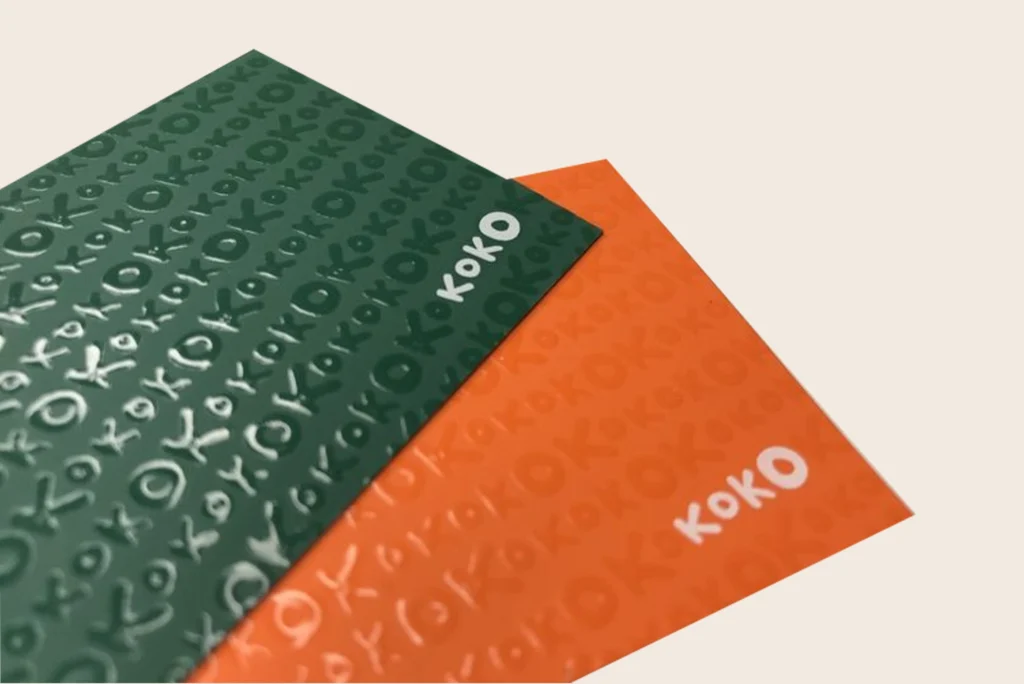
A transparent finishing layer available in gloss, satin, or matte effects. It enhances the printed surface and adds an extra layer of visual appeal and light protection.
Festive cookie packaging printed to your own artwork and built around a selection instead of a single batch. The seasonal element can sit where it does not strand the boxes you do not sell. Orders start from 100 units.
Most packaging questions are about the product inside. This one is mostly about the calendar. A Christmas cookie box has to earn its cost inside a short selling window, and then it stops being useful. No year-round box has to solve that.
Every supplier on this term will show you the same curve: order more, pay less per box. The curve is real. It just stops being the whole picture once the artwork has a season attached to it.
Unit price only counts on boxes you actually use. A run of 2,000 at a lower unit price costs more than a run of 800 if 1,200 of them sit flat in a cupboard until next December. It costs less only if they come back out again. So the useful question is not how low the unit price goes. It is how many Christmases these boxes have to survive.
That is a design decision before it is a quantity decision. A printed year, a named promotion, a price on the pack or a flavour that gets discontinued will all finish the box in January, whatever board it is printed on. Festive artwork carrying none of those does not. Settling which of the two you are printing, before artwork is signed off, is what sets a sensible run size.
There is a way around most of this, and it is not a different box. Keep the box itself plain or in your standard brand artwork. Print the festive layer onto something separable: a printed sleeve that slides over it, or a seasonal label across a neutral lid. The box then goes back into normal stock in January, and only the small, cheap part of the order is stranded.
Price that against a fully printed festive box before assuming either way. At some run sizes the sleeve wins comfortably. At others the second print stage costs more than the boxes it saves.
A Christmas cookie order is usually a selection, not a dozen of one thing. Several types in one box means several diameters and several thicknesses sitting together, and that changes what an insert can do for you.
Die-cutting and inserts are cut to the customer’s product dimensions, so an insert holds a cookie still by matching its shape closely. Twelve identical cookies give it one shape to match. Six different ones give it six, and an insert cut for the largest leaves the smallest loose in its own seat.
For a mixed box the controls that work are depth and layers. An internal depth that meets the top of the stack stops the whole layer lifting and shifting about in transit. A lift-out divider between layers does more for a selection than a cavity around each piece. Where every item in the box genuinely is identical, the fixed-position case gets much stronger, and Christmas Truffle Boxes works that case through in full.
Deep seasonal colour is where colour expectation tends to get tested. Two cases are worth raising early: a Christmas red that also has to be the brand red, and a gold expected to read as metal. Pantone references and CMYK values can be used to manage colour consistency, subject to normal variation caused by the chosen board, ink, coating and production method. Foil, spot UV and the rest of the finishing menu each sit differently on a dark festive ground. Weighing them against one another is what Luxury Food Packaging Boxes exists to do.
Design support is free. A digital 3D mock-up is free. Both matter more than usual on a seasonal run, because a proof first seen in December has arrived too late to change anything.
Orders start from 100 units. Standard production takes 6 to 8 business days after approval. UK delivery is free. There are no setup fees.
Food-contact material suitability is confirmed for the specific material before production.
There is also the question of what happens to the boxes that do not sell. An unlaminated paperboard construction may be easier to process through suitable paper-recycling streams than a heavily laminated alternative. Final recyclability depends on the full material and finishing specification and the facilities available locally. A heavy festive laminate or a foil block is exactly the sort of specification that moves that answer, which is worth knowing before ordering a quantity you may not clear.
If these boxes are going into the post instead of over a counter, the protection problem is a different one, and Cookie Mailer Boxes is the page for it. And if the structural questions are still open, this is the wrong place to close them. Cookie Boxes compares the window, gable and drawer formats, and that choice wants making before any of the seasonal arithmetic above starts to matter.
One caution about all of it. Getting the run size right saves money and does nothing else. A well-chosen carton still turns up holding exactly what the kitchen put into it, and no packaging decision anywhere changes that.
| Box Style | All Custom Packaging |
| Dimension | All Custom Sizes & Shapes |
| Quantities | 100-unit minimum order |
| Paper Stock | Kraft, corrugated, rigid board, cardstock |
| Printing | CMYK, Pantone, digital and offset |
| Finishing | Gloss, matte, spot UV, embossing, foiling |
| Shipping | Free delivery options |
Choose from premium coating, board, printing and finishing options for your insert boxes.
A transparent finishing layer available in gloss, satin, or matte effects. It enhances the printed surface and adds an extra layer of visual appeal and light protection.
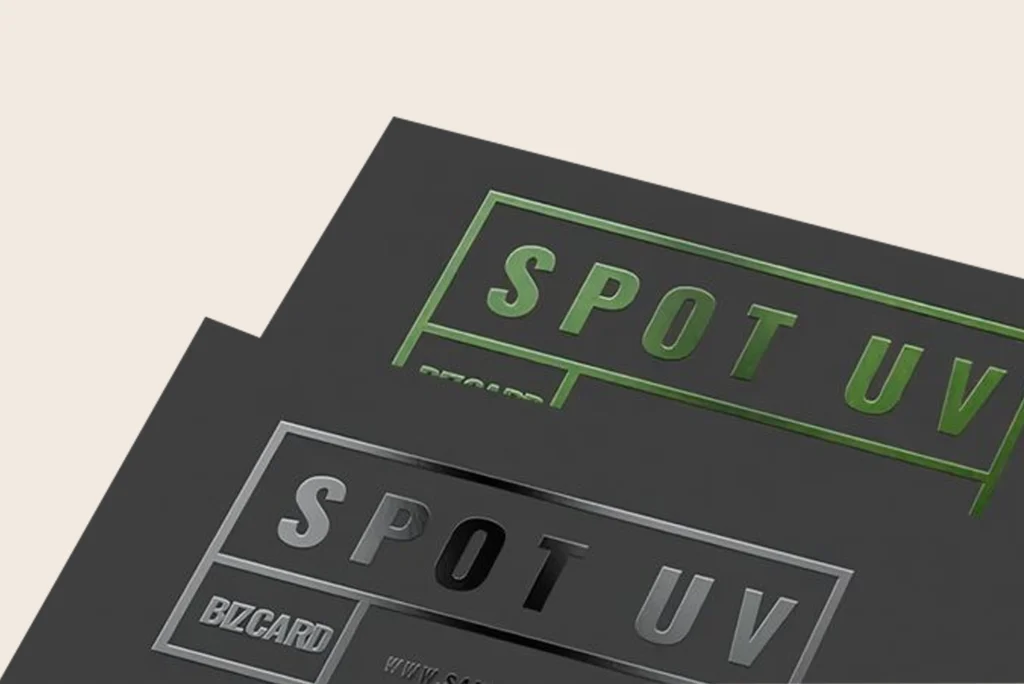
A UV-cured coating applied to specific areas of the design to create gloss or matte contrast and draw attention to important details.
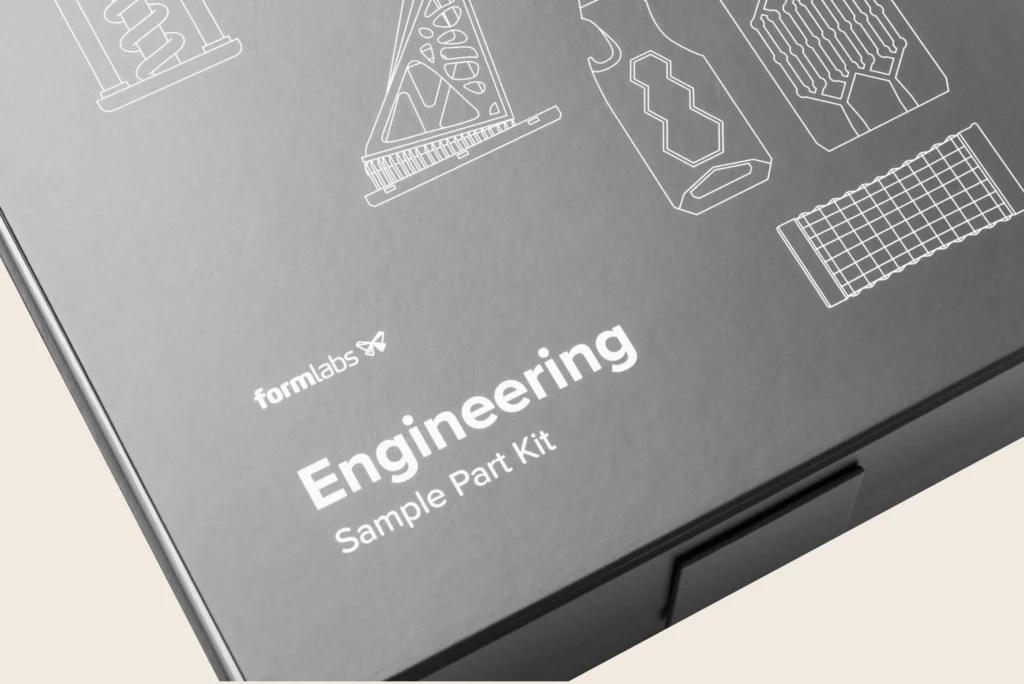
A smooth, velvety coating that creates a soft tactile feel and gives packaging a refined luxury look. It improves the unboxing experience and supports a high-end product presentation.
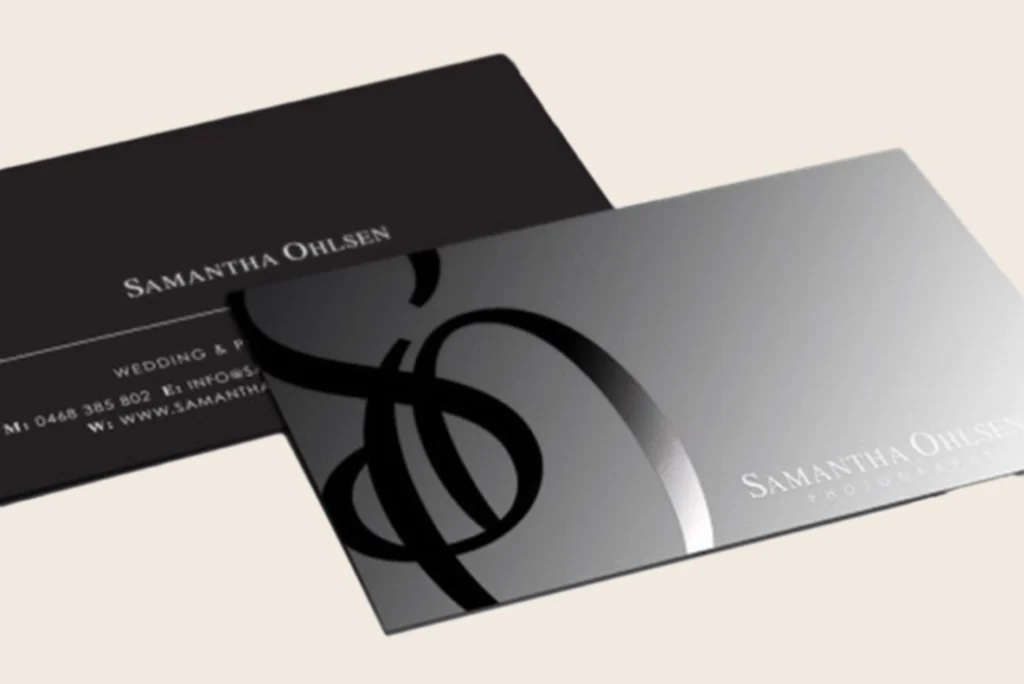
A soft, smooth lamination with a refined satin-like finish. It gives packaging a premium feel while keeping the surface elegant, subtle, and easy to handle.
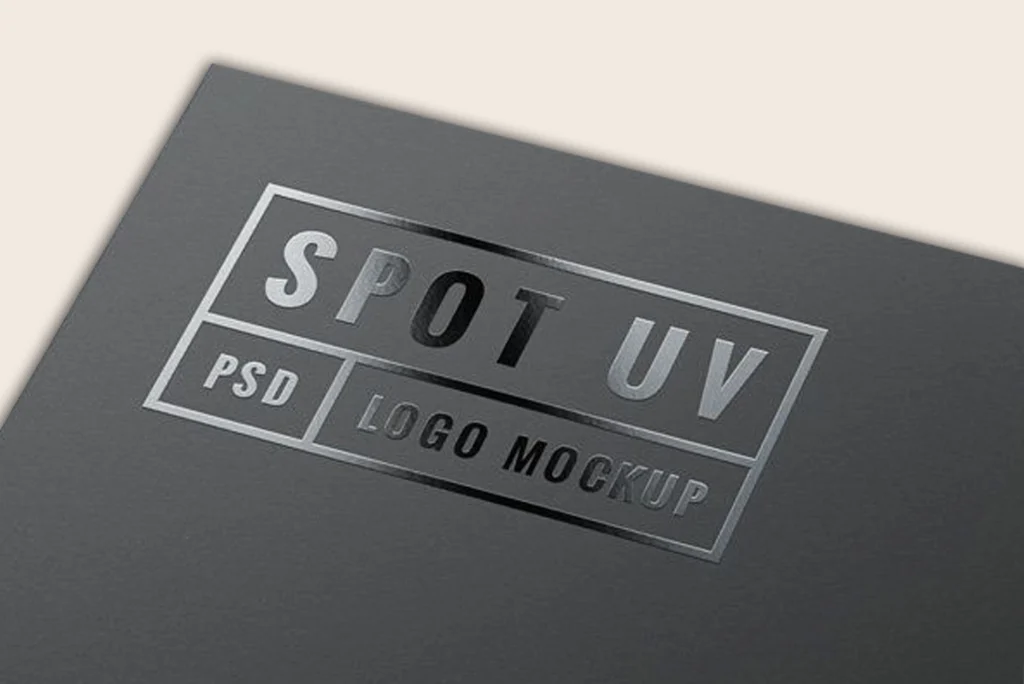
A high-gloss UV coating applied only to selected design areas to create sharp contrast, highlight logos, and add a premium visual effect without coating the whole surface.
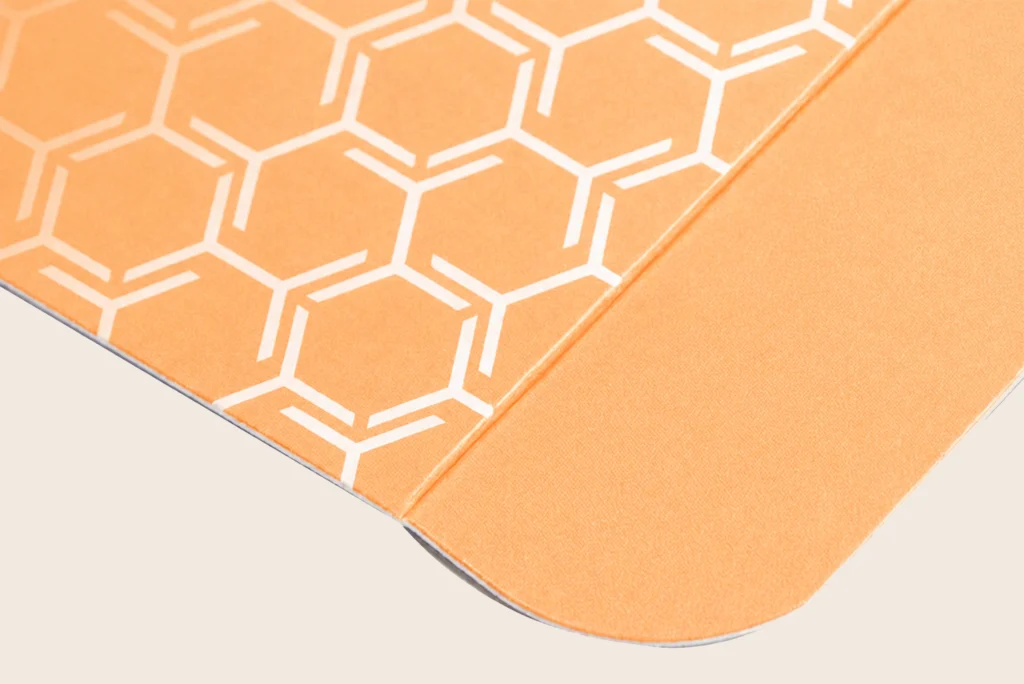
A clear, fast-drying water-based coating that adds a smooth protective layer while maintaining a clean and professional surface finish. It is a practical choice for everyday printed packaging.
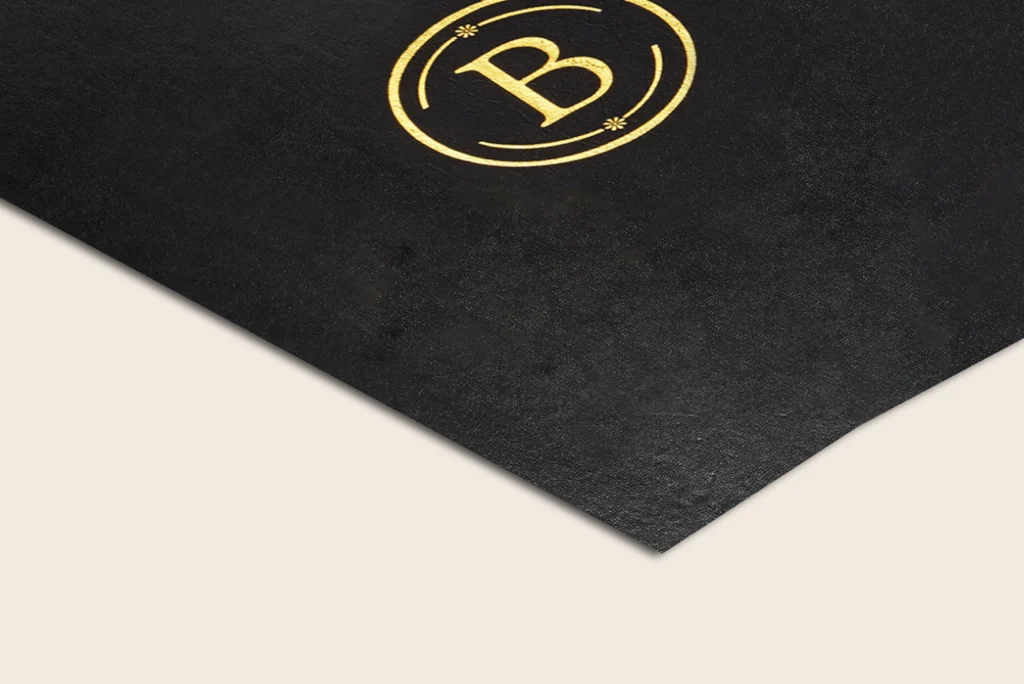
A durable protective film that helps reduce visible scratches, scuffs, fingerprints, and daily handling marks. It keeps packaging looking clean, polished, and premium for longer.
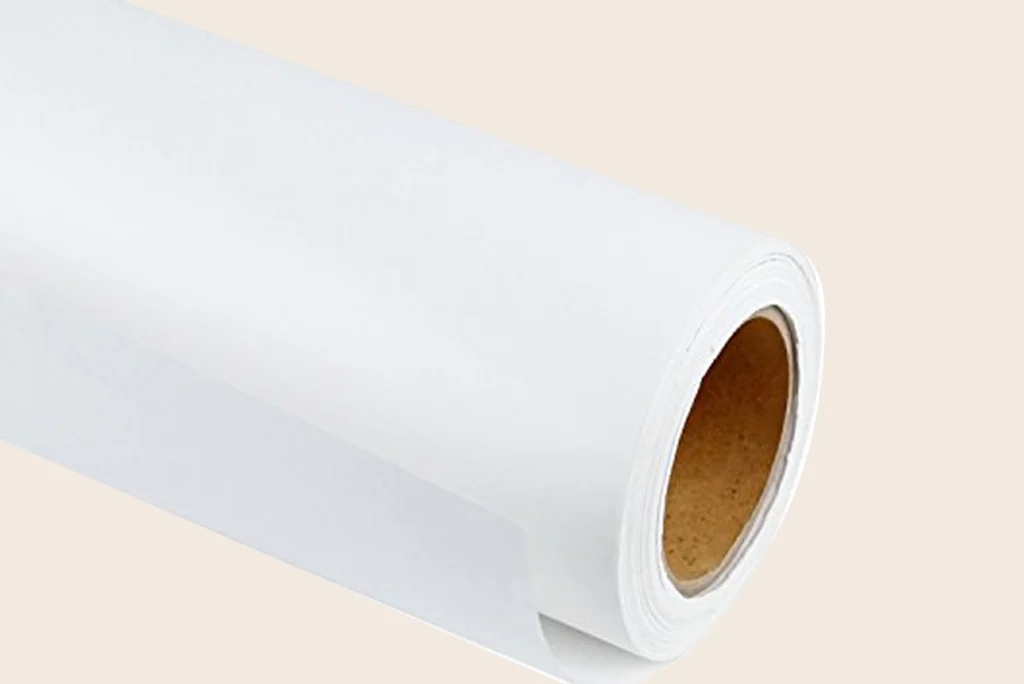
A bleached kraft paperboard made from a mix of virgin and recycled pulp, offering a clean white surface for crisp and polished packaging designs.
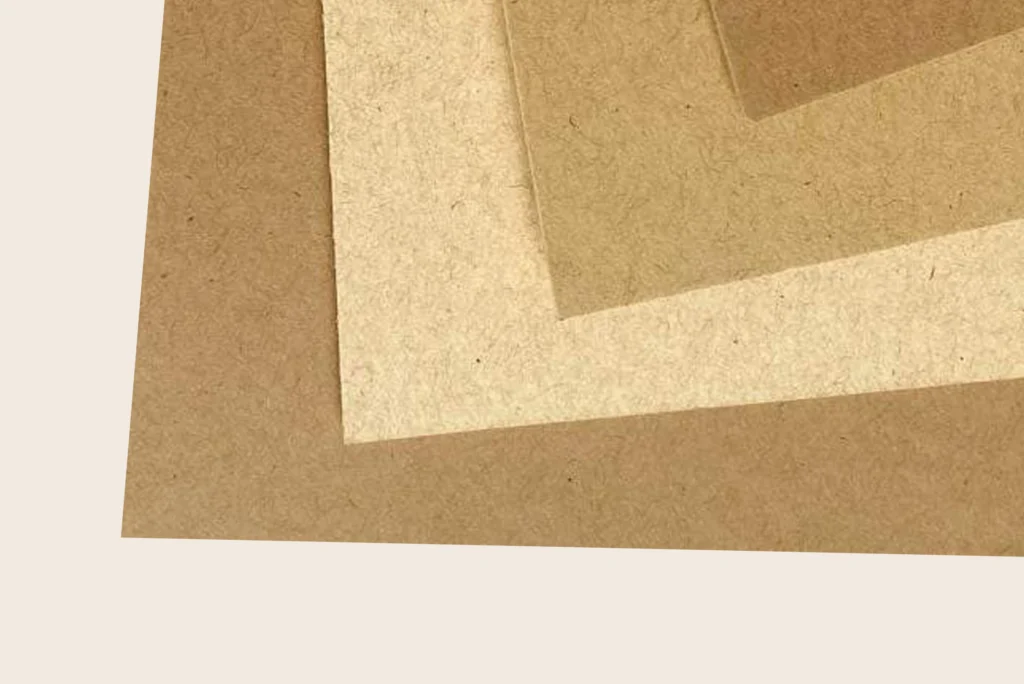
A natural kraft paperboard without coating, made from virgin and recycled pulp. It provides a raw, organic appearance with sturdy packaging strength.
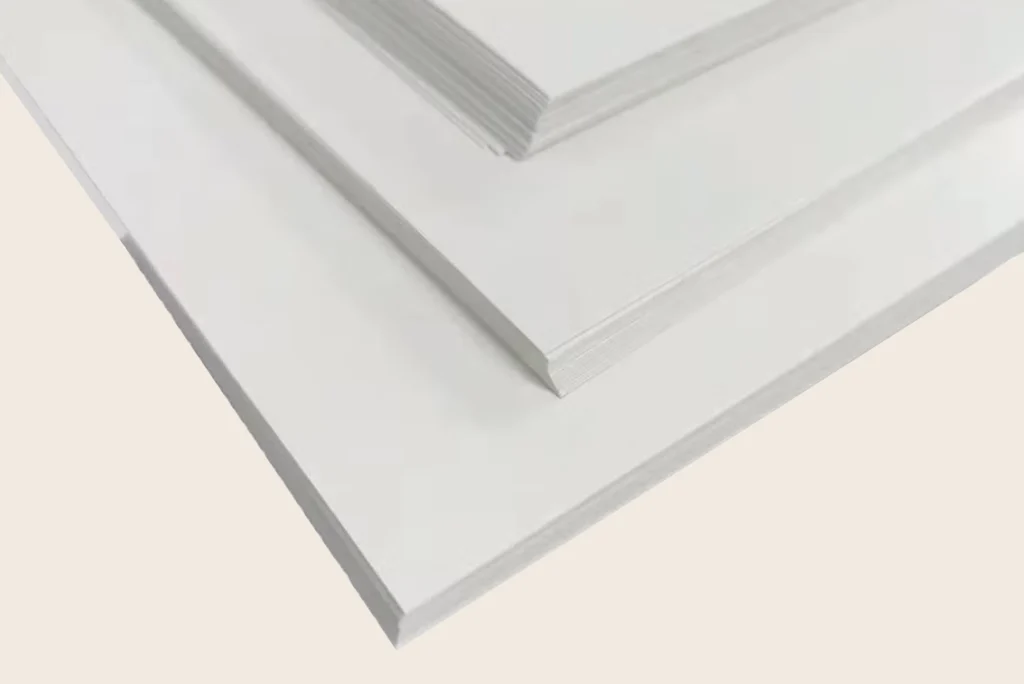
A premium bleached paperboard coated on both sides, designed for excellent print quality, die-cutting, and professional packaging results.
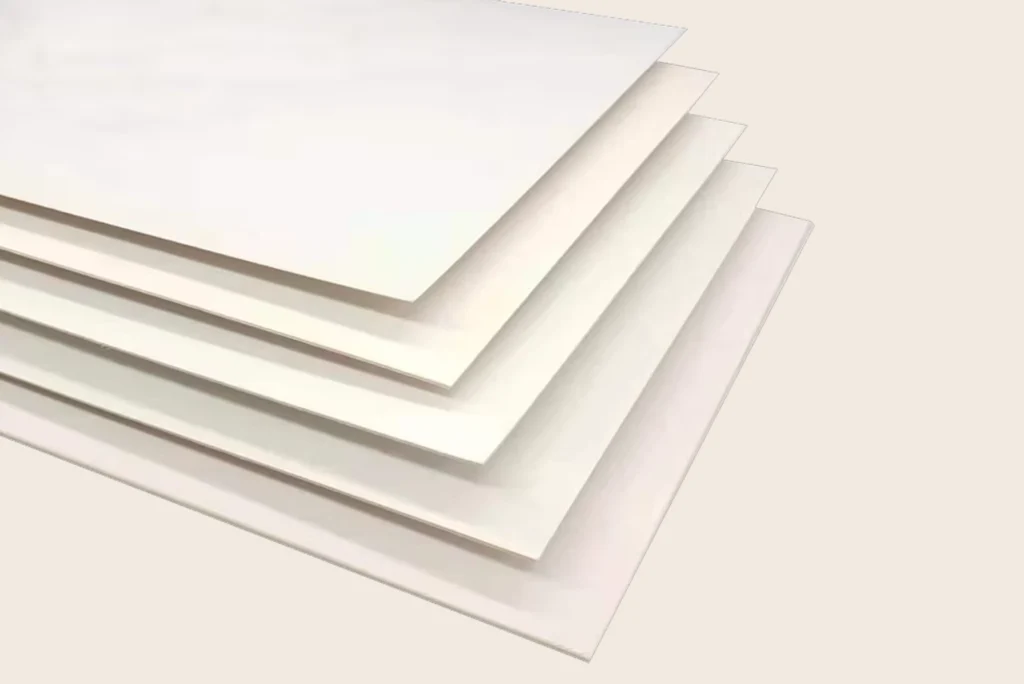
A high-quality bleached paperboard coated on one side. It provides a clean printable face with a premium packaging feel.
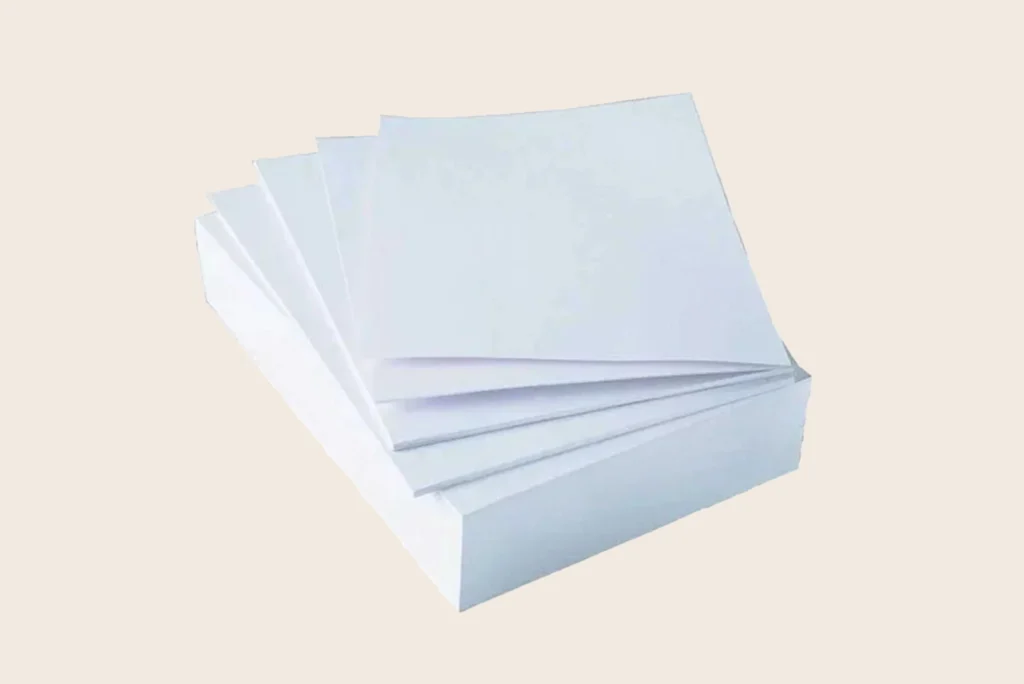
A smooth printable paper stock that supports high-resolution graphics, clean text, and rich color output for refined packaging presentation.
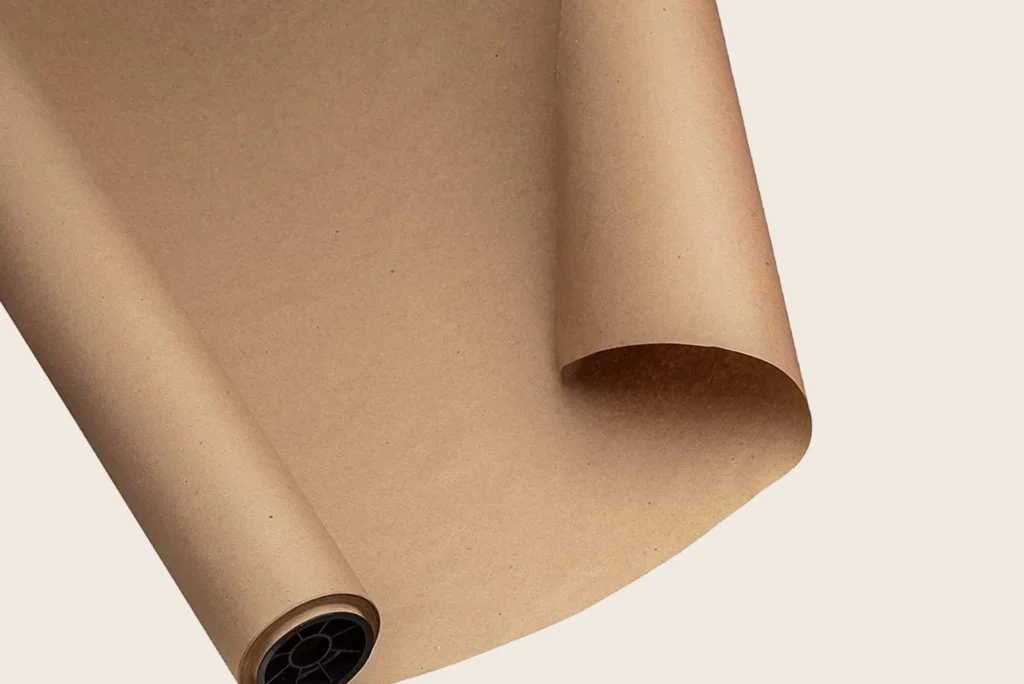
A natural kraft paperboard made from strong virgin and recycled pulp. It provides an organic, earthy look for sustainable and simple packaging.
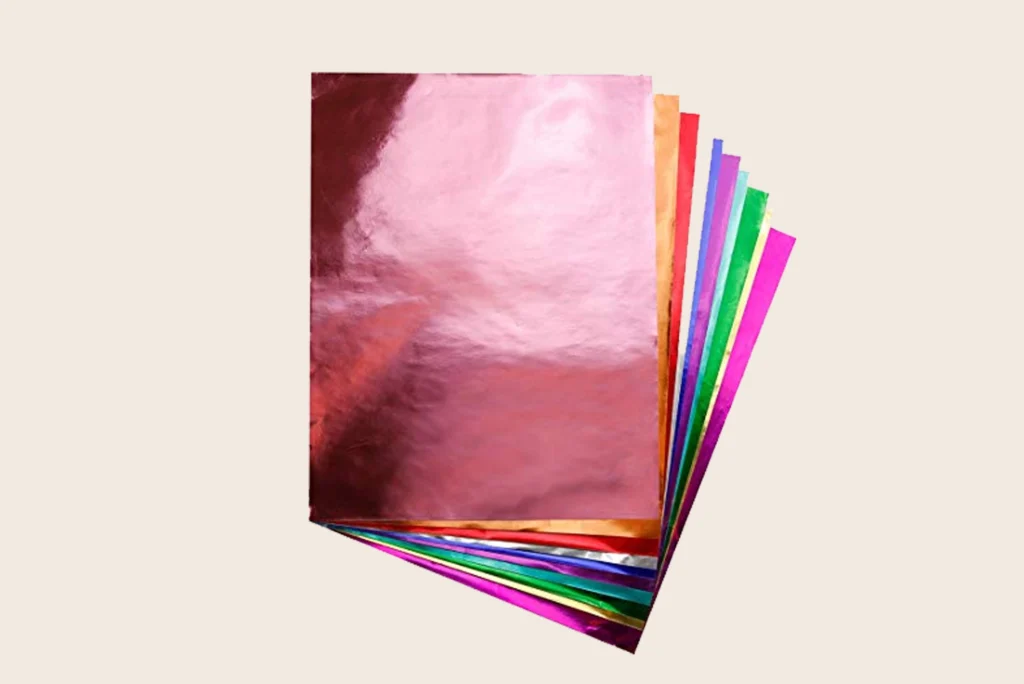
A specialty paperboard with a laminated metallic surface available in gold, silver, and other premium finishes for luxury visual impact.

A specialty paperboard with a laminated holographic surface that creates a reflective, rainbow-like appearance for eye-catching product packaging.
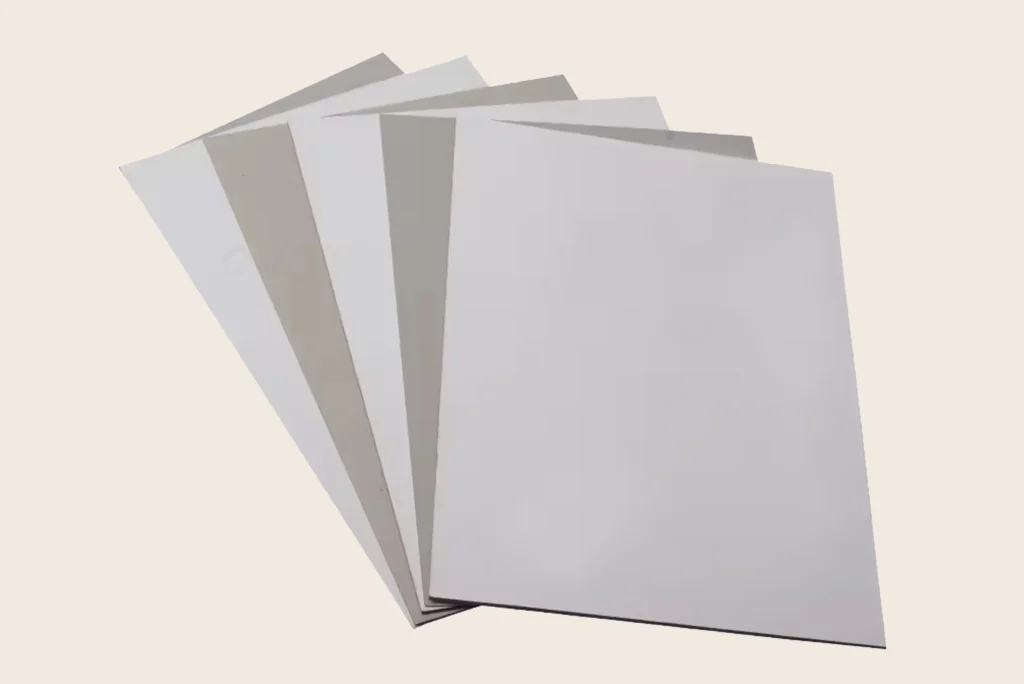
A recycled duplex paperboard with a white printable surface. It is ideal for economical packaging that still requires clean graphics and brand presentation.
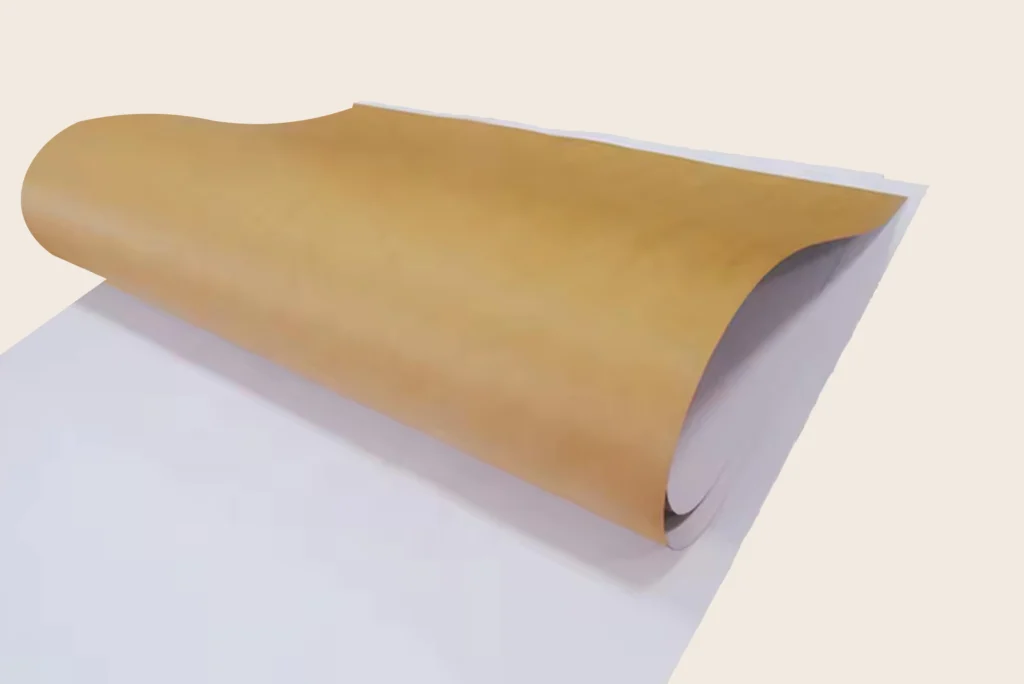
A kraft board with a smooth clay-coated white face for quality printing and a natural kraft reverse side for a strong, authentic appearance.
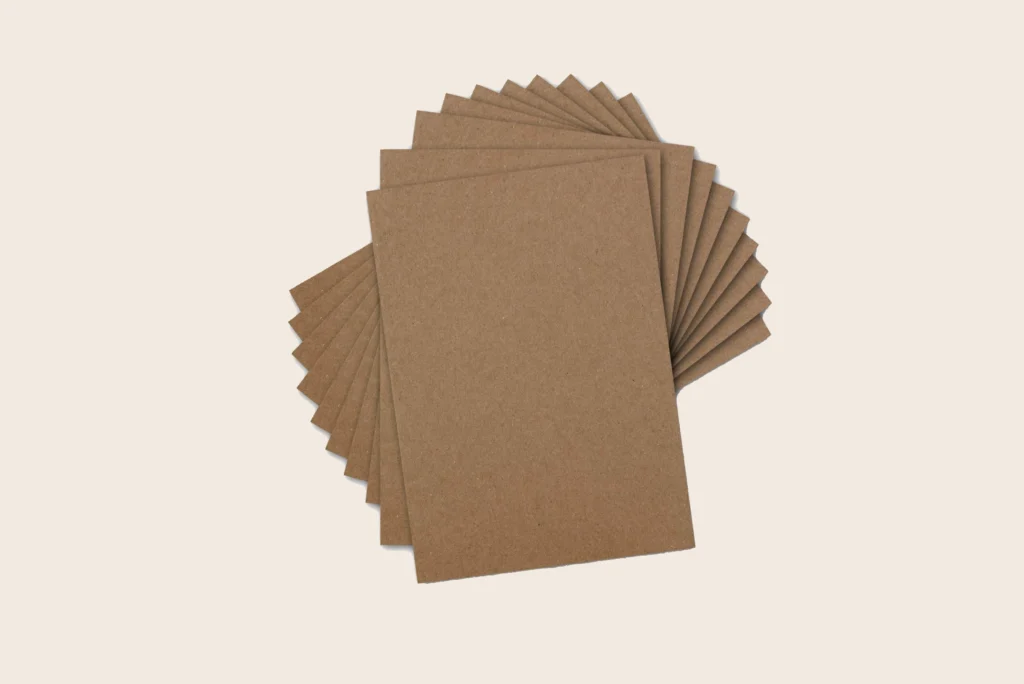
A kraft paperboard with a clay-coated printable top surface and a natural unbleached kraft back. It balances clean branding with a rustic natural look.
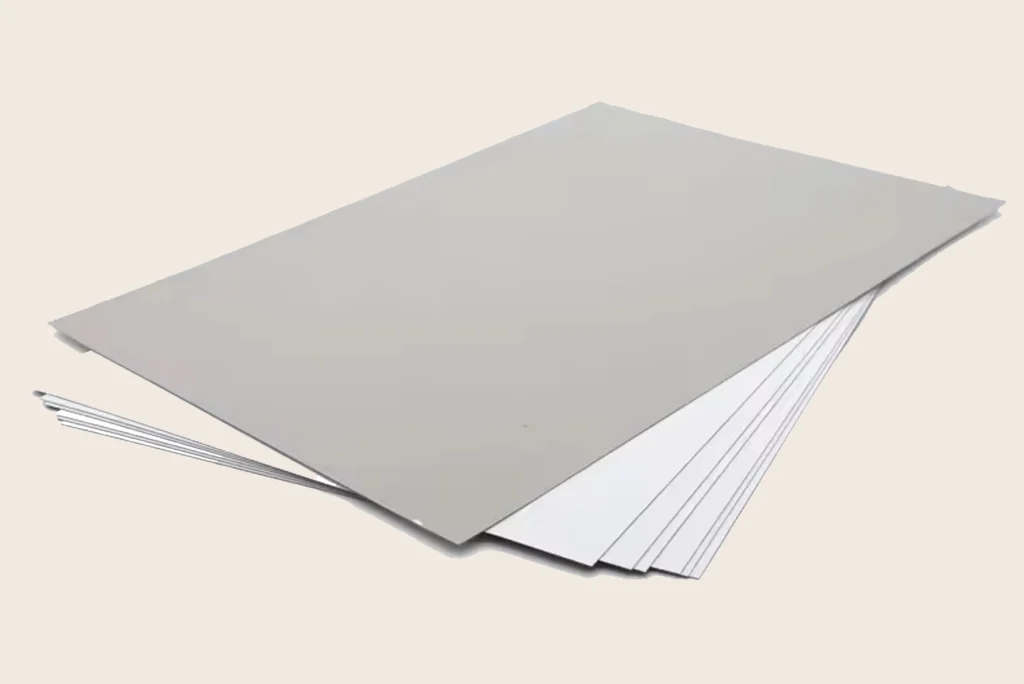
A duplex paperboard made with recycled pulp and a coated white printable surface. It delivers smooth print results for affordable carton packaging.
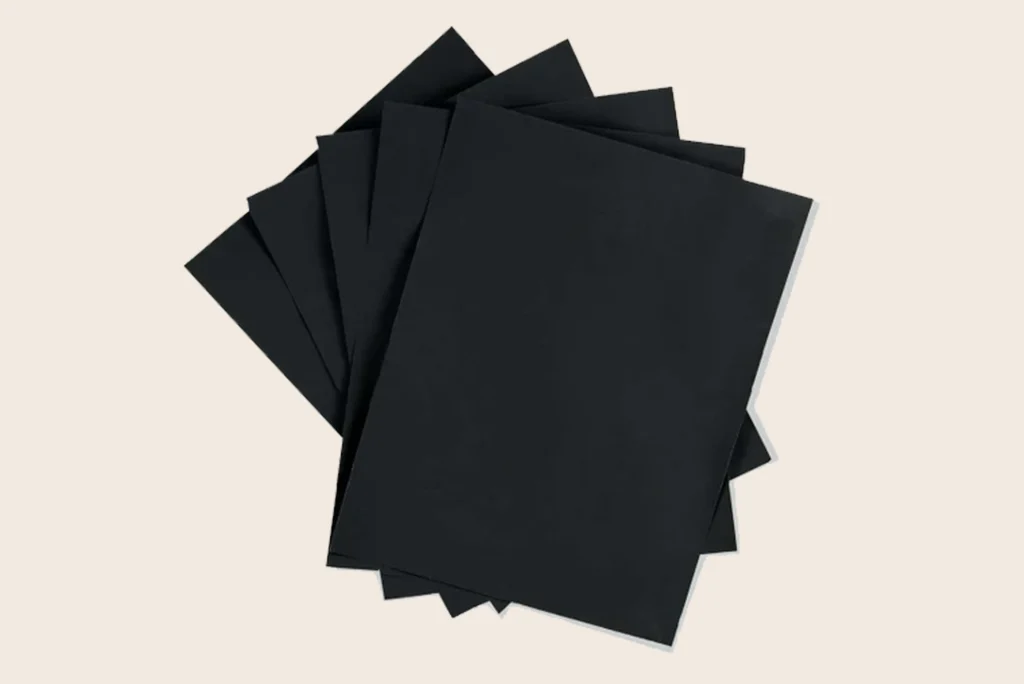
A black-dyed kraft board with a natural paper texture and excellent strength. It creates a bold, premium look for luxury and specialty packaging.
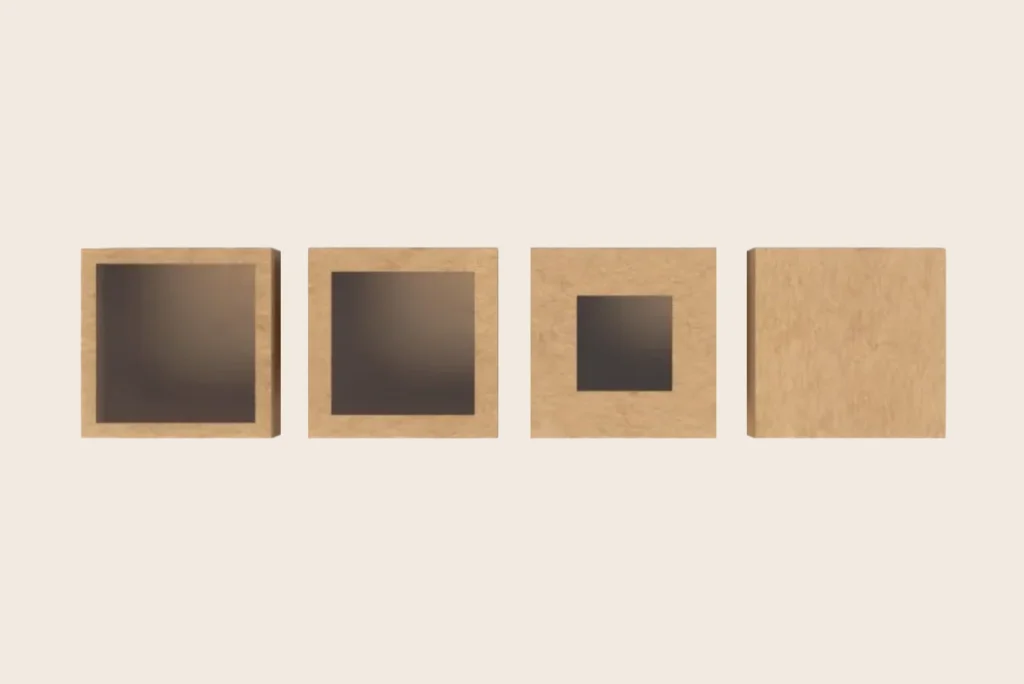
A packaging technique where a die-cut opening is covered with a transparent film, allowing the product inside to remain visible while staying protected.
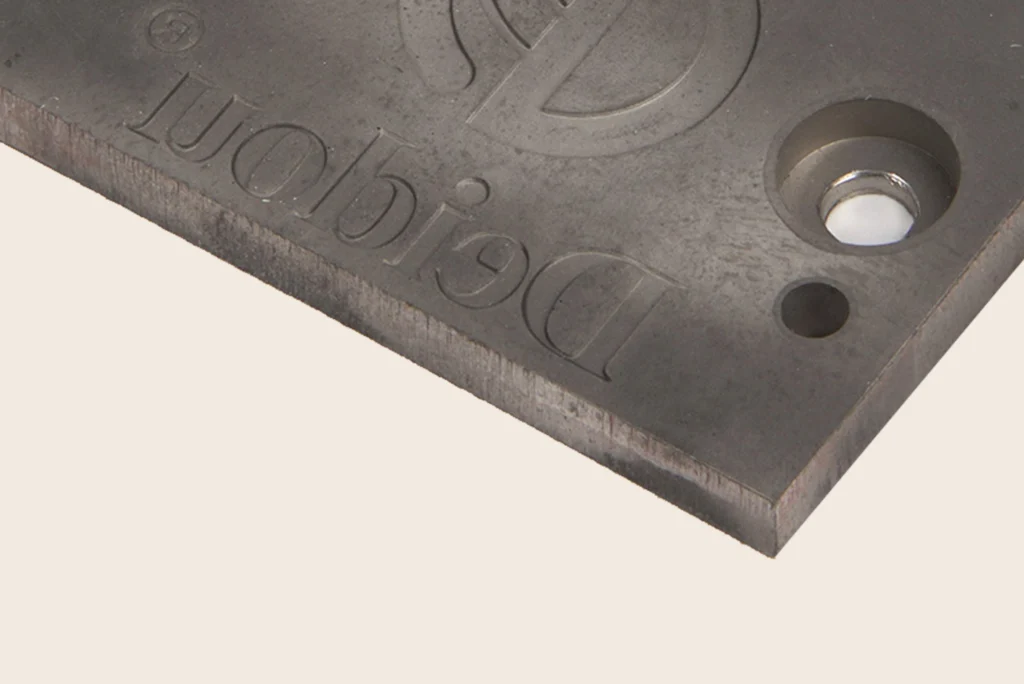
An embossing technique where the raised design is precisely aligned with printed artwork to improve detail, texture, and overall presentation.
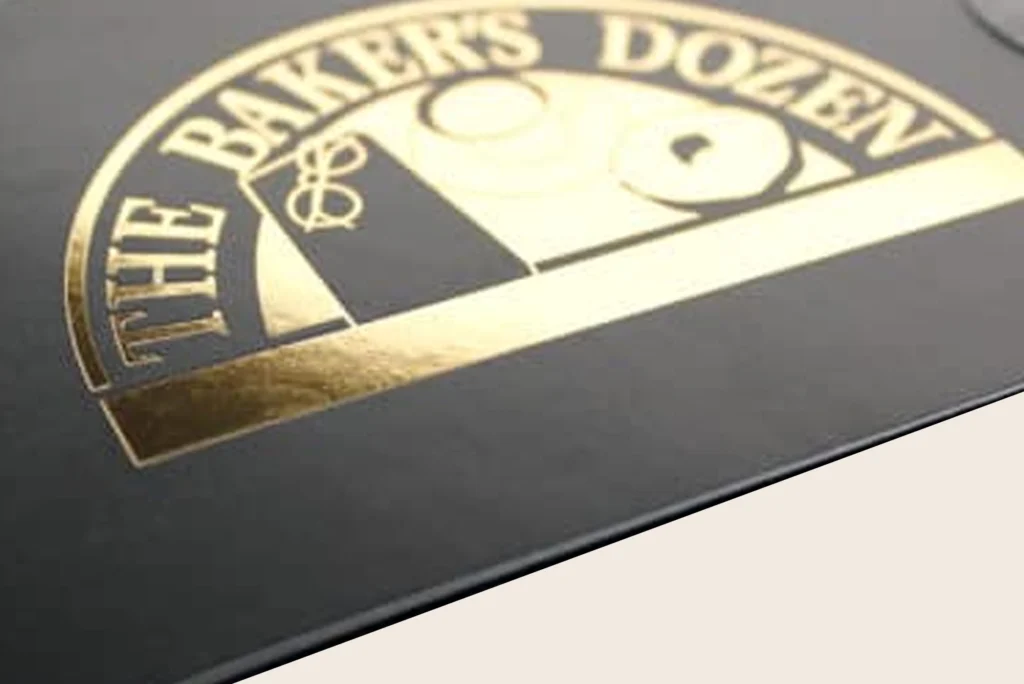
A finishing process in which heat and pressure transfer metallic foil to the surface, creating a premium, shiny, and luxurious effect.
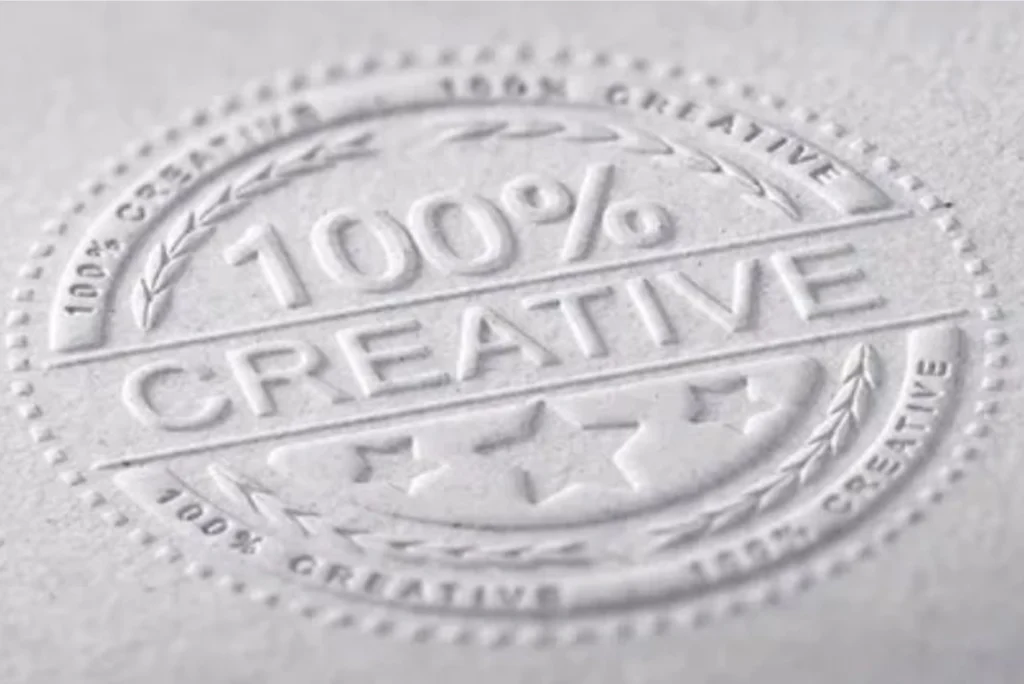
A premium finishing method that combines embossing with foil stamping to create a raised design with metallic color and strong visual impact.
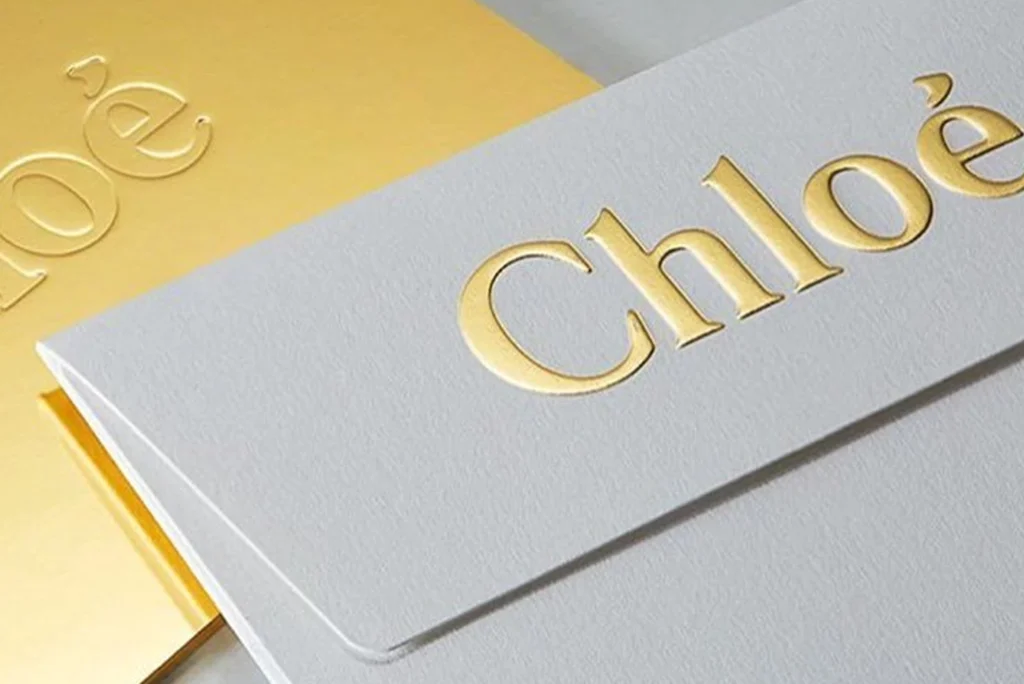
A decorative process that transfers foil onto selected areas of the surface using UV-curable adhesive, creating a bright metallic effect with sharp detail.
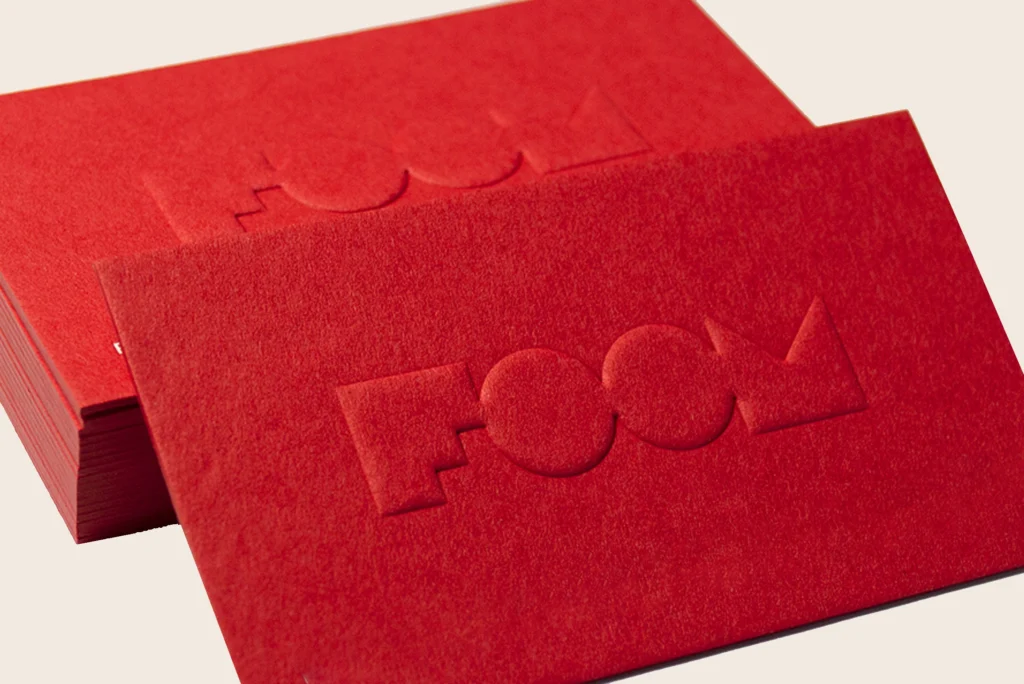
A technique that raises a design from the surface without ink or foil, giving packaging a clean, elegant, and textured appearance.
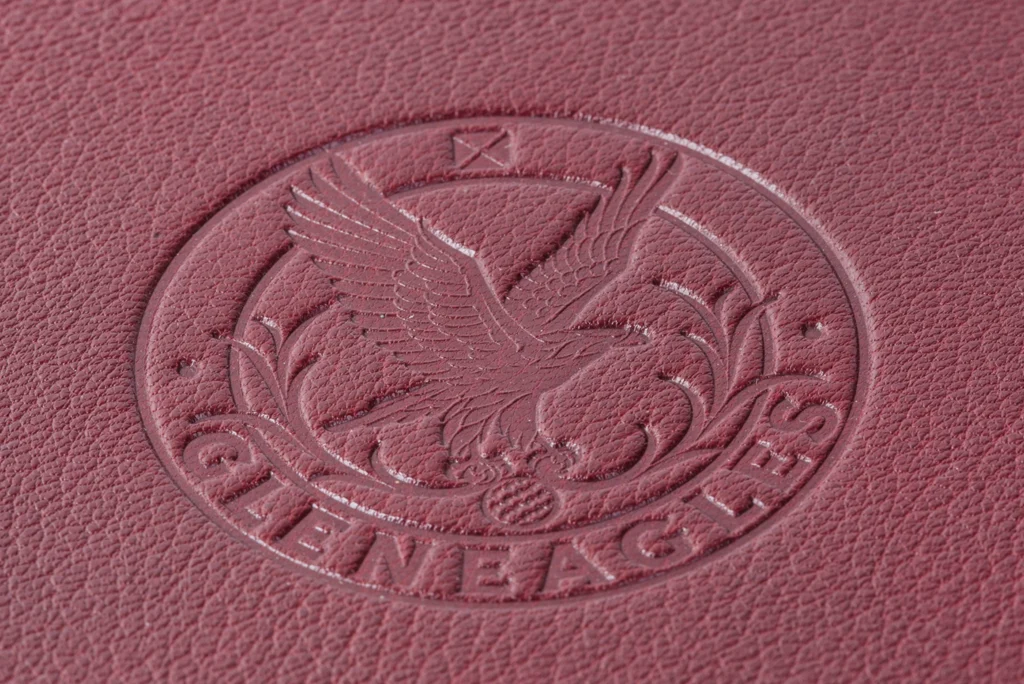
A finishing technique that presses a design into the material to create a recessed impression without using ink or foil. It adds subtle depth and a refined tactile effect.
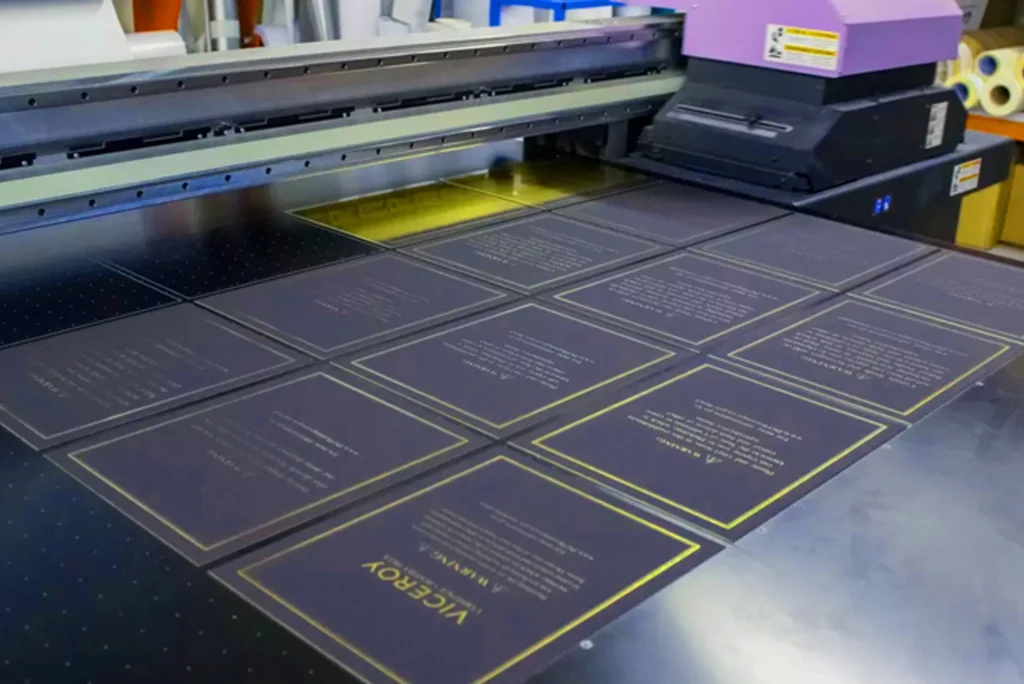
A fast-curing printing process that uses ultraviolet light to dry ink instantly, delivering sharp detail, vibrant colors, and a premium finish.
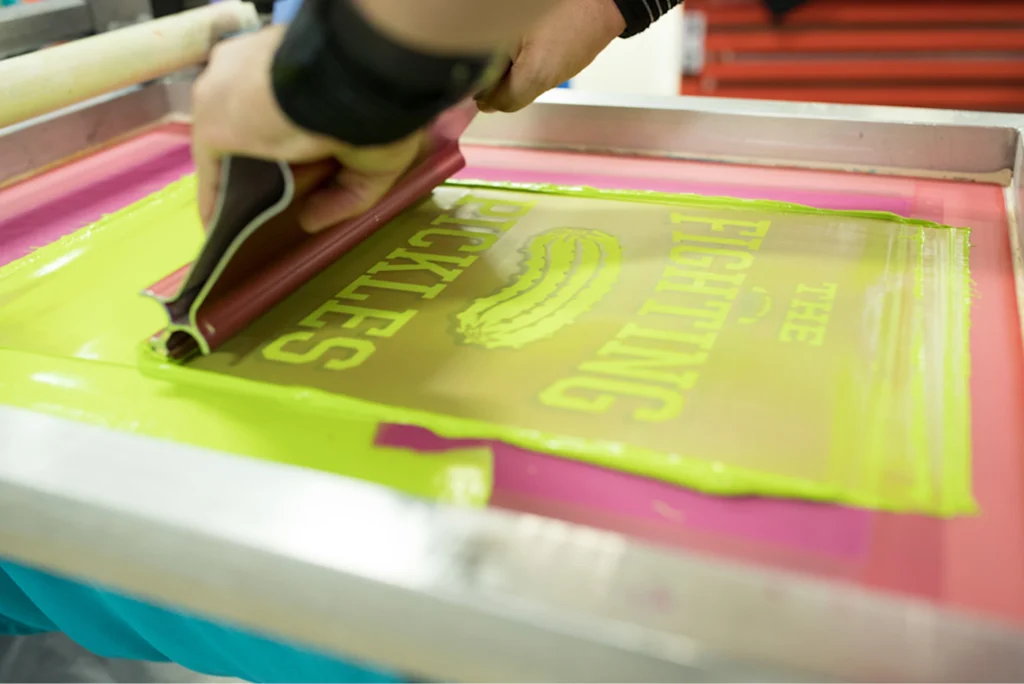
A durable printing method that uses a mesh screen and stencil to apply ink to surfaces. It is ideal for bold colors and high-impact packaging designs.
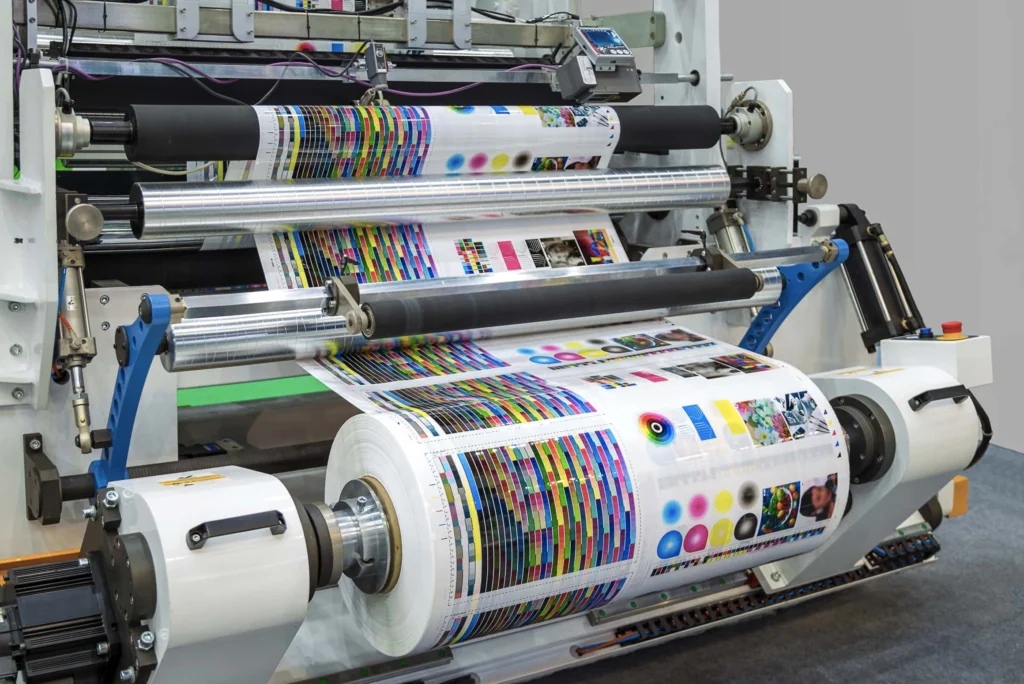
A traditional high-quality printing process that transfers designs from plates to a rubber blanket before printing, making it ideal for large-volume production.
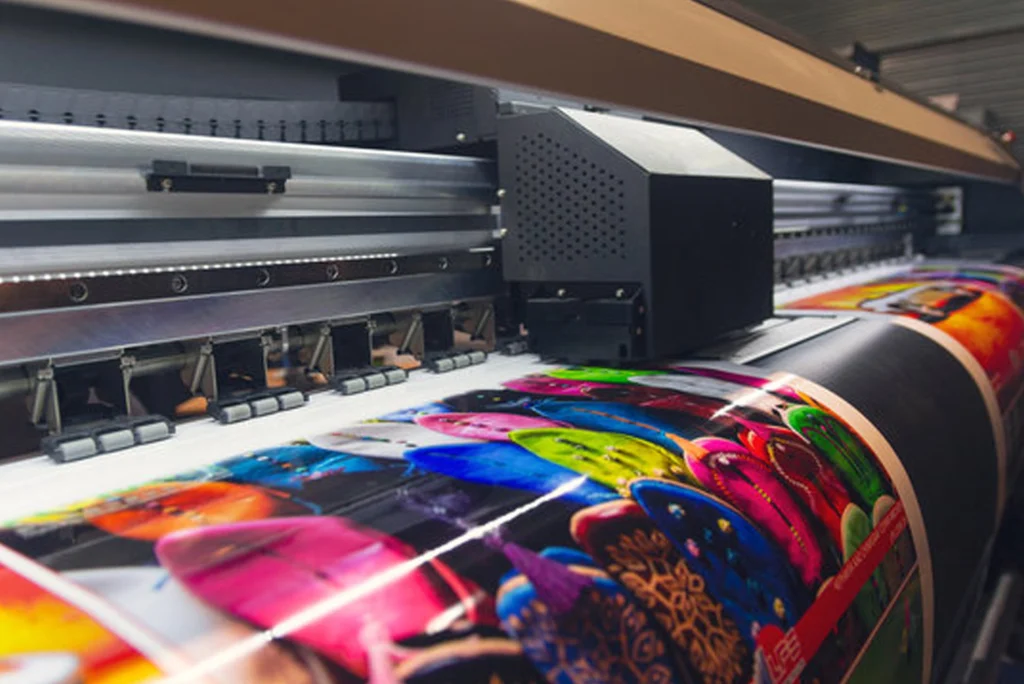
A modern printing method that does not require printing plates, making it cost-effective and efficient for short runs, sample production, and small-batch quantities.
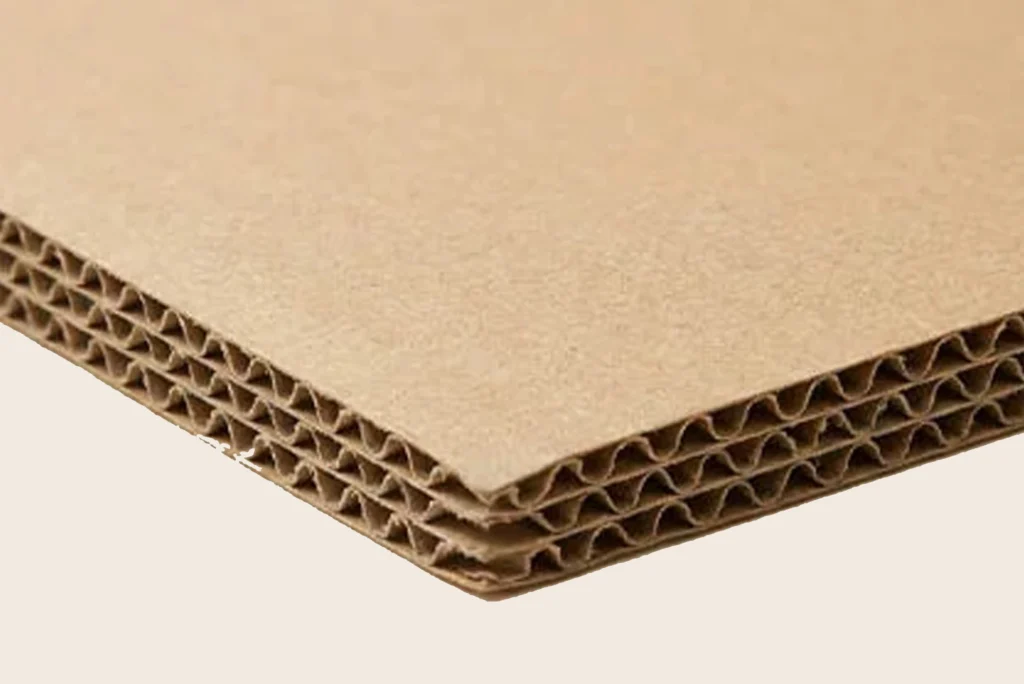
Built with three corrugated layers between four linerboard sheets, providing heavy-duty strength for large or industrial packaging needs.
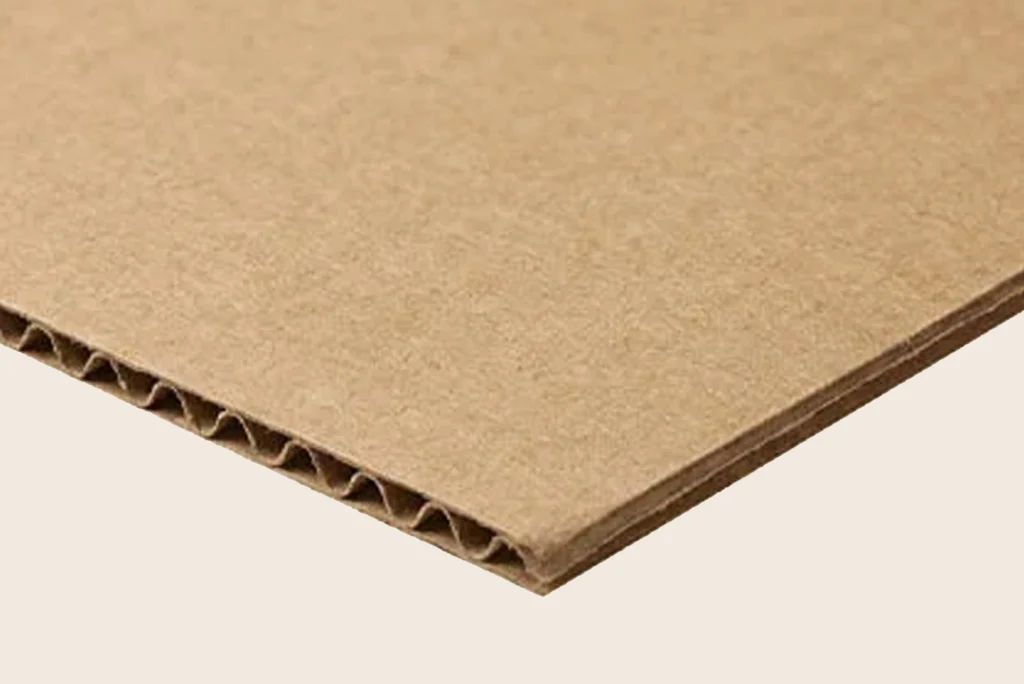
A standard corrugated structure with one fluted medium and two linerboards, providing dependable strength for everyday packaging.
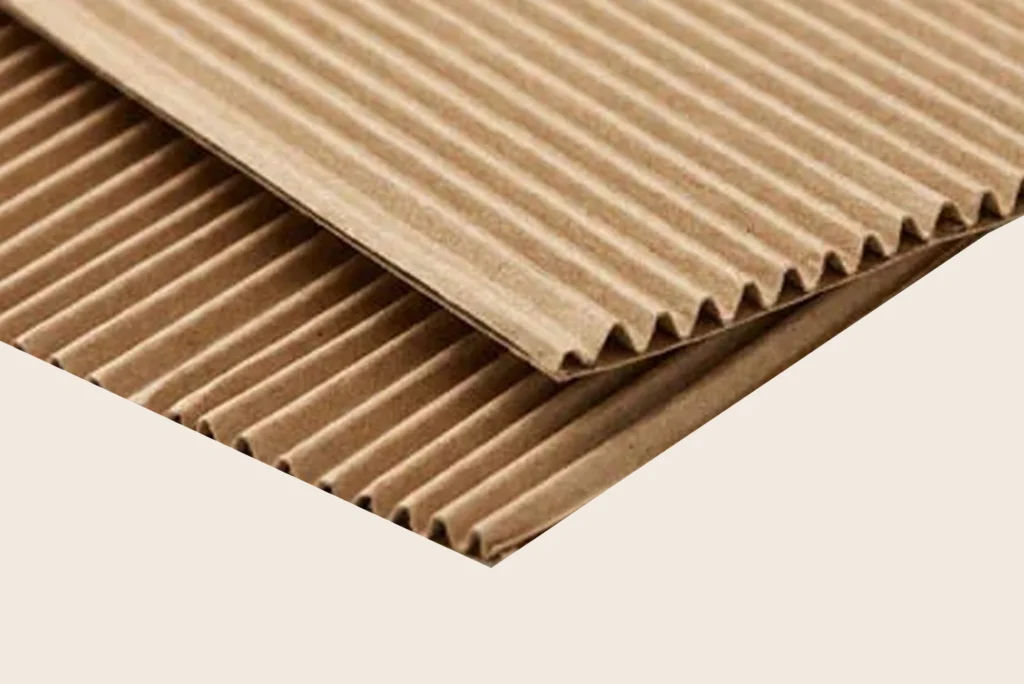
A corrugated sheet with one flute layer between two liners, offering lightweight strength for protective packaging.
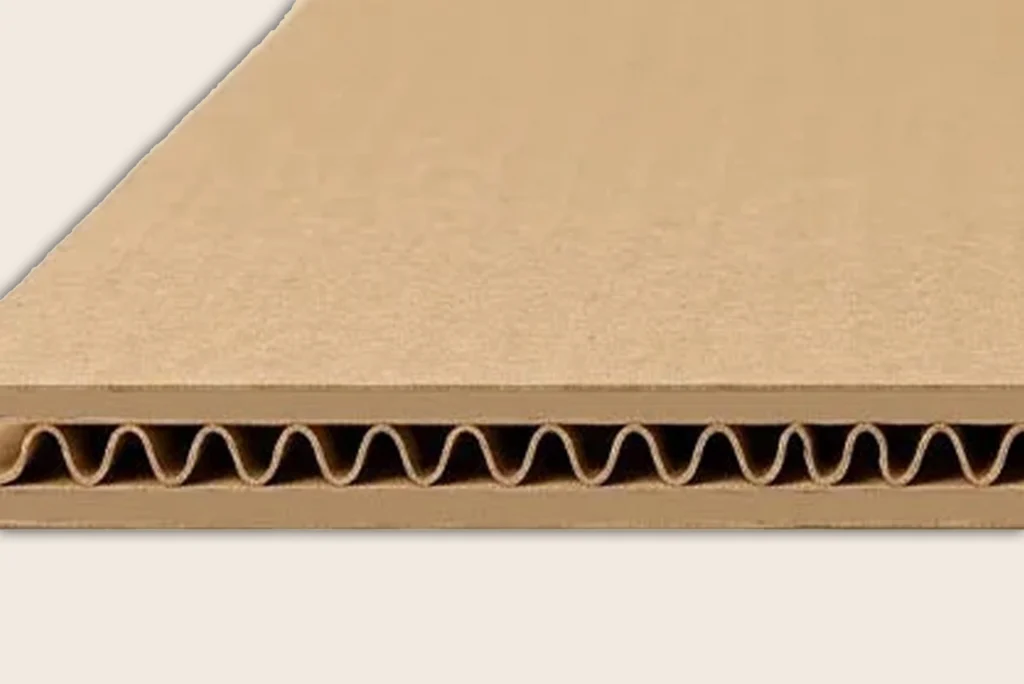
An ultra-thin flute grade designed for lightweight packaging, small retail boxes, and high-quality printed presentation.
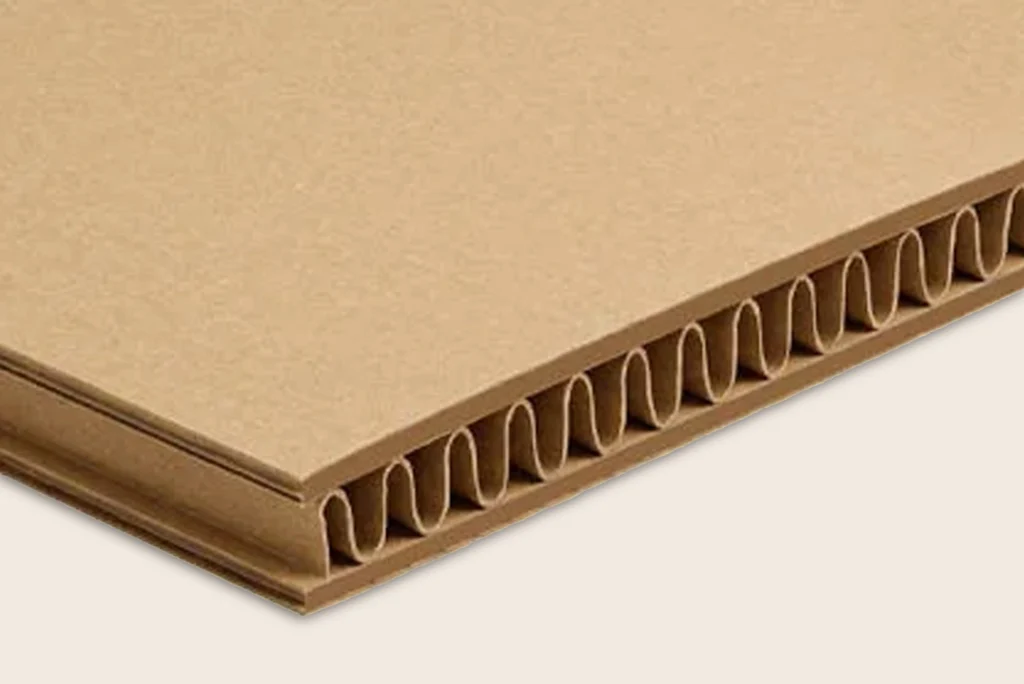
A slim flute grade with a flatter surface, ideal for detailed printing, display packaging, and premium retail boxes.
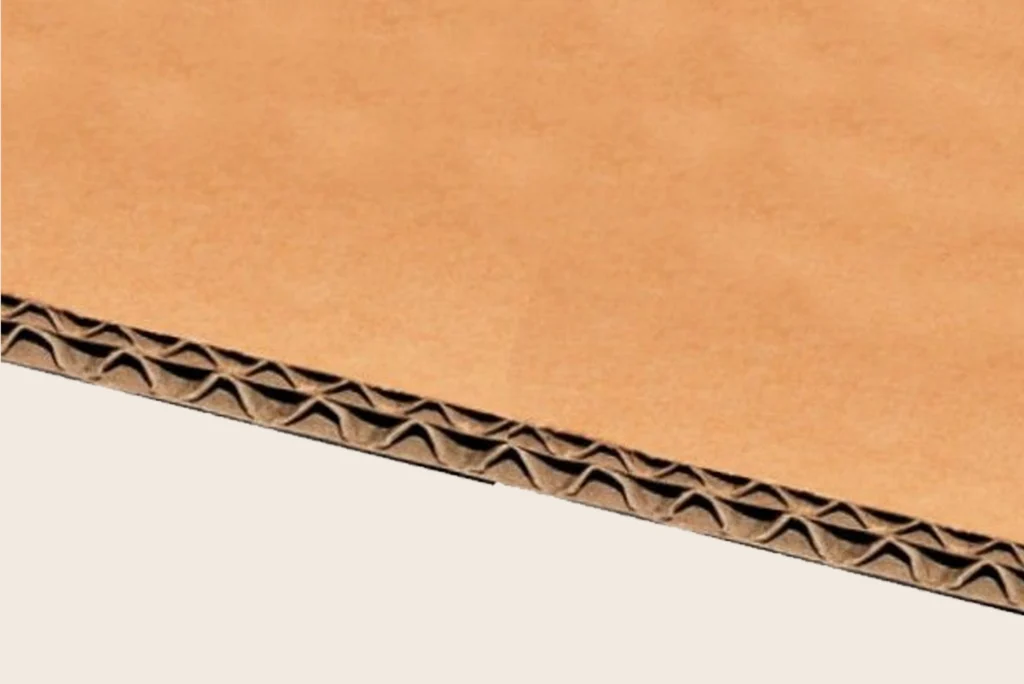
Made with two layers of corrugated medium between linerboard sheets, offering added strength and durability for heavier products.
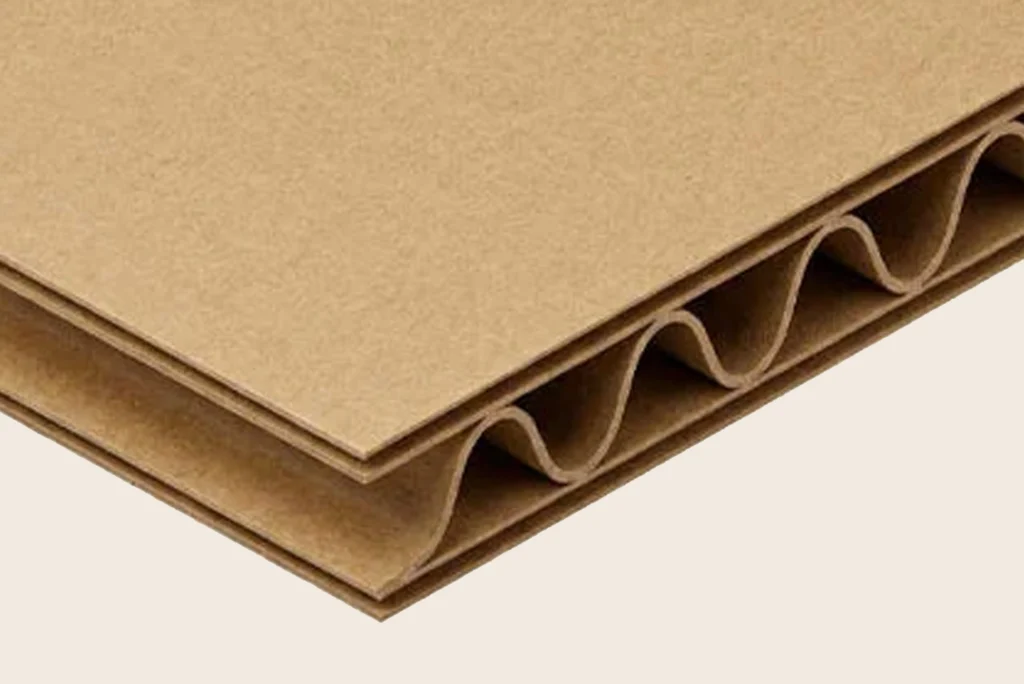
A versatile corrugated flute that offers balanced compression strength, cushioning, and printability for many packaging applications.
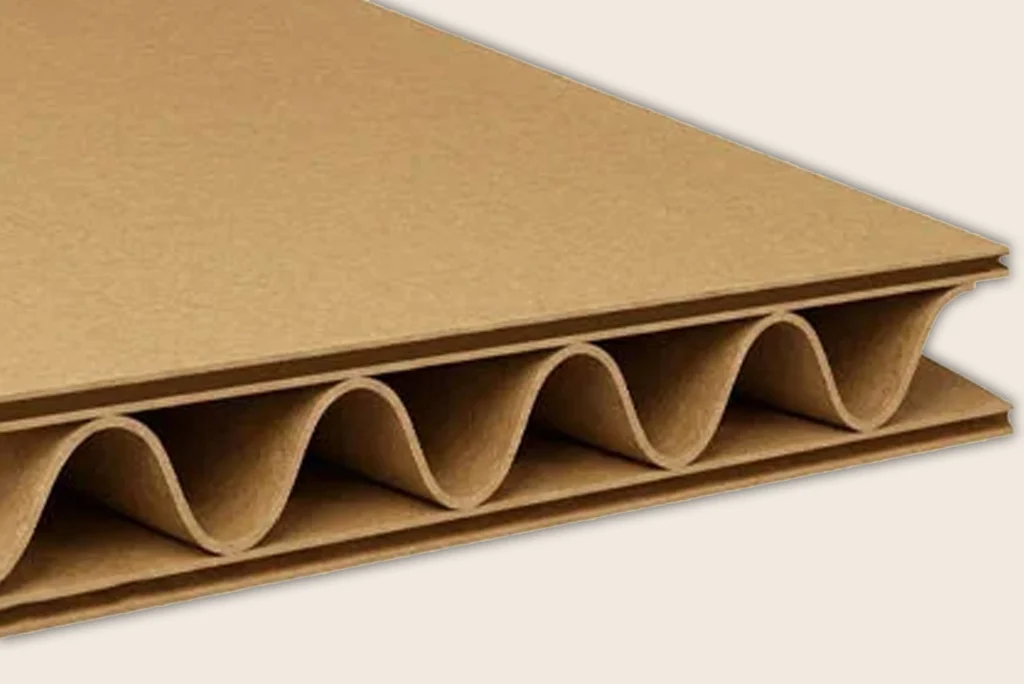
A thinner flute grade with a smooth surface, making it suitable for high-quality printing, precise die-cutting, and neat retail packaging.
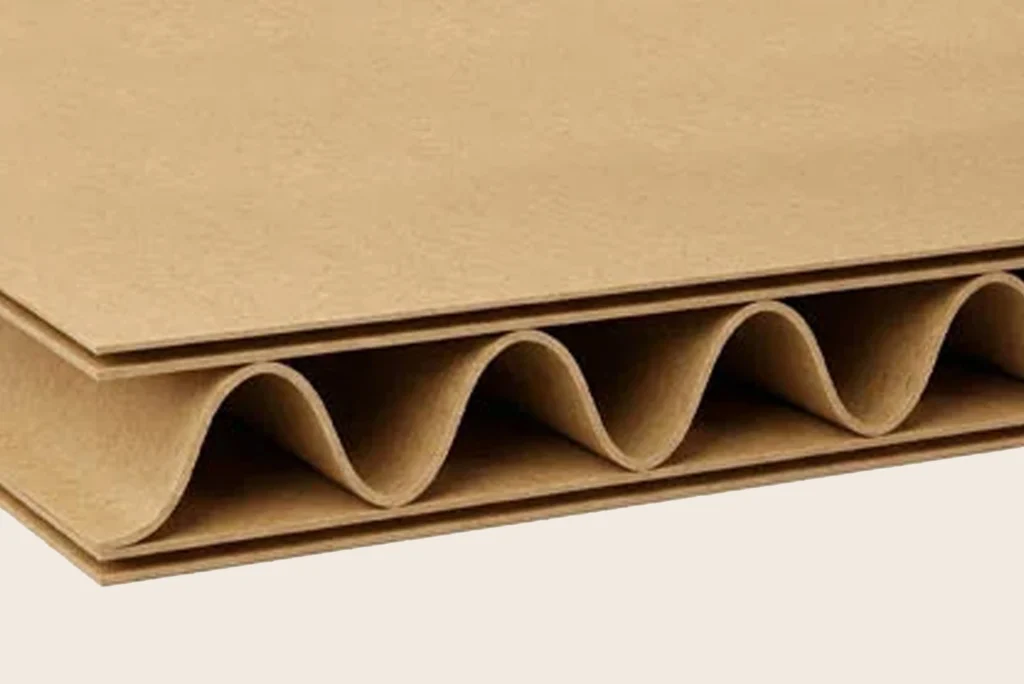
A thick corrugated flute profile that provides excellent cushioning, compression strength, and stacking support for protective packaging.
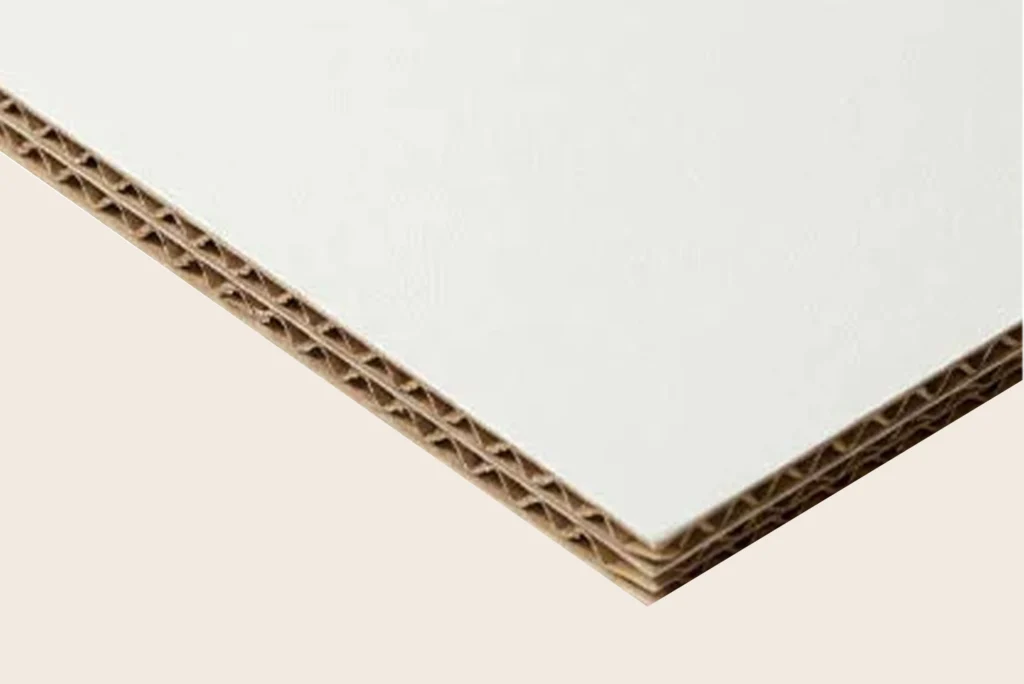
A coated linerboard with an off-white surface, suitable for high-quality printing and a refined packaging appearance.
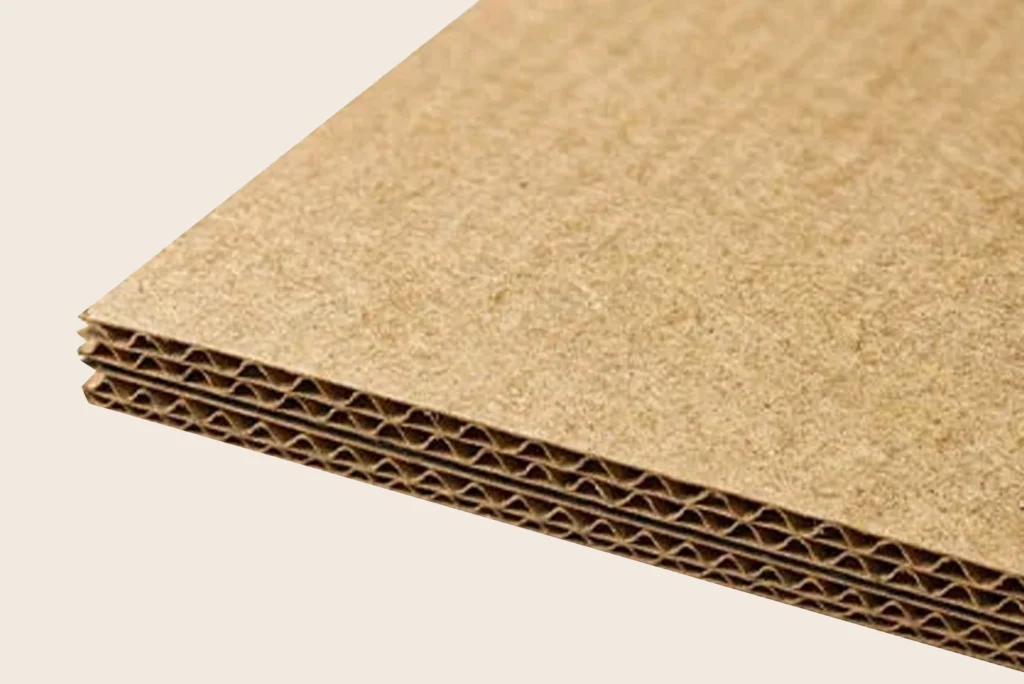
An unbleached kraft linerboard made from recycled paper pulp, offering a natural look with strong durability for eco-conscious packaging.
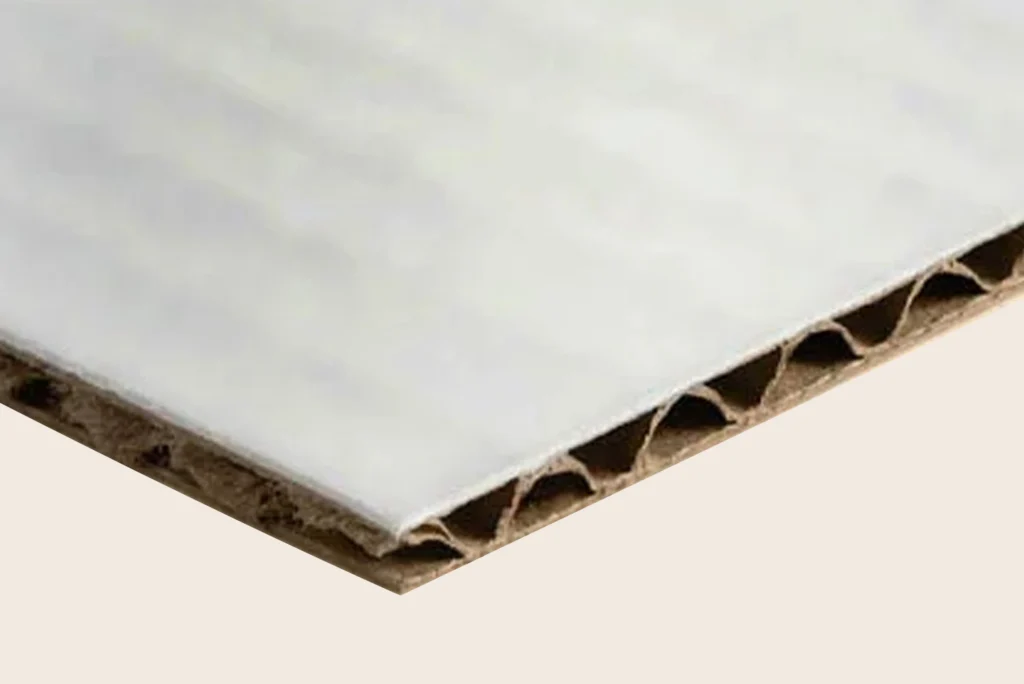
A coated semi-gloss linerboard with a smooth white surface, ideal for sharp printing, premium presentation, and retail-ready packaging.
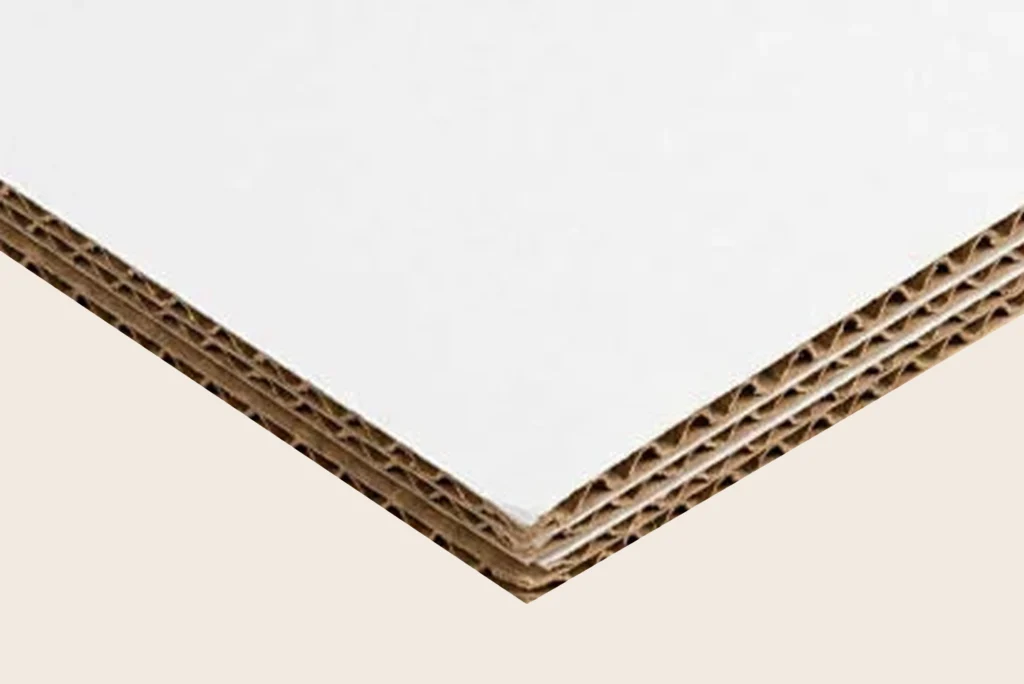
A fully bleached corrugated board with a bright white surface, designed to produce clean, vibrant, and high-quality printed packaging.
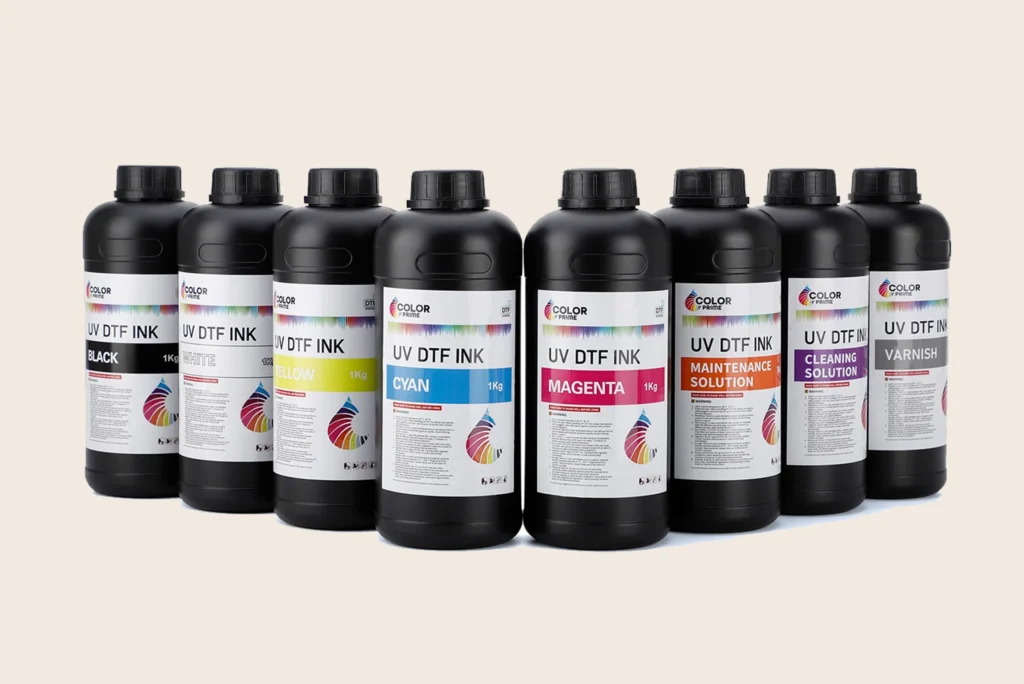
A UV-cured ink that dries instantly under ultraviolet light and creates crisp, high-quality print results on a wide range of packaging materials.
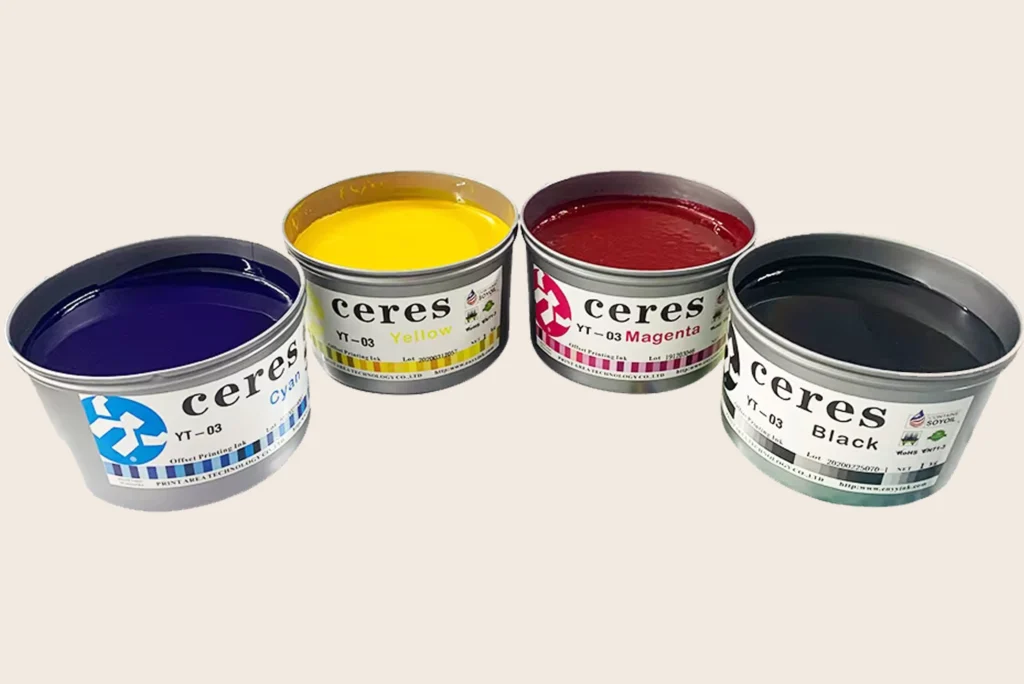
A plant-based ink made with soybean oil, offering rich color output and a more sustainable printing option for carton packaging.
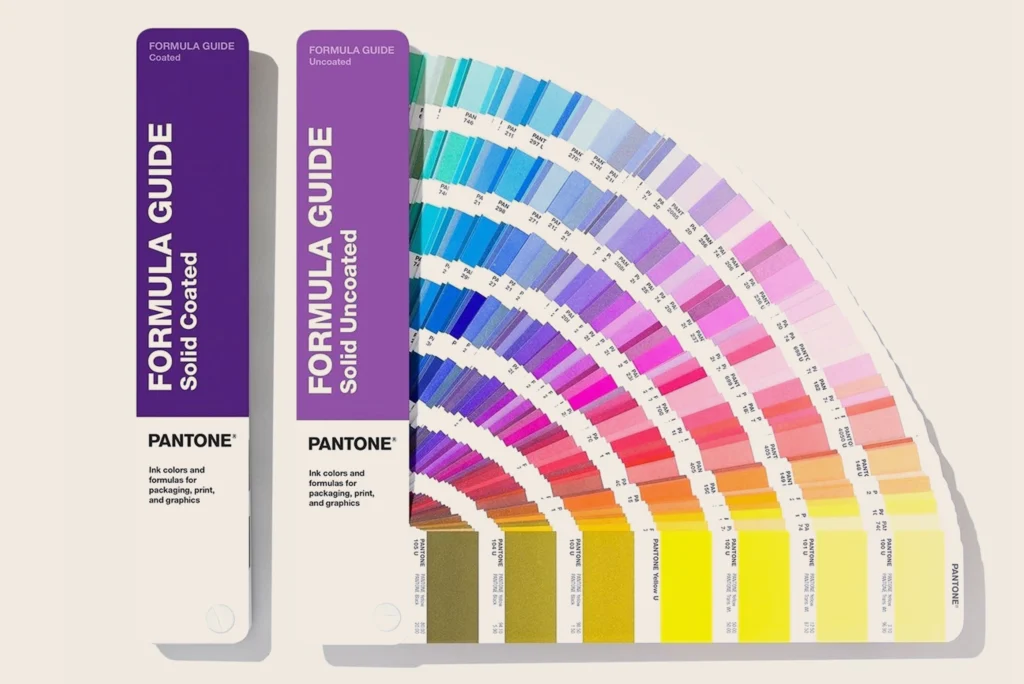
A standardized color-matching system used to achieve consistent, accurate brand colors across packaging, labels, and printed materials.

A full-color printing process using cyan, magenta, yellow, and black inks to create vibrant images, gradients, and detailed packaging artwork.
Real feedback from customers who trust us with their custom packaging.

Ashley F
Amazing quality boxes!! Service was great, always prompt replies with Thomas and a really enjoyable customer experience. Thanks also to your design team and fast delivery - it all came together as we hoped! I'll be making recommendations to friends of your services & am already planning my next order. Thank you!
Ron Livny
I found All Custom Packaging UK by accident, without any prior recommendation, and I was surprised by the experience. They have been very responsive, fast, and professional throughout the process. I would gladly recommend them.
Jamie At AQUA GLOW
Our contact person Thomas is super responsive, gets things done and is nice to deal with. The overall speed of delivery and quality of the work is good too.
Anna
We purchased product boxes from ACP UK. Their prices are low compared to many other custom box companies. The boxes are very high quality, and the colors are perfect. We ran into some problems with shipping, but Thomas was excellent at helping us resolve it and get our package!
Jessica Daniel
The rigid boxes feel luxurious and very well made. They have added real value to the presentation of our products.
Seema Iyer
I worked with Frank on an order of custom soap boxes for my company. He was extremely professional, patient and helpful during the entire process. The boxes turned out beautifully and as described. I'll definitely continue to work with ACP UK.
Jess
The packaging from All Custom Packaging UK is exceptional! Daniel took a proactive approach, ensuring the order was successfully executed within a tight shipping timeframe. Much to our delight, the pizza boxes were delivered ahead of the estimated delivery time. The quality of both the printing and the boxes themselves was truly impressive.

Belinda Blanding-Ray
I’ve had nothing but great experiences with ACP UK. Frank has been very professional and always keeps me updated on my orders and responds quickly to my emails. The boxes that were designed for me were done just as requested and were of good quality. I am very pleased with both the service and the product. I look forward to continue doing business with them.
Derek Gill
Been working with Daniel on my boxes for our soaps and bath bombs. We just received our boxes for the soaps and the quality is five star. Daniel has been on top of his game and even caught a mistake in our spelling I highly recommend this company and will be using them For all our future orders.
Nadège Richards
I finally received my order about a month and a half later. Poor communication from the company and I never received shipping confirmation or tracking info until I asked for it. This was from my first experience, however I have now ordered from them 3-4 times and it's been great since then.
Jeff Seyglinski
Thomas was a joy to work with. He exceed out expectations. He beat all deadlines by a long shot! We explained what we were looking for and we got exactly that! Highly recommended!
Quanda Bee
Excellent Customer Service. Daniel is Awesome for help me custom my product. He is hand on with providing everything I needed to make sure I get the best experience in creating my product. Thanks Daniel you ROCK!!!!
Andrea Shuman
Frank at All Custom Packaging UK has been a joy to work with. Great communication and a wonderful result. We love our boxes and will be working with him again in the future.
Matt Shortland
ACP UK was great at dealing with our enquiries the product turned out just as expected. Thank you Thomas for dealing with us and talking through it. Made it very easy for someone who has never ordered before.
Lori Eaton
It only got better from there because Frank was super quick to respond, and he knows his stuff! I'm sure he is a valuable employee! He was a great help to me by sending images right in chat. He made me realize how wonderful ACP UK is. I am still amazed at the number of products they offer. They have everything. Plus free shipping, 24/7 online support, no die & plate charges, and free design support. OMGosh!
Jen
Thomas was so helpful and responsive! We needed custom folders made and looked at various different companies, but ACP UK ended up offering the best quality and price. This was our first time ordering, but Thomas guided us through every step and even sent us videos of sample folders and mockups of our final product so we could proceed with confidence. Thank you Thomas and ACP UK, we will definitely re-order when we run out of this batch.
Emmanuel
They were super easy to work with and quick to respond, and the boxes we got were extremely high quality.
The salespeople are SUPER pushy. We get emails every other day and a few calls about placing orders. They don't understand timelines.
Guest
First time working with ACP UK, but surprisingly worked out well. They handled the design and I believe I got the packages under 10 days, both times, as promised. I ordered a prototype first, asked them to make changes, and all was implemented well. I've also worked with another company in parallel, that was much slower. The price here is better as well. I don't know where the team operates from but they are doing excellent job!
Sabine Kelly
Great experience and great product. Daniel communication was prompt and clear. Production was able to work with my tight timeline and I received my packaging with time to spare. The boxes themselves look excellent and are great quality. Thank you!
Marlene Rodriguez
I was impressed by the fine craftsmanship of the cards we ordered, especially since another vendor informed us the detailed design we wanted couldn’t be done. ACP UK exceeded our expectations with the final product! They also took accountability for an error and quickly sent a corrected order before the Holidays. Communication was great throughout, and the quality of the print truly impressed my manager.
Courtney Brown
The boxes I ordered came out AMAZING! I can’t say enough good things about them. They were everything I wanted and more. Completely customized and perfect for the idea I had. Thomas was a terrific representative! He was helpful every step of the way, asking creative questions and answering all of mine.
Natural Zen LLC
This was my first, and won’t be my last, time ordering with ACP UK for my custom packaging. I worked with Frank who walked me through every step. He ensured I understood every aspect of the process and ordering, sent multiple images for me to approve, and checked back in with me when I got them too! Not to mention, my company is all about zero waste and being green so, I had a million questions to ask about the product itself before I even attempted to design anything and he was absolutely amazing and so patient! To date, the best customer service I’ve experienced. I will definitely be ordering again!
Affirmation Effect
We’ve been working with this packaging company for years, and they continue to deliver every time! Our candle boxes always come out beautifully, with great quality, attention to detail, and consistency. Frank, our rep, has also been amazing, always helpful, responsive, and easy to work with. We truly appreciate the care they put into our orders and the relationship we’ve built over the years. Highly recommend!
Henry Evan
Absolutely love these candy boxes! They're the perfect size for small treats, and the variety of colors and designs make them perfect for any occasion. Plus, the quality is fantastic, they're sturdy and don't bend or break easily.
Evelyn Bufton
Thomas stayed in communication and followed up with detailed changes to my design needs. Final product was exactly what was agreed to and delivery was prompt. I would use them again without hesitation
Aaron A Watson
Daniel was amazing to work with! We came to him in a pinch to create custom boxes for a very large scale event in a short timeline. He was able to not only make sure our timeline worked, but also provided a product who's quality was so great that through the entire event people were talking about how chic and quality the boxes were. The speed at which we received responses to our [many] questions was remarkable. 10/10 would reccomend!
Martina Stanton
Thomas was able to give me information immediately, which helped us move forward with packaging quickly. The product is exactly what we wanted and was shipped to us quicker than expected. Thanks!!
customer
Having completed a complex packaging project with Frank, I am very satisfied with their level of service. Whatever obstacles we encountered, he was able to overcome them and provide superior final designs. Daniel communicated quickly and clearly regarding our shipment and tracking and was able to deliver in time for our pending event!
Spin Spudnik
Working with Thomas was a great experience - he’s always able to work through any issues, concerns or questions. I appreciate working with Thomas and his approach to business, and therefore plan continue to do business with ACP UK.
Kofi Onumah
Mr. Thomas, with ACP UK is the consummate professional. He pays close attention to the requests and delivers high quality. While ACP UK prices come in higher than their competitors, I'm happy knowing my product will be delivered soup-to-nuts promptly, with top notch quality and customer service.
Jasmin El Kordi
Thomas from ACP UK was able to give me a very competitive quote for boxes for our clinical skincare brand. The quality is excellent, their service was great and delivery was very timely. Thank you Ben!
Kayla Aldridge
Daniel was incredible! He was always prompt to email me back, he even called me when I didn't reply. He helped me create the exact box that I was looking for and I couldn't be more happy! Thank you for all of your hard work and great communication! I will order again when I need more!
Ashley Andrews
Our skincare company and a sister supplement company have used ACP UK for all of our product boxes for a year now. We are thrilled with the quality of the boxes as well as the responsiveness of the sales and customer service teams. I can't recommend them enough!
Fallon Dyle
Thomas and Frank were extremely easy to work with. They maintained communication with me throughout our project together and the end result was great quality boxes with everything we needed. Thank you for the excellent customer service and we look forward to working together again.
customer
I was very pleased with my experience and final product with ACP UK! My rep Daniel was so helpful and understanding through the entire process and my final boxes are very good quality. The design process was easy, production was fast, and my boxes arrived much quicker than I was expecting. Prices are also very reasonable, especially compared to similar companies offering similar products.
I'm very happy with them and will absolutely be ordering from ACP UK again in the future.
Ime Holland
This was our 1st time ordering from All Custom Packaging UK. From beginning to end, Daniel made the ordering process seamless. We received the boxes and they look great! Such a professional and well thought out addition to our giveaway. We went with glossy and we are happy we did!
Noel Gaskin
My sales associate did all the heavy lifting. Daniel patiently walked me through the process and remained responsive to the end. The result and finished product were labels and external packaging that our customers love.
William
This company was able to fulfill my unique request with ease and for a great price! I worked directly with Daniel who was very professional and gave good customer service.
Faith Guanga
We are very pleased with our packaging design! It was great working with Daniel, I almost didn't work with ACP UK because of their pricing but Daniel went out of his way to try and negotiate prices with the sales department to fit our budget and offered us more budget-friendly packaging options as alternatives. Very responsive to my emails and made sure that our designs were how we wanted them! I look forward to working with them again soon!
Doris
Daniel made the process seamless. He was responsive to my emails and calls, ensuring timely communication. I ordered perfume boxes, and after providing the bottle and top measurements, he promptly sent me a template for my artwork. The box fits my bottle perfectly, and the final product looks high-end, elegant, and beautifully crafted.
Desiree Greene
Thomas provided us with quick responses and strong communication. All Custom Packaging UK is very thorough with multiple design confirmations before production to ensure your finished product is just how you want it to be. Lots of pictures and videos of our product were sent to us before it arrived too! All Custom Packaging UK has flexible shipping options that allowed us to receive our good-quality boxes before a deadline and made the process less stressful.
Michael Ralston
We have ordered from ACP UK consistently for over a year for our boxes. They do great work, and Frank is always quick to respond. Great work and prices.
Kelly Szczotka
Frank and team were fantastic with my last minute custom order. We determined the products needed, sizes and quantities and within hours I had perfect proofs of three different products. The order was placed and confirmed within 24 hours of me contacting ACP UK.
The order was delivered on time for our event. The chefs at our venue using boxes for popcorn and donuts said they were top quality and very impressed. The clients were impressed with their logo displays. Thank you!!
Nomeka
Daniel was fantastic to work with - quick and responsive. Our 500 boxes came 1 full week before our guaranteed delivery date, and they look fantastic. Will definitely be using again!
Amanda Carl
This is my first time ordering custom packaging for my small business and it has been game changing. I used to hand-make boxes for my products but creating my own design has saved me so much time. Now I am excited to explore even more custom ideas! Daniel has been super helpful in bringing my vision to life. I love showing my completed design to my customers, and it makes the experience of buying my art even better!!
Douglas Graves
We hired All Custom Packaging UK to design several of our product boxes & labeling and what a great decision that turned out to be not only did they provide great service they produced amazing products for our company. Great service with great people that are more than happy to help you along the way. We highly recommend using there service for all your packaging and labeling needs.
Jenifer Tracy
We received the boxes we ordered and they look GREAT! They also came ahead of schedule and I wanted to say a big thank you to Mr Frank from All Custom Packaging UK for your patience throughout the project.
Risarano
Five star rating to All Custom Packaging UK.
Their design representative Daniel was super accommodating in ensuring that our production went smoothly and delivered on time to meet our deadline.
The quality is superb. We look forward to our next packaging project with them.
Larry Tucker
I am very happy with my game cover. The colors are bright and the images are crips and clear. The service was timely and the price was reasonable. I expect to be a repeat customer (with luck.) I would not hesitate to reccomend them. Thanks to Daniel for the quick and effective responses.
Anonymous
Response time can be a little slow at times, but overall the experience was very good. When they got our order wrong, they did not fuss about it and sent the correct one as requested.
Susan Harrison
I needed something that was both a good shipping box and something to hold the items I sell. It’s so sleek and can fit anywhere from 1-3 of my items. I love that I don’t have to buy a bunch of different sized boxes. it’s the perfect size. It was so easy to assemble once I figured it out. Im shocked how sturdy it feels. I will be adding tape on it before I ship them just incase they unfold. I will definitely order another case of these boxes as these come out to less.
Denver
I was initially hesitant to try this packaging boxes company, but I am so glad I did. The boxes were exactly what I needed for my business, and the customization options were extensive. The team was easy to work with and made the process seamless. I will definitely be using this company again in the future.
Josh
Needed someone to make me some custom branded Easter egg boxes for my business so I contacted rob and found the whole process very satisfying. Received impressive design of how the boxes would look, paid my invoice, received full order within 10 days. Will definitely use again.
The Buckin Farmacy Brianne Eas
Can’t thank Daniel with ACP UK enough for his help during the designing/ordering process of the boxes I needed for my business. They turned out amazing & have received several compliments. Such a great company to work with!
Edelle
I contacted ACP UK about a bespoke gift box for two of our skincare products. Frank was brilliant every step of the way. He was contactable by mobile, email and the website. He helped with every step of the process and kept me informed along the way. The turnaround from box design to delivery was very fast and we are delighted with the end result. Would highly recommend!
Max Kempski
Thomas took care of my business and was very accommodating. I ordered custom boxes and they turned out perfect. I highly recommend ACP UK to anyone as they truly care for their clients and offer the best prices.
SANDRA SMITH
This is the first time I have used this company, Thomas assisted me with answering queries and the design of the personalised boxes I was after. Thomas was helpful and knowledgeable and very accommodating in changing design details, always responding quickly with a new version to review. Thomas is very eager to help make sure your packaging is right for you. Sometimes a little too eager chasing for decisions but at least you know someone is handling your enquiry and its not sitting on the bottom of a pile being ignored as I've had experience of elsewhere.
Product takes about 3 weeks to be delivered so can't comment on actual product as yet.
Amiya Turks
Daniel helped me with everything and worked diligently to make sure that all the small details I wanted done were perfect. I most definitely will be a shopping again.
Rebecca Upton
Frank was very helpful from beginning to end. Adapting the order size to our small charity and remaking the boxes when the delivery company lost them. We are very happy with the outcome, the boxes will really help our products standout when on display.
James L.
I approached ACP UK to produce a quantity of small boxes, Thomas Couldn’t have been more helpful, it was a real pleasure to deal with him and this company. Prompt, thorough helpful replies and patient as we worked through the process. Thankyou very much! I’m very impressed with the items and I am happy to recommend them to anybody!
MIKEY
All Custom Packaging UK is the best printer I have ever dealt with, and Daniel is fantastic too!! He is a legend; he goes above and beyond for all my customers. The quality is stunning, no matter what material we choose. Holographic is my favorite so far, allowing my designs to to blow the socks off anyone that comes into contact with it!!! Thank you!! HIGHLY RECOMMEND! I WILL REFER EVERY CUSTOMER I HAVE!!!
Miki Holt
Hugely impressed. Daniel is an outstanding customer sales representative and ACP UK is a company you can trust to get branded work done. With just weeks before a major global news moment requiring branded pet packs to a specific size and spec, ACP UK delivered on time to our delivery location!
Nick
That is a great company with an awesome customer service and dedicated approach to each client. The rep I deal with - Frank is very helpful and patient. With all his efforts we've got the desired result and quality!
Definitely recommended!
Ren
This was the first time I had a custom box made and Daniel made it a pleasant, efficient experience. He was patient with all my demands and also had me speak directly with one of the designers to made sure everything was specific as possible for the final outcome. Additionally, there was a major delay on my end and Daniel was very patient, even though the project was one hold for a few months. The result are professional, impressive, quality boxes which displays our product perfectly. I'm eager to continue working with All Custom Packaging UK for additional projects in the future.
Deanna Weise
We had a great experience working with All Custom Packaging UK. Frank was our main point of contact, and he was incredibly responsive throughout the entire process. He answered our questions promptly, kept us updated every step of the way, and made the experience smooth and stress-free. The communication was excellent, and we really appreciated the level of customer service. We look forward to working with All Custom Packaging UK again in the future.
Vanessa F.
We've been working with Frank at ACP UK for the past few years to produce the boxes for our nonprofit card game, and we've been consistently impressed. Frank is always friendly, professional, and quick to respond, which makes the process smooth from start to finish. The quality of the boxes is great, pricing is very reasonable, and customer service has always been excellent. We continue to do business with them and highly recommend their team!
Eoin B
Excellent customer service and products.
From my initial enquiry, right up to the delivered product Frank kept me up to date all along the way.
I knew I was dealing with professionals!The ordering was easy and even though it was a custom product I had a proof within days. The final product arrived right on schedule.
I will definitely be ordering again soon.
Thank you.
Christine Davidson
So far a very pleasant experience. Worked with Daniel via online chat and he was very courteous and helpful. Awaiting an email with the discussed information and suspect that part of the experience will be as seemless.
JL Aronson
I loved the options and thought the solution we came up with was brilliant. A slide box for a gift thumb drive of irregular shape. Daniel was my rep. Very helpful!
Fly Fish Wyoming
I had a great experience with them. No complaints at all. I had a very specific box I wanted and they worked with me to get it all set up and sent me a template for my art. I had to make one adjustment on the proof but the final product turned out great and I'm really happy with it. I worked via email with Daniel.
Clear answers about ordering, artwork, production, materials and delivery.
Fewer than the price curve suggests, unless the artwork can run again next year. Work out what you will realistically clear this season first, then check the design for anything that dates it. Only reusable artwork makes the larger run genuinely cheaper.
Yes, and at Christmas it usually does. A cavity insert cut to one shape stops helping as soon as the shapes vary, so a mixed box is controlled by its internal depth and by dividers between layers instead.
Yes. Print the seasonal artwork onto a sleeve or a label over a neutral box. The box stays usable after the season, and the dated element sits on the smallest part of the order.
Flat-packed board stores easily, so the limit is the artwork and not the material. Anything printed with a year, a price or a named promotion is finished when the season is, which is the case for keeping those off the box.
Orders start from 100 units. That is also a sensible size for a first festive design, since it puts a printed box in your hands before you commit a season’s budget to the artwork.