Varnish
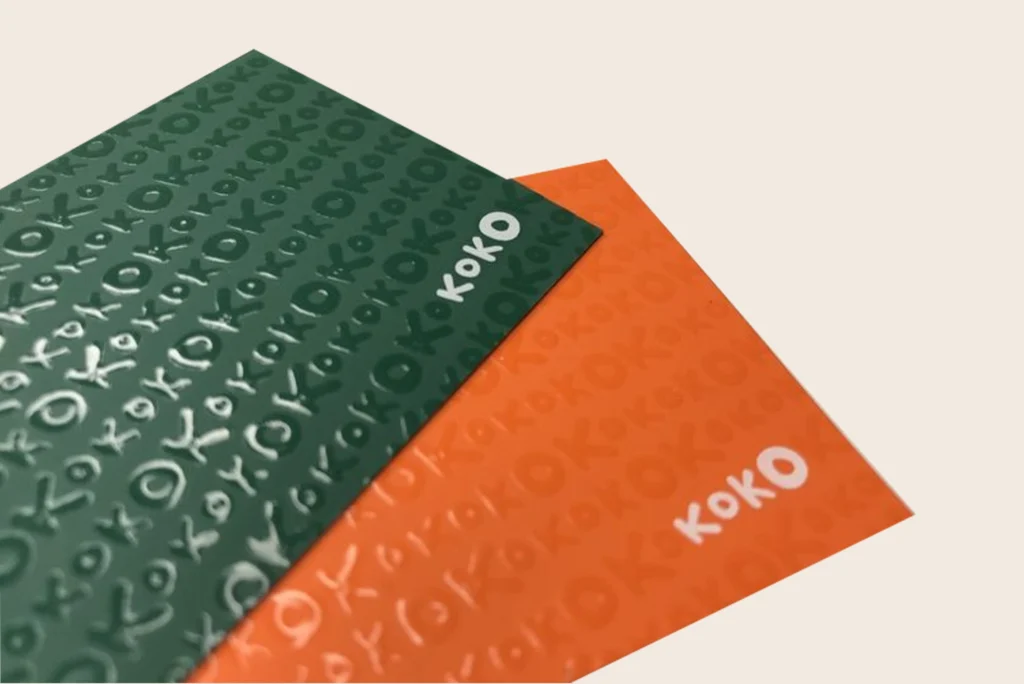
A transparent finishing layer available in gloss, satin, or matte effects. It enhances the printed surface and adds an extra layer of visual appeal and light protection.
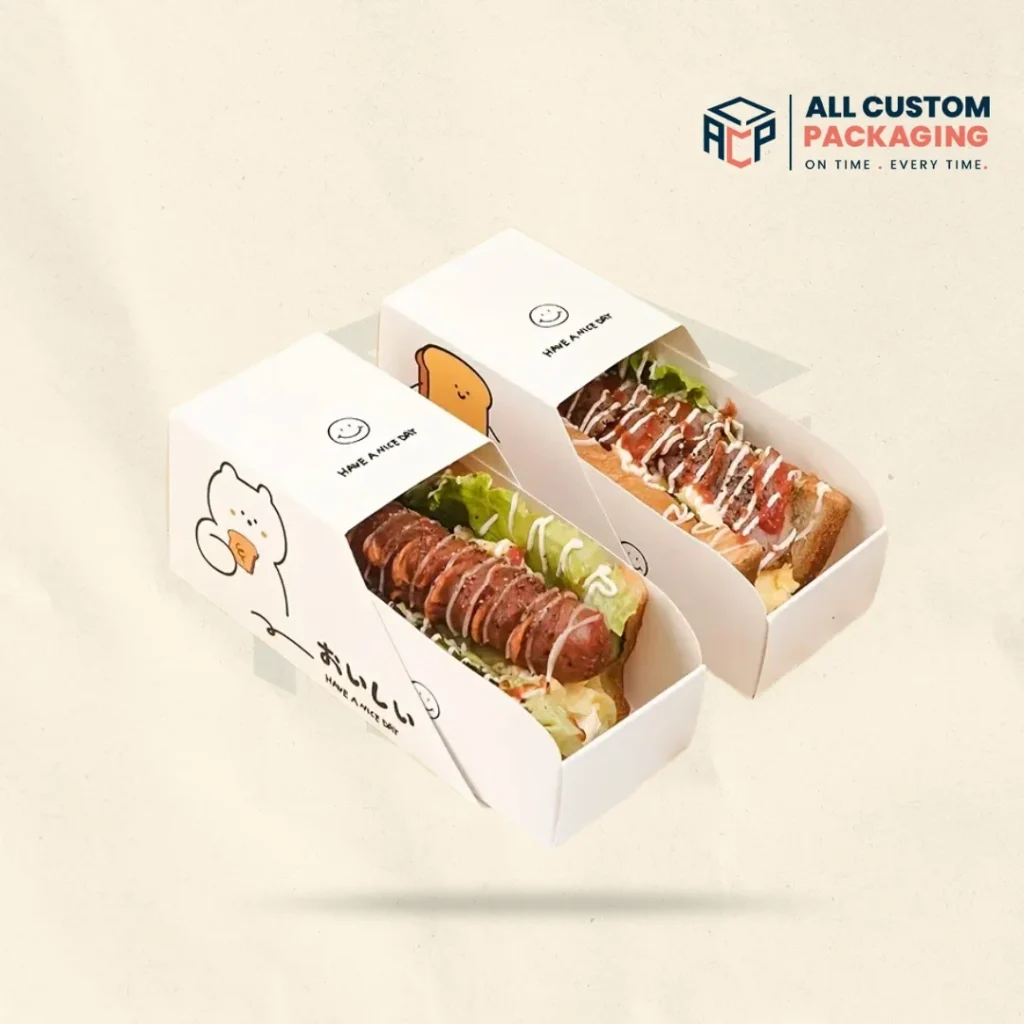
Custom hot dog trays in kraft, cardboard, corrugated or rigid stock, matched to your fill and how the tray actually gets handled. Orders start from 100 units.
An open hot dog tray is the same shape whichever material it’s cut from: kraft, cardboard, corrugated or rigid. What changes between them is how the tray holds up once it’s loaded and handled, and what it says about the brand serving from it.
A tray carrying one plain hot dog behaves differently to one loaded with chilli, cheese and extra toppings, and differently again once it’s been through a busy service and picked up, tilted or stacked a few times. Corrugated is the material ACP lists for shipping, produce and other heavier-duty formats, and fluted board’s added rigidity under load is well-established general packaging practice, not something specific to this shape. For a tray that’s going to be loaded heavy or handled roughly, that’s the practical case for leaning corrugated.
Where the tray isn’t under that kind of load, the choice between kraft and cardboard comes down to cost and presentation rather than structural need. Kraft reads as the casual, eco-positioned default, and it’s the more affordable option of the two. Cardboard, usually a white-faced or printed board, holds printed colour a little closer to the reference you chose, since kraft’s natural brown base mutes it slightly, which matters if an exact brand colour is doing real work on the tray. Kraft specifically, and how its material properties affect this exact shape, is covered in full on Kraft Hot Dog Tray, including sizing, which works the same way regardless of which of the four materials you land on.
Rigid stock is a genuine ACP capability, built for luxury, gift and premium presentation formats, and it comes with a higher minimum order and a longer production time to match. For a hot dog tray, that’s usually the wrong trade-off: this is a high-volume, single-use, fast-turnaround product for most sellers, and rigid’s cost and lead time work against exactly that. It’s worth choosing when the tray itself needs to do a genuinely premium, reusable job. Most hot dog services don’t. Rigid Food Packaging covers that material generally, for whoever that description actually fits.
Whichever material is chosen, the hot dog and its condiments sit in direct contact with the tray, so this is one decision every option has to pass regardless of strength, cost or colour. Board and coating can be selected to suit direct or indirect food contact depending on the specification. Food-contact material suitability is confirmed for the specific material before production. Allergen and nutritional labelling stays your business’s responsibility.
Orders start from 100 units. Design support is free. A digital 3D mock-up is free. It shows your branding on the actual material and finish you’ve chosen, before a full run is committed. Standard production takes 6 to 8 business days after approval. UK delivery is free. There are no setup fees.
An unlaminated paperboard or kraft construction may be easier to process through suitable paper-recycling streams than a heavily laminated alternative. Rigid stock adds a separate complication: it generally bonds more than one material together, and how easily a facility can separate those layers, not just what either material is on its own, affects how much of the tray actually gets recycled. We can talk you through the considerations for the material you’re weighing up.
To compare every food box style in the category, see Custom Food Boxes.
| Box Style | All Custom Packaging |
| Dimension | All Custom Sizes & Shapes |
| Quantities | 100-unit minimum order |
| Paper Stock | Kraft, corrugated, rigid board, cardstock |
| Printing | CMYK, Pantone, digital and offset |
| Finishing | Gloss, matte, spot UV, embossing, foiling |
| Shipping | Free delivery options |
Choose from premium coating, board, printing and finishing options for your insert boxes.
A transparent finishing layer available in gloss, satin, or matte effects. It enhances the printed surface and adds an extra layer of visual appeal and light protection.
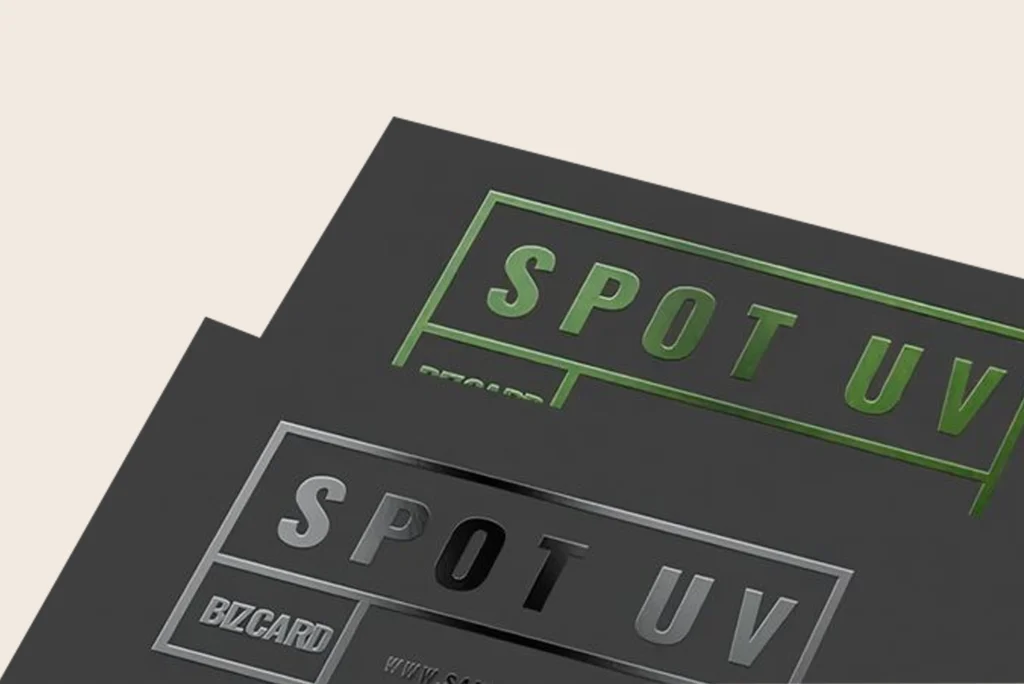
A UV-cured coating applied to specific areas of the design to create gloss or matte contrast and draw attention to important details.
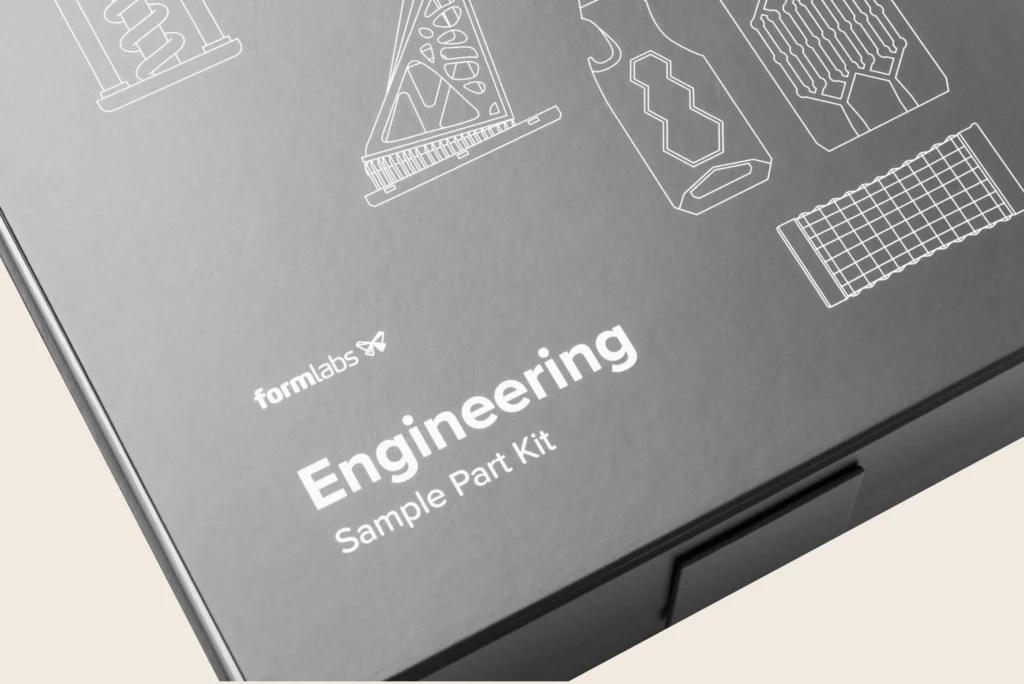
A smooth, velvety coating that creates a soft tactile feel and gives packaging a refined luxury look. It improves the unboxing experience and supports a high-end product presentation.
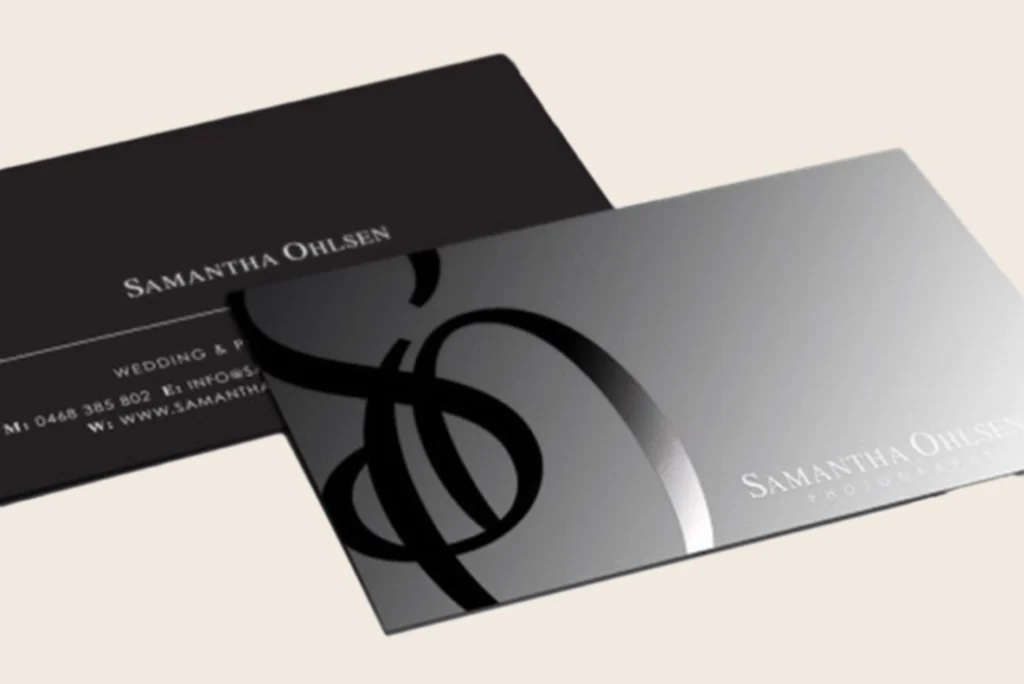
A soft, smooth lamination with a refined satin-like finish. It gives packaging a premium feel while keeping the surface elegant, subtle, and easy to handle.
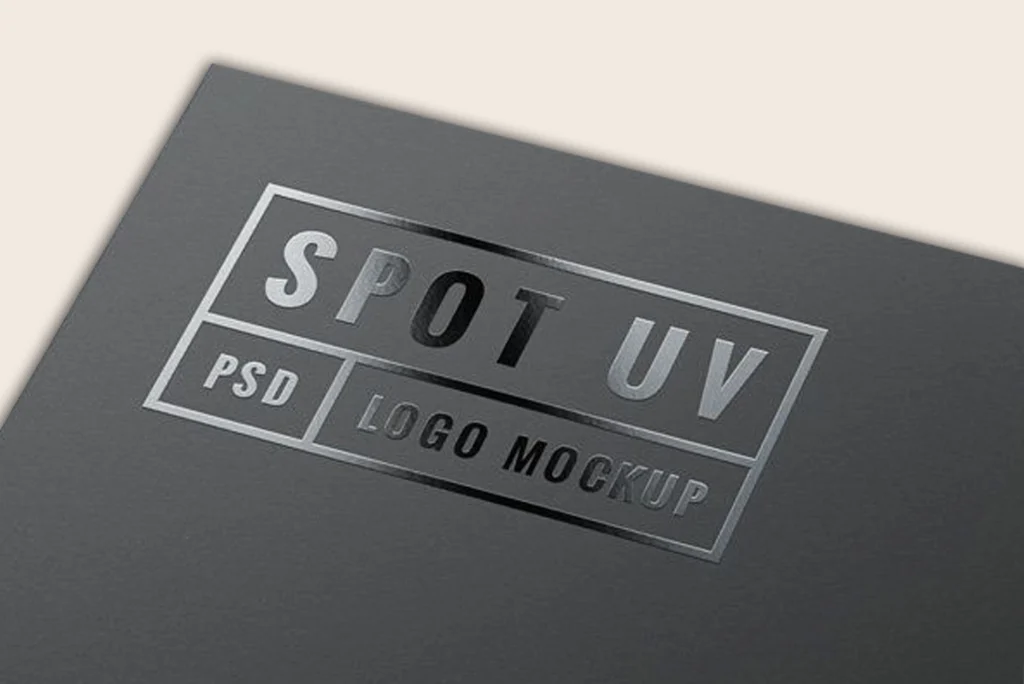
A high-gloss UV coating applied only to selected design areas to create sharp contrast, highlight logos, and add a premium visual effect without coating the whole surface.
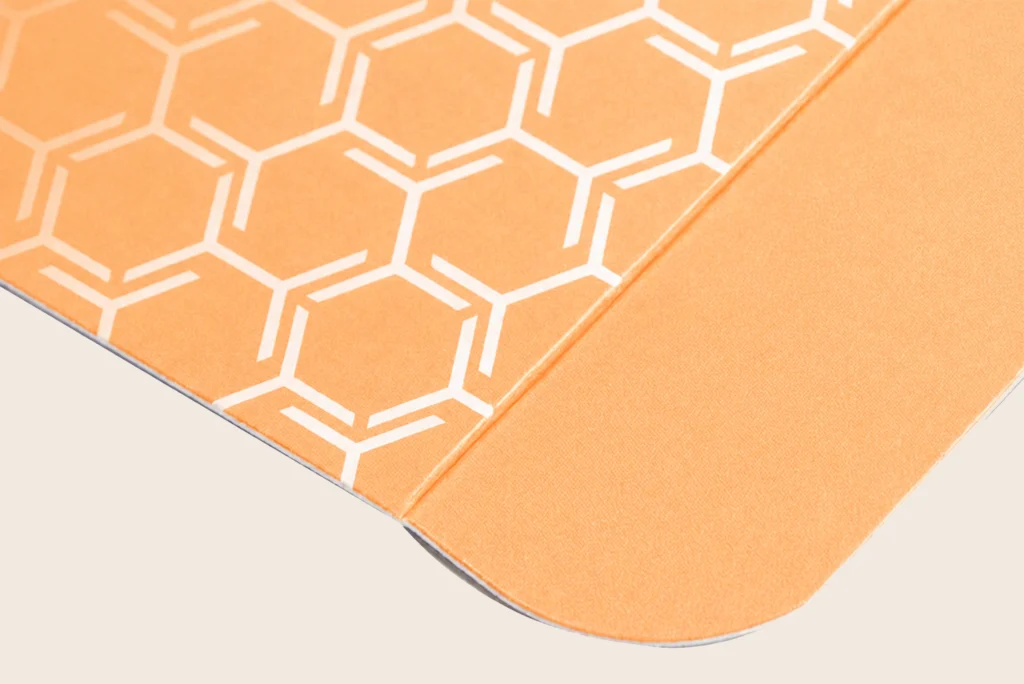
A clear, fast-drying water-based coating that adds a smooth protective layer while maintaining a clean and professional surface finish. It is a practical choice for everyday printed packaging.
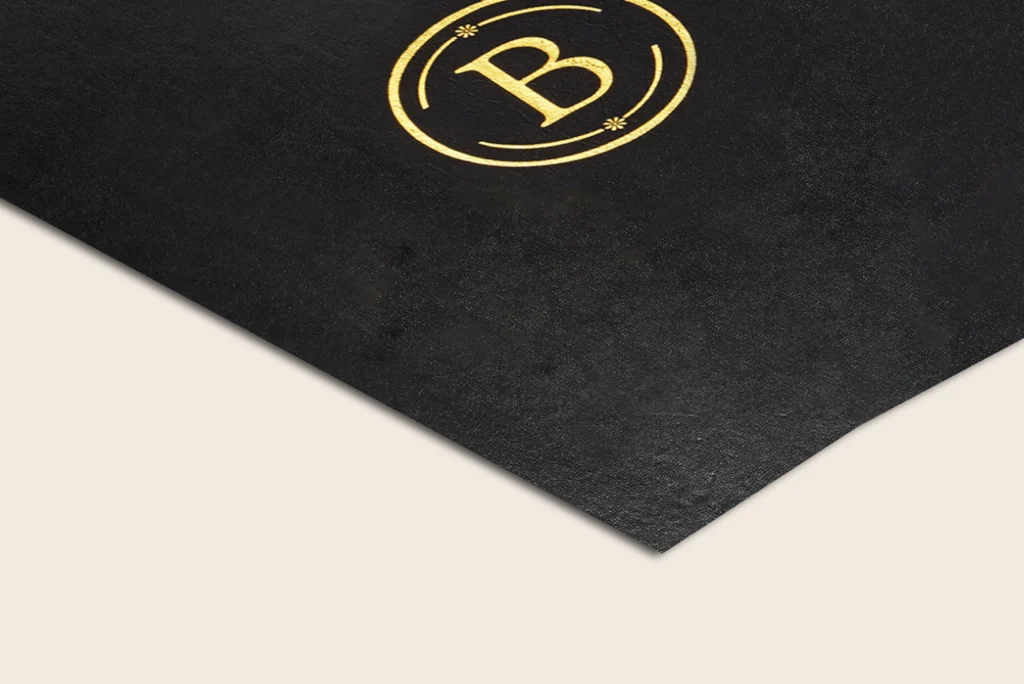
A durable protective film that helps reduce visible scratches, scuffs, fingerprints, and daily handling marks. It keeps packaging looking clean, polished, and premium for longer.
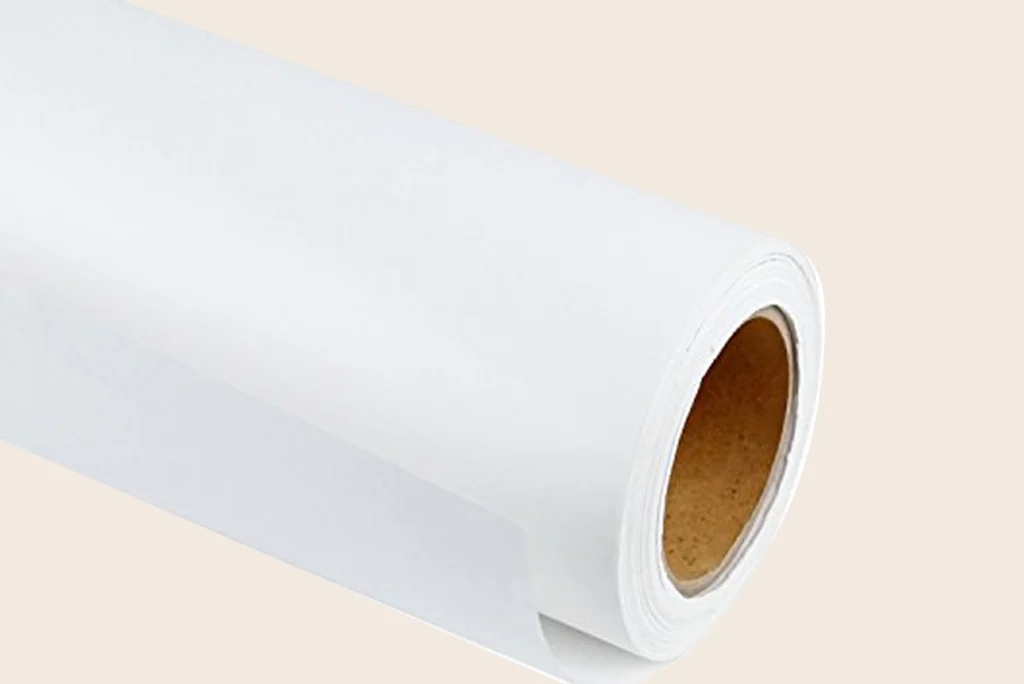
A bleached kraft paperboard made from a mix of virgin and recycled pulp, offering a clean white surface for crisp and polished packaging designs.
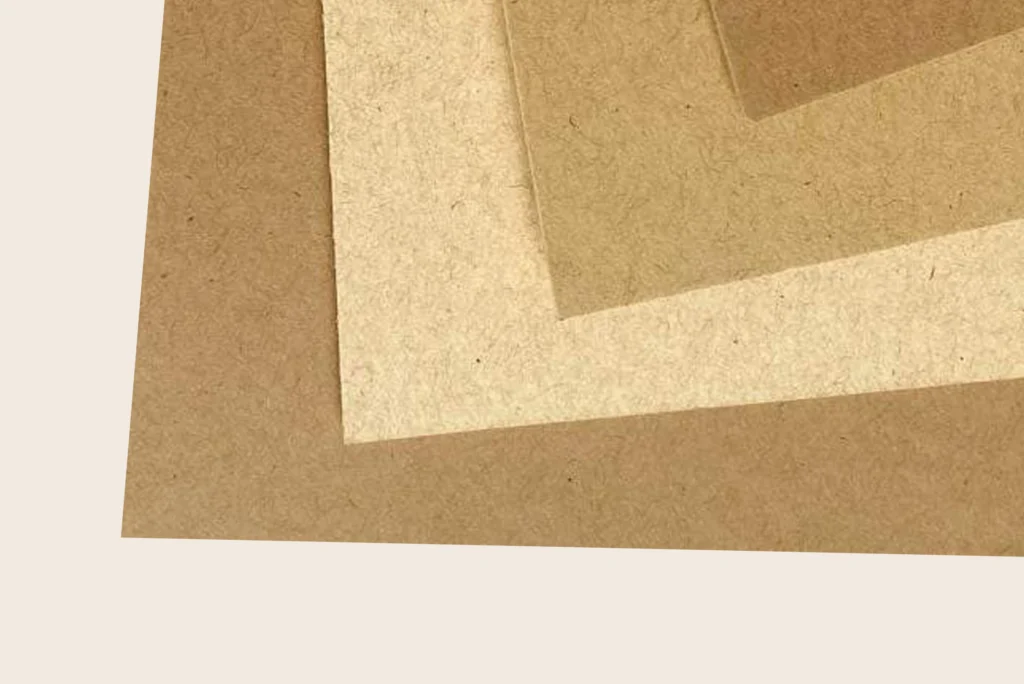
A natural kraft paperboard without coating, made from virgin and recycled pulp. It provides a raw, organic appearance with sturdy packaging strength.
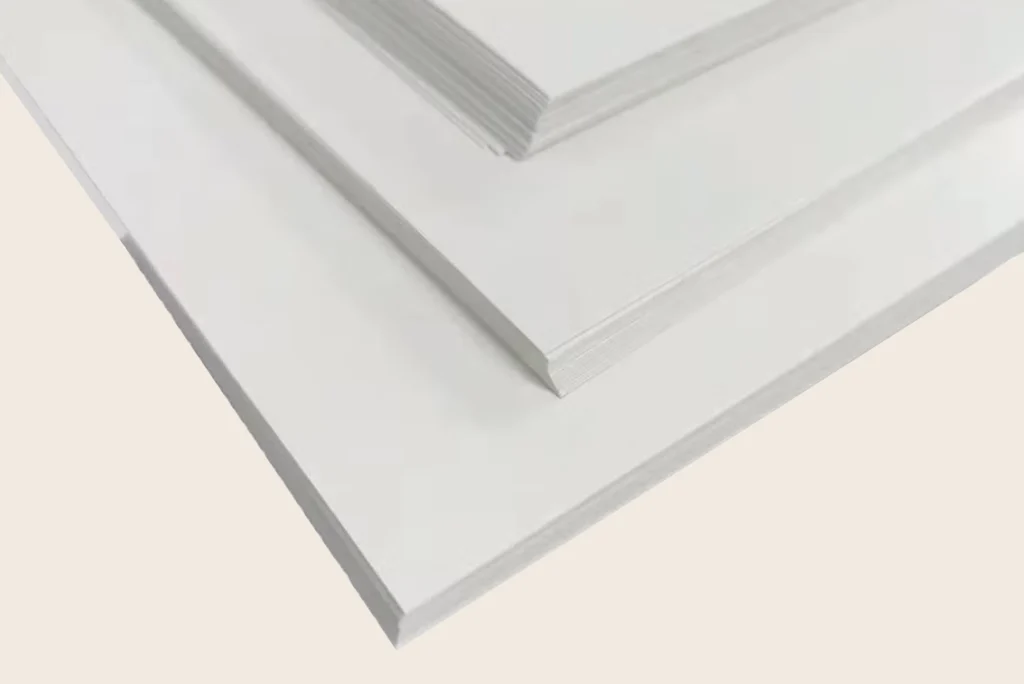
A premium bleached paperboard coated on both sides, designed for excellent print quality, die-cutting, and professional packaging results.
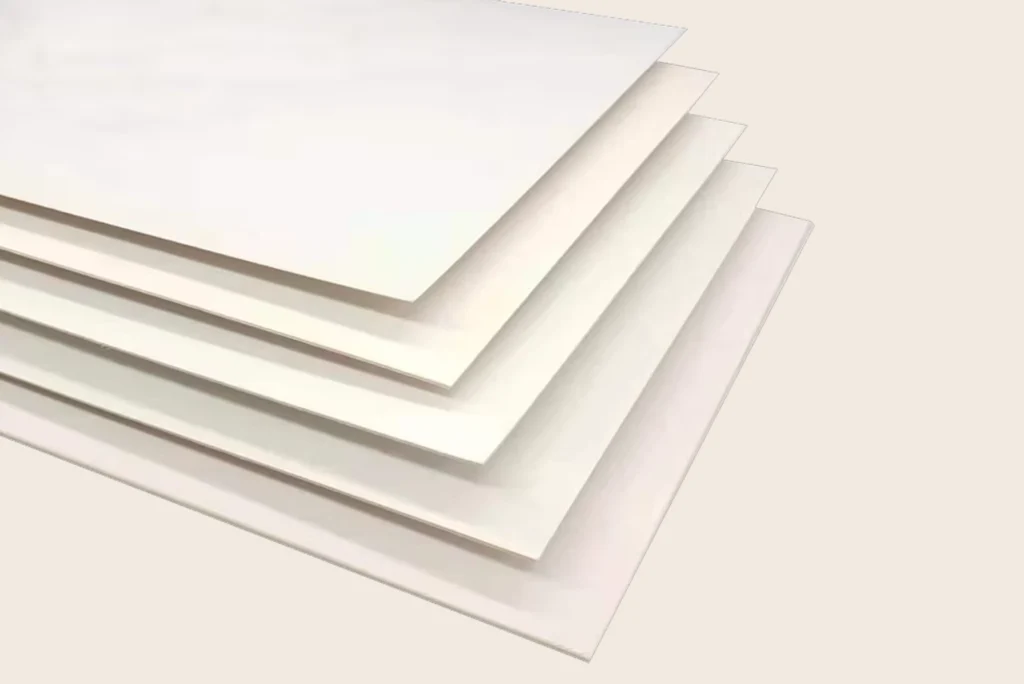
A high-quality bleached paperboard coated on one side. It provides a clean printable face with a premium packaging feel.
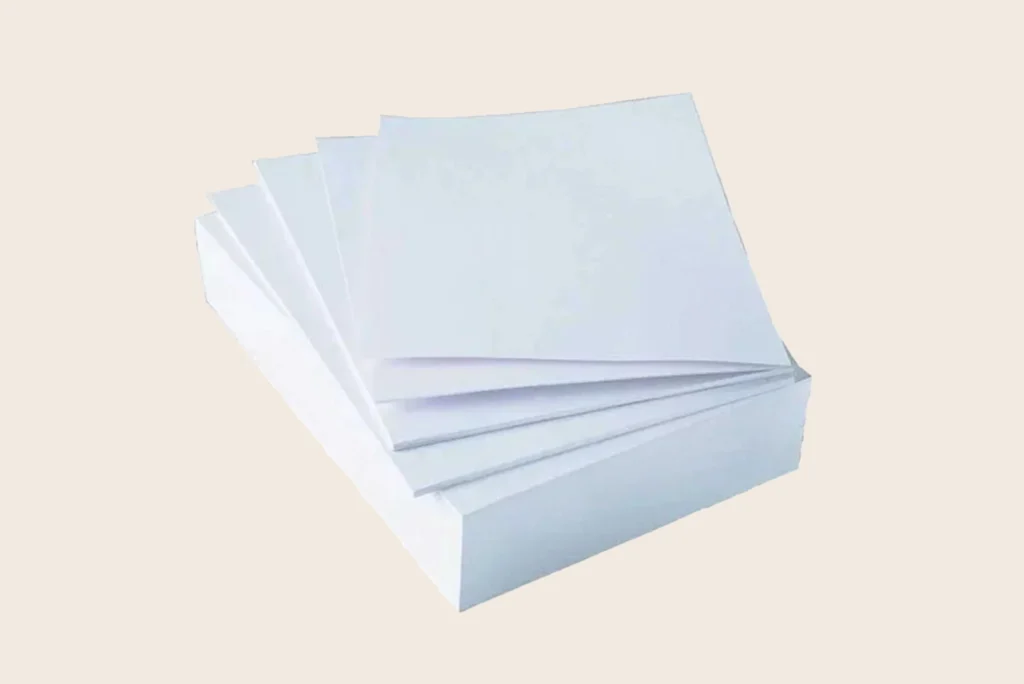
A smooth printable paper stock that supports high-resolution graphics, clean text, and rich color output for refined packaging presentation.
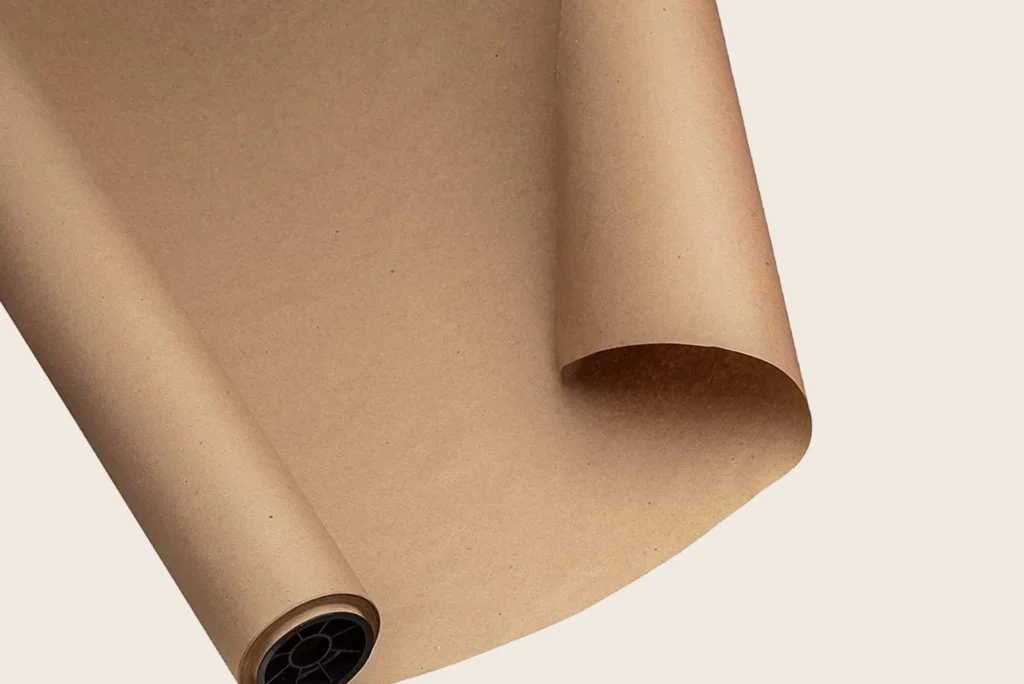
A natural kraft paperboard made from strong virgin and recycled pulp. It provides an organic, earthy look for sustainable and simple packaging.

A specialty paperboard with a laminated metallic surface available in gold, silver, and other premium finishes for luxury visual impact.

A specialty paperboard with a laminated holographic surface that creates a reflective, rainbow-like appearance for eye-catching product packaging.
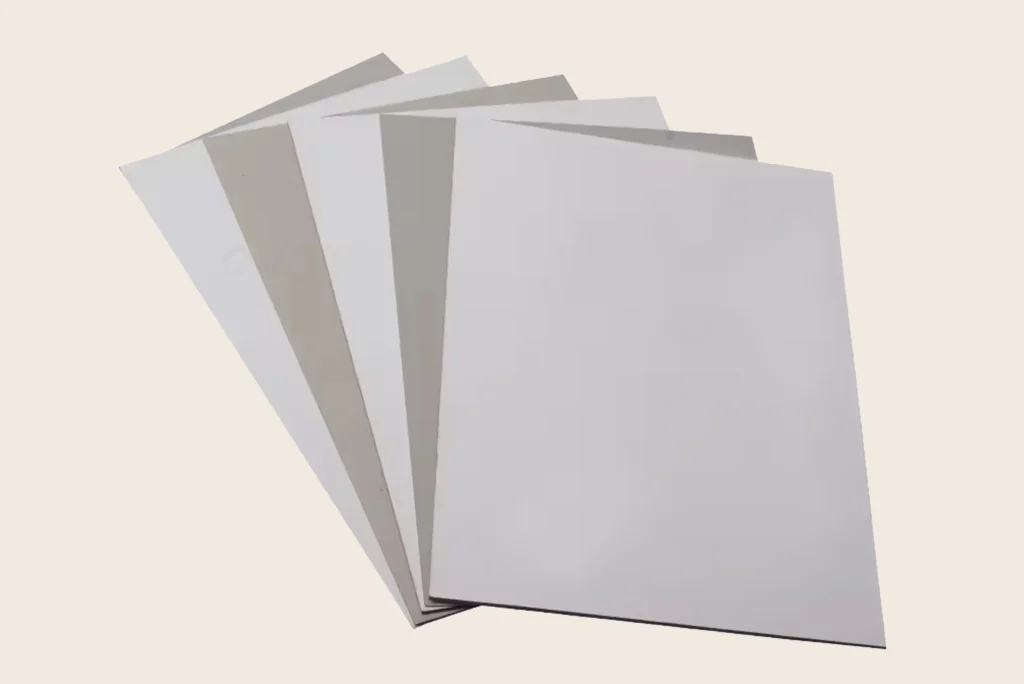
A recycled duplex paperboard with a white printable surface. It is ideal for economical packaging that still requires clean graphics and brand presentation.
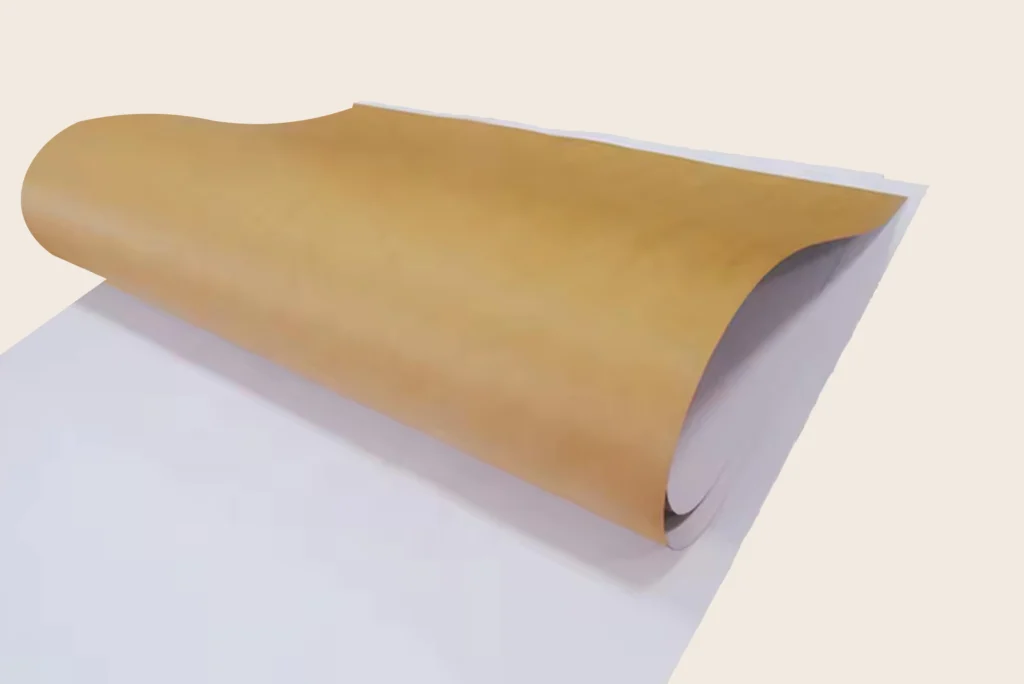
A kraft board with a smooth clay-coated white face for quality printing and a natural kraft reverse side for a strong, authentic appearance.
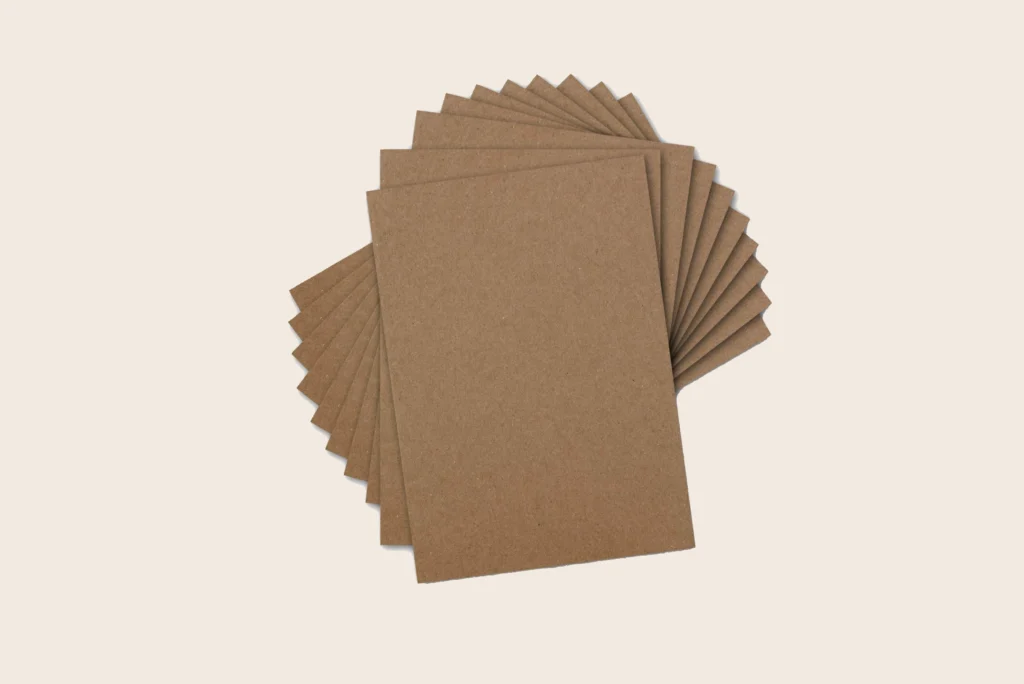
A kraft paperboard with a clay-coated printable top surface and a natural unbleached kraft back. It balances clean branding with a rustic natural look.
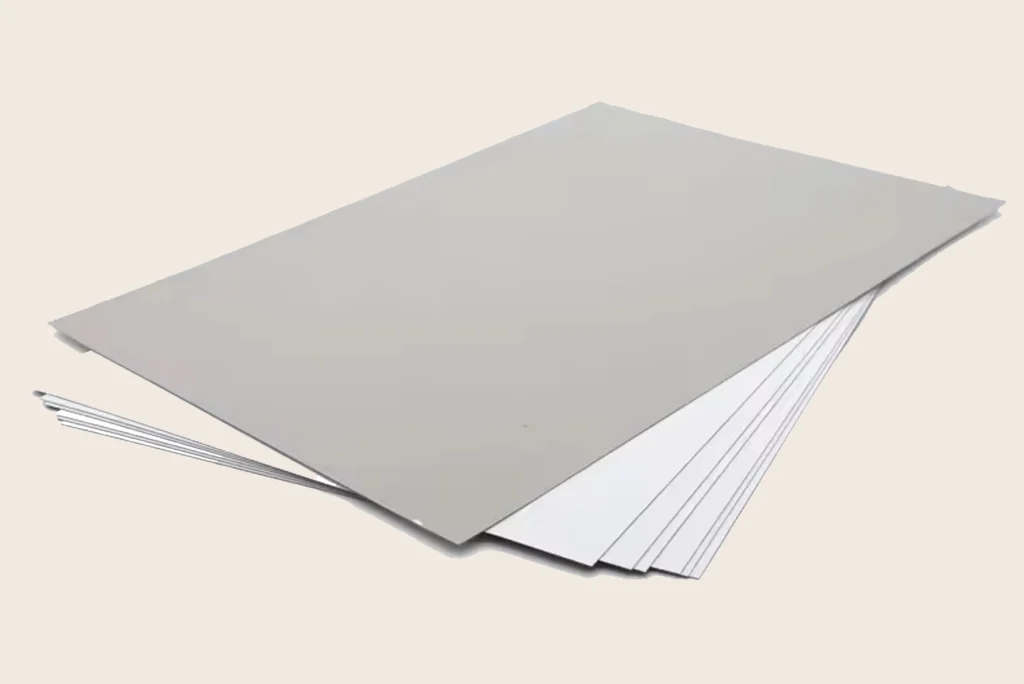
A duplex paperboard made with recycled pulp and a coated white printable surface. It delivers smooth print results for affordable carton packaging.
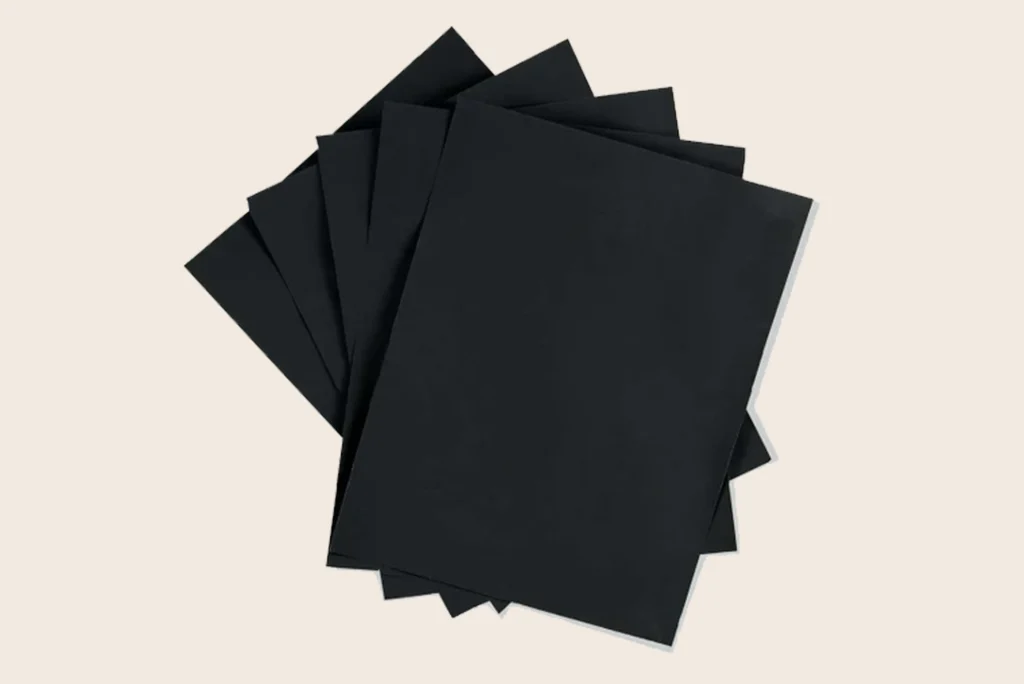
A black-dyed kraft board with a natural paper texture and excellent strength. It creates a bold, premium look for luxury and specialty packaging.
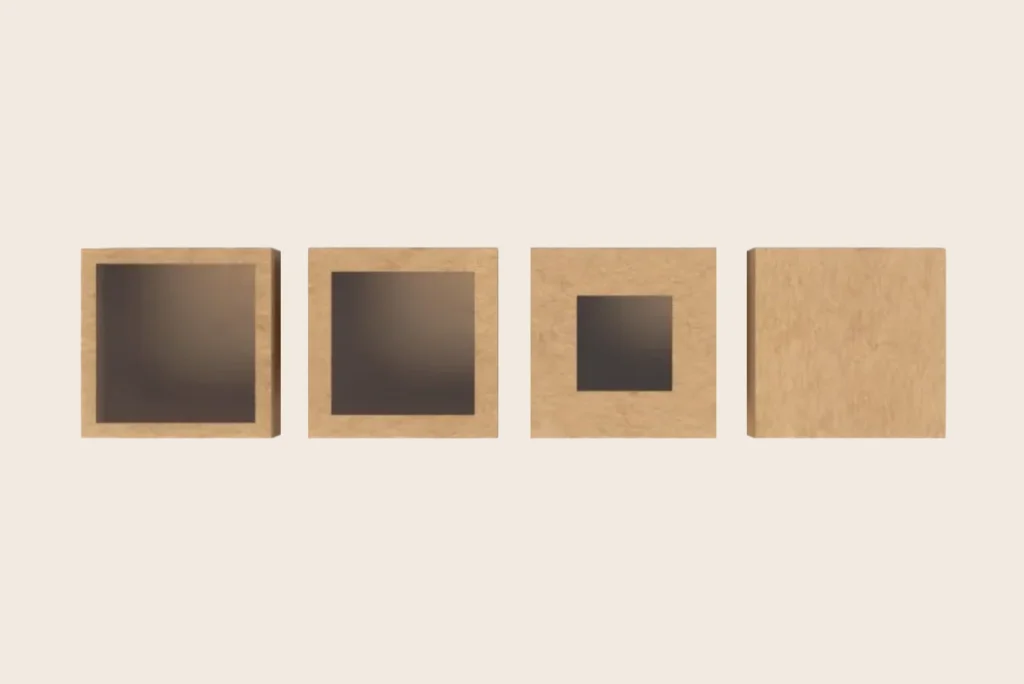
A packaging technique where a die-cut opening is covered with a transparent film, allowing the product inside to remain visible while staying protected.
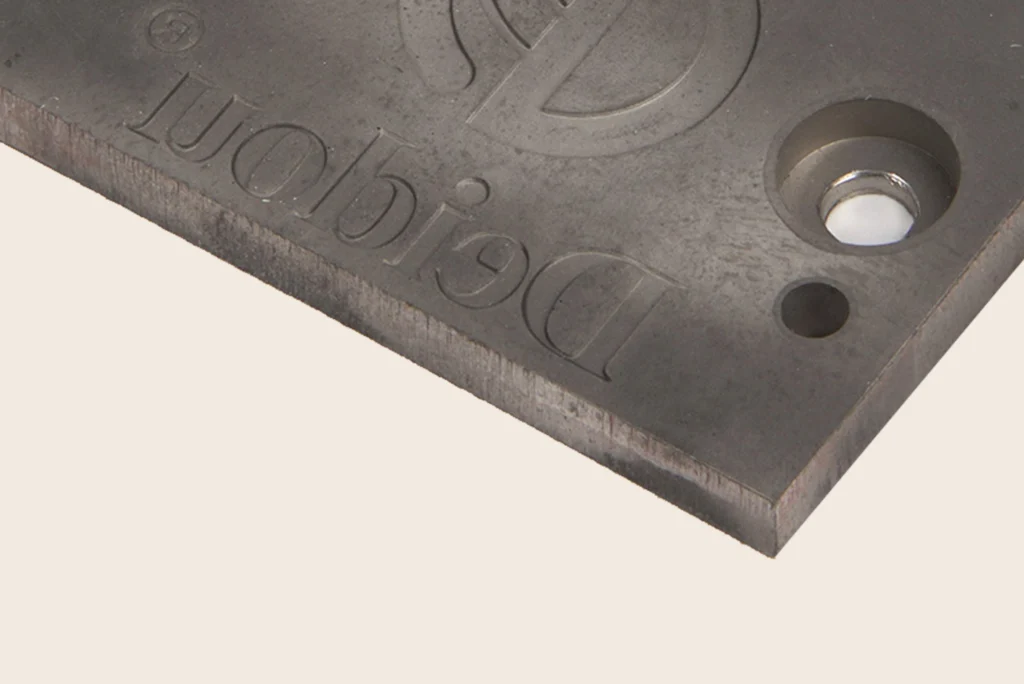
An embossing technique where the raised design is precisely aligned with printed artwork to improve detail, texture, and overall presentation.
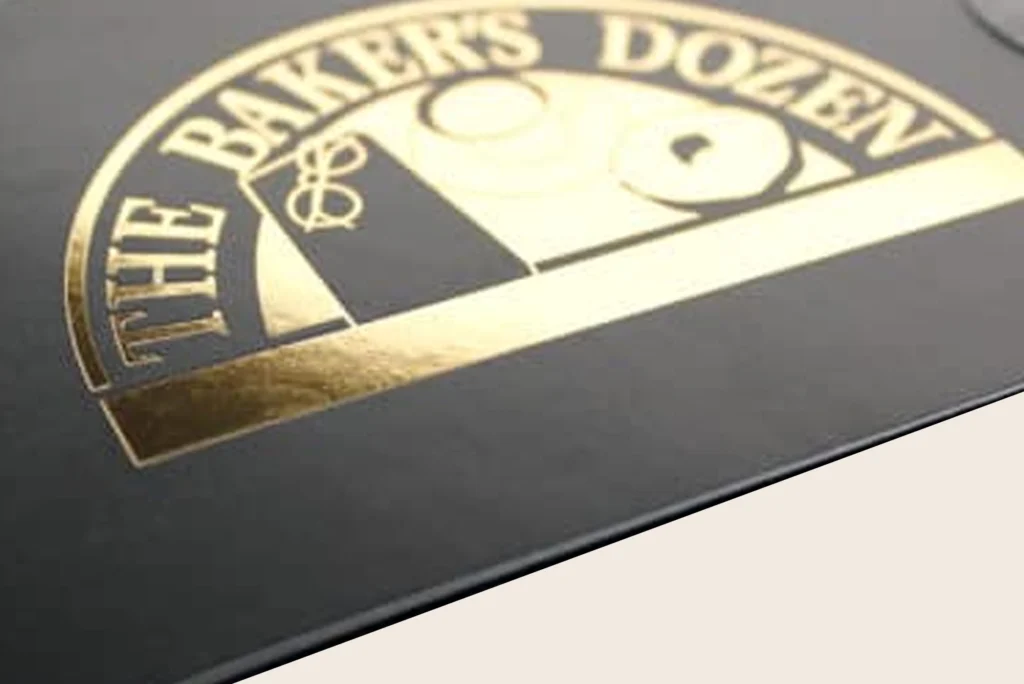
A finishing process in which heat and pressure transfer metallic foil to the surface, creating a premium, shiny, and luxurious effect.
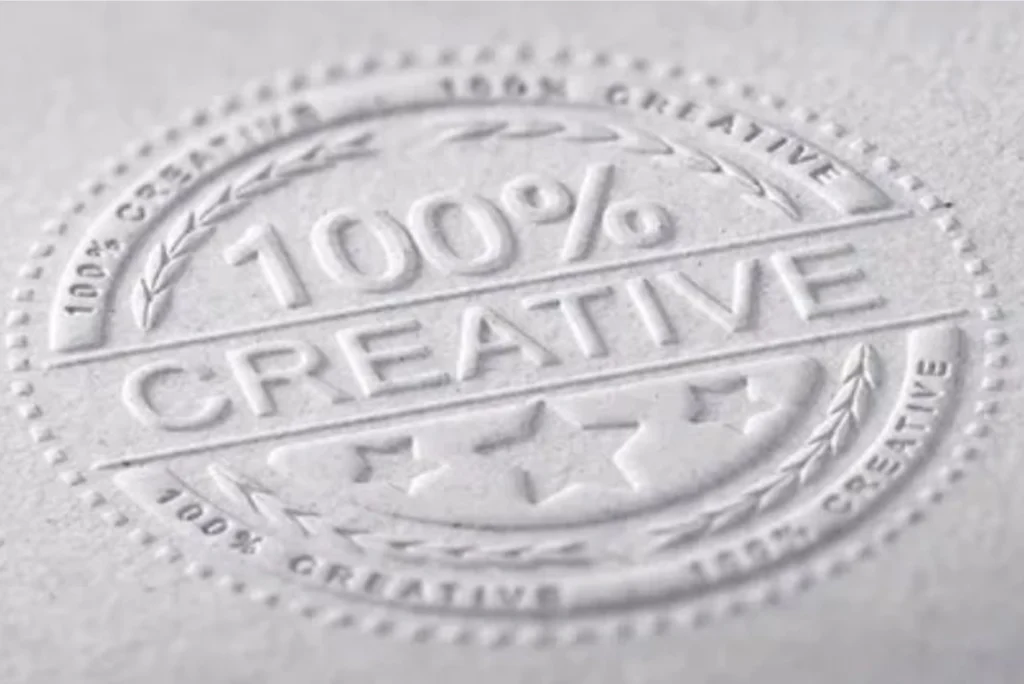
A premium finishing method that combines embossing with foil stamping to create a raised design with metallic color and strong visual impact.
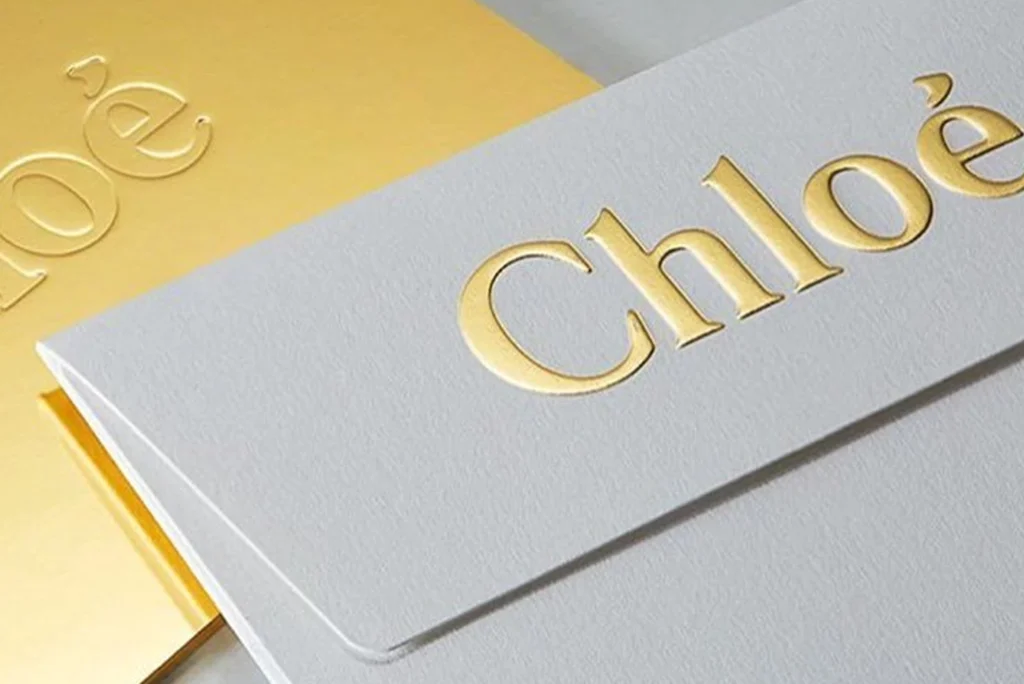
A decorative process that transfers foil onto selected areas of the surface using UV-curable adhesive, creating a bright metallic effect with sharp detail.
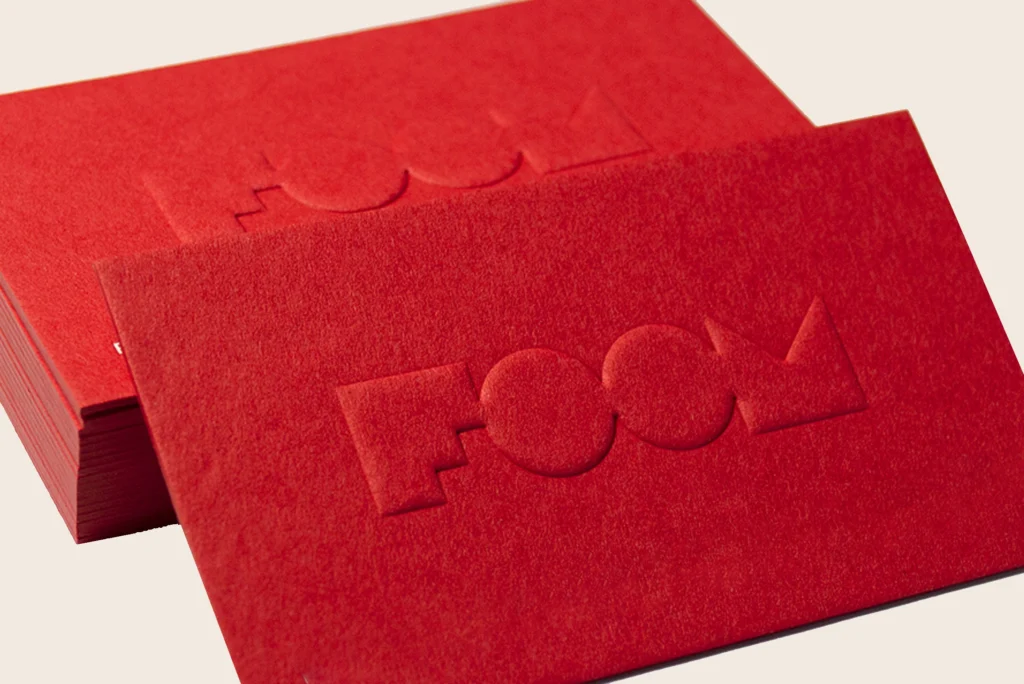
A technique that raises a design from the surface without ink or foil, giving packaging a clean, elegant, and textured appearance.
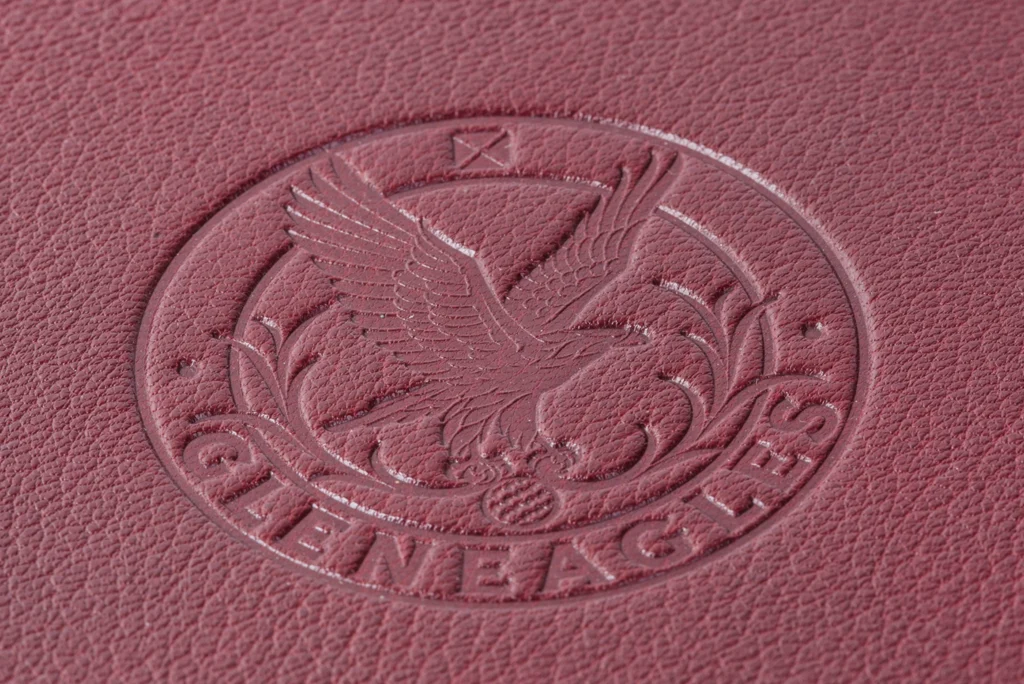
A finishing technique that presses a design into the material to create a recessed impression without using ink or foil. It adds subtle depth and a refined tactile effect.
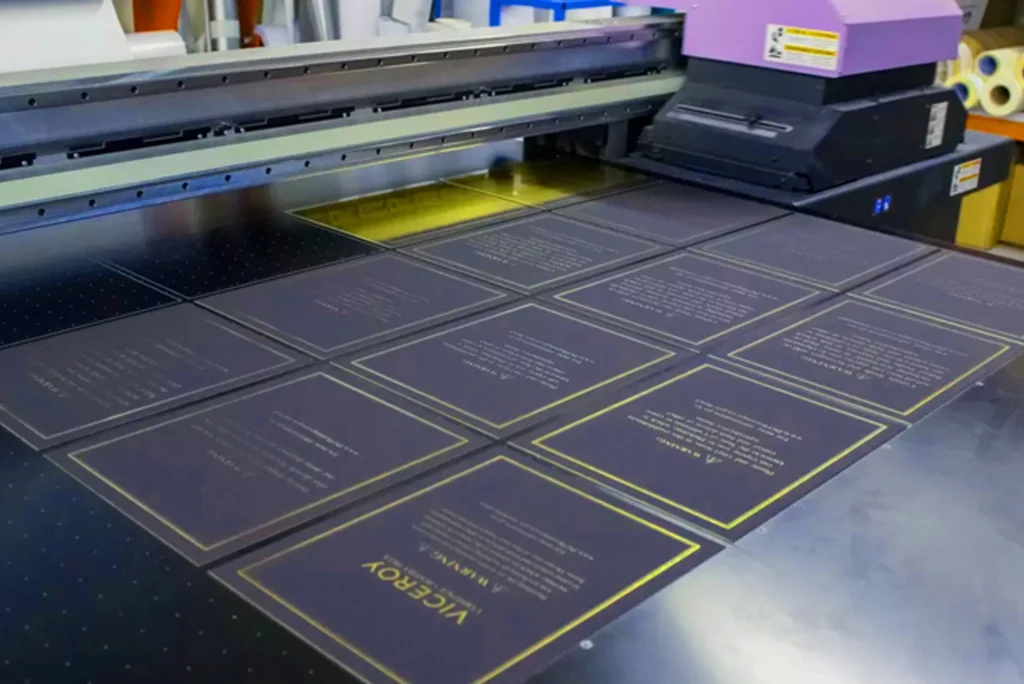
A fast-curing printing process that uses ultraviolet light to dry ink instantly, delivering sharp detail, vibrant colors, and a premium finish.
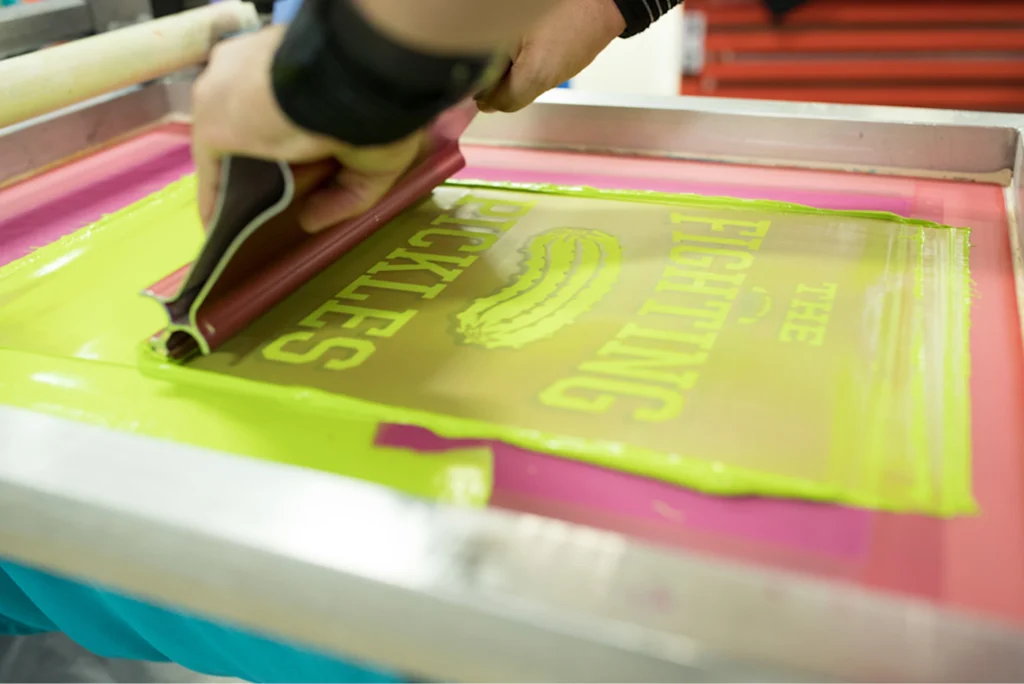
A durable printing method that uses a mesh screen and stencil to apply ink to surfaces. It is ideal for bold colors and high-impact packaging designs.
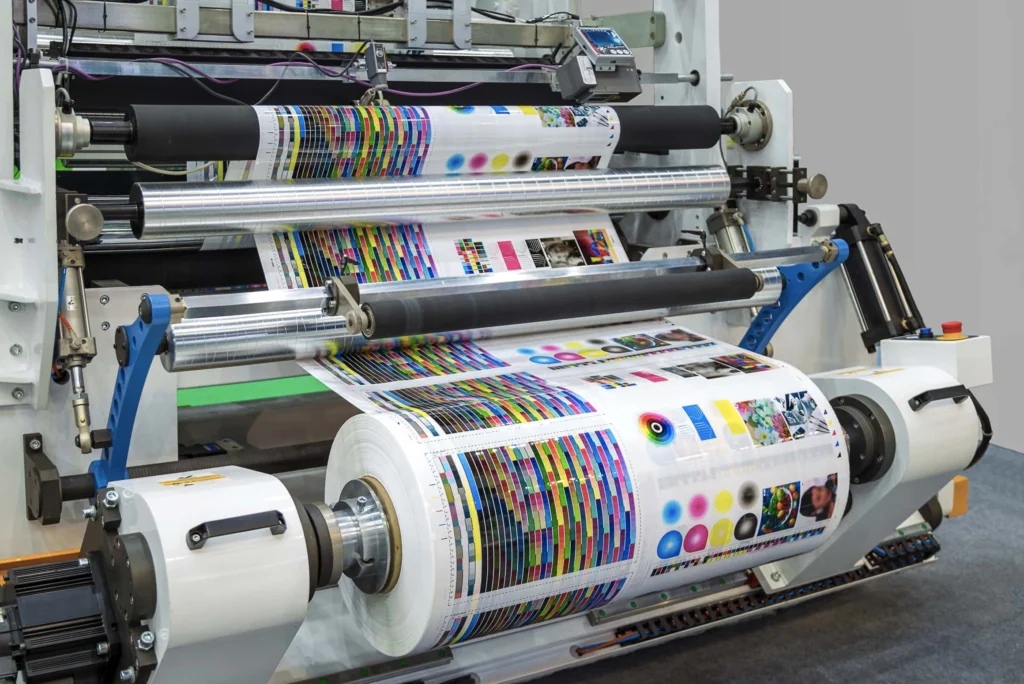
A traditional high-quality printing process that transfers designs from plates to a rubber blanket before printing, making it ideal for large-volume production.
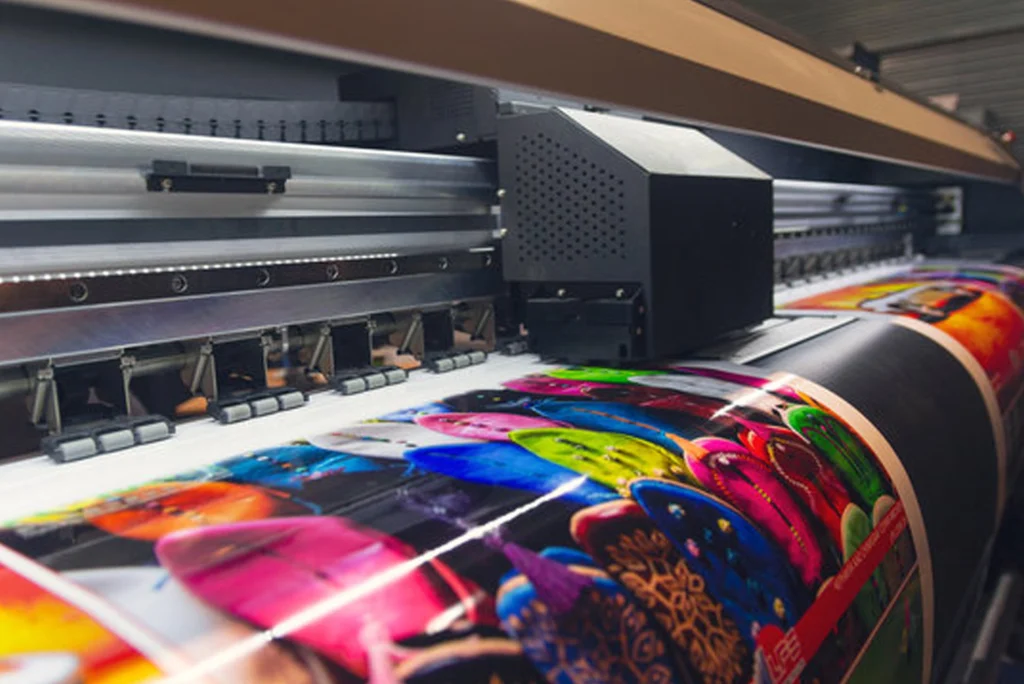
A modern printing method that does not require printing plates, making it cost-effective and efficient for short runs, sample production, and small-batch quantities.
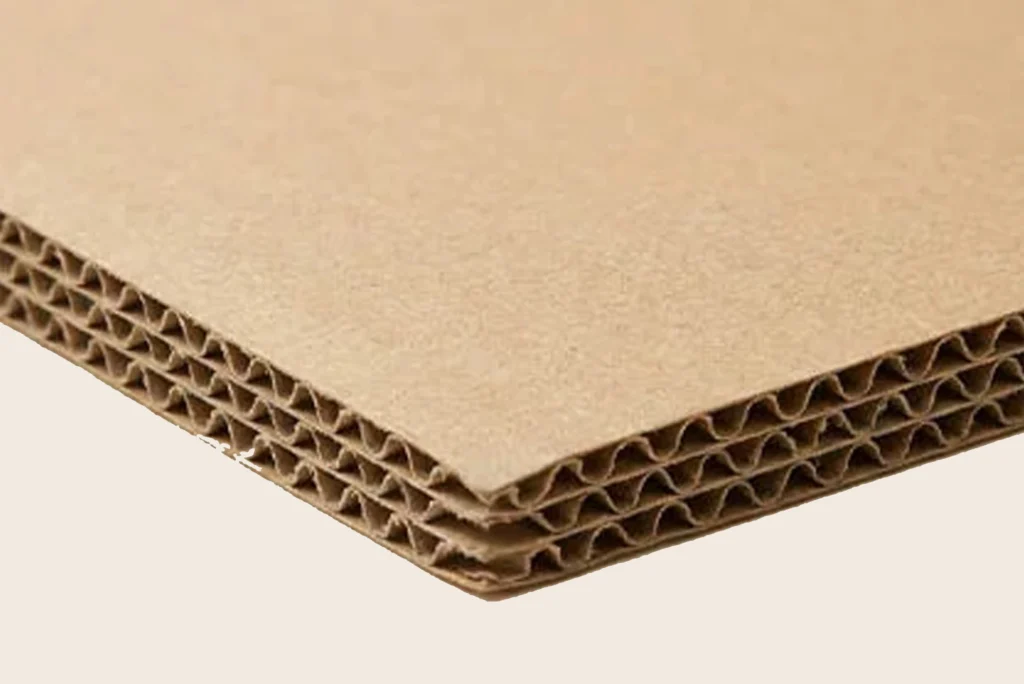
Built with three corrugated layers between four linerboard sheets, providing heavy-duty strength for large or industrial packaging needs.
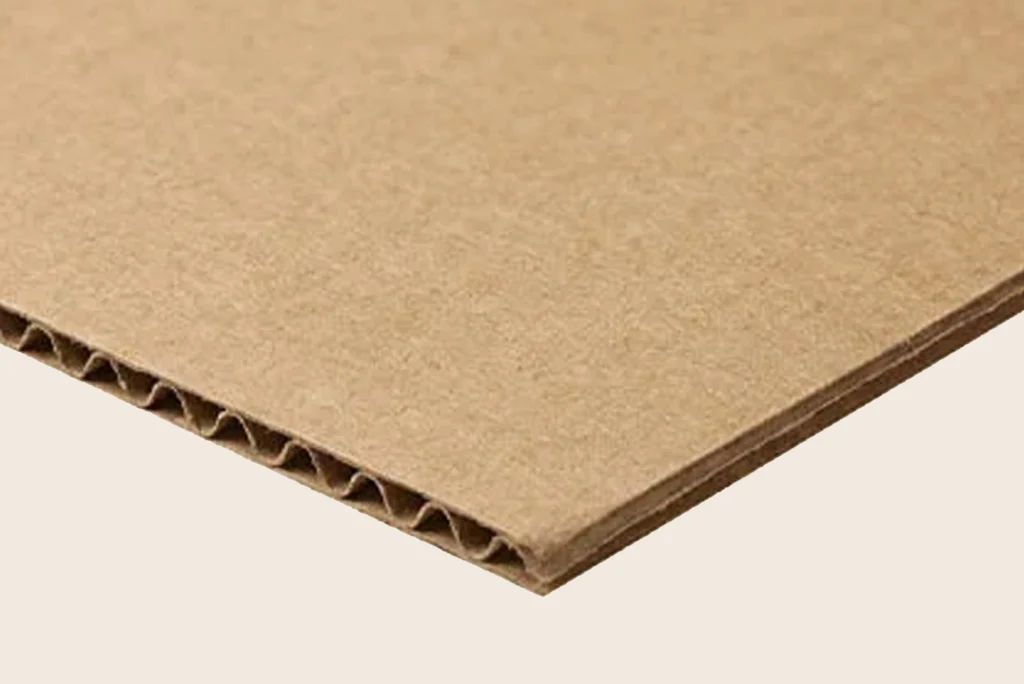
A standard corrugated structure with one fluted medium and two linerboards, providing dependable strength for everyday packaging.
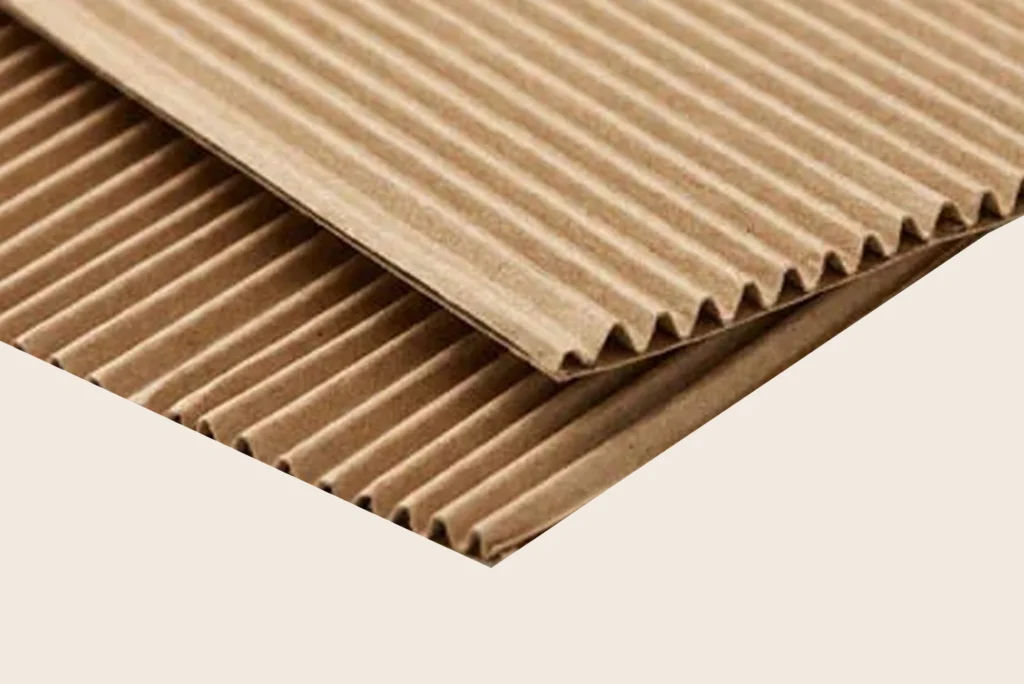
A corrugated sheet with one flute layer between two liners, offering lightweight strength for protective packaging.
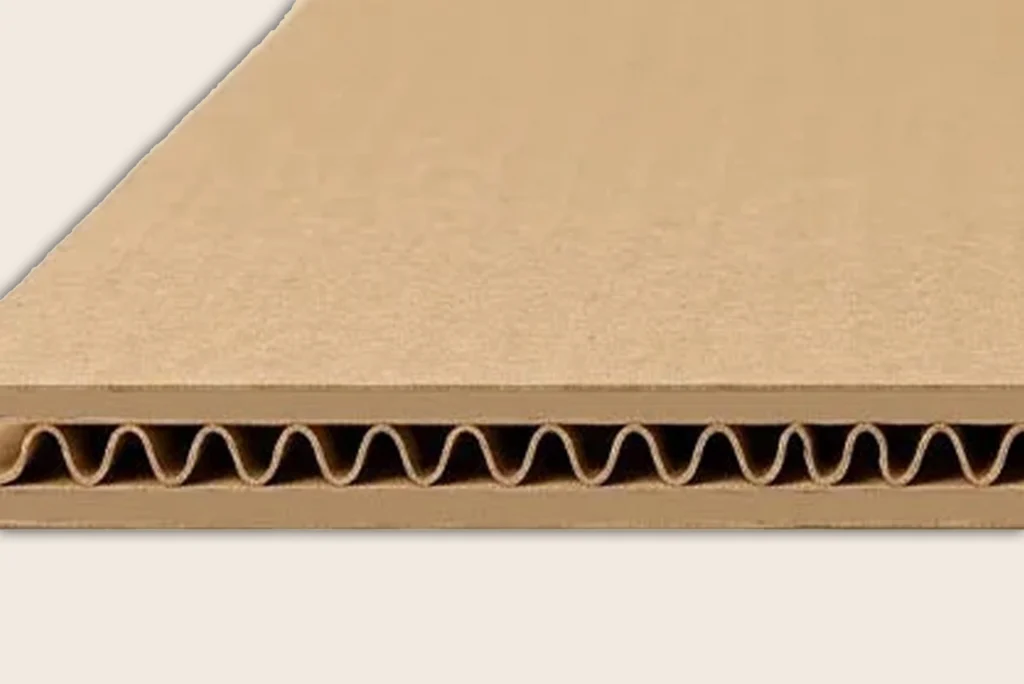
An ultra-thin flute grade designed for lightweight packaging, small retail boxes, and high-quality printed presentation.
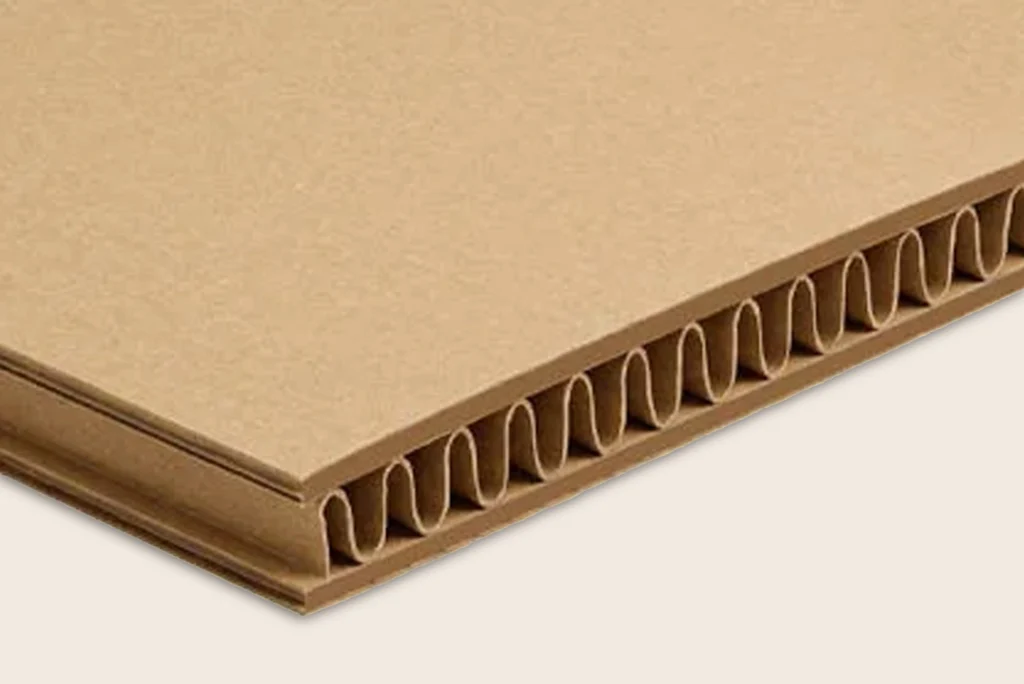
A slim flute grade with a flatter surface, ideal for detailed printing, display packaging, and premium retail boxes.
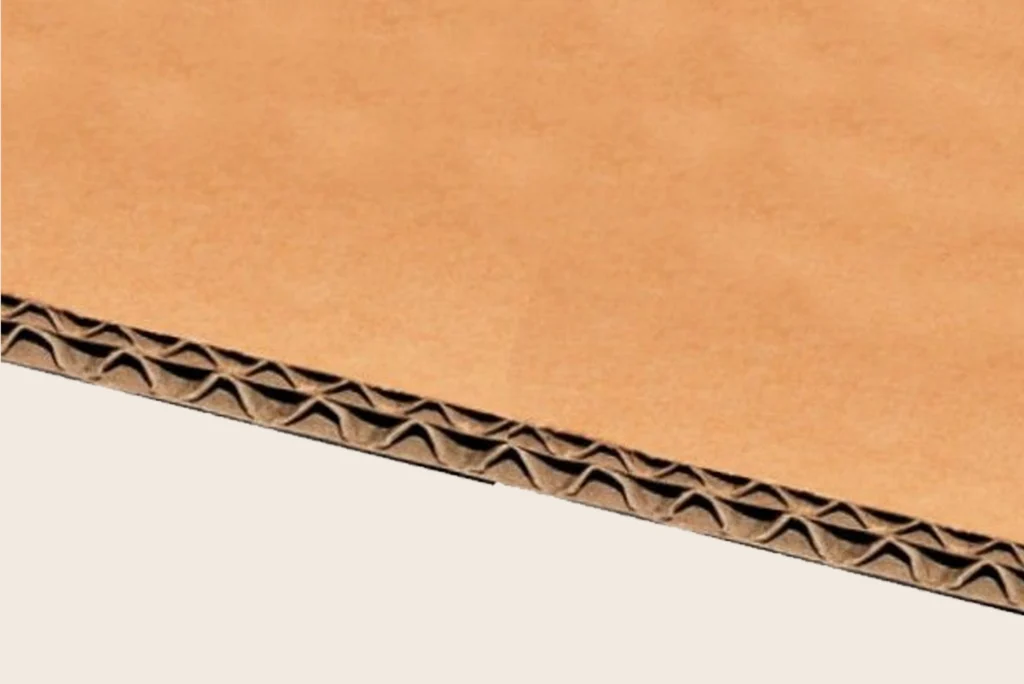
Made with two layers of corrugated medium between linerboard sheets, offering added strength and durability for heavier products.
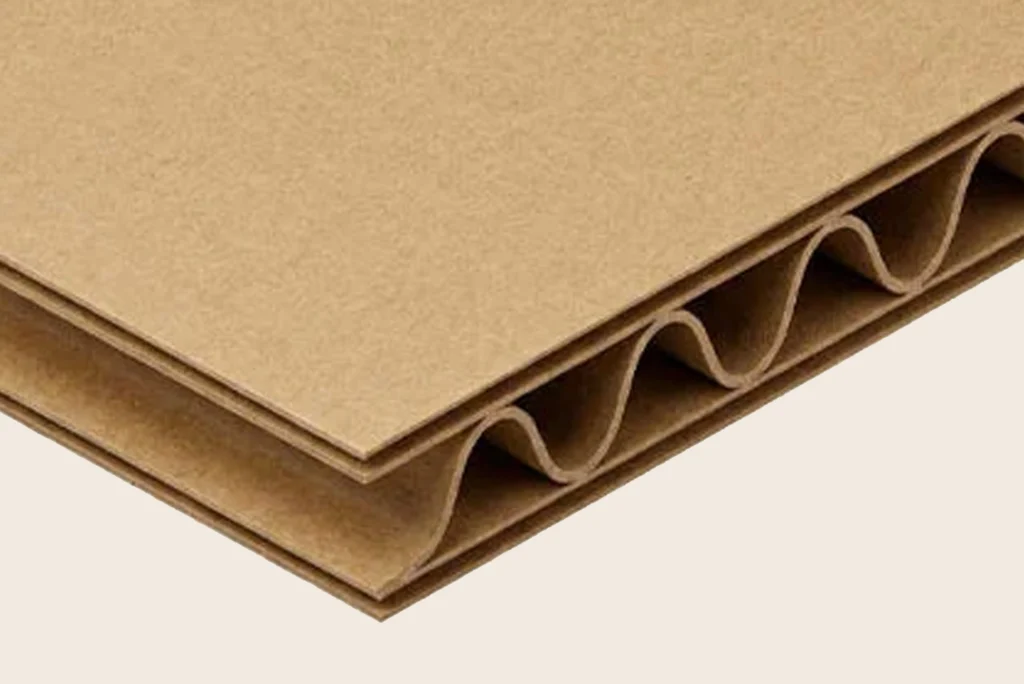
A versatile corrugated flute that offers balanced compression strength, cushioning, and printability for many packaging applications.
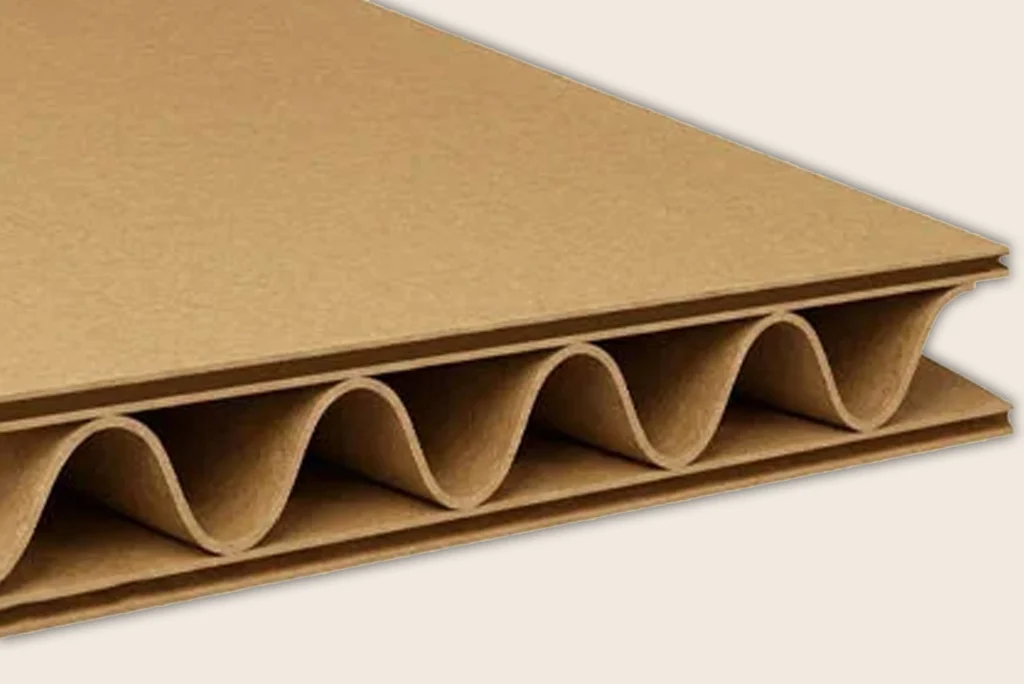
A thinner flute grade with a smooth surface, making it suitable for high-quality printing, precise die-cutting, and neat retail packaging.
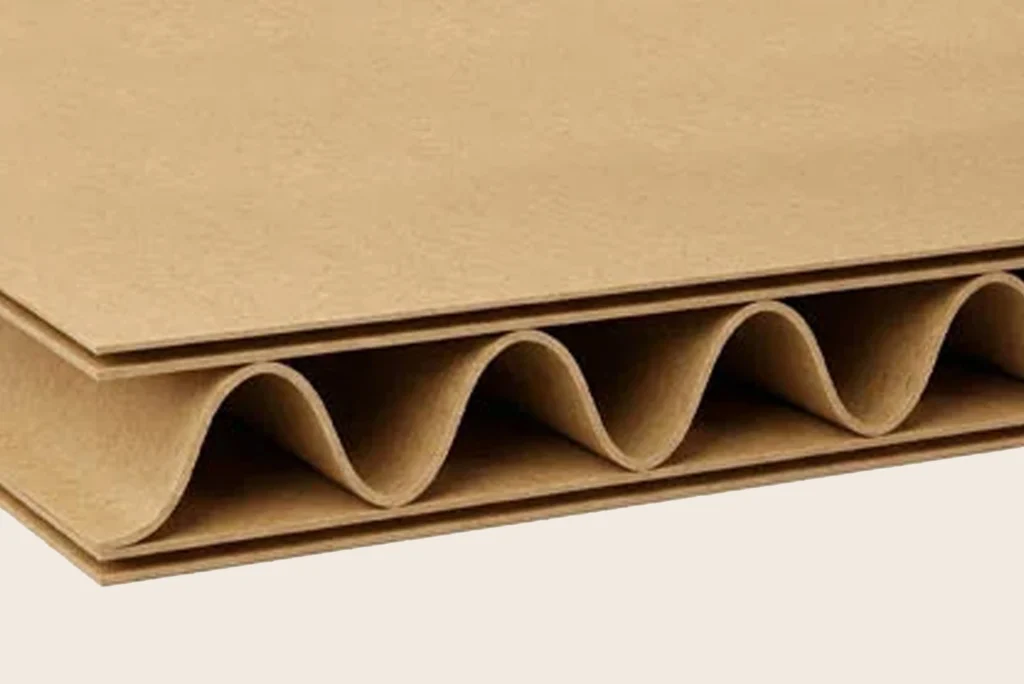
A thick corrugated flute profile that provides excellent cushioning, compression strength, and stacking support for protective packaging.
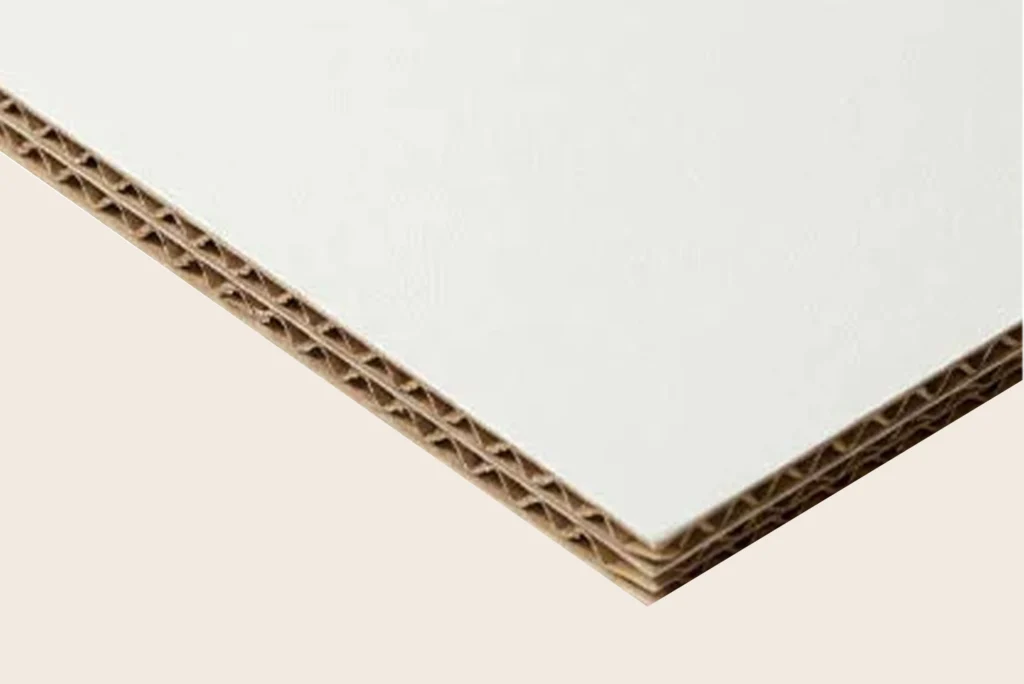
A coated linerboard with an off-white surface, suitable for high-quality printing and a refined packaging appearance.
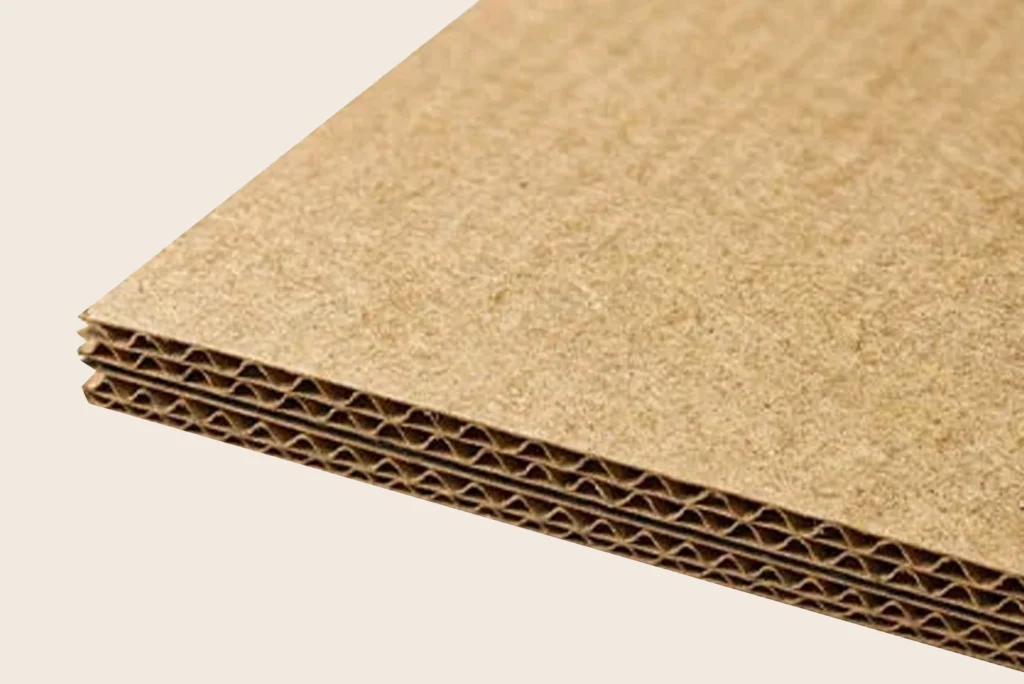
An unbleached kraft linerboard made from recycled paper pulp, offering a natural look with strong durability for eco-conscious packaging.
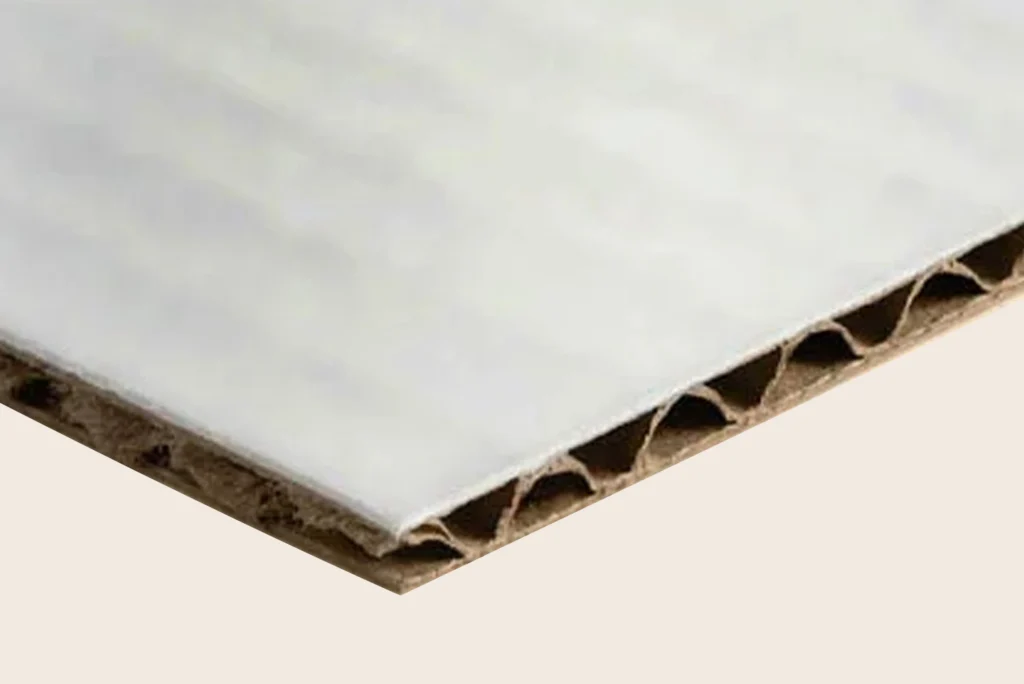
A coated semi-gloss linerboard with a smooth white surface, ideal for sharp printing, premium presentation, and retail-ready packaging.
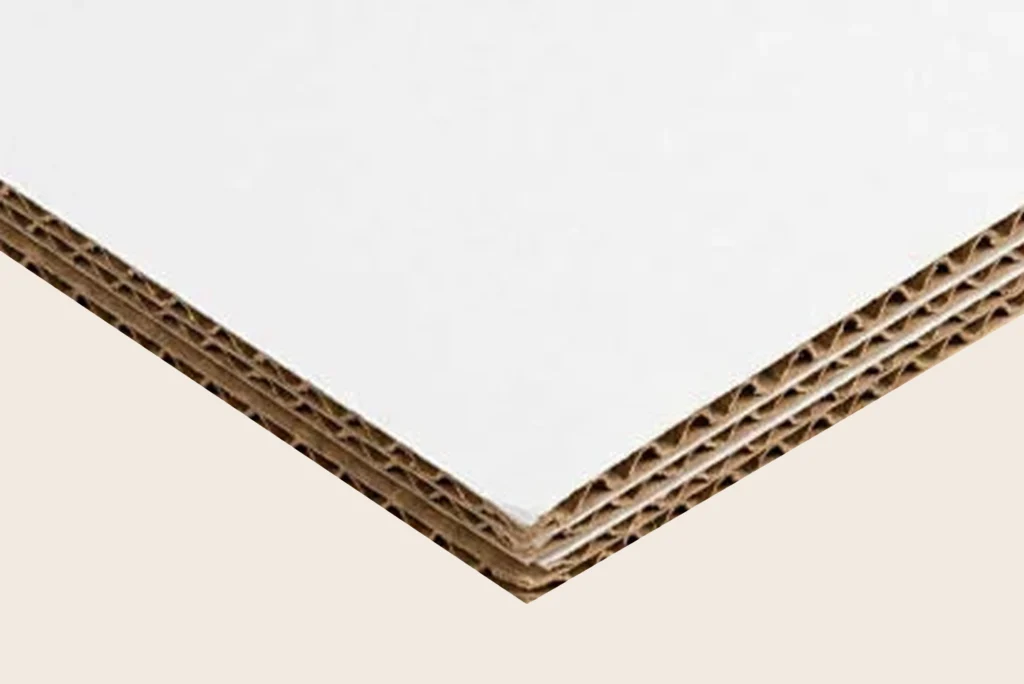
A fully bleached corrugated board with a bright white surface, designed to produce clean, vibrant, and high-quality printed packaging.
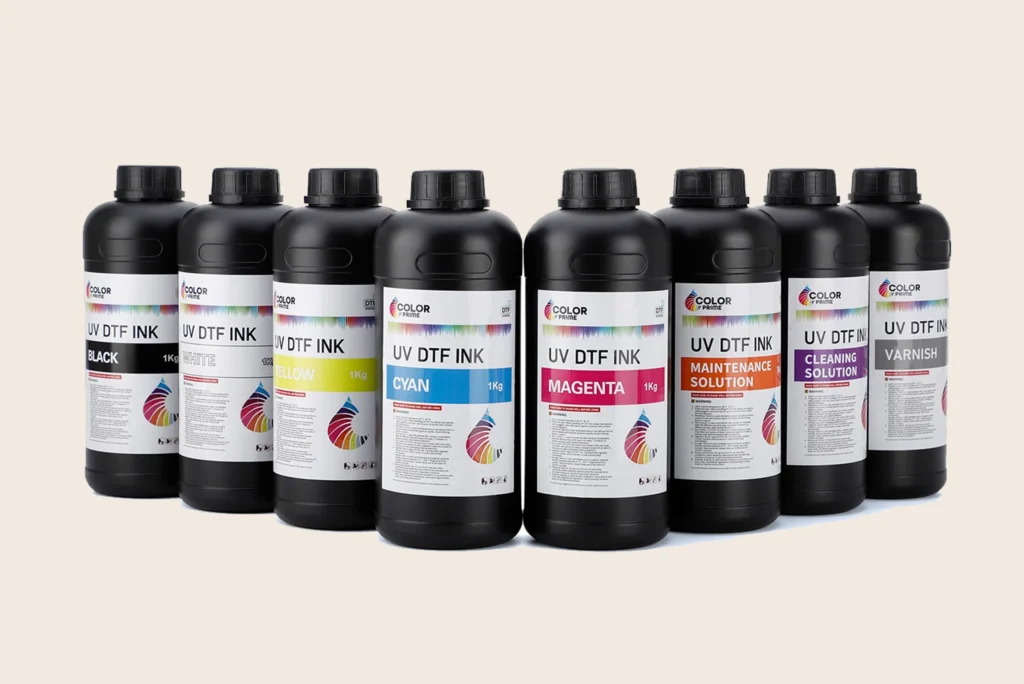
A UV-cured ink that dries instantly under ultraviolet light and creates crisp, high-quality print results on a wide range of packaging materials.
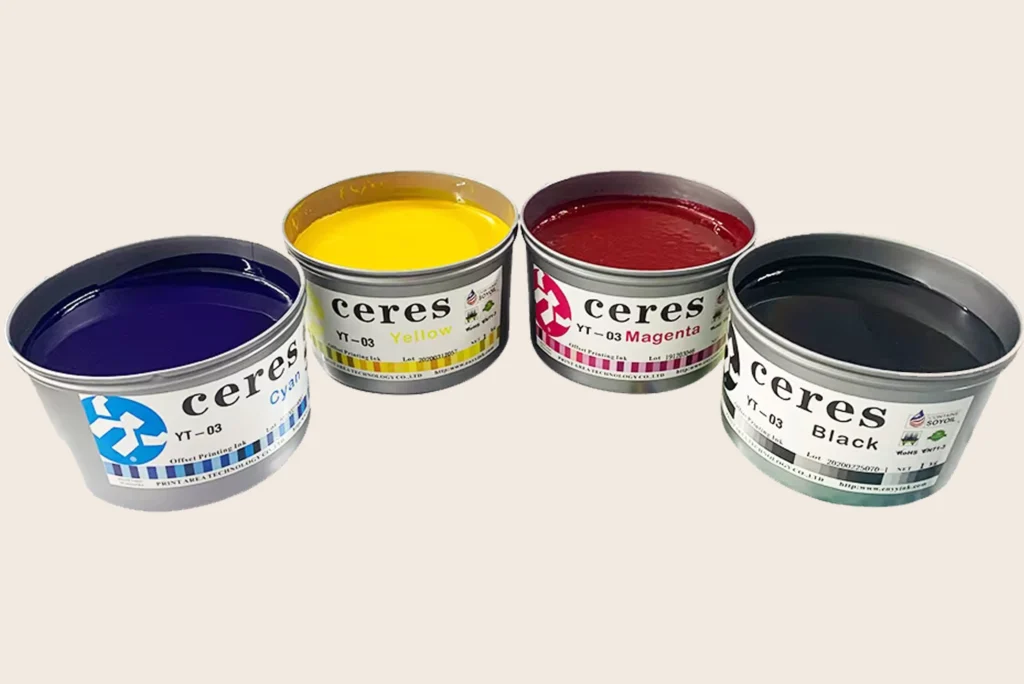
A plant-based ink made with soybean oil, offering rich color output and a more sustainable printing option for carton packaging.
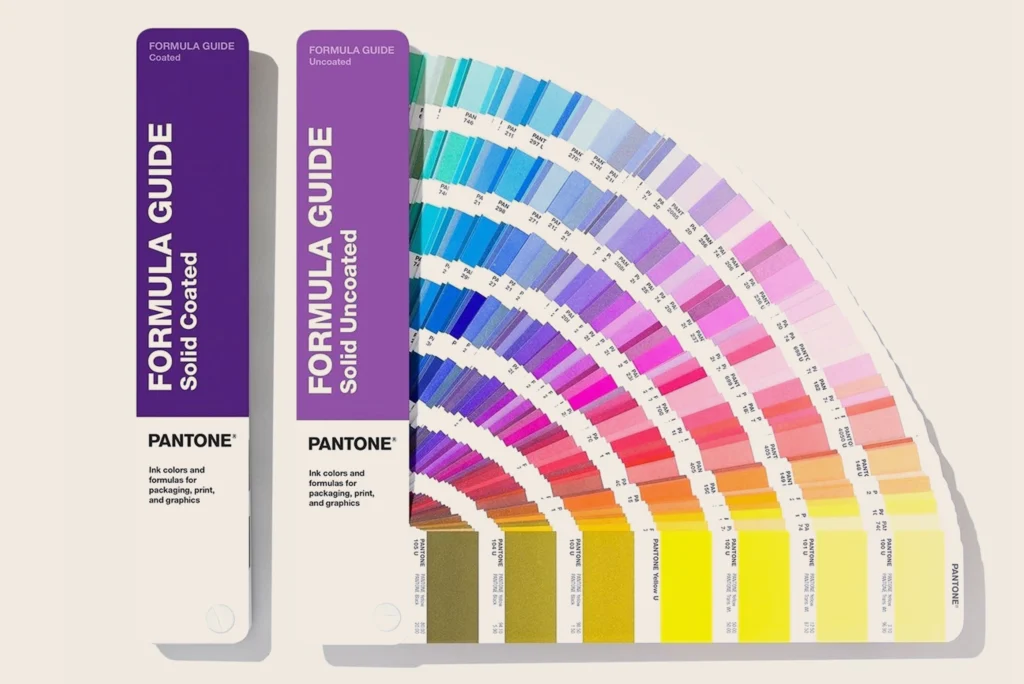
A standardized color-matching system used to achieve consistent, accurate brand colors across packaging, labels, and printed materials.

A full-color printing process using cyan, magenta, yellow, and black inks to create vibrant images, gradients, and detailed packaging artwork.
Real feedback from customers who trust us with their custom packaging.

Ekho Media
Quality of the product was outstanding and we loved the result! We had a small mismatch with one of the images on the boxes but Daniel was great at understanding our request and making it happen for us. Customer service was on point for him!

Mikey Jesse Barrera
Frank do an amazing job, the packaging was much better than we expected, and for the price it was stellar! The best part was Frank kept up with us ensuring what stages of print we were in and also when it was shipped tracking was provided promptly!
Emmanuel
They were super easy to work with and quick to respond, and the boxes we got were extremely high quality.
The salespeople are SUPER pushy. We get emails every other day and a few calls about placing orders. They don't understand timelines.
Maggie McGuinness
I have been working with ACP UK for a few years now with my soap box and gift set packaging. They are always quick and dependable. Great quality.
Ashley Andrews
We needed to order products as quickly as possible after our previous print company gave us a substandard product. We took a chance on ACP UK and we are very happy with the outcome! They were able to process our order during the holidays swiftly and accurately. Their customer service team is amazing, the product is very good quality, and they have reasonable pricing as well. We will definitely use them again!
Deanna Weise
We had a great experience working with All Custom Packaging UK. Frank was our main point of contact, and he was incredibly responsive throughout the entire process. He answered our questions promptly, kept us updated every step of the way, and made the experience smooth and stress-free. The communication was excellent, and we really appreciated the level of customer service. We look forward to working with All Custom Packaging UK again in the future.
Emily
The Mylar bags look professional and feel strong. The printing came out clear, and the resealable finish is very practical.
Matt Shortland
ACP UK was great at dealing with our enquiries the product turned out just as expected. Thank you Thomas for dealing with us and talking through it. Made it very easy for someone who has never ordered before.
Desiree Greene
Thomas provided us with quick responses and strong communication. All Custom Packaging UK is very thorough with multiple design confirmations before production to ensure your finished product is just how you want it to be. Lots of pictures and videos of our product were sent to us before it arrived too! All Custom Packaging UK has flexible shipping options that allowed us to receive our good-quality boxes before a deadline and made the process less stressful.
Marlene Rodriguez
I was impressed by the fine craftsmanship of the cards we ordered, especially since another vendor informed us the detailed design we wanted couldn’t be done. ACP UK exceeded our expectations with the final product! They also took accountability for an error and quickly sent a corrected order before the Holidays. Communication was great throughout, and the quality of the print truly impressed my manager.
Belinda Blanding-Ray
I’ve had nothing but great experiences with ACP UK. Frank has been very professional and always keeps me updated on my orders and responds quickly to my emails. The boxes that were designed for me were done just as requested and were of good quality. I am very pleased with both the service and the product. I look forward to continue doing business with them.
Ren
This was the first time I had a custom box made and Daniel made it a pleasant, efficient experience. He was patient with all my demands and also had me speak directly with one of the designers to made sure everything was specific as possible for the final outcome. Additionally, there was a major delay on my end and Daniel was very patient, even though the project was one hold for a few months. The result are professional, impressive, quality boxes which displays our product perfectly. I'm eager to continue working with All Custom Packaging UK for additional projects in the future.
M & L Nugent
I have been working with several companies - trying to nail down a box size and type for my organic tea business. Frank was the ONLY rep in all of the companies I reached out to who was responsive, helpful, and walked me through the entire process. It was an absolute pleasure to give my small business pounds to ACP UK! I will provide another review after I receive my custom product!
Dan
They worked with me late into Friday night to get my order out in time to get the products by a hard deadline. Very responsive and gave me great attention. They checked in too about my order arriving, and it came one day early. Very appreciative!
Mooiz Khan
I had the pleasure of working with Daniel. Over the last 6 months Daniel and I have been working on the launch of my new product. He has treated me with the upmost respect and has been helpful in every aspect. If any of you don’t know what to do or who to ask. Go to the chat box and ask for Daniel!
Jessica Daniel
The rigid boxes feel luxurious and very well made. They have added real value to the presentation of our products.
Jennifer
I received the boxes and they look great, I love them so much. Thank you for the time and dedication to my project, they are very helpful fast in solving any issues and attentive to your needs, plus they have great pricing compared to others and the material they use is 100% guarantee to make your vision come true. Will be contacting you guys in the future when I need more boxes.
Edelle
I contacted ACP UK about a bespoke gift box for two of our skincare products. Frank was brilliant every step of the way. He was contactable by mobile, email and the website. He helped with every step of the process and kept me informed along the way. The turnaround from box design to delivery was very fast and we are delighted with the end result. Would highly recommend!
Nadège Richards
I finally received my order about a month and a half later. Poor communication from the company and I never received shipping confirmation or tracking info until I asked for it. This was from my first experience, however I have now ordered from them 3-4 times and it's been great since then.
Nomeka
Daniel was fantastic to work with - quick and responsive. Our 500 boxes came 1 full week before our guaranteed delivery date, and they look fantastic. Will definitely be using again!
Natasha
The Customer Service is excellent! The boxes and designs were excellent! We are so happy with the product and the service. Thank you Thomas and team. See you soon for our next project, we look forward to working with you again.
Vanessa F.
We've been working with Frank at ACP UK for the past few years to produce the boxes for our nonprofit card game, and we've been consistently impressed. Frank is always friendly, professional, and quick to respond, which makes the process smooth from start to finish. The quality of the boxes is great, pricing is very reasonable, and customer service has always been excellent. We continue to do business with them and highly recommend their team!
Leslie Eichelberger
Working with ACP UK has been nothing short of fantastic! The process was easy, the boxes were priced best out of three different companies that I researched and working with Frank and Daniel was excellent. They paid attention to so much detail, down to making sure my fonts were the right shade.
I could not have asked for a better experience! I will definitely be working with them long term!
Sylvia Sepulveda
Thomas was great to work with. Answered all of my questions and I received my customized boxes faster than expected! Thank you! I will be returning soon.
Luca Clifton
Once again, ACP UK and Frank in particular have proved an excellent partnership for my small business, going so far as to fix a previous order error free of charge and continuing to value my business as a customer
Michael Ralston
We have ordered from ACP UK consistently for over a year for our boxes. They do great work, and Frank is always quick to respond. Great work and prices.
Nick
That is a great company with an awesome customer service and dedicated approach to each client. The rep I deal with - Frank is very helpful and patient. With all his efforts we've got the desired result and quality!
Definitely recommended!
Jack Lawlor
Great service from Frank and the team, very knowledgeable and helped me every step of the way as I’m not the most computer minded. Will definitely use again
Denver
I was initially hesitant to try this packaging boxes company, but I am so glad I did. The boxes were exactly what I needed for my business, and the customization options were extensive. The team was easy to work with and made the process seamless. I will definitely be using this company again in the future.
Stephen Samuel
Recently I worked with ACP UK to obtain a large number of packages for a product that we are now selling. We got a big order and needed high quality work done in a hurry. ACP UK gave us great service. They were flexible, professional and prompt.
Aaron A Watson
Daniel was amazing to work with! We came to him in a pinch to create custom boxes for a very large scale event in a short timeline. He was able to not only make sure our timeline worked, but also provided a product who's quality was so great that through the entire event people were talking about how chic and quality the boxes were. The speed at which we received responses to our [many] questions was remarkable. 10/10 would reccomend!
Jess
The packaging from All Custom Packaging UK is exceptional! Daniel took a proactive approach, ensuring the order was successfully executed within a tight shipping timeframe. Much to our delight, the pizza boxes were delivered ahead of the estimated delivery time. The quality of both the printing and the boxes themselves was truly impressive.
Karen Vasquez Marin
We needed a personalized box, and Frank was really helpful in making this project a reality. The boxes arrived on time, the design was exactly what we wanted, and the quality is also great. Thanks, Frank, for helping us.
Daniel
ACP UK went above and beyond. Frank took such a personal and hands on approach to making sure this project came out succesfully. We had a tight turn around and with the holidays breathing down our back it was coming down to the wire. Frank pulled off a miracle and delivered above and beyond what was asked for and at an incredible rate. Will definitely be returning for any future project needs.
Natural Zen LLC
This was my first, and won’t be my last, time ordering with ACP UK for my custom packaging. I worked with Frank who walked me through every step. He ensured I understood every aspect of the process and ordering, sent multiple images for me to approve, and checked back in with me when I got them too! Not to mention, my company is all about zero waste and being green so, I had a million questions to ask about the product itself before I even attempted to design anything and he was absolutely amazing and so patient! To date, the best customer service I’ve experienced. I will definitely be ordering again!
Claire Bentley
We have used ACP UK a couple of times now and very happy with the service - both Daniel and Thomas have been extremely helpful and have helped to bring our ideas to life. Highly recommend and will be using them again in the future.
customer
I was very pleased with my experience and final product with ACP UK! My rep Daniel was so helpful and understanding through the entire process and my final boxes are very good quality. The design process was easy, production was fast, and my boxes arrived much quicker than I was expecting. Prices are also very reasonable, especially compared to similar companies offering similar products.
I'm very happy with them and will absolutely be ordering from ACP UK again in the future.
Phriseil Candles and Soaps
My third order!! Once again, Frank has easily helped me through the designing and purchasing process. The boxes are exactly what I envisioned. The quality of the boxes give me the comfort in knowing my candles are well protected. My company logo, design and print flows seamlessly through three different style of boxes I have gotten through All Custom Packaging UK. I receive so many complements on the boxes and how they present my products. If and when I need more boxes, I will definitely be emailing Frank.
JL Aronson
I loved the options and thought the solution we came up with was brilliant. A slide box for a gift thumb drive of irregular shape. Daniel was my rep. Very helpful!
Rebecca Upton
Frank was very helpful from beginning to end. Adapting the order size to our small charity and remaking the boxes when the delivery company lost them. We are very happy with the outcome, the boxes will really help our products standout when on display.
Mary Connolly
Professional, high quality, and best priced. I love working with ACP UK. I just love being able to trust, everything will come out right. I would leave more stars if I could.
Lori Eaton
It only got better from there because Frank was super quick to respond, and he knows his stuff! I'm sure he is a valuable employee! He was a great help to me by sending images right in chat. He made me realize how wonderful ACP UK is. I am still amazed at the number of products they offer. They have everything. Plus free shipping, 24/7 online support, no die & plate charges, and free design support. OMGosh!
Faith Guanga
We are very pleased with our packaging design! It was great working with Daniel, I almost didn't work with ACP UK because of their pricing but Daniel went out of his way to try and negotiate prices with the sales department to fit our budget and offered us more budget-friendly packaging options as alternatives. Very responsive to my emails and made sure that our designs were how we wanted them! I look forward to working with them again soon!
sue
Thank you so much, i received my order in timely manner, and Frank was so helpful in assisting me through the process of my order. I ordered small boxes for my product. I loved the printing quality of the box, and will be ordering some more boxes again.
Jake
ACP UK were excellent to work with! Daniel worked with me throughout the process to ensure we received the result we wanted. Communication was excellent and I cant recommend them enough.
Joshua King
Frank and Daniel were highly communicative during the entire life cycle of my project. The packaging looks fantastic and high quality at the best price I could find!
I will definitely be using their services again!
Janice LaFontaine
Thomas has been a delight to work with from start to finish, responding to my many questions and requests. He worked well with my graphic designer to get us a gorgeous luxury packaging product for our premium fudge product. Whenever there was an issue, he was there to walk through it with us and ensure it resolved. ETAs were not consistent but when multiple parties are involved in getting the packaging to us I suppose some delays are bound to occur.
Kelly Szczotka
Frank and team were fantastic with my last minute custom order. We determined the products needed, sizes and quantities and within hours I had perfect proofs of three different products. The order was placed and confirmed within 24 hours of me contacting ACP UK.
The order was delivered on time for our event. The chefs at our venue using boxes for popcorn and donuts said they were top quality and very impressed. The clients were impressed with their logo displays. Thank you!!
The Buckin Farmacy Brianne Eas
Can’t thank Daniel with ACP UK enough for his help during the designing/ordering process of the boxes I needed for my business. They turned out amazing & have received several compliments. Such a great company to work with!
Fly Fish Wyoming
I had a great experience with them. No complaints at all. I had a very specific box I wanted and they worked with me to get it all set up and sent me a template for my art. I had to make one adjustment on the proof but the final product turned out great and I'm really happy with it. I worked via email with Daniel.
Kofi Onumah
Mr. Thomas, with ACP UK is the consummate professional. He pays close attention to the requests and delivers high quality. While ACP UK prices come in higher than their competitors, I'm happy knowing my product will be delivered soup-to-nuts promptly, with top notch quality and customer service.
Ime Holland
This was our 1st time ordering from All Custom Packaging UK. From beginning to end, Daniel made the ordering process seamless. We received the boxes and they look great! Such a professional and well thought out addition to our giveaway. We went with glossy and we are happy we did!
Spin Spudnik
Working with Thomas was a great experience - he’s always able to work through any issues, concerns or questions. I appreciate working with Thomas and his approach to business, and therefore plan continue to do business with ACP UK.
Cory Sweitzer
wonderful service from a company that went beyond expectation to help my project get up and running smoothly. My sales rep, Daniel, and the design team at ACP UK made sure to have every detail in place and gave me a quote other companies could not touch! Lead times were accurate and updates for shipping were by far the most stellar i have yet to see. Thanks a million!
Ben Simmons
All Custom Packaging UK, especially Thomas was an excellent decision. I went from not knowing what I wanted to go with to understanding all of my options and placing an order very quickly. The product arrived quickly and was exactly what I was looking for. Cannot recommend All Custom Packaging enough.
Jonathan Jennings
ACP UK is amazing! I am so happy to have found them. I have been working with Daniel, our customer service representative, for about 6 months and he has been amazing. He gets templates/proofs to us quickly, has never missed our deadlines, and communicates in a very timely & professional manner. Great quality prints, fast turnaround time, fair pricing. I have previously worked with other print companies and have since switched all projects to ACP UK. I highly recommend them (and Daniel)!
Shanik Murthy
From the very beginning the team has been nothing but helpful and responsive when it came to my inquiries. Cant thank them enough for all the time and effort they put in to help make the process easier for me! Thank you to Thomas and Daniel specifically!
Akena Mitchell
I ordered soap boxes for my company, & Frank did such a great job of helping me make my vision a reality! My boxes are beautiful! They do excellent work, and it was a pleasure working with Frank! I highly recommend them, and will be back for future purchases!! Thank you!!
William
This company was able to fulfill my unique request with ease and for a great price! I worked directly with Daniel who was very professional and gave good customer service.
Derek Gill
Been working with Daniel on my boxes for our soaps and bath bombs. We just received our boxes for the soaps and the quality is five star. Daniel has been on top of his game and even caught a mistake in our spelling I highly recommend this company and will be using them For all our future orders.
Suni Woolstenhulme
Best customer service! Daniel was great to help me keep the process moving in order for me to meet my business deadlines. He made sure I knew exactly what the boxes would look like and samples were received promptly. I liked the quality of the boxes for the price so much that I added a bunch of labels to the order as well. It has definitely improved the look of packaging in my store.
D Hines
First, I'd like to say, sorry for the long delay with getting this written. My experience dealing with All Custom Packaging UK and Frank has been fantastic. He has really taken the time to work with me on my crazy request and demands. Frank has been great and I am a satisfied customer. I look forward to dealing with ACP UK and Frank in the near future! Russell Hines.
Caren Henderson Freeman
Fast response to my emails/orders, production time is quick and I love that the shipping is included already in the cost. Not a 4 star only because of some minor production issues with dust, glue, and hanging chads. Customer service is on top of it with fast response and satisfied outcome.
Natalie
Daniel has been helping me with box sizes. He has walked me through the process patiently and as also been helpful with all my questions. This is my first experience with ACP UK - so far, so good!
Guest
First time working with ACP UK, but surprisingly worked out well. They handled the design and I believe I got the packages under 10 days, both times, as promised. I ordered a prototype first, asked them to make changes, and all was implemented well. I've also worked with another company in parallel, that was much slower. The price here is better as well. I don't know where the team operates from but they are doing excellent job!
Steven S
My organization has been working with Thomas for few years and we are consistently met with fantastic quality and service. Thomas is attentive to our questions, offers advice, and always finds a way to deliver an impressive product. Thomas is one of my favorite vendors to work with and I look forward to working together in the future.
MICHELLE
Our company has now ordered twice from All Custom Packaging for our packaging needs. We must say the customer service and quality of their products exceeded our expectations. Pricing is competitive, product is as expected and communication is excellent. Will do business with them again.
Affirmation Effect
We’ve been working with this packaging company for years, and they continue to deliver every time! Our candle boxes always come out beautifully, with great quality, attention to detail, and consistency. Frank, our rep, has also been amazing, always helpful, responsive, and easy to work with. We truly appreciate the care they put into our orders and the relationship we’ve built over the years. Highly recommend!
Noel Gaskin
My sales associate did all the heavy lifting. Daniel patiently walked me through the process and remained responsive to the end. The result and finished product were labels and external packaging that our customers love.
Tin Tin
I have used ACP UK multiple times to deliver packages from sites without their own delivery methods. Each and every time has been nothing but positive. Fast delivery, products always in good condition. Nothing but praise!
Clear answers about ordering, artwork, production, materials and delivery.
Depends on the fill and the handling. A heavier, loaded tray or a busy, high-volume service suits corrugated's added strength. A lighter, everyday tray comes down to kraft versus cardboard on cost and colour. Tell us roughly how it's being used and we can point you to the right one.
Yes. Kraft's natural brown base mutes printed colour slightly, especially pale tones, while a white-faced cardboard holds closer to your exact reference. How much that matters depends entirely on whether an exact brand colour is doing real work on the tray.
Not usually, no. Rigid suits luxury and reusable presentation formats, and it comes with a higher minimum order and longer production time to match. For a typical single-use, high-volume hot dog tray, that trade-off rarely pays off unless the presentation itself needs to be genuinely premium.
No, that isn't a confirmed standard specification for any of these four materials. Flag it directly at quote stage if it's a genuine requirement, since it isn't something to assume.
Orders start from 100 units. Standard production takes 6 to 8 business days after approval. UK delivery is free.